
Sheep diseases can be fatal, and in the most severe cases, the entire flock can become infected. Prevention can help prevent negative consequences and protect animals. To do this, it's important to know what diseases sheep can suffer from, what symptoms they exhibit, and how to effectively treat them.
Non-communicable diseases of sheep
This category of diseases does not pose a significant risk. The key is to begin treatment promptly and remember the importance of preventative measures.
Bezoar disease
The accumulation of plant fibers and animal fur in an animal's stomach is called bezoar disease. This condition most often affects young animals that are starving due to a lack of milk from their mothers. Due to a lack of minerals and vitamins in their diet, the animal begins eating its own fur in an attempt to compensate for the lack of nutrients.
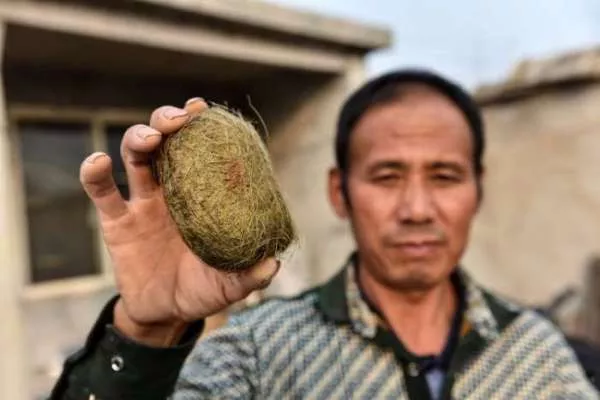
Bezoar stone from the stomach of a sheep
A sick animal becomes restless, suffers from poor appetite, and begins to stare at other animals, attempting to eat their fur. Other symptoms include bluish mucous membranes and constant attempts to defecate.
- ✓ Ensure that young ewes' diets contain sufficient minerals and vitamins, especially during the weaning period.
- ✓ Regularly check the condition of your pet's fur for signs of hair-eating.
There are no effective preventative measures. To prevent bezoar stones from forming in the stomach, maintain a balanced and healthy diet rich in essential minerals and vitamins.
Tympany of the scar
Digestive system problems are considered non-infectious diseases. They can affect all animals, regardless of age or gender.
The disease is accompanied by poor appetite, anxiety, and severe abdominal distension. Both adult animals and lambs suffer from poor nutrition. The disease can lead to the failure of one of the gastric rumen.
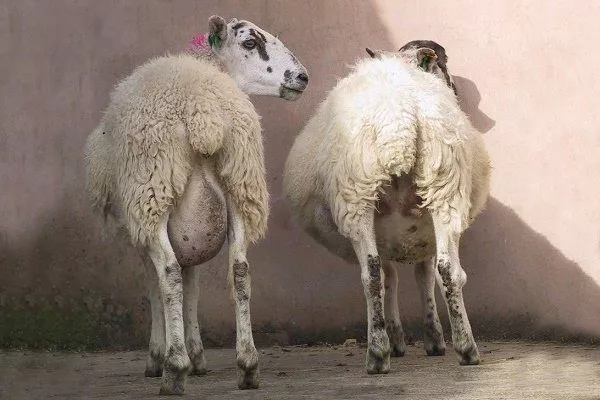
A sheep has a bloated abdomen on the right side.
For treatment, a special tube is inserted into the sick animal's mouth to restore the rumen to its normal function. This allows accumulated gases to be removed. This approach isn't always effective. In the most complex cases, a rumen puncture is required.
Cystitis
If a purulent infection of the udder develops, or if the kidneys, uterus, or other nearby organs are affected, the lining of the urinary bladder becomes inflamed. The ewe experiences a constant need to urinate, which causes severe pain.
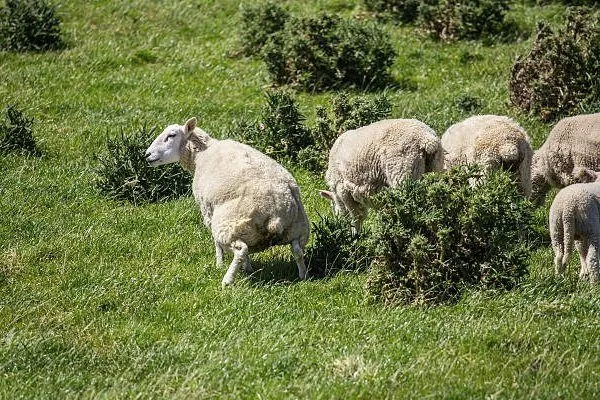
As the disease progresses, body temperature rises, urination becomes impossible, and hunching occurs.
- ✓ Pay attention to the frequency of urination and the presence of blood in the urine as early signs of cystitis.
- ✓ Check the animal’s body temperature, as an increase in temperature may indicate the development of an infection.
During treatment, sheep are switched to a light diet and given plenty of fluids. The animal is given salt, hydrochloric acid, and benzoic acid. In some cases, bladder irrigation is performed using various solutions. Intramuscular injections of sulfonamides and antibiotics are administered.
Poisoning
This is a common problem faced by many sheep owners. Poisoning can be caused by poisonous plants eaten by the sheep. Symptoms include severe vomiting, bowel movements, refusal to eat, and a high fever.
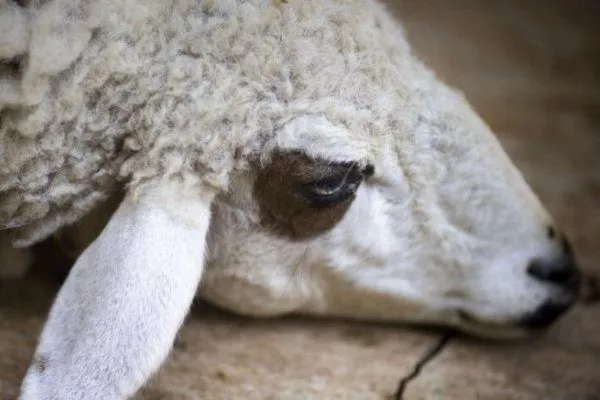
Lambs are especially at risk from poisoning; their young bodies may not survive the severe condition. The most effective treatment is immediate gastric lavage using sunflower oil (110 ml) and a special salt solution (60 g of salt per 550 ml of water).
Eczema
An inflammation of the animal's skin occurs. Individuals that are allergic to various irritants—chemical, mechanical, or fungal (lesions)—are affected. Pithomyces chartarum). There is a risk of developing eczema as a result of improper and limited nutrition, unsuitable living conditions, as well as in the presence of various chronic diseases.
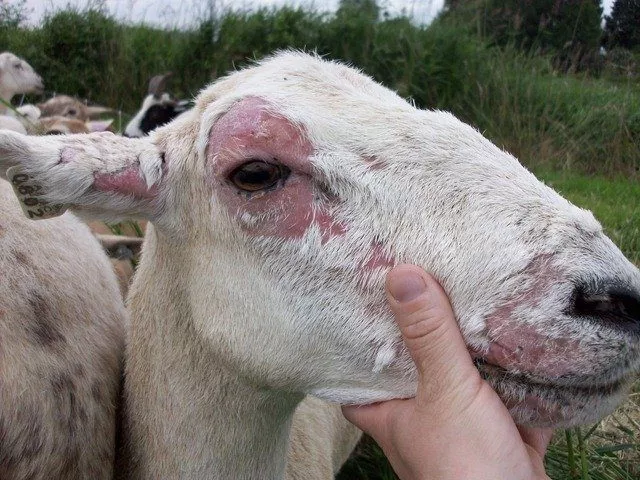
Eczema causes papules and redness to appear on the animal's skin, vesicles and pustules to develop, the skin to become crusted, and emaciation to occur. Treatment is based on the immediate elimination of the underlying irritant. Liver support medications are prescribed. The sheep should also be switched to a different diet (hypoallergenic and safe, as grasses toxic to sheep may grow in the pasture), receive vitamin supplements (but do not exceed the recommended dosage, otherwise the sheep will develop toxic liver damage), and avoid grazing in direct sunlight (provide shade).
Bronchopneumonia
This disease causes inflammation of the bronchial mucosa, which also affects the lungs. The affected animal exhibits a high fever, loss of appetite, rapid breathing, coughing, and foul-smelling mucus discharge from the nose.
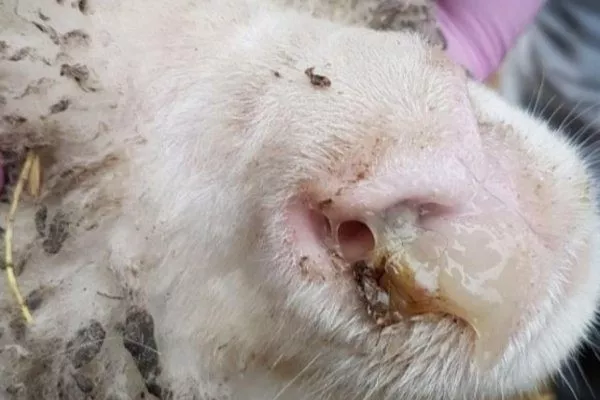
Treatment involves sulfonamides. Gamma globulin and antibiotics are prescribed. Medications that stimulate proper cardiac function may also be prescribed.
A sick animal must be prescribed a special diet.
Stomatitis
Stomatitis is an inflammation of the oral cavity. This condition can be caused by mechanical damage, chemical or thermal influences, and certain biological factors.
A sick animal has difficulty chewing food due to erosions forming in the oral cavity, and the tongue may become coated with a white coating. Excessive salivation occurs, and the animal chomps incessantly.
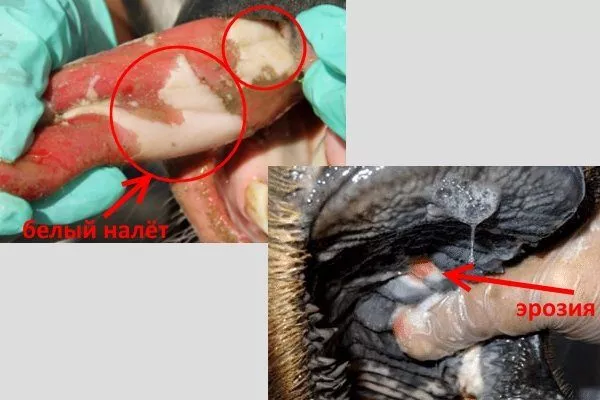
For treatment, sheep are switched to liquid feeds with a slimy or jelly-like consistency. Mixed feeds can also be given. Regularly treat erosive areas of the oral cavity with hydrogen peroxide.
Conjunctivitis
Depending on the form of the disease, various symptoms may appear:
- catarrhal – the eyes may be closed or half-closed, photophobia develops, severe lacrimation begins, the conjunctiva swells and turns red;
- purulent – the release of purulent contents begins, the edges of the eyelid become covered with ulcers;
- phlegmonous – the conjunctiva bulges, swelling of the mucous membrane of the eye develops;
- follicular – inflammation of the follicles on the inside of the third eyelid occurs.
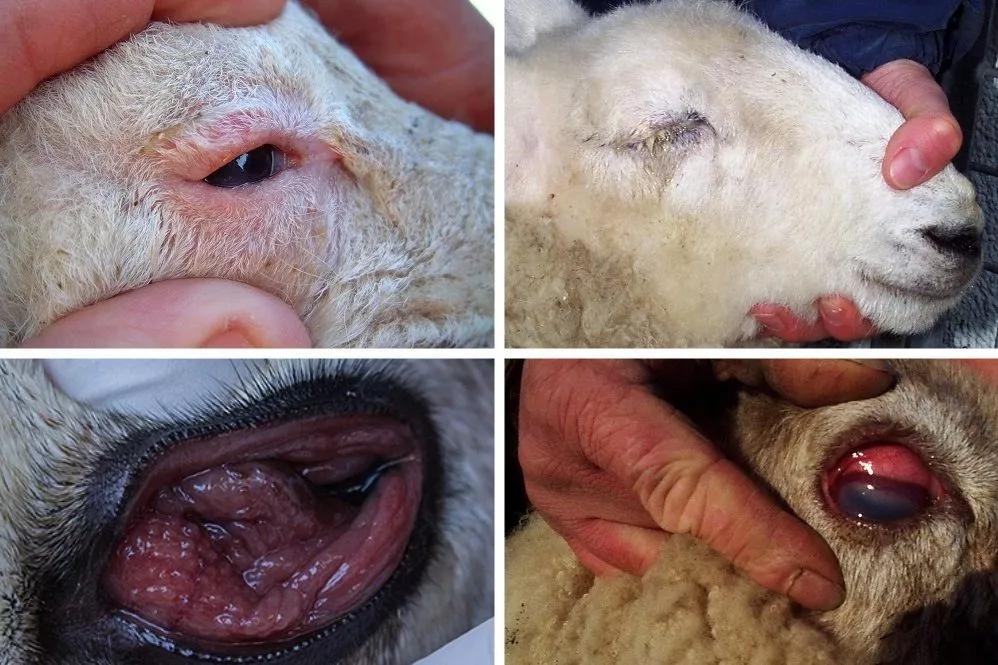
Regularly cleanse the mucous membrane of the eye to remove purulent discharge. Use an aqueous solution of boric acid, corticosteroids, and antibiotic ointments for this purpose. To prevent the follicular form, cauterization with a silver nitrate pencil is performed.
Arthritis
It is an inflammatory disease that affects the joints. This results in joint deformities. Affected sheep limp severely, suffer pain, swelling, and fever. They become uncoordinated and reluctant to move.
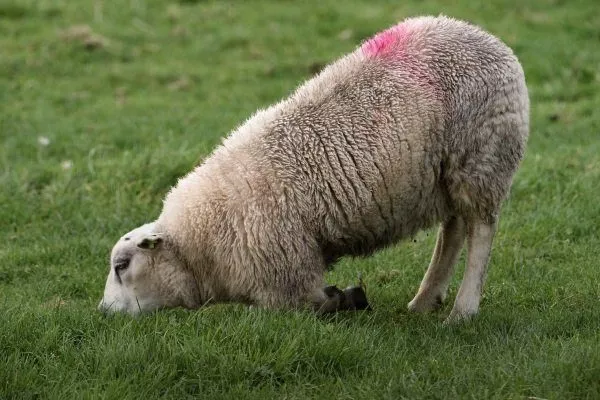
Introduce as much alfalfa as possible into the sick animal's diet, as it is highly nutritious and helps reduce the amount of concentrated feed. Provide massage therapy to the affected joint. Also, regularly apply ointments that prevent irritation.
Myositis
This disease affects the animal's muscles. The affected muscle begins to harden, the sheep experiences pain, and the skin in the affected area swells. If the muscle damage is confined to a limb, the animal will limp severely.
During treatment, a warm compress is applied to the affected area, and physical therapy is performed. If an abscess develops, it is incised, and sulfonamides and antibiotics are administered intramuscularly.
Footrot
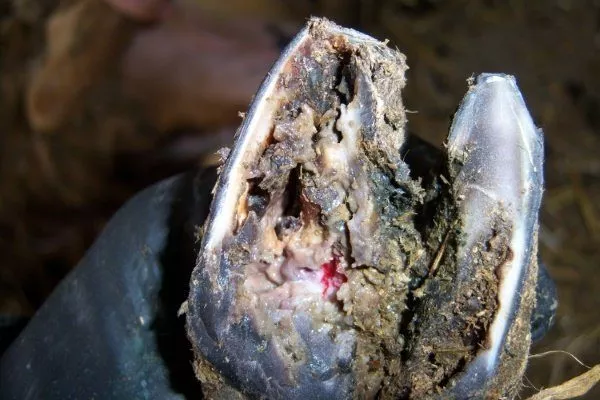
Hoof rot is one of the most unpleasant diseases, leading to severe inflammation known as hoof pulpitis. The disease is accompanied by lameness, making it difficult for the animal to move. Treatment involves hoof trimming.
Tendinitis
Tendinitis, or inflammation of the tendons, occurs after an injury and infection. The sheep limps severely, experiences pain, the injured area swells, and develops a fever.
A cold compress is applied to the inflamed area, applying pressure. A small puncture is made to remove the accumulated exudate from the sacs. After thorough cleaning, all cavities are treated with special antiseptics.
The amount of exudate gradually decreases. Over time, you can begin massage with camphor oil.
White muscle disease of lambs
For lambs born a few days ago, this disease is most dangerous and untreatable. Death occurs in approximately 65% of cases. The onset of dystrophic processes occurs due to the development of vitamin deficiency.
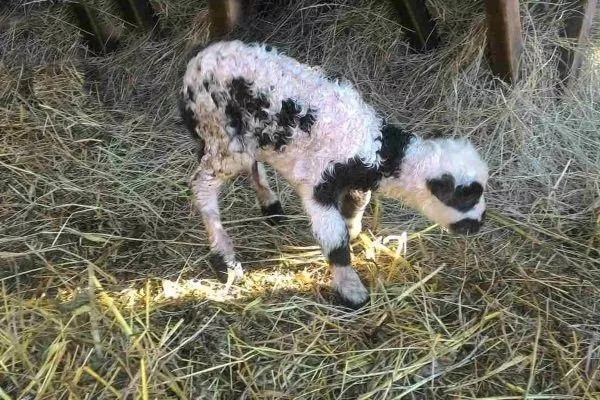
A sick lamb begins to limp, develops convulsions, swelling, and weakness, and its breathing becomes rapid. However, the onset of the disease can be prevented. To this end, vitamin E and other valuable minerals, primarily selenium, are added to the adult animal's diet. Pregnant ewes should be given mineral supplements regularly.
Fractures
A break in the integrity of a bone is called a fracture, which can be closed or open. In the former, only the bone is damaged, while in the latter, the skin is also damaged.
If an animal suffers a fracture, swelling appears at the site of the injury, the limb is deformed, and the animal experiences severe pain. Damage to the humerus, tibia, and femur leads to culling.
For treatment, a support bandage is applied to the injured area, and complete rest is required. The limb and bandage are immobilized. Use hard objects for this purpose.
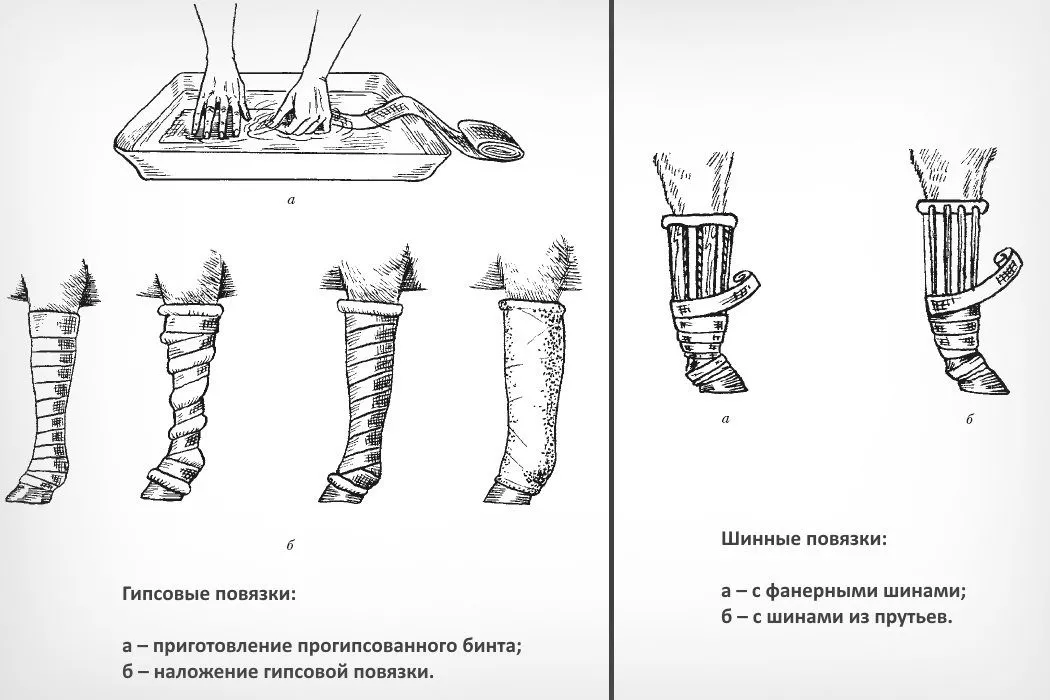
If the fracture also involves tissue damage, the wound is cleaned with clean water and antiseptics. A support bandage is required; a plaster cast is not suitable. Fluid may occasionally leak from the wound. It is important to remove this fluid regularly, and the fracture site should be disinfected to prevent septicemia.
The sick sheep's diet is supplemented with vitamins and minerals, and exercise is regulated. Massage of the injured limb is also beneficial.
Infectious diseases of sheep
When an infectious disease is diagnosed, the affected sheep is immediately isolated from the flock. Failure to take prompt action can result in infection of the entire flock.
Rabies
This is a contagious and serious disease that affects the central nervous system. Infection results in the death of the sheep. There is a high risk of infection to other members of the flock. Humans are also at risk. The causative agent is a virus that is sensitive to high temperatures and acidic and alkaline disinfectants.
In a quiet form When ill, sheep begin to moo hoarsely, salivate more, and walk unsteadily and unsteadily. The sheep refuses to eat, and paralysis develops.
In violent form When sick, the sheep begins to behave very aggressively, tries to break free from the leash, starts to roar for no reason and beat against the wall, and can dig many holes in the ground.
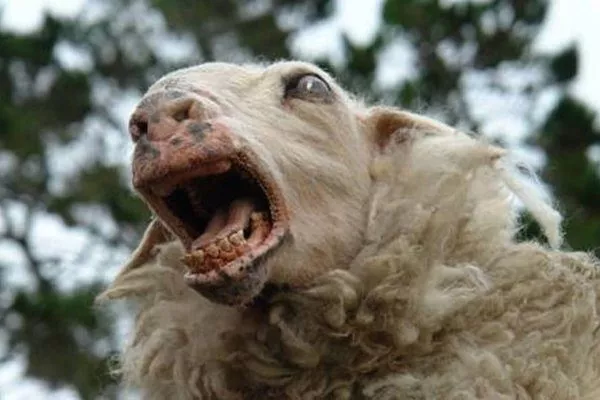
As a preventative measure, sheep are vaccinated against rabies. Farms are protected from stray dogs and other animals that could be potential sources of infection.
Currently, there is no effective treatment for rabies. When the disease is diagnosed, the affected animal is removed from the herd, isolated, and then slaughtered.
Bradzot
An acute infectious disease characterized by high levels of toxicity and inflammation in the abomasum (part of the stomach). Not all sheep are susceptible to the disease, but all infected individuals die.
The disease is caused by a rod-shaped microorganism that infects the animal and produces a dangerous toxin within it. The rod is highly sensitive to various disinfectants.
The disease progresses rapidly. The animal begins to experience severe convulsions, an unsteady gait, and a state of agitated agony. The animal dies within a couple of hours.
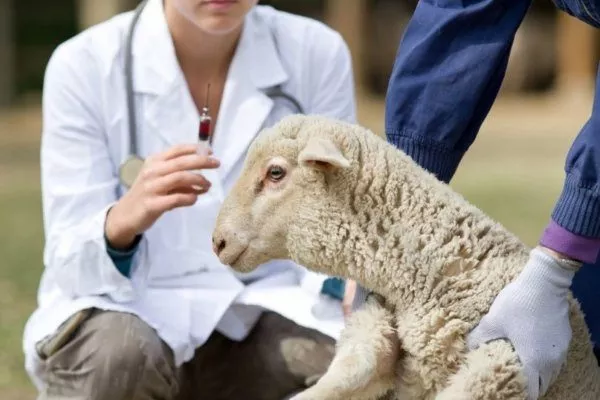
There is currently no effective treatment for this disease. Timely vaccination is recommended as a preventative measure.
Brucellosis
This is a contagious disease that can be transmitted to humans. It causes inflammation and subsequent damage to various parts of the animal's body. The causative agent is the Brucella bacteria (Brucella), which are not resistant to high temperatures and various types of disinfectants.
The disease is asymptomatic and may go undetected. Its presence can be detected by a retained placenta, testicular inflammation in the ram, or spontaneous abortion in the pregnant uterus.
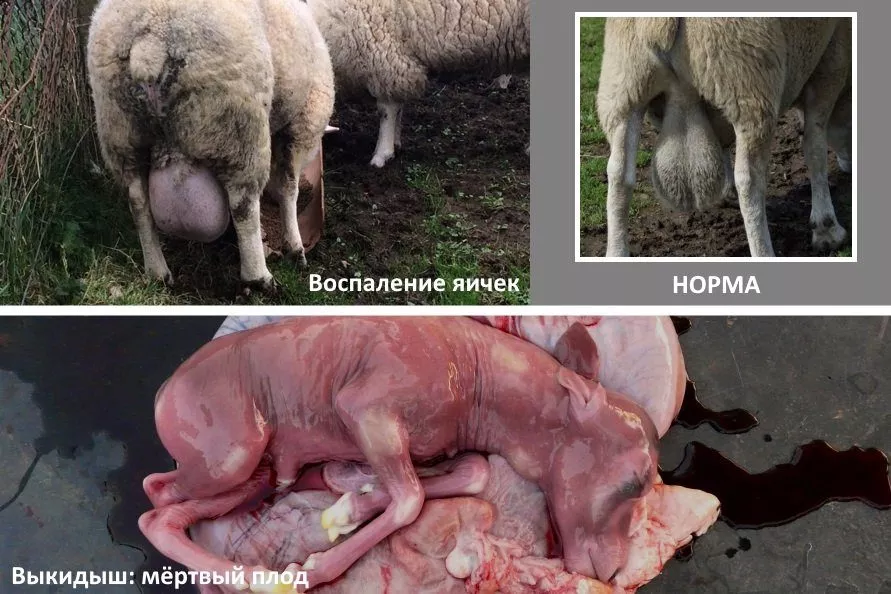
If a severe form of the disease develops, the animal develops paralysis of the hind limbs.
Treatment is ineffective and ineffective, so the sick animal is slaughtered. As a preventative measure, before introducing a new animal into the herd, it is tested at a veterinary clinic to determine the presence of brucellosis.
Pulmonary adenomatosis
An infectious disease characterized by the proliferation of epithelial cells in the respiratory tract. Symptoms may include a severe cough and nasal discharge. Rarely, the disease occurs without visible symptoms.
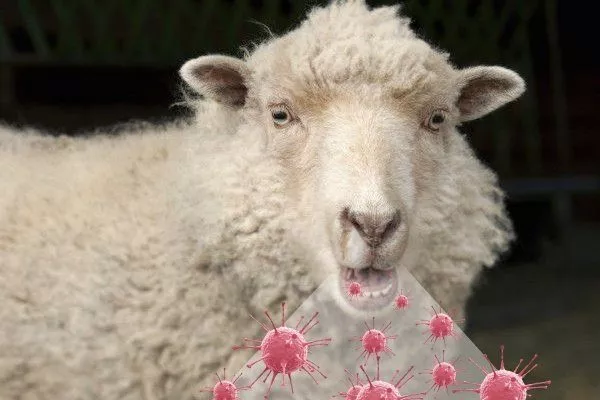
Curing an infected animal is virtually impossible. The sheep must be removed from the flock immediately to prevent infection of other animals.
Listeriosis
A serious disease that can lead to the death of an entire herd. The animal's body is infected with bacterial microorganisms. There are different forms of the disease. Nervous listeriosis is fatal in 100% of cases, as there is no treatment.
The disease is accompanied by apathy, complete loss of appetite, seizures, paralysis, and musculoskeletal disorders. If possible, it's best to immediately select sheep that are immune to the disease.
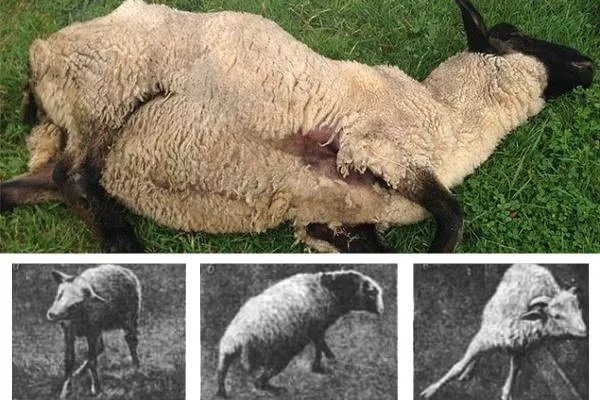
Characteristic behavior of a sick sheep
Infectious mastitis
The disease manifests itself as acute inflammation of the udder: it hardens, may become red and swollen, and feeding, milking, or expressing milk causes pain. In severe cases, the fever rises significantly and pus is released from the teats. The disease develops when a bacterial infection enters the udder through damaged teats due to ewes being kept in unfavorable conditions.
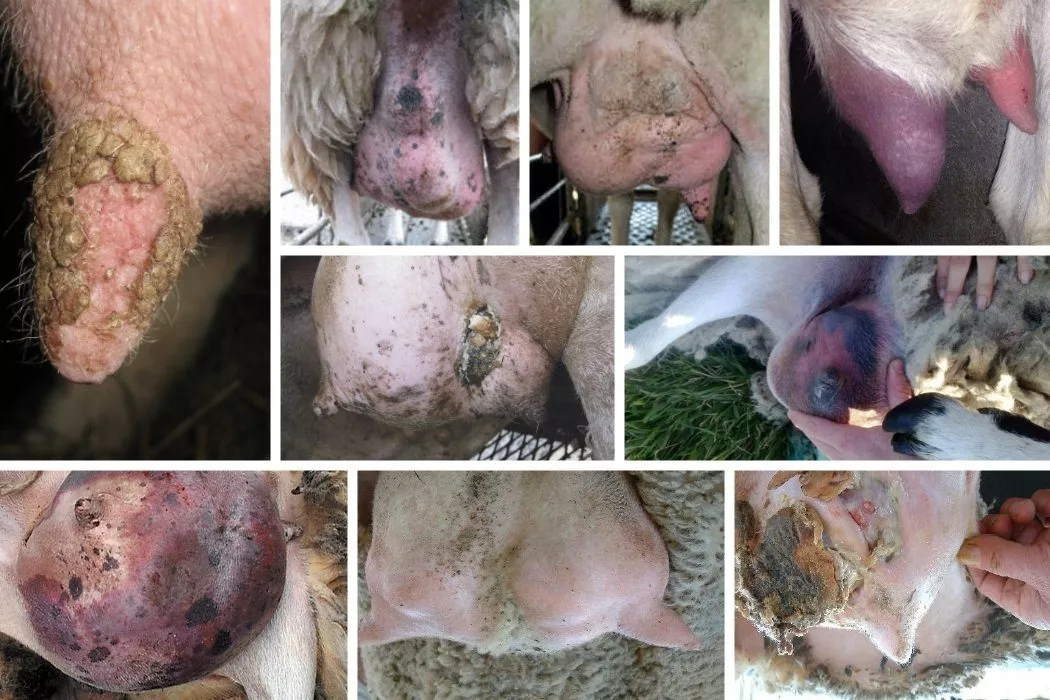
Antibiotics are used for treatment, and if inflammation recurs, the udder is removed. Effective prevention involves proper sheep care, adherence to all hygiene rules, timely milk yield, and latching the lamb onto the udder.
Agalactia
The disease often develops simultaneously with infectious mastitis. The first signs appear after or during the female's birth.
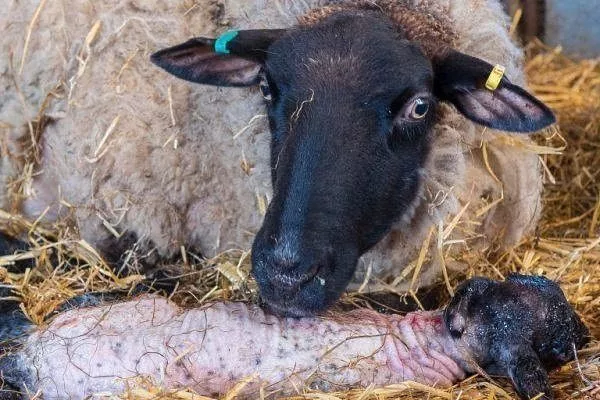
The disease is accompanied by pain and pronounced redness of the udder, conjunctivitis, milk changes color, loss of appetite, and the development of arthritis.
Treatment of the disease is only possible with antibiotics. If the sheep has a weak immune system, there is a risk of death.
Smallpox
This is a very common disease that can have serious consequences. Lambs and adult lambs are affected. Weakened animals die.
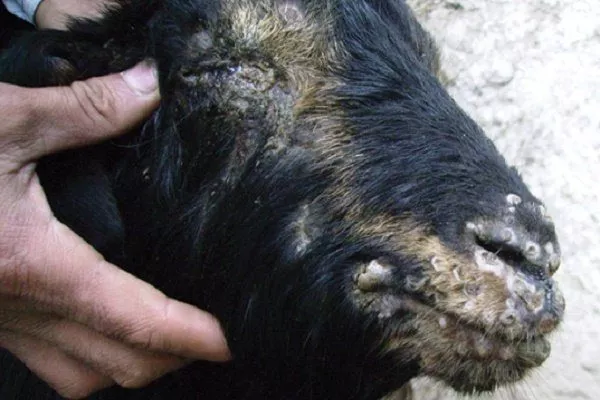
This disease manifests itself with an elevated body temperature, partial hair loss with the formation of papular-pustular rashes, excessive salivation, and nasal discharge. The affected sheep completely refuses to eat.
Infected sheep are immediately isolated from other animals to prevent the spread of infection. Antibiotic treatment may be prescribed. If there is no progress, the sick animal is slaughtered, and the carcasses are incinerated, as the disease is highly contagious.
Effective prevention is timely vaccination.
Pasteurellosis
An infectious disease that often affects flocks of sheep. The main indicator is the presence of pathogenic organisms in the animal's blood. Pasteurella multocida.
The disease is dangerous and can be transmitted to humans.
The disease progresses with a sudden rise in temperature, the onset of severe diarrhea, and a depressed state of the sheep. Severe edema appears, and the legs and joints swell. Anemia develops.
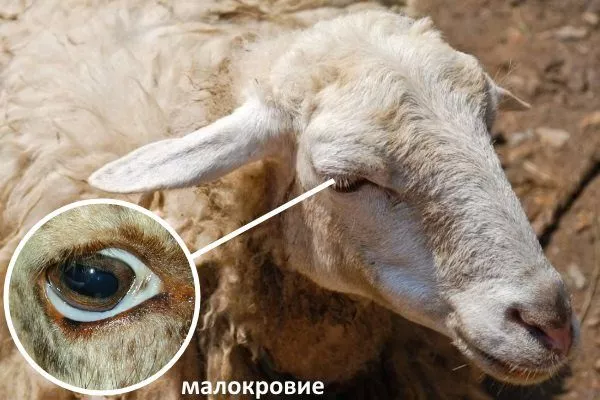
A sheep sick with pasteurellosis
The disease is treated with an injection of hyperimmune serum; sulfonamides with tetracycline are prescribed.
Effective prevention involves timely vaccination and strengthening the animals' immune systems. If an infected sheep is detected, it is immediately isolated from the flock, and the premises are disinfected.
Salmonellosis (paratyphoid)
Salmonella is a pathogen that is highly resistant to various disinfectants. Lambs are often affected by this disease, with mortality occurring in approximately 50% of cases.
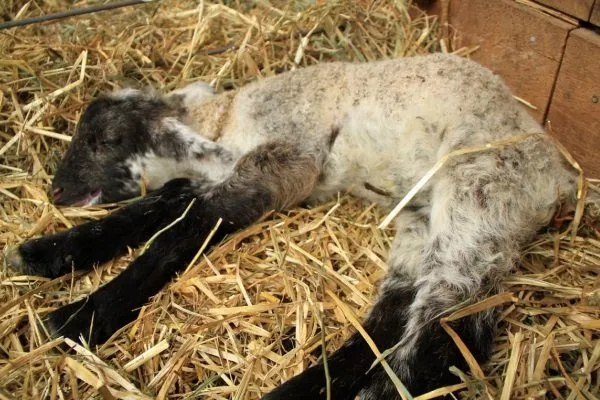
The disease manifests itself with a fever and diarrhea (possibly bloody). The sick animal refuses to eat. The lamb begins to breathe heavily. If the lamb hasn't died by the sixth day, it develops a persistent cough (pneumonia develops), and its joints become inflamed. It can survive for up to 10 days.
The sick animal is isolated to prevent spread of the disease. Treatment includes antibiotics (such as synthomycin). Nitrofuran agents (such as furazolidone) and sulfonamides (such as norsulfazole) are also used.
Anthrax
The disease is highly contagious and progresses rapidly. Not only animals but also humans are at risk of infection. When infected, swellings with ulcers appear on the sheep's body. Carbuncles can appear on the skin and internal organs.
The microbial bacillus causes the disease and is difficult to completely eradicate. Sheep can become infected by eating contaminated food.
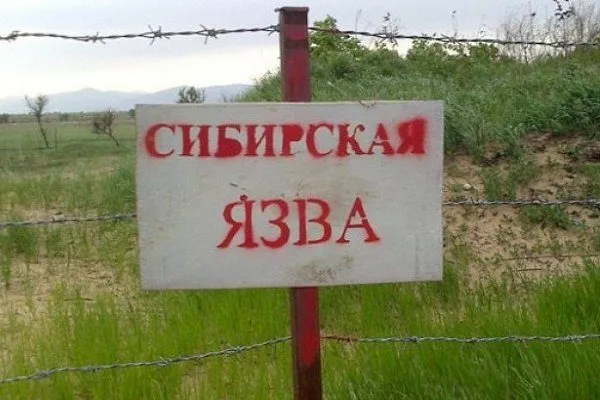
Depending on the nature and progression of the disease, various symptoms may appear. Severe and persistent tremors are observed, body temperature rises, the mucous membranes of the eyes become blue, the lymph nodes under the jaw become hot, and swelling of the lower jaw develops.
Treatment involves a specific serum injected into the muscles—10 ml per animal. Gamma globulin injections are also used. Penicillin antibiotics are administered intramuscularly.
Enterotoxemia
This is a dangerous disease that affects the nervous system. It is caused by infection with various microbes. The disease is seasonal, most often affecting sheep in the spring. It progresses through several stages, beginning with chronic, progressing to subacute, acute, and hyperacute.
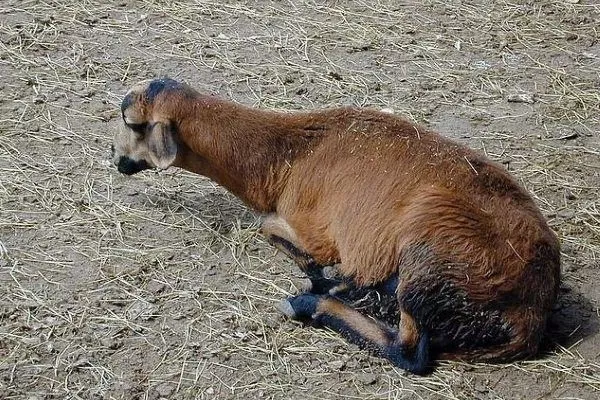
The disease manifests itself with shortness of breath, profuse nasal discharge, increased salivation, and gastrointestinal problems. Treatment is most effective during the subacute stage, when antibiotics are prescribed.
Foot-and-mouth disease
The disease is characterized by rapid spread. Infected animals develop aphthae, erosions in the spaces between the hooves, and even on the oral mucosa. There is a risk of human infection. The disease is caused by a virus from the picornavirus family, which is highly resistant to various factors.
In 100% of cases, death occurs in young animals. When adult animals are infected, death occurs in approximately 40-85% of cases.
Sick animals are the source of infection. Sick sheep develop a high fever, and a rash appears in and around the mouth, resembling blisters filled with cloudy fluid. Aphthae also affect the interdigital space. The illness lasts no more than 30 days.
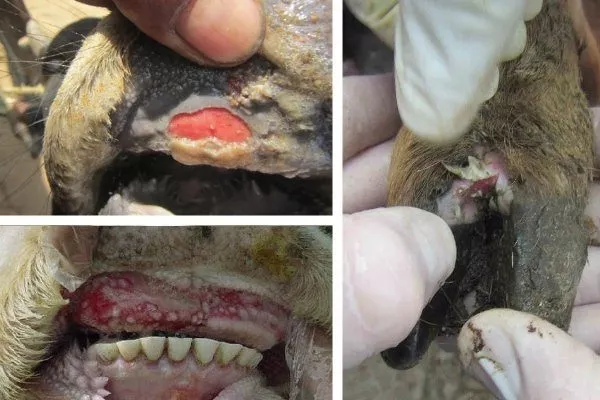
With proper and timely treatment, the animal will fully recover without any serious side effects. Antibiotics are administered by injection, and cardiac medications may be prescribed. If hoof damage occurs, formalin baths are used.
Parasitic diseases of sheep
Parasitic diseases are the most common type. Infection can occur through contact with a sick animal or as a result of unfavorable living conditions.
Fascioliasis
The gallbladder becomes infected with flatworms of the genus Fasciola. Infection can occur through consumption of contaminated water or food. The disease can last for many years.
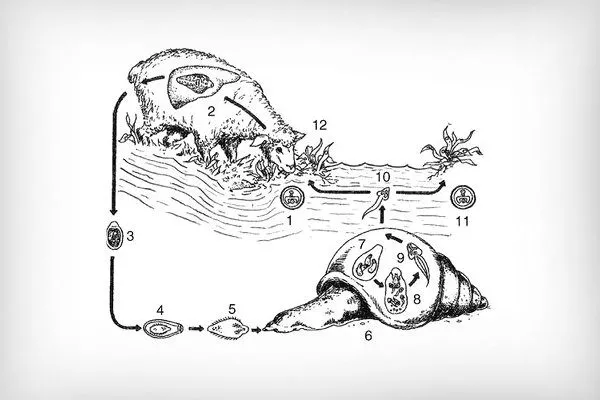
The disease manifests itself with hair loss, diarrhea or constipation, and a high fever. The animal almost completely loses its appetite, and becomes severely exhausted and weak.
Treatment is carried out using anthelmintics prescribed by a veterinarian. Deworming is performed at least twice a year.
Dicrocoeliosis
An invasive disease spread by Dicrocoeloma parasites, which inhabit the liver and gallbladder. The parasites can reside within the body for several years without causing any symptoms.
For treatment and prevention, anthelmintic medications are administered to the food supply. The area where the sheep graze is inspected.
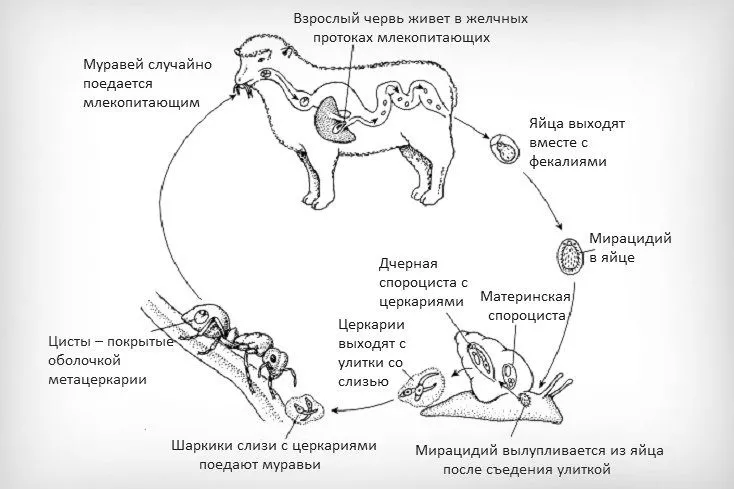
The development cycle of dicrocoeliosis in sheep
Echinococcosis
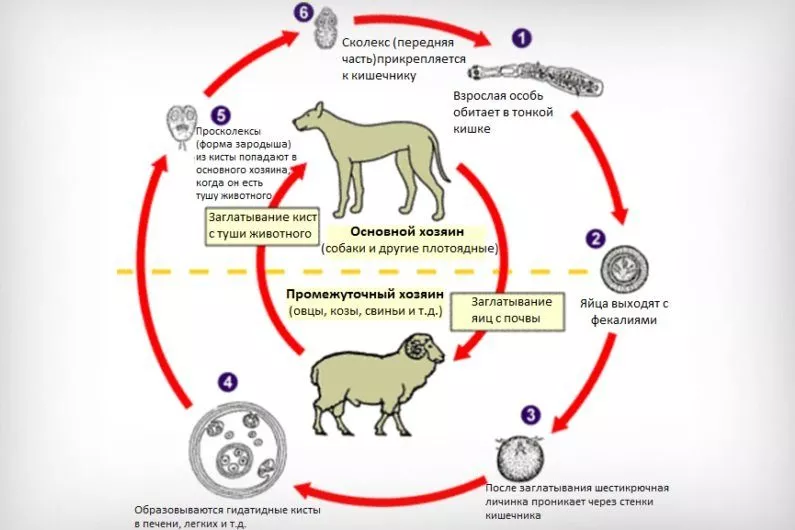
Cestode larvae infect internal organs. Initially, the disease is asymptomatic, but soon diarrhea sets in, loss of appetite, and rapid weight loss and emaciation occur.
There are currently no known effective treatments for the disease. Prevention involves limiting sheep's exposure to stray dogs.
Ostertagia infestation
This is a parasitic disease caused by ostertagia that infest the abomasum. Affected sheep experience weakness, weight loss, swelling of the submandibular area, and thirst.
Treatment involves the use of anthelmintics mixed with the feed. To eliminate parasites, medications such as Fentosian, Nilverm, and Naftamon can also be administered. These medications also serve as preventative measures.
Monieziosis
This is a parasitic disease caused by a tapeworm that inhabits the small intestine. It develops from an egg to a fully mature worm within three months. While inside the animal, it can reach a length of 5 meters. Ticks act as intermediate carriers of the parasite.
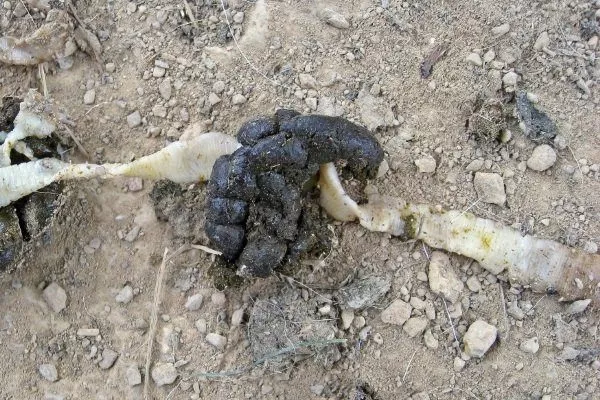
When infected, the animal refuses to eat, develops diarrhea and colic, and arches its back during defecation. Coordination is impaired, and the animal begins to press its head to its stomach or falls onto its stomach in an attempt to relieve the pain.
Deworming is an effective preventative measure. It is administered in four doses, preferably under the supervision of a veterinarian.
Tick-borne encephalitis
A disease transmitted by ticks. Symptoms include high fever, fever, and general weakness. After the virus invades the brain, symptoms soon disappear, but the fever rises again. Nervous system function is disrupted.
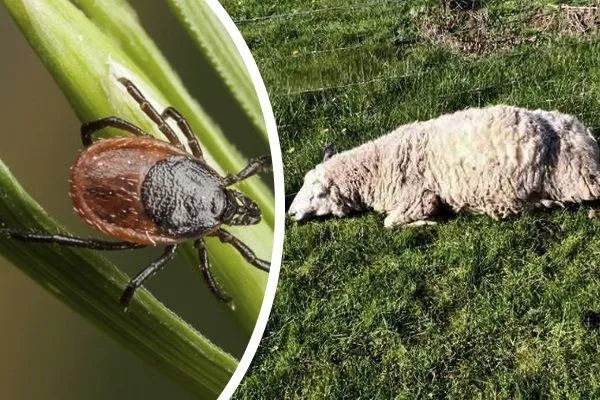
If the animal does not die within a few days after infection, there is a chance for spontaneous recovery.
Piroplasmosis
The disease is caused by a parasite called piroplasmosis, which infects internal organs and blood. Treatment involves a course of antibiotics.
The disease manifests itself with yellowing of the mucous membranes, severe diarrhea, and loss of appetite. The animal even refuses water. The urine has a red tint, breathing becomes rapid, and the temperature rises. The animal appears tired and lethargic.
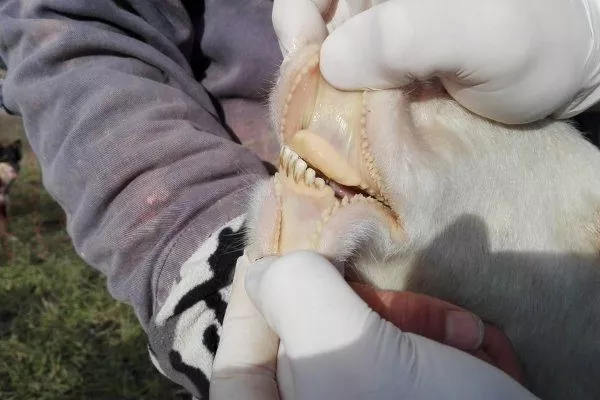
Yellowing of the oral mucosa due to liver damage
Theileriosis
The disease is caused by the parasite Theileria. The infection is spread by sick animals infected with ticks.
The disease manifests itself with enlarged lymph nodes, high fever, and disruption of the cardiovascular and digestive systems. Pastures are treated for ticks as a preventative measure.
A 7% solution of Azidin will help get rid of parasites. Your veterinarian may also prescribe other medications. These medications should be used in combination, but no more than three times per medication.
Psoroptosis
Saracoptoidea mites, which infest the skin of sheep, cause mange. By damaging the skin, the mites feed on lymph and fluid. Sick animals are the source of the disease.
The disease manifests itself with severe itching, hair loss, and thickening of the irritated skin. Fever occurs, and blisters and painful crusts appear at the site of the mites' infestation.
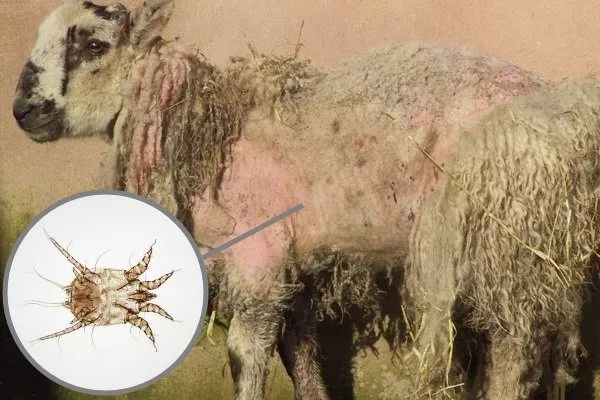
To kill ticks, the animal should be washed with activated creolin or hexalin. Injections of Butox or Ivomec may be prescribed.
As a preventative measure, sheep are kept in quarantine and undergo mandatory anti-tick treatment.
Melophagosis
Sheep are infested by wingless flies that reproduce rapidly and lay eggs in the animal's wool. Therefore, there is a risk of immediate infection of the entire flock. Both adult and young sheep are affected.
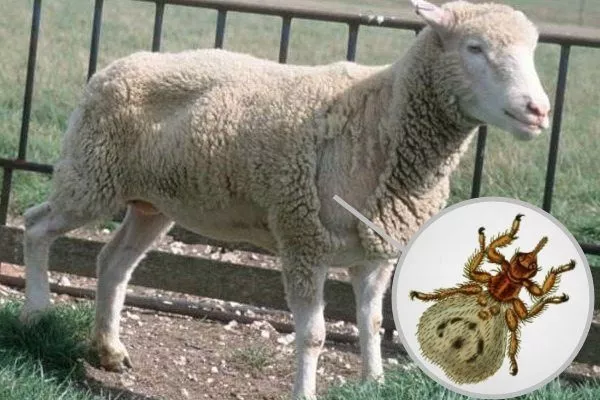
The disease manifests itself as the sheep tearing at its wool. Severe exhaustion and diarrhea begin, and milk production decreases. Treatment should only be prescribed by a veterinarian. If a sick sheep is discovered, it must be immediately isolated.
Strongyloidiasis
The disease is caused by parasites called strongyles, which live in the lining of the host's small intestine. Infection occurs through the ingestion of larvae through a wound. After penetrating the body, the larvae are carried by the blood to the lungs, causing irritation. They are excreted in mucus, which is then swallowed by animals, after which the larvae end up in the intestinal tract, where they develop.
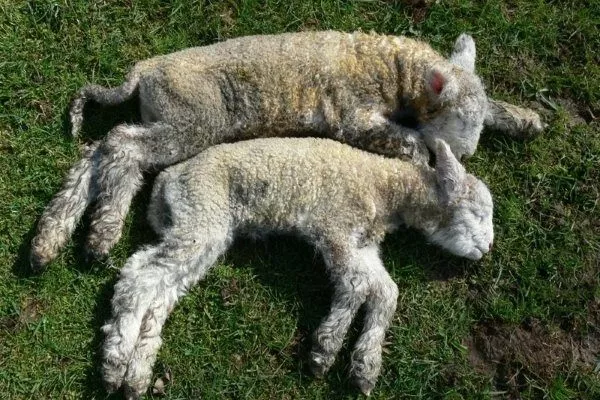
Once infected, young lambs die.
The disease manifests itself with a severe cough and itching in the area where the parasites have entered the body. The sheep becomes restless, develops pleurisy or pneumonia, and rapidly loses weight. The animal refuses to eat and becomes depressed.
During treatment, anthelmintic medications (e.g., thiabendazole or fenbendazole 0.01 g/kg, single dose) are used to remove worms from the animal's body. Prevention involves periodic cleaning of the stall, which should be done daily. Lambs are regularly examined for parasites during the first 60 days after birth.
Coenurosis (twirling)
This is a dangerous disease that affects the sheep's brain. Infection almost always results in death.
The disease manifests itself as aggression or timidity in sheep, as well as seizures. Coordination is impaired, lethargy appears, and reflexes are absent. The sick animal begins to frequently throw its head back.
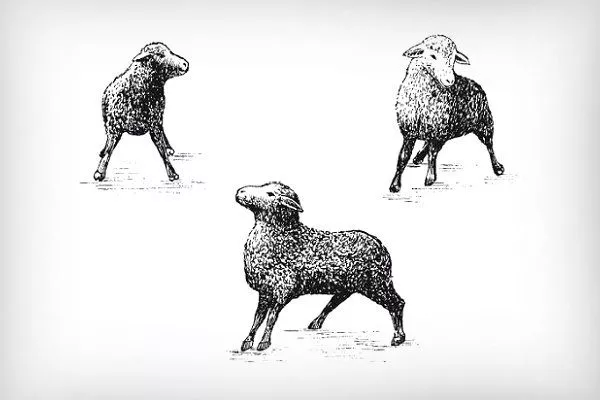
Sheep can suffer from a wide variety of diseases. Some pass without any problems, but there are those that can lead to the extinction of the entire flock. Timely treatment vaccination and caring for the sheep will help preserve the population and prevent the outbreak of an epidemic.
Our ewe had rumen tympany. Unfortunately, it was diagnosed too late and there was nothing we could do (our veterinarian was on vacation, and there simply wasn't another one in the surrounding villages). Indeed, she had abdominal distension and poor appetite. She became restless. We had no idea it was related to the tympany.