
Many farmers and homeowners breed nutria on their property. These animals provide dietary meat, comparable in quality to rabbit. Their valuable nutria pelts are widely used in the production of winter clothing. Successful nutria breeding requires providing them with suitable conditions, especially during the winter.
Basic requirements for winter maintenance of nutria
Winter husbandry of nutria requires special attention to their needs in cold climates. Providing comfortable conditions for these mammals during the winter period plays a key role in their health and well-being.
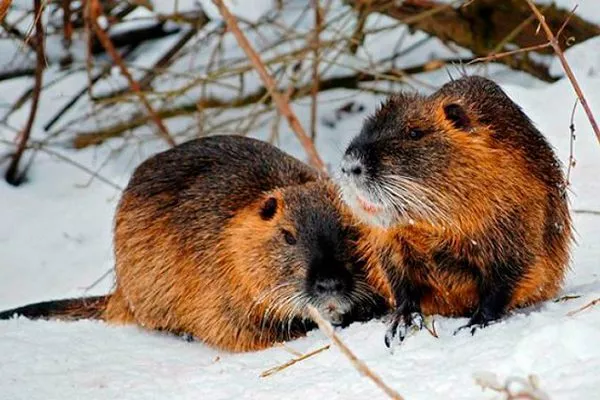
Basic requirements for winter maintenance of nutria:
- Access to a balanced diet that contains enough calories to keep you warm in cold weather.
- Dry and warm shelters where nutria can find refuge from wind and weather. Provide burrows, dens, or other suitable hiding places.
- Access to fresh drinking water, preventing it from freezing.
- Warm and dry bedding in shelters to retain heat.
- Fencing and other protective measures to protect animals from strong winds.
- Regular examinations of nutria to identify and prevent potential problems.
What kind of winter housing should be used for keeping nutria?
Keeping nutria during the winter is entirely possible, but it requires providing them with the proper conditions. It's important to provide the animals with adequate housing, including insulation.
What temperature conditions should be created in the room?
During the cold season, it is recommended to move the nutria to a warm barn. The room temperature should be between 15 and 20°C, which requires providing heating, such as a potbelly stove or a brick oven.
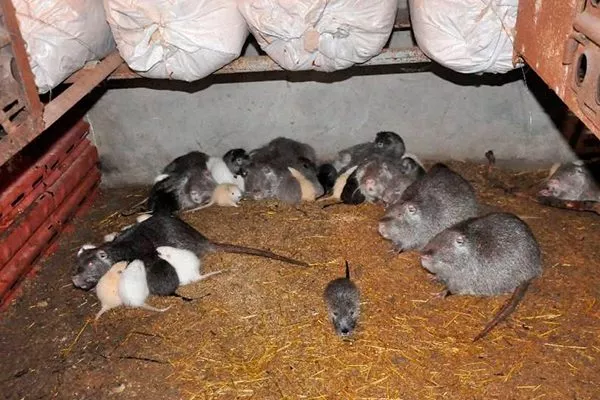
If placing cages indoors is not feasible, it is recommended to at least raise them above ground level. This will prevent the animals' paws from coming into contact with the cold ground.
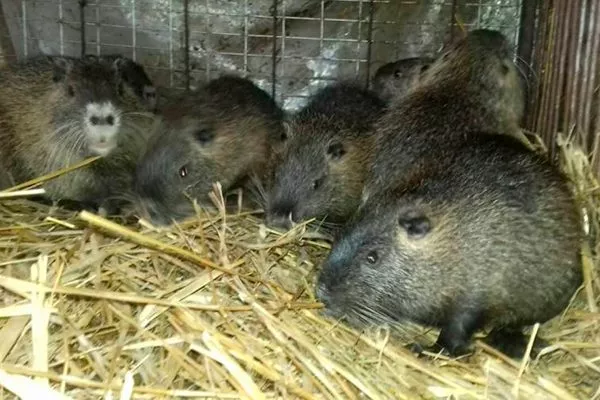
- ✓ The bedding thickness should be at least 20 cm for effective thermal insulation.
- ✓ Use only dry straw or sawdust to avoid the development of mold and mildew.
Line the bottom of the cage with straw or sawdust. A thick layer of bedding will provide the nutria with warmth and comfort, allowing them to withstand freezing temperatures. If they begin to bury their heads in the bedding, this may indicate cold weather, and immediate action is required.
Ventilation of the nutria room
In addition to keeping nutria warm during the winter, avoid excessively high temperatures, as this can negatively impact their well-being. To prevent overheating, provide ventilation holes to ensure air circulation.
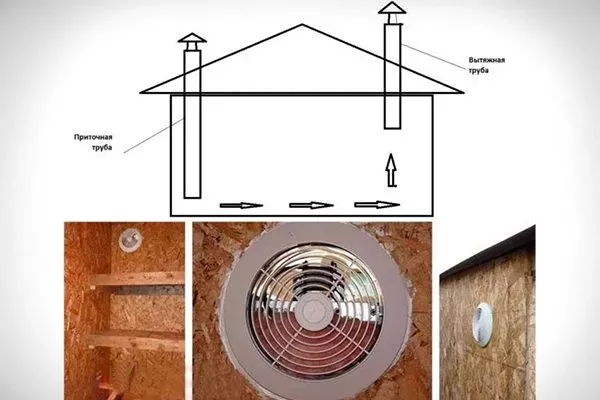
Keep in mind that daily cleaning of cages can be difficult. Without proper ventilation, urine and liquid feces can evaporate, creating ammonia in the air. Proper ventilation is essential when keeping nutria.
Gas accumulation can negatively impact their health, manifesting as decreased appetite, lethargy, and possible eye and respiratory problems. These phenomena can ultimately lead to weakening of the body and illness.
Lighting the room in winter
Nutria, like all living creatures, require sunlight to grow, gain weight, and reproduce. During winter, access to sunlight indoors is limited, but this problem can be overcome with some effort.
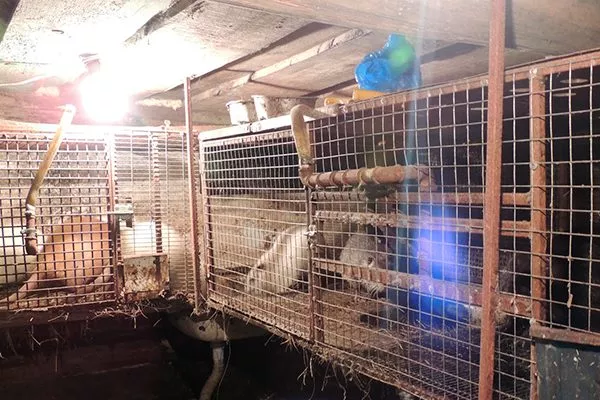
When setting up your nutria enclosure, pay attention to lighting. Allocate approximately 0.4% of the total area for windows. If this isn't possible, use artificial lighting. This can be achieved with standard lamps placed 3-4 meters above the cages. Lamps with a power of approximately 40 watts are suitable.
Insulating a shed at home
Thanks to their dense fur, nutrias tolerate snowy and cold winters well, making their care during this period easy. Focus on insulating the area where these animals live.
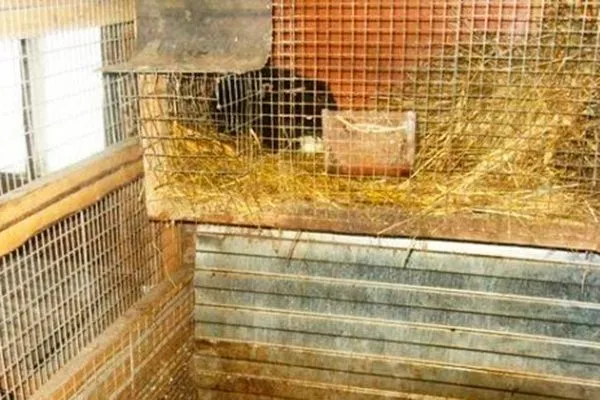
Nutria's paws and tail are furless, making them particularly vulnerable to freezing. To prevent this, thick, dry bedding is essential. During severe frosts, nutrias completely cover themselves with a layer of straw.
Before the cold weather sets in, thoroughly insulate the room where the nutria live. Various materials are suitable for this purpose. Since nutria can chew wood, plastic, and other materials, the interior walls can be protected by installing thin iron sheets or metal mesh.
Cleaning of premises and cages in winter
During the winter, pay extra attention to cleaning the cages where nutria are kept. Cold climates promote the formation of mucus, and urine evaporates without drying, creating an unpleasant odor that animals can detect.
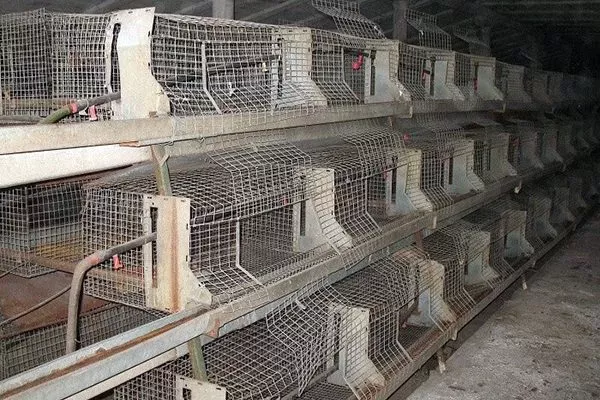
Helpful tips:
- Cleaning equipment includes shovels, scoops and brooms.
- Regular cleaning should be carried out at least three times a week, and more often if necessary.
- In summer, cages are washed, but in winter this is not necessary, as wet cleaning can lead to colds in animals.
- When cleaning the cage, corner the nutria and temporarily isolate them with a water bottle. To prevent aggressive behavior and bites, exercise caution and avoid close contact with the animals.
Keeping nutria in winter requires simple conditions: comfortable cages, high-quality feed, and warm bedding. Cleaning is best done moderately regularly, considering that animals need rest in winter and don't need excessive disturbance.
Other features of keeping nutria in winter
It's also important to ensure adequate drinking water during the winter. Heated drinking bowls are now available. These devices provide animals with access to warm water, which is crucial for maintaining their health and preventing problems associated with freezing water during the cold season.
Key aspects and benefits of using heated drinkers for nutria:
- In low temperatures, water in drinking bowls can easily freeze, which poses problems for nutria by limiting their access to liquid. Heated drinking bowls solve this problem by keeping the water liquefied even at low temperatures.
- Warm water is important during the winter period; nutria need sufficient hydration to maintain normal physiological functions.
- Constantly drinking cold water can cause colds in nutrias. Warming the water in their drinking bowls helps prevent this by maintaining the optimal temperature for drinking.
- Using heated drinkers allows for efficient use of resources as they only keep the water warm when needed, which can be beneficial in terms of energy costs.
- Many heated waterers are designed for easy maintenance and cleaning, ensuring a long lifespan.
Nutria outdoors in winter
Physiologically, nutria are not well adapted to outdoor winter conditions, as their paws and tail are susceptible to frostbite. Keeping nutria indoors during winter requires a comprehensive approach:
- To ensure normal functioning of animals, warm premises are required. During the cold season, it is recommended to move them from the outside environment to an insulated barn with good ventilation and lighting.
If this is not possible, leaving animals outside in winter is only permissible if their houses are carefully insulated. - It's important to consider feeding requirements for long-term outdoor stays during cold weather. The diet should be more varied than when kept indoors.
- Special insulated drinking bowls (with heating) are required to prevent water from freezing and to prevent colds.
Nutria swimming in winter
Nutria can thrive without access to water for swimming. When providing small water pools in cages, especially during winter, it makes sense to ensure the animals have free access to water.
Various containers can be used, such as old basins, sinks, or trays. Although frequent water changes are required, this effort is worth it, as the quality, color, and smoothness of the animal's fur improves significantly after the first bath.
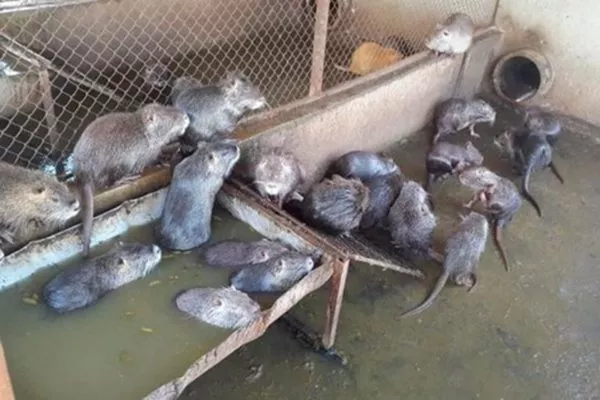
It's important to keep bathing and drinking water bowls clean to avoid the opposite effect. Nutria can actively draw food into the water, which dissolves in it, contaminating their fur and contributing to the formation of hairballs. Furthermore, drinking dirty water can cause serious poisoning in animals.
Winter diet
In the wild, nutria's main source of nutrition is aquatic plants (reeds, cattails, reed mace, aquatic roots, young tree branches, and small insects). At home, their winter diet is not much different from that of other mammals in the backyard.
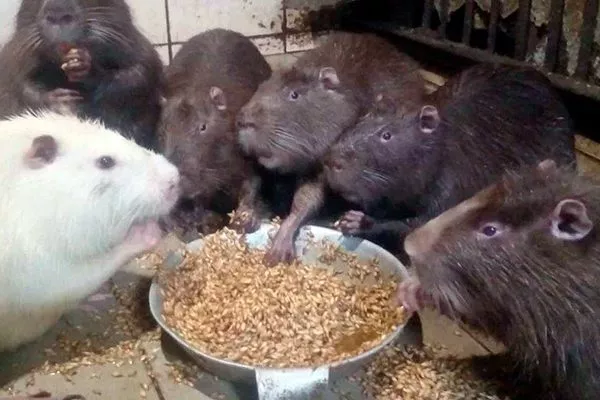
Important recommendations:
- As cold weather sets in and fresh green fodder becomes unavailable, introduce healthy foods into the diet (potatoes, beets, carrots, dried grass (hay), and dried fruit tree leaves). You can use compound feed containing all the necessary minerals and vitamins, as well as grass meal.
- To prevent the feed from scattering and being trampled, steam or lightly boil it before serving, then mix thoroughly.
- During winter, serve food warm to prevent freezing. The amount of feed depends on the individual needs of each animal and should be maintained at an optimal level, taking into account energy and fat.
- In winter, succulent feeds can include wheat and corn grains, bran, potatoes, compound feed, grass meal, and even kitchen scraps. You can form thick mashes or balls that nutrias can easily pick up and consume.
In the wild, nutria obtain essential vitamins and minerals from the roots of grasses growing near water bodies. This nutrient source is unavailable in captivity, so farmers must supplement their animals with additional feed.
The most important elements that water rats need are:
- vitamins: A, D, B, E;
- phosphorus;
- calcium.
Experienced nutria breeders use various means to compensate for these and other substances, including:
- Standard premixes or protein-mineral-vitamin supplements (the dosage is indicated in the instructions and depends on the type of feed and the manufacturer).
- Feed yeast (5-10 g per head, depending on age).
- Table salt (1 g for an adult, 0.5 g for a baby).
- Hydroponic greens (50-100 g per day).
- Vitaminized fish oil (0.5-1 g).
- Pharmaceutical carotene (3 g for adults, 2 g for adolescents, 1 g for puppies).
- Multivitamins (no more than 1 g).
How does nutria live in the wild in winter?
Nutria in the wild are adapted to life in winter conditions. During the cold months, they adopt several survival strategies:
- Nutria have thick fur with a dense undercoat, which provides excellent thermoregulation. The fur protects them from cold and moisture.
- Nutria build dens on the banks of bodies of water or use burrows to shelter from the cold and wind. These shelters serve as protection from adverse weather conditions.
- During winter, if the surface of a body of water is frozen, nutria can use ice bridges to move between foraging areas and their shelters.
- Nutria actively search for food during the winter, digging up vegetation and roots under the ice, which serve as their main source of nutrition.
- Nutria can swim under ice, using their paws and tail to create holes and reach aquatic plants.
- Water rats can change their behavior depending on climate conditions. For example, they may increase their foraging behavior on warmer days and retreat to their shelters during cold periods.
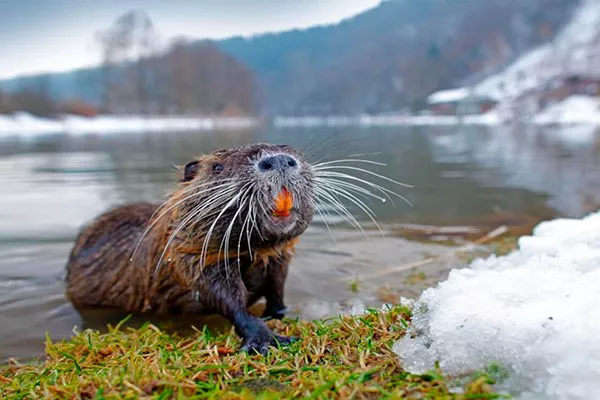
Winter management of nutria is an important aspect of farming for farmers and private owners. Providing optimal conditions during the cold season not only maintains the health and well-being of the animals but also impacts the quality of the resulting product.