
Nutria, or swamp beavers, rarely get sick in the wild, but they do occur in captivity. These animals have strong immune systems, and by providing them with adequate nutrition and clean water, regularly cleaning their enclosures, and using sunlight for disinfection, the risk of disease can be minimized.
Infectious diseases
Compared to rabbits, nutria are much more resilient. They suffer from fewer illnesses, including infectious diseases. The latter most often affect these animals due to human error—violations of sanitary regulations.
| Name | Incubation period | Symptoms | Treatment |
|---|---|---|---|
| Pasteurellosis | up to 3 days | loss of appetite, depression, difficulty breathing | antibiotics and special serum |
| Streptococcosis | about a day | loss of appetite, depression, temperature up to 40-41°C | Amoxicillin, Cefotaxime, Bicillin-5 |
| Salmonellosis (paratyphoid) | from 10 to 16 days | loss of appetite, tremors, depression | Furazolidone, Biomycin, Levomycetin |
Pasteurellosis
An acute infectious disease caused by Pasteurella bacteria. Outbreaks occur during warm weather. Young animals under six months of age are at risk. Infection occurs through water, feed, and, less commonly, the respiratory tract.
Symptoms. Symptoms depend on the stage and type of pasteurellosis. In the acute form, nutria exhibit:
- loss of appetite;
- depressed state;
- heavy, hoarse breathing;
- the fur becomes dry, brittle and disheveled;
- high temperature – up to 42°C;
- bleeding from the nostrils;
- convulsions;
- salivation;
- conjunctivitis;
- paralysis of the hind legs.
If the disease becomes chronic, the above symptoms subside. Chronically ill animals have swollen and inflamed joints.
Treatment. Antibiotics and a special serum are used against pasteurellosis, but they are not particularly effective. The incubation period is up to 3 days. The illness lasts from 12 hours to 6 days, depending on the severity of the disease.
Forecasts. If an animal develops acute pasteurellosis, it dies within a few days. In the chronic form, the disease is protracted, but the outcome is similar to the acute form—death.
Prevention. Since there are no effective treatments, breeders' efforts must be focused on disease prevention. If sick animals appear, they must be culled to prevent further infection. Cages are disinfected, and all equipment is also sanitized. All remaining nutria are treated with antibiotics—penicillin, monomycin, and bicillin-3.
Streptococcosis
The disease is caused by gram-positive bacteria that enter the body through food, drink, or airborne transmission. Young and pregnant nutria are most often affected by streptococcosis. Adult animals experience a chronic or subacute course of the disease, while juveniles experience an acute form. Individuals aged 2-6 months are at risk.
Symptoms. In nutria suffering from the acute form of streptococcosis, the following is observed:
- loss of appetite;
- oppression;
- temperature up to 40-41°C;
- ruffled fur;
- discharge of pus from the nostrils and eyes.
Streptococcosis is a recently identified disease. It can only be diagnosed through laboratory testing.
In the subacute form, symptoms are less pronounced. By the third day of illness, animals begin coughing, joints may swell, and diarrhea may occur. The incubation period lasts about a day. The disease usually progresses slowly, and the acute form is rare.
Treatment. Streptococci are afraid of antibiotics. Sick animals are given:
- Amoxicillin;
- Cefotaxime;
- Bicillin-5.
The medications are administered again after 5 days. Bicillin-5 is recommended intramuscularly. Veterinarians also recommend norsulfazole. Treatment is administered according to the veterinarian's instructions.
Forecasts. If treatment is started immediately—as soon as symptoms are detected—the prognosis is favorable. If left untreated, nutria die within two days.
Prevention. The carcasses of dead animals must be burned. However, their skins can be saved: they are removed in a separate room, soaked in formalin, and dried for 4-5 days at 30°C.
Salmonellosis (paratyphoid)
Paratyphoid fever is caused by salmonella bacteria. They enter the body through food, water, and contact with an infected animal. The disease is difficult to diagnose and progresses rapidly, with infected animals dying within 24 hours. The peak incidence is in the summer.
Symptoms. There are three forms of paratyphoid fever: acute, subacute, and chronic. Symptoms of the acute form include:
- lack of appetite;
- tremor;
- depressed state;
- bloating;
- diarrhea with mucus and blood;
- rhinitis and lacrimation;
- The temperature first rises to 42°C, and then drops sharply below normal.
Incubation period ranges from 10 to 16 days. In the subacute and chronic forms, symptoms are mild.
Treatment. Treatment is carried out using the antimicrobial agent Furazolidone. The drug is added to food. Salmonellosis is also treated with antibiotics: Biomycin and Levomycetin.
Forecasts. If paratyphoid fever is left untreated, its acute form leads to death in 2-7 days, subacute – in two weeks, chronic – in 20-30 days.
Prevention. Acute paratyphoid fever is difficult to treat, so it is recommended to vaccinate nutria.
Recommended preventive measures:
- new individuals are placed in quarantine;
- If even one animal falls ill, the entire herd must receive antibiotics, and the sick individual must be eliminated;
- the contact group is placed in quarantine, isolated from the livestock;
- annual vaccination, which protects nutria for 7-8 months.
| Name | Incubation period | Symptoms | Treatment |
|---|---|---|---|
| Tuberculosis | for a long time | apathy and inactivity, lack of appetite | incurable |
| Colibacillosis | up to 5 days | indigestion, foul-smelling diarrhea | Sintomycin, Furazolidone, Levomycetin |
| Listeriosis | not specified | depression and fever, refusal to eat | incurable |
Tuberculosis
One of the most dangerous diseases affecting nutria. It is caused by mycobacteria (either bovine or human). Infection occurs through contaminated milk or contact with infected individuals.
Symptoms. The disease primarily affects the respiratory system, and less commonly the intestinal and other systems. The disease can remain latent for a long time. As tuberculosis progresses, the following symptoms appear:
- apathy and low mobility;
- lack of appetite;
- if the intestinal system is affected, diarrhea appears;
- If the lungs are affected, shortness of breath and a severe cough develop.
A tuberculin test helps diagnose the disease.
Treatment. Tuberculosis, which affects nutria, is incurable. All infected animals must be culled.
Forecasts. An incurable disease leads to the death of livestock. All affected animals must be culled.
Prevention. Milk fed to nutria should be boiled. They should be fed adequately and kept clean.
Colibacillosis
The causative agent is Escherichia coli. It enters the body through food and water. Normally, the bacteria that cause colibacillosis live in the intestines. When the immune system is weakened, the pathogenic microflora proliferates, leading to the disease. Young animals aged 3-5 months and females are at risk.
Symptoms. The main symptom is digestive upset. The animals begin to have foul-smelling diarrhea, which quickly leads to exhaustion. Other signs include:
- dull and tousled coat;
- the fur near the anus is dirty;
- lack of appetite;
- lethargy and weight loss.
The incubation period for the sluggish form extends up to 5 days.
Treatment. The disease is treated with antibiotics, sulfa drugs, and nitrofurans. The following medications are used:
- Synthomycin;
- Furazolidone;
- Levomycetin or Biomycin.
The disease is diagnosed after a pathologist's report and bacteriological testing. Treatment must be comprehensive; in addition to antibiotics, animals are given a special antitoxic serum and vitamins.
Forecasts. If animals do not receive medical attention, they will die within 3-5 days. The fatality rate is 90%.
Prevention. The pathogen can constantly reside on equipment, feeders, and waterers, so they must be disinfected periodically. New specimens should be quarantined.
Listeriosis
The causative agent is bacteria from the genus Listeria. Nutria rarely contract listeriosis. Only isolated young animals or pregnant females are affected. Listeria can be carried by birds and rodents.
Symptoms. Symptoms of listeriosis depend on the form of the disease:
- Acute. It is accompanied by depression and fever. The animals refuse to eat.
- SubacuteThe nervous system is affected, and the animals move abnormally, with difficulty maintaining balance. In females, the uterus is affected, leading to abortion and mummification of the fetus.
- Chronic. Impaired coordination. Sick animals may also experience changes in blood composition.
Treatment. A diagnosis is made only after a bacteriological analysis. Listeriosis cannot be cured. All infected individuals are disposed of.
Forecasts. In the acute form, nutria die within two days.
Prevention. Individuals with acute and subacute forms of the disease are euthanized. All others are quarantined for 20 days. The infection is dangerous to humans, so hands should be disinfected after handling animals.
Non-communicable diseases
Marsh beavers bear little resemblance to humans, but they suffer from illnesses just as easily—bronchitis and pneumonia. They can sneeze and cough, be poisoned by poor-quality food, and suffer from vitamin deficiencies. These illnesses are non-infectious and are caused by poor housing conditions and unfavorable genetics.
- ✓ The optimal water temperature for bathing nutria should not be lower than +15°C to prevent hypothermia.
- ✓ The concentration of vitamin D in feed should be 1000-1500 IU/kg of feed to prevent rickets.
Avitaminosis
Avitaminosis develops due to poor feeding practices. Feeding animals monotonously, skimping on green and succulent feed, leads to vitamin A and D deficiency. Those at risk include nutrias aged 4-5 months, pregnant females, and older animals.
Symptoms. Vitamin D deficiency leads to rickets. Signs of vitamin deficiency:
- lethargy, poor appetite and slow growth;
- sore eyes - at first they bulge, then conjunctivitis and clouding of the cornea begin, leading to complete blindness;
- in pregnant females - abortion, birth of stillborn or non-viable puppies, and bleeding from the genitals may also occur;
- tousled fur.
| Disinfectant | Concentration | Exposure time | Effective against bacteria |
|---|---|---|---|
| Sodium hydroxide | 2% | 30 min | High |
| Formaldehyde | 2% | 60 min | Very high |
| Sulfur-carbolic mixture | 10% | 30 min | Average |
Treatment. The essence of treatment is dietary adjustments. Nutria are given a generous diet of carrots and hay, preferably legumes. Affected animals are given fish oil. It can be mixed into their food. The dosage is 1-1.5 g 5-6 times per day. Fish oil is given every other day.
Forecasts. With timely nutritional adjustments, the prognosis is favorable. Otherwise, the nutria faces blindness and death.
Prevention. This involves following feeding rules and regulations. Animals should be fed dry food and semi-moist mash.
Rhinitis
The most common cause of inflammation of the nasal mucosa is hypothermia: drafts, low temperatures in houses.
Symptoms. Mucus is actively secreted from the nostrils. Dry crusts form in the nose, making it difficult for the animals to breathe. Rhinitis can accompany a more serious condition, bronchitis.
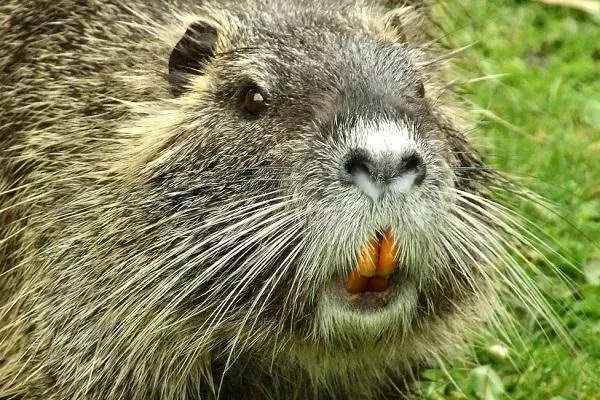
Treatment. A penicillin solution (1:1000) is instilled into the nostrils until complete recovery. The drops are administered twice daily. After removing any dry crusts from the nostrils with tweezers, they are lubricated with Vaseline.
Forecasts. With timely treatment, the prognosis is favorable. Sometimes, animals recover on their own if they have a strong immune system. The main thing is to ensure their breathing is not obstructed.
Prevention. Prevent nutria from becoming too cold. Avoid drafts in the areas where the animals live.
Bronchitis
Inflammation of the bronchi in nutria begins with banal rhinitis.
Symptoms. A sick animal has wheezing, sneezes, and mucus discharges from its nose. The animals are unwilling to eat, lethargic, and depressed.
Treatment. A veterinarian prescribes treatment. Before treating your pet for bronchitis, the underlying causes must be addressed, such as insulating the room and eliminating drafts. Bronchitis is treated with antibiotics or sulfa drugs.
Forecasts. Without treatment, the prognosis is poor. Bronchitis can quickly progress to bronchopneumonia, where the inflammation spreads to other parts of the lungs.
Prevention. Preventive measures include observing the conditions for keeping nutria and timely treatment of colds and rhinitis.
Pneumonia
As in humans, pneumonia in nutrias begins with a cold. Pneumonia is essentially an inflammation of the lungs, either acute or chronic. It often follows a prolonged bout of rhinitis or bronchitis. Cold, dampness, and drafts contribute to the disease's development.
Symptoms. It's impossible to diagnose pneumonia by eye; a veterinarian must examine the animal. Affected animals exhibit the following symptoms:
- elevated temperature;
- poor appetite;
- hoarse breathing.
Treatment. It is difficult to treat. Animals with rhinitis and bronchitis must be treated promptly. Treatment is with antibiotics and sulfa drugs, always under the supervision of a veterinarian. Sulfadimezine is prescribed orally and penicillin is administered intramuscularly. Animals are kept in a warm room during treatment.
Forecasts. The outcome of treatment depends on the timeliness of assistance, the correct selection of medications, and the animal’s condition and immunity.
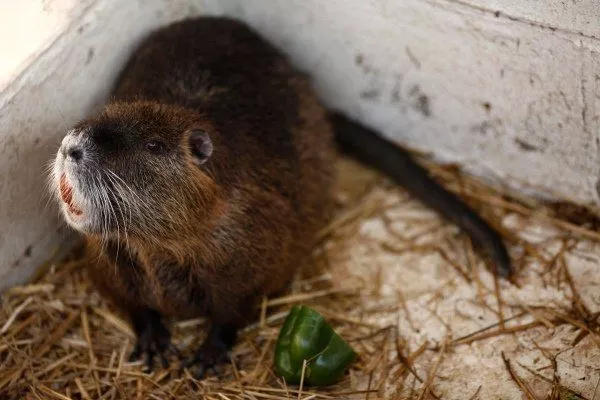
Prevention. During winter, nutria should be kept in insulated houses. Avoid roof leaks and drafts. The floor should be lined with sawdust or other insulating material. In severe frosts and cold winds, the cage walls should be insulated with boards or plywood.
Mastitis
Mastitis, an inflammation of the mammary glands, can occur in female nutrias due to exposure to cold during lactation or trauma to the nipple. The trauma introduces infection, which causes inflammation.
Symptoms. Breast compaction.
Treatment. In the early stages, rub ichthyol or ichthyol-salicylic ointment into the hardened nipples. Females are given 0.5-0.6 g of urotropin or 0.3-0.5 g of streptocide orally daily. Pups from sick females are removed and placed with other nursing mothers. If no other nursing mothers are available, the young nutria will have to be fed manually.
Forecasts. With timely treatment, the prognosis is good – the disease disappears without a trace.
Prevention. Preventing mastitis involves providing good housing conditions – the houses should be warm and free from drafts.
Gastrointestinal diseases and poisoning
Gastrointestinal diseases are caused by errors in animal feeding. For example, elevated nitrate and nitrite levels, poisonous plants, pathogenic microbes, and fungi. Problems can also arise from excessive salt in the diet.
Symptoms. If feed contains elevated levels of the above-mentioned toxic components, the disease progresses acutely. Symptoms of acute poisoning:
- salivation;
- diarrhea;
- vomit;
- reluctance to eat;
- convulsions;
- paralysis.
Along with poisoning, nutrias may experience gastric catarrh due to improper feeding practices, but flatulence (intestinal bloating) and tympania (gastric bloating) are rare. Fermentation can be caused by feeding stale, easily fermented food.
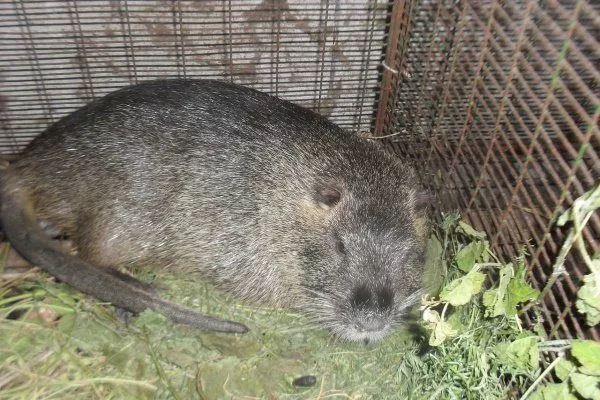
Treatment. Sick animals require a warm enema. They are given milk (4-5 dessert spoons) and a weak solution of potassium permanganate (2-3 tablespoons orally). Sick animals should fast for 12-16 hours. After this period and treatment, the animals are given high-quality, nutritious food.
Forecasts. Acute disorders often result in death. With timely treatment, the prognosis is favorable.
Prevention. Adherence to feeding guidelines. Use only high-quality feed. Each new feed is tested on 2-3 nutria for 7-10 days before being given to the nutria.
Constipation
Constipation is a condition in which fecal matter stagnates in the large intestine, drying out and hardening. Constipation is caused by feeding nutrias roughage and concentrates.
Symptoms. Constipated animals lie on their sides for long periods of time, wiggling their front paws. Their breathing becomes rapid and they refuse to eat.
Treatment. The intestines are cleansed with an enema. A syringe is used – it is filled with warm water to which fish oil or castor oil is added. Dietary adjustments are necessary.
Forecasts. If assistance is provided in a timely manner, the prognosis is favorable.
Prevention. Introducing succulent and green fodder into the diet. If nutrias are fed only coarse or concentrated feed, hard feces accumulate in their large intestine. To prevent constipation, their diet must include green and succulent fodder.
Eye diseases
Keratitis and conjunctivitis are the most common eye diseases in nutria. Keratitis occurs when the cornea is damaged by hay or twigs. Conjunctivitis is an inflammation of the mucous membrane of the eye that occurs due to infectious diseases or mechanical irritation.
Symptoms. With conjunctivitis, nutria's eyes become swollen and red, their eyelashes stick together, and they constantly tear. Over time, the eyes become infected. Keratitis also causes redness and may lead to suppuration.
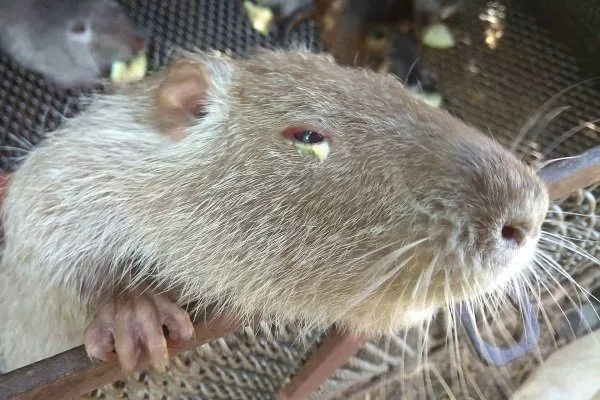
Treatment. Conjunctivitis is treated by wiping the eyes with a 3% sulfacetamide solution. This helps remove purulent crusts. After some time, tetracycline or hydrocortisone ointment is applied under the eyelids. To treat keratitis, fluorescein solution and eye drops are applied to the eyes, and antibiotics prescribed by a veterinarian are also used.
Forecasts. If the animal is not treated in time, it may go blind.
Prevention. Prompt treatment of infectious diseases—if they are treatable. To prevent eye damage in nutrias, remove hard branches, twigs, and other sharp objects from their reach.
Genitourinary diseases
The most common causes of genitourinary diseases are related to poor housing conditions and improper feeding of nutria. There is a wide range of genitourinary diseases, each requiring specific treatment.
Symptoms. Each genitourinary disease is accompanied by certain symptoms. Symptoms of bladder inflammation:
- urination becomes more frequent;
- the animal spins, screams, and arches its back while urinating;
- urine - with a red tint;
- lack of appetite.
Ovarian cysts don't have any obvious symptoms. Bald spots may sometimes be visible on the animal's flanks, which is the result of hormonal imbalance. If you palpate the lower abdomen, you may feel a lump. Vaginal catarrh is accompanied by purulent discharge.
Treatment. Treatment is prescribed by a veterinarian in accordance with the diagnosed disease:
- Inflammation of the bladder (cystitis). The animal is separated from healthy individuals. The cage is insulated beforehand. Water and succulent feed are provided minimally. The animal is fed concentrates and boiled potatoes. If the pain is severe, a warm compress is applied to the animal's pelvis. Medication capsules are inserted into the rectum. The capsules contain hexamine and belladonna extract. The capsules are administered daily for seven days.
- Ovarian cyst. Treatment is prescribed by a veterinarian. It may include medication, conservative therapy, or hormonal therapy.
- Prolapse of the genital organ, in males – the penis, in females – the vagina. If males develop a hair ring around their penis that interferes with mating, they cannot mate with females. The hair ring must be removed. If the hair ring falls out, disinfect it with a weak solution of potassium permanganate, and then the prolapsed organ must be repositioned.
- Vaginal catarrh. Vaginal lavage with a solution of rivanol or potassium permanganate (1:1000). Females are culled for skins.
- Abortion or death of the embryo. It is necessary to provide females with vitamins A, E, and D in a timely manner.
Forecasts. Bladder inflammation is especially dangerous. Without adequate treatment, the animal dies after weeks of suffering.
Prevention. Regularly inspect the animals. Ensure appropriate housing and feeding conditions. Nutria's diet should be nutritious, and their habitats should be insulated and clean.
Cannibalism
Cannibalism—the consumption of one another—is rare among nutria. Typically, such cases involve females eating their own stillborn young. This behavior can be explained by the placenta-eating reflex. However, if a female eats healthy young, it's likely because her diet is deficient in nutrients.
Symptoms. Cannibalism is a phenomenon that occurs without symptoms, but its result is obvious – the offspring is eaten.
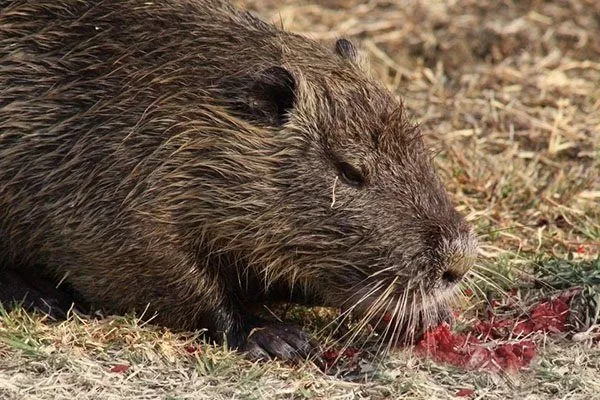
Treatment. If dead or mauled young are discovered in the nest, the mother should be moved to another room as quickly as possible. The surviving offspring should be transferred to another lactating female. If there is no one to rehome the young, they will have to be hand-reared.
Forecasts. There is no guarantee that the female will not repeat the act of eating her offspring, so cannibals are usually culled for their skins.
Prevention. Pregnant females should be given a complete diet appropriate to their condition. They especially need protein, phosphorus, calcium, and vitamins. Succulent feeds are a must. Read more about proper feeding for nutria. here.
Injuries
Nutria can be very pugnacious. This behavior usually occurs during mating season or when overcrowded. During a fight, the animals are capable of inflicting serious injuries on their opponents.
Symptoms. Injuries are visible. It's important to promptly monitor injured animals for first aid. If an animal has a fracture, it will experience severe pain. Swelling and tissue damage will occur at the fracture site. Temperature and blood pressure are elevated in cases of fractures.
Treatment. Treatment of injuries depends on their nature and the extent of damage:
- Small wounds should be treated with 2% hydrogen peroxide or iodine. If the nutria has a deep wound, the hair around it should be trimmed. The wound is then cleaned with a potassium permanganate solution and sprinkled with streptocide. A bandage is applied if necessary.
- If the wounds are serious, caffeine (1-2 ml) and penicillin (30,000-50,000 units) must be injected subcutaneously. Injections are given twice daily.
- In case of open fractures, the wound should be treated with an antiseptic and then a plaster cast should be applied for 3-4 weeks.
Forecasts. Minor injuries treated promptly heal quickly. Larger wounds, left untreated, can lead to death.
Prevention. Preventing fights by timely dispersal of livestock.
Frostbite
Frostbite is caused by keeping livestock in uninsulated premises.
Symptoms. When exposed to low temperatures, the tail is the first thing to suffer in animals; ears and paws can also freeze. There are three stages of frostbite:
- The overcooled area swells.
- A bubble filled with clear liquid appears.
- The frostbite site becomes necrotic. Ulcers and festering areas are visible on the damaged area.
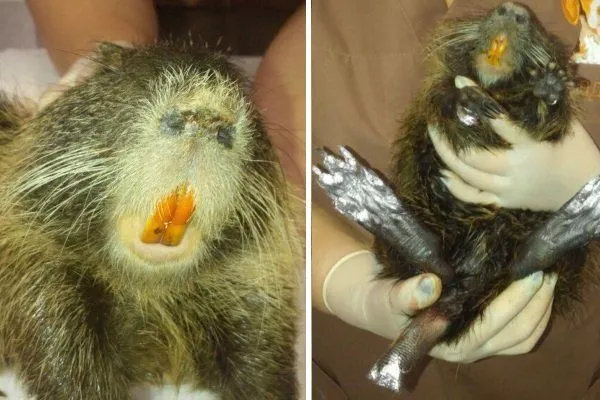
Frostbite of the nose, paws and tail of a nutria
Treatment. Therapy depends on the stage:
- First stage. The frostbitten animal is transferred to a warm place and the damaged areas are lubricated with fat.
- Second stage. The blisters are lanced, removing the accumulated fluid. The affected areas are lubricated with camphor or zinc ointment. Synthomycin ointment can also be used.
- The third stage. The frostbitten areas have to be cut off. The tail is amputated, cauterized with iodine, and bandaged for 24 hours. When the bandage is removed, the cut area is sprinkled with streptocide.
Forecasts. If frostbite is severe, the animals should be culled. For mild frostbite, and with prompt treatment, the prognosis is favorable.
Prevention. Insulation of premises where nutria live.
Sunstroke and heatstroke
Sunstroke occurs in nutria during hot weather, especially if the animals are crowded together in a small space. Heatstroke is usually caused by overheating in humid, poorly ventilated areas.
Symptoms. Clinical signs of sunstroke and heatstroke:
- refusal to eat;
- breathing becomes shallow and rapid;
- the animals are lethargic and depressed;
- on the visible mucous membranes – cyanosis (blueness);
- the gait is unsteady, the animal lies on its side or on its stomach;
- there are cramps.
Treatment. Overheated animals are immediately transferred to a cool room. A cloth soaked in cold water is placed on the nutria's head. If necessary, artificial respiration is administered. In severe cases, a caffeine solution (1-2 ml) is administered intramuscularly.
Forecasts. In cases of severe heat/sunstroke, when convulsions begin, animals die immediately.
Prevention. Shaded areas should be created in the exercise area, such as shelters where the animals can escape the scorching sun. To prevent the roof from overheating, it should be whitewashed and then covered with grass and branches. The nutria's enclosure should be well-ventilated.
Parasitic diseases
Parasitic diseases are caused by parasites that enter the body internally or infest the outer layers. Almost all parasitic diseases—helminths, ticks, and other parasites—spread rapidly throughout the entire herd.
Coccidiosis
Coccidiosis is caused by a single-celled protozoan parasite belonging to the coccidia family. Infection occurs through contaminated food and water. Once inside the body, the parasites attack the intestinal walls, liver, and spleen.
Symptoms. The parasite most often appears in young animals aged 2-3 months. Signs of coccidia infection:
- exhaustion;
- lethargic, depressed state;
- bloated belly;
- alternating diarrhea and constipation;
- liver cell damage causes jaundice;
- The final stage of the disease is accompanied by convulsions and paralysis of the paws and neck muscles.
This infestation can result in mass mortality of young animals. If the infection is chronic, symptoms are mild, and infected individuals simply grow poorly. Latent infection is typical for adult animals, and clinical symptoms appear when their resistance is weakened.
The following video will tell you about a disease affecting nutria called coccidiosis:
Treatment. To establish a diagnosis, feces must be examined in a laboratory for the presence of oocysts. Infected individuals should be isolated. All infected animals, as well as those at risk, should receive coccistatic agents. For prophylaxis, add Khimkotsid (0.003%) to the feed or Arikoktsid (0.03%). Young animals can be given 0.1 g of phthalazole, while adults can take 0.2 g twice daily. The treatment course is 6 days.
Forecasts. If treatment is started promptly, the prognosis is favorable. Young animals die quickly if left untreated.
Prevention. During the warm season, it's necessary to periodically examine the young, taking samples. If coccidiosis is detected, immediate veterinary and sanitary treatment and chemical prophylaxis are carried out. The hutches are cleaned and disinfected with a 2% hot caustic soda solution or blowtorched.
Intestinal parasites
Intestinal parasites are worms (helminths) that infest the intestines. Nutria become infected with helminthiasis by consuming contaminated food and water, particularly if feces are present. Helminth infection is directly related to the conditions in which the animals are kept.
Symptoms. Helminthiasis is chronic. Animals rapidly lose weight, eat poorly, become inactive, and may develop a fever. Bloody diarrhea is common. The most common helminthiasis types are:
- Strongyloidiasis. Coughing appears first, followed by diarrhea, mucosal anemia, and exhaustion. Young animals die quickly, while adults die within a month or a month and a half.
- Fascioliasis. The acute stage is characterized by lethargy, loss of appetite, exhaustion, dullness of the incisors, and fever. Convulsions precede death.
- Trichinosis. Because of the larvae, muscle tissue dies and animals die.
Treatment. Diagnosis is based on blood and stool tests. For strongyloidiasis, animals are given thibenzene, and for fascioliasis, hexachloroethane. There is no treatment for trichinosis. Infected animals are isolated. If necessary, infected animals are euthanized and incinerated.
Forecasts. The cure depends on the type of helminthiasis, the timeliness and adequacy of treatment.
Prevention. To prevent helminthiasis, it's necessary to regularly clean and disinfect cages, feeders, and equipment. Disease carriers, such as flies, should also be eliminated. Regular pest control is also essential.
Skin parasites
Nutria become infected with lice, feather eaters, fleas, and other skin parasites from wild rodents such as mice and rats. These parasites can also be picked up by nutria on human clothing and shoes, hay, or grass.
Symptoms. The first signs of infestation are itching. Soon, scratches form on the animals' skin. The nutria's skin becomes dull, and bald spots appear, soon covered with a thick crust.
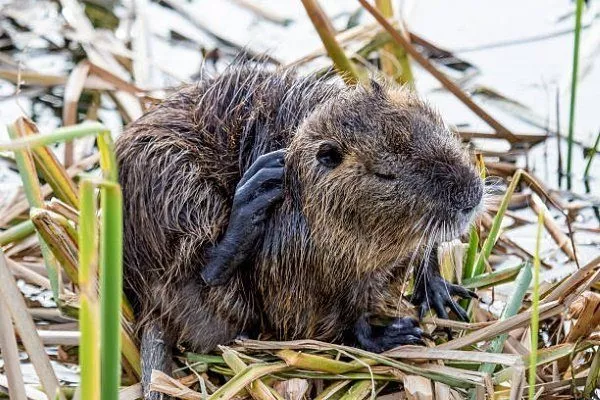
Lice can pierce the skin, penetrating deep into the skin, causing not only itching but also pain. Lice infestation is called trichodectosis. With a large number of lice, symptoms worsen, and the condition becomes life-threatening:
- increased hair loss;
- Allergies to lice bites occur;
- anemia;
- eczema;
- rapid exhaustion.
Treatment. To combat skin parasites, special surface treatments are used, such as Frontline and Oxamat sprays and special shampoos. After treating the animals' fur, the entire room and cages are disinfected, and the bedding is changed.
Forecasts. The progression of the disease depends on the type of parasite, the extent of infection, and the timeliness of treatment. With proper treatment, the prognosis is favorable.
Prevention. Regular disinfection, cleanliness and pest control of premises.
Other diseases
Nutria, despite their strong immune system, are often infected by insects, mice, rats, and other animals, as well as various fungal and bacterial infections, even when kept in captivity. Therefore, it is crucial to maintain sanitation and hygiene in their living conditions.
Tularemia
A very dangerous disease carried by blood-sucking insects and rodents.
Symptoms. Signs of infection:
- cough;
- lethargy;
- discharge of mucus from the nose;
- sometimes – diarrhea;
- enlarged lymph nodes;
- before death – convulsions.
In cages where sick animals are kept, the air becomes stale.
Treatment. The disease has no cure. There is no vaccine.
Forecasts. The animal dies 7-10 days after infection. Chronic cases typically last two months.
Prevention. Compliance with sanitary standards, prevention of contact with rodents and other animals.
Ringworm
The causative agents are dermatophyte fungi that parasitize the skin of animals. Mice, cats, and dogs are carriers. Infection can also occur due to poor sanitation in the premises where nutria are kept. This disease irreparably damages the nutria's skins.
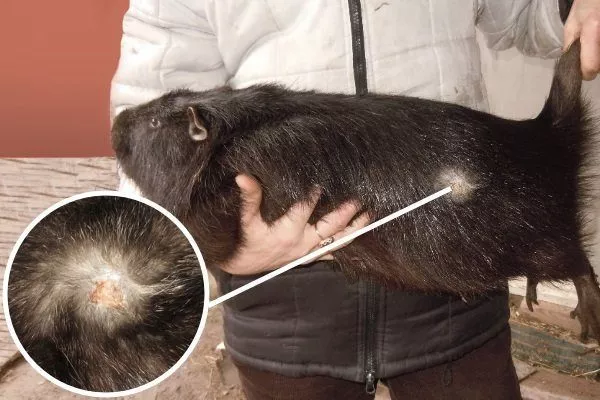
Symptoms. The fur and skin are affected. Infected areas experience hair loss, and scabs appear on exposed skin. The skin becomes flaky and itchy. To confirm the diagnosis, a scraping is taken for analysis, and hair samples are also examined.
Treatment. The fungus that causes ringworm is highly contagious. Affected animals are immediately isolated, and the area they were in is disinfected. Bedding is changed. Treatment procedures are as follows:
- The affected areas are wiped with a soap solution to soften the scabs.
- Using a special brush, remove hair and scales.
- Lubricate the affected areas with iodine or Juglone ointment.
Treatments are performed daily. If necessary, in addition to topical therapy, antifungal medications, such as griseofulvin, are prescribed.
Forecasts. With proper treatment, the prognosis is favorable; if the animals are not treated, their skins will be damaged, and such individuals will have to be culled.
Prevention. Thorough cleaning of premises, deratization, and periodic disinfection. Disinfection is carried out using:
- 3% caustic soda solution (temperature – 100°C);
- 2% formaldehyde solution (temperature – 25-30°C);
- 10% solution of sulfur-carbolic mixture (temperature – 70-80°C).
If the walls of the house are made of fire-resistant materials, a blowtorch can be used. All animals that have come into contact with sick individuals are quarantined for 30 days. Animals should be examined regularly to detect illness early.
Most diseases affecting nutria require slaughter. Many diseases are incurable. To prevent livestock losses and ensure profitability from nutria breeding, strict husbandry practices are essential. High sanitary and hygienic standards of the premises, proper feeding, and vaccinations are essential.