
To ensure that manure benefits plants, it's important not only to use it correctly but also to store it, especially in winter when temperatures drop significantly. There are many ways to store manure, each with its own characteristics, pros, and cons.
Why is it important to store manure properly?
Manure is a highly valuable fertilizer, rich in nitrogen and nutrients that nourish plant cells. During storage, the composition of the organic matter changes, and its properties depend on the method of storage. By adjusting the temperature, humidity, storage method, etc., you can influence the fertilizer's properties.
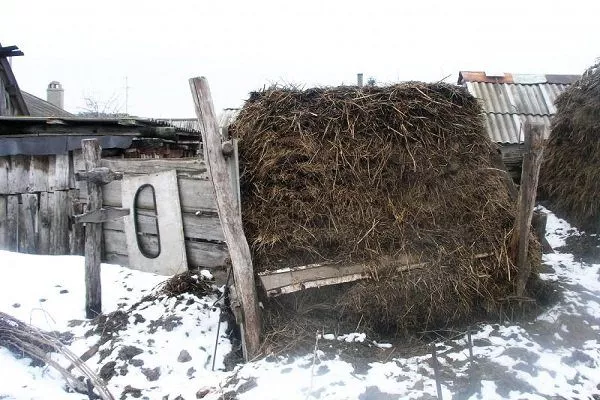
Improper storage of manure and low winter temperatures negatively impact its performance. Often, improper storage conditions render this potential organic fertilizer unusable.
If stored manure freezes, it can lose almost all its nitrogen, so spreading it into small piles is not recommended. Farmers have several methods for storing manure over the winter that allow it to fully rot without losing its beneficial properties.
Pre-winter preparation of manure
Farmers distinguish between two methods of manure preparation. The simplest option is cold stacking, which is typically used by owners of small garden plots. Hot stacking is considered more complex and painstaking, requiring more attention from the farmer.
- ✓ The optimal moisture content of manure for cold storage should be 70-80%, for hot storage – at least 90%.
- ✓ The temperature in the stack with the cold method should not exceed +30°C, with the hot method it reaches +70°C.
Options for preparing manure:
- Cold. Fresh fertilizer with a moisture content of 70-80% is stored on a site or in a storage facility in dense layers 4-5 m wide and 3-4 m high. The layers are mixed with soil, straw, and peat.
Biochemistry slows down because the decomposition temperature does not exceed 30°C. After 3-4 months, the manure becomes semi-rotted, and after 6-8 months, it becomes fully rotted. The mass retains its nutritional value, but bacteria, fungal spores, and parasite eggs remain alive along with it. - Hot. The manure is laid in layers 1.5 meters high. They are not compacted, but only occasionally stirred to promote decomposition. Biochemical reactions occur rapidly, with temperatures reaching 70°C. The product is fully rotted after six months.
The advantage of this method is the destruction of microorganisms and the disinfection of excrement. The disadvantage is the significant loss of nitrogen, which reduces the value of the fertilizer.
Disinfection
Fresh manure can contain a wide variety of microorganisms, including pathogens. These microorganisms can harm plants. To ensure that manure is safe for crops, it is disinfected using biological, chemical, or physical methods.
- ✓ For aerobic stabilization of liquid manure, a temperature of +60°C is required for 4 days.
- ✓ Anaerobic fermentation requires a temperature of +16…+60°C and a processing time of 3 days.
Biological
Manure, the moisture content of which reaches 90-96%, is processed using biological methods:
- Aerobic stabilization. The slurry is heated to 60°C. Oxidation kills the microbes within 4 days. Adding special bacteria to the manure doubles the rate of oxidation.
- Anaerobic fermentation. The slurry is heated and then pumped into special units where fermentation occurs, producing gas. Decomposition occurs at temperatures between 16°C and 60°C. Processing takes three days.
To kill worm eggs, manure undergoes a separate process. The slurry is left to settle in collection ponds for six days. In open barrels, the liquid manure should be left to stand for a full year.
To disinfect wet bedding manure, use:
- Crumbs. In them, the destruction of helminths and their eggs lasts 1-6 months.
- Trenches. The process takes 12 months. If the manure is mixed, the disinfection rate doubles.
To disinfect bird droppings, sorbents are used. They are placed in biogenerators with forced ventilation, heated, and inoculated with thermophilic bacteria.
Chemical
These disinfection methods are typically used on large farms that lack biogas plants. They are often used during outbreaks of infectious diseases.
The following means are used for disinfection:
- Ozone. This gas is produced by special installations. Under the influence of an electric discharge, oxygen is transformed into ozone, which has a powerful disinfecting effect. It then decomposes, releasing oxygen. This method is completely safe and effectively replaces chlorine treatment.
- Formaldehyde 0.3%. It's poured into tanks with manure, which is stirred for six hours. It's then left to sit for another four days. This kills the worm eggs. The method is effective as long as it's warm outside.
- Ammonia 2-3 percent. The substance is added to the slurry. It raises the temperature to +20–+25°C, so the method can be used in both summer and winter.
- Chlorine. Add to manure and mix thoroughly. The process takes 1 hour.
Physical
In addition to chemical and biological disinfection, physical methods are also used:
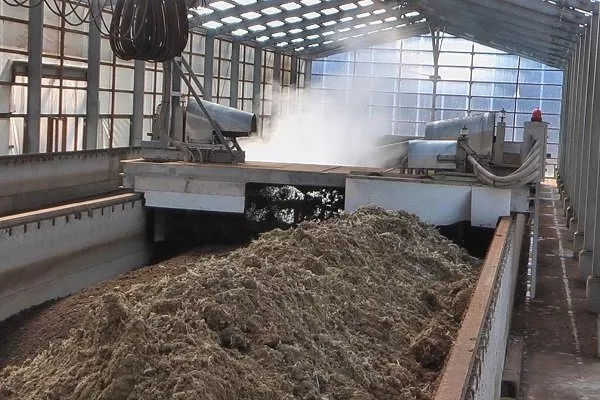
- Heat treatment. The slurry is heated to +50…+60°C for 4-5 days. Jet systems, in which the manure is passed under 0.2 atmospheres of pressure and heated to +130°C for 10 minutes, are more effective.
- Gamma radiation. The method is used only as a last resort, when it is not possible to disinfect manure by other means.
- Adsorption. Activated carbon AG-3 is added to the manure and heated to +150…+170°C.
- Electromagnetic field. The manure is placed in special ABC-150 devices, where it is processed with fields of a certain intensity.
Methods of winter storage of manure
The most difficult thing to preserve is a small amount of manure. When stored in a small pile, it quickly dries out, losing moisture and nutrients. The beneficial properties of this potential fertilizer depend on the method you choose for winter storage.
Anaerobic method
This method requires limited airflow. The pile is planted in the fall in a shaded area. Procedure:
- First, lay a layer of clay on the ground, compact it and cover it with film.
- Place 30 cm of straw on top – it will absorb the liquid.
- Place the manure in layers of 50-60 cm, layering them with plant residue. Compact thoroughly. The pile height should be 1-1.3 m.
- Cover the structure with soil, peat, or grass. Cover with plastic or roofing felt to prevent the manure from freezing over the winter.
The top protective layer should be 40-50 cm thick. In winter, it is recommended to pile snow on top. To reduce nitrogen loss, superphosphate is added to the manure pile at a rate of 20-30 kg per ton of material.
Aerobic method
This method allows for free air access. Unlike the anaerobic method, the manure is not compacted but rather laid loosely and loosely. The material heats up during this process, inevitably losing nitrogen and other nutrients.
Combined method
This storage method accelerates the maturation of manure. Procedure:
- Form a loose manure pile. Over the course of 4-5 days, heat the mass to 70°C, which kills weed seeds and microorganisms.
- When the temperature begins to drop, compact the manure and cover it with plastic wrap. You can water it to compact it.
Over the winter, manure fractions are fermented in the same way as with the anaerobic storage method – with the preservation of nitrogen and other nutrients.
You can also learn about storing manure in winter in the following video:
Where to store manure?
Rural residents often store manure without observing any rules or regulations. This approach leads to disputes with neighbors, contamination of groundwater with toxic waste, soil damage and contamination, and fines.
On a private plot
Manure or litter in your own backyard should only be stored in pits covered with earth or straw, or in shaded areas at least 50 meters away from neighboring properties. This avoids the persistent manure odor, which can irritate neighbors.
Outside the garden plot
Today, there is no such thing as "no man's land," so there's no reason to dump manure outside your property. It's too aggressive and can cause a host of problems, from poisoning groundwater to an unpleasant odor.
Before disposing of manure outside the property, it's important to coordinate with your neighbors. Otherwise, problems are inevitable. Anyone who believes they have been harmed by the presence of a manure pile has the right to file a lawsuit. The owner of the manure may be held liable, with a fine and damages imposed on the plaintiff.
Features of storage of bedding manure
The method and location of manure storage depends not only on its volume and the farm's capabilities, but also on the composition of the raw material. There are several simple methods that can produce fertilizer and ease the difficult labor of farmers.
In bags
The bags are only suitable for storing dried manure. They cannot be used to store wet material, as the fabric will rot along with the manure over the winter.
Instead of regular sacks, large plastic bags (usually used for sugar and flour) are also used. In these bags, manure rots too quickly, and the moisture spreads around, creating an unpleasant odor and poisoning the soil.
In the piles
The piles are placed near the farms. A concrete or crushed stone base is laid on a 5-square-meter area. The edges of the future pile are fenced with boards. A layer of straw, peat, or sawdust is placed on top of the concrete or crushed stone. Manure is then placed on top in layers of 60-80 cm.
When the pile reaches 3-4 meters in height, it is filled with plant residues and topped with a layer of soil. One pile should consist of 5-6 layers. After 2-3 years, the resulting composted organic matter retains its nutritional value and is free of microbes, weed seeds, and pathogens.
In the boxes
The storage rules are similar to those for the pile method. The only difference is the volume of manure stored—this method is suitable for small quantities.
Storage procedure:
- Install three drawers. The boards on one side should be removable.
- When the box is full, close its wall.
- Store the manure in one container throughout the year. By the time the third container is full, the manure in the first will have rotted.
By installing three boxes, we can maintain a continuous fertilizer production cycle. Your garden and vegetable patch will receive effective organic fertilizer on a regular basis.
On the site
The designated area is lined with concrete or covered with waterproof material. The manure is stored in layers, 0.8-1 m thick. With the cold method, it is compacted immediately; with the hot method, it is kept loose for a week.
When the manure pile reaches 2-3 meters, it is covered with soil and left to stand for a year or two. The manure layers are not covered with grass. Phosphate flour is used to cover the layers; it enriches the manure with phosphorus and helps retain nitrogen and other nutrients.
In the pits
Storing manure in pits is advisable in regions with hot, dry summers. While manure stores well in winter, it can dry out in summer. To prevent this, manure is stored in pits starting in the fall.
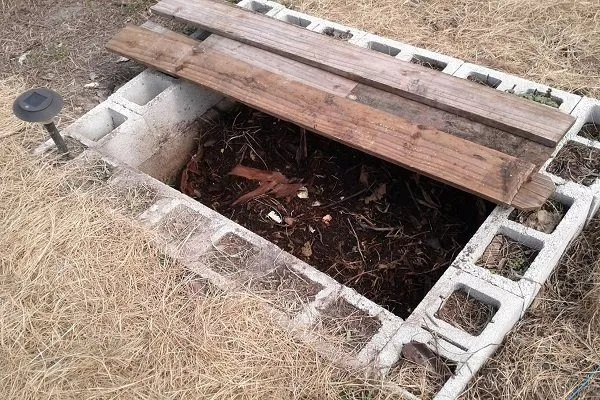
The walls and bottom of the pit are concreted and lined with boards and special film. The manure is laid in layers, interspersed with soil. The manure rots within 1-1.5 years.
In the barn
This method is widely used in winter, since in summer, at high temperatures, there is a high risk of developing infections that affect animals.
Storage features:
- A layer of straw or peat 30-50 cm thick is placed on a concrete or wooden base or directly on the ground – they absorb the liquid fraction of excrement.
- After 15-20 days, when the top layer becomes wet, add new straw/peat. The bedding is changed 3-4 times a year.
- Livestock manure is loosely piled. When the mass warms up to 60–70°C, it is compacted.
Storing manure under livestock eliminates the need for daily removal to barns and the need to build special storage facilities. Fertilizer production costs are reduced. A drawback of this method is the risk of disease outbreaks.
Behind the barnyard
This option involves transporting fresh manure to a plot of land away from the garden and vegetable patch. It is then piled into a pile, and then several steps are taken to preserve the fertilizer's nutritional value.
While holding manure on the rotted areas, perform one of the following actions:
- Sealing. It reduces the volume of the pile and the air within it. Only the top layer actively rots, and little nitrogen is lost. Decomposition takes a couple of years. The downside is poor disinfection.
- Backfilling with soil. Add 0.2-0.3 m of soil on top. After 1-3 years, you'll have a nutritious fertilizer.
- Moisturizing and loosening. These measures improve air access to the manure, which is then treated with agents that catalyze bacterial growth. After six months, the fertilizer is ready for use. The downside is significant nitrogen loss.
In the storage
The pits are constructed underground to reduce the cost of insulation and heat dissipation generated by the bacteria. The manure is heated to no more than +10°C. The bacteria are minimally active, and decomposition proceeds much more slowly than in warmer conditions.
Bookmarking and laying out are done using different methods:
- self-alloyed – manure moves through the tunnel due to gravity;
- conveyor – manure is transported using special equipment to the required location;
- by mechanized means – manure is delivered by tractors and dump trucks.
Sealed storage facilities are equipped with drains for the liquid fraction. They also have a ventilation system for gas removal. It activates at a certain pressure level, removing the gas mixture but preventing air from entering the storage facility.
How to store liquid manure?
Storage methods for bedding manure are not suitable for liquid compositions. Liquid fertilizer raw materials must be stored in special tanks.
In collections of liquid
The tanks where the liquid manure is collected are ventilated and sealed with lids. The manure is piped into the tanks. It is mixed until homogeneous, bacteria and disinfectants are added, and then heated.
After a week, the manure is sent to special biogas plants.
In the lagoons
A lagoon is a pool-like structure used to store liquid manure during the winter. During this time, all harmful microorganisms and parasite eggs in the excrement are destroyed.
Lagoons are commonly used to accumulate manure from pig farms. Since the decomposition process occurs in the presence of oxygen, the manure loses a lot of nitrogen.
In the ponds
Storage and disinfection of liquid manure in fishing ponds involves several stages. The storage and disinfection system sections:
- Accumulator. Here, fresh manure is left to settle for several months. Microalgae are added to it, purifying the liquid fraction. This is poured into another section, and the sludge remaining at the bottom, disinfected, is sent to the arable land.
- Pond with algae. Spirulina, duckweed, and chlorella are grown here. These algae purify wastewater and provide nutrient substrate for the third pond.
- Crustacean section. Plankton, which eats algae and other organic matter, is found here.
- Fry pond. Fish fry are raised here. They are fed algae and crustaceans obtained in the second and third sections of the system. Once grown, the fry are transferred to ponds and lakes for further rearing.

The liquid manure purification cycle lasts about 2-3 years. Then all the water is drained, and the bottom is cleaned. The sludge is used as fertilizer.
Is there a difference in the technology for storing livestock manure and poultry droppings?
Livestock and poultry excrement have virtually identical compositions. The main difference between manure and poultry droppings is their water content, which largely depends on the urine drainage system.
Bird droppings have a moisture content typical of semi-liquid organic matter. Generally, the storage technology for all types of manure—cow, horse, pig—and bird droppings is the same and follows the same rules.
How long to store?
The shelf life of manure depends on its final purpose. If it's being used as fertilizer for fields and gardens, there's no limit to the shelf life of the organic matter. Once the manure has decomposed, the bacteria run out of food and die. The result is humus—the end product of organic matter decomposition.
For other purposes, shelf life depends on temperature and other conditions that trigger bacterial activity. However, the maximum storage period for manure typically does not exceed two years. During this time, the bacteria digest all of the material.
Regulatory documents
In Russia, the storage of manure and poultry manure is regulated by separate regulations and sanitary standards. The following documents are used to determine the legality of establishing a manure storage facility:
- SanPiN 2.2.3–09. Hygienic requirements for livestock facilities.
- GOST 26074-84 (ST SEV 2705-80) for liquid manure. Requirements for processing, storage, transportation, and use.
- Veterinary and sanitary rules for preparing fertilizers from manure.
During winter storage of manure, a complex biological process occurs in which bacteria break down organic matter and produce substances beneficial to plants. To ensure that manure stored for the winter becomes an effective organic fertilizer, it is important to strictly adhere to the storage technology.
Valuable information.