
Horse brushes are designed not only to clean the animal's skin and coat of dust and dirt, but also to remove sweat and improve circulation through massage. Various types of equipment are used for these purposes.
Types of horse grooming brushes
Grooming a horse involves not only hygienic procedures but also the establishment of a personal relationship between the horse and its owner. various instruments, each with its own purpose, advantages and disadvantages.
Brushes
| Name | Bristle stiffness | Purpose | Bristle material |
|---|---|---|---|
| With hard bristles | Tough | Cleansing feet and body from stuck dirt | Natural |
| Medium hardness | Average | A universal option for neutralizing stuck-on dirt and dust | Natural |
| With soft bristles | Soft | Carrying out procedures on sensitive areas of the body | Natural |
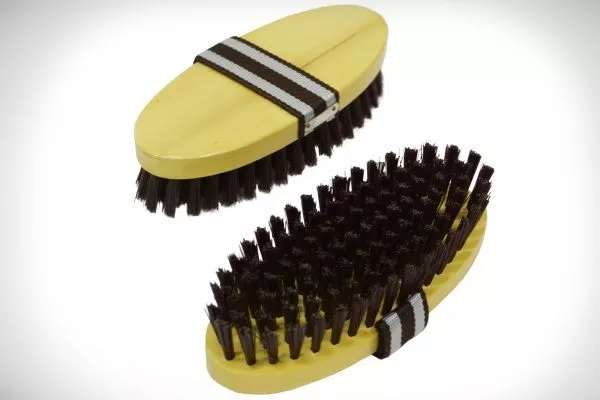
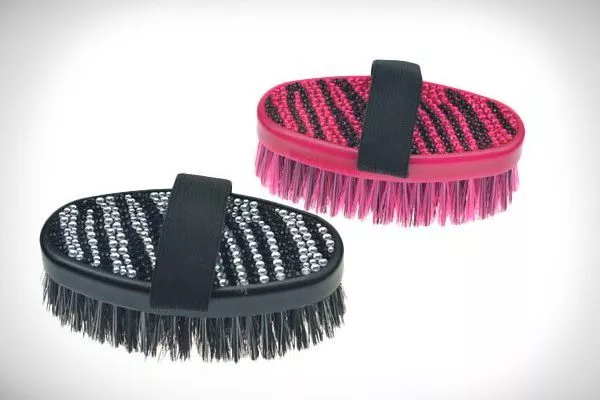
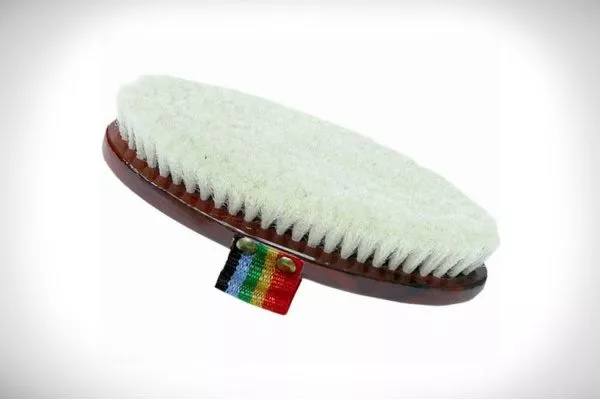
Brushes come first. Cleaning equipment is divided into the following subtypes:
- With hard bristles. The main purpose is to clean the horse's legs and body of caked dirt after a ride in bad weather. Hard brushes don't remove dust.
The tool is used exclusively on the thighs, croup, sides, and back. It is strictly prohibited to use it on the groin, head, or other sensitive areas of the body (the animal will experience pain).

- Medium hardness. This is a universal option for neutralizing stuck-on dirt and dust. It can be used on all areas of the horse's body, including the tail and mane.
- With soft bristles. It's intended for use on sensitive areas of the body and is intended for removing dust deposits only. If you use a soft instrument over the entire body, the horse will feel relaxed and calm.
Scrapers
| Name | Material type | Purpose | Peculiarities |
|---|---|---|---|
| Made of rubber | Rubber | Massaging the horse's body | Long or short teeth |
| Made of plastic | Plastic | Cleaning from dirt and dust | Denser tooth structure |
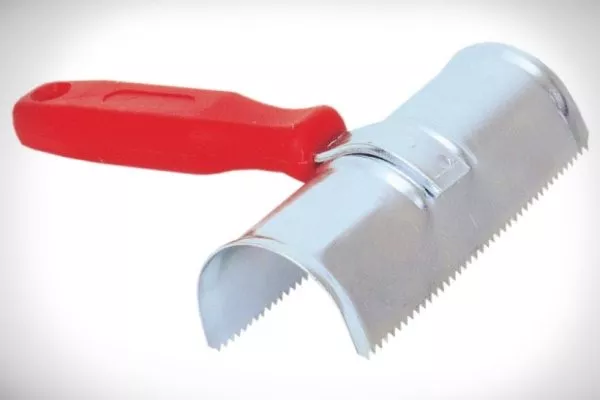
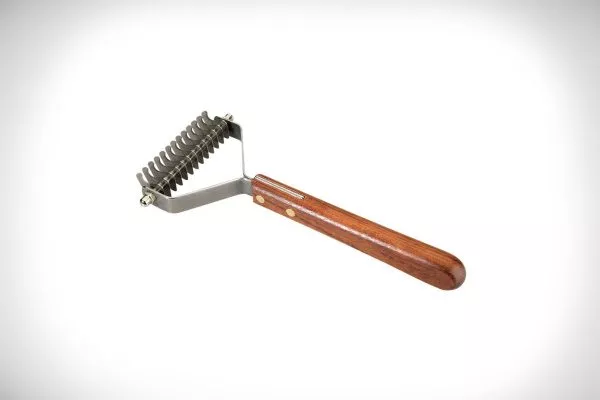
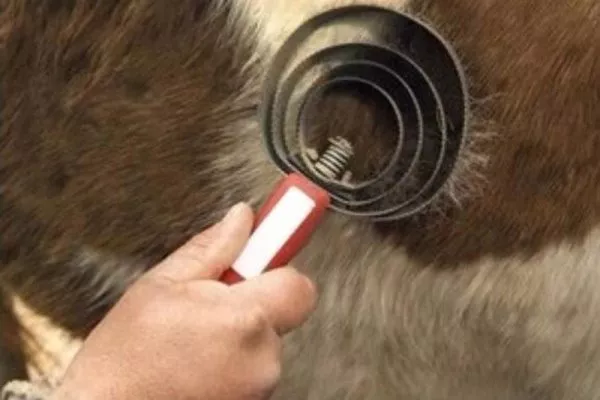
| Made of metal | Metal | Horse grooming, brush cleaning | They are divided into 2 subspecies |
These devices are designed to remove dirt, dust, water residue from swimming, and sweat. Scrapers come in a variety of shapes—curved, oval, round, ribbed, etc.
This type of brush is divided into subtypes based on the type of material:
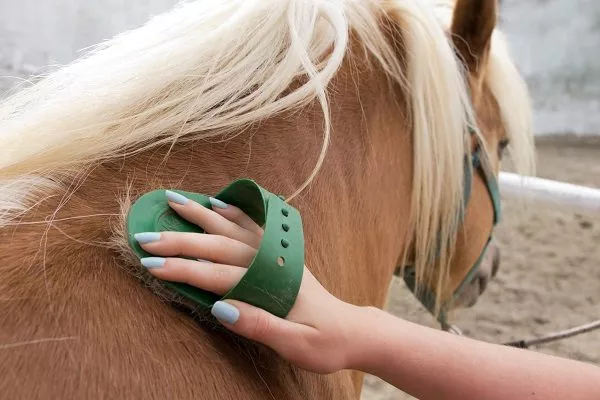
- Made of rubber. Soft scrapers are used to massage a horse's body. They are also known as massagers. The teeth on these scrapers can be long or short, but some combine both.
This tool is used before brushing. It combs out fur perfectly, which is essential during shedding season. - Made of plastic. Unlike the previous version, the teeth have a denser structure, so they are not used for massage and combing wool.
- Made of metal. They are divided into 2 subspecies:
- for cleaning horses - with short teeth;
- for cleaning brushes - with long teeth.
- for cleaning horses - with short teeth;
Other devices
In addition to the basic set of brushes, other tools are used for grooming horses. These include:
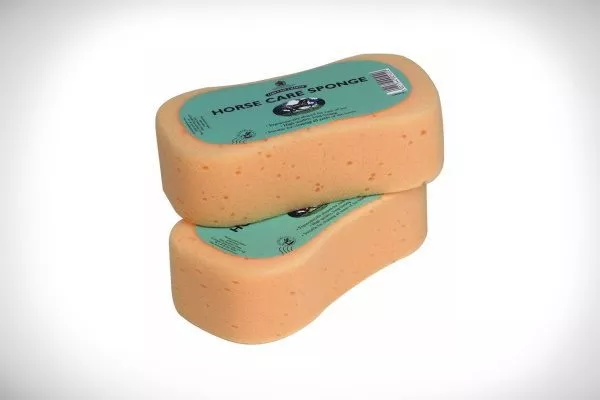
- Sponge. It's designed for wiping the cat's nostrils and eyes, hind legs, and tail. There should be at least two sponges.
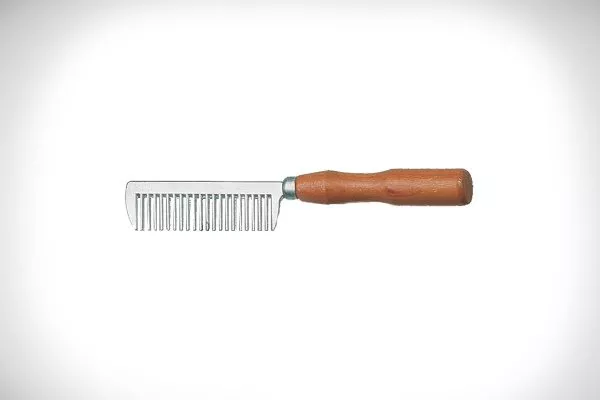
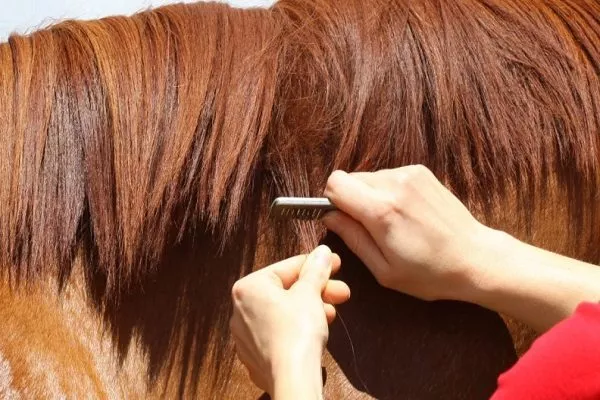
- Crest. Used for combing the mane and tail immediately after cleaning. Made of durable aluminum, wood, and plastic.
The range includes models with one row of teeth and two. They are also differentiated by tooth spacing—close-set and sparse—and by tooth thickness—thin, medium, and thick.
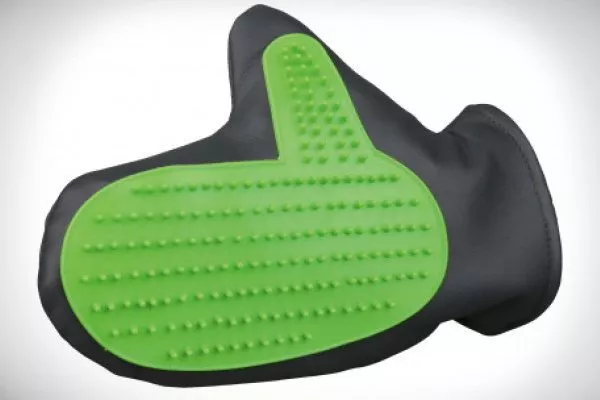
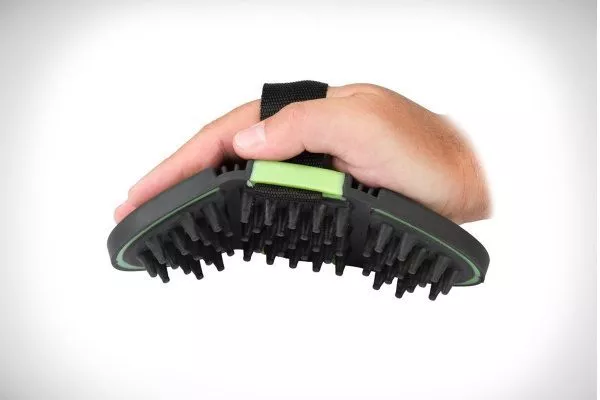
- Massage gloves. They are easy to use—the rider simply puts the device on their hand. They are used at the end of hygiene procedures.
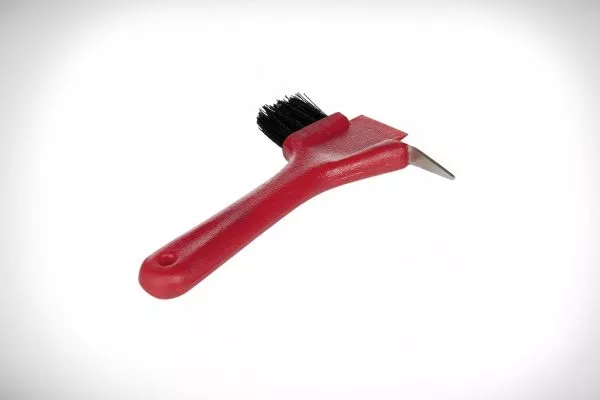
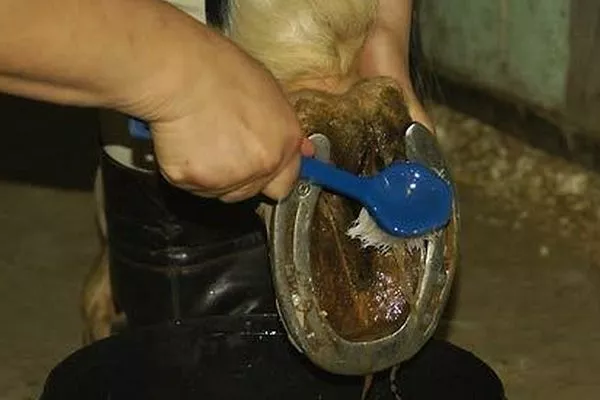
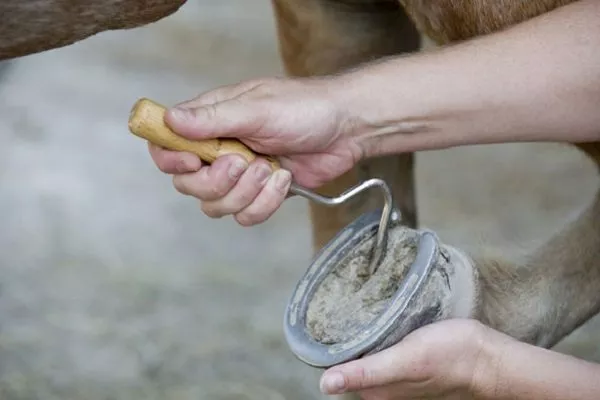
- Hoof hooks. It's a stick-mounted device with a metal hook for removing dirt from hooves. Some models come equipped with small brushes for cleaning the soles.
Materials, design and features
The most popular design for brushes, curry combs, and similar tools is classic, but the equine equipment market is replete with other models in a variety of unusual shapes and configurations. Equestrian farm owners have a huge selection of tools to choose from.
In addition, there are options that create comfort for the horse and rider:
- brushes with a flexible base, making it easy to clean convex and concave areas of the horse's body;
- two-level instruments made specifically for cleaning the fetlock and fetlock joints;
- Ergonomic and lightweight brushes - to simplify the farmer's work;
- tools for children and adults;
- with adjustable handles, etc.
But design isn't the primary consideration. It's far more important to pay attention to the materials used to make the products. The following are typically used as a basis:
- Wood. Considered an environmentally friendly raw material, brushes are made from valuable and durable woods such as oak, beech, and similar species. The surface is usually varnished or waxed.
Among the disadvantages, it is noted that the wooden frame does not tolerate high humidity. The surface wears, scratches, chips, and cracks. - Plastic. A budget option. These products are inexpensive, comfortable, and lightweight. They are considered a more durable material than wood, but they also break and crack easily. Plastic is water-resistant, making them easy to maintain.
- Rubber. A versatile material that's easy to care for. An added bonus is that you can choose a brush that's lighter than wood and less prone to cracking than regular plastic. The price is average.
- Metal. High-quality stainless steel is used for production. Aluminum is the most common due to its light weight.
The cost is also average, but despite all the conveniences, metal brushes still need to be protected from high humidity, and in winter you will have to wear gloves, otherwise your hands will freeze.
The handles of the products are also considered, as they determine the cleaner's comfort. These are:
- From braid. A good option for models that fit on the palm. The fabric dries quickly and is quite inexpensive, but it often slips off the hand.
- Rubberized tape. An improved alternative to the previous version, the brush's rubberized grip ensures a secure grip in the palm of your hand (it doesn't slip). It's a bit more expensive, but it's well worth the price, and after washing, simply wipe it with a soft cloth to dry.
- Genuine Leather. It's very expensive and dries slowly. These options are extremely rare.
- LeatheretteIt is distinguished by its low price and the same quality, therefore it wears out and tears quickly.
And the most important thing for the horse’s comfort is the material for the bristles:
- Natural. Horse, goat, or pig hair are used in production. They can be used to produce bristles of any stiffness. Plant fiber is also available. What exactly is used:
- horsetail hair – does not wear out, does not become electrified, is considered hard;
- goat bristles from the tail or belly, beard - medium hardness, has antistatic properties and elasticity;
- the stiffest bristles that retain their original shape for a long time;
- Agave fibers are strong, wear-resistant, antistatic, and medium soft.
- Artificial. Synthetic fibers made from heat-resistant polyamide, polybutylene terephthalate, polypropylene, etc. are used in production. All synthetic brushes are softer than natural bristles.
How to choose a brush?
When choosing cleaning tools, don't focus on just one factor. Consider multiple criteria together:
- Bristle material. Natural bristles are the best option. However, such a brush will cost between 800 and 2,000 rubles. If you need a truly firm structure, this is the best solution.
Synthetic tools are less expensive, ranging from 350 to 700 rubles, but they also don't offer the same level of rigidity. - Density of bristle packing. The denser the texture, the more thoroughly you can clean the horse's coat from dust, and the less often you do this, the better the removal of stuck-on dirt (in the latter case, the bristles should be as stiff as possible).
- Versatility. If you can't afford all the brushes you need for a thorough cleaning, it's best to choose a model that removes dirt and dust at the same time.
There are options with bidirectional bristles, the hairs of which are located at different angles.
This will allow you to clean and polish your horse. - Raw materials for the frame. This also plays a significant role—metal rusts, wood loses its appearance, and plastic cracks when dropped. The choice is based on the conditions in which the tool will be used (in cold, damp weather, by an adult or a child, etc.).
- ✓ Consider the individual sensitivity of the horse's skin to different bristle materials.
- ✓ Make sure the brush does not generate static electricity, which may bother the animal.
- ✓ Pay attention to the comfort of the handle for long-term use without discomfort for the hand.
How to work with tools?
It's best to groom a horse in a dedicated stall, especially during winter bathing. However, if one isn't available, you can do this in a stable or outside. The key is to have all the necessary tools on hand.
- Check the brush for damage to the bristles and body before each use.
- Clean the brush from any remaining hair and dirt from previous use.
- Rinse the brush in warm water with a mild detergent if used on heavily soiled areas.
For daily care
If horses are kept on a farm, their walks are limited to a regular pasture, so standard grooming is used. However, if a horse competes or is used in harness, grooming becomes more complex, as it sweats and becomes dirtier.
Regardless of this, the animal needs daily care, which consists of the following actions:
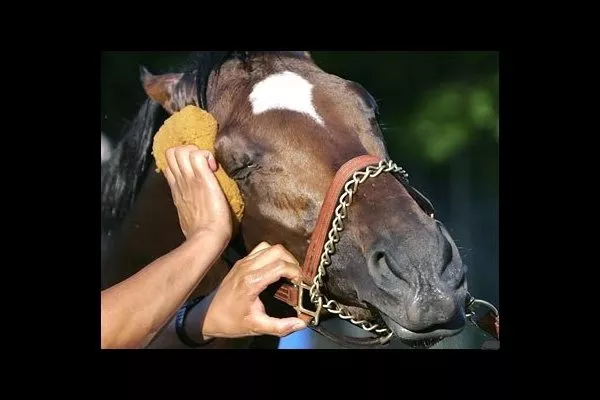
- In the morning, wipe the horse's nostrils and the corners of its eyes. Use a sponge soaked in warm water.
- After your walk, moisturize the areas of your body that are most soiled, and brush off excess water with a special scraper.
- Use a stiff-bristled brush to clean all dirty areas. It's best to use circular motions. If the dirt is particularly stubborn, use a scraper.
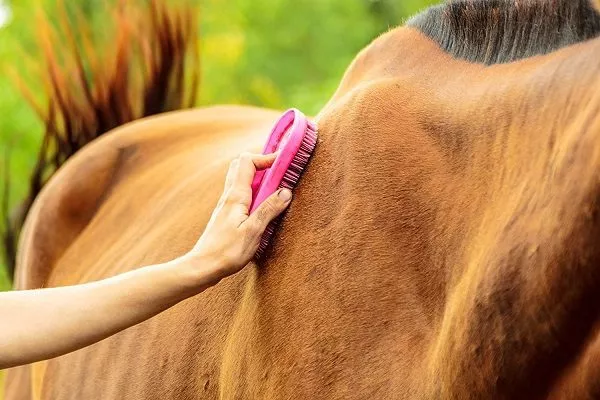
- Next, brush your entire body with a soft-bristled brush. Start at your head, moving to your neck, shoulders, and torso. Lastly, clean your legs.
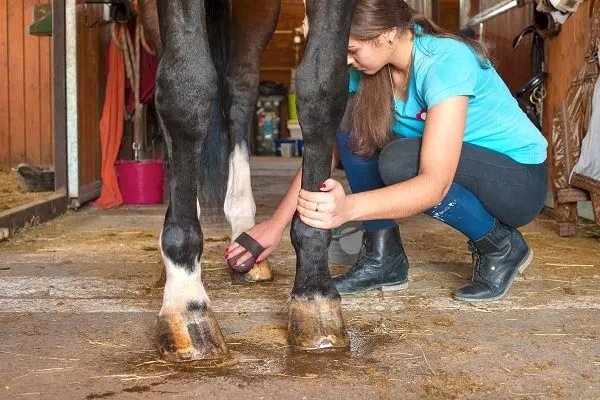
- Now grab the hooves. Use a hook to pick out any stones, manure residue, and clumps of earth. Brush them off.
- Wipe your entire body with a cloth or mitten.

Don't forget to periodically remove hair from the brush using a special scraper.
When washing
It's recommended to groom horses once a week in the summer and once a month in the winter, provided they have a warm room (dry cleaning is sufficient). If the weather is extremely hot, groom them daily.
Requirements:
- Use shampoo no more than once a month;
- water temperature - initially + 26… + 28°C, then gradually decreasing to + 17°C;
- Water is poured from a hose with low pressure or with a spray nozzle.
Washing is carried out in stages:
- Wet your body with water - generously.
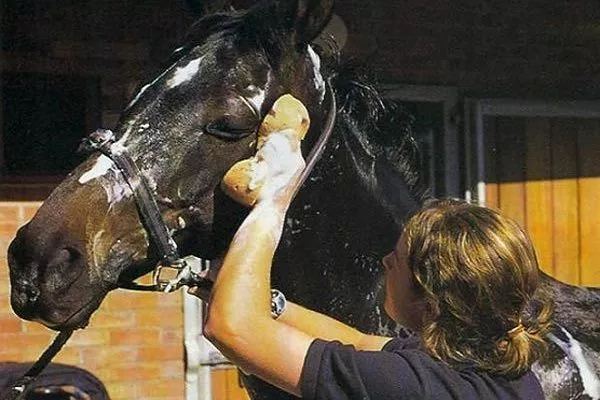
- Lather the shampoo and apply it to the coat with a sponge.
- If the body is dirty, distribute the detergent using a medium-hard brush; if not, use a soft tool.
- Rinse with soapy water.
- Use a scraper to remove any remaining moisture.
- Dry your body with a towel.
The video shows how to properly wash a horse in a paddock:
When applying polish
A horse's grooming is done when preparing for shows, competitions, and exhibitions. Even if the horse doesn't participate in such events, a thorough grooming is necessary twice a month. This will keep the horse looking beautiful and feeling healthy.
Step-by-step guide on how to polish:
- Remove dead and loose hair from the horse's body using a currycomb. A rubber or metal currycomb is best; it will also remove any remaining dirt. This procedure also opens the skin's pores. Use circular motions, starting at the withers and working your way down to the extremities.
- Now, use a stiff-bristled brush to remove any loose dirt from the coat. In this case, brush in a straight line, not in a circle.
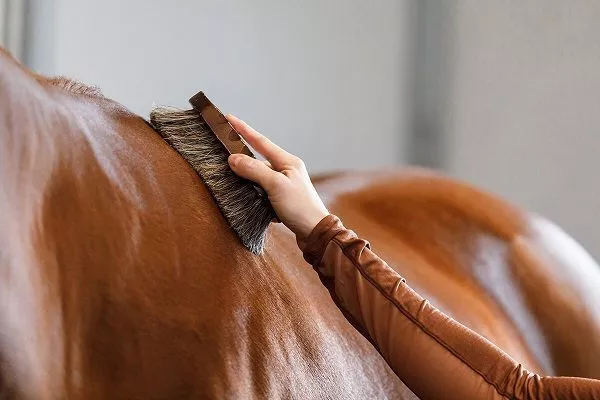
- Go over the cleaned areas with a soft brush. Flexible models are best to reach even the most difficult to reach areas.
- Use a sponge to clean the eyes, nostrils, area around the ears, and muzzle. Use another sponge to clean the area around the base of the tail.
- Clean the hooves with a hook.
- Take a comb and comb first the mane, then the tail. To do this, separate the hair into sections and comb them out one at a time. If you find any tangles, trim them with scissors.
- Go over the entire body again with a soft brush with very short bristles to polish the surface.
During massage
Massaging a horse's body is essential for relaxing the muscular system, strengthening the corset, and improving blood circulation. Massages are especially useful for horses used for racing or, conversely, for stabled horses.
Special brushes are used for this procedure. Here's how it's performed:
- Immediately after brushing, begin light rubbing movements, moving from the withers down.
- After this, increase the pressure on the tool a little.
- Finally, brush several times using smoothing movements.
Popular grooming tool manufacturers
Horse grooming tools are produced by specialized companies, mainly in Belgium, Italy and other European countries.
Among the most popular brands are the following:
- FOUGANZA;
- Decathlon;
- SHIRES;
- Wahl;
- Kentucky;
- Waldhausen;
- ChrisTina
- Osborn;
- Agricow;
- Suevia;
- CAVASSION;
- Sunnimix.
Horse brushes are an essential part of daily grooming. A single type of tool isn't sufficient, as horses' coats require specific cleaning techniques in different areas of the body. It's the horse's sensitivity that forces owners to learn how to choose the right equipment.
Very interesting, thank you.