
Horses have always been considered noble animals, tamed by humans. They are beautiful and trainable. However, it's important to note that each individual horse must be tamed from the very beginning. It takes time to bond with the animal. You need to understand its character and habits before you begin training.
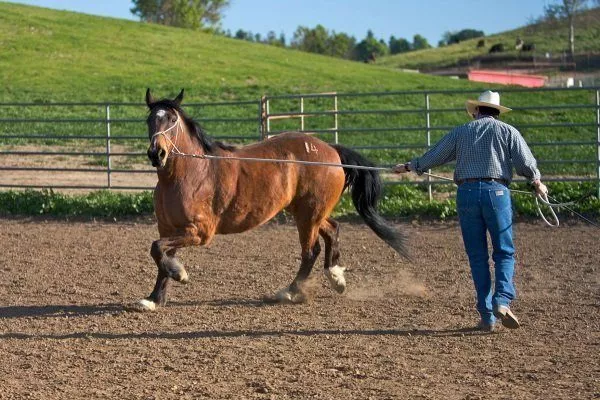
Peculiarities of horse domestication
Visually, horses of different breeds differ in coat color, height, overall weight, body proportions, and other physiological characteristics. Another important criterion to consider is temperament. The combination of all these characteristics determines a horse's suitability or unsuitability for a particular activity.
Most breeds have a gentle and docile nature. As a rule, these are factory bred riding horses and light draft ungulates. In other words, they are the result of crossbreeding between different breeds. According to breeders, the phlegmatic horses are heavy draft breedsThey were originally bred to help humans, so they are the easiest to tame.
How to establish contact with an animal?
The line between loyalty and fear of humans is practically blurred in horses at first. Despite their incredible physical prowess, even ungulates are characterized by a delicate mental structure. Therefore, a person must demonstrate full understanding and sensitivity. It is essential to be as friendly as possible, especially during the first few days of acquaintance with the animal. Aggression and the use of a whip are completely out of the question.
- ✓ Voice use: Horses respond better to low, calm tones.
- ✓ The importance of first contact: the first minutes of interaction should be as positive as possible, without any sudden movements.
Here are some tips to help you build rapport with your horse:
- Horses have been proven to be highly sensitive to human emotions. Therefore, avoid displays of fear, irritability, and hesitation.
- If possible, devote most of your time to your pet. Feeding and grooming help build trust.

- Show your leadership qualities immediately. But suppressing a horse's willpower must be done with extreme delicacy.
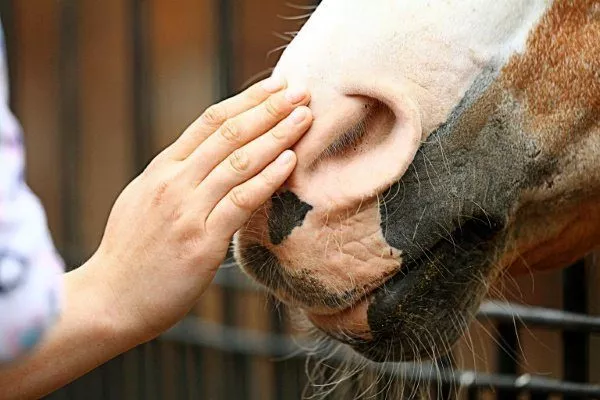
- Petting the horse's mane and face can also evoke positive emotions. Show your love and care for it.
- Foreign odors such as alcohol and cigarettes repel the animal and can even cause irritation and wariness.
How to train a horse to use tack?
Taming a cloven-hoofed animal requires patience not only from the animal but also from the person. The horse may experience discomfort at first, so understanding and sensitivity are essential. There is a methodology for gradually acclimating the animal to tack. Below are a few key points:
- Put on the tack while still in the stable. Make sure the parts are securely fastened. Leave the horse in place for 5-15 minutes, no more. Then, even if the animal hasn't shown any negative reaction, remove the tack. The following day, repeat the process, this time leaving the horse in place for 20 minutes. And so on.
- After a couple of days, begin taking the horse for walks, walking with the bridle. This process should be repeated over several days to prevent the animal from becoming stressed by new discomfort.
- Only after several weeks of regular training walks in harness should you begin short riding sessions.
The video below shows how to train a horse to use tack:
Conducting training
Mounting blocks, which are special steps, are helpful for beginners when mounting a horse for the first time. They also help minimize the strain on the horse. At first, you'll need an assistant to support the horse's muzzle. Once you've got your foot in the stirrup, all you have to do is swing your other leg over and place it in the other stirrup. Keep your knees in a position that compresses the horse's body, but don't overexert yourself. Your heels should point down, and your toes should point up.
- ✓ Monitoring the horse's breathing during training to prevent overfatigue.
- ✓ Using only positive reinforcement to reinforce desired behavior.
The training process is divided into several important stages, which should not be ignored:
- Preparation, which includes processes such as cleaning and saddling. Several exercises may also be performed to activate the animal's muscles.
- A gentle stretch – this is done to prevent injury. Using a piece of carrot, encourage the horse to raise and lower its head.
- Basic training. Begins after the animal has become alert.
- Cool water dousing. During intense physical activity, ungulates tend to generate a large amount of heat. This causes significant stress on their bodies. To alleviate the horse's discomfort and help restore breathing, it is recommended to douse the animal with cool water after exercise.
How to rein in a horse correctly?
Reining in a horse is the process of moving backwards. It's a rather difficult technique, sometimes difficult for even the most experienced rider. However, it's entirely possible to master:
- Take a position that corresponds to forward movement.
- With the front of your body forward, use the sides of your shins to firmly squeeze the horse's torso.
- As the animal moves forward, pull the reins, thereby stopping the horse and forcing it to move in the opposite direction.
A good rider always knows their horse's weaknesses. For example, if the animal has a weak back, it must be reined in very gently. Leaning slightly forward and squeezing the horse's torso with your legs is sufficient.
One of the riding aids is the whip. Opinions vary on how often it should be used. The main thing to pay attention to is how the horse reacts to it. Overuse can cause the animal to become aggressive and distrustful. In most cases, the use of the whip is discontinued once the horse responds well to commands.
A video on how to properly rein in a horse and how to use a whip:
About rewards and punishments
The success of training a well-behaved ungulate depends largely on its understanding of what is right and wrong. Therefore, positive qualities such as diligence, concentration, and so on must be rewarded. Unruly behavior, however, must be promptly nipped in the bud.
Verbal praise is an excellent incentive for a horse to behave in a certain way. Pay particular attention to your tone of voice. Treats of all kinds also help correct behavior. Punishment is achieved through additional work. When the horse understands that failure to perform a task will result in two additional tasks, it becomes more compliant.
A common manifestation of capricious behavior in horses is biting. A gentle slap on the animal's face can help break this habit.
If you've decided to tame a horse, and especially if you're new to the process, you should keep in mind the rules and guidelines outlined in this article. Following these guidelines will help you gain the animal's trust and achieve the desired results.