
Today, there are a wide range of options and opportunities for building horse stables. You can purchase a prefabricated structure, order a turnkey project, hire a construction team, or do the work yourself. The most cost-effective option is to build it yourself.
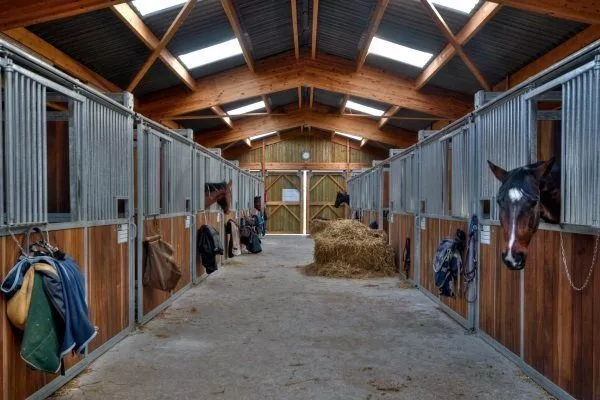
Preparing for the construction of a stable
In each of these cases, it's important to consider the purpose of the horse farming operation and its scale. A small building is quite sufficient for housing several animals involved in the farming operation, but it's possible keep horses And in a barn with the rest of the cattle and small ruminants. Sport horses, breeding horses, or those raised for mass slaughter require spacious, comfortable stables.
Before construction, draw up an estimate based on the stable's design plan and the prices for materials and labor. This will prevent any unnecessary rework during construction and unnecessary expenses, and will clearly show the full scope of necessary funds and labor. Consulting with specialists and studying a wealth of additional literature will also be helpful.
Selecting a site
Careful consideration should be given to choosing a site for building a horse barn. A flat or slightly hilly site is preferable. A low-lying site will provide shelter from the wind, but the stable will become damp. Excessive humidity will have a negative impact on horses' hooves.
- ✓ The site must be protected from prevailing winds by natural or artificial barriers.
- ✓ Groundwater should be at least 1.5 meters from the surface to prevent dampness.
If the site is located on a hill, water will drain quickly, but exposure to winds will be a weak point. Constant drafts are harmful to animals. This is unavoidable, so it's worth providing natural barriers of trees, forming so-called shelterbelts.
Selecting materials for construction
Choose your horse housing materials carefully. Brick and wood are particularly popular materials for building durable, warm, and dry stables. Alternatively, adobe, bulk mixes, and insulation can be used for frame construction.
Avoid using stone or concrete blocks. Such structures will not provide or maintain the necessary microclimate for animals. Adobe structures are warm but not durable.
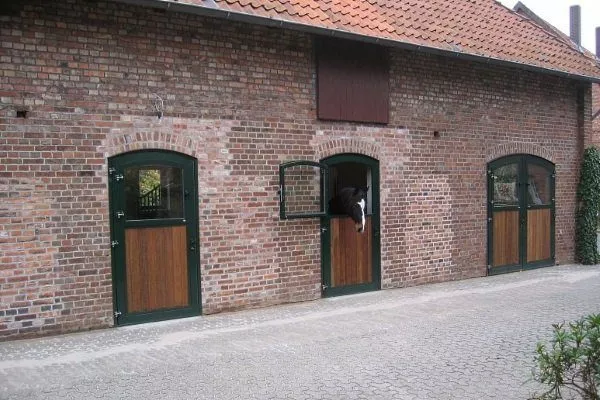
Brick
The most popular construction material, which has many positive arguments:
- buildings are erected to last for centuries, independent of the impact of environmental factors;
- minimal heat loss, no moisture accumulation;
- The thickness of the walls in the climate of Central Russia should be at least 2 bricks.
A significant disadvantage of this type of building material is the cost of construction and the low speed of construction work.
Tree
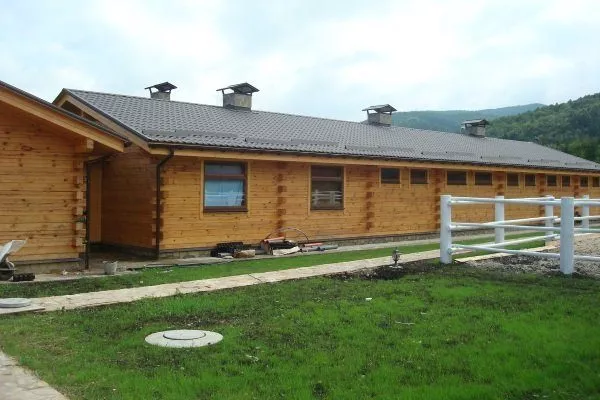
Wooden buildings have a more respectable appearance. Working with this material is easy, and the speed of construction is consistently high. Wooden structures retain heat well and allow air to pass through. Animals will feel comfortable in these stables. When building a wooden structure, use logs or beams no thinner than 20 cm, cladding them with clapboard.
The use of wood in construction has its disadvantages:
- The stable's lifespan is short. Wood is prone to deterioration from physical impact.
- The building has a high level of fire hazard.
- Fungus, wood-boring beetles, and other insects can damage a structure and make it dangerous to live in within a short period of time. This problem can be partially solved by using wood impregnations and treatments. However, these do incur additional operating costs.
Frame-and-fill design
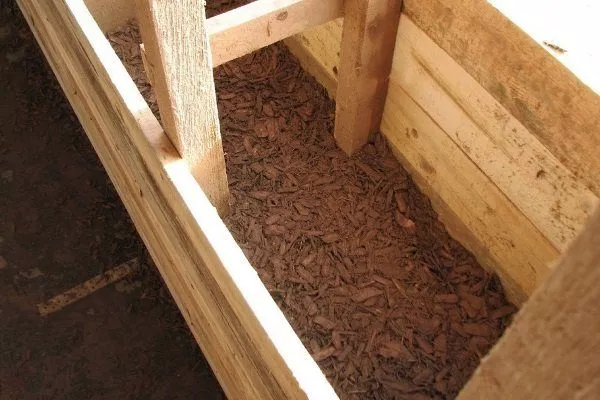
This type of construction is characterized by the lowest cost. The frame is constructed of wood or metal. Double walls are erected, and the voids are filled with a mixture of sawdust and expanded clay, mineral wool, and other insulation.
If there are gaps between the jointing materials in the walls, the loose filler will leak through them. This creates air pockets inside, which can become a haven for rodents and pests. Furthermore, the voids will reduce the stable's thermal insulation. Heat loss, condensation, and dampness are inevitable in this situation.
Construction of stables
The size of the stable and its rooms depends on the number of horses and the purpose of their breeding. For example, for sport stallions, large paddocks are needed, while for breeding horses, a farrowing box for sows and pens for foals are essential. However, the basic set of rooms remains constant.
Diary
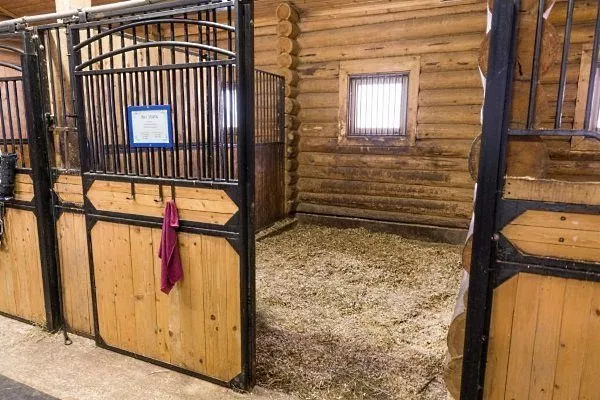
A separate, loose-stalled area for a horse is called a stall. Certain conditions apply to its design:
- The stall size is not less than 9 sq. m. The ceiling height is 2.5 m.
- Lighting in each stall. The lamp should be out of reach of the animal.
- Partitions between stalls. It's possible to leave a small gap in them to prevent a horse from sticking a hoof through.
- The thickness of the wooden partition should not be less than 3 cm. Otherwise, the animal will break it with a careless movement.
- ✓ The stall floor should have a slope of 1-2% to allow liquid drainage.
- ✓ Partitions between stalls must be at least 1.5 m high to prevent injuries.
Stalls
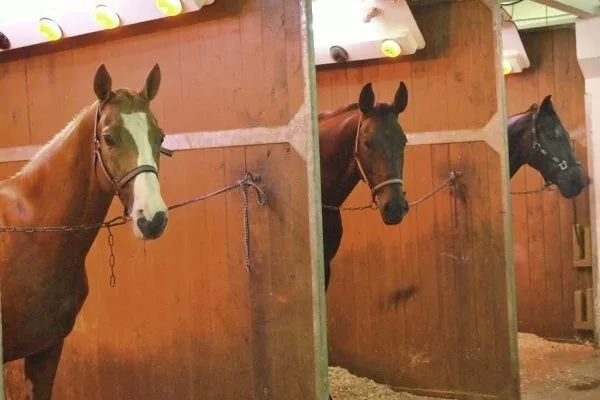
Each horse must have its own stall, where it is positioned with its head toward the wall. The horse is tethered with a medium-length rein. To restrict movement, a plastic or strap fetlock is placed on the hindquarters, including the legs, in the stall.
Stalls are used for training purposes, teaching animals discipline, and during taming and training. Stalls also help develop attention and observation skills.
Passages
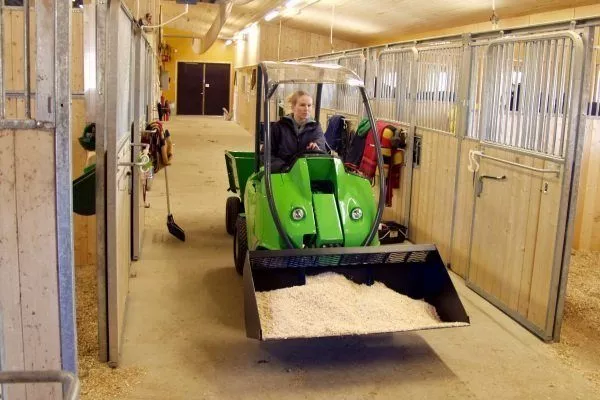
The width of the stable aisle depends on the size of the building and the number of horses housed there. Most often, 3 meters of clearance is left to allow for easy transfer of animals to sanitary stalls, stalls, or simply for taking them outside. Additionally, allowance should be made for the passage of carts during feeding and cleaning, as well as mini tractors.
Auxiliary premises
In addition to the main rooms where horses are kept, the stable must be equipped with the following rooms:
- Aft compartment.The room is used to prepare and prepare the animals' daily rations, so it should be dry, bright, and clean. It should be located as close to the stalls as possible.
- Hay storageIt is planned to be adjacent to the feed room. General hay supplies are stored here, so fire safety measures must be taken.
- A room for storing work tools.All equipment for animal care should be kept in one room.
- Harness room.All animal equipment is stored here, as are refrigerators with medical supplies, washing machines, etc.
- Sanitary box. Includes a veterinary examination room, a horse shower and a solarium.
- Storage for bedding material.The room size is at least 4 square meters. Dry, clean room with low humidity.
- Paddock for walking horses. The size depends on the number of animals in the stable. The floor in the pen is made of special rubber or covered with sawdust.
- Location of the fire shield.
Design and measurements
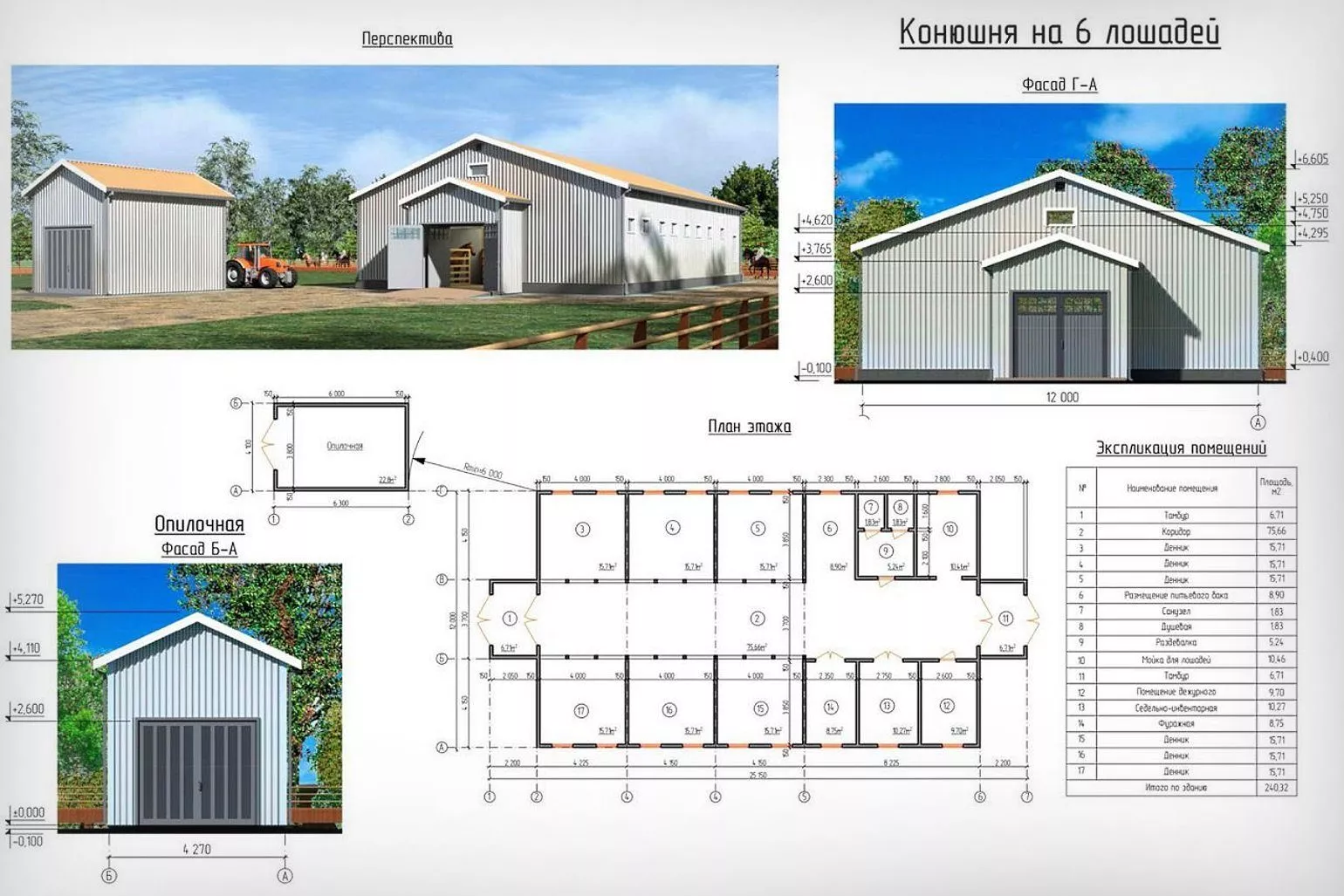
With a design, construction proceeds smoothly and without problems. Therefore, preparation, calculations, measurements, and material selection take a lot of time. But it's better to correct something in the design than to have to rework the construction process later.
Foundation
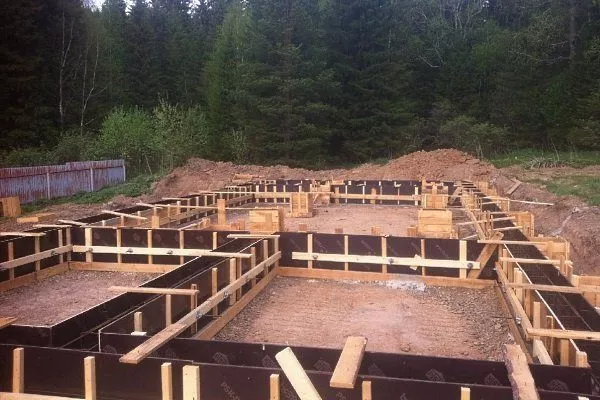
Before constructing the foundation, site preparation is essential. It is cleared of any vegetation, with trees uprooted as much as possible and the topsoil removed.
If you plan to build a brick stable, you'll need to pour a concrete strip foundation. A waterproofing material is laid over the concrete to protect the walls from moisture. For other types of structures, a gravel bed is poured and a pier foundation is installed. Corner supports are installed, and from these, using a chalk line or level, even rows of piers are laid out. The number of piers depends on the area of the proposed building.
A protective layer is laid on the foundation. Pressed wood paneling will prevent rodents and other unwanted visitors from entering the stable.
Erection of the frame
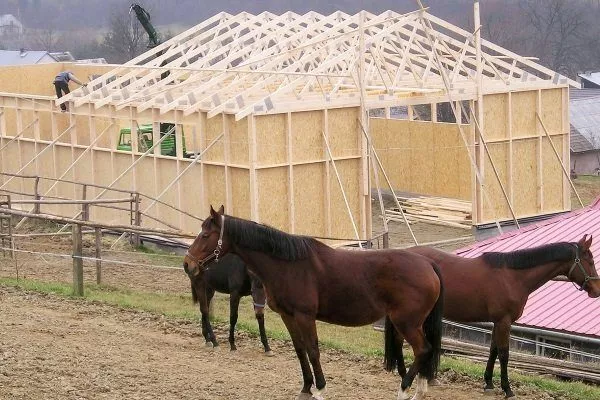
When building a brick structure, a wooden frame is unnecessary. In other cases, it's essential. There's no point in skimping on the materials used in such projects. The wood must be of the highest quality, as the lifespan of the entire stable depends on it.
The 3-3.5 m high frame is assembled from timber, with diagonal beams for added stability and strength. Be sure to study the construction diagram before assembly to avoid unnecessary questions and time-consuming issues. When assembling, consider the location of window and door openings.
Walls
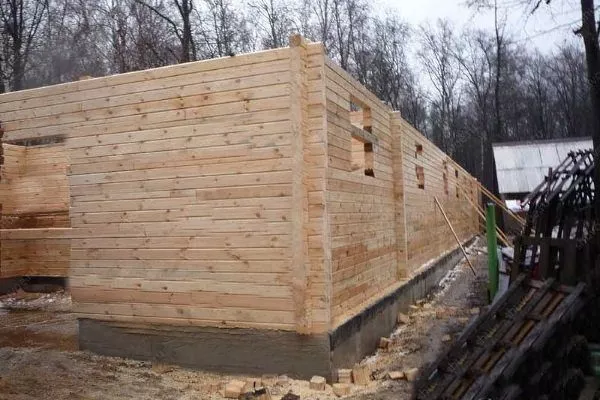
The first step in building walls is to determine their thickness. This parameter is directly dependent on the climate of the region. The lower the winter temperatures, the thicker the stable walls. A 25-cm wall maintains the microclimate even in the harshest frosts. The minimum wall thickness is 10 cm.
When assembling wooden walls, it's recommended to use multiple types of fasteners, keeping the distance between them consistent. This will increase the structural strength. Consider installing waterproofing between the foundation and the wall.
Use wooden partitions to divide the stable area into stalls. These can be installed ceiling-high, with window openings on both sides and gratings inserted into them. Another option is to construct wooden dividers from 1.3 m to 15 m high.
Please note that each animal requires a minimum stall size of 3x4 m. A space of 4x5 m is considered optimal.
Roof
To protect animals from inclement weather and precipitation and retain heat in the building, a reliable roof is required. The most popular are pitched and gable roofs with drainage systems. The first option is the most cost-effective, as it requires minimal materials. A vapor barrier is laid on wooden beams, and then a slate, metal profile, or other roof is installed.
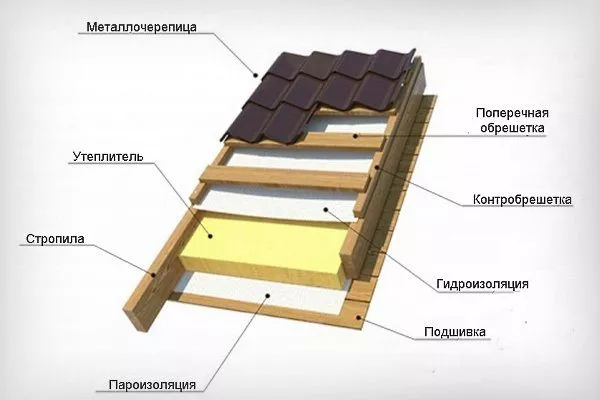
Building a gable roof requires more building materials, but the advantage is the ability to use the attic for utility purposes. It can be used to store hay, straw, supplies, or any other materials.
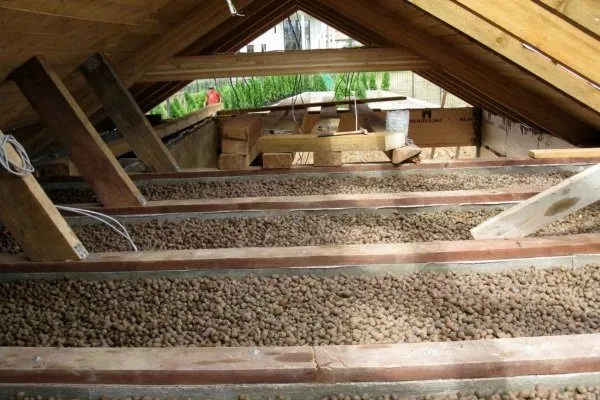
Cover the ceiling with boards no thinner than 5 cm and insulate with expanded clay or mineral wool. This will further retain heat in the room.
Floor laying
In the construction of stables, two flooring compositions are used:
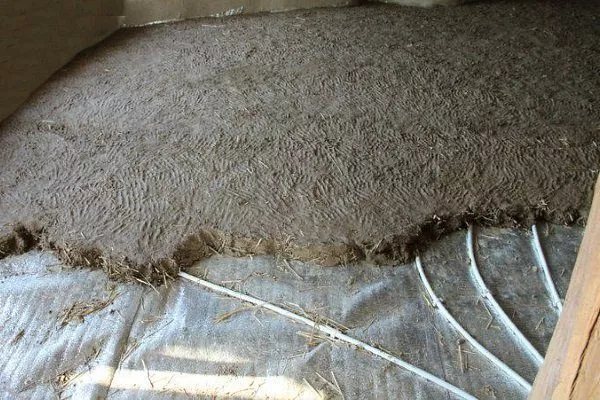
- Clay. It's comfortable for horses' hooves due to its relatively soft composition. It's inexpensive to manufacture, and repairs and blemishes can be made independently without much time or effort. Manure drainage channels are easily formed. However, this type of flooring tends to absorb moisture well. To eliminate germs from horse excrement, the floor needs to be properly cleaned. In this case, this isn't possible.
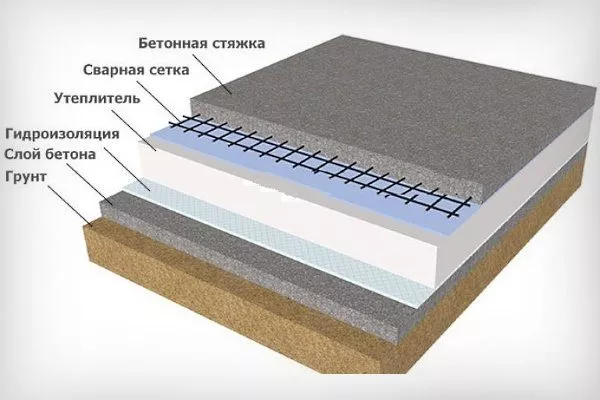
- Concrete. It's easy to clean and doesn't absorb liquid animal waste. In stalls, the floor is poured at a slight angle to allow liquid to drain into the sanitary holes behind the stall and out of the stable. The main disadvantage of concrete floors is their hardness and low thermal conductivity. Therefore, it's recommended to lay a layer of planks over such floors. This will protect the horses' hooves and prevent them from freezing on the cold surface.
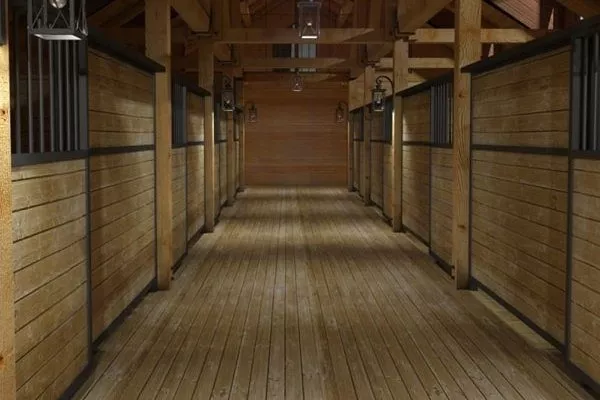
- Wooden.This type of flooring is often used in the construction of frame stables. A pit is dug for its installation, which is then backfilled with coarse crushed stone. An air cushion should not be left under the floor, as this would make the structure unstable. A drainage ditch at least half a meter deep is provided around the perimeter for drainage. This type of flooring requires periodic replacement due to wear and tear and deterioration of the material.
Windows and doors
The optimal door width is considered to be 1.5 m. If the stable size allows, it's best to use hinged revolving doors. They're more reliable in terms of resistance to animal attacks. Otherwise, sliding doors will have to be used. They save space, but are less reliable. Among all the lock and latching options, the standard deadbolt is the preferred choice.
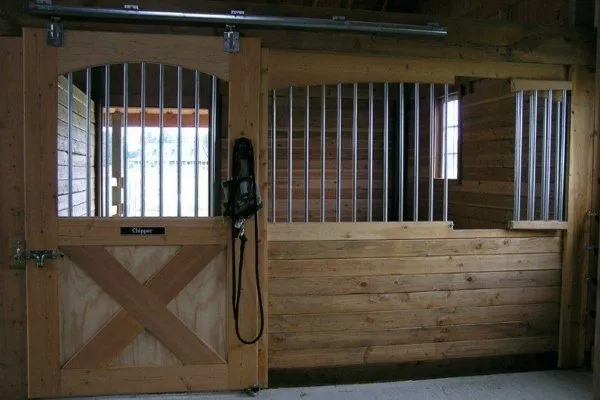
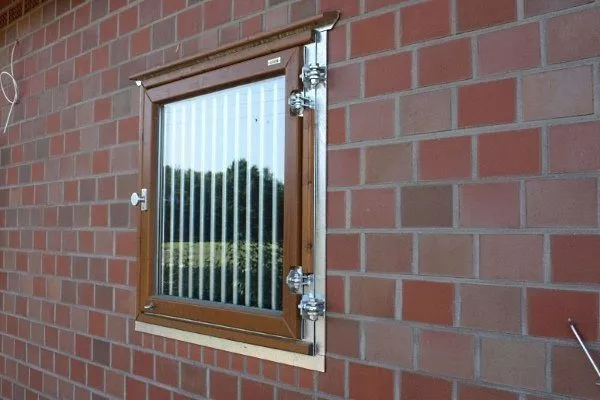
The area allocated to window openings is calculated as 1/8 of the total area of the frame walls or 1/15 of the floor area. The standard window size is 50 cm by 70 cm. They are installed at a height of no less than 1.5 m from the floor, but no higher than 2 m. To prevent excessive sunlight and for safety, it is advisable to install shutters on the windows. Opening windows must be covered with mosquito netting to prevent insects from disturbing the horses.
Design of communications
An important component of the planning stage is the consideration of various utility systems. Don't rush; consult with specialists, as the animals' comfort depends on such work.
Electricity
Horses require at least eight hours of daylight, so in winter and inclement weather, supplemental electrical lighting will be required. Additionally, artificial ventilation and other automated systems, including refrigerators, are electrically powered.
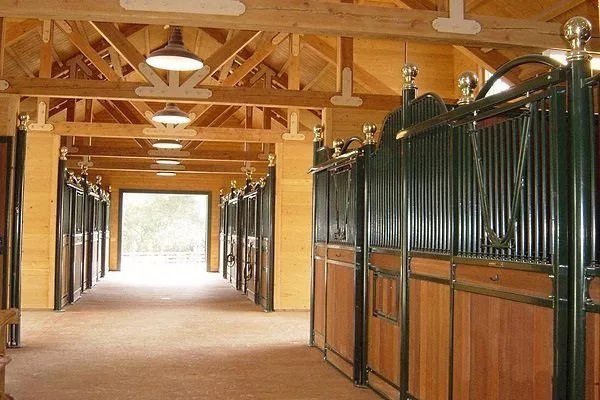
All light bulbs should be in enclosed shades to prevent shattered glass from injuring horses if one breaks. Furthermore, it's advisable to enclose all lighting and other electrical fixtures with metal grates to prevent animals from physically damaging them.
The wiring should be hidden under cable channels, and the switches should be located in a place inaccessible to horses.
Ventilation
Ventilation is a system designed to optimize gas exchange in the stable and maintain humidity levels and sufficient oxygen.
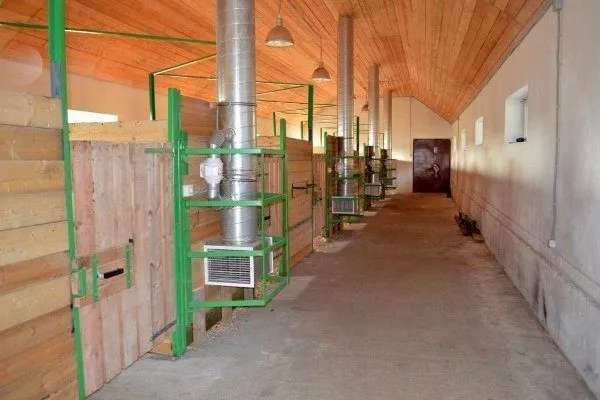
Natural airflow comes from ventilation shafts left under the ceiling and open windows. However, for large stables, mechanical ventilation is recommended. There should be one ventilation pipe per 12 horses.
Don't leave gaps under the ceiling for ventilation. This will lead to constant drafts and illnesses in the animals.
In mechanical ventilation, fans create airflow. They must operate at the lowest possible noise level to avoid distracting the animals and ensure a peaceful environment in the stable.
Water supply and heating
While having a water supply in the stable is desirable, it's not essential. Water can be brought in from outside, which will require much more time and effort. If a water supply is connected to the horses' quarters, automatic waterers can be installed, and cleaning will be easier. A hose can be used to wash away all waste.
On the coldest winter days, the air temperature in the stable should not drop below 6-8°C. Horses usually maintain the temperature themselves through their breathing and body heat. If the stable is located in harsh climates, a heating system is essential. For a large stable, a boiler is the optimal solution, while for a smaller stable, an electric or other heater will suffice.
Interior arrangement of the stable
The interior of the stable should be arranged in such a way that it is comfortable for the horses to stay there, and convenient for people to carry out cleaning and other work.
Feeder and drinkers
Feeders can be purchased ready-made or made yourself. The main thing is that they are convenient for the animals to eat from and easy for the owner to fill. Feeders are often hung on the wall no more than 1 meter from the floor, with a hatch above them so that feed can be added without entering the stall.
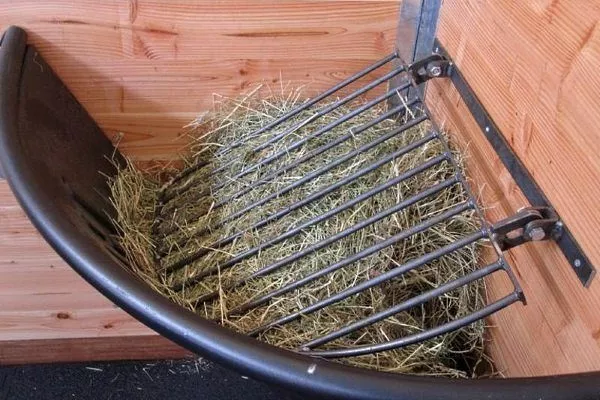
Never spill horse feed on the floor. There's a high risk of contracting tetanus or worms.
Automatic waterers will make horse care easier; otherwise, it is recommended to install special containers, considering that an animal requires up to 50 liters of water per day.
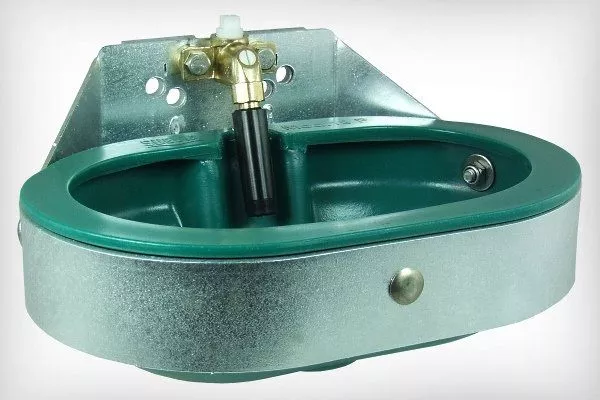
Drinking bowls and feeders must be periodically cleaned and washed with disinfectant solutions.
Stall and bedding
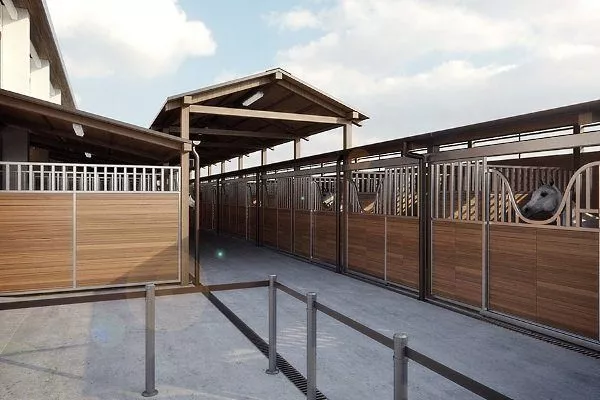
The stall should be comfortable and safe. Its size varies depending on the horse's breed. It should be at least 2.5 meters above the ground. Walls should preferably be made of wood or metal bars so that the animals can see each other.
Sawdust, straw, or peat can be used as bedding. Change it every few days, thoroughly cleaning out any corners. A 50 cm thick layer of bedding should be changed every month or two.
Watch the video to see how a stable is set up using one stud farm as an example:
Construction of a summer stable and insulation
A summer horse barn does not require registration because it is not a permanent structure. It is easier to build, and there are no special requirements.
The most common method for building a summer stable is the frame method. Using timber, boards, fasteners, and a level, the frame and skeleton of the building are assembled.
The walls are assembled from lumber and insulated. A wooden floor is installed. Windows and doors are inserted into the openings.
When laying ceiling and roof beams, take into account the slope to ensure drainage. The beams are supported with boards, a layer of insulation is laid on top, and a special film is stapled in place. Plywood with a moisture-repellent coating is nailed on top. Next, the slate roof is installed.
Finishing and insulation
Any type of board or lumber can be used for finishing a summer stable. This could include OSB panels, chipboard, fiberboard, plywood, or high-quality lumber. The choice depends on the price and intended use.
You can insulate a room using mineral wool, penoplex, polystyrene foam, ecowool, and others. The building materials market is rich in offerings.
Levada
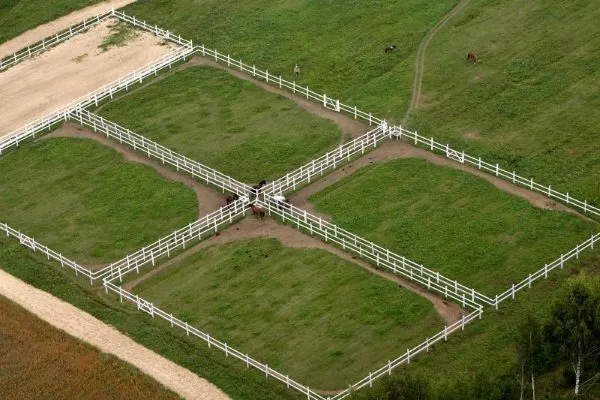
The paddock is designed for daily horse walks in the fresh air, as well as for exercise and training. Only safe materials are used in its construction, with wood being preferred.
It is prohibited to use barbed wire or electric current to fence the paddock.
The fence around the paddock should be at least 1.5 meters high, with posts every 1.5-2 meters. The gate locks should be secure but easy to use. Ideally, the paddock area should be lined with rubber tiles or a special surface.
Building a stable is a necessary undertaking for a horse breeder. The choice of building materials and the design are discussed at the initial stage. Planning is the key to success. A well-designed facility will ensure the animals are comfortable and safe.
Oksana, please don't write about building stables anymore. It's not your thing... Sincerely.