
It's the responsibility of every horse breeder to ensure proper care for their animals. This doesn't just mean feeding and keeping the stables clean. A horse breeder must be familiar with the diseases that equines are susceptible to. Knowing the main symptoms allows for timely treatment and promotes the horse's recovery.
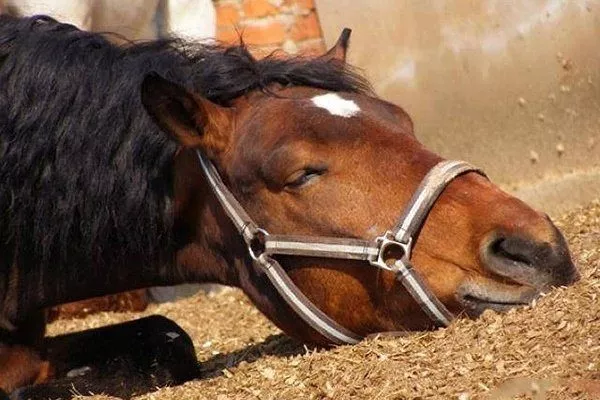
What diseases do horses have and how can you recognize a sick individual?
Distinguishing a healthy horse from a sick one isn't difficult. Most symptoms are visible externally. For example, a healthy horse is typically cheerful and energetic, has a shiny mane, and has a good appetite. A sick horse, on the other hand, becomes restless and anxious, has difficulty interacting with people, and may even become aggressive.
Depending on the disease, a horse's behavior may change—for example, limb disease is often accompanied by lameness or a refusal to go for walks. Food poisoning can be identified by repeated refusal to eat and intestinal upset. The most common equine diseases today include:
- fungal and bacterial infections;
- viral infections;
- invasive diseases;
- non-communicable diseases;
- skin diseases;
- diseases of the limbs and their joints.
- ✓ Increased sweating without physical exertion.
- ✓ Frequent shifting from foot to foot.
- ✓ Decreased social activity in the group.
Each type of disease has its own set of characteristic symptoms that help identify the illness and prescribe the necessary treatment procedures.
Fungal and bacterial infections
A bacterial disease occurs when a pathogenic microbe (fungus) grows in a horse's body. Its proliferation leads to an acute illness, often accompanied by a high fever, leading to death.
| Name | Body temperature during illness | Main symptoms | Mortality |
|---|---|---|---|
| Glanders | 41 °C | Fever, swollen lymph nodes, purulent ulcers | 100% |
| Anthrax | High | Fever, intoxication, swelling | High |
| We are washing | Increased | Pustules on the throat, fever | Low in treatment |
| Ringworm | Normal | Localized baldness | 0% |
Glanders
Glanders is an infectious disease that initially appears asymptomatic. Typically, it takes at least four weeks for a horse to show any signs of illness. Confirmation of glanders can be achieved by testing the horse for an allergy to mallein.
The main sites of infection are the lungs, lymph nodes, and liver. Glanders occurs in three forms:
- acute;
- chronic;
- latent.
In the acute stage of the disease, the horse initially experiences fever (chills and trembling), with a body temperature of 41°C. The mucous membranes of the mouth become dark red, the pulse is thready, and breathing is intermittent. Subsequently, the lymph nodes under the jaw swell.
As the disease progresses, yellowish nodules appear on the mucous membrane of the upper respiratory tract of the sick horse, which later develop into purulent ulcers. Swelling of the nasopharynx develops, and the nasal septum collapses. Within 2-3 weeks of the onset of symptoms, the animal dies.
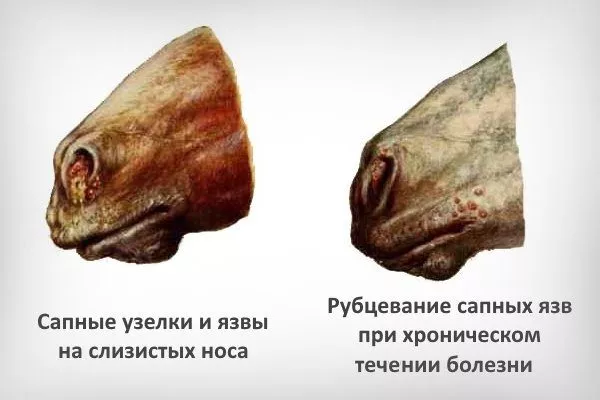
In the chronic course of the disease, everything described above occurs slowly over several months or even years, and in the latent (hidden) course, there are no symptoms at all, but the internal organs are still destroyed and the horse dies.
Unfortunately, there is no effective treatment for glanders today, so sick animals are euthanized.
To prevent the spread of infection, ungulates imported into the country undergo thorough veterinary inspection.
Anthrax
Anthrax is one of the most dangerous acute infectious diseases. It causes excruciating pain in animals, causing fever, severe intoxication, swelling and discomfort in the head, neck, and chest, as well as gastrointestinal upset.
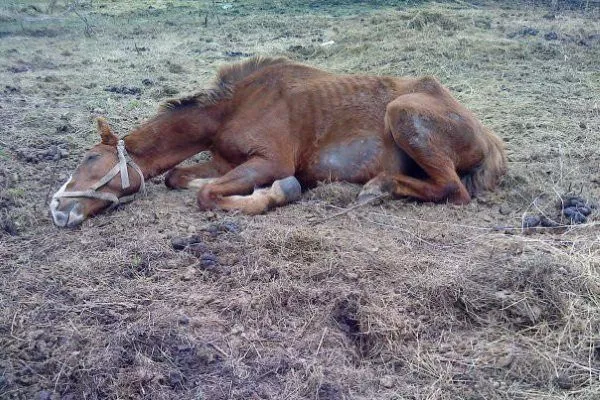
Death occurs instantly, and the animal dies in convulsions. The danger lies in the fact that this disease can infect other livestock and even humans. The infection is transmitted through feces, urine, and saliva.
As a preventative measure, equids are given a vaccine that makes them immune to anthrax. Regular veterinary visits are also necessary to prevent deterioration in their health.
It is strictly forbidden to open the body of a sick horse, since the bacillus requires three days to die.
We are washing
Myt is another type of infectious disease in horses, which manifests itself in the form of fever, the appearance of pustules on the upper part of the throat and lymph nodes.
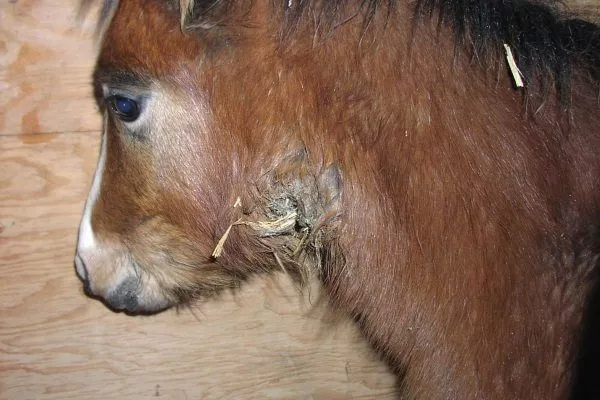
The disease only makes its presence known after fifteen days. The animal develops a fever and loses its appetite.
Treatment involves isolating the horse in a warm place and carefully removing and disinfecting all pustules. Antibiotics are then administered intramuscularly for several days. In most cases, abscesses appear after a cold flare-up, prolonged exposure to a draft, or heavy rain.
Ringworm
The scientific name for ringworm is trichophytosis. It is a viral disease that causes localized baldness on the body of equids. Humans can become infected with ringworm through direct contact with horses.
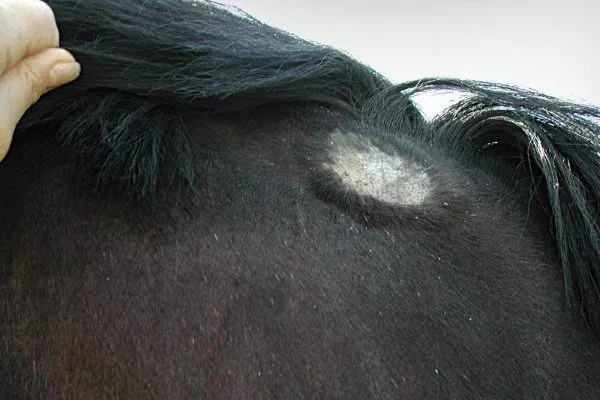
Only young birds kept in poorly ventilated, dirty areas and without proper care are susceptible to the disease. The disease is transmitted by rodents.
To ensure recovery, the wounds will need to be treated regularly with a fungicide for several days. As a preventative measure, the horse is vaccinated every two years.
Viral infections
Equine viral diseases are perhaps among the most widespread and damaging to agricultural activities. However, in recent years, virologists have made significant advances in the study of methods for combating equine pathologies.
| Name | Body temperature during illness | Main symptoms | Mortality |
|---|---|---|---|
| Flu | Increased | Inflammation of the respiratory system, cough | Low in treatment |
| Rhinopneumonia | Increased | Edema of the mucous membranes, conjunctivitis | High without treatment |
| Viral anemia | Increased | Hematopoietic disorders, fever | High |
| Infectious encephalomyelitis | Increased | Effect on the central nervous system, jaundice | High |
Flu
Equine influenza manifests itself as an acute inflammatory process in the animal's respiratory system, depression, fever, and a dry cough. If left untreated, the flu quickly progresses to pneumonia.
The disease remains asymptomatic for 5-6 days. At the first sign, the horse is isolated and switched to a highly digestible feed. If complications arise and a bacterial infection develops, the animal will require a course of antibiotics.
As the horse recovers, it develops immunity to viral infections, which remains effective for the next year. After this, the horse will require a vaccine.
Rhinopneumonia
An acute viral disease that causes swelling of the mucous membranes and lungs, as well as conjunctivitis, is called rhinopneumonia. It can also be known as viral abortion in mares and genital exanthema. Young horses under one year of age are most often infected. The virus is transmitted through urine, sexual intercourse, contaminated feed, body fluids, and saliva.
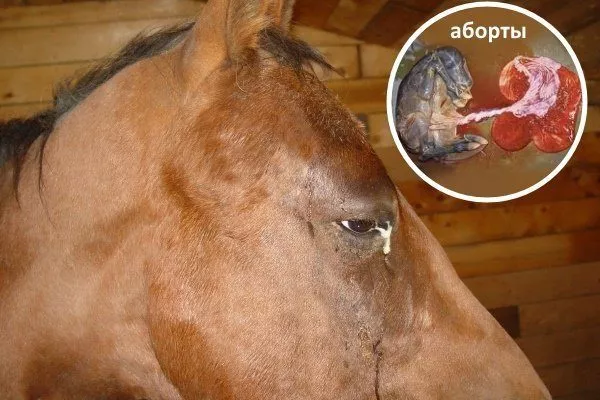
There is currently no effective treatment for rhinopneumonia. Cephalosporin antibiotics and strict adherence to sanitary standards are used as preventative measures. After recovery, animals develop immunity that lasts for six months.
Viral anemia
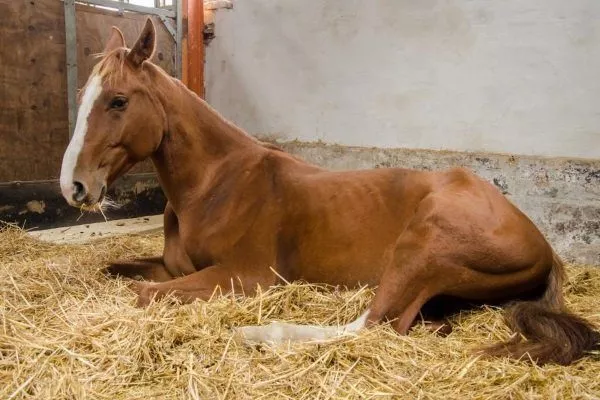
Viral anemia is an infectious disease that causes problems with the heart, blood vessels, and hematopoiesis. Anemia is transmitted through the saliva and blood of an infected animal or blood-sucking insect. A young foal's body is unable to cope with this disease and therefore typically dies.
The main symptoms of viral anemia are lethargy, feverish attacks and sudden weight loss.
If the virus is diagnosed, animals are quarantined. Infected horses are euthanized, and the entire facility is thoroughly disinfected. The quarantine is lifted after 90 days, provided no sick animals have been detected during this period.
Infectious encephalomyelitis
Another viral disease that occurs in an acute form is infectious encephalomyelitis. It has a detrimental effect on the horse's central nervous system and gastrointestinal tract and can progress to jaundice.
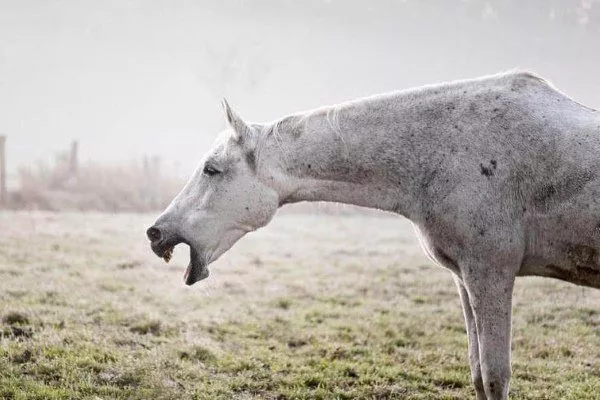
The asymptomatic period lasts from 15 to 40 days. After this, the animal develops a fever, decreased appetite, depression, and persistent yawning.
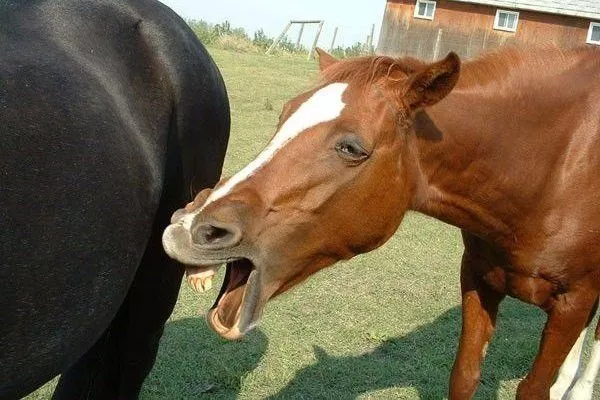
The infected horse is isolated in a spacious, dark area. Sodium sulfate is administered intranasally twice daily for several days, followed by an intravenous injection of urotropin.
Invasive diseases
This group of diseases is caused by microorganisms of animal origin—arachnids, protozoa, and the like. It's important to begin treatment at the first signs of disease development.
| Name | Body temperature during illness | Main symptoms | Mortality |
|---|---|---|---|
| Accidental disease | Normal | Bulges on the trunk, paralysis | 100% |
| Helminthiasis | Normal | Loss of appetite, lethargy | 0% during treatment |
Accidental disease
The single-celled organism that causes equine mating disease is called trypanosoma. It lives in seminal plasma, vaginal mucosa, skin, and blood vessels. It functions by consuming the nutrient fluids present in the animal's body.
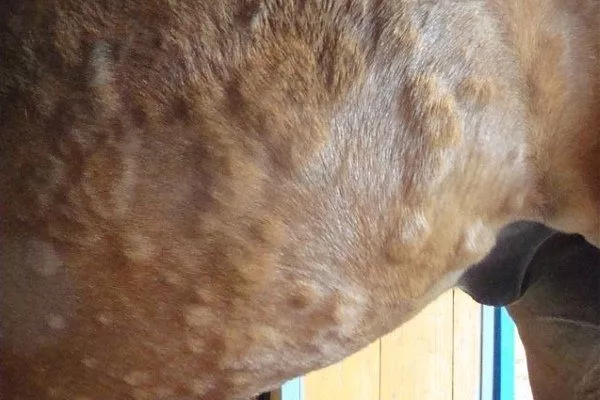
The disease is transmitted through sexual intercourse. The main symptom is the appearance of round lumps on the equine's body. A couple of days after infection, the horse becomes paralyzed and dies. The previously used antitrypasome is now banned. The infected animal is euthanized.
Helminthiasis
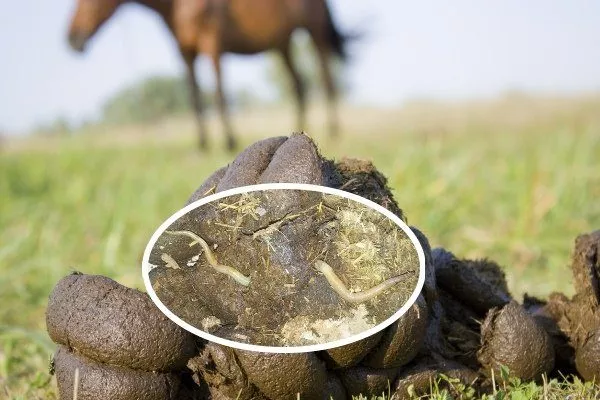
Like any other animal, horses can suffer from unpleasant parasites such as worms. After infection, the animal loses its appetite, becomes lethargic, and its mane becomes dull. Coughing and constipation are sometimes observed. The disease can be detected by a coprological examination.
In most cases, the horse's body is infested with roundworms. Treatment involves applying a ready-made paste to the tongue. As a preventative measure, this procedure is repeated every six months to prevent the development of a new group of parasites.
Non-communicable diseases
Almost every second horse is susceptible to respiratory and digestive diseases. Simple treatments can help restore the animal's health.
| Name | Body temperature during illness | Main symptoms | Mortality |
|---|---|---|---|
| Colic | Normal | Pain in the diaphragm area | 0% |
| Esophageal obstruction | Normal | Gagging, drooling | 0% during treatment |
| Respiratory diseases | Increased | Asthma, difficulty breathing | Low in treatment |
Colic
Since horses are herbivores, they digest fiber very well. Excess fiber (often caused by poor-quality feed) can disrupt the digestive system. The main symptom that can help identify colic in horses is pain in the diaphragm.
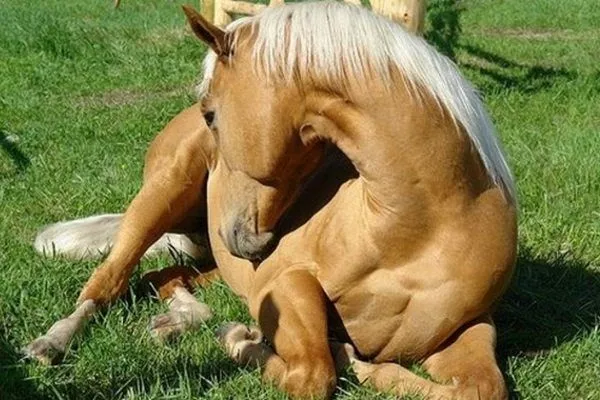
Typically, every horse experiences a mild form of this condition. If pain persists, consult a veterinarian immediately. Treatment involves a pain-relieving injection and a nutritious nutrition plan.
Esophageal obstruction
The unique anatomical structure of the horse's digestive system can lead to pathologies related to the functioning of the stomach, esophagus, and intestines. These pathologies are caused by feed blockage. This process can occur once or be chronic.
Symptoms of esophageal obstruction appear immediately: the horse stretches its muzzle and attempts to cough. Sometimes, gagging and drooling may be observed.
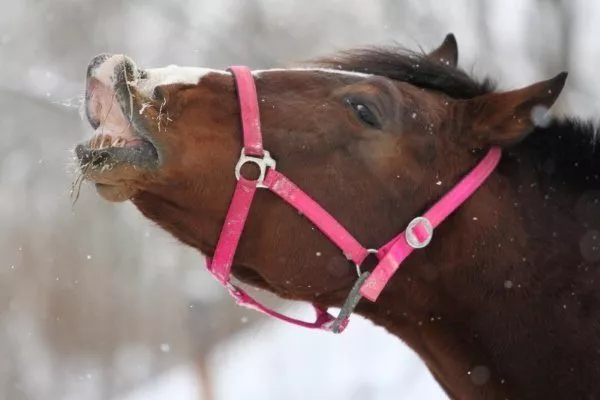
Treatment consists of a 24-hour fast and an injection of substances such as acepromazine and xylazine.
Respiratory diseases
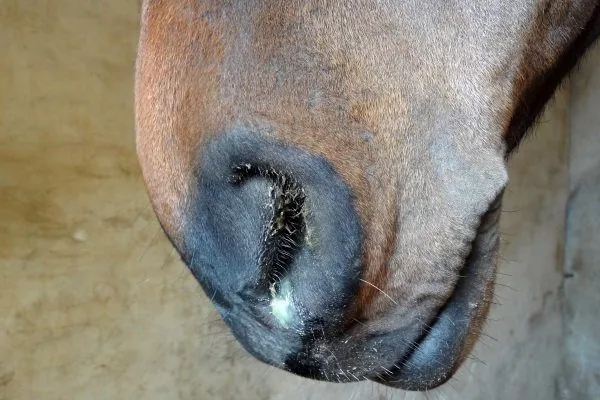
This group of diseases arises from improper care, an incorrectly chosen treatment plan for colds, and complications associated with infectious diseases. Dust and lack of fresh air trigger the development of asthma in horses.
To treat an animal, it's first necessary to identify the cause of the illness and then eliminate it. To alleviate the illness, expectorants are prescribed to improve respiratory function, and herbal inhalations are also prescribed.
Skin diseases
Like humans, horses are susceptible to attacks from insects and parasites. These pests often carry various skin diseases.
| Name | Body temperature during illness | Main symptoms | Mortality |
|---|---|---|---|
| Woodlice | Normal | Scaly legs, swelling | 0% |
| Scabies | Normal | Rashes, itching | 0% |
| Eczema | Normal | Lumps, pustules | 0% |
| Chorioptosis | Normal | Itching, inflammation of the skin | 0% |
| Parafilariasis | Normal | Capillary bleeding | 0% during treatment |
Woodlice
Midges (or dermatitis of the fetlock area, or undersaddles) A fairly common and extremely painful disease for horses. Animals can contract this illness in the autumn, when there's a lot of slush and mud, and hygiene standards are poor. It's caused by actinomycete microorganisms that live in the soil and penetrate damaged skin.
The disease can be transmitted by flies. The midges typically appear on the legs and appear as flaky scales. Swelling of the limb is also common.
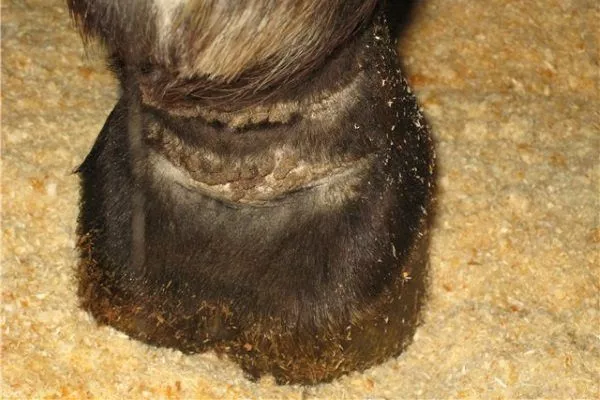
Treatment involves carefully and thoroughly removing dirt from the damaged area, removing any loose scurf, and applying a bandage soaked in petroleum jelly.
Scabies
This disease is caused by a tick that infests the animal's body. The main symptoms include nervousness, various skin rashes, and regular attempts to bite the horse's body and legs. Ringworm eventually develops at the site of the tick's infestation, and hair loss occurs.
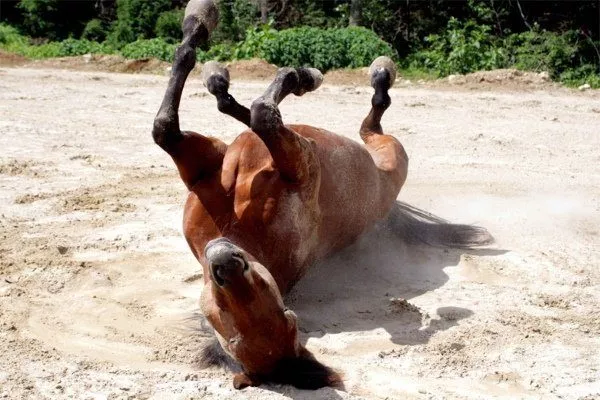
In most cases, a tick bite does not cause any complications and resolves on its own. However, any rash that develops will require treatment with special ointments and gels.
Eczema
Eczema is a lesion on the top layer of the skin. It can occur due to untreated mechanical injury, harmful exposure to high temperatures, or as an allergic reaction to medications. It manifests as a hard bump and small pustule, and may be accompanied by a scaly crust.
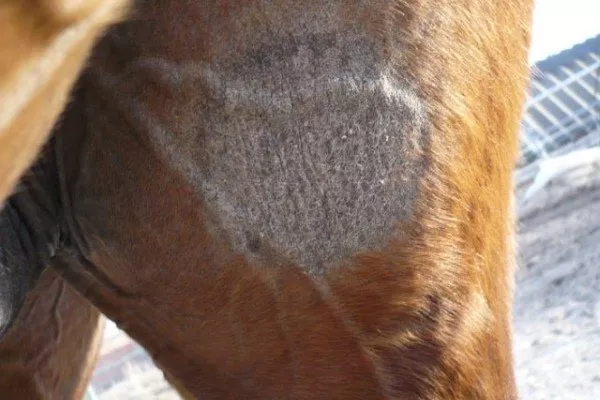
To treat a horse's eczema, the causative agent must be identified and eliminated. A 5% picric acid compress is applied to the affected area. With your veterinarian's approval, antibiotic-based gels can be used to alleviate the condition.
Chorioptosis
This disease occurs in acute and chronic forms. The main symptoms are itching, skin inflammation, hair loss, and anxiety. The disease is caused by the mite known as carpet beetle, which causes the horse to scratch the affected area.
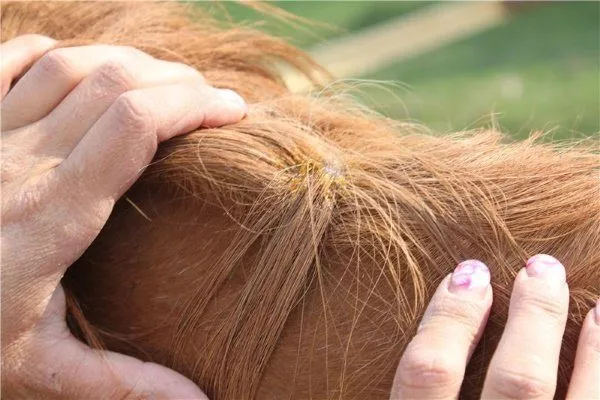
To confirm the diagnosis, a skin scraping is required. Treatment involves administering an acaricidal medication every 7-9 days.
Parafilariasis (equine parafilariasis)
This disease is only possible during the warm season in horses at least three years old. Parafilariasis manifests as capillary bleeding on the equine's body. The causative agent is the stinging fly, which feeds on blood.
A small bump appears at the bite site, and in high temperatures, it begins to bleed. This bump subsequently crusts over, and the animal's hemoglobin levels drop, leading to general weight loss.
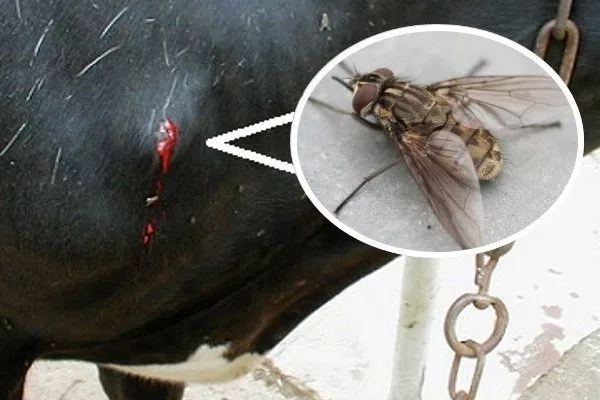
Anthelmintic medications are used (fenbendazole at a dose of 15 mg per kilogram of body weight once daily for five days, or ivomec is administered subcutaneously at a dose of 1 ml per 50 kg of body weight). Additionally, affected areas of skin are treated locally with 1-2% carbolic acid or chlorophos solutions. Avermectin paste 1% (applied to the base of the tongue) and Equisect paste are also prescribed orally.
Diseases of the limbs and their joints
Diseases associated with inflammation in the limbs or joints of horses require prompt intervention. Failure to provide timely assistance can significantly worsen the animal's motor functions.
| Name | Body temperature during illness | Main symptoms | Mortality |
|---|---|---|---|
| Laminitis | Normal | Inflammation of the hooves, swelling | 0% during treatment |
| Rheumatic inflammation of the hooves | Increased | Lameness, refusal to move | 0% during treatment |
| Hoof punctures and hoof bruises | Normal | Lameness, inflammation | 0% |
| Tendon strain | Normal | Swelling, pain | 0% |
| Hoof frog rot | Normal | Arching of the back, softness of the hoof | 0% during treatment |
Laminitis
Inflammation of the skin covering a horse's hooves is called laminitis, and can sometimes be referred to as pododermatitis. Without prompt treatment, blood flow to the extremities can be disrupted. Due to a lack of adequate blood flow, fluid begins to accumulate in the joints, putting pressure on the extremities and causing swelling.
To ensure effective treatment, the animal is temporarily relieved from training or work. Leg strain should be kept to a minimum. A series of injections are administered to help reduce inflammation and improve blood flow to the joints.
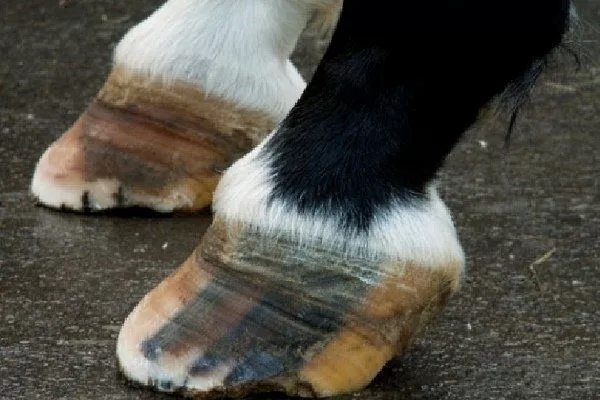
"Ball" rings on the hooves of a horse that has suffered laminitis
Rheumatic inflammation of the hooves
With rheumatic hoof inflammation, a horse develops a fever, loses appetite, hunches its back, and tries to lie down, thereby reducing the load on its hooves. The resulting lameness indicates the need for urgent treatment.
First, the animal is moved to a soft area, and if necessary, the horseshoes are removed. Trimming the hoof walls can help alleviate the soliped's pain. This promotes dilation of the blood vessels, thereby restoring normal blood flow.
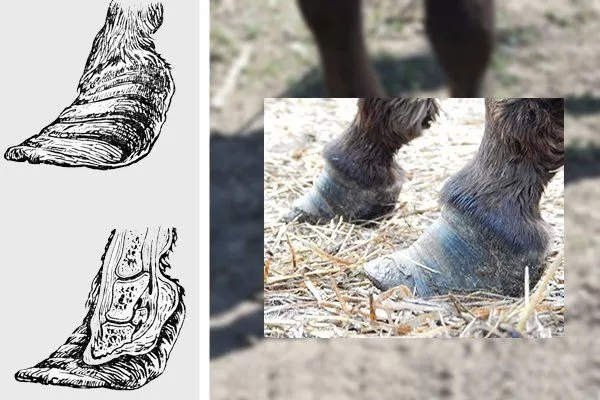
A "hedgehog" hoof in a horse suffering from this disease
Hoof punctures and hoof bruises
These diseases most often affect only unshod equids, as the animal's hoof is unprotected. A sharp foreign object lodged in the horse's sole and not promptly removed can cause serious inflammation.
Symptoms of a splinter or thorn include a reluctance to walk long distances, lameness (as the horse tries to avoid putting weight on the affected area), a change in gait, and joint inflammation. Treatment involves removing the splinter and treating the affected area with an antibacterial solution.
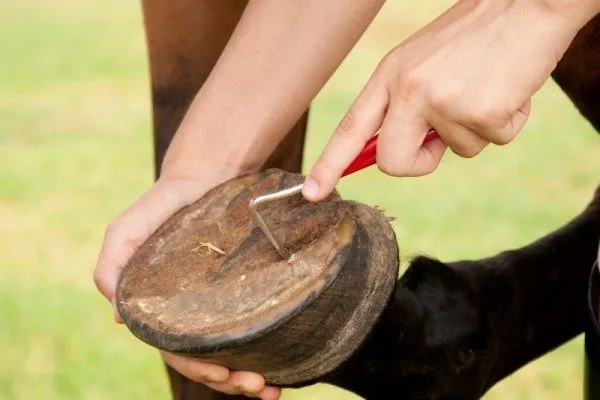
Removing a splinter
Tar and iodine-based remedies are extremely effective. After removing the sharp object and disinfecting, the horse should be kept with a specially prepared cooling compress for at least 24 hours. This will prevent possible swelling in the affected area. If necessary, the horse should be kept from strenuous exercise or farming activities for several days.
Tendon strain
A horse may develop a strain if the tendon is subjected to prolonged and intense stress, such as from a sudden jump. This condition is quite easy to visually identify: the site of the strain becomes tight, swelling occurs, and the animal experiences pain.
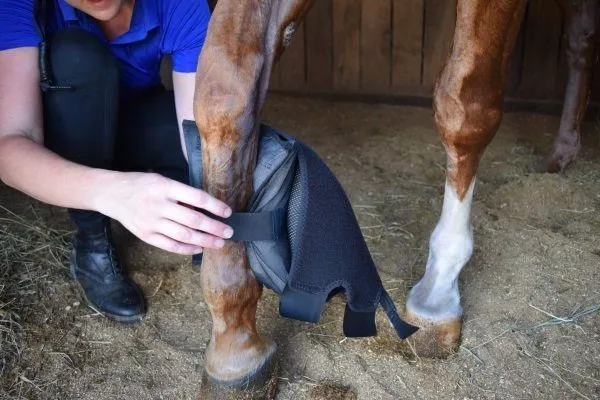
No serious medical treatment is required. The strain will resolve on its own; all you need to do is limit any physical activity, apply a specially prepared cold compress to the affected area, and use a bandage when grazing.
Hoof frog rot
Frog rot is a type of infectious disease that manifests as a large accumulation of black matter in the hooves. It is caused by improper grooming, infrequently cleaned stables, improperly fitted shoes, and improper hoof trimming.
You can read about the proper maintenance and care of horses in this article.
Symptoms appear almost immediately after the decay process begins. The horse begins to arch its back sharply, trying to shift weight off the diseased hoof.
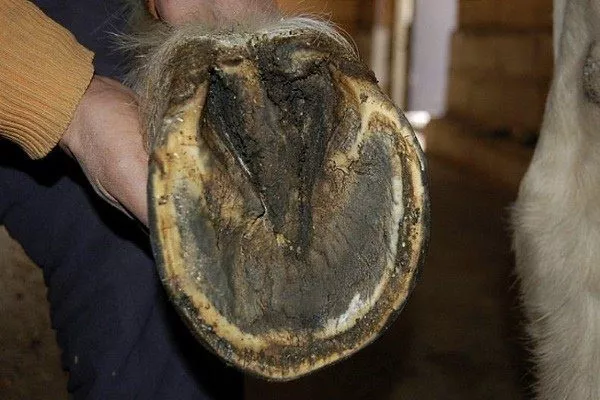
If treatment isn't started promptly, the hoof will become so soft that pressing on it will leave a pit. The decay process can be stopped by cleaning and thoroughly removing dead tissue. The affected area is then treated with an antiseptic or iodine diluted in water (in a 2:1 ratio).
Careful and attentive care of your horse will help prevent various illnesses. Regular veterinary visits and preventative checkups are essential. These simple measures will help maintain your horse's excellent health.