
Artificial insemination of cows is a mandatory procedure on a farm. It allows for the animals to be inseminated at the right time, monitors the penetration of the bull's sperm, and ensures proper preparation of the animals. A gynecological examination is mandatory before insemination.
The beginning and signs of the rut
To properly time insemination, it's important to consider the time since calving and the onset of the estrus cycle. Cows are polycyclic animals, meaning they can reproduce year-round, so it's important to determine the stages of the estrous cycle, which lasts approximately 20 days. The first sign is arousal in the female, as the egg matures. This signifies readiness for mating. This sign is divided into several stages of development:
- The beginning of the heat. A thick, mucous secretion emerges from the uterus through the cervix, becoming cloudy over time. This is due to the maturation of follicles in the ovaries, which increases the concentration of estrogen in the bloodstream. This directly affects the animal's reproductive system. Estrus lasts from 28 hours to five days. In addition to this secretion, the cow's reproductive organs swell, appetite decreases, and activity increases (the cow becomes restless and anxious).
- Hunting. This is the period when a cow is ready for insemination. During this time, the animals mount the female cow ready for mating, who, in turn, remains motionless. Among other things, the cows lick each other's genitals. Cattle should be inseminated on the first day of their estrus cycle.
- Ovulation period Occurs mid-estrus. If fertilization is successful, estrogen levels drop, causing a loss of libido. The cow no longer responds to the bull and begins to eat actively, increasing her appetite.
The structure of a cow's internal reproductive organs and the ovulation process itself are described in the video below:
Next comes a period of equilibration, which continues until arousal returns. Some farmers monitor the animal's behavior once or twice a day, but it's important to monitor for signs of mating readiness throughout the day to avoid missing the right moment for insemination.
Some cattle have a shortened estrus period, lasting only 6-7 hours, while others only experience it at night and late in the evening. This is why it's so important to monitor the animals' condition and examine them individually.
When and how many times should artificial insemination be performed?
The average estrous cycle lasts 18-24 days, but some individuals have longer or shorter cycles (more than 24 days and less than 18 days, respectively). In the former case, the cause may be a missed heat, uterine inflammation, embryonic death, etc. In the latter case, the presence of neurohormonal imbalances.
The optimal timing for artificial insemination is based on the cow's physiological characteristics after calving. While the ovaries recover quickly, the uterus is not yet capable of producing a calf again. Consequently, conception does not occur, even though the cow shows signs of estrus. Therefore, insemination should be performed no earlier than two to three months after the last calving.
Preparatory activities
Fertilization must be carried out in accordance with sanitary and hygienic requirements, so preparatory measures are necessary. What should be done before artificial insemination:
- The main aspect is cleaning the premises. Chemical-free disinfectants are used.
- The stall must be cleaned of any remaining manure and dirt using tools, after which the surfaces are washed off thoroughly with a jet of water.
- A preliminary examination of the cow by a veterinarian is necessary – it must be healthy, without inflammation or infection.
- The animal is washed with a mild soap solution. The liquid should be warm. The tail, abdomen, vulva, and extremities are treated. If rectocervical insemination is used, the rectum is cleaned (residual feces are removed). After washing, the body is wiped with a dry cloth, and the vagina is lubricated with liquid Furacilin.
- The necessary instruments are prepared. They are disinfected with special solutions or subjected to flame treatment. Afterwards, they are laid out on a sterile surface.
- An ampoule with seminal fluid is placed next to the instruments.
- Next, the inseminator washes his hands with soap and puts on sterile medical gloves, which must be lubricated with alcohol and petroleum jelly.
- A massage of the cervix and body of the uterus is performed.
Artificial insemination at home should be performed by a qualified professional. If this is not possible, a self-taught inseminator should master the massage and insemination techniques.
Necessary tools and equipment
First of all, special attention is paid to the inseminator's appearance. What is required:
- clean medical gown;
- apron;
- headdress;
- protective face mask;
- transparent glasses;
- boots or slippers that are not worn on the street.
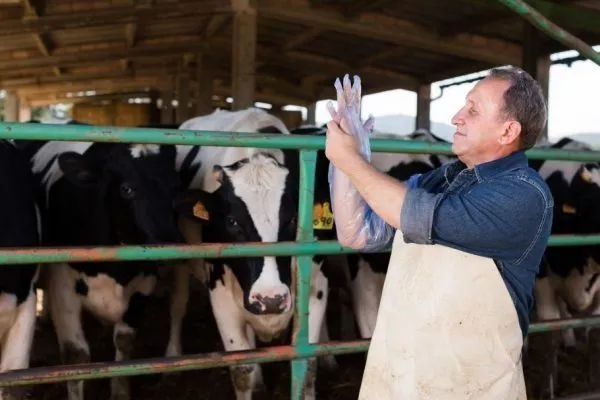
What tools and equipment are needed:
- cotton swabs;
- containers for solutions;
- gauze fabric;
- ampoule with seminal fluid (or Dewar flask);
- solution of alcohol and Furacilin;
- container for used instruments;
- rubber gloves (sterile);
- brown laundry soap (can be replaced with antibacterial soap);
- towels;
- syringe;
- scissors;
- sterile wipes;
- a large thermos with heated water.
Before use, instruments and materials are sterilized. In today's world, it's common to use disposable equipment, which speeds up and simplifies the process of preparing for insemination.
Additional tools depending on the insemination method:
- The rectocervical method involves the use of disposable syringes with a sleeve (2 ml), a polystyrene catheter (35 to 42 cm long), and sterile gloves up to 90 cm long. Polyethylene ampoules can be used instead of a sleeve syringe.
- The visocervical method requires a vaginal speculum, catheter-syringes, and illuminators. Additional medications used include sodium citrate (2.9%) and sodium chloride (1%) solutions.
- The manocervical method requires table salt, from which a 0.9% solution is made, long gloves and catheters measuring 75 x 4.8 mm.
- The epicervical method uses an ampoule equipped with an ejaculator and a polyethylene catheter (40 cm long).
Methods and techniques of insemination
There are many methods of artificial insemination, but there are standard ones that are used most often. Their use is permitted at home.
Manocervical technique
It's rarely used at home, as the inseminator must be familiar with the cow's genitourinary system to perform the procedure. After preliminary preparation, hands must be soaked in a salt solution and then inserted into the vagina. This allows for an accurate determination of the degree of cervical dilation.
Next, a massage is performed and a catheter with an ampoule is inserted (maximum 8 cm). The semen is then expressed, and the hand is withdrawn with gentle movements. Care is necessary to prevent the uterus from contracting due to pain, which would cause the sperm to be released.
A special feature is that the instruments are only allowed to be used on one individual. This method is not suitable for conveyor insemination. This is a relatively inexpensive technique, but it has many pros and cons.
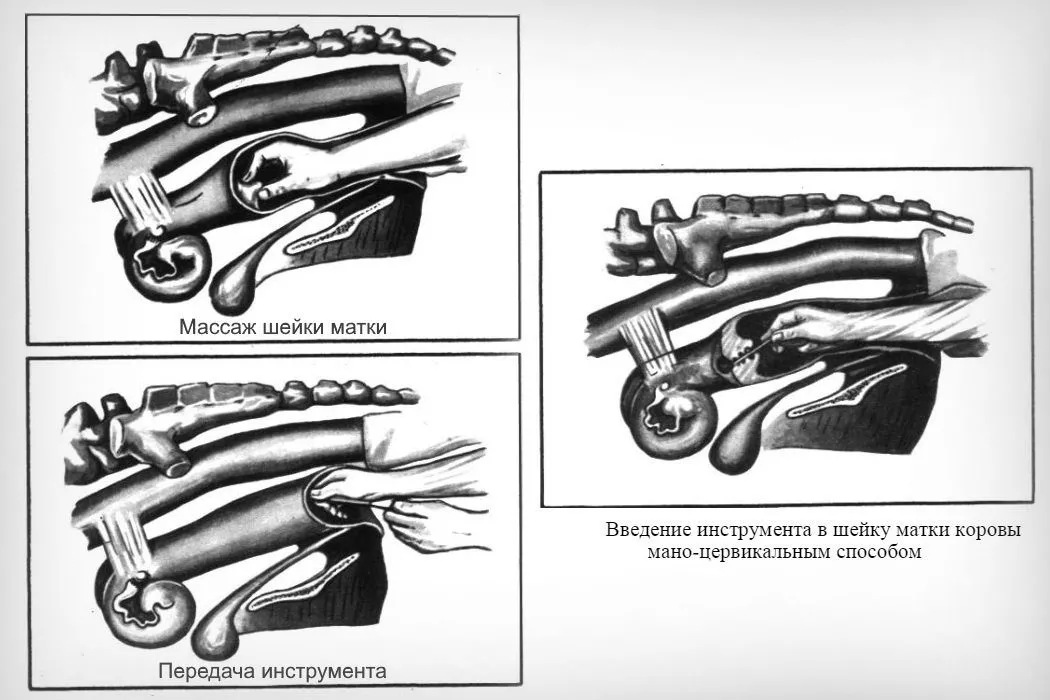
Advantages:
- It is permissible to use various types of instruments (pipettes, zoo-syringes, ShchO-3, etc.);
- Sperm packaging can be any;
- the duration of the procedure is minimal.
Flaws:
- most often, reverse ejaculation occurs;
- It is not advisable to perform the procedure on primiparous heifers (due to the narrow vagina);
- the animal experiences stress, after which it is necessary to create calm conditions for several hours.
Visocervical technique
The method involves the use of a viewing mirror equipped with a light source. The procedure is considered complex but highly effective:
- A long syringe with sperm is prepared.
- The containers are set out separately: the first is filled with a sodium chloride solution, the second with alcohol (70%), and the third and fourth with sodium chloride or sodium citrate. The instruments are lowered into them one by one.
- The outer surface of the vagina is treated with Furacilin solution.
- A disinfected gynecological speculum is warmed up and inserted into the cervix for examination.
- Next, a catheter with a syringe is inserted 4 cm into the cervical canal. The semen should be at a temperature of 37-38 degrees Celsius.
- The seed material is introduced.
- The syringe is removed, followed by the mirror.
The main advantage is the high fertilization rate, but the disadvantage is the inseminator's expertise. Without the proper skills, the cervix can be damaged.
Rectocervical technique
This is a reliable and effective method of artificial insemination, but it requires knowledge and experience. The procedure uses a metal container with a tube attached to a syringe containing semen. The technique involves using an additional device that secures the cervix through the rectum (often the veterinarian uses their own hand instead of an instrument). The procedure is as follows:
- the livestock technician's hand is inserted into the cow's rectum;
- massage is performed through the walls;
- then the cervix is fixed with the index and middle fingers (the thumb controls the canal entrance;
- a long catheter is inserted into the vagina;
- the seed is injected;
- the tools are pulled out.
- ✓ The length of the catheter should be exactly 35 to 42 cm to ensure proper introduction of sperm without injury.
- ✓ The temperature of the seminal fluid should be 37-38°C for maximum sperm viability.
This method is complicated by the fact that the cervical walls must be relaxed. Otherwise, the semen will not penetrate the uterus. The risk of injury also increases.
You can clearly see how this procedure is performed in this video:
Epicervical technique
This technique is intended for primiparous heifers. Their vaginas are not yet stretched, so other methods can cause harm. The epicervical technique is based on introducing semen into the vaginal cavity, not the uterus, so the insemination efficiency is low. This means more than one insemination is required to ensure successful conception.
The catheter, equipped with an ampoule, is inserted at a 30-degree angle until it stops. After this, the clitoris must be stimulated to cause the uterus to contract. This final action pushes the sperm deeper into the uterus.
After the procedure, a slight discharge of blood fluid may be observed, which is considered normal, but is not a sign of successful conception.
Transplantation
Embryo transfer is used to increase the number of calves and improve herd numbers. The donor and recipient cows can be of different breeds. However, there is one mandatory requirement: the cow being inseminated must be large.
The procedure is carried out as follows:
- The donor cow is examined by a veterinarian for health.
- After this, hormonal drugs are administered, which cause artificial ovulation.
- Insemination is carried out.
- Already fertilized eggs are washed out using a special technology.
- The embryos are sorted, selecting healthy elements.
- It is then introduced into the recipient's uterus.
Features of keeping cows after insemination
Immediately after artificial insemination, the animal must be given adequate rest. This is accomplished by separating the cow from the herd and moving her to a separate, dry and warm room. There are specific housing conditions that must be strictly adhered to:
- The cow's genitals are washed with soap and water.
- The vagina is disinfected using a Furacilin solution.
- The animal is examined daily, especially the genitals, which may have been injured during insemination.
- The individual is kept in a separate room for up to 2 weeks.
- The amount of feed must be increased.
- Stressful situations are excluded.
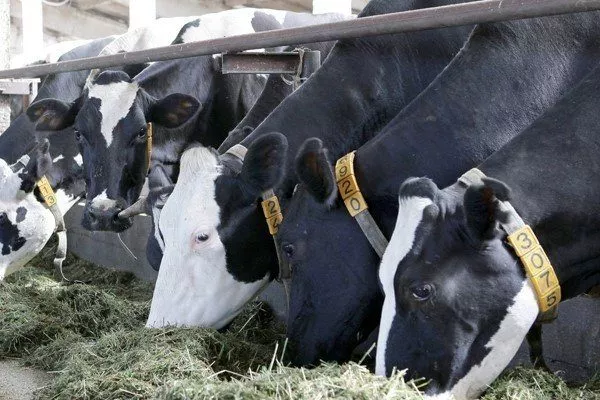
Signs of successful insemination
It is easy to determine a positive insemination result by external signs:
- the cow becomes calm;
- does not react to bulls;
- There is a profuse mucous discharge from the vagina (cloudy and viscous consistency), which appears for no more than a month (if the discharge does not stop after 30 days, a consultation with a veterinarian is necessary, as this is a sign of infection);
- During grazing, a pregnant cow is separated from the rest of the herd;
- the amount of milk yield is significantly reduced;
- 2 months before birth, milk disappears completely;
- the sides increase in size 4-5 months after the onset of pregnancy;
- there is no estrus.
During pregnancy, a cow's abdomen grows asymmetrically—exclusively to the right. This is due to the presence of a rumen on the left side, which limits growth in that direction.
How to determine pregnancy at a veterinary clinic:
- An ultrasound scan is performed one month later. This allows for accurate determination of pregnancy, gestational age, and fetal development.
- Blood tests can be performed 21 days after insemination. The pregnancy hormone (gonadotropin) is detected.
- Cow's milk is collected for laboratory testing, as it can detect elevated concentrations of progesterone.
A folk remedy: prepare a glass of warm water and milk a cow. Draw fresh milk into a pipette and drop a few drops into the glass. If the cow is pregnant, the droplets will sink to the bottom; if not, they will dissolve and spread across the surface of the water. This method has been around for a long time, but there's no scientific evidence to support it. Therefore, whether to use the recipe or not is entirely up to you.
The video below shows how to perform the AnkaR P4 Rapid pregnancy test on cows:
Pros and cons of artificial insemination
Advantages:
- Artificial insemination speeds up the conception process, as natural insemination of a cow by a bull is not always successful. This requires careful selection of a male who performs his "job" effectively.
- The population increases, especially when using transplantation.
- When collecting semen, multiple animals can be inseminated simultaneously, as the semen is divided into several parts (5% of the semen is sufficient for one animal). When using a bull (during natural intercourse), only one cow is inseminated.
- It is possible to obtain purebred semen, for example, from another region, since the sperm can be transported frozen.
- Increased sterility prevents the cow from contracting infectious diseases. Furthermore, there's no need to test the bull for germ-eating bacteria and viruses, saving the farm owner money. The semen used is also sterile, as sterilization is performed.
- You can obtain offspring with a specific direction. For example, you can use semen to raise a beef or dairy cow.
- Almost 100% guarantee of successful fertilization, as the semen is collected from time-tested bulls.
Flaws:
- The procedures are complex, so artificial insemination should be performed by a specialist. A livestock inseminator can be called in to your home for this purpose. However, experienced farmers with many years of experience in animal husbandry can inseminate cows themselves.
- There is a risk of infection, but only if the specialist does not adhere to sanitary and hygienic standards. This means not disinfecting instruments and not using sterile materials and clothing.
- The inseminator's qualifications are unqualified. In this case, the fertilization result may be negative. Therefore, it is necessary to hire a specialist whose experience you trust.
Possible errors and difficulties
The success of the artificial insemination procedure depends on the inseminator performing it. Inexperience and a lack of proper qualifications lead to common mistakes that can not only prevent conception but also harm the animal. Regardless of the method used, the procedure is considered complex, so the doctor must have a thorough knowledge of bovine anatomy.
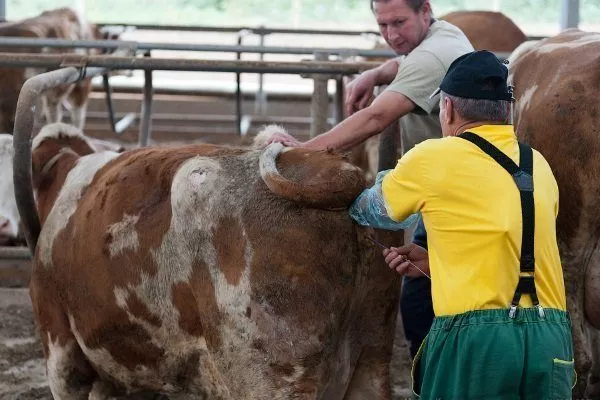
What difficulties may arise:
- Animal infection. The main reasons are unsanitary conditions in the facility (no cleaning or disinfection), lack of proper animal care, inadequate equipment, and inadequate doctor's clothing. Also, the use of non-sterile gloves.
- Penetration of a lubricant (Vaseline, etc.) into the cervix, which destroys the structure of the seminal fluid. Consequently, conception does not occur. This is because many lubricants have a spermicidal effect. Lubricant can be introduced into the vagina when the inseminator accidentally touches the syringe or catheter with lubricated gloves.
- Failure to comply with the rules for storing ejaculate. Semen is typically preserved frozen in containers filled with liquid nitrogen. Allowing the biological material to thaw, even for a few minutes, is strictly prohibited. Refreezing is also contraindicated. This significantly reduces sperm viability.
- Incorrect cutting of ampoules. If they are cut at an angle, half of the sperm will enter the syringe and not the uterus.
- Incorrect direction of the catheter, causing semen to enter the cow's urethra. This occurs when the inseminator fails to adhere to the basic technique (the catheter should be positioned at a 30-degree angle).
- Excessively deep insertion of the catheter into the uterine cavity. This is fraught with injury to the organ walls and further infection.
- Introduction of seminal material into the dead-end zone of the uterus and vagina of the animal. This is a closed, round pocket that extends 2.5 cm deep. It encircles the cervix. Novice inseminators often confuse the pocket with the cervical canal.
- Sometimes the sperm just flows out Because the catheter is inserted incorrectly. This means the catheter is inserted not into the uterine cavity, but into the beginning of the cervical canal, which has many curves and pockets. To avoid these errors, it's important to guide the catheter with your fingers and palpate the path.
- Incorrect attitude towards animals. This is especially true when the heifer is young, as she is prone to increased fear. Cows react aggressively to harsh and rough treatment. It has a negative effect on them, causing stress, which causes the uterine walls to tense and semen to be expelled.
- Failure to comply with the insemination time, that is, when the rutting period is missed.
- Negligence towards an animal before artificial insemination. Specifically, the cow is not examined for health and readiness for fertilization.
No dairy farming can function without artificial insemination of females. Even with just one cow, this procedure is essential to ensure high-quality, pedigree offspring. It's not advisable to perform the procedure yourself, as this puts the animal at risk.