
Dairy products attract the attention of both adults and children due to their excellent taste and high nutritional value. Real milk tastes sweet, but can also have a bitter taste or an unpleasant odor. To avoid negative perceptions of their products, farmers need to understand what influences these characteristics.
The basis of taste
Cow's milk has organoleptic properties. These are reflected in its aroma and taste, appearance, color, and consistency.
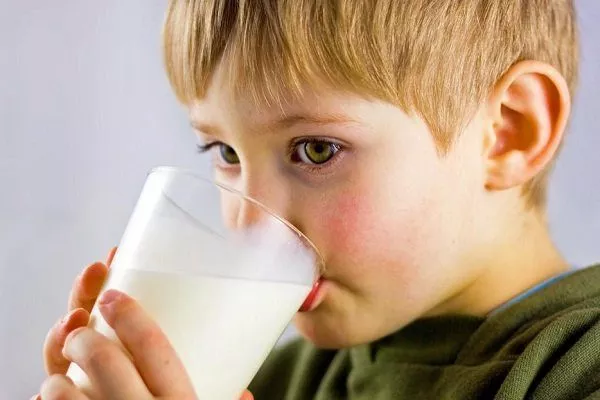
For consumers, the most important characteristics are smell and taste, which depend on the level of fat breakdown (which contributes to the creaminess) and protein breakdown. Sweetness, however, is achieved through lactose, which also provides nutritional value.
For certain types of milk, a salty flavor is also considered a standard. This is due to the presence of chloride salts.
What determines the taste of milk?
The taste of dairy products is influenced by both natural and pathological factors. In each case, there are specific signs that indicate possible causes for the development of an unusual taste: bitterness, rancidity, acidity, etc.
The influence of different feeds
| Name | Effect on the taste of milk | Period of influence | Degree of influence |
|---|---|---|---|
| Silage | The taste of manure and the smell of a cow | Short-term | High |
| Chamomile, wormwood, tansy, lupine, green onions | Bitterness | Short-term | Average |
| Concentrates in large quantities | The taste of acetone | Long | High |
| Turnip, radish, turnip, field mustard, rutabaga and rape | Turnip, radish flavor | Short-term | Average |
| Beetroot and its tops | Beetroot flavor | Short-term | Low |
| Field horsetail | Soapy scent | Short-term | Average |
| Garlic and onions | Garlic and onion | Short-term | High |
| Water pepper, fresh nettles, hops and mustard | Ostrinka | Short-term | Average |
| Fishmeal, still water, algae, duckweed | Fishy shade | Long | High |
| Cabbage in abundance | Cabbage | Short-term | Low |
| Alfalfa, sweet clover, mint | Grassy | Short-term | Average |
The quality of a cow's milk depends on its diet. What the animal eats during the day and immediately before milking is crucial.
The process occurs as follows: When food enters the stomach, it is broken down into substances and compounds that are sent to the mammary glands. There, they accumulate and are excreted in the milk.
What food negatively affects the taste of a dairy product:
- silage - there is a taste of manure and the smell of a cow;
- chamomile, wormwood, tansy, lupine, green onions add bitterness;
- Concentrates in too large quantities cause an acetone taste, as the animal’s metabolism is significantly disrupted;
- turnips, radishes, turnips, field mustard, rutabaga and rapeseed contribute to the turnip-like, radish-like flavor;
- beets and their tops give beetroot flavor;
- horsetail - soapy aroma;
- garlic and onion - garlic-onion;
- water pepper, fresh nettle, hops and mustard provide a spicy kick;
- fishmeal, water from a stagnant body of water, algae, duckweed and the like - a fishy tint;
- cabbage in abundance - cabbage;
- alfalfa, sweet clover, mint, etc. - exclusively herbaceous.
If you feed cattle silaged beet feed and lemon balm, the milk will taste like fermented beet.
There are a number of restrictions in a cow's diet. What should not be fed:
- rotten food;
- musty grass;
- fruits and vegetables with rot.
To avoid an unpleasant taste in milk, feed animals only high-quality concentrates and in strictly limited quantities (as per the instructions). Regardless of the type of food, it must be fresh, and the diet varied and nutritious.
Failure to comply with sanitary and hygienic standards
If milk smells like cow or manure, it's a sure sign that hygiene rules weren't followed during milking. In this case, the unpleasant odor is caused by the following factors:
- Dirt in the paddock. If a farmer rarely cleans the stall, waste (urine, feces) accumulates in the room, causing ammonia to evaporate. This ammonia, in turn, is immediately absorbed into the milk flowing from the udder during milking.
Dirt promotes the growth of pathogenic microorganisms, which lead to animal diseases and, consequently, to a deterioration in the taste of milk. - Unwashed udder. When a cow is in a pen, she lies down on the floor, which even if kept clean still contains dirt, bacteria, etc. When the teats and udder come into contact with the floor covering, odors are transferred to the body. If before milking a cow Don't wash it, it will all go into the milk.
- Dirty dishes / milking machine. A bucket for milking cow's milk, as well as milking machine Before milking, it's necessary to thoroughly wash and disinfect dishes. Rinsing dishes regularly won't kill pathogenic bacteria that remain on the surface.
The following factor is especially important: If the equipment is not washed immediately after milking, the remaining drops of milk product will begin to ferment. - Unwashed hands. During the milking process, hands come into direct contact with the milk. If hands are not properly cleaned, bacteria can be transferred directly into the milk.
- Unexpressed milk. Before the procedure, first milk a small amount of milk into a separate container. Then continue milking into a bucket.
After the process is complete, the liquid should be strained through several layers of cheesecloth. This is necessary because during milking, the animal twitches and wags its tail, causing residual impurities and bacteria to fall from its body into the container containing the milk. - Leaving milk uncovered. If milk is left uncovered in the barnyard after milking, especially on farms with large dairy herds, it becomes contaminated with various environmental particles. This can lead to an ammonia taste.
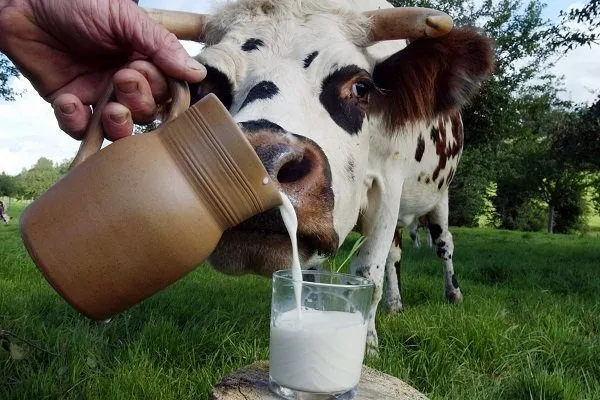
Cow diseases
This is the most common cause of a change in milk taste. Another symptom is a decrease in milk yield. What diseases impair milk taste?
- Mastitis. It manifests itself as increased saltiness, bitterness, and, as people say, a stale taste. The milk contains clots, and it becomes skim-fat. Mastitis comes in different forms, each with its own symptoms:
- purulent - yellow color and overly salty taste;
- fibrinous - yellow-green tint with grains;
- purulent-catarrhal - reddish milk;
- spicy - milk is extremely bitter and grainy.
- Agalactia. Lactation is disrupted due to milk deficiency. Milk tastes spoiled even when fresh.
- Diseases of the gallbladder and liver. The product contains a strong bitterness.
- Helminthic infestations. The bitterness intensifies as the milk settles - immediately after milking it is slightly bitter, after a couple of hours the taste intensifies.
- ✓ Purulent mastitis gives milk a yellow color and an excessively salty taste, which is a unique symptom.
- ✓ Fibrinous mastitis results in a yellow-green tint of milk with grains, which is also specific.
Other reasons
Other natural and acquired factors can negatively affect the taste of milk. These include:
- Pregnancy. Occurs twice:
- immediately after calving, when colostrum comes out of the udder, which has a very sweet-salty taste and a slight bitterness:
- end of lactation - sweetness disappears, saltiness appears more prominently.
- Use of drugs to treat diseases. Creolin (phenolic) and other tastes and smells are present.
- Development of bacteria. The bitterness appears only a day after milking.
- Use of iron and copper storage utensils. The metallic smell is transmitted to dairy products.
- Poor rinsing. The container (milking machine) treated with detergent must be rinsed thoroughly under a powerful stream of water, otherwise the milk will become bitter.
- Absorption of foreign odors. If milk is left open next to strong and specific smelling products, then it will taste accordingly.
- Incorrect choice of premises. The taste of milk changes under the influence of room odors (especially if the room is not ventilated).
How to check if cow's milk tastes right?
Milk's flavor is best appreciated when it's warm. Warm it slightly, take a sip, and rinse your mouth, even down to the back of your tongue. This is the only way to fully appreciate any impurities.
The presence of a foreign taste can be determined in another effective way:
- Open a can of milk where there is a layer of cream on the surface (even a small amount is enough).
- Immediately take a deep breath through your nose, tilting your head over the very opening of the container.
- Hold your breath for 2-3 seconds, then exhale very slowly through your mouth.
- Wait 1–2 minutes. After this, the milk flavor will appear in your mouth. Evaluate it.
Preventing the occurrence of unpleasant taste
To ensure your cows' milk always meets organoleptic quality standards, follow these simple preventative measures:
- clean the pen daily;
- In the stall, be sure to make a ditch for drainage of urine, and the floor should be at a slight slope;
- wash the udder and teats before and after milking;
- disinfect dishes and hands;
- lubricate the udder with special antibacterial agents;
- change the bedding more often to keep it dry;
- Strain the milk and place it in cool conditions immediately after milking;
- To prevent anything from falling from the cow into the milk, wash the sternum area up to the anus and tie up the tail;
- Always wear sterile or at least clean clothing.
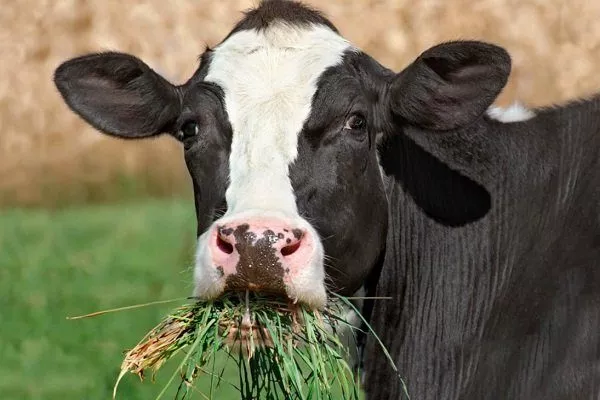
A change in the taste of a cow's milk can be a warning sign of illness. This should never be ignored. It's also worth monitoring for additional signs. It's possible the cow simply ate poor-quality feed or grass, which imparts an unpleasant flavor to the milk.