
There are many reasons why milk goes sour, but most often they are related to improper storage conditions and the presence of certain bacteria in the product. However, there are ways to artificially extend the shelf life of milk, which are used by experienced milk producers.
How does milk go sour?
Dairy products contain fats, proteins, carbohydrates, amino acids, vitamins, minerals, and other beneficial substances. They also contain bacteria that ferment the carbohydrates and produce lactic acid.
What microorganisms are found in cow's milk?
- Lactic acid. They promote increased acidity, which causes casein proteins to coagulate.
These bacteria include acidophilus bacteria, lactobacilli, Bulgarian bacteria, and lactic acid bacteria. These bacteria are used in large-scale industrial production to produce sour cream, cottage cheese, kefir, yogurt, and other products. - Propionic acids. They are used to make hard and soft cheeses. They are facultative gram-positive anaerobic microorganisms that produce propionic and acetic acids, which lead to the release of carbon dioxide, which promotes fermentation.
Milk contains lysosomes—special enzymes that preserve the product's bactericidal properties. They destroy most microorganisms. However, this occurs within 4-6 hours, after which time pathogens (microorganisms) begin to multiply.
It also contains lactose. Being a milk sugar, it creates a breeding ground for all bacteria. Regardless of their origin, they promote the production of lactic acid from lactose.
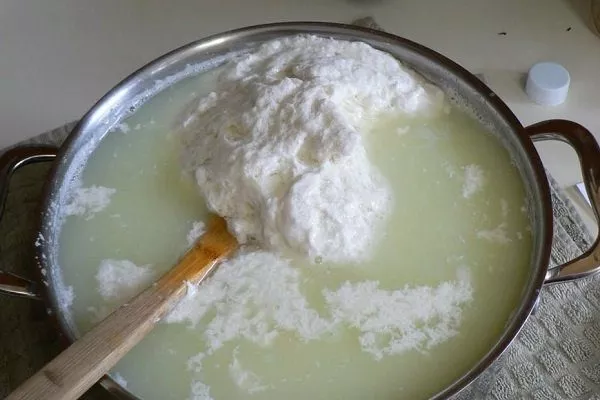
After the protein has curdled, the milk is separated into two parts: liquid and thick (whey and thickened milk mass).
There are pathogens that appear in milk as a result of poor hygiene. For example, poor udder cleaning, undisinfected milk collection equipment, or infectious diseases in the cow. These include the following microorganisms:
- Escherichia coli. It is a gram-negative rod-shaped bacterium that causes souring when actively multiplying.
- Enterococcus. A gram-positive coccus that causes disease in humans.
The specific taste and smell of sour milk is formed due to the fact that bacteria release waste products into it, which are waste products after feeding on milk elements.
Factors contributing to souring
There are a number of reasons why milk quickly turns sour and goes bad before its shelf life. They are:
- Temperature conditions. Dairy products should be stored at a temperature of 4 to 5°C. If the temperature rises or falls, the drink will go sour. If milk is not stored in the refrigerator during the summer (at temperatures of 30-40°C), pathogenic microorganisms begin to multiply.
- Dirty dishes. If milk is poured into poorly treated jars/bottles (this is especially true for plastic containers), the bacteria on their surface become active and cause souring.
- Weather. During thunderstorms, electromagnetic impulses are observed, which cause the product to spoil.
- Presence of foreign substances. When purchasing homemade milk at the market, there is a risk of purchasing a product with added antibacterial agents, baking soda, ammonia, and anticoagulants.
They are added by unscrupulous sellers to kill bacteria and create an alkaline environment, which slows down the process of lactic acid production.
How long does it take for milk to sour?
The time it takes for milk to sour depends on the conditions it's stored in. If stored at room temperature, it takes a maximum of 1-2 days after milking a cow And it's free of pathogenic microorganisms. If kept in the refrigerator, it can be stored for 5 to 7 days.
How to extend the life of milk at home?
The first rule for product preservation is to avoid placing opened milk jars near foods such as raw meat, fish, or unwashed fruits and vegetables. The second requirement is that the container be thoroughly washed. Two main methods are used to extend shelf life: cold and hot processing.
Cold method
To preserve milk for several months (3-6), freezing it is sufficient. This method is suitable if fresh milk is not available during this period. Vacuum-sealed bags or plastic containers are used for storing milk in the freezer.
If milk is needed for making coffee or tea, it is poured into ice cube trays. Once the milk is completely frozen, it is transferred to a larger container, but be sure to seal it tightly.
Low temperatures stop the development of lactic and other bacteria, so the protein does not curdle and souring does not occur.
Hot method
This method involves pasteurization in a large-scale production facility and boiling for 5-10 minutes at home. However, you can also pasteurize at home. Here's how:
- Prepare two containers of different sizes – so that one pan fits into the other.
- Pour water into one container and bring to a boil. Add milk to the second.
- Place on fire, bring the dairy product to a temperature of 60°C.
- Keep it in this mode for 20-25 minutes.
- Sterilize glass jars and lids in advance, as with regular canning.
- Remove the container from the stove and pour the hot liquid into jars.
- Seal immediately.
- When the jars have cooled, transfer them to the refrigerator.
- ✓ Use only fresh milk for pasteurization, as old milk may already contain an increased amount of bacteria.
- ✓ Monitor the temperature of the water in the larger container so that it does not exceed 70°C, which can negatively affect the taste of the milk.
For other methods, see the following video:
To prevent milk from spoiling quickly, first and foremost, it's important to maintain hygiene: thoroughly wash the cow's udder before milking, wash the milking container, and monitor the health of the cow. If you need to extend the shelf life of milk, you can use the two methods described above.