
Ketosis is a common condition diagnosed in high-dairy dairy cows. It manifests as a disruption of protein-carbohydrate metabolism, hyperketonemia, and disruptions in various organ and system functions. Ketosis leads to decreased milk yield, weight loss, and the birth of weak offspring.
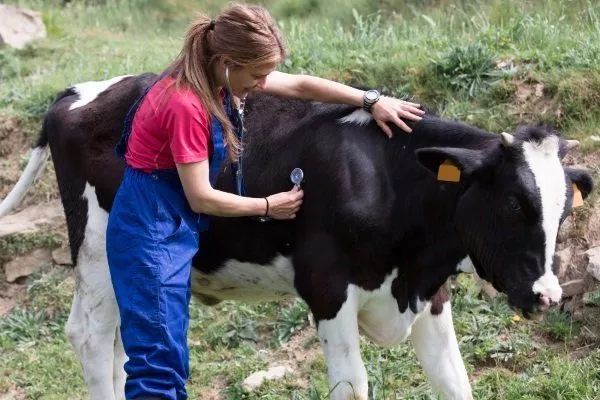
Causes of the disease
This disease most often develops after prolonged feeding of cows a diet high in protein and low in carbohydrates (glucose, starch). Such a diet fails to meet the cattle's energy needs and leads to the development of primary ketosis.
Ketone substances, which are formed in pathologically large quantities in this disease, form the basis for its name.
A monotonous diet of silage and pulp also acts as a trigger (due to the high percentage of butyric and acetic acids in this feed). Their accumulation in the body occurs due to incomplete oxidation (the norm for complete oxidation is considered to be 1-6% acid content in the diet).
Ketone bodies initially accumulate in various organs. They are then detected in the blood (ketonemia), which eventually leads to ketonuria and ketonolactia (the presence of ketone bodies in urine and milk).
Causes that lead to secondary ketosis include the following conditions:
- endocrine diseases;
- diseases of the genitourinary system;
- lack of exercise and, as a consequence, obesity;
- lack of ultraviolet light and minerals.
The disease has no seasonality, and its development is quite complex, involving a number of factors. It is most often diagnosed in 4-7 year-old, well-fed dairy cows during pregnancy, either a couple of months before calving, or in the first weeks or months after calving.
General symptoms
The symptoms of ketosis directly depend on the severity and nature of the disease. As the disease progresses, multiple organs become involved in the pathological process, and abnormalities in blood biochemistry are observed.
Symptoms can be subclinical (absence or non-specific symptoms) and clinical in nature.
Depending on the course of the disease, there are 3 forms.
| Form | Laboratory indicators | Forecast |
|---|---|---|
| Acute | Blood ketones > 8 mg%, urine pH < 6.0 | Requires intensive care |
| Subacute | Ketones 4-8 mg%, milk production ↓30% | Favorable for treatment |
| Chronic | Ketones 2-4 mg%, hypoglycemia < 2.5 mmol/l | Risk of relapse |
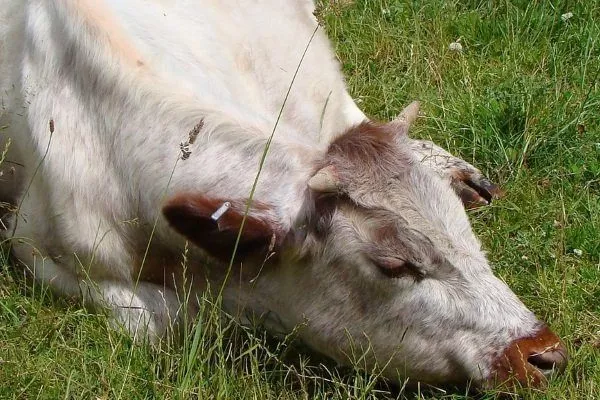
The clinical picture of the acute form of the disease includes the following syndromes, which we will describe below.
Gastroenteric – gastrointestinal tract pathologies are observed:
- pica;
- disturbance of the rhythm of chewing periods;
- forestomach hypotension;
- slowing down belching;
- intestinal catarrh;
- alternating constipation and diarrhea.
Hepatotoxic:
- signs of cardiovascular failure are observed;
- perverted appetite or lack of it;
- enlarged liver with pain syndrome;
- yellowness of the visible mucous membranes.
Neurotic – usually appears in the first day after calving, the symptoms are related to the acute stage of the disease:
- increased nervous excitability;
- hyperesthesia (increased sensitivity) of the skin in the neck, chest, and lower back;
- a soporous (deeply depressed) or comatose state is possible;
- tremor of various muscles, tonic convulsions;
- grinding of teeth.
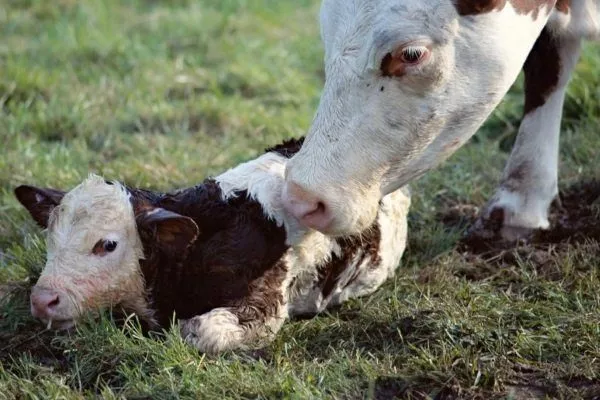
Acetonemic syndrome refers to a subclinical course and is manifested by the following symptoms:
- decreased appetite and productivity;
- anemia;
- lethargy, apathy;
- polypnea (rapid shallow breathing);
- dull coat;
- preventricular hypotension;
- degenerative changes in organs (heart, kidneys, liver);
- tachycardia;
- quantitative increase in ketone bodies in the blood.
Symptoms of the subacute stage include hepatotoxic and gastrointestinal syndromes. A smell of acetone is also present in the cow's exhaled air (the odor can also be detected in milk and urine), and milk production significantly decreases or disappears completely.
In chronic cases, disturbances in the functioning of the digestive and reproductive systems, and degenerative changes in the heart and liver are observed.
Also, in advanced stages of the disease, pathological changes reach the reproductive organs. With increased ketone levels in the blood, cows develop ovarian cysts, estrous disorders, and weak calves born during the progression of the disease. Intrauterine fetal death is also possible at late stages of pregnancy.
Diagnostics
If ketosis is suspected, the veterinarian will perform the necessary laboratory procedures (determining the level of acetone bodies in the blood or urine using a special reagent).
Next, the diagnosis is confirmed by analyzing clinical signs, test results, and collecting information about the nature of feeding and maintenance.
Then treatment is prescribed and the owner receives the necessary recommendations.
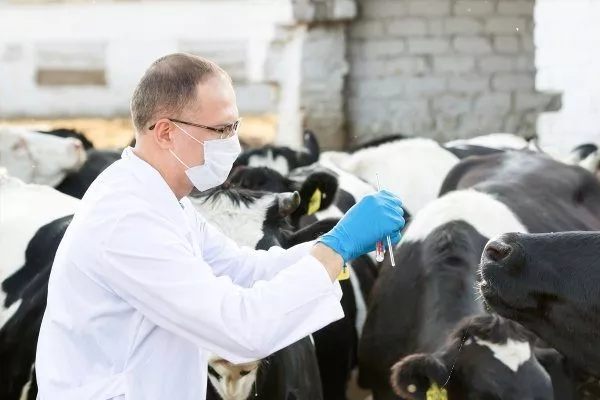
Treatment
The treatment plan for ketosis varies depending on the symptoms. A comprehensive approach can achieve favorable results in a short time. However, the primary goal is to eliminate the underlying cause and normalize nutrition (diet therapy). This is accomplished by formulating a diet that includes the necessary elements in the correct percentages, taking into account the animal's energy needs:
- reduce the amount of high protein foods;
- feed fresh high-quality hay and green grass;
- add vegetables - sugar beets, carrots, potatoes, fodder turnips;
- top dressing – ready-made mineral supplements that cover the daily requirement for microelements;
- vitamins D and A;
- table salt.
The sugar-protein ratio in feed should be 1:1; for this purpose, molasses can be added to the diet – up to 2 kg per head.
Step-by-step diet therapy plan
- Days 1-3: hay + 1 kg molasses + 5 kg fodder beet
- Days 4-7: introduction of 2-3 kg of high-quality silage
- Days 8-14: adding 1-1.5 kg of concentrates
- Monitor ketone levels every 3 days
The following factors have a beneficial effect on the body’s recovery:
- ultraviolet;
- long walk;
- massaging the skin to improve skin respiration and sweating.
Medication treatment is primarily aimed at normalizing blood sugar levels and restoring enzymatic processes in the rumen. Glucose is used to support metabolic and energy processes.
In clinical practice, the best results are achieved by intraperitoneal deposition of drugs using the Sharabrin and Shaikhamanov method (a Janet syringe is inserted into the area of the right hunger fossa) with a mixture of A and B:
- mixture A – used for mild cases of the disease, it is necessary to administer up to 2 liters of solution intraperitoneally;
- Mixture B – used in severe cases; if necessary, the procedure is repeated up to 4 times in a volume of 8 liters.
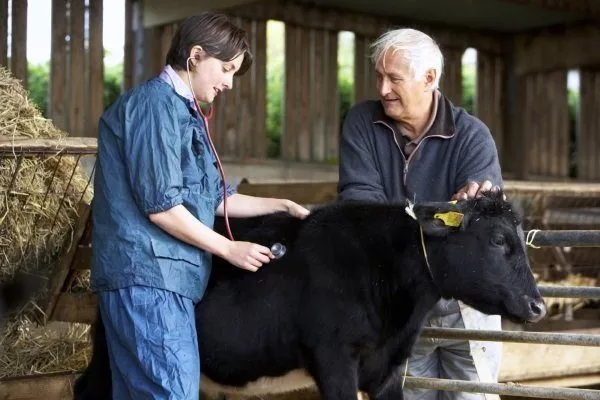
The composition of the mixtures is as follows:
- distilled water (1000/1000 g);
- sodium chloride (9/9 g);
- sodium bicarbonate (13/113 g);
- calcium chloride (0.4/0.5 g);
- potassium chloride (0.4/0.5 g);
- glucose (100/140 g);
- caffeine sodium benzoate (0.5/0.5);
- streptomycin (50.0/50.0 g).
The treatment regimen and dosage are prescribed by a veterinarian for each individual animal, depending on the severity of the disease and the animal's condition at the time of examination. These procedures should not be performed independently. A veterinarian must be called to the home to perform the above-mentioned medical procedures.
Another scheme:
- 100-300 ml of 20-40% glucose solution is administered intravenously. Repeat after 2 hours. Also, a 0.25% solution of novocaine with glucose is administered at the dose prescribed by the doctor;
- calcium gluconate – 20 g subcutaneously;
- hormonal drugs – insulin, cortisone, hydrocortisone in the form of intramuscular injections;
- to restore the functioning of the gastrointestinal tract, the animal is given hellebore;
- for cardiac activity, a solution of caffeine sodium benzoate is used subcutaneously;
- For neurological symptoms, a solution of aminazine is used (1 ml per 1 kg of body weight).
To normalize the rumen microflora, the animal is injected with an extract of rumen contents obtained from healthy cattle.
Prevention
The primary preventative measure for ketosis is a varied, nutritious diet. The animal's diet is selected based on its energy expenditure. Every owner should carefully inspect their livestock, monitor the quality of the food they feed, and promptly treat any illnesses. Proper exercise and cleanliness of the premises also impact the health of the livestock.
Ketosis is a fairly common condition. Cows affected by ketosis experience weight loss, difficulties during calving, and reduced or complete cessation of milk production, all of which cause significant economic losses to farms. Therefore, it is crucial to maintain the health of your herd and follow the recommendations of your veterinarian.