
Diarrhea in calves is common and a real problem in cattle breeding. While there is currently no effective treatment for diarrhea, which can occur for various reasons, it has been proven that the later the condition is detected, the higher the mortality rate in young animals.
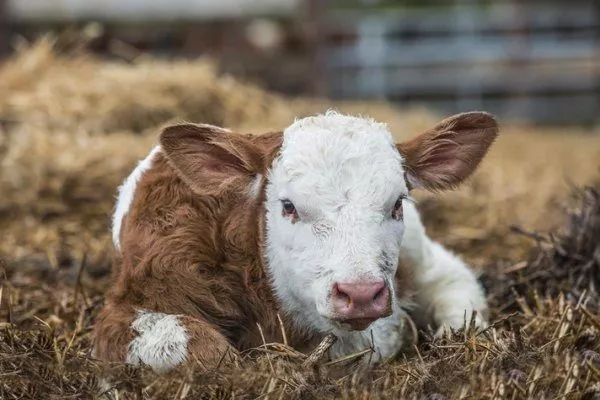
Signs of diarrhea in a calf
Although diarrhea can lead to exhaustion and death in adult cows, farmers suffer the greatest losses when raising dairy calves. Of course, diarrhea is not a separate disease, but an unpleasant symptom of an underlying condition in the animal's body. This condition quickly leads to water-electrolyte and acid-base imbalances. Electrolyte loss, dehydration, and increased acidity are the three main reasons why young animals die.
Even before the onset of diarrhea, other, no less alarming, precursor signs of the calf’s pathological condition arise:
- with a consistently high appetite, the animal suddenly becomes lethargic and eats poorly;
- body temperature rises rapidly;
- the surface of the upper lip becomes dry;
- dry crusts form in the nasal cavities;
- When emptying the calf's intestines, you can see that its feces are too dry.
It is not difficult to guess that excessive dryness is a sign of dehydration, which is so dangerous for young animals.
In a mild form, the animal continues to stand on its feet and move, reluctantly, but eats; when its condition is moderate and dehydration is evident, it no longer moves and it becomes increasingly difficult for it to stand.
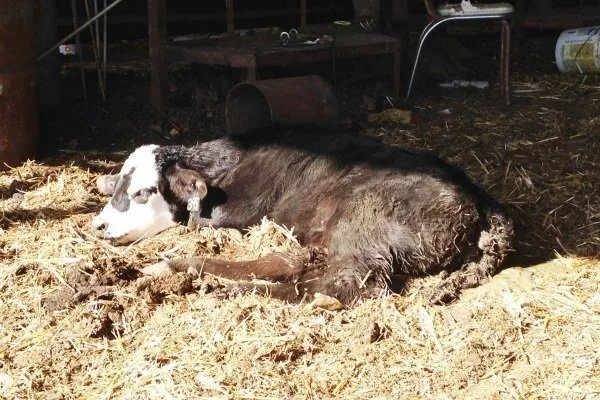
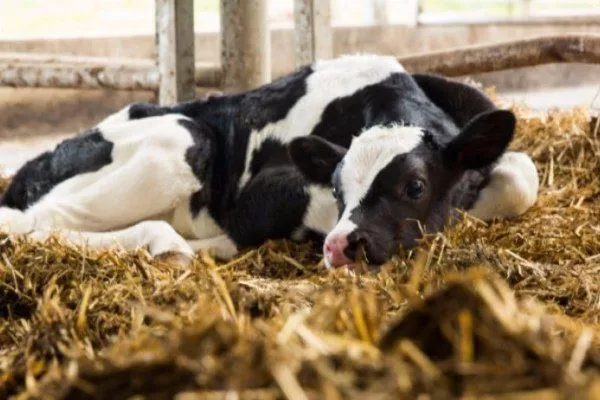
In the final stage, calves lie down, refuse food, and their feces can vary in color—from green to dark brown and black, streaked with blood. In the latter case, this indicates a dangerous infectious disease.
Even with dyspepsia, calves experience pain due to intestinal spasms, a rumbling sound can be heard in their abdomen. Later, their extremities become cold, their eyes become sunken, and their skin loses sensitivity. Their stool is yellow-gray and contains mucus, bubbles, and lumps. The animals no longer rise, but instead tremble and groan. Without treatment, their skin turns blue. Fatalities can occur within 2-5 days.
Diarrhea affects 40 to 70% of calves in the first week of life. If treatment is delayed, up to 30% of calves die.
Diagnosis and examination by a veterinarian
To make an accurate diagnosis, a veterinarian must analyze the animals' living conditions and the food they eat. Symptoms accompanying the deterioration of their condition are also taken into account. Additionally, a bacteriological examination of the specimen is performed.
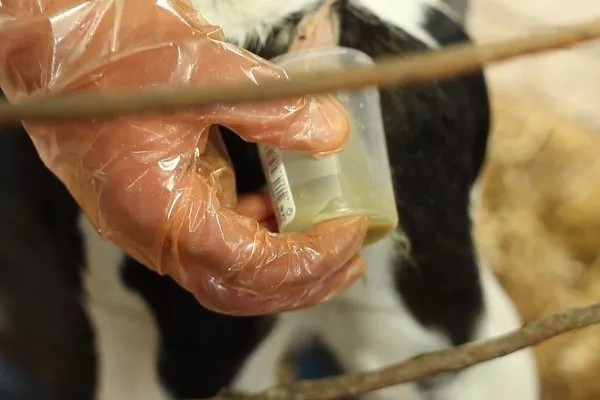
The doctor must find out:
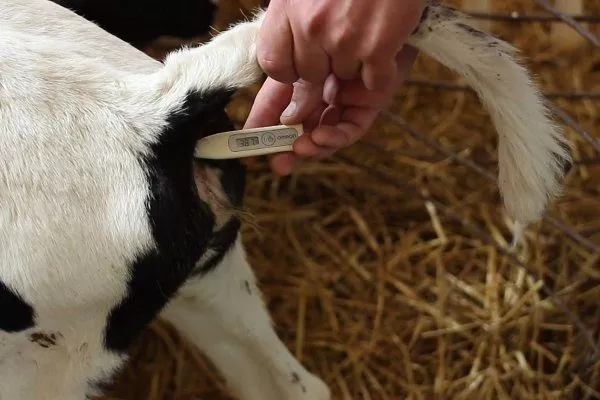
- What is the animal's body temperature?
- what he ate the day before;
- when did diarrhea start;
- whether it was accompanied by vomiting and how many times.
The stool, its color and characteristics are also examined, and the specialist asks about the frequency of bowel movements.
| Indicator | Norm | Pathology | Evaluation method |
|---|---|---|---|
| Frequency of bowel movements | 4-6 times a day | >10 times/day | Observation |
| Stool consistency | Mushy | Watery | Visually |
| Color of feces | Yellow-brown | White/green/black | Test strips |
| fecal pH | 7.0-8.0 | <6.5 or >8.5 | pH meter |
| Presence of blood | Absent | Veins/clots | Guaiac test |
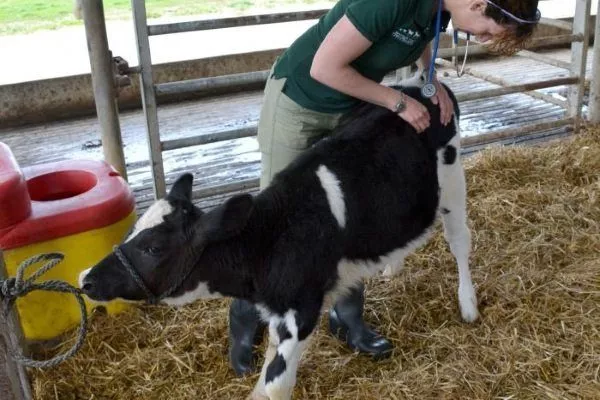
In addition, during the examination, he palpates the calf's abdomen, assesses the condition of the nasolabial fold, and determines the heart rate.
Using specialized test kits, a veterinarian can quickly detect and identify any underlying disease. This can include cryptosporidia, coronavirus, rotavirus, and Escherichia coli infections.
If a digestive disorder is diagnosed…
The reasons why a young animal gets sick can be non-infectious and infectious in nature.
Non-infectious prerequisites include dyspepsia.
It can be caused by the following factors:
- feeding the calf with cold colostrum;
- feeding with colostrum from a sick cow (with mastitis);
- overfeeding;
- consumption of sour colostrum;
- Late initiation of feeding, insufficient enrichment of colostrum with nutrients due to inadequate nutrition of the cow during pregnancy, which leads to a decrease in its immunity.
Dyspepsia can begin due to dirt in the room or improper care of babies.
Any climatic changes, whether overheating or hypothermia, poor ventilation, stuffiness, poor sanitary conditions, dirt, or poor feeding practices, will quickly affect the calves' health. Deficiencies of vitamins such as tocopherol and retinol, as well as essential micronutrients, lead to dyspepsia and subsequent diarrhea.
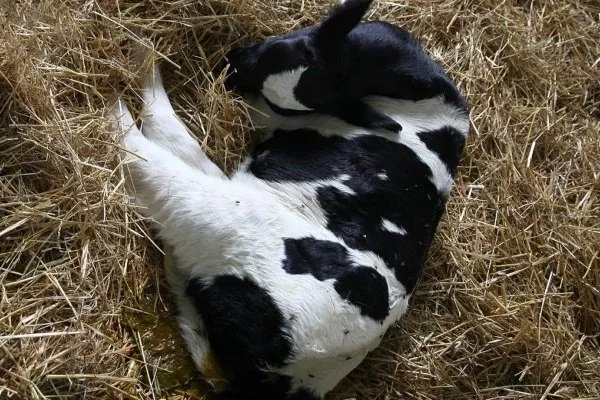
The main symptoms observed in dyspepsia are:
- apathy and lethargy of the animal;
- poor appetite;
- lack of interest when the owner appears;
- sides and tail stained with feces;
- the smell of feces is sour or rotten;
- The baby has rapid, shallow breathing.
With digestive problems, the temperature usually doesn't rise, remaining at 37.5-39.5 degrees Celsius, while with toxic dyspepsia and poisoning, it rises to 40-41 degrees Celsius. In general, loose bowel movements can occur up to 14 times a day, which, of course, exhausts the animal. Its nose becomes rough and dry, its fur becomes dull, and its eyes gradually sink in, indicating impending death.
It's clear that with such a clinical picture, simply providing normal nutrition and microclimate won't help the calf—in such a situation, it's important to begin treatment as soon as possible:
- The first step is to fast the animal for 24 hours. Feed only boiled water with added salt and glucose (50 g per liter). The water should be warm (38-40 degrees Celsius). You can add onion peels to the boiling water (200 g per liter).
- Starting on the second day, the animal is switched from water to a soothing oatmeal decoction, but first given gastric juice diluted in water at a ratio of 1:4. To prepare, take one part selected oats to 10 parts water, simmer for at least 5 hours over low heat, and give the animal plenty to drink. Flax or rice can be used in the same way. Another solution is made from warm black tea leaves, three egg whites, and salt (1 tablespoon). Use 10 g per kg of the animal's weight.
- On the third day, if the calf has no diarrhea, a small amount of milk can be added to the decoction. After another 24 hours, milk is given at 500 ml, diluted in the decoction. Gradually increase the milk intake to the recommended amount, but only if the animal is feeling well.
Keep in mind that if diarrhea continues after two days of such treatment, antibacterial medications will be needed; No-shpa is used for intestinal spasms. Boiled water can be replaced with decoctions of the following plants: oak bark, elecampane, horse sorrel, alder catkins, and St. John's wort.
Viral diarrhea: symptoms, treatment
Diarrhea caused by viral infection in calves is caused by several pathogens.
Rotavirus
The source of infection can be sick animals or animals that have already recovered from the infection; in addition, rotavirus can enter the body of a calf during intrauterine development through the placenta from the mother.
The incubation period can last from 16 hours to a day. Symptoms appear suddenly and include:
- depressed state of young animals;
- the temperature can rise to 41 degrees;
- stool – watery, yellow in color with a sour smell;
- despite signs of dehydration, calves refuse to drink water, but continue to eat despite a decrease in appetite;
- later the feces become dirty in color and blood appears in them;
- the animal has tachycardia;
- viscous saliva flows from the mouth.
Animals aged 1-2 days are most susceptible to the disease and can be infected immediately after birth.
| Parameter | Rotavirus | Coronavirus | Adenovirus |
|---|---|---|---|
| Incubation period | 16-24 hours | 18-36 h | 3-7 days |
| Temperature | 40-41°C | 39.5-40.5°C | 41-41.5°C |
| Character of stool | Yellow, sour smell | Gray-green, foamy | Brownish-gray, slime |
| Gastrointestinal tract damage | Small intestine | Small and large intestines | Stomach + intestines |
| Mortality | 20-30% | 40-50% | 30-40% |
The most effective treatment regimen for rotavirus in young animals involves a combination of Fosprenil and Gamavit (administered intramuscularly and intravenously) for four days. Half an hour before feeding, calves are given 10 ml of chamomile and horse sorrel infusion.
This therapy is much more effective than the use of Trivit and Kanamycin, and helps animals recover even in extremely serious conditions.
Coronavirus
An equally serious disease that can be transmitted to young animals from sick animals via water bowls, feeders, bedding, and other contaminated objects. In some cases, it occurs through airborne droplets. Symptoms are similar to those of rotavirus, with the exception of foamy drooling due to oral ulcers.
Treatment for this infection is carried out with intramuscular injections of serum from donor animals in combination with Zoolan solution. Additionally, calves are fed colostrum and milk from vaccinated cows.
To restore fluid balance, administer an isotonic sodium bicarbonate solution intravenously (13 g per 1 liter of water). A mixture of sodium and potassium chlorides with sodium bicarbonate and potassium phosphate is also used to treat dehydration. Dissolve 5.7 g of the mixture in 1 liter of hay infusion. Spectam B, Hygromycin, or Biomycin are used to prevent secondary infection.
Adenovirus infection
This infection in calves can be acute. Most often, the disease affects young animals between 14 days and a month old. Pathogenic microorganisms affect the respiratory and digestive organs, lymphoid tissue, and the visual system.
The disease can be caused by unsterile bedding, contaminated water, and feed. Calves can also become infected through airborne droplets from sick animals.
Infection mainly occurs in winter and spring, when the immunity of young individuals is reduced.
The latent period lasts about a week and is accompanied by the appearance of the following symptoms:
- First of all, babies experience profuse nasal discharge and watery eyes;
- after 3-4 days the mucus becomes purulent;
- calves lose appetite;
- their breathing becomes difficult, their pulse becomes rapid;
- animals develop a dry cough;
- after a couple of days they begin to suffer from increased gas formation in the rumen, colic and diarrhea;
- liquid feces are brown-gray in color, they contain mucus, and sometimes fragments of blood;
- The temperature reaches 41.5 degrees by the fourth day and can remain at this level for up to 9 days.
During this period, the animal generally becomes deeply depressed and requires urgent treatment. This involves administering a hyperimmune serum, as well as serums for parainfluenza, rhinotracheitis, and chlamydia.
Good results are achieved using the blood of animals who have already recovered from the disease, Immunoferon, Izoquaterin, and the herbal preparation Ligaverin. A mixture of turpentine, tar, sulfonamides, or iodine triethylene glycol in aerosol form is also effective.
Infectious rhinotracheitis
A common viral disease of cattle that can lead to the death of young animals, causing significant economic losses to farms. It is caused by the herpes virus. The disease poses a serious threat to dairy calves.
Infection occurs from carriers and sick animals with a pronounced clinical picture, both through direct contact and through food, milk, airborne droplets, and intrauterine transmission through the placenta.
Symptoms of the disease appear within 2-10 days:
- the calves' temperature rises;
- breathing becomes more rapid;
- signs of depression appear;
- foamy saliva is secreted;
- coughing begins;
- nasal discharge is observed - initially transparent, and then purulent;
- The development of the disease is accompanied by the appearance of ulcers, bronchopneumonia and diarrhea.
To treat rhinotracheitis, aerosols containing serums prepared from the blood of infected individuals are used. Drugs such as Endoviraza and Albuvir are also used for both therapy and prevention.
To prevent bacterial infections, young animals are given Tetracycline, Ditrim, and Nitox 200. These medications are combined with mucolytic (expectorant) and general tonics to restore immunity.
In addition to medical treatment, disinfection of the premises and compliance with veterinary and sanitary standards are important. When calves are transferred to the quarantine zone, they are given general tonics and stress-relieving medications.
Bacterial infections in calves
Intestinal disorders in young animals can be caused by various types of bacteria.
Colibacillosis
It is usually observed in newborn calves, the weakest of the bunch, with low body acidity and low blood gamma globulin levels. Causes may include chronic maternal illness, vitamin deficiency, poor liver function, and even more mundane factors such as improper housing and poor sanitation.
Symptoms of the disease are:
- increase in temperature;
- intense gas formation;
- painful colic;
- lethargy, apathy, refusal to drink milk;
- liquid stool of a characteristic yellow hue, which later becomes greyish-white, containing flakes of foam, an admixture of mucus and blood with a repulsive odor.
When pressing on the abdominal wall, the animal experiences pain, its abdomen becomes taut or distended, and its eyes become sunken. Temperature may briefly rise to 41 degrees Celsius, and the fur appears ruffled and dull.
Treatment can get the calf back on its feet if started at the first sign of infection.
Rehydration scheme for colibacillosis
- 1-6 hours: 40 ml/kg of isotonic NaHCO solution3 (1.3%) + 20 ml/kg 5% glucose
- 6-12 hours: 30 ml/kg Ringer-Locke + 10 ml/kg blood plasma
- 12-24 hours: 20 ml/kg oral rehydrant (NaCl 3.5 g + KCl 1.5 g + NaHCO3 2.5 g per 1 l)
- 24-48 hours: 10 ml/kg colostrum + 5 ml/kg rice water every 3 hours
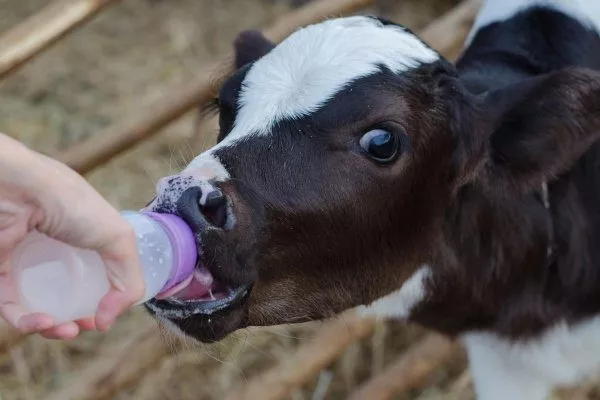
Coliphage, Gamma Globulin, and immune serum are used as medication. The infant is given 30 ml of a sodium bicarbonate solution beforehand. To restore fluid balance, the young are given an isotonic solution with a chicken egg mixed into it. During treatment, the infants are separated from their mothers and fed manually from a bottle.
For intestinal disorders, it is recommended to give animals Ampicillin, Tetracycline, Hectamicin and Spectam in combination with milk as antibiotics.
To maintain a normal intestinal environment, probiotics such as Bifidumbacterin and Enterobifidin are recommended. In addition, young animals are given enveloping decoctions of flax, oats, and rice, as well as salt solutions, several times a day. Decoctions of sage, oak bark, chamomile, and horse sorrel will help strengthen the immune system.
Salmonellosis
The disease is caused by the Salmonella bacteria, and is primarily caused by unsanitary conditions in which calves are kept or by large numbers of them being kept in the same area. Worst of all, animals that have recovered from the infection remain carriers and pose a danger to healthy livestock. Infection occurs through the digestive system.
Signs of pathology:
- the temperature rises (from 39 to 42 degrees);
- lack of appetite;
- mucus is released from the nose;
- Diarrhea begins already on the second day, later feces may flow out spontaneously.
In the acute form, these symptoms are accompanied by coughing, runny nose, and signs of arthritis. In this condition, calves require complex therapy, including administration of a polyvalent antitoxic serum and antibacterial agents such as neomycin, chlortetracycline, and tetracycline. Synthomycin is given with milk.
Anaerobic enterotoxemia
The causative agent is a bacterium of the Clostridium family, which produces severe intoxication in calves, which results in their death if treatment is not immediately attempted.
The animal's nervous and digestive systems are primarily affected. Infection occurs through food, water, and contact with an infected animal.
Pronounced symptoms of the disease:
- high temperature (41-42 degrees);
- impaired coordination of movements;
- muscle spasms;
- increased pulse and breathing;
- poor appetite;
- brown diarrhea with bubbles and blood.
In the initial stages, treatment with sulfonamide antibiotics and antitoxic serum (polyvalent, aluminum hydroxide vaccine) is effective. Acidophilus, water and milk acidified with hydrochloric acid, and gastric juice are used to restore gastrointestinal function.
In addition to enterotoxemia, this anaerobic microorganism can cause tetanus and malignant edema in livestock, which does not cause a rise in body temperature but also leads to exhaustion and digestive problems. Calves with botulism also suffer from diarrhea.
Other causes of diarrhea
Diarrhea in calves can also be a consequence of cryptosporidiosis, a protozoan infection caused by the Cryptosporidium bacteria. It is transmitted through ingestion of contaminated water, feed, or milk.
Symptoms are expressed in the following changes:
- a sick animal loses its appetite;
- it loses body mass;
- calves are very thirsty;
- their eyes are dull;
- the skin has a bluish tint;
- The disease is accompanied by diarrhea, muscle tremors, and rapid heartbeat.
Treatment is based on a dietary regimen, feeding the calves flaxseed broth and isotonic mixtures to improve their water and mineral balance. The calves are given Norsulfazole and Khimkoktsid in combination with Pharmazin, Polymyxin, and vitamin C. The probiotic Immunobacterin D is also essential.
Cases of coccidiosis have also been reported in calves 20 days and older. Coccidia are single-celled parasites that can destroy intestinal tissue. Symptoms appear immediately, resulting in an intestinal disorder characterized by loose, bloody stools. Body temperature also rises, and feces are passed involuntarily. Appetite may also be lost completely.
The babies are treated with Ichthyol, Thymol, and milk with added ammonium sulfate. It is important to disinfect the room, feeders, and bedding.
Furthermore, diarrhea in young animals can often be associated with the presence of nitrates, fungi, and mold in food and water. Therefore, it is necessary to carefully monitor the quality of the feed and keep the animals clean.
Complications and consequences
Any disease in calves, if left untreated, can lead to death, as the pathology develops rapidly.
Various illnesses are fraught with all sorts of complications, logically leading to the death of the animal:
- Viral diseases often cause complications such as eye damage (keratoconjunctivitis) and meningoencephalitis. When the animal's lungs are involved, this can lead to bronchial obstruction, suffocation, and eventual death.
- No less dangerous is encephalitis, which can occur as a result of infectious rhinotracheitis. Affected calves become agitated and aggressive, but very soon they may begin to experience seizures, impaired coordination, and paralysis.
- In young animals, colibacillosis can cause lung and joint damage, lameness, and rapid wasting and dehydration. Calves may suffer for several days to several weeks before death, depending on the severity of the infection.
- The danger of enterotoxemia lies in multiple hemorrhages, inflammation of the ileum and small intestine with accompanying tissue necrosis.
It turns out that the only way to save the animal is to contact a veterinarian in a timely manner.
Prevention of diarrhea
The basic principles of protecting young cattle from diseases that cause diarrhea are hygienic cleanliness, high-quality feed, and proper and prolonged feeding of young animals with colostrum from a healthy cow, which helps strengthen their immunity.
Preventive measures include:
- strict compliance with sanitary requirements when keeping young animals;
- regular implementation of treatment and preventive procedures, including vaccination;
- When feeding, special substances should be added to the calves’ diet that prevent the appearance of various types of fungal microorganisms and mold in water and feed;
- recovered calves need to be given complexes of essential vitamins, herbal preparations and decoctions to improve the functioning of the digestive and immune systems;
- To avoid intestinal infections, it is important to immunize mother cows approximately one month before calving;
- It is mandatory to check new incoming animals for various diseases;
- Vaccination of calves is also necessary, but it is applied only to absolutely healthy animals, and its validity period is 6 months.
Diarrhea in calves is easier to prevent than to treat, and all acceptable methods are effective. This can be addressed even before the calves are born by arranging for vaccination of the sows. Equally important are the housing conditions, which must be carefully planned.