
Bathing rabbits is optional, so before bathing, familiarize yourself with the basic methods and requirements. Learn when bathing is necessary, as rabbits experience stress after contact with water.
Is it possible to bathe a rabbit and when should it be done?
Most veterinarians prohibit water treatments for rabbits, citing the animals' increased cleanliness—they are capable of cleaning themselves.
In fact, this is what happens in the wild, but in a domestic environment, when a rabbit defecates in a litter box and rarely gets fresh air, bathing is essential. Otherwise, the animal will emit unpleasant odors.
But it is not advisable to bathe rabbits frequently, and there are certain reasons for this:
- the lipid layer of the skin is damaged, which results in a decrease in the quality of the coat;
- difficulty in holding the rabbit during water treatment, as it is afraid of water;
- The drying time of the fur is too long - it is too thick.
There are situations in which it is important to bathe your long-eared cat:
- severe contamination after a walk or when keeping livestock in cages;
- presence of an unpleasant odor;
- dirt in the cage;
- digestive upset (if the rabbit licks itself dirty, the situation will worsen, and it is difficult to notice this on a large farm);
- contact of household chemicals and other harmful substances with the body surface;
- stains that cannot be brushed off or wiped off with a damp cloth.
What can you use to wash a rabbit?
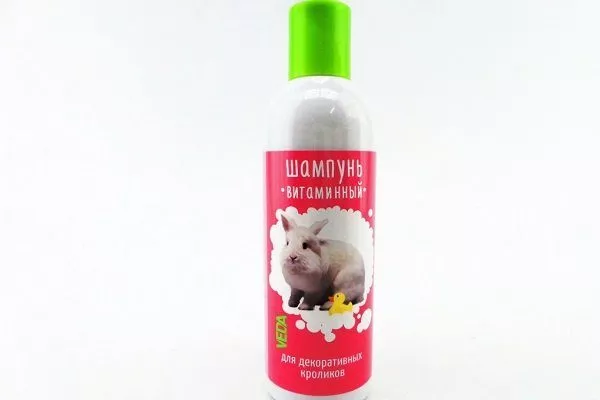
There are special shampoos for rabbits designed for rodents or kittens. Two shampoos are considered the most popular:
- Stepashka. The formula contains Vaseline oil, which provides moisture and nourishment. It also forms a protective film on the coat, making combing easier.

- Shustrik. Contains extracts of burdock, nettle, rosemary, garlic, and pine needles. It also contains glycerin for moisturizing. Additionally, the shampoo has antibacterial and anti-inflammatory properties.
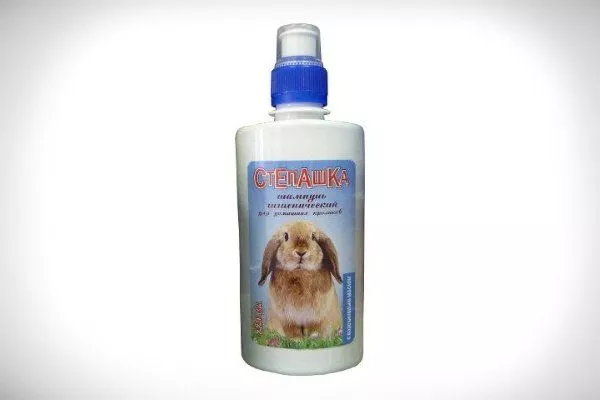

Many breeders of decorative or meat rabbits use baby shampoo and soap, but this is prohibited because the pH levels of humans and rabbits differ. Humans have a pH of 5.2 to 5.5, while rabbits have a pH of 7 to 7.5.
How to bathe?
Experts distinguish two types of bathing: dry and wet. The latter involves using a basin or shower. Rabbits are usually washed partially or completely, depending on the degree of soiling. Before the procedure, it's important to prepare the animal and all necessary equipment.
Preparation
It's important to bathe your rabbit in the environment it's used to. This is due to its increased timidity—it needs to be familiar with its surroundings and feel calm. Before bathing, close all windows and doors to prevent drafts and hypothermia.
Be sure to heat the water—the temperature should be between 36 and 40°C. Bring shampoo, towels, and other supplies into the room in advance.
How to prepare a rabbit:
- inspect the paws for the length of the claws - if they have grown out, trim them (if this is not done, there is a risk that the furry one will scratch the owner, especially if this is the first time he is bathing);
- check the condition of the skin - there should be no wounds or scratches on it (if there are, postpone the procedure until the damage has healed);
- Hold the animal in your arms so that it calms down and is not afraid of anything.
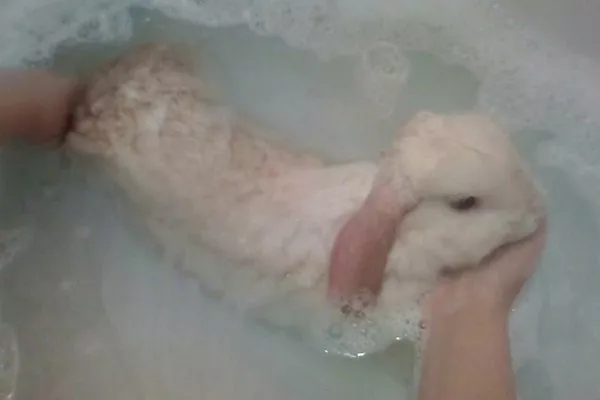
Fully
A full bath is necessary if the animal is completely soiled or hasn't bathed in a while. It's advisable to bathe your rabbit immediately after purchase, but keep in mind that introducing it directly into the general herd is not recommended; a 25-30-day quarantine period is recommended.
The process is carried out in a container filled with water or under a tap. During the procedure, the animal is thoroughly soaped and rinsed with water. During this process, be careful not to get any liquid in the ears.
Partially
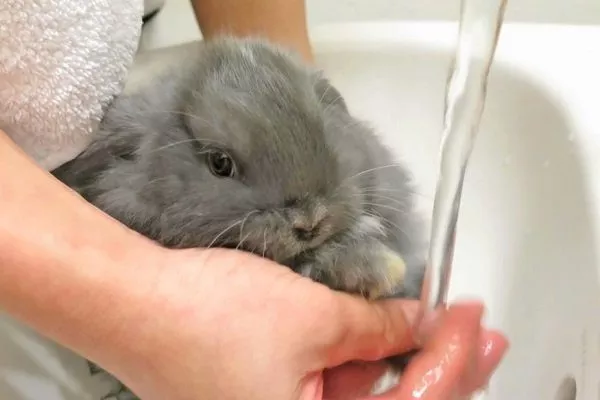
This method is used when the animal is partially soiled, for example, after a walk outside, when only the paws or other parts of the body are dirty. In this case, there's no need to fill a basin with water and place the rabbit in it—it's enough to rinse the soiled areas under a faucet, shower, or with a ladle.
For a partial bath, water alone is most often used, but if dirt persists, apply a small amount of shampoo to the affected area and then rinse thoroughly. To avoid stressing your pet, experts recommend holding it.
In a basin
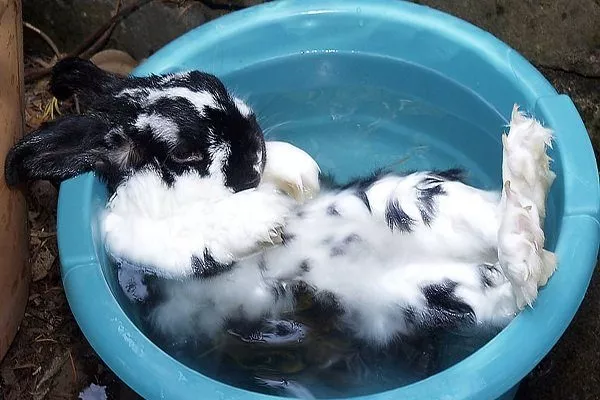
Select a container based on the size of your pet rabbit—the bowl should be large enough to accommodate the animal (avoid overcrowding, as this will create discomfort). Add water at the desired temperature in advance, but ensure the water is 2-3 cm deep.
How to bathe in a basin:
- Place the rabbit in the basin with its hind legs and hold it there for 1-2 minutes so that it gets used to the new conditions.
- Lower your front paws as well.
- First, lather the back and sides, head, and tail.
- Raise him up on his hind legs and apply shampoo to his chest, from his throat to his back.
- Lather well and rub into skin.
- Rinse with clean water using a watering can or ladle. It's difficult to do alone, so ask someone in the household to help.
- After the first wash, take the animal out of the basin and leave it standing in the bathtub.
- Water again until the liquid becomes clear.
- Wrap it in a towel, gently drying the fur.
Be careful not to leave any detergent behind, as rabbits thoroughly clean themselves after bathing. If shampoo remains, there is a risk of poisoning.
Under the tap
The procedure for bathing under a tap or shower is completely identical to the previous one, but there are some special features. They are as follows:
- Set the water in the tap to the desired temperature (to do this, fill it with a ladle, put a thermometer in it and check);
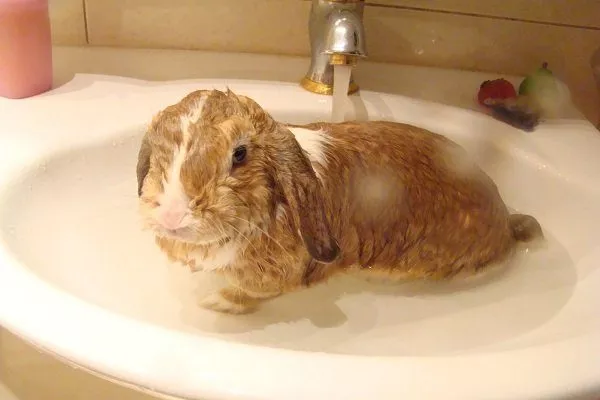
- fill a bathtub, sink or other container (if the event is held in a rabbit hutch on a farm) with water to a depth of 2-3 cm, so that the paws are in the water;
- It is advisable to place a soft towel on the bottom, as a metal or tile surface may frighten the animal;
- Start the procedure by wetting the wool under the tap, then lather it with shampoo and distribute it over the entire body;
- Rinse with running tap water.
Dry method
In this case, the fur is cleaned using special products available at any pet store. Options include:
- Waterless spray shampoos. There are a huge variety of them. Some are infused with oils that retain moisture in the coat, and there are special preventative ones (against parasites and other insects). It's something like our dry shampoo.
To use, simply spray the shampoo onto the coat, rub it in with your hand or a soft cloth, and comb it out. Spray carefully to avoid getting the shampoo in the eyes and ears.
This type of bathing does not replace a full wash, so it is used only before a show (when there is no possibility of bathing in water) and to facilitate the combing process.
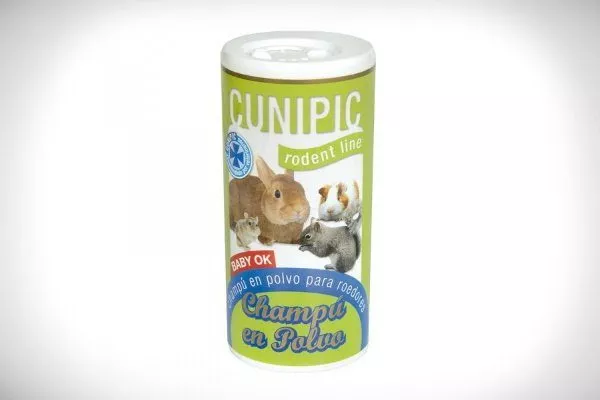
- Cleansing shampoo or dry powder. They are designed to clean, absorb, and deodorize. Sprinkle the product on the soiled area and comb it out.
Drying wool
Don't leave your rabbit completely wet after bathing, as this increases the risk of developing a cold. Immediately after rinsing with clean water, do the following:
- Wrap in a towel that absorbs moisture well.
- Wipe your pet's entire body. Change the towels 2 or 3 times if necessary.
- Wrap him in a new towel that has a warming effect. A thin fleece blanket is best for this.
- Keep the animal in it until the fur dries and the rabbit warms up.
- ✓ Use microfiber towels for more effective moisture absorption.
- ✓ Maintain the room temperature at least 22°C while drying the rabbit.
If possible, use a hair dryer, but acclimate your cat to the sound and air flow a few days before bathing. To do this, turn on the device in your cat's presence, aiming it at him, but keep the speed low and the air cool.
Features of using a hair dryer for drying fur:
- the distance from the air supply compartment to the animal’s fur is 50-60 cm;
- when directing the hair dryer at the coat, comb the hair in different directions so that the air flow hits each hair from all sides;
- While the device is operating, talk to your pet to distract its attention.

General washing recommendations
If you're unsure of your own abilities, consider hiring a groomer to bathe your rabbit yourself. Otherwise, follow these tips from experienced rabbit breeders:
- Wash the animal together, as due to its fear of water it may jump out, scratch and even bite;
- accustom your pet to bathing from an early age and gradually - first wash only the paws, then wet the back, but not with a large stream of water, but with a small stream;
- Do not wet the ears, eyes, or the muzzle with water. When using the shower, check the nozzle to make sure there are no excess splashes on the sides (drops will get into the eyes and ears);
- If the rabbit has long hair and tangles have formed, then they should first be cut off and only then should water treatments be carried out, since wet clumps of wool are difficult to comb out;
- Immediately after washing, clean your ears with a cotton pad and a special lotion - movements should be light, do the same with your eyes;
- Do not wash pregnant does - stress and temperature changes can cause miscarriage;
- temporarily avoid water activities until the age of 1-1.5 months - babies have a weakened immune system, and their skin is too delicate and sensitive;
- take into account the animal’s health condition – if the animal is sick, do not bathe it, wait until it is completely recovered (otherwise the condition will worsen);
- Clean the cage regularly - you won't need to bathe it often.
Try to bathe your rabbit less often—it's always stressful for them, which is detrimental to their health. To avoid this, don't let them outside during inclement weather, keep their living quarters clean, visit your veterinarian more often, and keep them vaccinated, which is especially important on farms.