
Members of the hare family are accustomed to eating plant foods, but if they are kept at home or on a farm, they may also enjoy other foods. However, there are numerous contraindications for this, so it's important to know what foods should not be fed to rabbits. Otherwise, unpleasant consequences may occur, including serious illness and death.
What you shouldn't feed rabbits – prohibited foods
An improper diet primarily affects the digestive system, which is why rabbits experience digestive upset, manifested by diarrhea or constipation, bloating, flatulence, nausea and vomiting, and deterioration of their general condition and appearance.
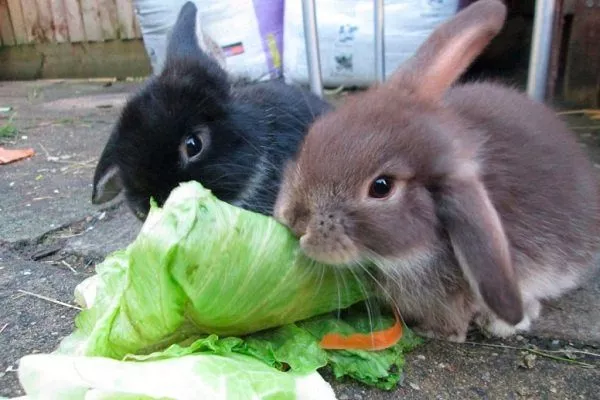
The food is based on vegetation, roughage, succulent foods, and concentrates, but among them there are varieties that are prohibited for consumption.
Roughage
| Name | Toxicity | Flowering period | Distribution area |
|---|---|---|---|
| Elder | High | May-June | Europe, Asia |
| Wild rosemary | Very high | May-July | Northern Hemisphere |
| Bird cherry | Average | April-May | Europe, Asia |
| Lilac | Low | May | Europe, Asia |
| Wolfberry | Very high | April-May | Europe, Asia |
This category includes hay and tree/shrub branches, which should always be present in the diet. This is due to the special way the digestive system works. If food doesn't reach the stomach, the previous food doesn't move forward and stagnates.
Despite all the benefits of roughage, the following types should be excluded from the diet:
- branches of bushes – elderberry and wild rosemary, bird cherry and lilac, wolfberry;
- tree branches - cherry, apricot, plum, sweet cherry.
Consuming these plants can lead to poisoning, as the branches contain toxic substances.
Succulent food
| Name | Sugar content | Ripening period | Recommended serving |
|---|---|---|---|
| Cabbage | Low | All year round | Limited |
| Potato | Average | August-September | 100-150 g |
| Sunflower seeds | High | August-September | Once a week |
| Exotic fruits | Very high | Depends on the type | Forbidden |
| Beet | Average | July-October | Limited |
Succulent food includes berries, fruits, and vegetables. These should be included in the diet – they contain fiber, which improves digestive function, and vitamins and other micronutrients, which strengthen the immune system and other internal organs. Without succulent food, the quality of the animals' fur deteriorates.
In addition, vegetables and fruits contain high concentrations of sugar, so they should be given to rabbits in portions.
Some types of fruits also have a negative effect, so they are excluded from the diet completely or partially:
- Cabbage. While it's generally considered the optimal food for rabbits, it actually causes increased gas and bloating. For this reason, cabbage leaves are typically only fed during the winter, when access to other vegetation is limited.
It is strictly forbidden to feed rabbits with cabbage stalks, as they accumulate harmful substances, especially if synthetic fertilizers were used during their growth. - Potato. It contains starch, which is difficult for rabbits to digest, but is essential for energy and vitality. The daily intake of this product should not exceed 100-150 g. It is eaten raw.
Never give potatoes that are not yet ripe or, on the contrary, have sprouted - they contain a strong poison (solanine), which destroys the animal for 5-6 hours. - Sunflower seeds. They are characterized by a high fat content, which contributes to obesity. This is especially true for rabbits that lead a sedentary lifestyle (for example, those kept on large farms where the cage lacks space for play).
If your pet eats sunflower seeds with the shells, it can cause stomach congestion, which in turn can lead to digestive problems. Feeding sunflower seeds once a week is sufficient. - Exotic fruits. These include oranges and tangerines, figs, papayas, and mangoes. This group contains persin, which is safe for humans but toxic to rabbits.
After eating such fruits, the heart rate increases, breathing becomes difficult, submandibular edema and arrhythmia develop, as a result of which the animal dies. - Beet. It is allowed to give only sugar and feed, but not table, since it contains an excessive amount of organic acids and fiber, which disrupts the digestive process.
- Dried vegetables. They contain a huge amount of useful substances, but when they reach the stomach, they begin to swell and are digested slowly. This results in intestinal blockage.
- Tomatoes. They contain too many acids, which are harmful to the gastrointestinal tract of rabbits.
- Tops of tomatoes and potatoes. It is strictly prohibited, since the green part of these plants contains poisonous solanine.
- Apples. Like cabbage, they cause bloating. To avoid this, remove the skin and feed only the flesh.
- Dried fruits. They contain too much sugar and lead to obesity.
The list of prohibited succulent foods includes garlic, onions, eggplant, and red cabbage—the rabbit's digestive system cannot handle such foods.
Green fodder
| Name | Toxicity | Flowering period | Distribution area |
|---|---|---|---|
| rapeseed | High | April-June | Europe, Asia |
| Buttercup | Very high | May-August | Northern Hemisphere |
| Spurge | High | June-August | Globally |
| Datura | Very high | July-September | America, Asia |
| Lily of the valley | High | May-June | Europe, Asia |
Green foods include all kinds of herbs, but giving them to your pet without knowing their name is strictly prohibited. This is due to the toxicity of many of them, which can cause poisoning and often fatal consequences.
List of prohibited herbs:
- rapeseed and buttercup;
- spurge and datura;
- lily of the valley and celandine;
- hemlock and hellebore;
- henbane and tansy;
- nightshade and cloves;
- marsh horsetail and horse sorrel;
- daisy and rhubarb;
- cactus and calendula;
- clematis and bindweed;
- periwinkle and hyacinth;
- sleep-grass and dracaena.
- ✓ Increased salivation and difficulty breathing may indicate poisoning by plants of the nightshade family.
- ✓ Convulsions and loss of coordination are signs of poisoning by plants containing alkaloids.
All of the plants listed here grow in Russia and the CIS countries, but there is also an impressive list of herbs that are extremely rare in our latitudes.
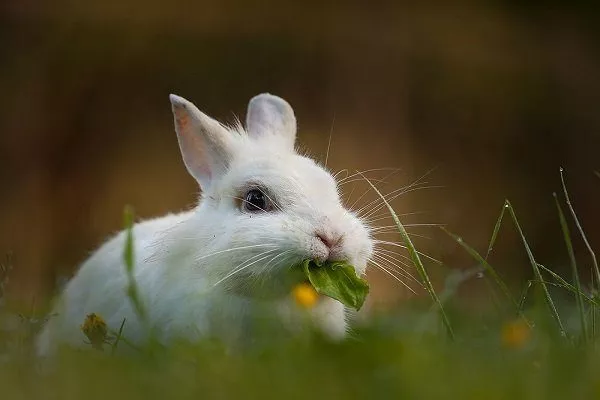
Concentrates
Concentrated feeds are highly nutritious and low in fiber and water, so the daily dose of concentrates should make up 30 to 40% of the total daily ration. While there's no strict prohibition against them, rabbits must be fed in a specific form. Failure to follow these guidelines can lead to digestive problems, including stomach and intestinal congestion.
Requirements for concentrated feed:
- When using compound feed, the instructions for use are taken into account, since each type has its own characteristics;
- cereals (corn, oats) must be flattened and crushed as finely as possible;
- beans (soybeans, peas, beans, lentils) are fed in the same way as cereals;
- meal, cake, pomace, bran - must be steamed.
What else should you not feed rabbits?
In addition to the basic food intended for rabbits, there are a number of other products that farmers and breeders feed their pets, often without realizing that they are strictly prohibited from being fed.
Please pay attention to the following types of food:
- Meat products, fish, sausages, frankfurters, offal. Rabbits are not carnivores and therefore do not require animal feed. Their digestive system cannot digest these products.
- Baked goods, bakery products, pasta and everything made from flour. This food is rich in starch, which rabbits should not consume in large quantities. It's better to feed them starch found in plants.
- Sweets. This includes sugar, chocolate, cakes, candies, and so on. First, these products lack nutrients. Second, they disrupt the microbiome of the cecum, leading to stomatitis, diarrhea, and intestinal obstruction.
- Nuts. Even crushed nuts should not be eaten by rabbits, as their composition negatively impacts the gallbladder and liver. Furthermore, they can lead to obesity.
- Beans and grains. Not all of these crops are approved for rabbits. The list of prohibited foods includes green peas, red and black beans, millet, rice, rye, and proso millet. These foods can cause bloating, flatulence, and colic (due to their high fiber content).
What should you not feed pregnant rabbits?
During pregnancy, female rabbits especially need vitamin and mineral supplements and enhanced nutrition, so breeders often begin to overfeed the females.
This should not be done because it is necessary to take into account the fact that there are unborn rabbits inside, and each of them has its own individual characteristics - while oats are beneficial for one, they can be harmful for another.
In addition, there is a list of foods that are prohibited in absolutely all cases of pregnancy:
- parsley - because of it, the milk secretion will be delayed and when the female gives birth, she will have nothing to feed her offspring with;
- bitter herbs (the list is extensive - yarrow, chicory, wormwood, etc.) - the milk will be bitter and the rabbits will refuse to drink it;
- avocado – All rabbits should eat it in limited quantities, and pregnant ones should not be given even 10 g of fruits, leaves and branches, as the fruit leads to non-infectious mastitis and, as a result, milk loss.
What shouldn't rabbits drink?
Inexperienced rabbit breeders rarely deprive their rabbits of water, believing that the juice from freshly cut grass and succulent feed is sufficient. In reality, this belief is misguided – these long-eared rabbits need liquid more than feed.
Daily intake depends on the type of animal and type of feeding:
- while feeding rabbits – from 2 to 3.5 liters per day;
- when raising breeding stock – from 0.5 to 1 l;
- with combined feeding, the presence of succulent and coarse feed – from 0.2 to 0.5 l;
- when using pelleted feed – from 0.5 to 1.5 l.
The following types of water are prohibited:
- technical purposes;
- from a river, pond or other body of water;
- water supply;
- too hot or too cold.
- ✓ Water temperature should be between 18-22°C for optimal absorption.
- ✓ The mineral composition of the water should be balanced, avoid high content of salts and minerals.
Despite this, it is allowed to give ice and snow during the winter period, but you need to accustom your dog to this gradually.
There's much debate about the health benefits of milk and other fermented milk products for rabbits. It's believed that milk protein is invaluable for all living organisms, and even rabbits are fed cow's or goat's milk, sour cream, whey, kefir, and yogurt as infants, but this is strictly prohibited in adulthood.
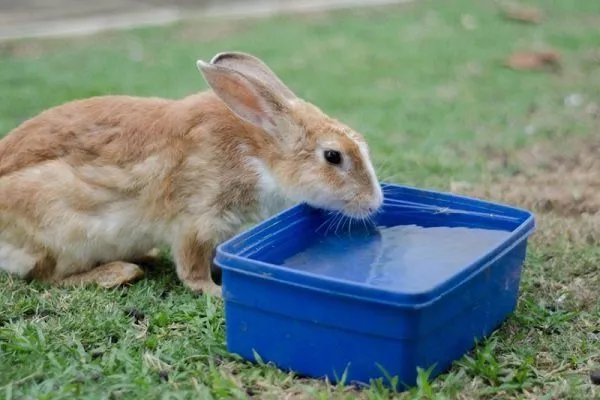
There are several reasons:
- Rabbits do not have enzymes that break down lactose, which causes diarrhea;
- Milk protein is of animal origin, while eared ones require exclusively vegetable protein.
What to look for – useful tips
Experienced rabbit breeders are fully informed about the rules of keeping and feeding rabbits, so they are happy to give recommendations on what rabbits should not eat.
Key tips:
- pay attention to the quality of the food - do not buy low-grade food, as this can lead to infectious diseases, stomach upset, etc.;
- give only fresh food - without signs of mold, rot, pests, diseases;
- do not use frozen vegetables and fruits;
- clean root vegetables from lumps of dirt, rinse all juicy food under water;
- do not give straw - it is too coarse for the rabbit's stomach and larynx (pea and oat straw are allowed in limited quantities);
- If your rabbit is a pet, do not feed it food from your own table – it is contraindicated for it;
- If you give potato peelings (as many farmers do), be sure to wash them thoroughly;
- There is no need to put store-bought grains (muesli, oatmeal, buckwheat, etc.) into the feeder - their processing and composition do not meet the nutritional standards for rabbits;
- Freshly cut grass can cause flatulence and bloating, so after mowing, place the grass in direct sunlight or in a ventilated area for 20 hours - only then place it in the feeders;
- wet grass is also undesirable - dry it;
- If your diet is balanced, do not add salt or salt blocks to it, as this leads to an excess of minerals;
- When it comes to cereals, give preference to oats, corn, barley and pearl barley, but give them in larger quantities to young animals – they promote rapid weight gain;
- When purchasing compound feed, pay attention to the ingredients, as many varieties include mineral and vitamin premixes. If this is the case, you should reduce the amount of other food to avoid overdosing, which can lead to disastrous results.
- It is forbidden to pour water from the tap for rabbits - first let it settle for 2-3 days (to evaporate chlorine and other harmful elements);
- You should not change the water in the drinking bowl rarely, as dirty liquid can cause infectious diseases – change it 2-3 times a day or as it gets dirty or dusty;
- if you give pumpkin and zucchini seeds, then first dry them by 50-60%, otherwise they will be difficult to digest;
- When feeding with oilcake, give preference to hemp, flax, sunflower and soybean varieties - other varieties are harmful to the digestive system;
- It is prohibited to pick grass near highways, near production facilities, or in crowded places - such vegetation is toxic;
- Lawn grass is also not suitable for rabbits to eat;
- There is no need to exclude hay from the diet during the summer period (many beginners mistakenly believe that fresh grass can replace it) - it should be present in the diet all year round, since hay helps to wear down teeth;
- Additional signs of improper (unbalanced) nutrition include dull fur, matting, and loss of appetite.
Some careless pet rabbit owners feed them food intended for other pets, such as cats, chinchillas, rats, hamsters, and even birds. After reading the ingredients, they believe it contains all the necessary supplements for their furry companions, but this is fundamentally wrong.
It turns out that other feeds lack calcium and fiber but are high in fat, leading to obesity. Other consequences include swelling of internal organs (especially if fed to young rabbits).
Knowing what to avoid feeding rabbits and what foods to limit will help pet owners raise healthy animals with shiny, fluffy fur. Farmers and breeders will receive high-quality offspring, high-quality fur pelts, and achieve rapid meat growth.
Thank you for the advice you gave. We're new to rabbits and haven't paid much attention to feeding them, much less drinking them. Now we have all the information.