
The New Zealand rabbit is an easy-to-care-for breed, very popular among farmers. This breed is considered a true benchmark for efficiency, as rabbits can be bred not only for their tender and juicy meat but also for their valuable, perfectly smooth fur.
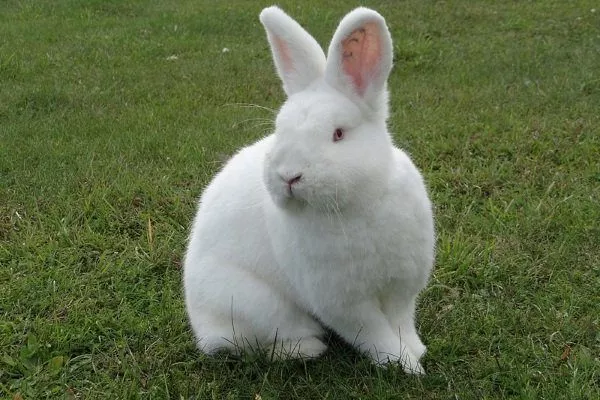
History of the breed's origin
This rabbit species originates from America and was first mentioned in 1940. Many farms believe the breed originated in New Zealand, but this is incorrect. The breed was developed by crossing Belgian Giant Flanders and Champagne Silver rabbits.
The first specimens of the breed were incredibly beautiful, with a distinctive appearance. The scientists' primary goal was to produce animals with snow-white fur. Only albinos were used for the experiments, and after a couple of generations, the litter was completely free of animals with red fur. This species was given the short name NZB, while the red ones were called NZK.
This species first became popular in Europe in 1921. It quickly gained popularity, but was not registered until 1936.
Scientists continued their work and continued to refine the rabbits. In 1981, a new offshoot of the species—an animal with black fur—was officially registered in the Netherlands. This breed remains rare today, as it has been recognized in only a few countries. Externally, the animal strongly resembles the Viennese Black rabbit.
Physical characteristics
New Zealanders are quite large, reaching approximately 50 cm in length and weighing approximately 5-5.5 kg. Their hind legs are large and strong, and their backs are fleshy. These qualities make them popular for meat production.
Most beginning farmers base their business on this particular breed. Rabbit meat is a healthy and nutritious product, making breeding these animals a profitable business.
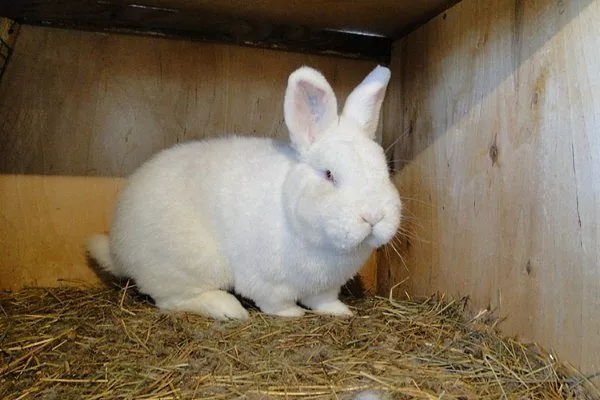
The animal's body is covered in thick fur, its ears are sparsely furred, reaching almost 12 cm in length, and its neck is short. It is believed that the shorter the rabbit's neck, the better. The most popular breeds are those with snow-white fur and red eyes.
Varieties of New Zealand rabbits
This rabbit breed is considered versatile, producing both meat and high-quality pelts. These animals can also be bred for exhibitions, including medical research.
The breed comes in red and white varieties, but the latter is the most sought after. Each subspecies has its own distinct advantages and valuable qualities.
| Name | Weight of an adult (kg) | Coat color | Life expectancy (years) |
|---|---|---|---|
| New Zealand Red Rabbits | 4-4.6 | Brick red | 10 |
| White New Zealand rabbits | 4.5 | White | 5-10 |
New Zealand Red Rabbits
This subspecies of rabbit has a smaller body size, which distinguishes it from its white relatives. It is generally considered a large species. It has a strong build, a medium-sized head, and erect ears. The fur around the mouth and eyes, as well as on the thighs, belly, and tail, is red, a few shades lighter. The eyes are dark brown.
The coat is medium length, shiny, not rough to the touch, soft and velvety, and has a uniform brick-red hue.
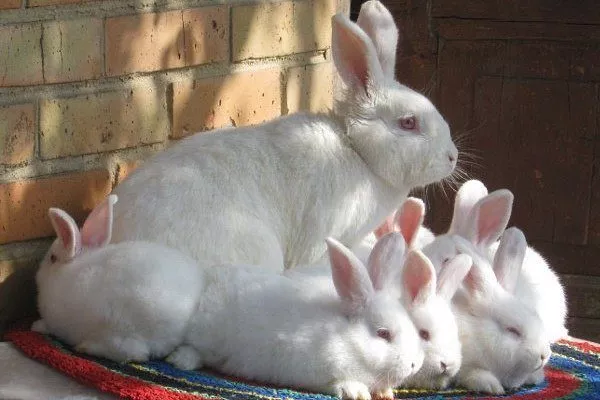
A strong maternal instinct is evident, and a female can give birth to 7-9 kits at a time. The offspring matures early. With proper and attentive care, kits can weigh around 2.5 kg by 2 months of age.
An adult rabbit's body length is approximately 48-51 cm, and its weight ranges from 4-4.6 kg. Females always grow larger than males. Female rabbits are highly fertile, but are less productive than white rabbits.
They can be kept in a variety of climates. They are ideal for beginning farmers and make excellent pets, as they quickly become accustomed to people.
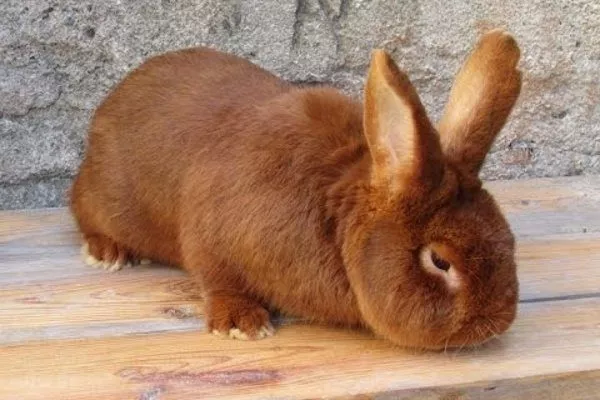
The average lifespan of red rabbits is 10 years.
White New Zealand rabbits
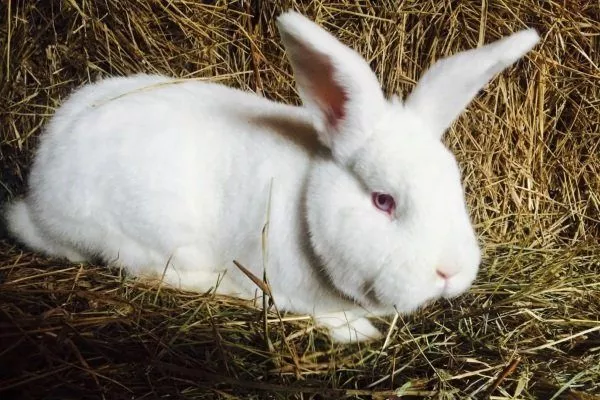
White representatives of the breed have a soft, gentle, and pleasant-to-the-touch coat. Their coats are perfectly white, their heads are not too large, and their short, symmetrically spaced ears are approximately 10 cm long. Their necks are short, their bodies compact, and their muscles well developed.
The muzzle is short, the nose is slightly humped, and the profile is wide. Females are more delicate in appearance and smaller in size than males. Their eyes are small and red, confirming their albino origin.
The legs are straight, strong, and thick, and can be flesh-colored or white. The back blends smoothly into a large, wide rump, and the croup is rounded. The live weight of a New Zealand white rabbit reaches 4.5 kg.
Advantages and disadvantages
The main advantages of New Zealanders include the following qualities:
- rapid weight gain, which is why the breed is bred to produce high-quality meat;
- rapid growth of rabbits;
- a doe can give birth to up to 10 rabbits at a time;
- high fertility;
- soft and gentle wool.
The breed described is widespread, and no known disadvantages exist to date.
Commercial potential of the breed
This breed is often used for private businesses. Rapid growth and weight gain allow for a quick return on investment. Both the delicious, high-quality meat and the pelts, covered with soft, delicate fur, can be sold.
What do you need to start breeding?
Breeding New Zealand rabbits doesn't require a large financial outlay. Simply choose the right rabbit, provide a comfortable habitat, and stock up on the necessary feed. All investments pay for themselves immediately after the first litter is born.
Feed
Fresh grass should make up the bulk of the animals' diet, so feeding them in the summer won't be a major expense. Rabbit breeding is most profitable outside the city, as finding the required amount of greenery every day can be challenging within the city, especially if the farmer has a large number of animals.
When collecting grass, environmental considerations are crucial—urban grass cannot be considered environmentally friendly. Such a diet can be very harmful to a rabbit's health.
To feed 20 rabbits, you need about one bag of fresh grass per day. Add greens to the cage as the rabbits eat them; don't overfeed. Doing so will result in the cage getting very dirty. Furthermore, the animals simply won't eat dirty or stale grass, which can lead to starvation.
Read the article about How and what to feed rabbits.
Don't forget about the grain component of the diet. Combined feed, available at a poultry market, is suitable for this purpose. One bag costs about 500 rubles. The length of time this amount of feed will last depends on the overall diet. It's best to use supplementary feeding, in which case one bag of combined feed will last approximately 14 days for 20 rabbits.
Place of detention
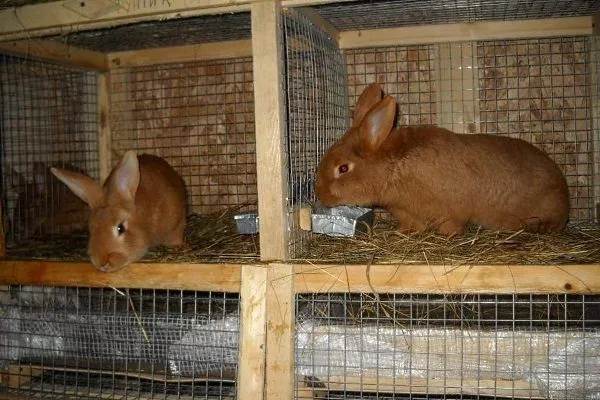
Specialty stores sell ready-made enclosures or cages, but you can also build one yourself if you have the resources. It's best to choose professional cages, which come in a variety of designs. There are also multi-level cages with varying levels of complexity.
Purchasing a ready-made cage requires a significant upfront investment to set up a future rabbit farm. The average cost of one ready-made cage is approximately 10,000 rubles. Each cage can accommodate up to four adult rabbits.
If you can't afford a large financial investment, you can build your own cages. These structures are simple, yet durable and easy to construct. Plywood, natural wood, wire mesh, and simple boards can all be used.
The ideal option would be to create the simplest and most functional cages. Be sure to consider the following:
- Use only strong mesh so that animals cannot chew through it;
- there must be space inside the cage for the animals to move freely;
- Consider good ventilation, as stale and stagnant air leads to the rapid development and spread of bacteria, which ultimately leads to a global epidemic;
- If you install a mesh floor and keep the cage suspended, this will make cleaning much easier and prevent waste from accumulating;
- The feeder and drinking bowls must always be freely accessible.
Enclosures housing females and their offspring should also have individual nesting boxes. In these boxes, female rabbits themselves construct a nesting box, which is necessary for the comfortable living of their young.
When designing a cage, consider certain characteristics of these animals:
- the male should have a separate cage, as rabbits can fight among themselves, so you should not keep him with the female all the time;
- Several individuals can be placed in one cage, but they must be young rabbits of the same age;
- Before giving birth, the doe is moved to a separate dwelling, since the young offspring may be trampled or bitten by other animals.
Number of rabbits
At the initial stage, one of the most important factors is the number of animals. Determining how profitable and promising the project will be requires patience. Don't buy a full herd right away, as just 2-3 females and one male will be sufficient. This number of animals will help you decide whether the business is worth pursuing and will also allow you to acquire the necessary skills for caring for rabbits.
A small farm doesn't require significant financial investment or time commitment. However, with the right approach, full returns will be achieved very quickly. Rabbits reproduce quickly, so within a month you can have a full-fledged herd that will generate a good income.
Selecting the right individual
Choose a young, healthy female and male for breeding. To be sure of the breed, choose reputable breeders.
Features of maintenance and care
New Zealand rabbits don't require much care. Simply provide spacious, clean cages and a nutritious diet. Their paws are thick and stiff, so they thrive even on wire floors.
During the summer, they can be housed in portable cages without a bottom. Specially equipped professional cages, ideal for winter housing, can also be used. Same-sex individuals should be housed in a separate section of the cage.
Conditions
To raise healthy New Zealanders capable of mating, follow a few guidelines:
- In the room where the animal cages will be located, maintain the temperature within 20 degrees.
- Provide good ventilation, but do not allow drafts, as this may negatively affect the health of the animals.
- Choose cages that are spacious enough. You can also choose fully wired options. Even the lack of a level floor surface will not cause discomfort for the animals.
- Place the cages in 2-3 tiers, and don't forget to add feeders and waterers to each house. How to make your own waterer is described in this article.
- Keep animals of approximately the same age and sex in the same house. You can also select animals by size.
- Large and adult individuals require larger cages to ensure they feel comfortable and can move around freely.
- Clean the cage regularly, otherwise constant dirt can damage the fur, especially in white rabbits. Animals kept in clean cages also have significantly better-tasting meat.
New Zealand rabbits dislike loud noise, bright light, and heat. To successfully breed this breed, eliminate these factors. When kept in favorable conditions, they quickly gain weight and produce regular litters.
Nutrition
New Zealand rabbits aren't picky eaters, but a balanced diet is essential for healthy growth. A properly balanced diet will produce tender and juicy meat with a moderate fat content and no distinctive rabbit odor.
Summer and winter diets have some differences. But the main rule is a varied menu. Only fresh food with sufficient nutrients and vitamins should be fed.
The summer diet should include different types of herbs and fresh greens, plantain, dandelions and clover.
The winter diet consists of:
- high quality grain feed;
- hay;
- coniferous branches;
- various root vegetables.
Introducing fruits and vegetables into your rabbits' diet should be done with extreme caution. Feed them no more than they can handle at one time. If they start eating spoiled food (for example, fruit starts to rot in the summer and freezes in the winter), serious digestive problems can develop. Rabbits may become unwell and become ill.
This breed is most often bred for meat production. Therefore, it is crucial to provide a varied and balanced diet. Overfeeding rabbits is strictly prohibited, as excess fat and weight can be fatal.
Rabbits have a natural need to grind their teeth, so be sure to place a thick piece of wood (round) or a salt stone in the cage.
Additional care
Additional care isn't particularly difficult, but it helps keep your rabbits healthy, making their breeding more profitable. To do this, you'll need:
- Have your pet examined by a veterinarian regularly – at least once every 6 months.
- Preventive vaccinations can prolong the life of rabbits and prevent the risk of contracting dangerous diseases.
- Regularly remove mats and comb the fur to maintain its perfect condition, especially if you plan to sell it as a by-product. Pay particular attention to the belly area to prevent matting. Use a special comb for this purpose.
- After washing, the rabbit should dry thoroughly, but only in a warm room, otherwise there is a risk of catching a cold.
- When bathing, be careful not to let water get into your ears. This can lead to ear infections, which are very difficult and time-consuming to treat.
- Avoid bathing your pet too often, as constant wetness can damage their fur. Use only a special shampoo, available at your veterinarian.
- At 6 weeks of age: vaccination against myxomatosis.
- At 8 weeks of age: vaccination against viral hemorrhagic disease.
- Revaccination every 6 months to maintain immunity.
Rabbit breeding
Rabbit breeding is a promising area for starting a small business. Rabbit meat is considered one of the healthiest, highest-quality products, always in high demand among consumers.
If your primary goal in starting a dairy farm is to produce meat for resale, think ahead about where you'll sell it. Prepare several distribution channels, and be sure to consider the size of your farm and the quantity of meat you can offer.
In the early stages of breeding, to determine whether you're up to the task, it's best to raise rabbits for your own use. If all goes well and caring for the animals isn't a problem, the business promises to be quite profitable in the near future.
What diseases do rabbits get?
Like any other animal, rabbits can suffer from various health issues. The most common problems include:
- Myxomatosis manifests as tumor-like growths on the paws and head, and can also appear on the genitals, often coalescing into a large swelling. Infection occurs from parasites, infected rabbits, and other rodents. Be sure to thoroughly disinfect the cage, and slaughter any suspected specimens.
- Viral hemorrhagic disease most often affects animals over one year of age. Symptoms include loss of appetite and mood, head tilt, and convulsions. Disinfect cages and cull infected rabbits. Vaccinate as a preventative measure.
- Coccidiosis affects young birds between 2 and 4 months of age. Symptoms include general weakness, diarrhea, and yellowing of the mucous membranes. Be sure to remove all infected birds and consult a veterinarian. Prevention includes frequent cleaning of cages and feeders and a balanced diet (minimizing the amount of legumes and bran).
- Rhinitis is characterized by sneezing, a runny nose, and a high fever. Isolate all sick rabbits and administer nasal drops of furacilin.
- Infectious stomatitis affects young dogs between 1 and 3 months of age. Symptoms include a wet muzzle and ulcers on the mucous membranes, which trigger increased salivation. Treatment involves applying streptocide powder to the mouth, and treating the ulcers with a copper sulfate solution.
Regularly examine all animals, and if any suspicious signs or unusual behavior appear, isolate the rabbit and then take it to a veterinarian. Only after a diagnosis can you determine how serious the situation is and what steps need to be taken to minimize the likelihood of negative consequences.
Tips for new breeders
First, you need to decide what the animals are being raised for—meat, wool, or for sale. Each option has its own nuances related to housing, care, and nutrition. Of course, the differences aren't dramatic, so the breeder should set a clear and specific goal.
- ✓ Check the rabbit's eyes: they should be clear, without discharge.
- ✓ Inspect the ears: clean, without crusts or unpleasant odor.
- ✓ Assess the condition of the coat: shiny, no bald spots.
- ✓ Check your nose: dry, no discharge.
- ✓ Pay attention to behavior: active, curious.
When purchasing a pet, it's crucial to choose completely healthy animals that will easily adapt to their new environment. Consequently, they'll grow quickly and produce offspring.
When choosing rabbits, pay attention to the following factors:
- Age Three-month-old individuals are considered ideal. Younger individuals may die as a result of weaning or abrupt cessation of lactation.
- External data – rabbits should be well-fed, with a thick and shiny fur coat, clean ears, light eyes without swelling, and a dry muzzle.
- Behavior - a healthy, active animal that moves around the cage with pleasure.
Be sure to ask the seller about the rabbits' diet, as dietary changes are not recommended when moving them to a new location. Find out what vaccinations they've had, if any.
New Zealand rabbits as pets
Rabbits of this breed are often kept as pets. These animals are friendly and highly intelligent, which distinguishes them from dwarf rabbits, which are particularly averse to being held for long periods of time.
New Zealanders quickly become attached to their owners, who provide them with food, and enjoy playing with children. They are easy to care for and don't require a special diet. Rabbits can be sick, so they require regular veterinary checkups.
The average lifespan of an animal is 5 years. If a male is neutered and lives in favorable conditions, this figure increases to 10 years.
An overview of the New Zealand rabbit is presented in the following video below:
Business plan with approximate calculations
Before acquiring rabbits, it's worth inquiring about the prospects of the business and how profitable it will be financially. It's important to understand the results that a properly organized and productive operation will yield. For starters, you might consider acquiring three does and one male of the breed.
To ensure comfortable living conditions for the animals, you need to prepare at least 10 cages in advance. The newly acquired rabbits will be kept in four of them, while the others will remain empty until the litter is born. Ideally, the enclosure should be approximately 150 x 60 x 60 cm in size. You can make one yourself using mesh (4.5 square meters) and wooden slats (6 meters). Place the enclosure at least 1 meter above the ground.
The netting costs 200 x 4.5 mm (900 rubles), and the slats cost 50 x 6 mm (300 rubles). The approximate cost of the enclosure will be around 1,200 rubles. Don't forget about the cost of the rabbits—the average cost of one is approximately 800 rubles. Buying four animals will cost 3,200 rubles.
During the first week, newly purchased animals require special care until they become accustomed to their new surroundings. Then, mating can begin. The female carries the offspring for a month, and mating takes one week. Approximately two months after purchasing the first animals, the offspring will be born.
In one year of raising rabbits you can get approximately the following result:
- from the primary herd – 4 adults;
- from the first drive - 15 individuals, completely ready for sale;
- from the second drive - 15 female rabbits ready for mating;
- about 50 rabbits.
The breeder can then maintain the desired population level. Be sure to reserve two healthy, top-quality males for breeding. This means approximately 30 mature animals will be available for sale each month. It's also important to remember that under unfavorable conditions or improper nutrition, a high mortality rate can occur.
For 12 months, you'll need to spend about 1,000 rubles on hay and about 3,000 rubles on 5-6 bags of feed. Start-up costs will be approximately 10,000 rubles.
Rabbit meat wholesales for 300-350 rubles per kilogram. An adult rabbit weighs approximately 4.5 kg on average. Therefore, selling 30 adult rabbits monthly would net you approximately 40,000 rubles. The pelts are also suitable for sale – each pelt costs approximately 200 rubles (the price of the raw material).
Rabbit breeding is not only profitable but also a quickly profitable business. If managed properly, it offers the opportunity to earn a substantial sum and secure a regular income. Profits will increase depending on the size of the herd.
Implementation of the finished product
The issue of product distribution is paramount. It needs to be considered even before the first batch of finished meat is produced. By this time, a buyer should already be in place. For all suppliers, selling their own product always comes first.
Don't forget that advertising is also essential. To motivate people to buy, they need to know what's available. The primary focus should be on the high quality of meat, as this will help attract repeat customers.
Don't neglect self-promotion, because every buyer wants to buy high-quality meat directly from the farmer, without dealing with intermediaries.
Reviews of the breed
New Zealand rabbits are a very attractive breed. They have a striking appearance, and these beautiful animals can literally captivate you at a glance. They are attractive for their excellent physical characteristics, smooth coat, and size, as well as their low maintenance, excellent fertility, and endurance. Representatives of this breed are a good start for a business.