
Rabbit meat is a tasty and healthy product that appeals to most gourmets. Moreover, breeding meat rabbits can be a lucrative business for farmers. That's why raising them is so popular and convenient. However, choosing the right breed is crucial.
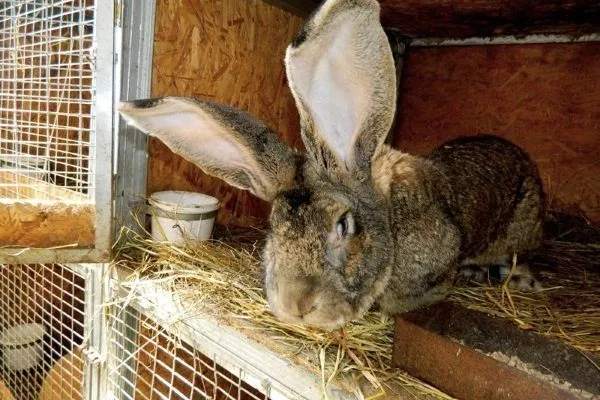
How to choose the right rabbit breed?
Rabbits of all breeds are a source of tasty and nutritious meat. The only exception is ornamental rabbits. However, to maximize profits, you should breed rabbits bred specifically for meat, not those bred for their fur. There are many animals that produce meat for fur, and even animals that produce fur for fur alone. However, they will not yield meat. Several factors should be considered when choosing meat rabbits:
- The quality of the resulting meat. Almost every rabbit produces delicious meat, which is also healthy. However, some breeds are distinguished by their more flavorful and tender meat. These carcasses fetch a premium.
- Sizes of animals. There are some breeds that are truly large. These giants reach a weight of 6-7 kilograms, resulting in large rabbits at slaughter. These rabbits are sometimes considered meat-and-fur rabbits rather than meat rabbits.
- Rate of weight gain. The cost of caring for rabbits to achieve productivity depends on how quickly they reach slaughter weight. This, in turn, determines how quickly the animal is sold. Slow-growing animals are unprofitable.
- Disease resistance. There are a huge number of infectious and fungal diseases that can cause the death of up to 80-90% of the entire rabbit population. Therefore, it's best to choose varieties that are more resistant to these diseases.
- Early maturity. The faster rabbits reproduce, the faster they will produce offspring, and consequently, the greater the profit. This parameter is very important for meat-beard rabbits. Although these animals reproduce quickly, some species reproduce faster than others.
| Breed | Meat taste (on a 5-point scale) | Tenderness | Fat content |
|---|---|---|---|
| Californian | 4.8 | High | Low |
| New Zealand White | 4.7 | High | Average |
| Soviet Chinchilla | 4.5 | Average | Low |
| Flanders | 4.2 | Average | High |
| The Gray Giant | 4.0 | Average | Average |
In addition to these factors, it's important to consider which animals will thrive in a given area. It's also important to consider the breed of rabbits, as some varieties are unavailable or extremely rare in certain regions, so out of desperation, you may have to buy animals that are available.
It is very important to consult with experienced breeders before purchasing rabbits, as they can recommend a suitable variety.
Types of meat rabbit breeds
It's very difficult to immediately answer which rabbit breeds are the best for meat production. They all have their advantages and disadvantages, so choosing one should be based on personal preference. One farmer might prefer small but fast-growing animals that can reach slaughter weight very quickly. Another breeder might prefer meat-and-skin breeds that are larger in size but gain weight at a moderate rate.
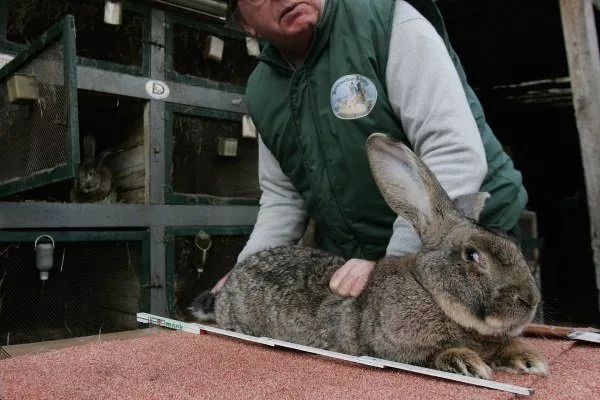
What types of rabbits are there?
- Gray Giant. A dark gray rabbit that weighs approximately 4-7 kilograms live. The slaughter yield is 55-57%. A litter can contain 7 to 11 kits.
- Soviet Chinchilla. An animal with a silvery-gray coat (sometimes various shades are produced). The slaughter yield is 55-58%. A litter can contain 6 to 8 kits.
- New Zealand White Rabbits. Rabbits with pure white fur. Slaughter yield is 53-59%. Litters can range from 8 to 11 kits.
- Californian breed. Animals with white fur, black muzzles, paws, and ears. Slaughter yield is 56-60%. A litter can contain 8 to 12 kits.
- Flanders or Belgian Giant. Rabbits come in a variety of colors: black, white, beige, reddish, and grayish. The slaughter yield is 53-55%. A litter can contain 5 to 8 kits.
- White giant. This breed of rabbit has an exceptionally pure, snow-white coat. The slaughter yield is 54-57%. A litter can contain 6 to 9 kits.
These aren't all the breeds that can be raised at home. In any case, it's important to remember that meat and fur rabbit breeds are the best for breeding, at least for those new to rabbit breeding. Particular attention should be paid to the breeds bred in Ukraine and Russia. They are best adapted to local conditions and produce tasty and nutritious meat.
Large breeds of meat rabbits
The largest rabbits are often found not among meat rabbits, but among the meat-and-skin varieties. These breeds are familiar to many professional livestock breeders. It's worth comparing them with classic meat rabbits. First of all, they don't grow and gain weight as quickly, so they require a lot of feed to feed them. On the other hand, the delay in growth over the course of several months is compensated by the fact that they can produce not only a carcass but also a high-quality pelt.
Unfortunately, meat-and-skin rabbits don't have particularly meaty carcasses, and their slaughter yield is significantly lower than that of meat breeds. Their fur and pelt quality also can't compete with that of fur-and-skin breeds. However, despite their significantly slower growth rates and average product quality, these rabbits are much more convenient for a beginner to work with. They are relatively easy-to-care-for and don't require any special conditions, making them very profitable and often outperforming faster-growing but more demanding breeds.
Flanders
Flanders Feeding Plan
- 0-2 months: milk + starter feed (18% protein)
- 2-4 months: sprout feed (16% protein) + hay
- 4-6 months: finishing feed (14% protein) + vegetables
- 6+ months: basic diet (12% protein) + vitamin supplements
The Flanders, also known as the Belgian Giant, is a meat-and-skin rabbit variety. It's hard to call it a record-breaker among rabbits in its breeding line in terms of pelt quality and slaughter yield. However, the Flanders does hold the record for weight and overall body size. Some specimens can reach weights of up to 12 kilograms.
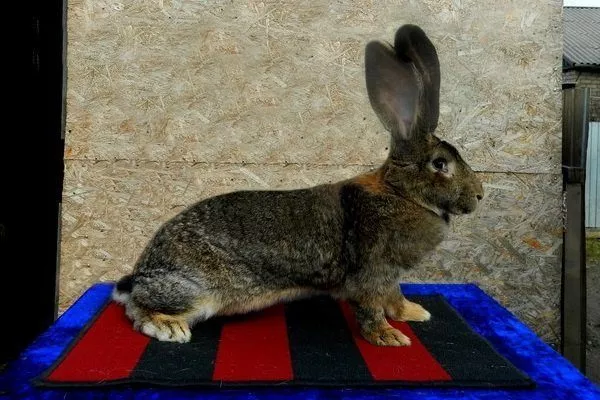
Flanders (Belgian Giant) Agouti color

Flanders is the largest breed of rabbit.
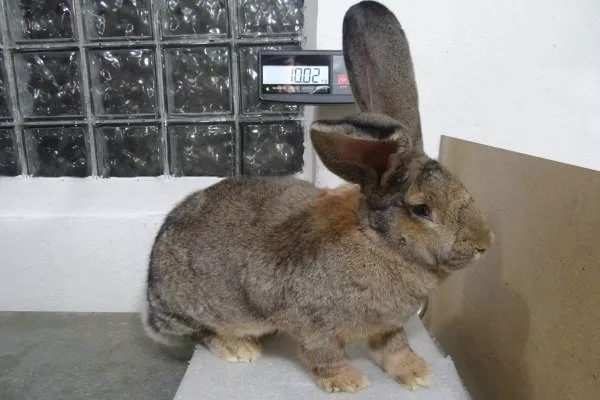
The average weight of a Flanders rabbit is 7-10 kg.
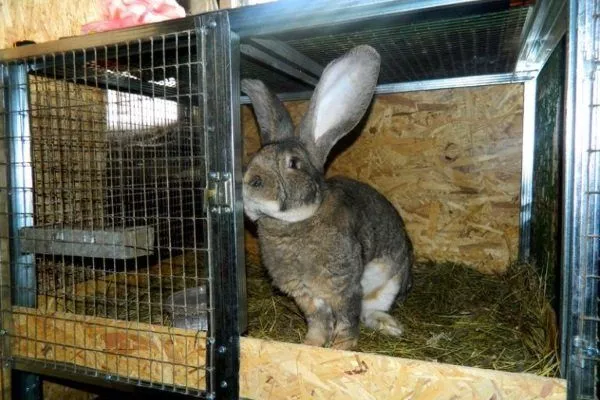
It takes a lot of space to keep this breed of rabbit.
A distinctive feature of this breed is its powerful, massive body, and a head that's large relative to its body. Given the animal's overall size, these differences stand out. However, despite its size, these rabbits have some serious shortcomings that should be addressed:
- Long growing up. Based on the month-by-month comparison, rabbits only reach adult weight at 8-9 months. Early slaughter is not beneficial, as the slaughter yield at a young age is lower than that of an adult rabbit.
- Demanding to the conditions of detention. The Belgian Giant requires exclusively clean, spacious and comfortable rabbit hutches, otherwise the livestock will begin to die.
- Demanding of food. These animals are no less demanding in food, since they should be fed only high-quality food and in sufficient quantities.
| Breed | Average time to reach slaughter weight | Feed conversion | Recommended stocking density (m²/head) |
|---|---|---|---|
| Californian | 3-4 months | 3.5-4 kg/kg weight gain | 0.4-0.5 |
| New Zealand White | 3-4 months | 3.7-4.2 kg/kg weight gain | 0.4-0.5 |
| Soviet Chinchilla | 4-5 months | 4-4.5 kg/kg weight gain | 0.5-0.6 |
| Flanders | 8-9 months | 5-6 kg/kg weight gain | 0.7-0.8 |
| The Gray Giant | 5-6 months | 4.5-5 kg/kg weight gain | 0.6-0.7 |
Belgians come in solid colors, including white and black, as well as shades of beige, gray, and red. Different animals from the same litter may have different coat colors.
Gray Giant
Among the large breeds used for meat and fur production, the Gray Giant rabbit is also noteworthy. It was developed in Ukraine in the 1950s. This breed is suitable for those just starting to breed animals. A distinctive feature of this breed is that they require little care and can easily adapt to the local environment. An adult rabbit averages 5 kg in weight, although some can reach up to 7 kg in live weight.
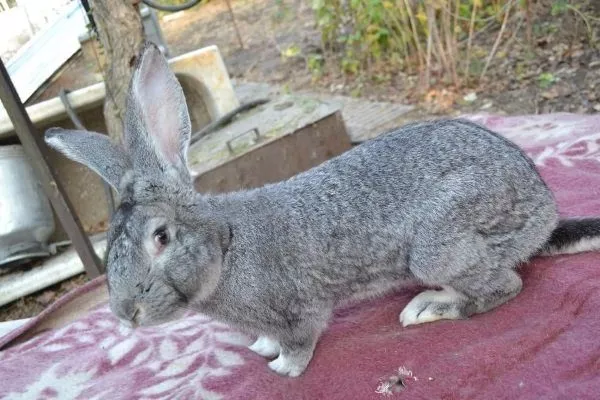
Although Gray Giants are a meat-and-skin breed, their pelt quality is average. In this respect, they are inferior to rabbits of any fur-producing variety. On the other hand, a single animal can yield a large pelt, which is why many farmers value this breed. In terms of meat quality and slaughter yield, they are somewhat inferior to most meat breeds. These animals are characterized by moderate precocity, but they reproduce very quickly and care for their young very well.
Soviet Chinchilla
The Soviet Chinchilla is similar to the Gray Giant, as they are virtually identical in appearance, weight, and coat color (the Gray Giant lacks the white wedge on the back of the head). However, the Chinchilla can reach full weight faster and has a higher slaughter yield. In fact, the Soviet Chinchilla is considered one of the most convenient breeds for beginning rabbit breeders. By the age of four months, the average weight of a young rabbit is 3.5 kilograms, ready for slaughter. An adult rabbit can weigh up to 5 kg.
Soviet Chinchillas are renowned for their high slaughter yields and the tender, delicious meat they produce for sale. Purebred specimens produce high-quality fur and hides. Furthermore, the longer these animals grow, the more meat and hide they produce. Therefore, not only the cost but also the potential profit increases with each passing month. A disadvantage of breeding these rabbits is nutrition, as the animals require fresh, high-quality feed to prevent them from becoming sick and dying.
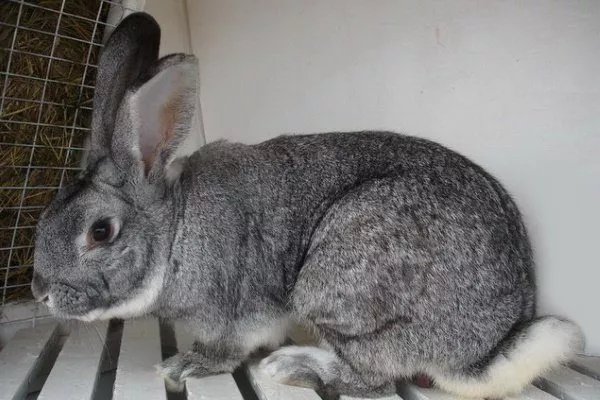
Soviet Chinchilla rabbits have silver fur, black edging on the ears, and a light wedge on the back of the head.
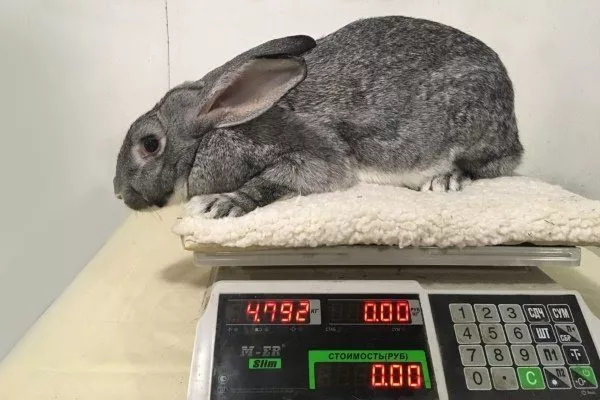
The average weight of a rabbit of this breed is 5 kg.
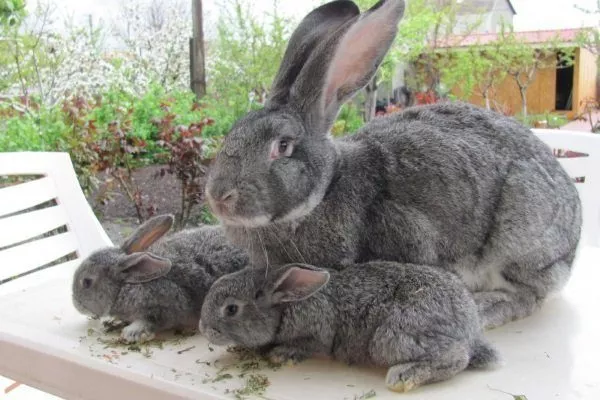
The fertility of these rabbits is average, but this breed is characterized by a high intensity of growth of rabbits.
White giant
These animals were bred using representatives of the Flanders breed. Other varieties were also used, all of which shared one important characteristic. All the rabbits used for breeding were albinos, which affected the coloring of this breed. These animals are renowned for their pure white fur, and any deviations are considered a serious defect. Only animals with snow-white fur are allowed into breeding.
The quality of this breed's skin and fur is similar to that of the Soviet Chinchilla and is equally competitive with fur-producing varieties. White Giant rabbits also produce excellent meat, so breeders often sell both carcasses and skins. Even novices will recognize the White Giant rabbit: it has the classic white fur and red albino eyes. However, no matter how good this breed is, it's important to be aware of some drawbacks:
- The variety is not characterized by high fertility and early maturity.The slow growth rate is offset by the high-quality meat. Slaughter often occurs no earlier than 7-8 months of age, allowing the animal time to gain weight.
- There are usually few rabbits in one litter. And therefore it is very important to monitor the health of the young.
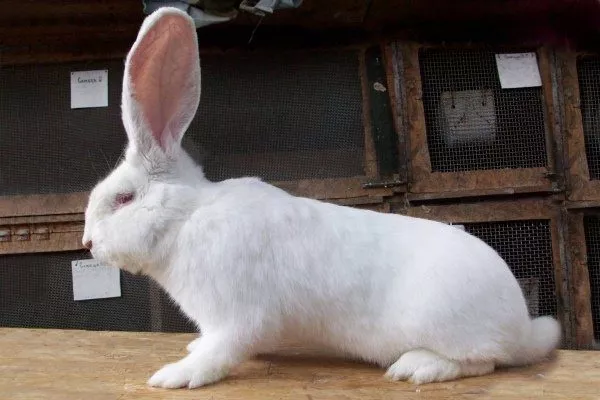
The White Giant is a large albino rabbit with red eyes.

The fur is thick and pure white, and the meat content of rabbits is average, so this breed is raised mainly for slaughter for skins.
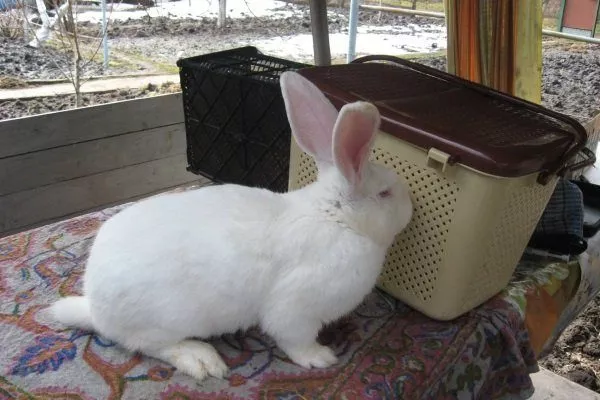
The average weight of an adult rabbit is about 5 kg.
Representatives of this variety are prone to a number of diseases, so caring for them often presents some difficulties.
Meat breeds of rabbits: classic types
Classic meat rabbit breeds are usually not very large. It's not their weight that matters, but rather how quickly they tend to gain weight suitable for slaughter. These animals don't live long in farms. Breeding animals live up to 3-3.5 years, while those slaughtered for meat live from 2 to 8 months. The main advantage of these breeds is their early maturity and slaughter yield.
These animals don't have the same body mass as their giant relatives. However, they can reach slaughter weight by three to five months of age, making them very profitable to breed, especially for meat production. These varieties are also valued for the quality of their carcasses, which are always easy to sell. The pelts of these rabbits can be sold commercially, but they are generally less valuable than those of other varieties.
Californian rabbit
This breed has numerous advantages, making it highly valued by professional farmers in Europe and the United States. Californian rabbits are small in weight, weighing approximately 4.5-5 kilograms, but can gain weight quickly. Young rabbits are often ready for slaughter by 3-4 months. They reach sexual maturity by 5-7 months. They can produce at least 8 kits in a single litter. Because of their small size, Californian rabbits can be kept in small hutches.
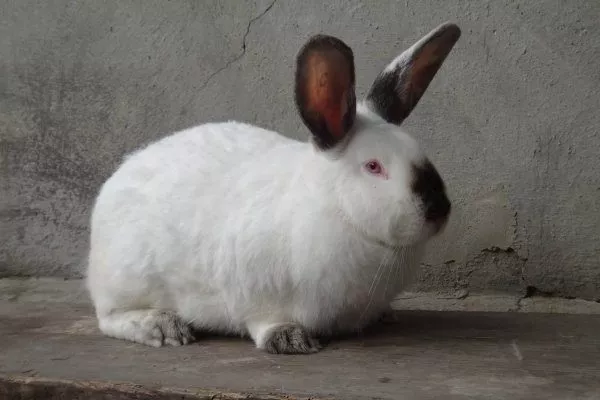
By the end of the second month of life, the Californian rabbit reaches an average live weight of 2 kilograms.
Thanks to its light frame and excellent carcass quality, rabbits gain weight as early as three months of age, equal to that of adult rabbits. Another advantage of this breed is that they are easy to care for and highly resistant to various diseases.
New Zealand white and red rabbit
It's important to note that there's also a New Zealand Red breed, from which the New Zealand White rabbits were successfully bred about a century ago. They have similar body type, body weight, early maturity, and fertility. Only the Red rabbits have a bright red coat and are less demanding. New Zealand White rabbits, on average, weigh 4-5 kilograms and are small in size. However, they gain weight very quickly and produce delicious, lean meat. It's worth noting that their high-quality white pelt is also highly prized.
These animals were used to develop the Californian rabbit. Therefore, they are very similar in size, weight, and a number of other characteristics. The New Zealander also has a good slaughter yield and good meat quality. By three months of age, rabbits reach a weight of approximately 2.5-3 kilograms. At this age, they are often prepared for slaughter. Breeding this breed is also considered profitable due to its excellent fertility, as does rarely produce fewer than eight kits in a litter.
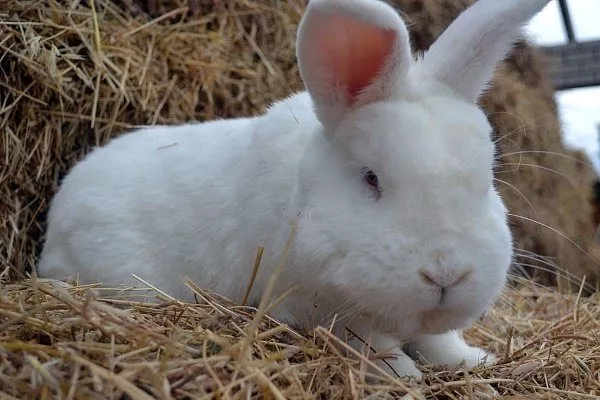
The New Zealand rabbit is a medium-sized, early maturing breed.
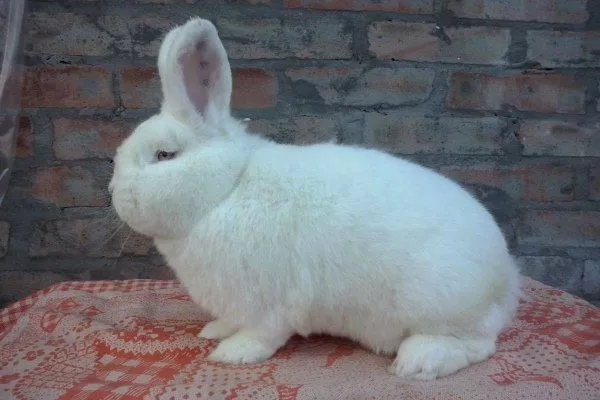
New Zealand White Rabbit
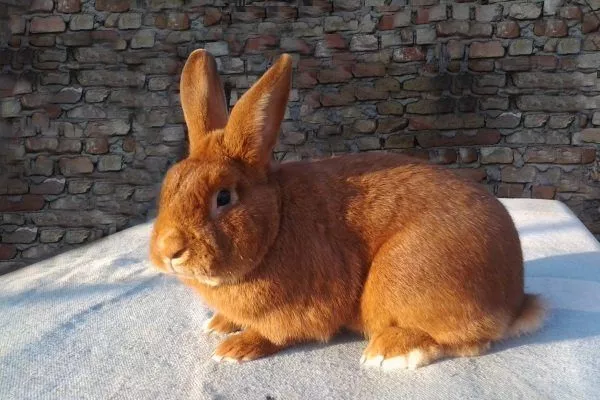
New Zealand Red Rabbit
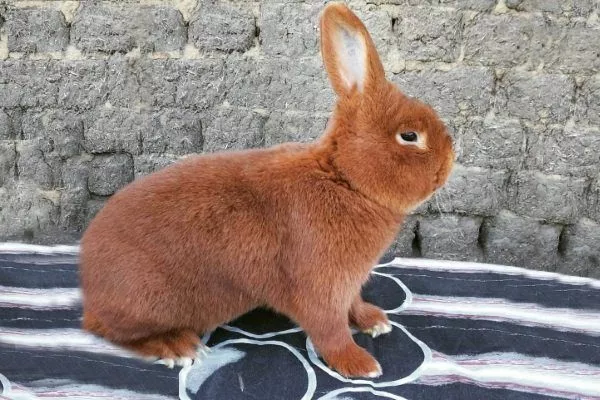
The weight of an adult New Zealand rabbit is 4-4.5 kilograms.
Another advantage of the New Zealand White rabbit is its adaptability to a variety of conditions, even cold temperatures. They can be kept in cages with wire or mesh floors.
This will make cleaning and housing the rabbits less of a hassle. This breed also boasts robust health and minimal susceptibility to disease. If the animals are vaccinated regularly, problems will be minimal.
So, in conclusion, it can be noted that rabbit breeds are divided into two broad types: meat-fur rabbits, which are large in size and weight, and small rabbits, which are very early maturing and prolific. Therefore, for breeding meat-bearing rabbits, preference can be given to either type.