
Lop-eared rabbits, whose faces resemble small lambs, were described in the works of naturalist Charles Darwin. During his extensive travels around the world, the scientist was often fascinated by these adorable creatures. Learn more about the Dwarf Ram rabbit breed in this article.
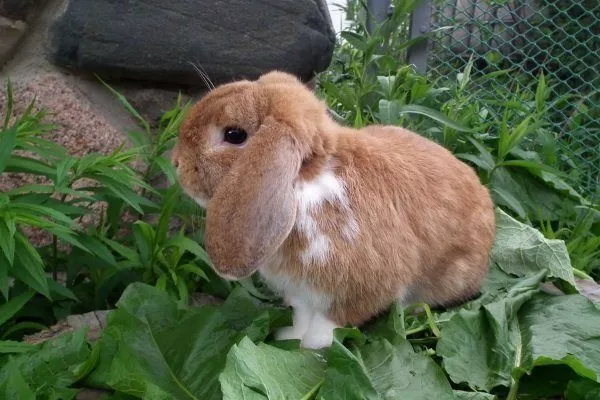
Lop-eared rabbit "Dwarf Ram"
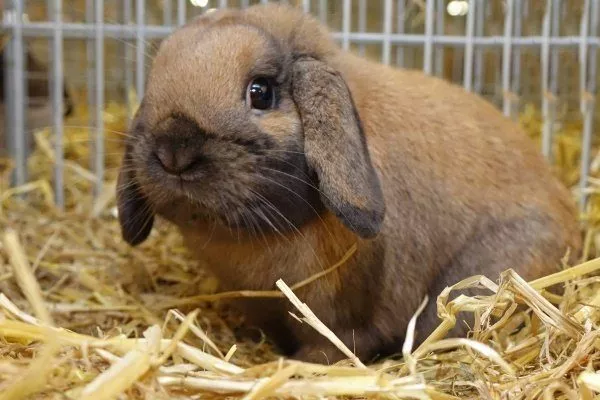
Decorative rabbit breed "Dwarf Ram"
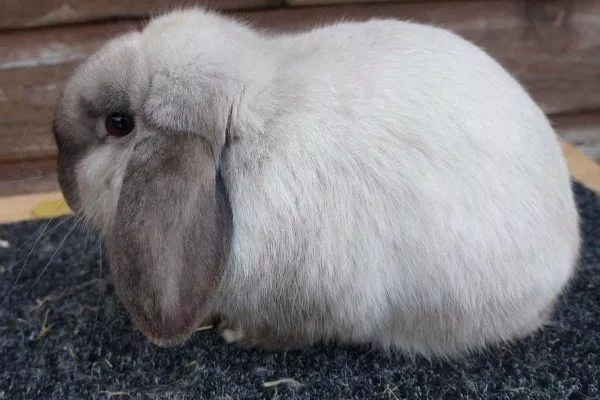
The breed is the result of crossing a dwarf rabbit and a French ram.
History of the breed
The Dwarf Ram rabbit breed was created by selectively breeding two varieties: dwarf rabbits and French lop-eared rabbits. This breed quickly gained popularity worldwide: the small size of these animals with their ram-like faces captivated with their charm and beauty.
These rabbits were first discovered in the late 18th century. In Russia, this breed became popular in the early 2000s, thanks to the establishment of several breeding centers with animals imported from Europe.
Description of Dwarf Ram Rabbits
To understand what's so interesting about these rabbits, you need to carefully study their description. Read on for more details.
Appearance
The decorative rabbit breed "Dwarf Ram" has a very interesting, distinctive body type, making it easy to identify without any special knowledge or experience. These pets have a broad chest, a cylindrical body shape, and a short neck.
The muzzle of these rabbits resembles a "lamb." These animals have a powerful, wide nape and a convex forehead. A rounded hindquarters, large eyes, and a small tail—these charming creatures are sure to leave no one indifferent.
Long ears are another hallmark of the breed, along with the shape of the muzzle. Adult ears can reach 25 cm in length. Baby rabbits are born with erect ears, which gradually droop over time and, by three months of age, become drooping, held tightly to the head.
Rabbit fur is very soft to the touch and comes in a wide variety of colors and lengths. Long-haired "lambs" typically have either fox or angora fur. The most common colors are black and white and blue. Yellow, sable, and chinchilla fur are also common.
Productivity
The Dwarf Ram breed is considered a decorative breed, but these animals are quite productive. These rabbits can also be bred for sale. To do this, simply purchase a pair from different litters.
In one litter, a female rabbit can give birth to 5 to 7 rabbits.
Temperament
By nature, rabbits are very curious animals. They are difficult to tame and have an inquisitive and willful nature. Each animal of this breed has its own distinct personality traits. Independence and distrust are the main character traits of these "rams," despite their strong attachment to their owners.
Rabbits of this breed get along well with people. If given enough attention, they will grow up tame and affectionate, considering humans a friend. Of course, much depends on both the owner and the rabbit's personality. Taming a rabbit can take several weeks.
Selection rules
Choosing a dwarf ram correctly requires understanding the basic nuances of this breed.
Signs of purebredness
It's not that difficult to distinguish a healthy, purebred Dwarf Ram rabbit from a counterfeit. The most common signs of purebredness are:
- shiny and thick coat;
- clear eyes, without crusts or inflammation;
- ears lying flat, the length of which should reach from 24 to 28 cm;
- even and white teeth;
- good appetite;
- strong and proportional build.
Signs of culling
If you notice at least one of these signs when choosing a rabbit, refuse to buy it:
- dull, matted fur with an unpleasant odor or bald spots;
- eyes are watery, redness and inflammation are visible;
- incorrect length or shape of ears;
- uneven or partially missing teeth covered with a layer of plaque.
- absolute lack of contact, lethargy, apathy;
- the presence of purulent discharge from the eyes and nose;
- excessively rapid, irregular breathing of an animal.
The breeder presents an overview of the Dwarf Ram rabbit breed in the video below:
Care and maintenance
To ensure your rabbit's well-being, it's essential to provide it with proper care and maintenance. Read on to learn how to do this correctly.
Home improvement
To keep a pet, you'll need any spacious cage, and it's important to equip it properly. Here are some tips for keeping rabbits in a house or apartment:
- Keeping a rabbit in a cage 24/7 is not recommended, as this can lead to problems with the animal's musculoskeletal system.
- It's important to let your pet out of its cage at least once a day to stretch its legs and run around. Another reason for taking a rabbit for walks is its natural need for exercise.
- Try to provide the animal with a spacious cage: its size should not be less than 0.5x0.7 m.
- A cage is an animal's territory. Your pet needs a home inside it where it can comfortably sleep or hide.
- It's important to find the right location for the cage, one that's well-lit and ventilated. Avoid drafts—rabbits are very sensitive to them.
- The litter box should be installed after you let your pet into the cage. Your rabbit will choose the location itself, and you can determine it by the presence of waste. For smaller cages, there are corner and triangular litter boxes that help save space.
- A rabbit's water bowl can be either floor-standing or hanging. For very active rabbits, a hanging type is recommended. The food container should be as stable as possible: ceramic bowls or a saucer with a wide bottom are most convenient.
- ✓ Optimum temperature: 18-22°C, humidity 50-70%.
- ✓ Minimum cage size for one individual: 0.5x0.7 m, for a pair – 1.0x1.2 m.
Nutrition
A balanced diet, along with adequate exercise, is key to a rabbit's health. The primary diet for Dwarf Ram rabbits is dry grass and grain mixtures. Some recommendations:
- Fresh greens, grass, and raw vegetables are not recommended for inclusion in the diet of rabbits under six months of age: the digestive system of young rabbits is not capable of digesting these foods.
- Six-month-old rabbits can now be fed a more extensive menu: the previously mentioned fresh vegetables, fruits, home-grown greens, and fresh grass will be a pleasant treat for your pet.
- Hay is a vital part of rabbit nutrition. It contains the necessary vitamins and microelements to maintain a healthy body. Therefore, even if you have vegetables, fruits, or treats, it's important to ensure your pet's cage always has dry grass.
- Oat and wheat grains are excellent for feeding rabbits, but in strictly limited quantities.
- Rabbits should never be given milk or meat. Their benefits are a myth; in fact, they can cause irreparable damage to the digestive system.
- Having fresh water available at all times is another important factor for your pet's health. If possible, avoid over-watering. a drinking bowl for rabbits tap water: let it sit for 24 hours.
You can find more information about feeding rabbits here. Here.
Care and hygiene
Rabbits, like all pets, require special care. It's important to keep their nails trimmed and trim them as needed. If you're new to nail trimming, visit a veterinarian and ask them to explain the procedure in detail.
It is advisable that you perform this procedure yourself - the rabbit will get used to you and will know that you will not do anything bad to it.
If you suspect your pet is feeling unwell, pay attention to their behavior. A healthy rabbit is active, enjoys playing, eats, has a shiny coat, and grooms itself. However, if your little one sleeps a lot, constantly hides in its nest, refuses treats, and its coat appears dull and unkempt, you should consult a veterinarian.
- ✓ Refusal of food and water.
- ✓ Aggressive or, conversely, too passive behavior.
- ✓ Excessive licking or hair pulling.
Here are some more tips for caring for your rabbit:
- To keep the cage clean, use wood filler.
- Be sure to get a brush to comb out the coat and remove old hair at least once a week to promote the growth of new, healthy hair.
- Be sure to show your animal to the veterinarian every 3 months and treat it for ecto- and endoparasites.
- Vaccinate your animal against infectious diseases in a timely manner.
- Treat the cage with a special veterinary disinfectant that is safe for your pet.
- Remove urine stains and odors from the cage using vinegar.
Breeding
Only individuals aged six months or older are allowed to breed. The only drawback of breeding the Dwarf Ram is their relatively low fertility—up to six babies per litter.
How rabbit mating occurs is described in next article.
The easiest way to determine if a female is pregnant is with the male. If 5-15 days have passed since she became pregnant, introduce the male into her cage. The pregnant female will growl at him and resist his advances in every possible way.
Another method for determining pregnancy is palpation. The babies can be felt for the first time as early as two weeks after mating. Palpation must be done very carefully to avoid inadvertently damaging the offspring.
It's important to provide the pregnant doe with everything she needs to thrive. Add some hay to the cage, as the doe will be building a nest until her kittens are born.
Slightly increase the food portion, keep the cage clean, and ensure fresh water is always available. Offer nursing females a small portion of low-fat cottage cheese and a boiled egg daily. Try to disturb the mother rabbit as little as possible to prevent her from abandoning her babies.
Caring for young animals
Most female rabbits care for their litters themselves: they build nests from hay and their own down, perform hygiene procedures, and feed the babies themselves. However, inexperienced females can experience embarrassing situations, such as incompetent parenting, which can lead to the litter being on the verge of death. If for some reason the female rabbit abandons her babies, you'll have to intervene and raise them.
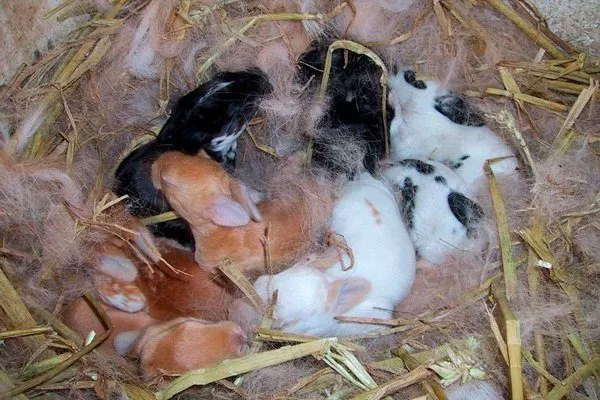
Baby rabbits are very vulnerable and sensitive. They don't tolerate sudden temperature changes well and are afraid of drafts. The optimal conditions for newborn rabbits are a temperature of 38 to 40 degrees Celsius (100 to 104 degrees Fahrenheit) and humidity of around 65%.
Beware of rabbit colds: in low temperatures and high humidity, the risk of rabbits catching a cold increases to 90%. Young rabbits generally do not tolerate colds well, and they can be fatal.
Young rabbits should also be kept completely clean. In warm weather, try to clean the cage daily, and in cold weather, at least every other day. A dirty cage can harbor pathogens that can seriously harm young rabbits.
Training methods
Despite their friendly nature, almost all rabbits are quite willful. They don't particularly enjoy being held and don't appreciate being taught.
The first thing you should do after bringing your rabbit home is let it settle in. Then, you can open the cage, but don't pick it up right away—it may be stressed.
Observe how the baby behaves in the open cage. If it's reluctant to come out and explore, it's still frightened, and you should leave it alone for a while. A sign that the rabbit has settled in and feels comfortable is if it moves freely around the cage in your presence. Once this stage is reached, you can begin gradual taming.
To help your baby get used to you more quickly, offer him a treat every time you approach his cage. If your rabbit is angry or about to bite you, never hit him.
An effective method for training such bold individuals is to press their head to the floor—a sign of dominance. Reward your pet with treats if they do what you want.
Another important rule that applies to all rabbits is avoiding loud noises. Try to avoid sudden, loud sounds when training or taming your pet. By nature, they are like small children who refuse to listen to their parents. Don't yell at your little one; speak to them in a quiet, calm voice, and they will understand you much more quickly.
Sterilization and castration
If you don't want your mixed-sex pets to reproduce, you should contact a veterinary clinic, where you can receive advice on spaying and neutering your rabbits. It's worth noting that owners of decorative rabbit breeds often resort to this procedure. It helps to "calm" the hormonal balance of sexually mature animals, allowing the animal to live a calm life, free from seasonal hormonal surges and mood swings. It's also beneficial for hygiene purposes.
Tendency to diseases
The most vulnerable areas of rabbits are the ears and skin. Ear diseases These can arise due to poor hygiene, especially in lop-eared breeds. As for skin conditions, various dermatitis (including allergic) are also common.
Colds are a concern for rabbit owners of any breed. It's important to note that any rabbit illness requires prompt diagnosis and specialist attention, as improper self-treatment of your pet can lead to serious consequences.
Advantages and disadvantages
Before purchasing representatives of this species, it is worth once again considering the advantages and disadvantages of keeping rabbits of this breed.
Advantages:
- "Dwarf rams" are considered the most tame breed of rabbits;
- This breed is characterized by high intellectual abilities;
- charm and prettiness leave neither adults nor children indifferent;
- Its small size allows you to keep your pet in a small apartment.
Flaws:
- fear of temperature changes and drafts often becomes the cause of death of an animal;
- The damage a rabbit does while walking around the apartment can cause material damage.

Reviews of Dwarf Ram rabbits
Keeping decorative rabbits requires attention and responsibility. Dwarf ram rabbits are among the most easy-to-care-for and popular worldwide. These animals are highly intelligent, easily trained, and bring a wealth of joy to their owners.