
The Flanders rabbit is an ancient breed. It is a large animal and highly prolific. The Belgian Giant (another name for this rabbit) is comparable in size to a medium-sized dog. Flanders are bred for their fur and lean meat.
History of the breed's origin
The Flanders rabbit's historical homeland is Belgium, hence the name "Belgian Giant." More precisely, rabbit breeding took place in the Flanders region, from where the new breed was transported to North America. Opinions on the origins of these domesticated animals are divided. There are three official theories:
- The Flemish rabbit is a result of breeding the Argentine, Patagonian and Flemish breeds.
- The Belgian Giant is a descendant of the Patagonian rabbit (native to Patagonia), which was brought from Argentina in the 16th and 17th centuries for mass breeding.
- The animal was created by crossing large Argentine and Flemish rabbits, which are now extinct species.
Belgian rabbits are very popular in the United States. They are not particularly common in what is now Russia. It is known that they were brought to the USSR in large numbers, after which they were used in the selection of domestic breeds such as the Soviet Chinchilla and the Gray Giant.
Features and specifications
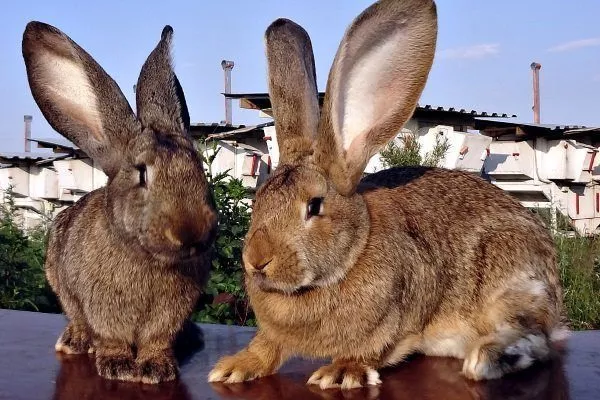
Flanders rabbits have an elongated body, a proportional head with wide cheeks, long, erect ears, and powerful paws that are actively used for defense. The muzzle is dark, and the eyes are bright and brown. The rabbit's fur is short but dense, lighter on the belly than on the sides and back.
On average, an adult rabbit weighs up to 12 kg, but larger specimens (males) can weigh up to 25 kg. Their body length ranges from 67 to 80 cm, with a chest circumference of 35-38 cm. The average weight of a one-month-old rabbit is 700-1000 g, but by 8 months, this increases to 7-8 kg.
Flemish rabbits live up to 5 years. With proper care and maintenance, their lifespan can increase. These pets become loyal companions and can live in the same home.
Temperament
Flanders rabbits are intelligent and respond to their name. They are kind and harmless in appearance, but playful and outgoing in nature, and don't get into conflict with other farmyard animals.
Belgian giants often become full members of the family, find contact with small children, and are not aggressive towards adults.
Flanders rabbits have a dog-like personality, being just as intelligent and loyal. Representatives of this breed have already become favorites among rabbit breeders.
Signs of breed quality
The Flandres rabbit's body is longer than that of other breeds, which is why they are called Belgian Giants. Besides their large size, these pets have other distinctive features:
- Most individuals have a straight back, while some have a slightly concave back.
- The color is varied and includes all traditional rabbit colors.
- The ears are thick, erect, and reach 25 cm in length.
- The animals have short hair, the length of the coat is 4 cm.
- The front and hind limbs are proportional to the body.
- The color of the claws matches the shade of the coat.
- A distinctive feature of Flanders rabbits is the chin fold.
- ✓ The presence of a chin fold is a distinctive feature of the breed.
- ✓ The color of the claws should match the shade of the coat.
Productivity indicators
Females reach sexual maturity at 8 months and produce litters of 6-8 rabbits. Female rabbits produce a high amount of milk, so they can nurse up to 12 kittens. Kittens grow quickly, weighing 1.6-2 kg by the second month.
Compared to other breeds, the meat yield is insignificant – 55%. Slaughtering a 5.5 kg rabbit yields 3 kg of dietary rabbit meat. This is unprofitable from a business perspective. The animal's hide is also of low value.
We invite you to watch a video describing the Flanders rabbit breed:
The advantages and disadvantages of the Belgian Giant
Flanders rabbits are a favorite breed of breeders for their high milk production and high fertility (8-15 litters). Other advantages of these pets:
- unpretentiousness in food;
- strong offspring;
- rapid growth and weight gain;
- resistance to temperature changes;
- docile nature;
- stable immunity.
Belgian rabbits have their own disadvantages, which are important to consider when choosing the optimal breed for raising and breeding:
- low meat yield – 55%;
- late puberty – by 8 months;
- crooked legs from birth;
- insatiability;
- poor heat exchange;
- low quality of skin;
- bloating;
- predisposition to diseases of the joints and limbs.
Maintenance and care
Flanders rabbits are resistant to infections. To prevent illness, keep their cages clean. When choosing a breed, remember that rabbits have difficulty adapting to Russian weather conditions. They freeze in winter and die from extreme heat in summer.
Otherwise, Flanders rabbits are easy to feed and care for. If you create favorable climate conditions and provide a balanced diet rich in vitamins and valuable microelements, they will have velvety fur, healthy offspring, and a long life.
Selecting a cell
Flemish rabbits live in cages. They require ample space to ensure they not only remain in one position but also move around actively. Males and females should be housed separately, otherwise unwanted litters can occur.
- ✓ The minimum height of the cage should be at least 50 cm to ensure sufficient space for movement.
- ✓ The presence of a heavy bottom on the feeder will prevent it from tipping over.
For a female rabbit with kittens, the cage size is 170 x 110 x 50 cm. The dimensions of a single cage are 110 x 70 x 50 cm. Place the cages in a dry, warm location, considering the importance of the room, natural light, and protection from UV radiation.
Each cage should have a heavy-bottomed feeder and a water bottle. Provide bedding for the animal, cleaning and changing it periodically. Clean the cage if any unpleasant odors appear, otherwise germs that are dangerous to Flanders' health will multiply.
In addition to the cages, set up an enclosure where the animals can eat and frolic. Use only natural materials for flooring. Make sure the enclosure is protected from direct sunlight and drafts. If desired, you can make portable cages yourself.

Care instructions
Clean portable cages daily of food scraps and excrement, and allow the rabbits to walk in the enclosure. In summer, graze the animals in flowered meadows, but avoid direct sunlight. Otherwise, the rabbits may suffer heatstroke and die. If the animals live in a stuffy room, ventilate it regularly.
Disease resistance
Rabbits feel comfortable outdoors. Their immune system protects them from respiratory and viral diseases. To prevent a number of diseases, preventative vaccinations are a good idea.
Vaccinations against pasteurellosis, myxomatosis, and viral hemorrhagic disease are mandatory. The first vaccine is administered to rabbits at 1.5 months of age (in the spring) against myxomatosis. Two weeks later, a prophylactic vaccination against viral hemorrhagic disease is administered.
For routine vaccinations, visit your veterinarian. A specialist will examine your animals before vaccination to rule out early signs of respiratory disease. For sick rabbits, vaccinations are postponed until they have fully recovered.
Nutrition
Flanders are omnivorous, unfussy eaters, and very voracious. When properly fed, they quickly gain weight and grow.
Valuable advice from experienced rabbit breeders:
- Maintain a feeding schedule; feed your rabbits at the same time of day.
- Do not give fresh grass, first let it dry for 1-3 days.
- Do not feed animals frozen or spoiled food, otherwise digestive problems cannot be avoided.
- Wash fresh root vegetables, chop them, and do not include them whole in your daily diet.
- Introduce new foods gradually – at least over 5 days, do not overload the digestion.
- Do not feed Flanders whole barley, grind it in any way available.
- Soak legumes before feeding, and mix chopped cabbage leaves with a small amount of dry hay.
- Be sure to include branches, straw, and other coarse feed in the daily diet to sharpen the incisors.
- Make sure Flanders' diet includes vitamins to maintain healthy skin, claws, and teeth.
- Add 1-2 g of bone meal or crushed chalk to food or drink.
- Feed your rabbit a complete feed with vitamins and minerals. This product contains corn, wheat grains, and sunflower meal.
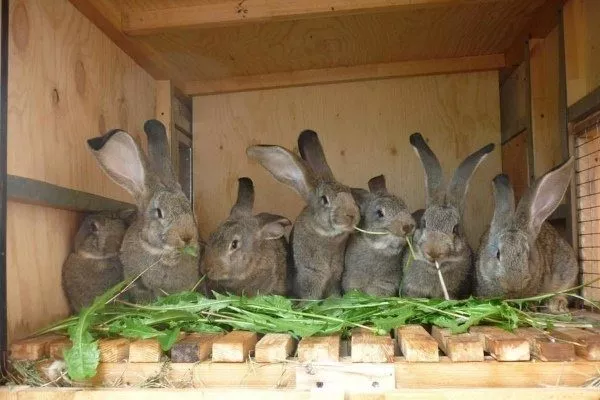
In addition to a balanced diet, maintain your pet's hydration regime. Clean water should always be available, and change and top it up daily. Securely drinking bowlTo ensure your rabbit doesn't run out of fluids, the optimal amount of water for the Flemish breed is 1.5-2 liters per day.
To prevent digestive upsets, add biomycin to the liquid. Consult your veterinarian for individual dosages.
Feeding rules
From compliance rules for feeding rabbits The quality of the skin and the health of the individuals depend on it. Flanders require feeding three times a day.
To ensure food is better digested and does not cause digestive problems, follow this diet:
- breakfast: half of the daily portion of concentrated feed;
- lunch: fresh grass (in summer), dry hay (in winter);
- Dinner: silage, the remaining portion of concentrated feed calculated for the day.
Prohibited foods
Flemish terriers have sensitive digestion. If fed improperly, they suffer from bloating and colic. There are a number of food ingredients that are prohibited in their daily diet. These include:
- broom;
- potato tops;
- poisonous herbs (belladonna, St. John's wort, nightshade, lily of the valley, celandine, arum, cornflower);
- branches of stone fruit trees.
Breeding
Female rabbits reach sexual maturity late, at 8 months. Males reach this stage much earlier, at 4 months. The female comes into heat once every 5-15 days. Gestation lasts 28-30 days. Litters are typically 6-8 kits, but births of 10-12 kits weighing 80-100 g have been reported.
With good nutrition and favorable living conditions, baby rabbits gain weight quickly. At two months, they weigh up to 2 kg, and at three months, up to 3.5 kg. According to veterinarians, the average monthly weight gain is 1-1.5 kg.
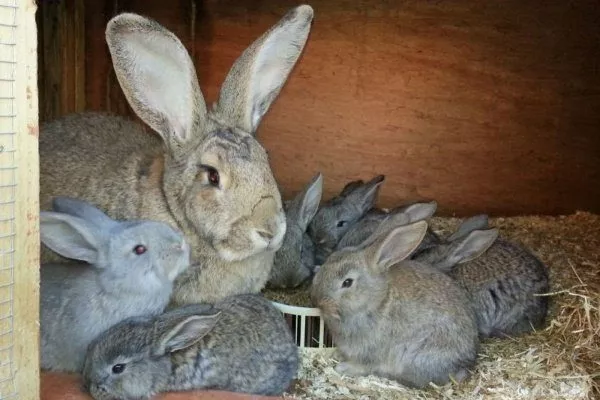
During the first month of life, the doe cares for her offspring, feeding them milk and cleaning them. There have been cases of the mother rabbit eating her own offspring. This is often due to a lack of water. Therefore, the breeder's job is to refresh the water bowl three times a day.
At 21 days of age, the kittens will leave their cage on their own and begin to try adult food. Since their immune systems are not yet fully developed, disinfect the cage before taking them outside. Monitor their water intake.
You might find our article useful: "Weaning rabbits from the doe: timing and rules".
Maintenance in the apartment
Flemish Terriers live peacefully in apartments and private homes, becoming full members of the family. They are kind and peaceful, don't bite, and get along well with children.
At home, the rabbit should live in a cage with a water bottle and a feeder. Use compressed wood pellets as bedding. Place the cage in a warm, draft-free area, away from direct sunlight. Flanders can die from heatstroke.
Clean the cage daily, otherwise it will emit a distinctive odor that will only intensify over time. Pressed pellets will control the odor, but only temporarily. Clean the enclosure, if present, once a week.
In a house where a Flanders rabbit lives, lay the floors with a natural carpet. Laminate, linoleum, and plastic flooring can aggravate pododermatitis. If symptoms of the disease appear, consult a veterinarian immediately.
Your pet's diet should include dry hay, green grass, and specialized compound feed. Feed your rabbit peeled and shredded carrots, cabbage, and beets from the table. They also enjoy parsley, lettuce, and other greens.
Reviews of the Flanders rabbit
Flanders rabbits are easy to care for and feed. With the right approach, they can become a good source of income, but this will require a well-equipped farm. Representatives of this breed are peaceful and calm, and enjoy playing with children, making them popular pets.