
Black-brown rabbits are very popular. Their main value lies not only in the dietary, tender, and healthy meat they produce, but also in their luxurious fur. Their fur is such a vibrant and unique shade that special dyeing or tinting is not required. Furthermore, these rabbits are large, so they produce a large amount of meat.
History of selection and breeding of the species
The Black-brown rabbit was developed by F.V. Nikitin. This was made possible through complex and lengthy selective breeding of the Viennese Blue, Chinchilla, White Giant, and Flemish Giant. The breed was developed in the 1940s.
The goal of the experiments was to develop not just a new species, but a breed with high productivity and good offspring. The specimen also had to be robust, easy to maintain, and heavy. Another goal was to produce high-quality meat and a beautiful pelt. This was achieved through the careful selection of the parent species used for crossbreeding.
Proper selection also played a key role in the breeding process. The species was finally formalized and approved only in 1948. Even after its approval, further improvements were made.
Appearance and main characteristics of the breed
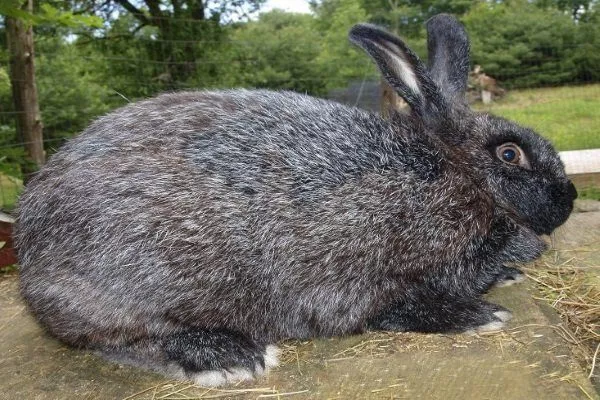
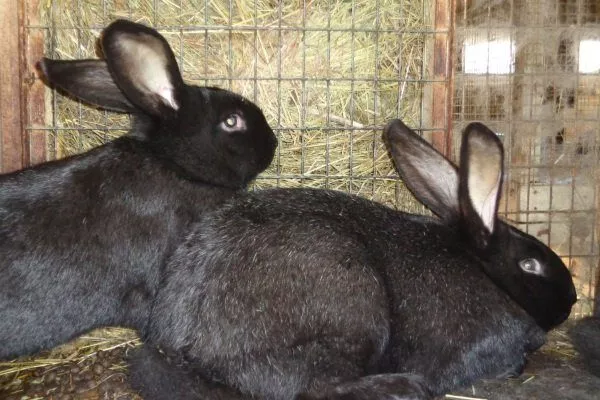
The dominant color of this species' fur is black. Along the sides are axial gray patches with black tips, and the fur has an interesting light blue hue. By 6-7 months, the fur is fully developed. The animal has increased hairiness. The fur is very soft and silky to the touch.
This is a mid-season breed that gains weight neither too quickly nor too slowly. This characteristic allows the average body weight to fluctuate between 3 and 6 kg. Some rabbits are true record-breakers, weighing over 7 kg.
Characteristics of the species
Purebred representatives of the breed described must have the following characteristics:
- the head is large and powerful;
- a well-developed dewlap may be present;
- ears are large – approximately 16 cm long;
- the body is very massive, strong – no more than 65 cm;
- the chest is strong - approximately 36 cm in circumference;
- Black is the dominant colour in the coat, with a silver veil rarely seen.
If the animal has all these qualities, then it is a purebred representative of the species.
Productive characteristics
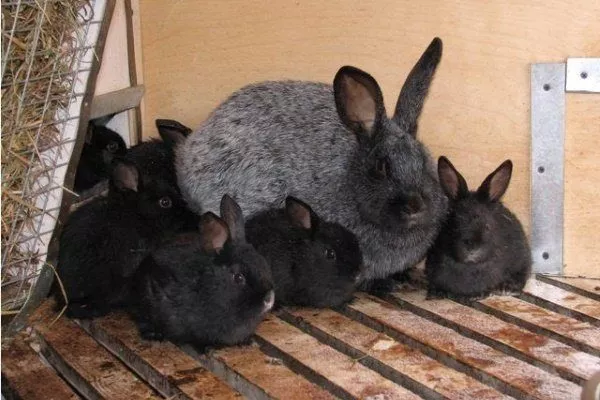
A single female rabbit can give birth to 8-9 kits, but this number varies depending on the individual animal. There are cases where a female rabbit gives birth to only 4 kits, each weighing around 80 g.
Provided they receive proper nutrition and follow all care and maintenance guidelines, they can reach a weight of approximately 3 kg by three months of age. Females have a strong maternal instinct, so they always care for their young alone.
Black-brown rabbits can be given rabbits of other species that their mothers have abandoned.
Fur characteristics
The presence of axial hairs and guide hairs gives rabbit pelts a thick and very soft veil. To the touch, the pelts resemble expensive, high-quality fur. The back and head are usually black, while the sides are blackish-brown.
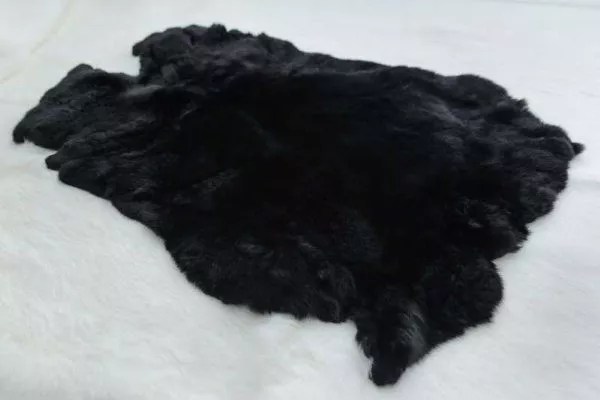
This species is very popular in fur farms and is a recognized champion for both quality and wool density. Its valuable characteristics include its high hairiness, reaching a density of 24,000 hairs per 100 square mm.
Individuals can have an amplitude of 19,500 to 28,000 hairs. Each axial hair is surrounded by approximately 55 downy hairs. When the fur is inflated, a funnel no larger than 3 mm is formed.
Defects and vices of the species
There may be individuals with the following defects:
- belly slightly saggy;
- body less than 54 cm in length;
- chest circumference less than 27 cm;
- weight below 4.3 kg;
- the female gives birth to 7 or fewer rabbits;
- Color defect - brownish veil, too dark fur, unevenly colored veil, isolated gray hairs on the back.
Representatives of the described breed may have some defects, which include:
- the skeleton is insufficiently or very weakly developed;
- body length less than 49 cm;
- hunched back;
- the chest is very poorly developed, less than 24 cm in circumference;
- paws are very thin or crooked;
- weight less than 4 kg, 7-month-old young individuals weigh less than 3 kg;
- color defect - there are tufts of gray hairs, the veil is too sparse and has a brownish tint, a large amount of gray hair or light-colored fur.
Advantages and disadvantages of the breed
Representatives of this species possess a host of positive qualities, which have contributed to their widespread popularity. Key advantages include:
- high survival rate;
- undemanding in diet;
- there is no need to create certain conditions;
- early maturity;
- the animals are rapidly gaining weight;
- rabbits have a high meat content;
- excellent quality fur;
- Adult rabbits have large body sizes.
The animals have practically no disadvantages, except that there can only be 5 rabbits in one litter.
For an overview of the breed, watch the video below:
Obtaining high-quality fur
Breeding this type of rabbit is becoming a profitable and quite successful business that anyone can engage in. It doesn't require any special equipment or large financial investments.
- ✓ The age of slaughter must be at least 8-9 months to achieve fur maturity.
- ✓ Elimination of the molting period to prevent the production of skins with uneven coverage.
These animals provide both tender, dietary meat and excellent-quality fur pelts. To obtain valuable fur, be sure to create the right living conditions and care for the animals. First, carefully select productive females.
Rules
There are two main rules that must be followed to obtain high-quality fur, especially if you plan to sell it.
Rule #1
It's important to choose the right age for slaughter. This is the period when the animal's skin fully and properly develops, and the mature coat, also known as the "winter coat," appears. It's important to avoid seasonal or age-related shedding.
Rule #2
It's essential to create high-quality living conditions for animals, allocate appropriate space, and choose the right cage for large animals. It's important to provide a complete and varied diet, as the quality of their fur depends on their nutrition.
If individuals are kept in inappropriate conditions, severe damage to the guard hairs occurs, including the coarse, long, and brittle hairs. During shedding, the animals develop an uneven coat, with patches of both very short and long fur.
If high-quality pelts are desired, it is recommended to slaughter this breed no earlier than when the animal reaches 8-9 months of age. This also requires avoiding seasonal shedding, which is common in adult animals.
Young animals begin to shed their fur when they reach 1.5 months of age. Shedding occurs periodically until they reach 3-4 months of age. There is a short break between the first two sheds—about 11-17 days. Shedding in young animals stops around six months of age. The withers and tail shed first, followed by the haunches.
Periods and duration of molting in adult rabbits
Special technologies have been developed to synchronize molting. These methods are used exclusively in large-scale meat and hide production. With proper animal selection and balanced diet, the molting period in adult animals can be reduced to no more than 10 days. This allows for high-quality fur to be produced in the fall and summer.
In private and small farms, a diet can be tailored to each individual animal. This includes the animals' daily routine and living conditions. This allows for the production of fur with at least grade 1 and 2 characteristics. Seasonal shedding may occur, as well as periodic age-related shedding.
Coat renewal occurs between March and April, beginning with the head and paws, followed by the tail, sides, and thighs. In females, this process is much faster; in males, it takes almost 2-2.5 months.
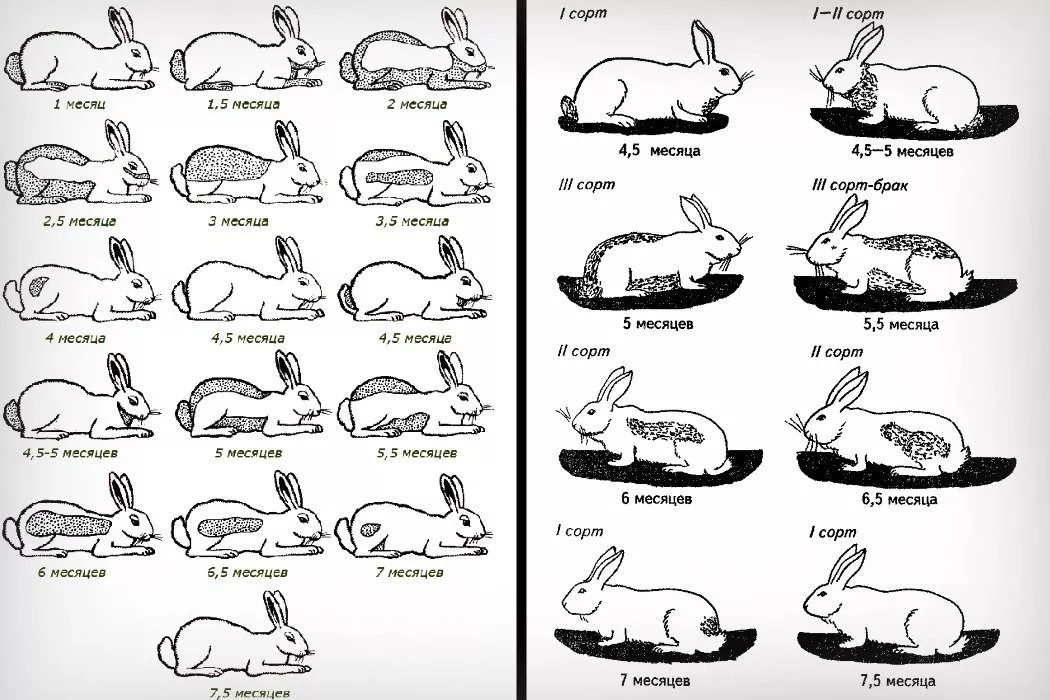
The image on the left shows the areas (symmetrically) affected by age-related molting and the age at which it occurs. The image on the right shows the grade of a rabbit skin if it is slaughtered for fur at a given age.
At the end of summer, the autumn shedding period begins, lasting two months. If the animals are kept in unfavorable conditions, shedding can take much longer. This reduces the likelihood of slaughtering animals to obtain high-quality pelts. During shedding, attention must be paid to feeding and creating suitable living conditions.
When molting begins, it is worth following several recommendations:
- Introduce a special paste designed for cats into their diet, which helps remove hair from their stomachs, as cats constantly lick themselves;
- Create a complete diet, use high-quality foods, thanks to which the process of fur renewal occurs in the shortest possible time, therefore, the shedding time is also reduced;
- trim hair that is already damaged;
- Comb your animal regularly.
How to preserve the quality of rabbit fur before slaughter?
There are several reasons why the quality of skins decreases:
- slaughter carried out during the moulting period;
- living of animals in unsuitable conditions;
- improper and limited nutrition;
- the presence of bites on the body of animals;
- Violation of the procedure for dressing and subsequent storage of finished skins.
Read on to learn how to properly tan a rabbit's skin at home. here.
Overly active animals that like to fight should be kept in separate cages. Animals can be separated if they become too large and become overcrowded in a single cage.
It's important to provide a balanced and nutritious diet, taking into account the region where they live. If possible, let your rabbits out for walks regularly. This species has a fairly fluffy coat, so they can easily tolerate subzero temperatures. Experienced rabbit breeders recommend following a few simple rules.
Rule #1
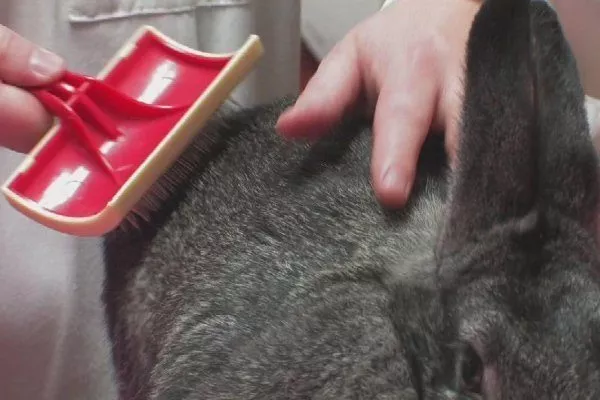
Carefully inspect the skin of all animals, gently fanning the fur. The skin begins to darken during molting, so animals should not be slaughtered for their fur.
After 10-14 days, conduct a re-examination. If there is pigmentation in the chest area, neck, front legs, and near the base of the hind legs, the animals are discarded. This indicates fur shedding.
If the animal is kept in unfavorable conditions, there's a chance that one layer of fur will overlap another. As a result, the pelts will be considered low-grade or defective.
Rule #2
Determine the specific type of shedding that has begun. Diffuse or scattered shedding may occur, occurring in specific areas or throughout the body. Reactive or zonal shedding is typical of improper care and severe stress, poor nutrition, impacts, friction, or plucking. It can also occur during pregnancy in females.
Zonal hair loss is symmetrical. In cases of asymmetrical hair loss, the health of all animals should be closely monitored. Be sure to take preventative measures not only for demodex but also for other diseases.
Rule #3
In some cases, obtaining second-grade pelts may be acceptable. It's crucial to determine when the first molt ends (pigmented spots appear only on the thighs) and when the second molt begins (pigmentation appears on the tail and neck). If necessary, such individuals are slaughtered immediately.
When selecting rabbits, it's important to ensure quality at every stage. Today, pelts are classified as:
- first grade – no defects, uniform and thick undercoat;
- second grade – there are minor deviations, the undercoat is less dense;
- third grade – used for cutting and producing felt;
- fourth grade - is a hat.
If you plan to raise rabbits on an industrial scale, proper care is essential. It's also important to keep in mind that during shedding periods or when the animals are sick, they should be kept in separate cages.
Features of care and maintenance
To obtain a good profit, it is necessary to create optimal conditions and proper care.
Lighting and temperature
It is recommended to keep representatives of this breed indoors, but in this case, proper lighting is essential. This allows for adjustments to the litter rate and improves farm operations.
Natural light isn't necessary for indoor lighting. Experienced rabbit farmers recommend minimizing the number of windows in the room. Therefore, specialized lighting equipment will be needed. A fattening system that utilizes various lighting modes is recommended.
A moderate temperature regime is essential. While temperature doesn't directly affect seasonal and natural physiological processes, discomfort during hot weather can lead to poor appetite in animals. If animals don't eat enough, this can negatively impact the quality of their pelts.
Equipment and cells
It's crucial to choose the right cages for these animals, designed for individuals that can grow up to 70 cm. It's important to have a wooden shelf inside for the animals to rest on. This design also helps maintain the high quality of their flank fur.
Healthy individuals tolerate cold quite easily, and do not require additional heating of the room.
Hygiene
If the goal of breeding silverback rabbits is to produce both tasty meat and pelts, special attention must be paid to animal care and hygiene. Unclean cages and frequent exposure to stress immediately negatively impact the quality of their fur. This disrupts the proper functioning of the sebaceous glands, causing the animals to simply stop washing themselves.
Diet for the Black-brown Rabbit
Animals need to be provided with proper, nutritious, and varied nutrition. The basis of a balanced diet is compound feed, but in the summer, you can also prepare your own.
You can read more about how, when and what to feed rabbits in this article.
What can you feed it?
Pets' diet should include:
- greenery – grass, leaves with tops;
- hard types of food – bark or tree branches;
- fiber;
- protein.
The herb helps boost immunity, as it contains a large amount of chlorophyll. This helps saturate the blood with the necessary amount of oxygen, significantly improve metabolism, and support immunity.
If animals are kept free-ranging and live in open enclosures, they can find their own food. A proper diet should include greens, fruits and fresh vegetables, and roughage with concentrated feed.
Vitamins and supplements
To replenish vitamins, offer fresh fruits and vegetables, including their peels, in the summer. Harvest green fodder, focusing on grains, meadow crops, and legumes. You can also feed green tops in small quantities, but only if they haven't been treated with toxic chemicals.
Diet directly impacts the health and functioning of the digestive system. Too many legumes can cause flatulence. The best choice is grain-based feeds based on nettle, alfalfa, clover, sorrel, and dandelion. Also, consider barley, oats, and fresh corn husks.
Feeding rabbits
Once your babies are three weeks old, you can gradually introduce yellow and red carrots into their diet. This allows them to eliminate vitamin supplements. It's recommended to offer as much vitamin K-rich food as possible, as well as kale, which is rich in beneficial nutrients.
There shouldn't be too much cabbage in the menu, otherwise it will act as a laxative.
How do black-brown rabbits reproduce?
Immediately after the litter is born, it's necessary to begin selecting individuals for subsequent breeding. This will allow for the proper formation of the breeding stock. If the breeder doesn't have their own "breeding stock," it's best to choose animals from a breeding stock specifically selected for breeding.
Puberty and recommended mating times
Female rabbits reach sexual maturity at 8-9 months of age. Males are ready to mate as early as 4 months. Once they reach sexual maturity, you can begin matingFemale rabbits make excellent mothers and are capable of producing litters throughout the year. Rabbits of this breed have a high survival rate and excellent disease resistance.
Pregnancy and kindling periods
Like other rabbits, females of this species have a gestation period of approximately 28-35 days. Kindling occurs relatively quickly, often taking less than 60 minutes. The mother and her litter require constant monitoring. Weaning rabbits from the female It is possible at the age of 30 days, when they switch to adult food.
How to choose the right rabbit and breeder when buying?
When purchasing, it's best to choose breeding stock and only purchase from a professional breeder. This will ensure the female has a high fertility rate, and the male has a calm disposition and will produce optimal litters.
- ✓ Activity and lack of fear of humans.
- ✓ Fur condition outside the shedding period.
Today, breeders are increasingly offering to purchase breeding does that have already been fertilized.
It is worth listening to simple recommendations:
- optimal weight of the animal;
- the animal is active and not afraid of people;
- choose only a purebred and large individual;
- Pay attention to the condition of the hair and check if it is shedding;
- Do not purchase an animal that has been kept in unfavorable conditions.
The ideal choice would be a fairly large animal with beautiful fur. The animal should fully meet breed standards. It's best to purchase rabbits in winter or summer, choosing between shedding periods.
Buyer's Tips
When purchasing animals for breeding, it's important to seek out a qualified breeder. It's crucial that they have their own stock of the same species.
Before making a purchase, be sure to inspect the farm and don't forget to inquire about all the details and care requirements of the animals. High-quality stock will guarantee good offspring, which will allow you to produce standard breeding stock in the future.
Reviews of the breed
Black-brown rabbits are very popular among both novice and experienced farmers. They produce tasty, nutritious meat and, of course, high-quality pelts.