
Burgundy rabbits are a highly productive meat breed. They are suitable for breeding and often become pets. They produce tasty meat and valuable fur. Burgundy rabbit breeding is well established in Russia.
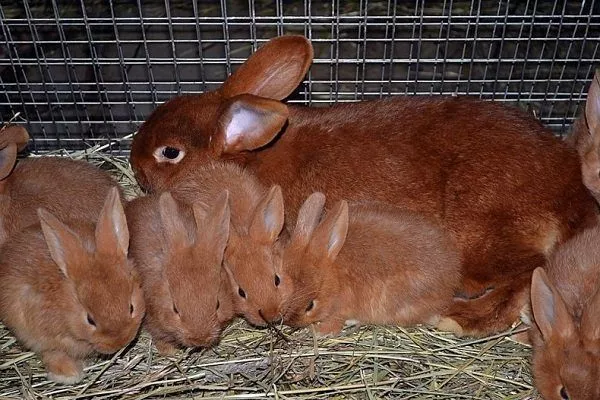
Burgundy rabbits grow quickly.
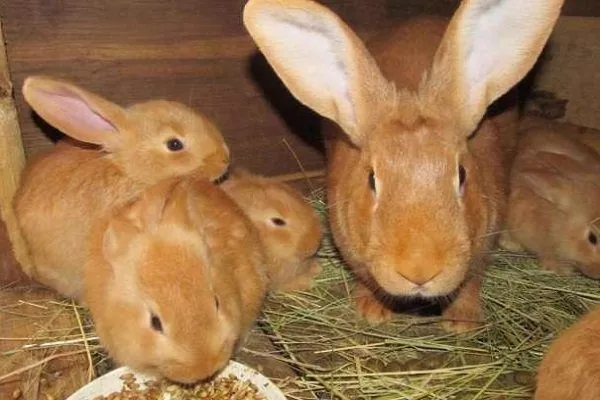
Adult rabbits weigh more than 3 kg.
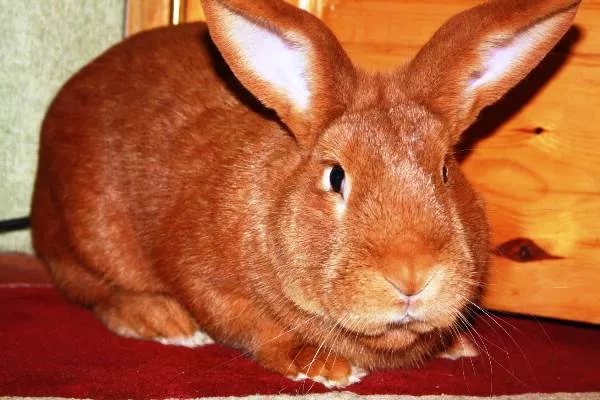
Burgundy rabbit
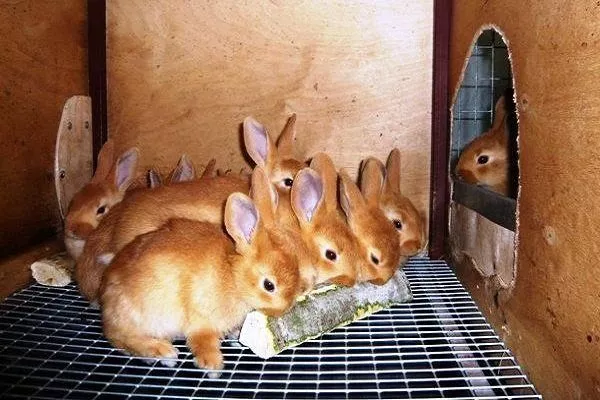
A litter of Burgundy rabbits can contain 5-6 rabbits.
History of the breed
The first rabbits were bred in France in the early 20th century. The Burgundy region is considered their historical homeland, hence the name. Burgundy rabbits are the result of crossing the Californian and New Zealand Red breeds.
Thanks to their delicious meat and high fertility, these animals have become popular throughout Europe. They are raised en masse in the United States, Denmark, Norway, Iceland, and Finland. Burgundy rabbits appeared in the CIS only in the 1990s and immediately became popular among domestic rabbit breeders. Today, the breed is more common in central Russia.
Characteristics and standards of the Burgundy rabbit
The rabbits are healthy, active, and resilient, acclimating well but not tolerating low temperatures. They grow quickly and reach their full weight by four months.
An adult male weighs over 3 kg, while a female weighs up to 4.5 kg. Thanks to their well-developed lower body and limb muscles, Burgundians can jump high, often using their paws for defense.
Appearance and features
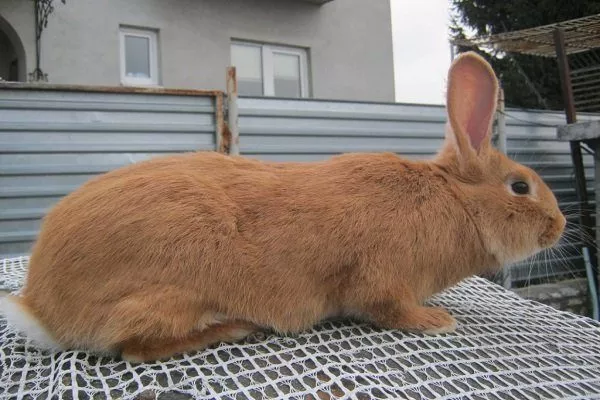
These animals have a broad head and nose, thick cheeks, and a massive forehead. The neck is short, with no visible transition to the body. The eyes are brown, wide open but not bulging. The ears are 11-13 cm long, erect, and covered with short hair.
The front legs are shortened, while the hind legs are massive and powerful. The nails match the color of the fur or are 1-2 shades darker. The rabbits have a coarse undercoat, which helps them acclimate more quickly to the harsh climate. The reddish-red fur with a scarlet sheen is the hallmark of the breed.
The fur is short but dense, highly prized on the market. The rabbits' coloring is uniform, from head to tail. Lighter shades or spots reduce the value and raise doubts about the breed's purity.
Males and females differ in appearance. The female is larger in build, but has an elongated body and a smaller head. The male is more massive, with a broad chest and head, and a more imposing appearance.
Breed characteristics
If you want to buy a purebred Burgundy, pay attention to the following breed characteristics (standards):
- body - dense;
- muscles – strong;
- color - brown with a red tint;
- eye color – from bronze to dark brown;
- fur – thick and coarse, but elastic;
- round, large croup;
- elongated muzzle;
- The ears are rounded at the ends, resembling spoons.
The rabbits' distinctive red fur, which shimmers in the sun, gives them a distinctive look. Faults include long, drooping ears, a body weight of less than 3.5 kg, and spots on the body.
Defective animals do not participate in exhibitions and are not suitable for breeding.
Value
This breed is a favorite among many rabbit breeders due to its high meat production and valuable fur. The meat is dietary. Females reach sexual maturity by four months and produce up to 10-12 litters, breeding 6-8 times a year. Natural pelts are offered for sale. Due to their small size and ease of sewing, they are always in high demand.
Meat
Burgundy rabbits have tender, lean, and very nutritious meat. 100 grams of fresh meat contains only 85 kcal. Furthermore, rabbit meat contains easily digestible proteins and valuable micronutrients, and is low in cholesterol. It can be consumed while dieting and for those with certain chronic illnesses.
With proper and high-quality fattening, Burgundy rabbits yield up to 60% tasty meat per carcass (net yield). Although the animals live up to 10 years, for profit, it's best to slaughter them at 4 months of age. This is when they reach their maximum weight.
Wool
Rabbits have short, dense fur. It is highly prized for its color and quality. Products made from rabbit fur are warm and durable. Although small in size, the pelts are in high demand in the clothing industry.
The short fur requires no trimming, and its unique color makes it ideal for creating exclusive wardrobe items. The fur is easy to sew and doesn't shed easily. It makes excellent hats, coats, vests, and other fur items for sale.
Maintenance and care
Burgundy rabbits live in cages. They don't complain about being cramped, but they don't tolerate drafts, dampness, or scorching sunlight. Under unfavorable conditions, the animal first becomes lethargic and passive, and soon dies.
To be productive, rabbits need to feel comfortable. Severe stress increases their risk of illness and shortens their lifespan.
Keep cages clean and always have fresh water. Line the bare grate at the bottom with a mat beforehand. Disinfect feeders and waterers regularly. Change the hay daily, monitoring its quality and composition.
If you bought a Burgundy rabbit as a pet rather than for breeding, take it for regular walks around the apartment. Before doing so, make sure all wires are securely hidden and that contact with furniture is limited. Otherwise, the animal will sharpen its teeth on them and damage them.
- ✓ Make sure the cage has metal bars no more than 2 cm apart to prevent escape.
- ✓ Check that there is a tray for easy cleaning.
What cells are needed?
This animal is easy to care for and doesn't require much space. The optimal cage size is 80x60x60 cm with metal bars. A must: there shouldn't be any bare bars under the rabbit's feet. If a wooden floor isn't possible, lay a warm mat underneath.
Place the cage in a bright area. Make sure the animal is not exposed to direct sunlight. In anticipation of the summer heat, install additional shelters to protect the animal from heatstroke and death. Ventilate the room regularly – stale air makes rabbits lethargic and poor eaters.
The optimal temperature range is between 10 and 20 degrees Celsius, with humidity no higher than 55%. Under comfortable conditions, rabbits remain healthy, and the female produces litters every 1-2 months.
Cell care
Proper cage maintenance minimizes the risk of illness in your rabbit. Clean the cage daily and ensure the mat under its feet is dry. Remove old hay and feed and provide fresh food.
Animals need clean water. There have been cases of doe rabbits, out of thirst, eating their own young. Clean the water bowl of mold and debris, disinfect it with boiling water, and let the water settle first.
Nutrition
Like other rabbit breeds, Burgundy rabbits eat rich hay in winter and fresh grass in summer. The ratio of roughage to compound feed is 80% to 20%. To prevent health problems and strengthen the rabbit's immune system, include vitamins and microelements in their daily diet. They can get these from specialized feed or fresh vegetables and fruits.
Include protein-rich legumes and grains, healthy root vegetables (carrots, boiled potatoes), cabbage, corn, and succulent grass in your rabbit's diet. As a preventative measure, use fruit tree branches and conifer bark.
Birch bark with tar in its composition disrupts proper digestion of the Burgundy rabbit.
In winter, rabbits often lack vitamin A. To combat vitamin deficiency symptoms, add fish oil and soluble vitamin A to their food. If phosphorus and calcium are deficient, include chalk in their daily diet, or supplement with bone meal or bone meal.
Read about how, when and what to feed rabbits in next article.
Diet
To ensure normal digestion in your rabbit, carefully plan the daily menu, strictly adhere to the feeding schedule and the sequence of serving food ingredients:
- Breakfast: half the daily requirement of concentrate, dry hay.
- Lunch: succulent food, vitamin and mineral supplements.
- Dinner: roughage, remaining concentrates.
When introducing a new ingredient into the diet, start with a small portion. Gradually increase the amount over 7 days, monitoring your rabbit's behavior, stool, and appetite. Avoid overfeeding, as this can lead to obesity.
Reproduction
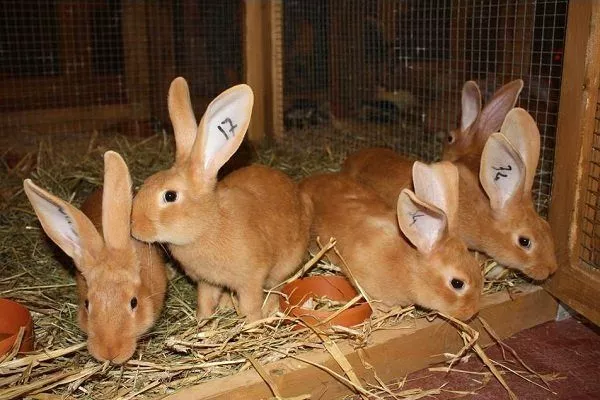
Burgundy females are lactating and prolific breeders. They reach sexual maturity at 5-6 months. Males are ready to mate at 8 months. Gestation lasts 27-30 days, and a litter consists of 5-6 kits. Cases have been reported of 10-12 kits being born at once.
A female rabbit's estrus cycle lasts 5 days and occurs monthly. Don't rush a young female, otherwise the offspring will be weak or even die. The optimal age for future parents is 8 months. For the first time, choose an experienced male.
Mating takes place in the male's cage, with any unnecessary items removed beforehand. If the female is in heat, mating occurs quickly. Afterward, the male lies on his side and growls. A test mating takes place five days later. If the female is pregnant, she will no longer allow the male to approach her.
Caring for young animals
A female can become pregnant up to eight times a year without any harm to her health. The kits are born hairless, naked, blind, and very small. Their eyes open only after 14-17 days, after which their activity increases. They feed on their mother's milk and begin to try dry hay at 1 month.
A week before the next litter, move the babies to a separate cage to prevent them from crushing the pregnant doe and causing premature birth. The cage should be dry, clean, and spacious. Feed the growing babies 4-5 times a day, but no less than every 8-10 hours.
At three months of age, separate the rabbits into separate cages. Males should be housed alone, while females should be housed in groups of three or four. It's essential that the animals are comfortable. Choose spacious cages, use additional covers in extremely hot weather, and ensure adequate ventilation.
In the fourth month, males are slaughtered, as they won't grow any larger. Spring females are suitable for a one-time addition to the herd. Young rabbits born in winter or fall have a coarse undercoat. They develop better than kits born in the summer.
Possible diseases
If your pet's stool or urine color changes or if they become lethargic, consult a veterinarian immediately. Burgundy rabbits have strong immune systems, but they are susceptible to illness. Digestive problems are especially dangerous, as they can die at a young age.
Warning signs include high fever and a heart rate of 120-145 beats per minute. Drafts are especially dangerous for the respiratory system. Respiratory diseases are among the most common diagnoses.
Possible diseases of Burgundy rabbits:
- Coccidiosis. The disease is caused by parasites, affects the digestive tract, and can be fatal.
- Cysticercosis. Parasites destroy liver cells, causing peritonitis and death of the animal.
- Pasteurellosis. The rabbit develops respiratory distress and a high fever, and dies within three days. The infection is dangerous and can spread to the entire herd.
- Myxomatosis. Nodules appear on the mucous membrane, which eventually merge into a single, extensive swelling of the skin. The animal takes on a disfiguring appearance and dies within 7 days.
- White muscle disease. Vitamin E and selenium deficiencies can disrupt your pet's metabolism. Dietary adjustments and medication are necessary.
- Prognathism. Protrusion of the lower jaw, which is a congenital defect and cannot be treated.
- Glaucoma. The main symptom of the pathology is bulging of the eyes due to increased intraocular pressure. Treatment is complex.
- Poisoning. The rabbit begins to vomit heavily, has diarrhea, and salivates excessively. The sick animal is given plenty of water to drink and treated with rice broth or adsorbents. If the first symptoms of intoxication are addressed promptly, the prognosis is favorable.
Parasites and food poisoning are dangerous for rabbits. In both cases, don't delay a visit to the veterinarian. Not just one rabbit, but the entire flock could be affected.
Disease prevention
Rabbit health depends on cage cleanliness, proper nutrition, and routine care. To avoid flare-ups and keep your entire flock healthy, regularly follow these basic preventative measures:
- Change the straw in the cage daily to prevent mites.
- Check hay for mold (this is one of the causes of poisoning).
- Disinfect waterers and feeders to prevent bacteria from growing.
- Feed animals only fresh food and water, do not experiment with food ingredients.
- Disinfect the barn (the place where the rabbits live) regularly.
- Inspect your rabbits' fur and ears for parasites 2-3 times a week.
- Carry out preventive vaccinations regularly according to the schedule.
- At the first signs of illness, contact your veterinarian.
The first vaccination against VGBK and myxomatosis is given to rabbits at 1.5 months of age. Acquired immunity lasts for 6-9 months, after which routine booster vaccinations are administered. Combination vaccines have been developed that protect rabbits against several fatal diseases simultaneously. Isolate sick animals immediately and consult a veterinarian.
- Administer the first vaccination against VGBK and myxomatosis at 1.5 months of age.
- Repeat vaccination after 6 months to maintain immunity.
- Update vaccinations annually as recommended by your veterinarian.
Peculiarities of choosing a rabbit
When choosing a Burgundy, decide what you need it for. For mass breeding, buy purebreds, even though they are more expensive.
Other selection criteria, regardless of the breeder's future plans:
- The fur is uniform throughout the body, of the same color without sharp changes.
- The rabbit is well-groomed, cute, and calm.
- The animal's color is rich and shimmers in the sun.
- The skin is elastic, the fur is no more than 3 mm in length.
- Purebred rabbits from a breeding farm have a brand.
- The skin is clean, without inflammation, the eyes are shiny.
- The presence of tangles and bald spots are symptoms of diseases.
- Purebred individuals are an order of magnitude more expensive than crossbreeds.
Watch the following video for eight reasons why you should breed Burgundy rabbits:
Advantages and disadvantages of the breed
Burgundy rabbits are popular among breeders around the world, so they need no introduction. The advantages of this choice are obvious:
- high fertility;
- unpretentiousness in food;
- high meat yield;
- general purpose;
- valuable skin;
- strong immunity;
- impeccable health.
Burgundy rabbits have no significant disadvantages.
Reviews
Burgundy rabbits are attractive for their good-natured appearance, calm and sociable nature, and intelligence. Breeders are more interested in their high fertility, meat production, and ease of care.