
The Angora rabbit is a group of breeds raised for its down, which is used to produce the famous Angora wool. These animals are exceptionally beautiful, so they are often kept as ornamental animals. Let's learn how to breed and care for the Angora breed—at home and on a farm.
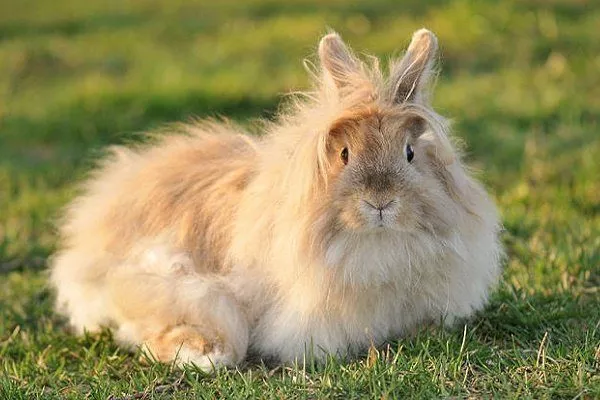
History of origin
Downy Angora rabbits first appeared in Turkey—at least, that's where the first mention of them is found. It's also believed that the breed's name comes from that country's capital, Ankara.
The fluffy rabbits were brought to Europe by sailors. There, they were bred as beautiful pets—these exotic animals were primarily kept by aristocrats. Over time, the breed spread throughout the world. In Russia, the Angora rabbit has been bred since the 19th century.
Today, China is the largest producer of Angora rabbit fur, producing over 8,000 tons of raw material.
Description and characteristics of the Angora rabbit
Before breeding Angora rabbits, you must purchase a stock of livestock. If you intend to breed the breed, it's especially important to purchase healthy animals that match the breed's appearance.
General characteristics of the breed:
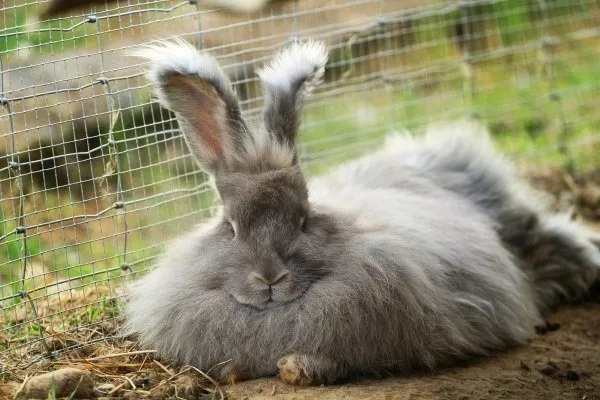
- All Angora subspecies have a short, cylindrical body and a large head. The muzzle can be blunt or elongated, depending on the breed.
- The ears are small, with fluffy tufts at the tips. The "hairstyle" varies by breed, but most have long hair.
- All rabbit subspecies have very fast-growing claws. They are sharp, allowing the animal to cling firmly to tree and shrub roots. Because of this, rabbits' claws are trimmed twice a month.
- The fur covers the eyes, so it must be carefully brushed out. The fluff should not cover the eyes.
Choosing a pet
Features of choosing an Angora rabbit:
- A rabbit should be over three months old. By this time, the baby rabbit weans, develops sexual and breed characteristics, and ceases its emotional and physical bond with its mother. By three months, the animal is fully weaned on adult food.
- It is recommended to purchase young animals from specialized nurseries or from breeders who specialize in breeding purebred rabbits.
- The animal should hop joyfully from place to place and eat its food with gusto. Rabbits prefer to rest lying on their side.
- The anus, eyes and nose must be clean.
- The animal's coat should be soft to the touch and shiny. The coloring should be appropriate to the breed.
- The back is rounded, not sloping or humped.
- Bite - the upper row of teeth should overhang the lower row slightly.
- The appearance and weight should be consistent with the breed. The standard weight of an animal, depending on the subspecies, can range from 2 to 6 kg.
- ✓ The rabbit's activity level should be high, avoid lethargic individuals.
- ✓ Check the condition of the coat: it should be clean, without tangles or signs of skin diseases.
When purchasing a purebred rabbit, be sure to check the breed certificate and vaccination records.
Fertility of downy rabbits
Angora does produce two litters in their first year, producing approximately 10-14 kits per year. The frequency of litters increases each year. The total litter size of a single doe over 3-4 years is over 40 kits.
Color
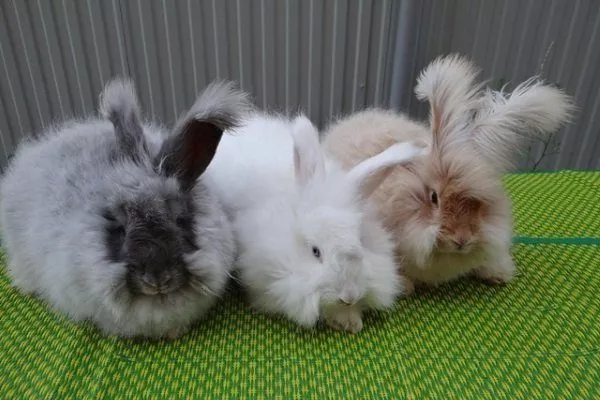
The color of Angora rabbits depends on the breed. It can be:
- snow-white;
- black;
- fiery red;
- dark brown;
- silvery;
- Chocolate is the rarest color.
A purebred rabbit is considered to be a single color; multiple colors are considered a defect. Each color has its own eye and claw color. For example, a purebred rabbit has only red or blue eyes.
Character
Angora rabbits, as is typical of all rabbits, are timid. When near these animals, avoid making noise or making sudden movements. They are quiet, making virtually no sound. This is especially true for decorative varieties. Rabbits of this breed are also known for their friendly and playful nature.
In the video below, a breeder talks about the character of Angora rabbits:
Life expectancy
The average lifespan of an Angora rabbit, with proper care, is 6-8 years. Animals kept in cages have a longer lifespan than those kept in pits or in the field. Farmed animals are typically culled at 5-6 years of age. Does have an even shorter lifespan—4 years. After 4 years, a female's productivity declines, making her unprofitable.
Angora rabbit breeds
Breeders have developed several breeds of Angora rabbits, differing in size, body structure, length and color of fur.
Weight and annual amount of down in popular breeds of Angora rabbit:
| Breed | Annual amount of down from one individual, g | Weight of an adult rabbit, kg | Wool length cm |
| English | 450 | 2-3.5 | 5 |
| Satin | 400 | 3-4.5 | 9 |
| French | 550 | 3 | 6 |
| German | 1500 | 4-5 | 5 |
| Giant | 1200 | 4-5 | 8 |
| Downy | 500 | 2.5-4.5 | 9 |
| Russian dwarfs | 350 | 1.5-2 | 6 |
Other characteristics of the breed:
- English. The muzzle is flat, the head is wide. The body is completely covered with fur. The coat requires brushing every three days.
- Satin. The muzzle, paws, and ears are hairless. The coat is of higher quality than that of other breeds—it's stronger.
- French. The ears have tufts. There is no fur on the face or paws. The coat is not as demanding as that of other breeds and does not require extensive grooming.
- German. They have snow-white fur and red eyes.
- Gigantic. The down is all white. The ears have tufts. They are very fluffy rabbits and shed little. Purebred individuals are only white.
- Downy. The coat is black, smoky, and blue. It has tufts on its ears. Its fur is 92–96% down, with the remainder being guard hairs.
- Russian dwarfs. The body is solidly built. The head is broad. The ears are short. The coat is white, black, black-and-white, blue, red, and red-and-white. Bred in the USSR.
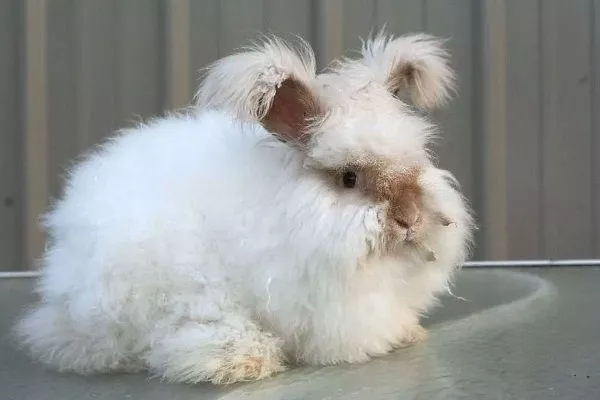
English "Angora rabbit"
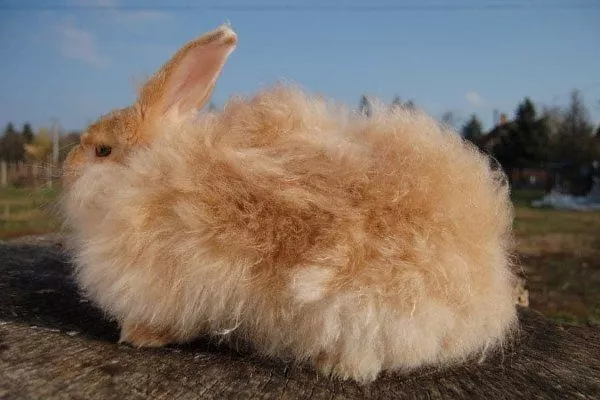
satin "Angora rabbit"
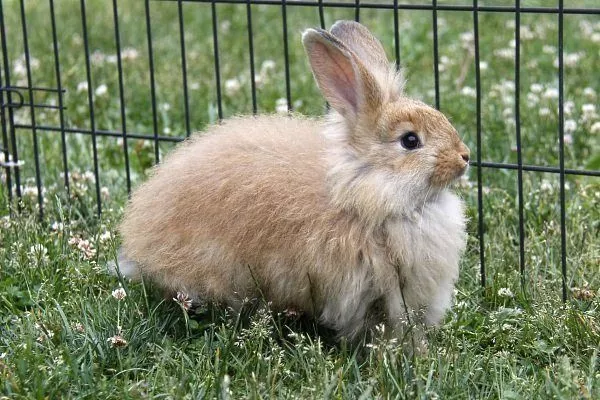
French "Angora rabbit"
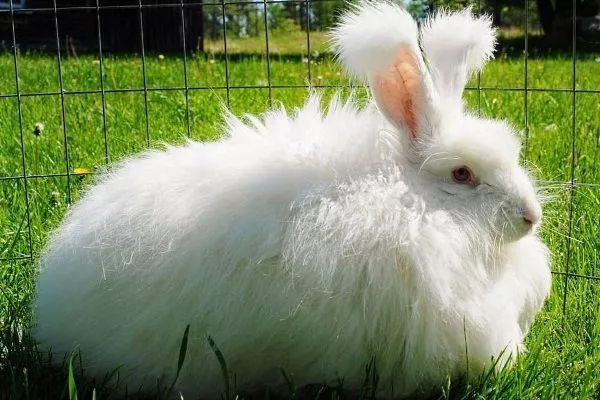
German Angora rabbit
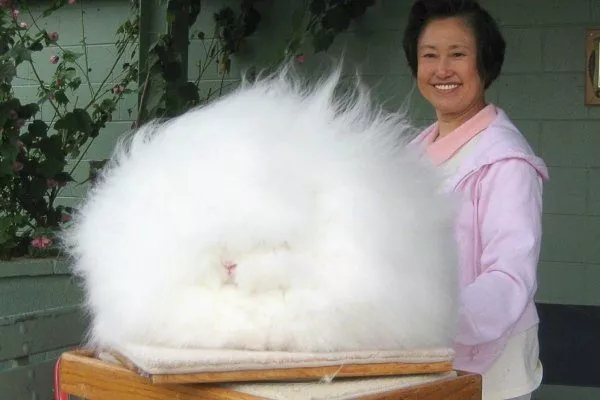
giant "Angora rabbit"
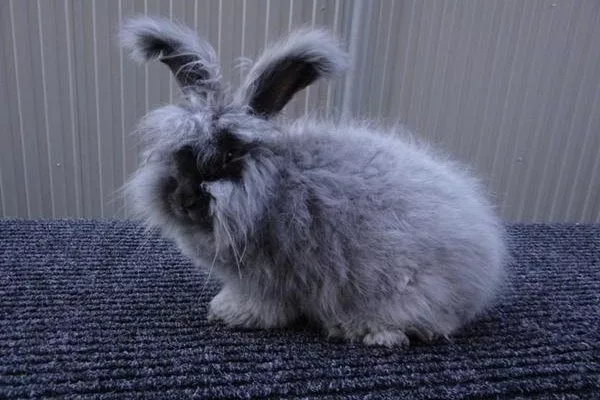
downy "Angora rabbit"
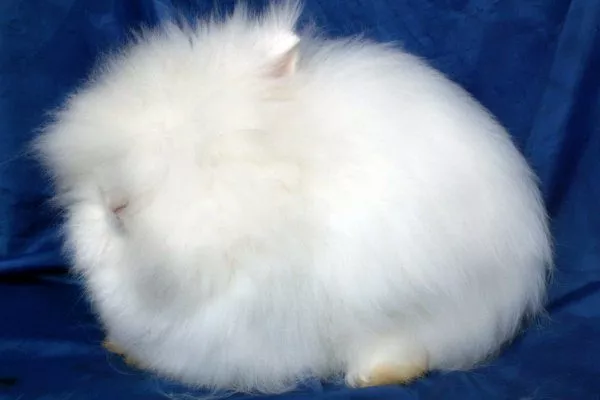
Russian dwarf "Angora rabbit"
Pros and cons of the breed
Advantages:
- High wool yield. Angora rabbits are exhibitors at agricultural exhibitions, fairs, and festivals.
- Decorativeness. These animals are kept at home for pleasure, simply as pets.
- Calm behavior. The animal makes minimal noise, is non-aggressive, and does not scratch.
Flaws:
- The animals are quite small. Their fluffy fur makes them appear large. Because of their light weight, this breed is unprofitable for meat production.
- Requires careful care. These animals are prone to illness if poorly cared for.
- When kept indoors, the problem of males marking their territory arises. Neutering or cage keeping solves this problem.
- An animal must constantly wear down its teeth, as they grow throughout its life. Because of this, domestic rabbits may chew on furniture and wallpaper.
Housekeeping
Fluffy rabbits resemble large balls of fluff. Many people, captivated by the beauty of the Angora breed, keep them as pets. Before bringing one into your home, it's helpful to learn about the specifics of caring for one.
Caring for Angora Rabbits
Care features:
- Angora rabbits are brushed regularly – once a week.
- Animals are washed with special solutions, which are sold at veterinary pharmacies. Rabbits don't like water treatments.
- The animals are trimmed every 3-4 weeks. Drying their fur with a hairdryer is allowed, as this removes dead hair.
- Grooming tools include metal combs, slicker brushes and scissors.
- At home, rabbits are kept in a cage that needs to be cleaned regularly. It's washed and free of food scraps and feces. If kept in a dirty environment, the animal will likely become ill and contract an infection. Treating rabbits is difficult, time-consuming, and expensive.
- The cage should be equipped with a food bowl, a water bottle, a hay compartment, a litter box (the animals like to relieve themselves in one place), a mat, and toys. You can also add a box to the cage—the animal will enjoy hiding in it.
- The cage is ventilated for half an hour daily. Stale air is harmful to rabbits.
- Low humidity is recommended to prevent the animals from developing pneumonia and other respiratory diseases.
- Brush the coat weekly with a special comb to prevent tangling.
- Trim every 3-4 weeks, paying special attention to the area around the eyes and anus.
- After cutting, use a hair dryer on low heat to remove dead hair.
Feeding
Feeding rules and principles:
- The main diet consists of concentrated feed mixtures, hay, and vegetables. Dry bread and dairy products are also acceptable. Seasonal fruits, greens, and succulent root vegetables should be included in the daily diet.
- Rabbits need to be fed on time, otherwise they will chew on inedible objects.
- Greens should only be given in a wilted state—they should sit for a while. Rabbits happily eat alfalfa, reed grass, and hogweed.
- Along with food, animals can receive vitamin and mineral supplements.
- It is forbidden to give moldy bread to rabbits.
- A specially designed drinking bowl should always be located in the feeding area, so that the rabbit cannot contaminate it with food or its own feces.
Food bowls should be ceramic so that the rabbit does not chew them.
Training
Although rabbits are shy, they can be trained. To get them used to people, pet them frequently. Feeding them treats also helps with taming. Rabbits have a keen sense of smell, so they remember their owner's scent and respond positively to it.
Angora rabbits are known for their intelligence and quick wit. They can follow simple commands. However, training them requires patience and regular training. They should be let out of their cage every day. However, they should never be left unattended—they're sure to chew something. Electrical wires are especially dangerous—they can get electrocuted if they chew through them.
It is recommended to walk domestic rabbits outdoors; a special leash is purchased for this purpose.
Do they get along with other pets?
Angora rabbits are peaceful and get along well with other animals, including cats, dogs, and others. If you raise a puppy and a baby rabbit together, they're sure to be friends.
Rabbits love affection, so before getting a furry bundle of joy, you should evaluate your capabilities – whether you have enough time and desire to care for a pet.
Aviary keeping
When breeding rabbits on a farm, they are housed in barns with outdoor run areas, enclosed with chain-link fencing. Pit housing is unacceptable for downy rabbits. When keeping downy rabbits, the most important thing is to keep their down clean. Its luster and beauty depend on a nutritious diet.
Young animals are kept separately from adults. Animals are kept in small groups, separated by sex. Fighting rabbits are placed in separate cages.
Is it profitable to grow?
Unlike rabbits raised for meat, downy breeds cannot be kept in pits. They require clean, dry enclosures, which are expensive to build, and wool prices fluctuate wildly. Ten years ago, they fell so low that Angora rabbit breeders no longer profited from breeding them.
After another crisis, rabbit breeding in Russia was virtually destroyed. Recently, breeding of downy rabbits has experienced another boom. But Russian rabbit breeders have a major competitor: China. Europe also produces a lot of Angora wool.
Breeding down rabbits isn't exactly a lucrative business—it requires significant investment and meticulous care. However, given the decline in rabbit farming in Russia, anyone who ventures into the down business will certainly find a market and profit.
Purpose
Rabbit down products are pleasant to the touch, soft and silky. They are hypoallergenic and even have a certain therapeutic effect, helping with neuralgia and radiculitis.
Very few items made from angora wool are commercially available today, but abroad, it's used to make jackets, knitwear, felt, velour, and other items. Products made from rabbit down are comparable in value to vicuña, alpaca, and cashmere. Unlike these fibers, rabbit down doesn't require expensive processing—washing, drying, etc.—and can be processed directly. This is another argument in favor of developing the down business.
The video below explains the purpose of Angora rabbit down:
Conditions
Downy rabbits are kept in a spotlessly clean environment. Their cages are regularly cleaned, scrubbed, and washed—this is the only way to maintain the high quality of their fur. The animals' habitat should be free of debris; even traditional bedding of hay or sawdust should not be used, as this will prevent excrement from immediately sinking in and soiling their fur. The cage should be perfectly smooth inside to prevent the rabbit from getting caught or injured.
Feeding
How to feed Angora rabbits:
- Angoras are fed the same amounts as regular meat-and-fur rabbits. The only difference is the amount of digestible protein. The daily requirement for adults is 19-24 g. Therefore, Angoras are fed with meal, oilcake, meat and bone meal, skim milk, legumes, and special compound feeds.
- The animals do not require any special nutrition, except for preparations to dissolve hair in the stomach.
- To waste less grain and concentrates, the proportion of succulent and green fodder is increased.
- Until six months, the animals are fed an unlimited diet of complete pellets and hay. After six months, decorative rabbits are fed a limited amount to prevent obesity. Animals bred for their downy coats are also advised against becoming overweight, as excess fat reduces productivity and shortens their fur.
- To ensure good fur growth, the animals are fed granules with a high protein content – 18%.
- Angora rabbits are fed:
- hay - alfalfa, timothy grass, meadow grass;
- concentrates – complete ration granules;
- compound feed, consisting of oats, barley, wheat, corn;
- succulent feed - root vegetables, vegetables, fresh herbs.
- It's best to avoid feeding white cabbage. Fresh cabbage leaves can cause bloating in rabbits due to fermentation in the stomach. This problem is often fatal.
- Nipple-type waterers are used, allowing animals to drink without getting their fur wet. If their fur gets wet, dust and dirt will stick to it, causing mats that will need to be trimmed.
Succulent feeds should be given with caution, monitoring the rabbits' intestinal health. If the furry creatures develop diarrhea, their fur will become dirty. Bathing rabbits is also not recommended.
To prevent the fur from getting wet and dirty, it is trimmed in particularly vulnerable areas – near the anus and muzzle.
Breeding of the breed
Compared to other breeds, the Angora rabbit matures late. Females are bred at one year of age, while other breeds do so at six months. A doe gives birth to eight kittens at a time. Pregnant does are kept in comfortable conditions, with favorable humidity and temperature maintained. Sudden fluctuations in temperature should be avoided.
70% of females are kept for their down, 30% are used to produce young, which are quickly replaced. After a female has produced two generations, she is used solely for down production.
Mating occurs in the male's territory. Often, one "date" is not enough. The female can be aggressive. If several males participate in the mating, at different times, the litter will be larger. If the female does not accept the male, conception has occurred. The kits are born within a month.
Tips for choosing a rabbit
How to choose a rabbit for breeding for down:
- You should only buy livestock from a nursery.Mongrel rabbits may be sold at the market.
- Check the health of the animalHe should be free of parasites, his eyes should be clear and not cloudy.
- Don't think that a high price is evidence of purebredness.Carefully study the exterior characteristics of a particular breed, and when purchasing animals, scrupulously compare them with the original.
When buying a pet, the most important thing to consider is whether you have the time to care for a restless animal. If you're getting two rabbits of different sexes but don't intend to breed them, contact a clinic immediately to have them spayed or neutered.
Vaccinations and diseases
Rabbits are prone to intestinal and stomach problems, so they require monthly veterinary checkups. These furry creatures, especially during shedding season, may become lethargic and lose their appetite after swallowing hair.
Angora rabbits are vaccinated more often than other breeds:
- the first – at 1.5 months;
- the second one – after 3 months;
- the following are repeated every six months.
After vaccination, your pet may be lethargic and refuse to eat—this is a normal reaction. Vaccinations don't protect against all diseases, and rabbits can still get sick. At the first sign of alarming symptoms—discharge from the nose, eyes, or anus—consult your veterinarian immediately.
The most common diseases:
- Encephalozoonosis. This is a parasitic disease that affects the nervous system and internal organs.
- Myxomatosis. An infectious disease that affects the skin.
- Cataract. Clouding of the eyes.
- Coccidiosis. A contagious disease that affects the liver and intestinal mucosa.
Reviews
To ensure a profitable down rabbit breeding business, it's essential to properly organize the process, ensuring both reproduction and a high gross product. Raising Angoras requires care and attention from the breeder; if you're not prepared to delve into the nuances of rabbit life, this isn't for you.