
Goat skin has long been recognized as a valuable material in the world of crafts and artistic pursuits. It serves as the basis for creating a variety of items: from warm clothing and footwear to unique accessories and home decor. Before goat skin is transformed into a beautiful product, it undergoes a long and meticulous tanning process.
Characteristics of goatskin
Goat meat is a highly valued material, characterized by its density, strength, and elasticity. Goat hides are used to create beautiful, warm, and lightweight garments.
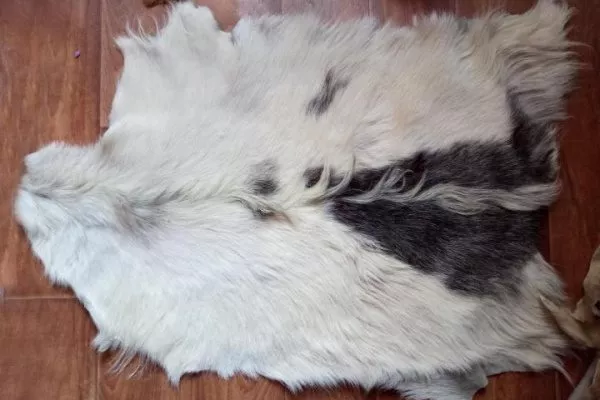
The skins of young goats and some other species are used to produce the famous chevreau and other semi-finished fur and leather products. The total weight of a fresh skin accounts for approximately 5-6% of the goat's total weight, although this figure can vary depending on the breed and age of the animal.
Adults produce larger pelts than young animals. The thickness of the pelt varies: from 1.8 to 2.5 mm for mature females, from 2.2 to 3.5 mm for adult males, from 0.9 to 1.4 mm for kids aged 2-3 months, and from 1.3 to 2.2 mm for kids aged 5-6 months. The quality of the raw material depends on the conditions in which the animals are raised.
Classification of goat skins
Goatskins are classified into different types of leather based on several criteria. Within each category, different material variations can be distinguished.
By age
| Name | Leather thickness (mm) | Age of the animal | Application |
|---|---|---|---|
| Evaporation | 0.9-1.4 | Newborn | High thinness and elasticity |
| Opoek | 0.9-1.4 | Newborn | Thinness and elasticity |
| sprout | 1.3-2.2 | 3 months | More dense |
| Neblyuy | 1.8-2.5 | 6 months | More durable and less thin |
| Half-leather | 2.2-3.5 | 1 year | More density and strength |
| Full weight | 2.2-3.5 | Sexually mature | The most durable |
Goat skin varies depending on the animal's age and life stage. Here are the main categories of skin:
- Evaporation. Derived from a newborn goatling, removed from its mother's womb, this type of leather possesses a unique quality and is characterized by its exceptional fineness and elasticity.
- Opoek. Made from newborn kid skin, it's thin and elastic.
- Sprout. Obtained from a three-month-old animal, this type of leather is denser than boiled and calf leather.
- Don't bleed. Made from skin harvested after the animal has been alive for six months, it becomes more durable and less thin.
- Half-leather. This is the hide of a one-year-old animal. At this age, the skin begins to acquire greater density and strength.
- Full weight. Obtained after the goat reaches sexual maturity and maximum growth. This type of leather is the most durable and suitable for creating more durable products.
Each of these categories has its own unique characteristics and applications in the textile and fur industries.
By breed
| Name | Wool type | Flexibility | Application |
|---|---|---|---|
| Bread goatskin | Low hair count | Greater flexibility | Shoes, bags, gloves |
| Steppe goatskin | Thick wool | Less flexible | Shoes, bags |
| Goat fur leather | Shorthaired | Thick and dense | Outerwear |
Skins are classified by goat breed and their characteristics. Let's take a closer look:
- Bread goatskin. Derived from dairy goat breeds such as the Russian goat, these hides are characterized by a low hair count and are highly flexible. They are used to make shoes, bags, gloves, and other items.
- Steppe goatskin. Obtained from rough, fluffy, and coarse goat breeds, as well as their crossbreeds, such as the Orenburg breed, these hides have thicker wool and, although less flexible, provide excellent heat retention. They are used in the production of shoes, bags, and other items.
- Goat fur leather. Derived from short-haired goats, such as the Don and Soviet breeds, these hides are the thickest and densest of all breeds. They are used to make outerwear and other items that require additional warmth.
Each type of goatskin has its own characteristics and is used in various areas of the textile and fur industry, depending on its flexibility, density and thermal insulation properties.
By the area of the canvas and the length of the wool cover
| Name | Length of coat | Texture | Application |
|---|---|---|---|
| Fur shorthaired | Up to 4 cm | Short hair | Outerwear, rugs |
| Long-haired fur skins | More than 4 cm | Long hair | Coats, carpets |
| Moire-clam skins | Short pile | Lying flat or slightly raised | Scarves, gloves |
Skins are classified by the area of the skin and the length of the rough covering. Skins are classified as:
- Fur shorthaired. Obtained from adult goats with short hairs measuring approximately 4 cm or less, these pelts are typically used to create fur products such as outerwear and rugs.
- Long-haired fur skins. Obtained from adult goats, their wool is longer than that of short-haired goats, with hairs longer than 4 cm. These skins are also used in the production of fur products, such as coats and carpets.
- Moire-clam skins. Made from the skins of baby goats with a short pile that can lie flat or be slightly raised, these skins are commonly used to create accessories such as scarves, gloves, and other small garments.
Each of these categories of skins allows them to be used in different types of fur production, depending on the desired properties, such as the length of the wool and its texture.
By variety
| Name | Pile | Shine | Application |
|---|---|---|---|
| First grade | Short | Pronounced shine | Headwear, collars |
| Second grade | Dense, glassy, wavy | Glassy | Collars, vests, coats |
| Third grade | Matte, more than 4 cm | Matte | Collars, winter clothing |
| Fourth grade | Overgrown, 4-8 cm | Matte | Linings, carpets |
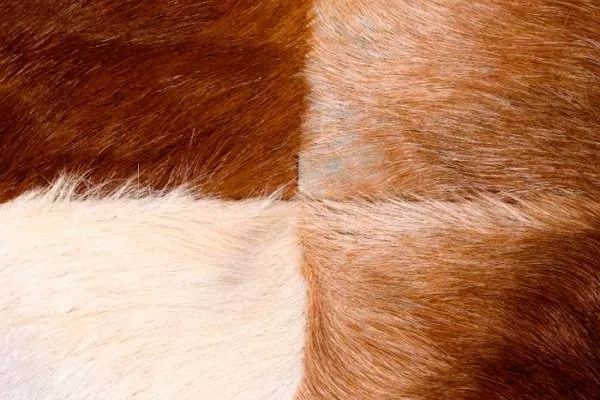
Depending on the properties of the wool and its intended use, skins are classified into grades. The following grades of goat skins are distinguished:
- First class. Characterized by a low pile with a distinct sheen, these skins are commonly used to make hats. They are also sometimes used to make collars and lightweight, temperature-regulating clothing.
- Second grade. It has a dense, glassy, wavy pile. These skins are used to create thick collars, warm vests, coats, and jackets.
- Third grade. Characterized by a matte-looking pile over 4 cm long, these skins are used to make collars and winter fur clothing.
- Fourth grade. Includes skins with overgrown nap, ranging in length from 4 to 7-8 cm. These skins are typically used to create linings, collars, and carpets.
The varieties are used in various types of production and allow the creation of a variety of fur products with different textures and degrees of insulation.
By appointment
| Name | Place of fur | Strength | Application |
|---|---|---|---|
| Goat fur coat | Inside the product | High | Sheepskin coats, headwear |
| Goat tannery | The outer part | Very high | Saddles, bags, gloves |
| Goat fur | Outside of the product | Average | Fur coats, mantles, collars |
Goatskins are classified by their intended use. Based on this, they are divided into the following categories:
- Goat fur coat. These skins are used to create sheepskin coats, hats, vests, sheepskin coats and other clothing, where the fur is located inside the product and serves as a source of warmth and comfort.
- Goat tannery. Skins in this category are used in the manufacture of saddles, bags, gloves, covers, and other haberdashery. Goat leather is characterized by its strength and durability, making it suitable for items subject to increased stress and wear.
- Goat fur. These skins are used to create fur coats, mantles, collar accessories, and other outerwear where the fur is on the outside. Goat fur allows for the creation of stylish and warm garments that give the wearer an elegant and luxurious look.
Selecting the appropriate goat meat depends on the specific needs and intended use of the material.
How to skin a goat?
Goat skin tanning is an important process for obtaining high-quality material that can be used to create a variety of products. To properly preserve and tan goat skin, follow these steps:
- Immediately after removing the skin, carefully remove any remaining meat and fat from its surface using a sharp knife.

- Sprinkle the entire hide generously with salt, paying particular attention to the edges. Then fold the hide into a packet, with the edges touching, and place it in a slightly inclined container for three days. This process helps preserve the hide and prevent it from decomposing.
- After the salting process, hang the hide horizontally, skin side up, in a dry room. This allows the hide to dry evenly and maintain its quality.
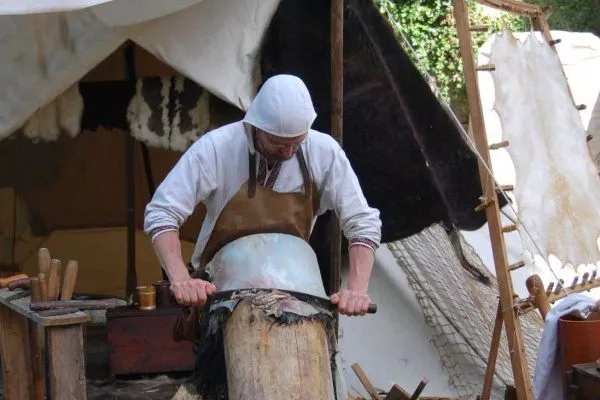
Proper processing and storage of leather play a crucial role in maintaining its quality and durability. By following the recommendations for preserving and tanning hides, you will be able to obtain valuable material for a variety of products.
What do you need to tan the skins?
Before you begin, prepare all the necessary materials and tools. This will not only speed up the hide processing process but also ensure a high-quality result. You will need the following materials and equipment:
- Water. Prepare about 30 liters of water for each skin.
- Salt. Use non-iodized table salt. You'll need about 2-3 kg per hide.
- Plastic basins. Prepare two large plastic bowls with a capacity of approximately 90-100 liters or more. These will be used for the curing process.
- Tools. Prepare large wooden tongs or a thick stick for working with the hide. You will need a knife and a scythe.
- Brush. Prepare a stiff-bristled brush for cleaning the skin.
- Table or hoop stand. This is necessary to secure the skin during processing.
- Soda. Use about 2 kg of soda for each skin.
- Alum. You will need about 1.5 kg of alum for each skin.
- Rubber gloves. It is advisable to wear rubber gloves to protect your hands.
- Additional materials. Depending on the processing, battery acid and bran may be required (approximately 1 kg per skin).
Dressing goat meat at home
The process of goat skinning is complex and time-consuming. To obtain a high-quality hide, the best time to process it is immediately after skinning, while it is still warm. It is often difficult to complete the tanning immediately, so it is important to at least perform some initial preservation.
Primary preservation
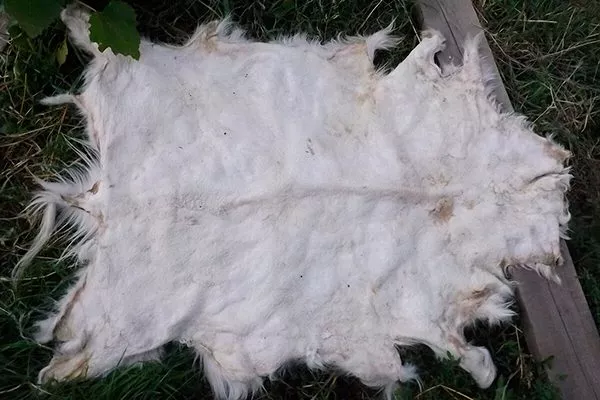
To preserve goat hide and leather before tanning, it is recommended to use the dry-salt method. The salting procedure is as follows:
- Lay the freshly removed skin so that the fur is facing inward and the flesh side (skin) is facing up.
- Use a sharp tool to scrape away any remaining meat from the surface of the skin.
- Sprinkle the entire skin evenly with dry, non-iodized salt, paying particular attention to the edges.
- Wrap the skin in an envelope, making sure that the flesh side is on the inside.
- Transfer the material folded in half and place it in a suitable container for three days.
- After this time, unfold the skin and hang it horizontally, with the flesh side up, bending it along the ridge line.
- Store the skin in a dry place, such as an attic.
Soaking
After the preservation process, the hide becomes excessively stiff and lacks elasticity, making subsequent processing difficult. To make the raw material soft and flexible, it must undergo a softening procedure by immersing it in water in a special way.
This process causes the goat skin to swell and remove various impurities such as dirt, excess proteins and concentrates.
The process step by step
It's best to use soft water for this operation. If the water is hard, you can adjust its chemical properties by adding alkali.
- ✓ Use soft water or adjust its hardness by adding alkali to improve the quality of soaking.
- ✓ Maintain water temperature in the range of +10…+20°C for an effective soaking process.
To determine the required volume of water, you can use the following simple calculation: multiply the dry skin weight by 6. The goat skin soaking process occurs as follows:
- Place the leather cloth in a deep container and leave it for 2-4 days. Water temperature affects the speed of the process – it should be between +10 and +20°C. To prevent rotting, add an antiseptic, such as Norsulfazole, to the water at a rate of two tablets per liter.
To avoid excessive swelling of the fabrics (a phenomenon called “swelling”) during prolonged soaking, use table salt (40 g per 1 l) or soda ash (1 g per 1 l). - Every two days, carry out fleshing, which is the next stage of goat skin processing.
The soaking time depends on the preservation method:
- With the wet-salt method of preservation, the fabric is soaked and then rinsed in clean water, which usually takes several hours.
- With the dry-salt method of preservation, soaking is more complex. The water temperature is raised, and an antiseptic is added.
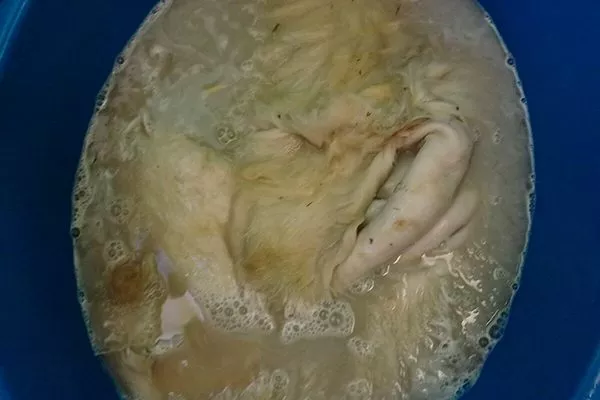
Chemicals for soaking
To soak the leather quickly and effectively, it's important to maintain an optimal solution temperature, which should be between 25 and 30 degrees Celsius. Lower temperatures will slow down the soaking process, increase the curing time, and may reduce the quality.
Helpful tips:
- To improve the hydration of the leather, add a surfactant (surface-active agent) to the solution, such as hand-washing detergent or wool washing powder. Laundry soap can also be used. The amount of leather detergent is approximately 2 g per 1 liter of solution.
- Neutral salt, or sodium chloride (table salt), plays an important role in the leather soaking process. It helps prevent excessive swelling of the skin's dermis under the influence of warm water, which can lead to deterioration of the leather's quality.
The amount of salt depends on the condition of the raw material: for freshly dried hides, 50 g of salt per 1 liter of solution is sufficient; for dry-salted hides, 30 g of salt per 1 liter.
The subcutaneous layer of dried skin can harbor dormant putrefactive bacteria. When exposed to warm water, these bacteria rapidly multiply, which can degrade the skin's quality. To prevent this, add an antiseptic to the warm solution—19% Formaldehyde.
Acceleration of soaking
To more effectively soften dry hides during soaking, use dehydrating accelerators. For this purpose, add the following components:
- Acetic acid (70%) at a rate of 2 g per 1 liter of solution. Acetic acid helps speed up the soaking process of the raw materials.
- Sodium sulfate is a white powder or crystals, available in a 1 g per liter solution. Sodium sulfate, also known as sodium sulfate (Na2SO4), helps soften dried leather more effectively.
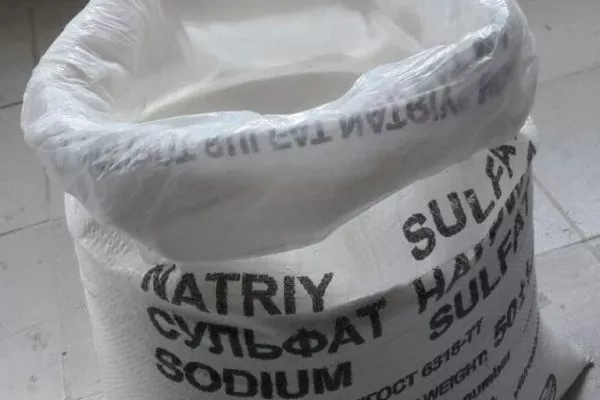
These components speed up the soaking process and make fleshing the skin easier.
Effective mixing in solutions facilitates the partial removal of dirt, grease and sweat deposits on the wool and flesh during the soaking process of the skins.
Fleshing
The fleshing procedure involves removing the residual subcutaneous layer immediately after soaking, and also stretching the fabric until it is completely even.
In industrial settings, fleshing is performed using specialized machines. At home, a large, sharp knife or a sharpened scythe can be used for this purpose:
- To make the operation easier, place the skin with the fur facing down and smooth it out on a wooden block, which should be positioned at an angle of approximately 35 degrees.
- Move the tool's blade in a scraping motion. Initially, direct the tip from the center of the canvas toward the left hind leg, and then similarly toward the right hind leg.
- After this, do the same for the top. If the deck is small, rotate the raw material for ease of handling.
The main thing is to carefully remove the thin top layer of subskin, avoiding damage to the integrity of the skin.
Pickling
This process is carried out after removing the top layer of leather. The hides are treated with an aqueous solution containing various acids and table salt to make the leather supple and soft.
The following types of acids can be used at home:
- vinegar;
- sulfuric;
- salt;
- ant.
Table salt plays a vital role in this process, interacting with acids. A deficiency of this component can lead to the destruction of the hide.
To prepare the solution, use the following recipe:
- Take 9 g of acid per 1 liter of water.
- Add salt in the amount of 60 g per 1 liter.
- The water temperature should be around +25 degrees.
This process can be described as treating the skins using a special aqueous solution containing acids.
Flushing
After treating the hide in the acid solution, rinse it thoroughly with clean water. To remove dirt and acid residue, rinse the hide with tongs or a stick. Dip it into the bottom of the container several times to allow the dirt to drain.
Change the water several times, until it's as clean and clear as possible. If you plan to use the goatskin in products that will come into contact with the human body, add baking soda to the water. It helps neutralize allergens—approximately 100 g per 1 liter of water.
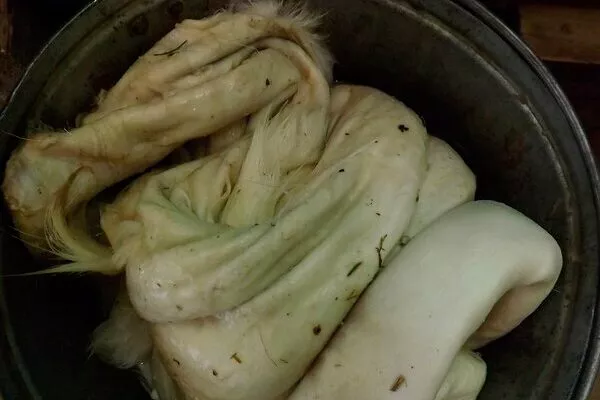
After this treatment, begin drying the hide, unrolling it in its usual position. In good ventilation, the hide usually dries completely in about 10 hours.
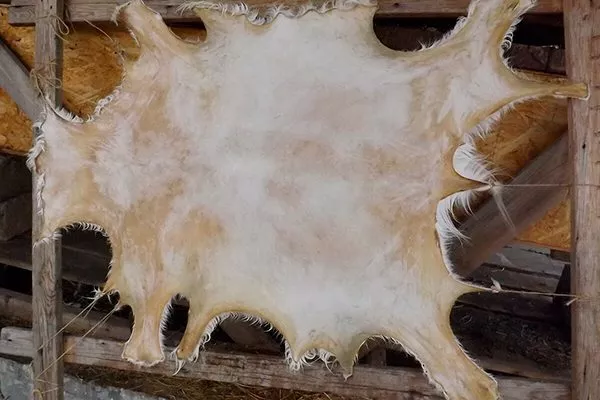
Tanning
Pickling is a process that makes leather soft and supple after washing it in an acid solution. Although washing can leave the material somewhat rough, its suppleness can be restored through tanning.
There are many ways to perform this procedure, but at home, the alum method is recommended. For this, you'll need the following ingredients per 1 liter of warm, clean water:
- 500 g of soda (table soda or soda ash);
- 4 g chromium alum;
- 5 g of table salt without iodine;
- 1.5 g aluminum alum;
- 1 g of hyposulfite.
The total volume of liquid is calculated, as before, based on the weight of the raw material multiplied by 6. The salt and hyposulfite are dissolved in the water. Then, soak the hides in the solution for 45-60 minutes, turning them over 2-3 times.
Proper tanning will result in a greenish color. After tanning is complete, rinse the hide with clean water and dry.
Fattening
The final step before final drying involves softening the hide with fat. To do this, prepare an emulsion and apply it to the flesh side in a bucket or basin for 6-8 hours. There are two softening compositions available:
- In water at a temperature of 45°C, mix the following components per 1 liter: 450 g of lard (lamb or pork), 20 ml of 25% concentration ammonia, 50 g of fish oil.
- Another version of the lubricant is made from equal parts glycerin and salted egg yolks.
Choose one of these mixtures and soak the hide in it in a bucket or basin for the specified time. Then, soak the hide in warm water with gasoline or kerosene (no more than 1.5 liters per piece) for 30-40 minutes to remove excess oil. Then rinse the hide thoroughly and let it dry, stretching it out as directed.
Cleanup
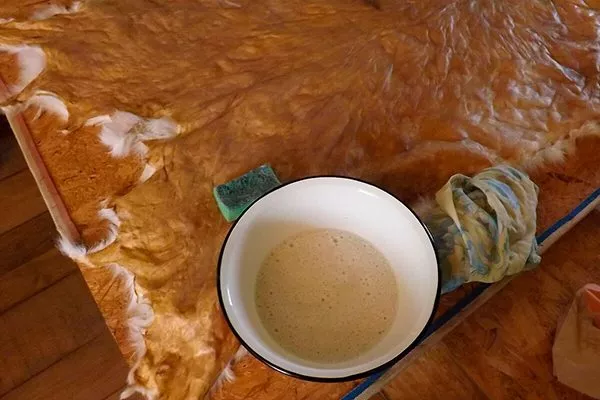
After thoroughly drying the hide, once it's dry in the center, lay it flat on the floor without tautening it. Then, take a brush and gently scrub the flesh side until it becomes lighter. Use light pressure and gentle movements.
After thoroughly wiping, dry the hide in the shade. This usually takes another 2-3 days for the hide to fully dry and be ready for use.
Additional processing
Once the hide is completely dry, lay it out with the flesh side facing up and inspect it for any remaining imperfections or film. It's important to remove all these defects, as they can affect the pliability of the material and create problems when sewing items.
Helpful tips:
- Remove any uneven areas with sandpaper or a scythe, while draping the hide over a tray. Avoid tears and holes to ensure the hide remains soft and smooth to the touch, with free movement in all directions.
- Comb the fur to prevent matting. Remove excess dust and dirt as you go. To give the coat a shiny, well-groomed appearance, apply a carpet cleaner to the pile and then brush it out.
- Sometimes, dyeing the hide may be necessary. This can be done before or after fatliquoring, depending on the pigment. Dyeing helps conceal minor imperfections, imitate more expensive fur, and add style to future products. Use natural or synthetic pigments for dyeing. Application techniques may include soaking or using a large brush.
Finally, watch a video about a home method for dressing goat skins:
Hide dressing is an art that requires knowledge, experience, and specialized skills. It's a process that makes the hide soft, durable, and gives it the characteristics needed for subsequent processing and use.