
The Shami (Damascus goat) is a breed that has historically provided humans with milk, meat, wool, and leather. In this article, we'll explore the breed's key characteristics and tips for keeping and breeding these goats.
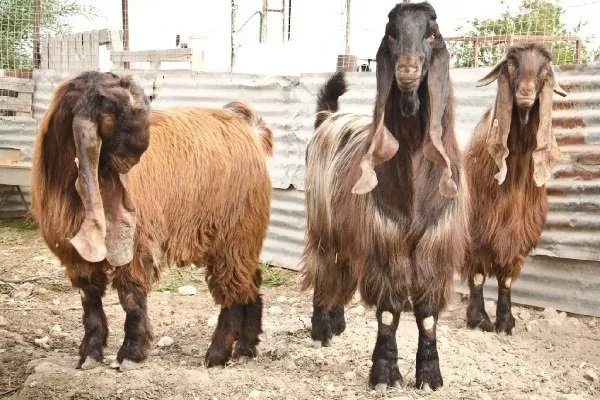
Shami goats
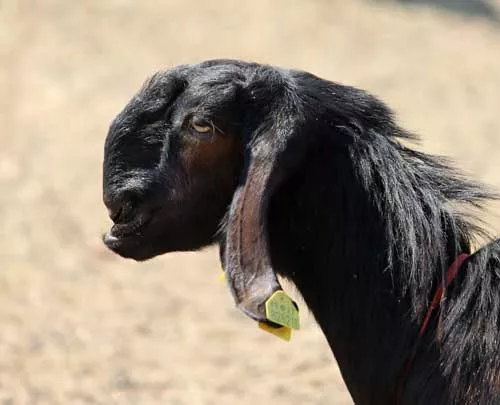
Profile of Shami the Goat
History of origin
Damascus goats are several thousand years old and originated in the Middle East. Their ancestors are the Cyprus goat. Many proverbs, sayings, and ancient chronicles mention these goats throughout human history. Syria is considered the historical homeland of the Shami goat. The goats received their second name from the Syrian city of Damascus.
The breed gained worldwide fame after a goat beauty contest held in 2008, where Shami won the title of “Most Beautiful Goat.”
Damascus goats are currently raised and bred in Palestine, Cyprus, Israel, and Syria. Due to their high productivity, breeders use these goats to improve certain breeds, including the Saanen and Nubian shorthair goats.
Description and characteristics of the breed
In terms of popularity and cost, Shamis compete with Arabian horses.
The young Shami goats are cute, with small heads and long, curly ears, but the adult goats have a rather unusual appearance:
- the head is disproportionately large;
- the lower jaw is protruding forward, but the standards require a normal bite;
- humped nose;
- ears are long, up to 32 cm;
- eyes are light, but other colors are also allowed;
- the neck is long;
- Most goats have horns, but gradually breeders are trying to breed polled Shami;
- tall – male goats reach 103 cm at the withers, female goats – about 84 cm;
- legs are thin and long;
- large sizes – the weight of male goats reaches 130 kg, smaller goats – up to 95 kg;
- Newborn kids weigh on average 3.5 kg, sometimes there are individuals weighing 5.5 kg;
- the fur is thick and long, covering the entire body;
- The color is red-brown, brown and yellow shades are also found, there may be white spots, but this is undesirable, black shami are not welcome, this is a rare recessive color;
- the character of goats is characterized by calmness and good nature;
- They are hardy and easily adapt to different climates, and can live on any terrain.
Long ears help regulate the animal's body temperature and contain numerous blood vessels. In hot climates, goats use them to release excess heat to avoid overheating.
Historically, Shami goats are more often selected not for milk yield, but for the correct head shape. An animal with a beautiful head shape is valued higher than a goat with external flaws but producing more milk.
Features to consider when choosing a goat:
- a head of regular shape with a characteristic hump on the nose;
- ears should be long and well-groomed;
- the coat is shiny and pleasant to the touch;
- eyes are transparent, light;
- strong legs.
- ✓ Activity level and social behavior of goats in the herd.
- ✓ Availability of a veterinary passport and vaccination history.
Productivity of Shami goats
Damask goats are versatile animals, renowned not only for their unique appearance but also for their productive qualities. Although they are considered a dairy breed, they have historically provided humans with not only milk but also meat, beautiful wool, and excellent hides. They are also known for their prolific births.
Shami are unpretentious and can survive on a meager diet, but the better the living conditions and the more complete the diet, the higher the milk yield and the better their health.
They nurse their young 240-305 days a year, during which time they produce between 640 and 1,100 liters of milk. A single goat produces about 5 liters of milk per day, and champion goats produce up to 9 liters.
Shami produce high quality milk:
- milk fat content 3.8-4.5%;
- protein 3.7-4.4%;
- The taste is good, without any aftertastes or foreign odors.
Shami goat breeding
Shami goats reproduce well, grow quickly, and gain weight. This is facilitated by the following characteristics of this breed:
- Males reach maturity at 9 months.
- Females are ready to bear and give birth to kids from 7-9 months to 6 years. However, it's still advisable not to breed a goat until she's a year old, so her body can strengthen and better prepare for pregnancy. It's important to ensure the goat weighs at least 42 kg.
- A goat is giving birth This breed gives birth once a year and can produce 2 or 3 kids, sometimes 4. The fertility rate is 180-250%.
- Kids are weaned from their mother at the age of 45 days, but to increase milk yield, it is more common to wean the kids at two days of age and feed them with expressed mother's milk for up to one and a half months, while the goats themselves are milked.
- After the birth of the kids, the goat's next heat occurs in 45 days.
- Kids gain weight very quickly. By four months of age, they weigh 34-36 kg. Kids gain 200-300 g per day.
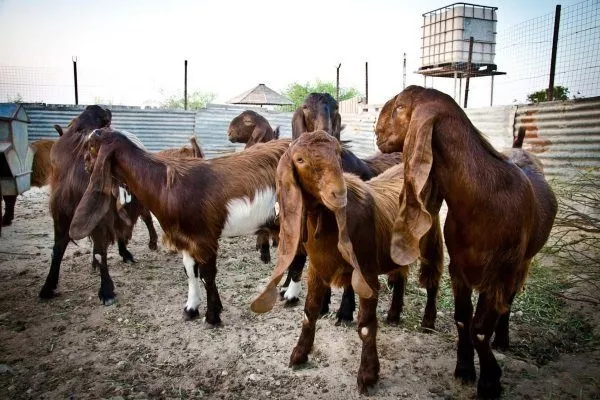
Features of maintenance and care
For goats, you need to equip a spacious barn and do not forget about simple rules of care and maintenance.
Requirements for the goat's rue:
- for a herd of 5-7 goats, a room measuring 7x5 meters is required;
- each goat should have a separate bed and stall;
- the preferred temperature range is from +18 °C to +25 °C;
- good ventilation;
- the length of daylight hours is not less than 10 hours.
In summer, animals spend most of the day grazing. In the evening, feed them hay or mown grass, and add a little roughage for extra nutrition.
In winter, feed pre-prepared hay (available 24 hours a day), and also provide roughage and green fodder (200-250 g per bird) in the morning and at lunch. Include sprouted grass, oats, and some fresh vegetables in the evening meal.
What can you feed:
- hay;
- silage;
- crushed cereals;
- crushed beans;
- vegetables;
- green;
- branches;
- grass.
Prohibited products:
- red clover;
- green potatoes;
- spoiled food.
During the winter, supplement with vitamin supplements to prevent vitamin deficiency. More information on feeding goats in winter can be found here. this article.
Provide the goats with clean, warm water and change it regularly. Be sure to leave enough water overnight for all the goats.
Regular grooming of the coat and hooves is essential:
- comb the goats every few days, and be sure to shear overgrown individuals;
- Clean and inspect hooves after each walk.
General measures for disease prevention:
- To protect against parasites, periodically give antihelminthic drugs;
- To prevent animals from contracting intestinal infections, keep the water clean and do not allow goats to drink from stagnant bodies of water;
- To prevent the growth of harmful bacteria, change the bedding daily and perform a thorough cleaning and disinfection once a week;
- To prevent hoof diseases, give your animals a bath with copper sulfate once a month;
- To prevent mastitis, thoroughly treat the udder before and after each milking;
- Don't forget about seasonal vitamin supplements - this will improve immunity and protect your pet from dangerous viruses;
- Monitor the condition of your ears, eyes and teeth.
- ✓ Specific stress markers: decreased activity, refusal to drink water.
- ✓ Signs of good health: shiny coat, clear eyes, active behavior.
Shami goats are not aggressive, so you can keep a large herd.
Their long fur protects the Shami from temperature fluctuations, so they can be kept in almost any climate. Like other breeds, Syrians are wary of drafts.
How to milk correctly:
- Designate a specific place and time for the goat to be milked.
- Prepare yourself and your animal properly:
- wash your hands thoroughly with warm water and the goat's udder;
- Keep the animal occupied with food while milking;
- talk to the goat gently and quietly;
- To improve blood circulation, massage the teats well;
- At the end of the process, wipe the udder dry, disinfect it and lubricate it with a special moisturizing cream.
Advantages and disadvantages
When looking at this breed objectively, one can identify its advantages and disadvantages.
Advantages:
- the shape of the udder is very well suited for milking machines;
- unpretentiousness in food;
- good health and thick fur allow them to adapt to different climatic conditions;
- high productivity;
- versatility – high-quality milk, skin, leather;
- high-quality and tasty milk, without unpleasant odors;
- peaceful, docile character;
- strong build and strong legs;
- highly developed maternal instinct;
- high fertility and early maturity;
- ability to adapt well to different climatic conditions;
- rapid growth and maturation.
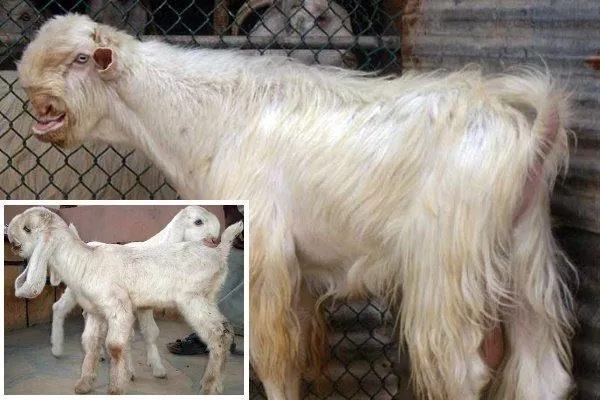
But there are also disadvantages to the breed:
- the circle of breeders is limited, and if you buy from Jews or Chinese, you often end up with “translated” products;
- high price – up to $67,000 per goat;
- hornedness - you need to know how to handle horned breeds correctly;
- Some people don't like Shami's appearance.
Reviews
Then we bought Damascus goats. Now I don't want to trade them for any other breed. Their milk has made my family love all other goat dairy products. We're very pleased with the quality of the milk—no odor at all, thick and rich. The goat has a calm disposition and now produces as much milk as Nubians. Shah, the goat, may look formidable, but he's actually kind and obedient like a puppy and affectionate like a kitten.
Thanks to their high productivity, low maintenance, and distinctive appearance, Shami goats are very popular in the Middle East. Interest in them is gradually growing in other countries as well. Russia is not yet a suitable destination for these goats due to their high price and the lack of experience in breeding this breed among domestic goat breeders. However, there are a few enthusiasts in Russia who have acquired and successfully raised Damascus goats.