
Meat goats produce particularly tasty, filling, and healthy meat. This product has dietary properties. Today, breeders are raising meat goats on a large scale. When all recommendations for a particular breed are followed, this is a very profitable endeavor.
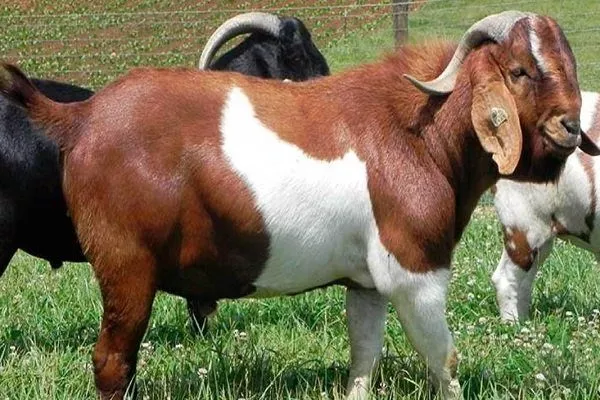
General characteristics of meat breeds
A distinctive feature of meat goats is their rapid weight gain. Kids gain 500 g per day. Adult males weigh almost 100 kg, while females weigh 85 kg. Once they reach 8-12 months of age (depending on the breed) and the appropriate weight, the animals are slaughtered.
- ✓ Optimum maintenance temperature: not lower than +5°C in winter and not higher than +25°C in summer.
- ✓ The need for a spacious walking area: at least 5 m² per individual.
- ✓ Mandatory vaccination against tick-borne encephalitis and brucellosis.
Characteristic features of meat goats:
- large body with well-developed muscles;
- strong back, rounded sides;
- compared to dairy goats, the udder is small in size;
- strong limbs capable of supporting a large body;
- high fertility (up to 2-3 kids per litter);
- ease of care;
- stable immunity.
The meat is dietary, without a distinctive odor. Goat meat is especially beneficial for diseases of the blood, cardiovascular system, and digestive tract.
| Name | Disease resistance | Feeding type | Content Features |
|---|---|---|---|
| Arabic | High | Monotonous diet | Easy to care for |
| Anatolian Black | Disease resistance | Various | Frost resistance |
| Assam Hill | Strong immunity | Universal | Easy to care for |
| Bangladeshi | Strong immunity | Various | Peaceful nature |
| White Andalusian | Low immunity of kids | Various | Content Features |
| Boer breed | Strong immunity | Various | Activity |
| East African | Good adaptation | Poor food | Compactness |
| Greek breed | Strong immunity | Various | Easy to care for |
| Guangdong White | Disease resistance | Various | Subtropical areas |
| Damara | Life expectancy | Various | Fastidiousness in care |
| Jalonka | Trypanosome resistance | Various | Easy to care for |
| Duanskaya | Weak immunity of kids | Various | Difficulty of adaptation |
| Kannaiadu | Rarity of the breed | Various | Specifics of care |
| Criole | Fertility | Various | Rarity of the breed |
| Kalahari Red | Weak immunity of young animals | Various | Difficulty of content |
| Kiko breed | Stable immunity | Picky eating habits | Frost resistance |
| Longlin goats | Risk of disease | Versatility of feeding | Rapid acclimatization |
| Matu | Risk of disease | Various | Rarity of the breed |
| Rove | Stable immunity | Power supply versatility | Quick adaptation |
| Sokoto | Strong immunity | Feeding Features | Easy-going nature |
| Sudanese desert | Endurance | Various | Quick adaptation |
| Stiefelgeiss goats | Good adaptive performance | Various | Rare breed |
| Heizari | Lack of information | Various | Difficulty of purchase |
Arabic
The goat originates from the Republic of Chad. It is an easy-to-care-for animal. Sparse roadside vegetation and clean water form the basis of the Arabian goat's daily diet.
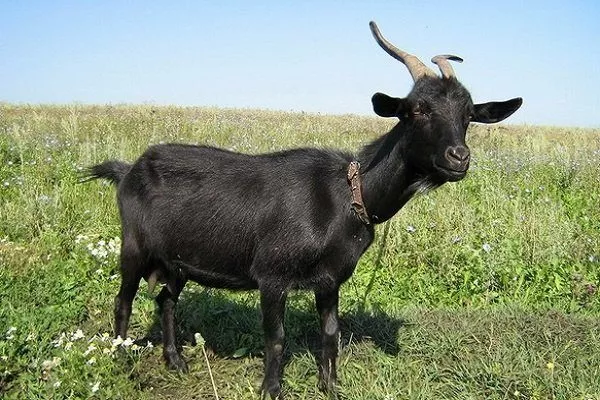
The main characteristic of this breed is its rapid weight gain without the need for compound feed or vitamin supplements. A kid weighs 4 kg at 8 days, and 12 kg at 4 months. A litter consists of up to 2-3 kids, who have strong immune systems from birth.
Advantages:
- high adaptation rates;
- fertility;
- meat productivity;
- strong immunity;
- monotonous diet.
Flaws:
- little information about goat care;
- high price.
Anatolian Black
This is a Syrian type of goat native to Turkey. These animals have an upright posture, a hooked nose, drooping ears, and long fur that can be black, brown, gray, or variegated. Females are smaller, weighing 45-65 kg, while the males are distinguished by their elongated, spiral-shaped horns, with a total weight of 70-90 kg.
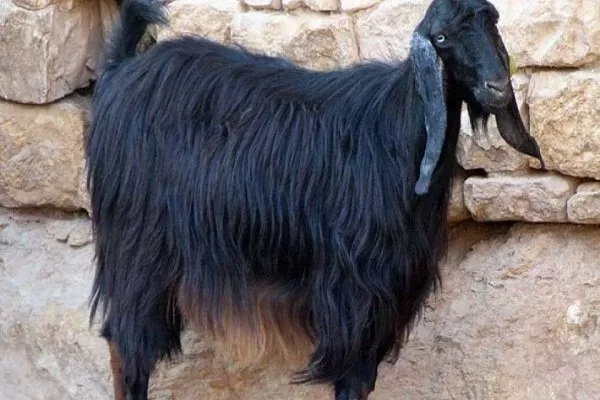
Goat meat is a rich pink color and tastes like young lamb. It has no odor, and the toughness disappears after cooking.
Advantages:
- frost resistance due to thick undercoat;
- good adaptability;
- high milk production rates;
- disease resistance.
Flaws:
- the need to comb out the wool;
- specific smell from an animal;
- little information about the breeding of the breed.
Assam Hill
This is an Indian goat breed commonly found in the hilly areas of Meghalaya. Due to its low milk production, the animal is often used for meat production. Kids weigh only 1 kg at birth but quickly gain weight. An adult male weighs 27 kg, while a female can weigh up to 20 kg.
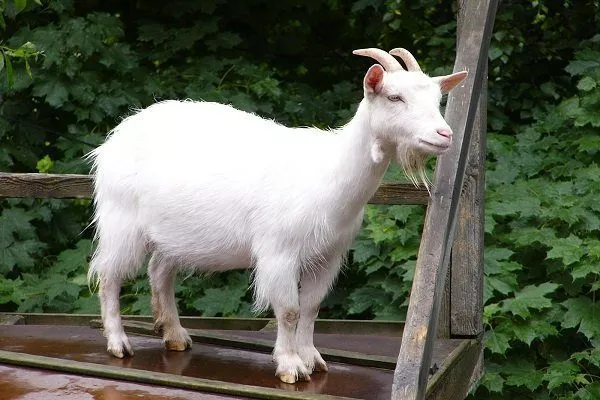
In appearance, this is a short-legged animal with a long body and ears that protrude in opposite directions. The goats are short-haired, but with a thick undercoat, and are white or gray in color. Males have small horns and a short beard; the females are polled.
Advantages:
- external attractiveness;
- high fertility;
- strong immunity;
- easy to care for and maintain.
Flaws:
- low milk yield;
- difficulty adapting to new conditions;
- high price.
Bangladeshi
These animals originate from Bangladesh. Another name is the Black Bengal goat. Characteristic features include a broad forehead, massive horns, a short body, and low limbs. The animal has short hair and is black or dark brown in color.
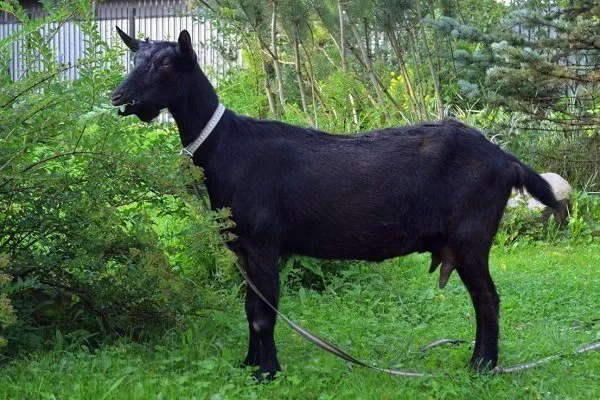
Bangladeshi goats are used for slaughter. A kid is born weighing 0.4 kg, but by 4-4.5 months, they weigh 8-9 kg. They gain weight quickly, and with proper care, they are also very fertile (up to 2 kids per litter).
Advantages:
- compact dimensions;
- does not require a lot of space for maintenance;
- peaceful, balanced character;
- high meat productivity;
- strong immunity.
Flaws:
- low milk yield;
- risk of hoof injury;
- a rare purchase in Russia.
White Andalusian (Blanca Celtibarica)
This white Spanish goat has a unique appearance. Its small head is topped with drooping ears that contrast with its raised horns. It has a long body, slender legs, short white fur, and a small tail.
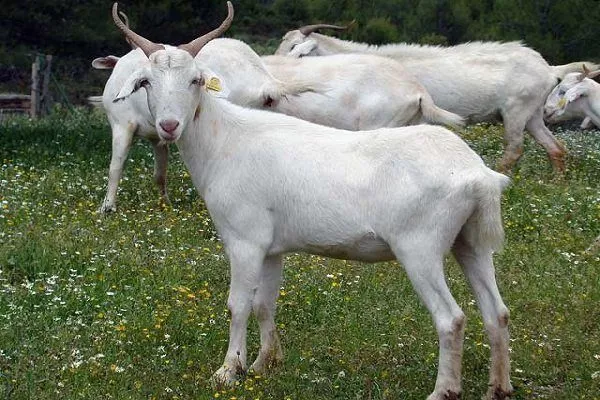
The Blanca Celtibarica (another name for the breed) is distinguished by its impressive size. Male bucks weigh up to 100 grams, while females weigh no more than 70 kg. Females have a well-developed maternal instinct, so the offspring stay with the mother for up to five months. When the females reach 25-30 kg, the young are separated.
Advantages:
- rapid weight gain in kids;
- majestic view;
- high fertility.
Flaws:
- low immunity of kids;
- risk of hoof injury;
- Features of the content.
Boer breed
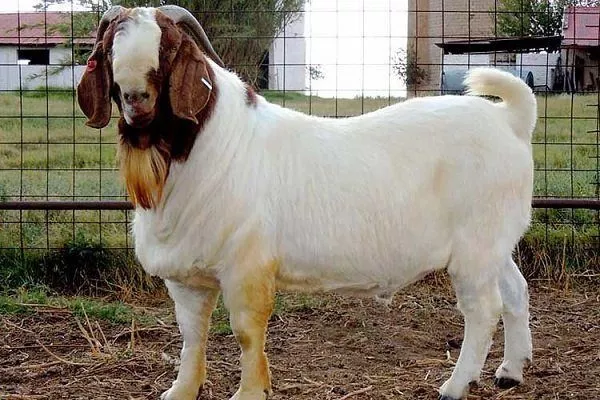
This South African breed has a strong immune system. The animal is small in size but stocky. Male bucks weigh up to 135 kg, while females are smaller, weighing no more than 100 kg.
Boer goats are attractive in appearance. They have a hooked nose, long drooping ears, and very intelligent eyes. Their coat is short, with brown spots visible on the head, neck, and chest. They are non-combatant and trainable. Boer females give birth three times in two years. Kids weigh up to 4 kg, and gain weight rapidly—500 g per day. The meat is similar to veal, without a distinctive odor.
Advantages:
- high productivity;
- rapid weight gain;
- strong immunity.
Flaws:
- risk of hoof injury;
- low fertility in cold conditions;
- poor adaptive performance.
East African
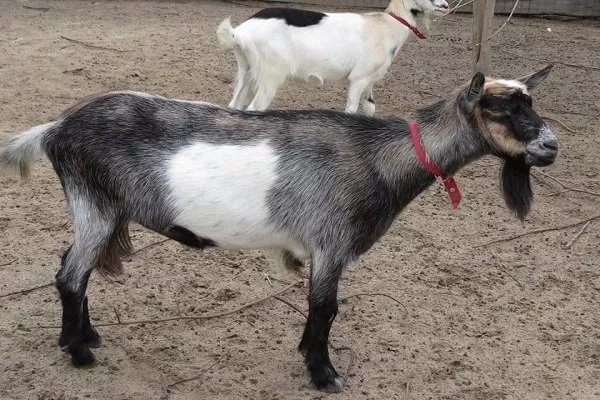
This dwarf goat breed was developed in African regions such as Kenya, Zimbabwe, and Uganda. Despite its compact size, its slaughter yield is 44%. Animals are slaughtered when they reach a weight of 14 kg.
The breed's distinctive features include its low maintenance and feeding requirements. Goats gain weight even with limited feed. It's important to determine the meat production of the animals, as East African goats produce low milk yields.
Advantages:
- good weight gain;
- quick adaptation;
- compactness;
- external attractiveness.
Flaws:
- rare breeding in Russia;
- high price;
- intolerance to extreme cold.
Greek breed
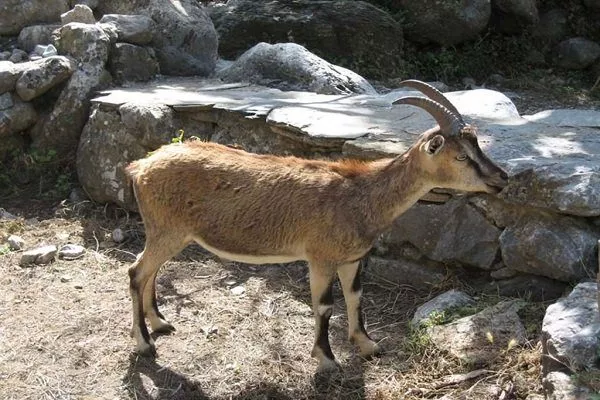
Goats from the island of Crete are distinguished by a variety of colors and an attractive appearance. They have a massive body, a small head, horizontally set ears, strong limbs, and a short tail. These goats have short hair and graze in the mountains and on pastures.
The animal's maximum weight reaches 60 kg. Fertility is no more than two kids per litter. The meat is light pink, reminiscent of young veal, and has no distinctive smell or taste.
Advantages:
- ease of care;
- attractive appearance;
- strong immunity;
- fertility.
Flaws:
- difficulty of acquisition in Russia;
- expensive acquisition;
- damage to agriculture (eating green spaces).
Guangdong White
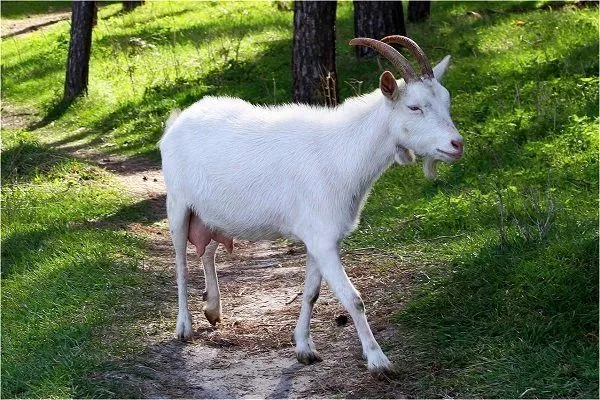
These are Chinese meat goats with pointed ears and long horns. They have a straight head profile, a long body, slender legs, and a short tail. Chinese goats are white in color and have short hair.
This breed is raised for slaughter and boasts excellent growth rates. An adult male buck weighs 33 kg, while smaller females weigh no more than 31 kg. Females are highly fertile, producing up to 2-4 kids per litter.
Advantages:
- good growth;
- high fertility;
- disease resistance.
Flaws:
- Breeding is possible only in subtropical regions;
- cold intolerance;
- risk of hoof injury.
Damara
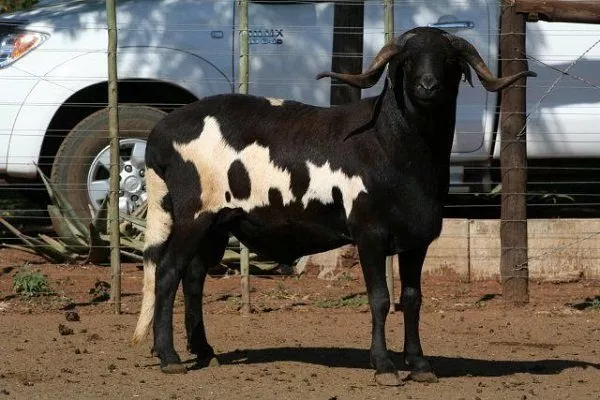
A goat native to Namibia, it is distinguished by its distinctive coloring. The animal is attractive and has a good-natured disposition. Its ears are wide and drooping, set on the sides of its head. Its small horns are erect and set back. A litter consists of up to two kids.
Goats were raised by local tribes, and their milk was considered a sign of wealth. The product has a unique taste, high energy value, and is high in protein.
Advantages:
- fertility;
- good growth;
- life expectancy (up to 15 years).
Flaws:
- cold intolerance;
- fastidiousness in care;
- rarity of breeding.
Jalonka (West African dwarf)
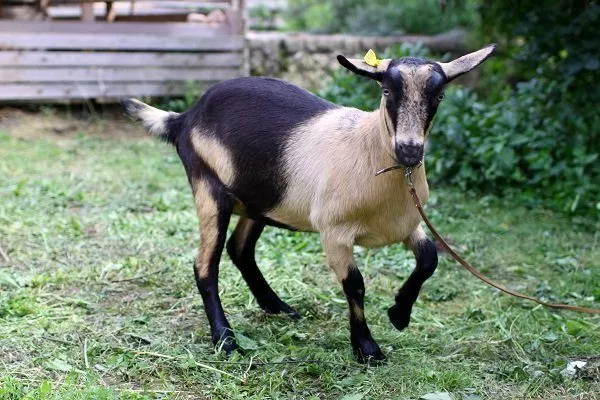
These are African goats, often encountered on the route from Senegal to Zaire. These animals are distinctive – brown with a black stripe running down their spines. Tricolor and white specimens are also found, but these are rare.
Adult goats weigh between 24 and 29 kg and have low milk yields—up to 2 liters per week. Therefore, this breed is often slaughtered. The meat has a unique flavor, without the typical goat smell.
Advantages:
- resistance to trypanosomes;
- aesthetics of the breed;
- original color;
- ease of care.
Flaws:
- low milk yield;
- complexity of content;
- risk of hoof injury.
Duanskaya
Another Chinese breed, also known as the Maitreya Red goat. These animals gain weight quickly, are active and cheerful, and produce 2-3 kids per litter. The meat is a delicate pink color, has a pleasant flavor, a juicy texture, and is rich in vitamins.
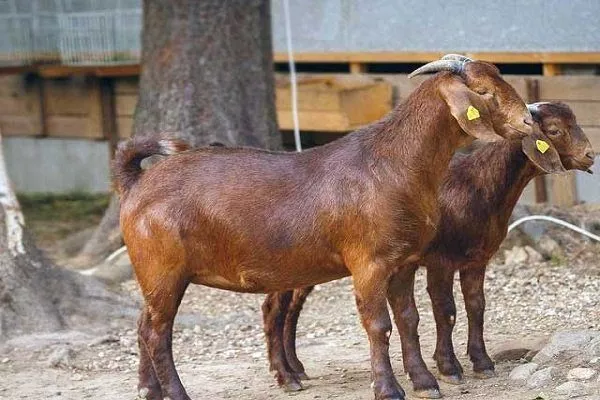
Duan goats have short, bald coats in shades of black, gray, variegated, and brown. They have long ears set on the sides of their heads and small, pointed horns.
Advantages:
- fertility;
- good growth;
- absence of specific odor.
Flaws:
- difficulty of adaptation;
- low milk yield;
- risk of disease in adults;
- weak immunity of kids.
Kannaiadu or Kagan
This long-haired goat originates from Pakistan and India. The animal has gray, black, or brown wool that curls into small cords and hangs down from the body. The Cannaiadu produces not only meat but also wool (cashmere fibers).
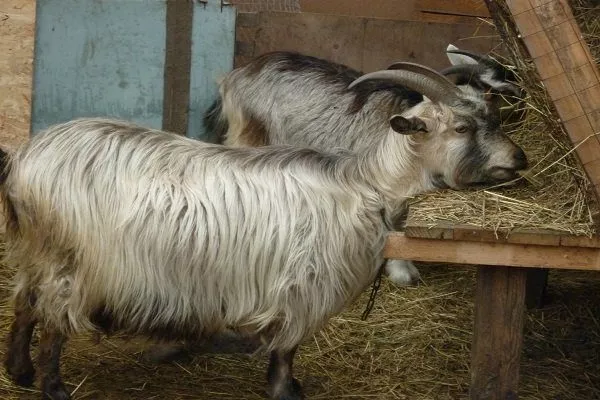
The animal is brushed regularly, otherwise the risk of disease increases. The average adult weight is 32 kg.
Advantages:
- rarity of the breed;
- high quality wool;
- usefulness of the product;
- docile character.
Flaws:
- little information about goat breeding;
- difficulty of purchase;
- specifics of daily care.
Criole
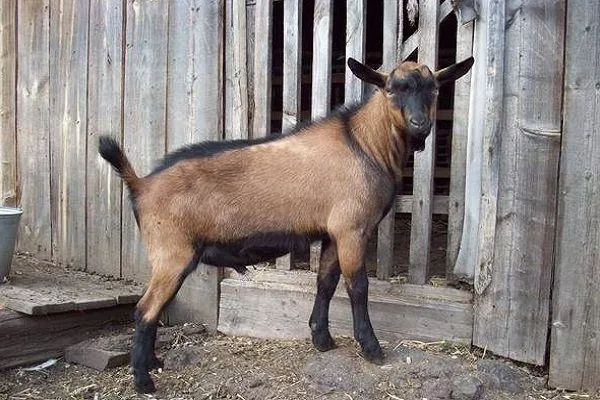
The breed first appeared in the Caribbean islands. It is the result of extensive selective breeding with mediocre results – low milk yields, and a small amount of meat and hide. The animals are beautiful in appearance. They have a straight profile, short ears and legs, and a long, brown body. The coat is short, uniform, and free of bald patches. The dominant color is black.
Advantages:
- fertility;
- good adaptability;
- meat direction.
Flaws:
- mixed productivity;
- rarity of the breed;
- high price.
Kalahari Red goat breed
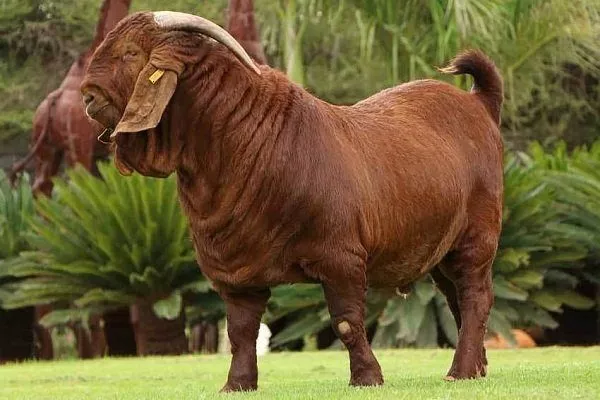
Despite their similar appearance to the Boer breed, Kalahari goats have their own distinctive characteristics. These include males weighing up to 115 kg, while females weigh no more than 70 kg. In addition to good weight gain (400-600 g per day), these domesticated animals produce milk—up to 150 liters during the entire lactation period. Their proud profile, upright posture, and rich brown fur also attract attention.
Advantages:
- impressive external data;
- rapid weight gain;
- high milk production rates;
- meat productivity.
Flaws:
- complexity of content;
- weak immunity of young animals;
- high cost.
Kiko breed
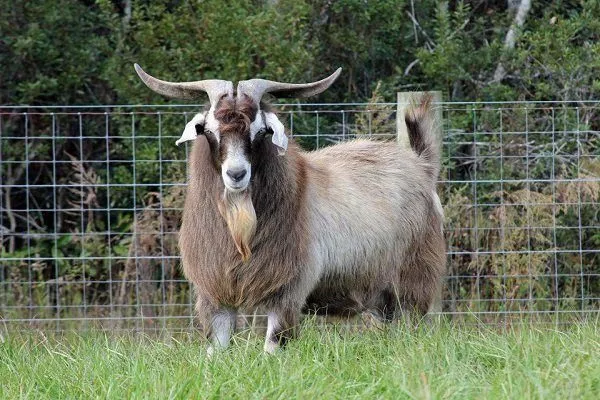
These goats were bred in New Zealand; the word "kiko" means "meat." Adults weigh 60-70 kg. They are small in size, but have a massive body and well-developed muscles. Their fur is short and a tawny brown.
Kiko females have a well-developed maternal instinct. A litter can consist of up to 2-3 kids. The babies gain weight quickly and are easy to care for and feed. Their meat is tender and juicy, making it a popular delicacy.
Advantages:
- compactness of individuals;
- frost resistance;
- strong immunity;
- rapid weight gain.
Flaws:
- fastidiousness in feeding;
- little information about breeding;
- difficulty of purchasing in Russia.
Longlin goats
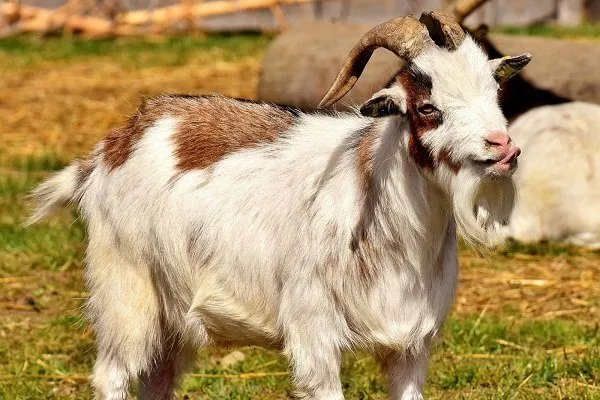
These are Chinese pointy-eared goats, commonly found in the country's mountainous regions. These animals are small in size but highly fertile, producing 1-2 kids per litter. An adult male weighs 37 kg, while the female weighs no more than 33 kg. The female has a well-developed maternal instinct, and the male is territorial.
Advantages:
- fertility;
- versatility of feeding;
- rapid weight gain;
- rapid acclimatization.
Flaws:
- intolerance to heat and dampness;
- risk of disease;
- hoof injuries.
Matu (matou)
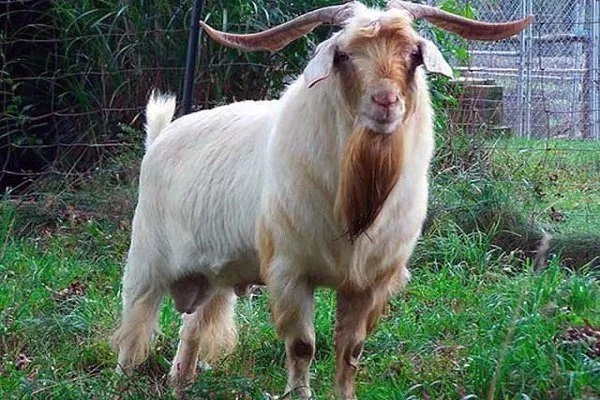
This is a Chinese goat breed native to Hubei Province. They are members of the pointed-eared group, possessing an aesthetically pleasing appearance and a docile nature. These animals are white in color, and come in short-haired and long-haired varieties.
Matu has good growth rates. The goats mature quickly and have a low fat content. An adult weighs 35 kg, and the average annual fertility rate is 1-2 kids.
Advantages:
- high growth energy;
- good fertility;
- average meat productivity indicators;
- fatty, healthy milk.
Flaws:
- risk of disease;
- rarity of the breed;
- high price.
Rove (rov) is a French meat breed
The French goat breed originated in the Marseille region and has long been used as a source of meat. The popularity of goat meat in France has been declining rapidly, so breeders continued to work on increasing milk production.
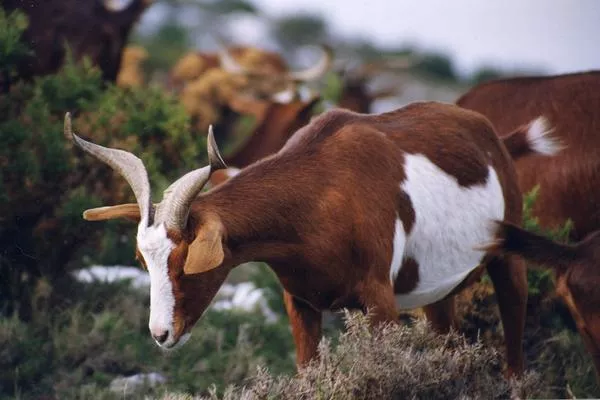
The animals' coloring varies, but this should not cast doubt on the breed's purebred nature. Characteristic spotting on the body is possible. A distinctive feature of the breed is its long, branched horns, up to 1 m long. Male bucks weigh up to 90 kg, while females weigh up to 60 kg.
Advantages:
- meat yield from carcass – up to 50%;
- universality of power supply;
- quick adaptation to a new place;
- stable immunity.
Flaws:
- may show aggression;
- Rare breeding in Russia.
Sokoto
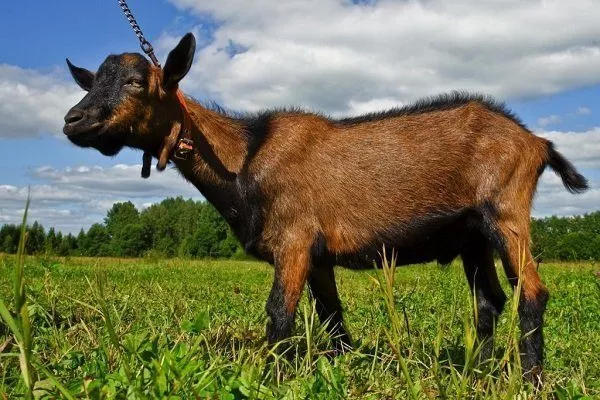
Goats originate from Nigeria and are raised for slaughter. Meat is no longer a popular choice, but its nutritional value is undeniable. The animal appears thin and tall, reaching 65 cm at the withers. Male goats weigh 40 kg, while females weigh no more than 30 kg. A litter consists of one or two kids with strong immune systems. Female goats are brown or red.
Advantages:
- strong immunity;
- high meat productivity rates;
- external attractiveness;
- docile character.
Flaws:
- difficulty of care;
- feeding features;
- risk of hoof injury;
- specific taste of meat.
Sudanese desert
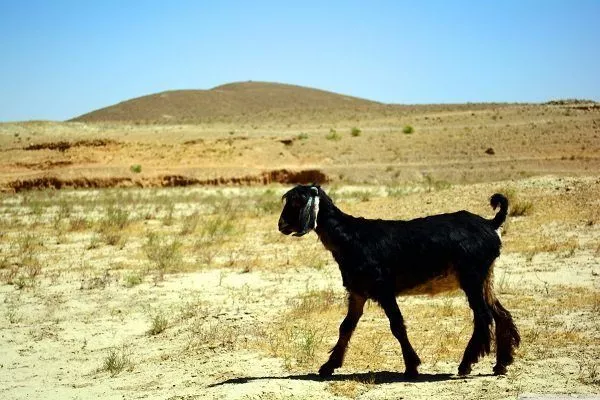
This domesticated animal was bred in Sudan and joined the pygmy goat family. Adults weigh 30 kg. The goat is unattractive in appearance, with short, light-gray fur, spiral horns in males, a hooked nose, and drooping ears.
Goats have low milk yields (up to 200 ml per day). Meat productivity is also low. Breeding these animals is more suitable in harsh climates, as they tolerate cold, extreme heat, and wind well. Climate conditions do not affect their productivity in any way.
Advantages:
- endurance;
- strong immunity;
- quick adaptation to a new place.
Flaws:
- moderate meatiness, milkiness;
- small size.
Stiefelgeiss goats
This is a rare breed from Switzerland, rarely seen in Russian farmland. Its hooves have distinctive markings that give the impression of being shod.
The breed comes in long-haired and short-haired varieties, with or without beards, and in color ranging from beige to deep red. These goats have a large body, well-developed muscles, and long, backward-curving horns. While they may appear intimidating, they are actually gentle and docile.
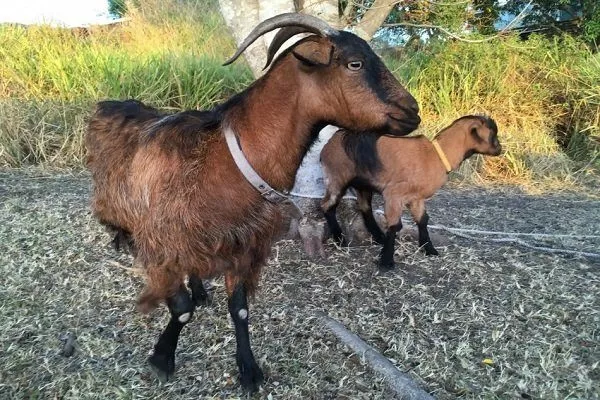
The meatiness is high. Adult males weigh up to 80 kg, while females weigh around 65 kg. Further information about the breed is lacking; furthermore, Stiefelgeiss goats are considered endangered.
Advantages:
- very tasty meat;
- large sizes;
- good adaptive performance.
Flaws:
- rare breed;
- difficulty of purchase;
- lack of information on breeding.
Heizari
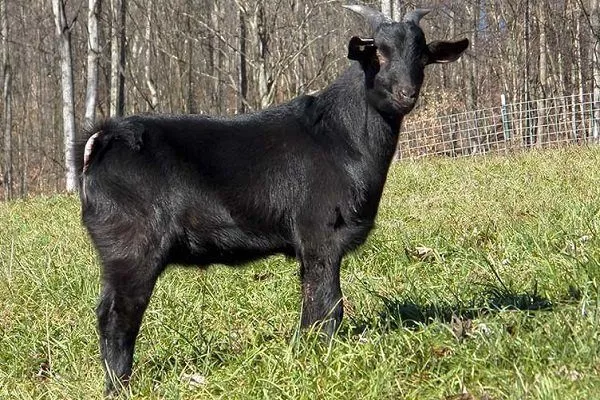
This goat breed originates from Yemen and Saudi Arabia. The animals are small, long-haired, and deep black in color, with small horns and short ears. In appearance, these breeds are similar to the Gulabi and Kamori goats.
Meat production is average, and milk production is moderate. Further detailed information about these goats is lacking. Many breeders don't even consider the Heizari a distinct breed, believing it to be a variety of Pakistani or Indian goats.
Advantages:
- absence of smell in meat;
- external attractiveness.
Flaws:
- lack of information about the breed;
- difficulty of purchasing in Russia.
Comparison table of breeds
To illustrate the productivity of meat goats, an introductory table is provided below, which will help novice goat breeders quickly decide on a breed for further breeding.
| Breed | Adaptation to cold | Adaptation to heat |
|---|---|---|
| Boer | Low | High |
| Kiko | High | Average |
| Greek | Average | High |
Comparative table of productivity of meat breeds
| Breed | Male weight, kg | Female weight, kg | Offspring, pcs. | Meat productivity indicator |
| Boer | 135 | 100 | 2 | high |
| Kiko | 70 | 55 | 2-3 | high |
| Greek | 85 | 65 | 2 | high |
| Anatolian Black | 90 | 65 | 1-2 | average |
| Nubian | 100 | 80 | 2-3 | high |
| Sokoto | 40 | 30 | 1-2 | average |
| Rove | 90 | 60 | 1-2 | average |
| Arabic | 33 | 25 | 2-3 | average |
| White Andalusian | 100 | 70 | 1-2 | high |
| Guangdong White | 33 | 31 | 2-4 | high |
| Longlinskaya | 37 | 33 | 1-2 | average |
| Kalahari Red | 115 | 70 | 1-2 | high |
| Matu | 35 | 33 | 1-2 | average |
| Damara | 70 | 60 | 1-2 | average |
| Jalonka | 29 | 25 | 1-2 | average |
| Kannaiadu | 32 | 30 | 2-3 | short |
| Assam Hill | 27 | 20 | 2-4 | short |
| Stifelgeiss | 80 | 65 | 1-2 | high |
| Sudanese desert | 30 | 27 | 1 | short |
| Criole | 50 | 45 | 1-2 | average |
Answers to frequently asked questions
Inexperienced goat breeders often have questions related to goat breeding; below are the answers to the most frequently asked ones.
- How to properly raise goats for meat? To produce a large amount of high-quality meat, goats must graze daily and be fed a proper diet. Daily grazing not only reduces feed consumption but also improves the animals' immunity and the nutritional value of their meat.
- How to prevent meat from smelling bad?To remove the specific smell of meat, it is recommended:
- Castrate males at 3-4 months of age. Castration before or during slaughter also improves the quality of goat meat.
- A month before slaughter, feed with grain crops.
- Stop walking 30 days in advance.
- Slaughtering animals on a frosty day.
- Before slaughter, do not feed the goats, but give them only water.
- Is it profitable to breed goats for meat in Russia?Thanks to new, highly productive meat breeds, goat farming has become a profitable business, and goat meat has become a sought-after food product.
When choosing a meat goat breed for breeding, familiarize yourself with the detailed characteristics of each one. With the right approach, this laborious but highly rewarding endeavor can yield a substantial profit.