
When planning dairy goat breeding, the choice of breed is crucial. The goat must be adapted to the local climate, be easy-to-care-for, and produce a consistent milk yield. Furthermore, it's important to know how to properly care for a dairy goat. You'll learn all about this further in the article.
Characteristics of milk production
Breeders aim to make a good profit when raising these animals. Milk yield, milk fat content, protein content, vitamins, and micronutrients are particularly important.
- ✓ Level of adaptation to the local climate.
- ✓ Resistance to diseases typical for the region.
- ✓ Availability of a veterinary passport with vaccination records.
Preference is given to "odorless" animals, as their milk tastes little different from cow's milk but is more nutritious. On average, dairy goats produce 2 to 5 liters per day, with a fat content of 3-8%, depending on the breed.
Milk production depends on diet. Provide animals with sufficient hay for the winter and graze them daily in the summer.
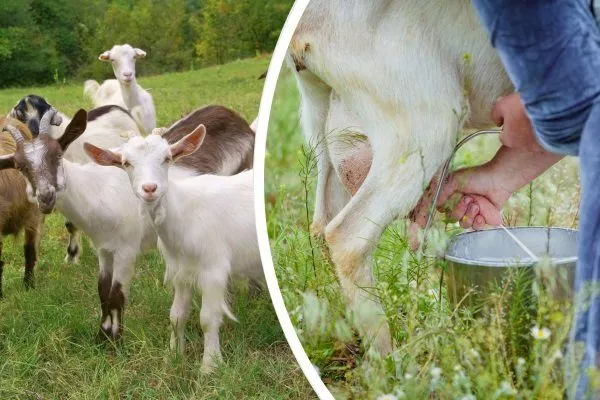
Genetic indicators of high-yielding parents
Purebred breeding must be documented. Goats within the same genetic line may vary in size and color due to their husbandry, care, and climatic conditions.
Purebred animals have parents of the same breed, and the standard is the same for all generations. Selective breeding traits are indicated by numbers and codes understandable to experienced breeders.
Characteristic body build of the individual
The productivity of adult cows can be judged not only by the breed's characteristics but also by the animal's appearance. The following characteristics determine milk production:
- wide-set, straight legs, massive hooves;
- small head on a thin neck;
- thin skin;
- wide but not sagging belly;
- visualization of the ribs on the chest;
- clearly visible shoulder blades and shoulders;
- expansion of the body from the chest to the pelvis;
- impressive dimensions;
- straight spine without sagging.
Choose dairy goats that have lived in a specific region for generations and are accustomed to a specific diet and husbandry practices. Experimentation isn't always beneficial.
The size and shape of the udder, its general condition
When choosing an animal, pay attention to the shape of the udder. A dairy goat's udder is divided into two lobes, is pear-shaped, and has developed but not long teats. A loose udder is a sign of low milk production. Long, elongated teats make milking difficult.
- ✓ No signs of mastitis when examining the udder.
- ✓ Cleanliness and absence of discharge from the eyes and nose.
When palpated, a dairy animal's udder is firm and free of any suspicious lumps. If you try to milk a goat, the udder will droop as it empties, and several noticeable folds will appear. If this doesn't happen, it's best to hold off on purchasing the animal.
For high milk production, carefully examine the veins on the goat's udder and their junction (the well). The more voluminous and visible the well, the more milk will be produced.
Characteristic signs of milk orientation are a triangular body shape and moderate mobility of the udder.
The best age for milk production
Dairy goats should not be mated early, as this increases the risk of cysts and mastitis. Milking begins after lambing. The recommended age for the animal is 12-18 months. Young goats are at a higher risk of birth defects, and veterinarians do not rule out postpartum complications.
The best breeds of dairy goats
The main criteria for choosing a dairy animal are the absence of an unpleasant milk odor and high milk yields. Also, consider the care and maintenance requirements of the animals. The breeds presented here, with good adaptability, ensure high productivity.
Alpine goats
This French-born animal weighs up to 70 kg and is best suited for raising in southern regions, where free-range grazing allows for year-round milking. Annual milk production is up to 700-800 liters with 3.5% fat content. A distinctive feature is high fertility (up to 4-5 lambings per litter) and a variety of color variations.
The animals are easy to care for. Milk production is affected by weather conditions. Provide Alpine goats A warm, draft-free barn, clean and tidy. Feed hay or fresh grass (depending on the season), coarse grain feed, and mineral supplements.
Advantages:
- excellent external data;
- good adaptive performance;
- docile nature;
- high productivity;
- large offspring.
Flaws:
- sensitivity to water quality;
- high price.
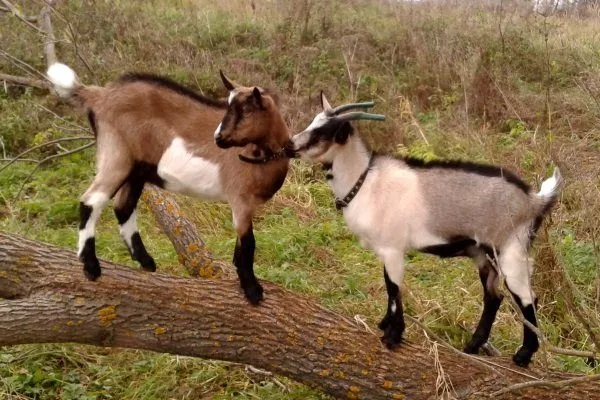
Belgian White (Campine)
This is a descendant of the Saanen goat. The animal is short-haired, hornless, and short-eared, weighing up to 65 kg. It has a straight profile and a withers height of up to 75 cm. During lactation, it produces 500-700 kg of milk with a fat content of 4%.
Advantages:
- high milk yield;
- tasty milk;
- docile nature;
- ease of care;
- fertility.
Flaws:
- high price;
- difficulty of purchase.
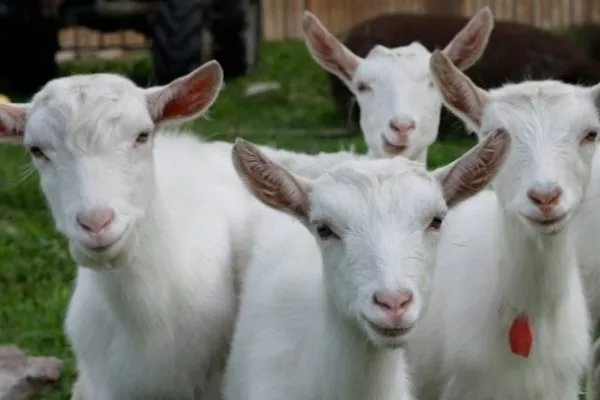
Barbary
This is an Indian goat breed, more common in arid regions. The animal is compact in size with a small head, small ears, and horns. A distinctive feature is its short, white coat with small red spots all over its body.
Adult animals weigh 35-47 kg. Milk yield per lactation ranges from 150-228 kg with a fat content of 4-4.7%. Barbary goats are highly fertile, producing up to 3 kids per lambing. To achieve high productivity, they require a warm barn, clean water, and fresh hay. It's best to avoid outdoor exercise in winter.
Advantages:
- cleanliness;
- docile nature;
- high productivity;
- fertility.
Flaws:
- cultivation in a temperate climate;
- low frost resistance;
- high cost of livestock.
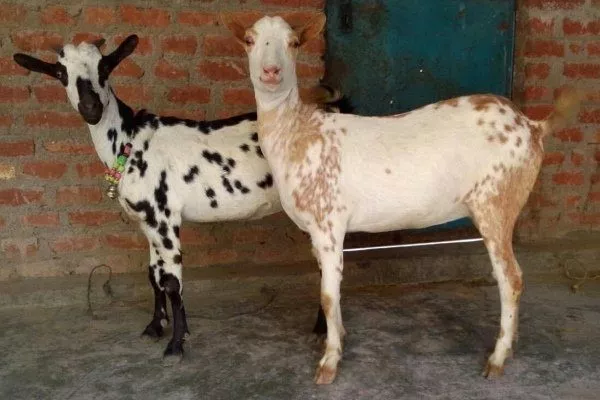
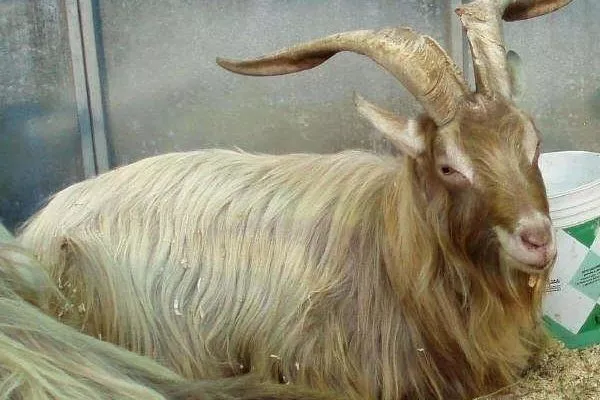
Bionda
These long-haired goats originate from the Italian Alps. They have light-brown fur and a massive, well-muscled body. Male goats weigh up to 75 kg, while females weigh up to 60 kg. They reach a height of up to 80 cm.
Adult male bucks have horns and beards; female bucks are polled. Milk production during lactation ranges from 105 to 168 liters with a fat content of 3.98%.
Advantages:
- original color;
- high productivity;
- ease of care;
- full-fat milk.
Disadvantages: high price.
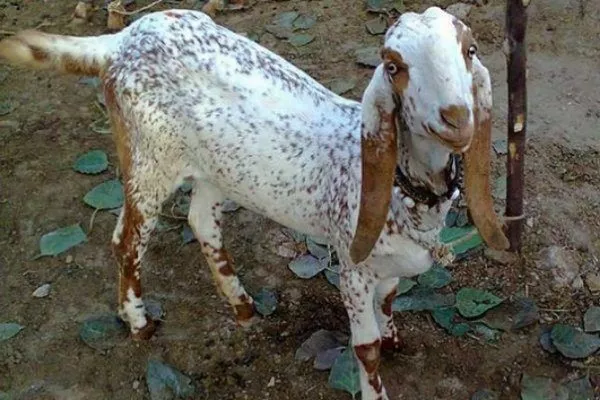
Beetal
This breed originates from Indian goats and is bred in Rajasthan and Punjab. Male goats weigh up to 74 kg, while females weigh no more than 35 kg. The recorded milk yield is 835 kg. On average, a female goat produces up to 200 liters of milk with 5% fat content during lactation.
Beetal goats have a compact frame, well-developed muscles, a straight Roman profile, and spiral horns. Their coat is short but thick, turning a rich red in the sun. They eat dry feed, hay, and root vegetables, but prefer fresh grass in the summer. They are clean animals, and the barn should be kept tidy.
Advantages:
- full-fat milk;
- high productivity;
- valuable wool;
- ease of care.
Flaws:
- rare breed;
- intolerance to extreme cold;
- high cost.
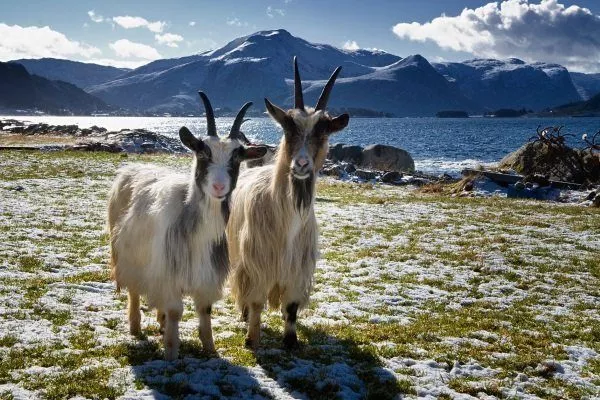
Westland (Norwegian)
These bluish-white animals are considered "heavyweights." Males weigh up to 90 kg, while females weigh no more than 65 kg. The Westland breed is found on the southwest coast and originates from Norway.
Norwegian goats are long-haired, and horned and polled varieties are also available. Their milk production during a 270-day lactation period ranges from 600 to 750 kg of milk with 3-4% fat content.
Advantages:
- beneficial properties of goat milk;
- rapid adaptation to climatic conditions;
- high productivity.
Flaws:
- frost intolerance;
- need for combing;
- danger of harmful insects.
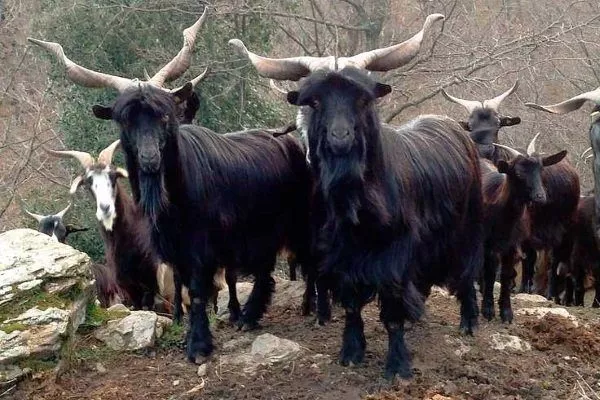
Garganica
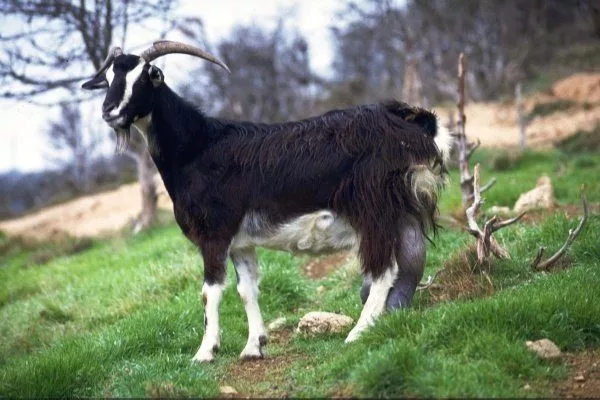
This is a medium-sized animal weighing up to 65 kg. The goats have an impressive appearance: long, spiral horns, drooping brown hair, an upright posture, and a proud profile. At the withers, they reach 85 cm.
This breed is resilient and adapts well to any weather conditions. Goats eat dry feed and hay and enjoy fresh grass, root vegetables, and fruit. Milk production during lactation reaches 200-250 kg.
Advantages:
- high productivity;
- ease of care;
- versatility of feeding;
- stable immunity.
Flaws:
- the need to comb the animal;
- intolerance to extreme heat.
Guadarrama (guadarrama)
These are dairy goats of Spanish origin. Horned and polled individuals are also found. This breed has long, brown hair, and males reach up to 86 cm at the withers, while females reach no more than 75 cm. Adult males weigh up to 70 kg, while females weigh up to 55 kg.
The lactation period lasts 210 days. Milk production is 250-300 kg with a fat content of up to 5%. There are two types of goats: meat and dairy, which is important to consider when purchasing a breed.
Advantages:
- nutritious milk;
- high milk yield;
- strong immunity;
- ease of care;
- universality of nutrition.
Flaws:
- little information about care;
- difficulty of purchase;
- high price.
Gorky goats
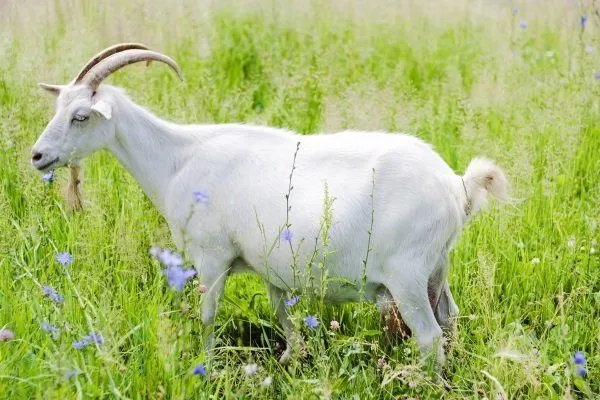
The breed's ancestors are Russian goats. These animals are bred in Chuvashia, Tatarstan, and Central Russia. The lactation period lasts nine months, and milk yields range from 500 to 700 kg, depending on husbandry.
These goats are medium-sized, white or yellowish in color, with erect ears and small horns. Females weigh up to 50 kg, while males weigh up to 75 kg. They have short, woolly hair, which is also highly valued in agriculture. Their diet should include dry feed and clean water.
Advantages:
- ease of care;
- frost resistance;
- universality of power supply;
- high productivity.
Flaws:
- heat intolerance;
- absence of undercoat;
- risk of bites from blood-sucking insects.
Damascus (Damask or Shami)
Shorthaired goats are more common in Cyprus and Syria and are characterized by their milk production. A distinctive feature of the breed is their horns. Males have spiral-shaped horns, while females have sickle-shaped horns. These animals have long, pendulous ears, a massive neck, and a muscular body. Adults weigh up to 90 kg, while kids weigh 27 kg.
Damas (Shami) breed The goat is a high milk producer. Milk yield during lactation ranges from 450 to 600 kg with 4-5% fat. A single goat produces 5 to 10 liters of milk per day. Meat from domestic animals is also highly valued.
Advantages:
- unpretentiousness in maintenance and care;
- original appearance;
- an excellent option for selection;
- high adaptive properties;
- calm character;
- high productivity.
Flaws:
- difficulty of purchase;
- high price.
Saanen goats
| Name | Annual milk yield, l | Milk fat content, % | Specific smell |
|---|---|---|---|
| Saanen | 1120 | 3.3 | + |
| La Mancha | 1013 | 4 | + |
| Nubian | 814 | 3.7 | — |
| Czech brown | 950 | 5.5 | — |
| Gorky | 450 | 4.8 | + |
| Russian Whites | 500 | 4.2 | — |
| Cameroonian | 1.5 liters per day | up to 6.0 | — |
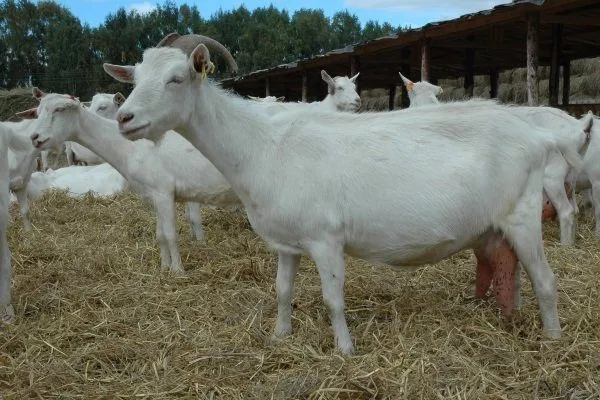
When choosing a goat for dairy production Saanen breed – the best option. This animal is milked year-round. Milk production during the lactation period is up to 1,000 kg. The milk has a fat content of 3.7 to 4.5%, and contains vitamins and valuable microelements.
The goats are large, stocky, and have short hair. They have a narrow muzzle, erect ears, an elongated neck, a beard, and large horns (in adults). Polled varieties also exist.
Advantages:
- docile nature;
- highest productivity;
- dietary meat;
- good fertility;
- beneficial properties of milk;
- ease of care.
Flaws:
- intolerance to dampness, drafts, frost;
- threat from harmful insects;
- risk of disease.
Golden Guernsey
The breed first appeared in the UK. Its distinctive feature is the golden color of its fur, which is highly prized by breeders. Goats come in short- and long-haired varieties, with and without horns.
The animals are graceful, small in size, and have a calm and measured nature. Annual milk yield reaches 700 kg with a fat content of 3.8%. The goats feed on hay, dry feed, fruits, and vegetables, and enjoy fresh grass grazing.
Advantages:
- tasty milk;
- ease of care;
- docile nature;
- high fertility.
Flaws:
- harm from blood-sucking insects;
- intolerance to dampness and drafts;
- the need for clean water and food.
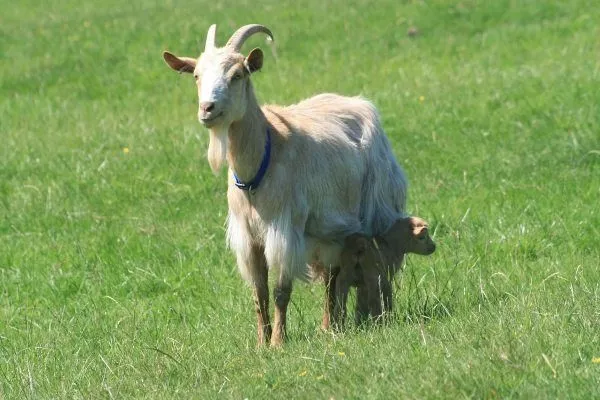
Cameroon goats
These are small goats, weighing up to 21 kg. The animals come in a variety of colors, from light gray to deep black. Their fur is short but dense, with an undercoat that provides protection from cold temperatures. Cameroon goats have horns, a beard, and long, erect ears.
Daily milk yields up to 2 kg of fresh milk with 6% fat content. This natural product has no distinctive odor and has medicinal properties.
Advantages:
- ease of breeding;
- miniature size;
- disease resistance;
- calm character;
- training possibility;
- long-term storage of milk, high fat content;
- fertility.
Flaws:
- poor tolerance to dampness and drafts;
- may show aggression in a stressful situation;
- The lactation period lasts 4-5 months.
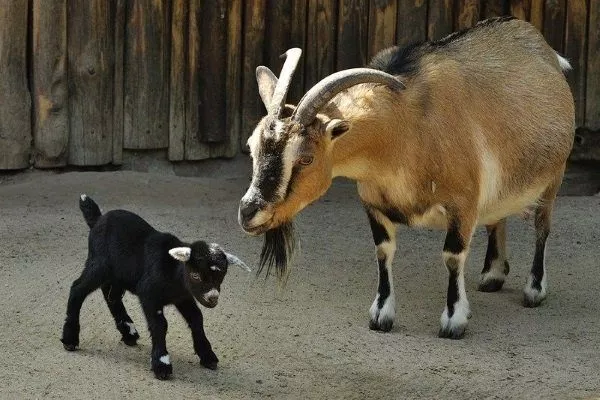
Kamori
These are dairy goats from Pakistan. Raised in arid regions, they are resilient to harsh climates. They are black with brown spots all over their bodies. They have a robust build, a strong neck, and long ears that hang down at the sides. Kamori They attract with their original appearance and decorate agricultural land.
Kamori has a well-developed udder and high milk yield. She produces 2 to 4 kg of milk per day, with a fat content of 3-5%. Product quality depends on her care and diet. Fresh hay and clean water are essential; she enjoys fresh grass and a clean barn.
Advantages:
- decorative appearance;
- high productivity;
- ease of care;
- docile nature;
- strong immunity.
Flaws:
- risk of infection by bloodsuckers due to short hair;
- cold intolerance.
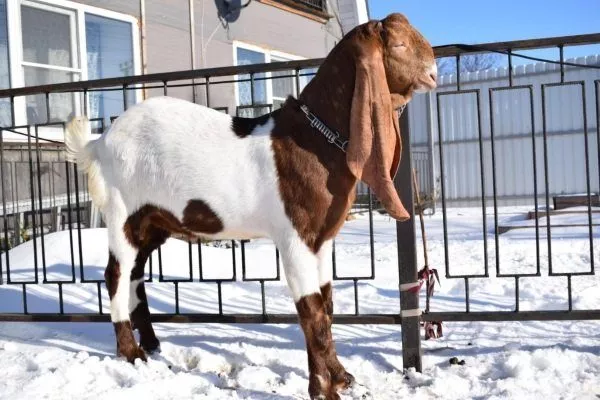
La Mancha
This dairy goat breed is prevalent in the south of the country. Its distinctive feature is its shortened ears, which give the animal a unique appearance. These goats have short hair and come in a variety of colors, ranging from soft beige to dark brown with spots all over their bodies.
La Mancha Weighing up to 70 kg, this goat breed has a massive body, a shoulder height of up to 95 cm (males), a straight muzzle, and a humped nose. La Manchas have well-developed udders, and milk yields reach 5 liters per day.
Advantages:
- high adaptive characteristics;
- docile nature;
- decorative appearance;
- absence of unpleasant odor;
- ease of care.
Flaws:
- Roman nose;
- small ears (inability to place a mark).
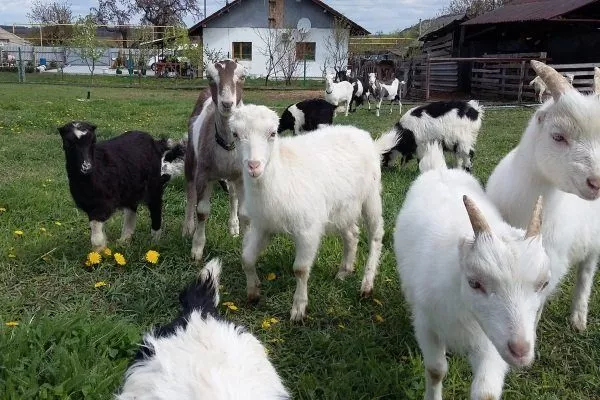
Megrelian goats
This breed, originally from Georgia, is designed for raising in hot, arid climates. The animals are large: up to 60 cm at the withers and weighing up to 70 kg. They have a long body, upright limbs, upright ears, and horns. Their fur is short and light in color.
Goats have good productivity. They can produce up to 900 kg of milk per year with a fat content of 3.5-5%. This natural product has no distinctive odor and is rich in beneficial properties.
Advantages:
- docile nature;
- high productivity;
- disease resistance;
- ease of care.
Flaw:
- intolerance to frost and dampness;
- high price;
- frequent attacks by harmful insects.
Nedzh goats
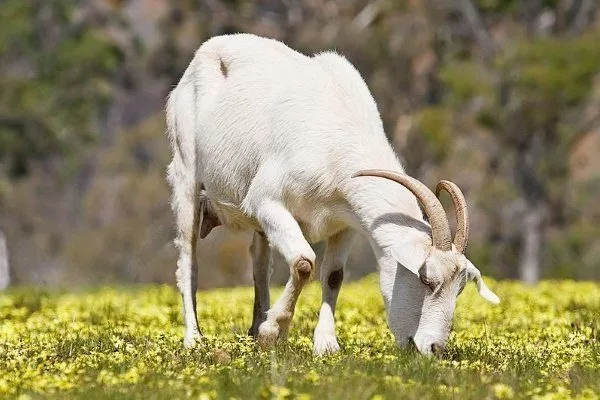
This dairy breed originates from Iran and is suitable for coastal regions. It produces moderate milk, producing 350 kg of milk with up to 5% fat per lactation. This breed is uncommon, with only 5,000 individuals in existence. It feeds on compound feed, hay, and mineral supplements, and eats fresh grass when grazing.
Advantages:
- aesthetic appearance;
- friendliness;
- unpretentiousness in maintenance;
- stable immunity.
Flaws:
- moderate milk yield;
- low prevalence.
Nubian goats
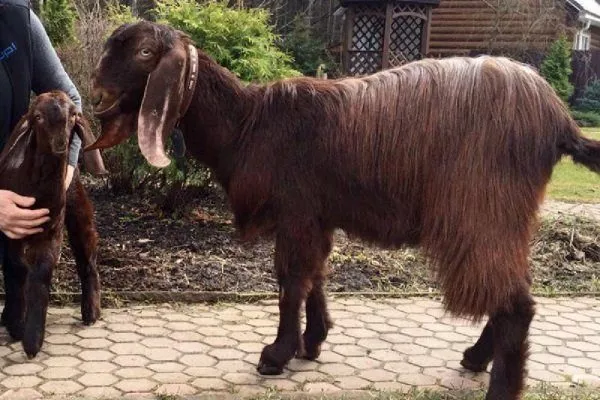
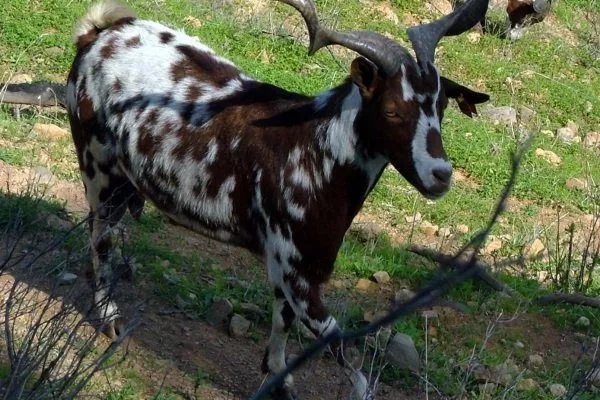
Goats, used for meat and dairy production, appeared several centuries ago. In appearance, goats are very elegant and graceful: instead of intimidating horns, they have drooping ears on their heads. Body Nubian goat Long but sinewy. The limbs are set wide apart and thin.
A goat produces 3 to 5 liters of milk per day, with a fat content of 4-9%. She eats dry feed and enjoys fresh hay, green grass, fruits, and root vegetables. Clean water is essential in her drinking bowls.
Advantages:
- docile nature;
- high productivity;
- decorative appearance;
- easy to care for;
- disease resistance.
Flaws:
- harm from bloodsuckers;
- intolerance to drafts.
Orospedana
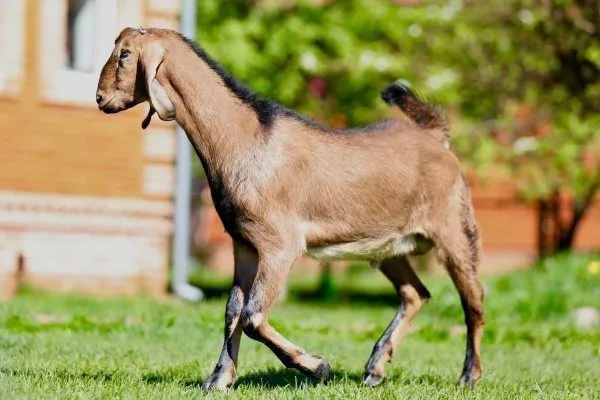
This is a Spanish breed developed in 1952. In countries with warm climates, the lactation period lasts all year round. Milk production is up to 3 liters per day. Further detailed information about the modern breed is lacking. These goats are not bred in Russia; they are more common in Latin American countries.
Partbatsar
This is an Indian goat breed with high milk production, which is rare in Russia. The goats have long hair, and their color ranges from pale brown to chocolate. White spots may appear on their bodies, which should confirm the breed's purebred nature.
These small animals are very attractive in appearance. They are undemanding eaters: they enjoy hay and fresh grass, and will accept root vegetables, mixed feed, and fruit. During a 185-day lactation period, they can produce up to 132 liters of milk with a fat content of 3.5-5%.
Advantages:
- purity of the breed;
- high milk yield;
- If well kept, they rarely get sick.
Flaws:
- need for combing;
- do not tolerate drafts well;
- difficulty of purchase;
- high price.
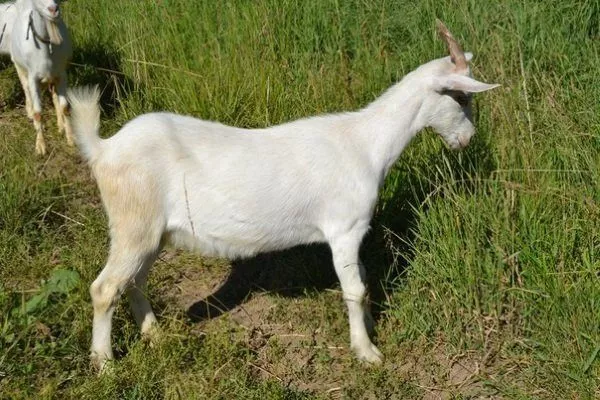
Russian White Goat
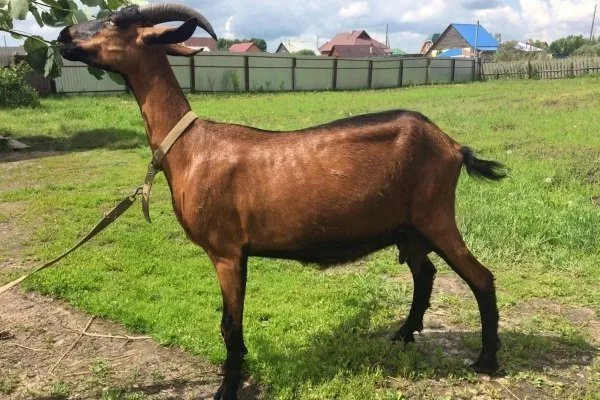
This is a European breed with high milk production rates. The animals have short, white hair, an elongated muzzle, erect ears, and horns (in adults). The body is short but massive; the legs are shortened. Russian White Goats stocky with well-developed muscles.
The lactation period lasts up to 9 months (depending on the climate of the specific region). Milk yield is up to 800 liters, with a fat content of 5-6%. The milk is healthy and nutritious, and has no distinctive odor.
Advantages:
- purity of the breed;
- high milk yield;
- goat "obedient";
- ease of care;
- high adaptive properties.
Flaws:
- heat-loving animal;
- risk of disease;
- aggression in a moment of fear.
Toggenburg goats
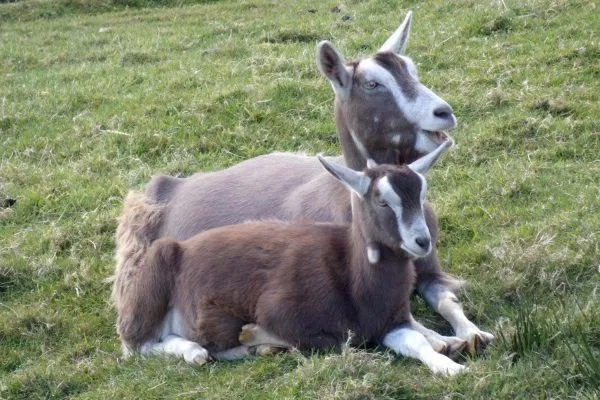
Representatives of this breed are polled, with long, erect ears. The average animal weighs up to 65 kg, and its productivity is high. During the lactation period (270-310 days), milk yields are 1,100-1,300 liters with a milk fat content of 3.6%. With proper care Toggenburg goat Milk production does not decrease in winter.
Advantages:
- quick adaptation to any weather conditions;
- high productivity;
- aesthetic appearance;
- ease of care;
- full-fat milk;
- in a litter – up to 3 kids.
Flaws:
- high price;
- difficulty of purchase.
Czech brown
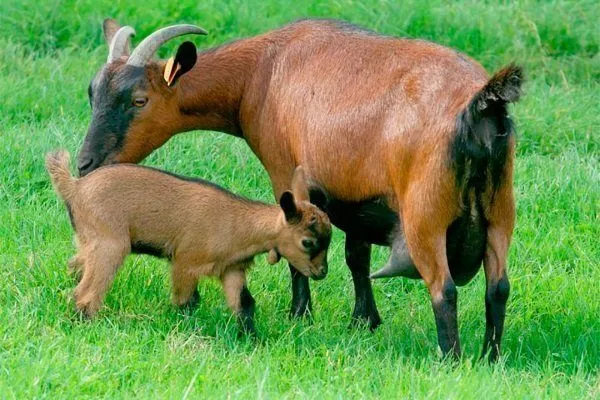
These are representatives of a dairy goat breed. The animals themselves are large: up to 80 cm at the withers, males weigh 80 kg, and females no more than 65 kg. They have short hair, a rich brown color, a dark muzzle, and erect ears. Czech brown - hornless animals.
Goats are milked year-round. Each animal produces up to 5-6 liters of fresh milk with 5.5% fat content per day, and up to 2,000 liters per year. The young animals gain weight quickly, and lambing can produce up to 3 kids.
Advantages:
- high adaptive properties;
- frost resistance;
- high productivity;
- ease of care.
Flaws:
- heat intolerance;
- attacks of blood-sucking insects.
Comparative table of breeds by main criteria
When purchasing a dairy goat, consider the milk quantity and composition, as well as milk yield. This table will help you understand:
| Breed/indicator | Lactation period, days | Annual milk yield, l | Milk fat content, % | Specific smell |
| Saanen | 330 | 1120 | 3.3 | + |
| La Mancha | 330 | 1013 | 4 | + |
| Nubian | 315 | 814 | 3.7 | — |
| Czech brown | 365 | 950 | 5.5 | — |
| Gorky | 270 | 450 | 4.8 | + |
| Russian Whites | 225 | 500 | 4.2 | — |
| Cameroonian | about 125 | 1.5 liters per day | up to 6.0 | — |
Features of keeping and caring for dairy goats
Most dairy goats are easy to care for, but they all dislike dampness, drafts, and severe frosts. Pay attention to this when setting up your barn. Valuable barn design tips:
- Insulate the floor, otherwise the animal will get sick.
- Close all cracks to prevent rodent penetration.
- Disinfect the premises regularly from harmful insects
- Keep the barn clean and tidy.
- Monitor the air temperature; the optimal range is 3-5 degrees.
- Provide each goat with an individual waterer and feeder.
Nutrition and care features:
- Refresh the water in the drinking bowls twice a day, more often in summer.
- Calculate that 1 goat drinks 8-10 liters of water per day.
- Do not leave stale hay in the feeder.
- When choosing a grazing area, make sure that the area is free of harmful grasses.
- Avoid walking in bad weather or strong winds.
- When free-ranging, provide drinking water and shelter.
- For free grazing, set up an enclosure with a high fence.
There are many breeds of dairy goats available. When choosing, consider not only the annual milk yield but also the taste and nutritional value of the product. Be sure to avoid the risk of a specific odor from fresh milk.