
When purchasing goats for breeding, first decide on the ultimate purpose. What is the animal for? There are several options. Some breeders focus on meat breeds, while others are more interested in milk production or wool production. This article describes popular breeds for various purposes and the relevance of their acquisition.
Dairy breeds
If a breeder expects delicious, fresh milk, they must choose a dairy goat breed. The main evaluation criteria are high milk yield, ease of care and maintenance, and the absence of a specific odor from the animal and its products. The most popular breeds are listed below.
- ✓ Level of adaptation to the climatic conditions of your region.
- ✓ Availability of veterinary services and vaccines for the chosen breed.
Scientists claim that goat's milk eliminates the symptoms of poisoning, treats allergies, and accelerates the progression of tuberculosis. Furthermore, it provides reliable protection against radiation exposure.
| Name | Average weight, kg | Annual milk yield, l | Milk fat content, % |
|---|---|---|---|
| Saanen | 75-80 | 700 | 3.5-7 |
| Megrelian | 30 | 350 | 3.2 |
| Toggenburg | 50 | 500-1000 | 3-4 |
| Russian white | 30 | 800 | 5-6 |
| Gorky | 50-60 | 500-600 | 5 |
| La Mancha | 65 | 900 | 5-6 |
| Alpine dairy | 60-80 | 700-800 | 4-7 |
| Cameroonian | 15-25 | 300 | 6 |
| Czech brown | 40-80 | 1200-1300 | 4.5 |
| Malagueña | 65-80 | 1350 | 4-7 |
Saanen
This is a European goat breed native to the Swiss Alps. Polled animals reach 85 cm at the withers and weigh 75-80 kg. Saanen goats have been known to weigh up to 90 kg. The breed has a proportional body, wide-set limbs, a short tail, and erect ears. The short coat is pure white, although black spots may occasionally appear.
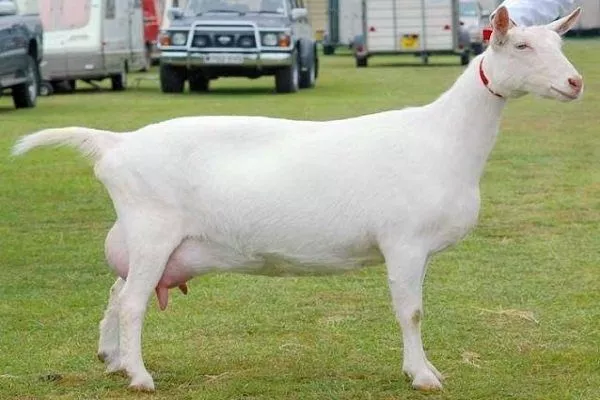
On average, a goat produces up to 700 kg of milk per year, with a fat content of 3.5-7%. Record annual milk yields of 2,000 kg have been recorded. A goat gives birth to 2-3 kids at a time, which is considered a high fertility rate.
Advantages:
- lactation all year round;
- absence of specific smell from milk;
- high fertility, productivity;
- strong immunity.
Flaws:
- fastidiousness regarding living conditions;
- high price;
- frost intolerance.
Megrelian
These goats originate from Georgia. A distinctive feature of the breed is its compact size. The animal reaches 60 cm at the withers and weighs no more than 30 kg. Dwarf goats have a strong chest, a long body, erect ears, an elongated muzzle, and a short tail. They have short hair and fur in all shades of brown. White individuals are also found.
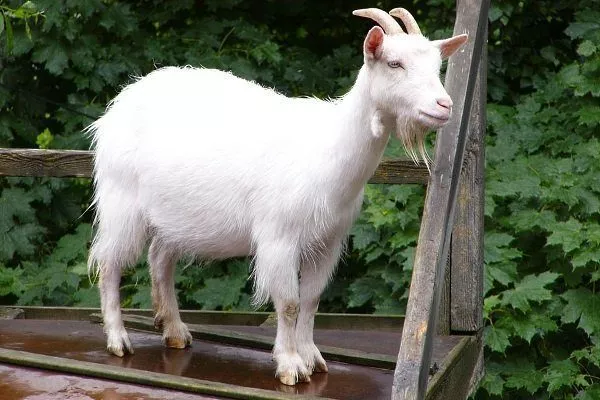
During the lactation period (200 days), the Megrelian goat produces 350 liters of odorless milk with 3.2% fat. Milk production declines in winter due to dietary restrictions. A female gives birth to up to two kids.
Advantages:
- strong immunity;
- good adaptive performance;
- high viability;
- odorless milk;
Flaws:
- moderate milk yield;
- high price of the breed;
- difficulty of purchase.
Toggenburg
Another goat breed native to Switzerland, the sleek goat is a dairy breed, providing breeders with tasty, nutritious meat in addition to milk. These smooth-haired, polled goats have erect ears, an elongated muzzle, and a beard (in males). They reach 70 cm at the withers and weigh 50 kg.
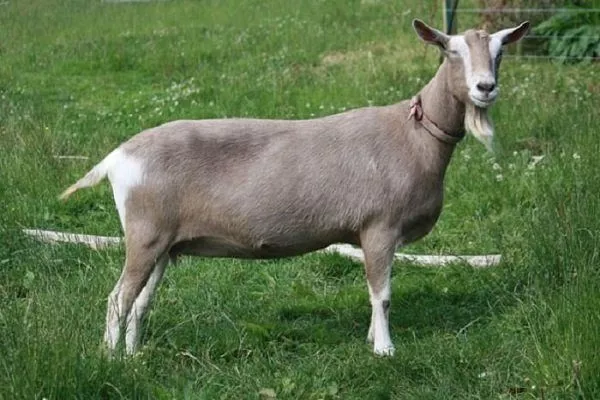
Toggenburg goats are brown with white markings, and long-haired varieties are also available. They produce 500-1000 liters of milk per year. Their milk has no distinctive odor.
Advantages:
- high milk yield;
- strong immunity;
- good adaptive performance.
Flaws:
- high price;
- difficulty of purchase.
Russian white
This is a European dairy breed with high productivity. These goats have a massive body, short legs, ears set wide apart, and short white fur. Some goats have horns and beards, or are polled. They reach 60 cm at the withers and weigh up to 30 kg.
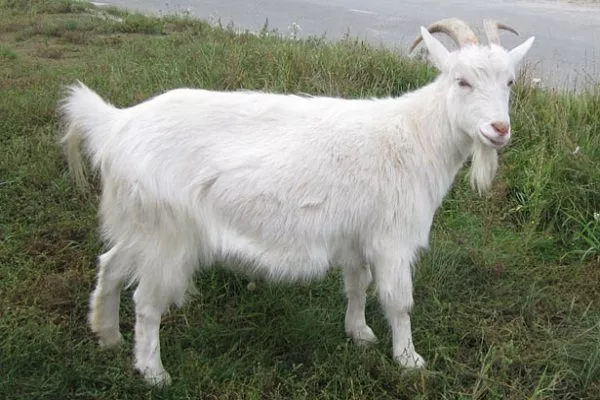
The Russian White goat is known for its high milk yields. During lactation, up to 800 liters of milk can be produced with a fat content of 5-6%. Daily milk yield is 3-5 liters.
Advantages:
- high fertility;
- valuable skin;
Flaws:
- degeneration of the breed;
- goats have a conflicting nature;
- risk of disease.
Gorky
These European goats are a cross between the Saanen and Toggenburg breeds. They have a compact body, well-developed muscles, small horns and tail, and wide-set limbs. Like their parents, Gorky goats are a rich white color, reach up to 70 cm at the withers, and weigh 50-60 kg.
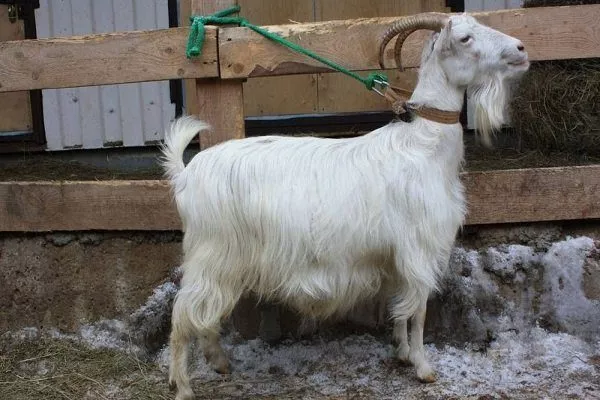
Milk production is moderate. During lactation, a goat produces 500-600 liters of milk with 5% fat content. The product's value lies in its lack of a distinctive odor and high protein concentration per 100 g of product.
Advantages:
- rapid acclimatization;
- aesthetics of the breed;
- strong immunity;
Flaws:
- moderate milkiness;
- heat intolerance;
- danger of ticks, fleas, and other parasites.
La Mancha
The La Mancha's historical homeland is ancient Persia. A distinctive feature of these animals is their lack of ears, which gives them an unusual, decorative appearance. These goats have a strong build and a wide range of colors, including spotted. La Manchas reach a shoulder height of 95 cm and weigh up to 65 kg.
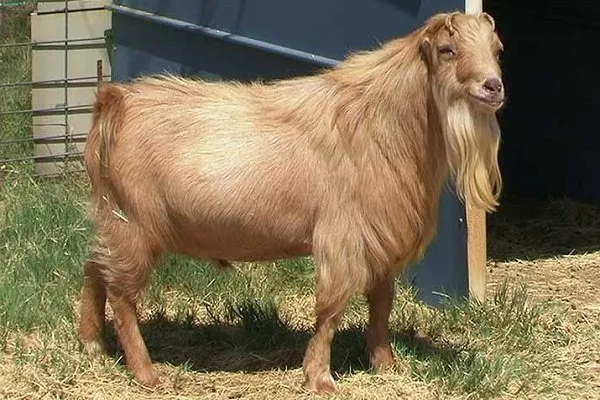
A La Mancha goat produces up to 8 liters of milk per day with 5-6% fat content. La Manchas have tender, lean meat, and lambing can produce up to 4 kids. Breeding this breed is profitable, but the challenges lie in the care and maintenance of the goat.
Advantages:
- high fertility;
- strong immunity;
- decorative properties of the breed;
- high milk yield;
- full-fat milk.
Flaws:
- difficulty of purchase;
- high price;
- meticulous care.
Alpine dairy
This dairy goat breed originates from France. These large animals reach a shoulder height of 90 cm (36 in). Females weigh 60 kg (130 lb), while males weigh 80 kg (170 lb). These polled goats have an attractive coat—an uneven distribution of shades of brown, including black.
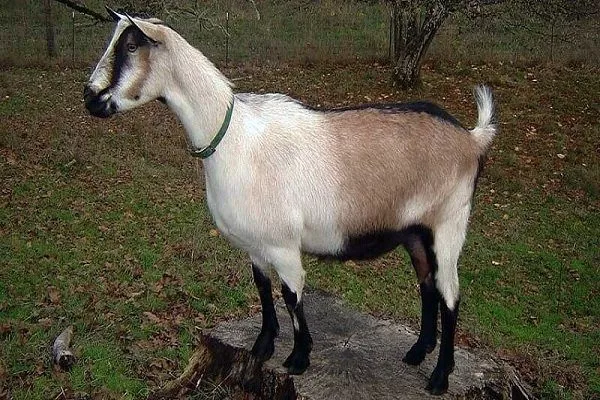
Alpine goats produce 700-800 liters of odorless milk per year, but record-breaking yields of up to 1,000 liters are also known. The product's fat content ranges from 4-7%, depending on diet.
Advantages:
- excellent exterior;
- high milk yield;
- frost resistance;
- docile nature;
- disease resistance.
Flaws:
- sensitivity to poor quality water;
- high price;
- difficulty of purchase.
Cameroonian
This is a dwarf goat breed. The animals reach 45 cm at the withers, females weigh up to 15 kg, and males 25 kg. Purebred individuals have a light brown coat with darker shades in various areas of the body. Black Cameroon goats are also found.
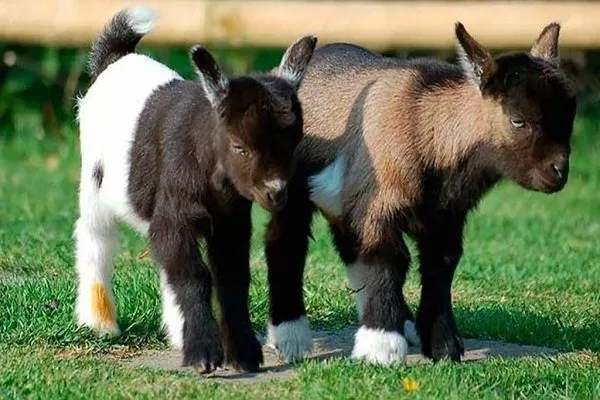
You can get 2 liters of milk with up to 6% fat in 24 hours. It has no distinctive odor, but its nutritional value is undeniable. It contains phosphorus, calcium, potassium, and iron.
Advantages:
- compact size;
- calm character;
- strong immunity;
- high milk yield.
Flaws:
- intolerance to dampness and drafts;
- aggression in a stressful situation;
- the melancholy of growing up alone.
Czech brown
This is the most sought-after breed in Russian agriculture. These goats tolerate cold well, and their productivity does not decline with changing climate conditions. Young animals gain weight quickly. Czech Brown goats are used to produce not only rich milk but also meat.
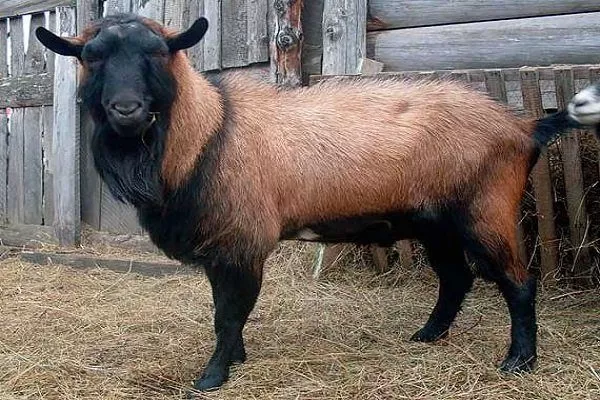
Daily milk yield ranges from 3 to 5 kg with a fat content of 5-6%. The Czech breed maintains milk production year-round, depending on the goats' housing conditions and feeding practices.
Advantages:
- high productivity;
- nutritious milk, dietary meat;
- balanced character;
- the animal has high intelligence.
Flaws:
- heat intolerance;
- danger of harmful insects;
- risk of disease.
Malagueña
A rare breed of goat, created by crossing the Maltese and Pyrenean breeds. The animals reach a shoulder height of up to 75 cm and weigh 65-80 kg. The Malagueña is a short-haired, brown goat with horns and no polles.
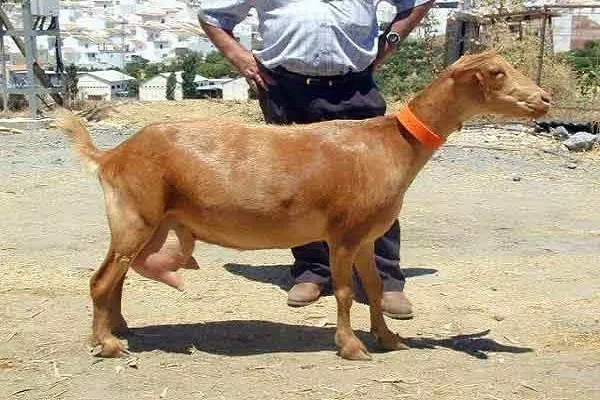
The lactation period lasts 310 days. Annual milk yields reach 1,350 kg. The milk is nutritious, with a fat content of 4 to 7%. The goats are highly fertile, producing up to 4 kids per lambing.
Advantages:
- aesthetics of the breed;
- ease of care;
- high productivity rates;
- strong immunity;
- rapid acclimatization.
Flaws:
- difficulty of purchase;
- high price;
- little information about the breed.
Comparison table of dairy goats
When choosing dairy goats, pay attention to the following milk production indicators. Not only the annual milk yield is significant, but also the milk fat content and the nutritional value of the natural product.
| Breed | Daily milk yield, l | Annual milk yield, l | Milk fat content, % |
| Nubian | 4-5 | 1,000 | 4-7 |
| Gorky | 3 | 600 | 3.5 |
| Russians | 2-3 | 500 | 3-4 |
| Cameroonian | 2 | 300 | 1.5 |
| Czech | 5-6 | 1,200-1,300 | 4.5 |
| La Mancha | 3-5 | 900 | 4-6 |
| Toggenburg | 2-3 | 600 | 3-4 |
We recommend you see an overview of the best breeds of dairy goats in this article.
Downy
These goats are bred for their downy hair. They have coarse hair and a thick, soft undercoat. This undercoat is used to make yarn for shawls, scarves, and other garments. Other productivity indicators are low: small litters, low meat yield, and low-fat milk.
| Name | Average weight, kg | Comb from 1 male, g | Comb from 1 female, g |
|---|---|---|---|
| Orenburg | 45-75 | 450 | 350 |
| Gorno-Altaisk | 40 | 700 | 450 |
| Pridonskaya | 40-70 | 450-1500 | 380-1350 |
| Angora | 50 | 6000 | 5000 |
| Black down | 40-80 | 500 | 350 |
Orenburg
Long-haired goats originate from the Southern Urals. These animals are distinguished by their large size: females weigh over 45 kg, and males over 75 kg. Black Orenburg goats are most common, while red and gray ones are less common.
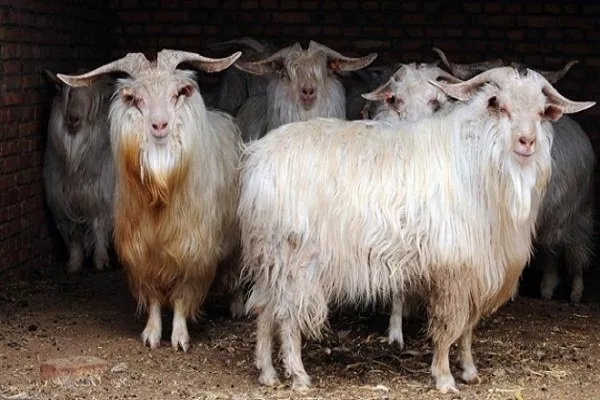
Thanks to their warm down, the animals are frost-resistant and quickly adapt to low temperatures, which does not affect their high fertility. A single goat can produce up to 600 grams of high-quality down.
Advantages:
- high productivity;
- good adaptive performance;
- aesthetics of the breed;
- rapid growth;
- strong immunity.
Flaws:
- heat intolerance;
- tendency to poisoning;
- deterioration of down quality in cramped conditions.
Gorno-Altaisk
The goat, native to the Altai region, is adapted to harsh climates. The animal has a proportional body, well-developed muscles, and a uniform brown color. Male goats reach 65 cm at the withers and weigh up to 40 kg.
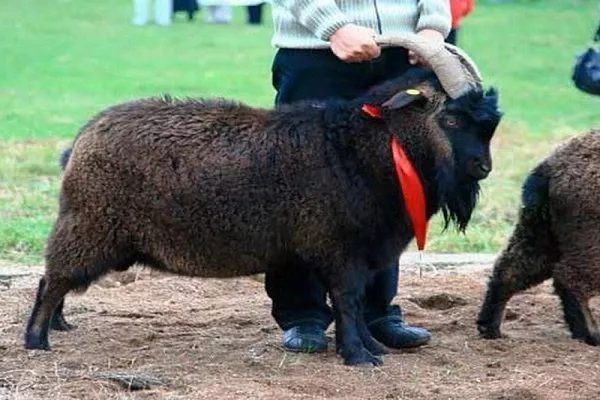
One male goat can yield 750-1,000 grams of high-quality down, while a female goat can yield 550-650 grams. The product is soft and pleasant to the touch. Down is used to make warm scarves and shawls, as well as clothing insulation.
Advantages:
- aesthetic appearance;
- high productivity;
- frost resistance;
- strong immunity;
Flaws:
- heat intolerance;
- dependence of fur quality on living conditions;
- high price.
Pridonskaya
The goat originated in the steppe regions of the Don River. It is a small animal with long fur (9-12 cm) of white or gray color. The Don goat reaches 70 cm at the withers, with males weighing 70 kg and females around 40 kg.
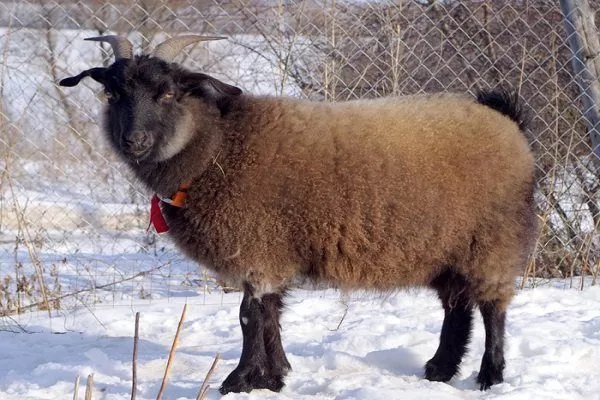
These animals are fertile, producing up to three kids. A single buck can produce between 400 and 1.5 kg of soft, elastic down, depending on the buck's sex, living conditions, and feeding habits.
Advantages:
- high productivity;
- rapid growth;
- docile nature;
- frost resistance;
- external attractiveness.
Flaws:
- difficulties of care;
- dependence of fur quality on living conditions;
- risk of disease.
Angora
This curly-coated goat originates from the central regions of Turkey. An adult male reaches 75 cm at the withers and weighs up to 50 kg. They come in white, gray, brown, and silver colors, with drooping ears and horns that point outward.
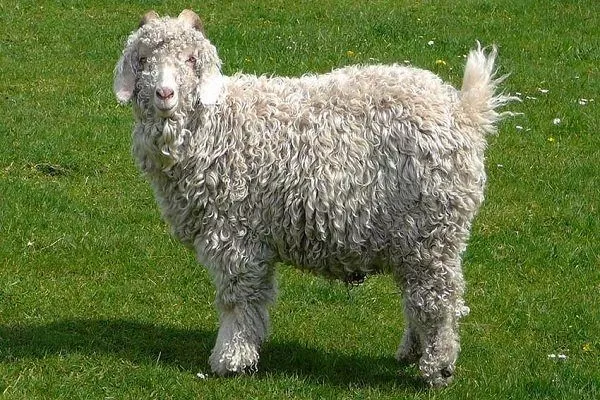
Angora goats have soft, shiny, and pleasant-to-the-touch wool that's 25 cm long. An adult can produce up to 6 kg of wool. The animals are sheared twice a year. Missing shearing schedules reduces the quality of the down.
Advantages:
- aesthetics of the breed;
- large volume of down;
- high fertility;
- frost resistance;
- docile character.
Flaws:
- the need to adhere to the haircut schedule;
- difficulty of care;
- high price.
Black down
This goat, bred in Uzbekistan, has a large, well-proportioned body. Its body is proportional, its head is medium-sized, its ears hang down at the sides, and it has small horns and a bushy tail. Females weigh up to 40 kg, males up to 80 kg.
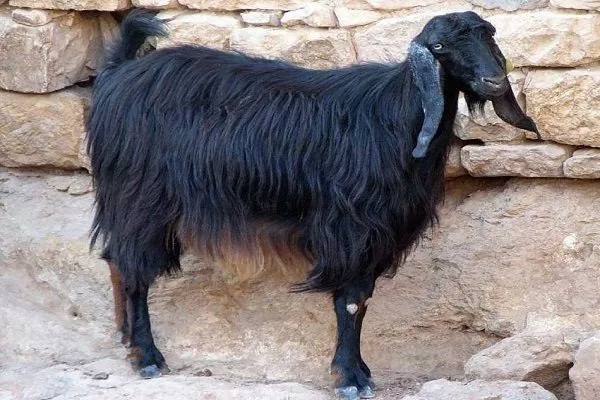
From one male goat you can comb out up to 700 g of high-quality down, from a female goat – 450-500 g. During molting, the loss rate reaches 40%.
Advantages:
- good backcombing;
- unpretentiousness in maintenance and food;
- high quality down;
- frost resistance;
- tasty meat.
Flaws:
- loss of down during molting;
- the importance of timely combing;
- risk of disease.
Comparison table of down goats
To help you choose the most profitable breed of down goats, below is a table to illustrate the productivity of these domestic animals.
| Breed | Comb from 1 male, g | Comb from 1 female, g |
| Orenburg | 450 | 350 |
| Pridonskaya | 450-1,500 | 380-1 350 |
| Gorno-Altaisk | 700 | 450 |
| Angora | up to 6,000 | up to 5,000 |
| Black down | 500 | 350 |
| Cashmere | 200 | 150 |
We recommend reading the article: "The best breeds of down goats with photos and descriptions".
Woolen
Wool goats are less popular than down goats. Their high-quality wool is used in the light industry for clothing and insulation. These goats have strong immune systems and adaptive abilities. With proper care and fleece, their wool becomes a primary source of income for breeders.
Tuvan
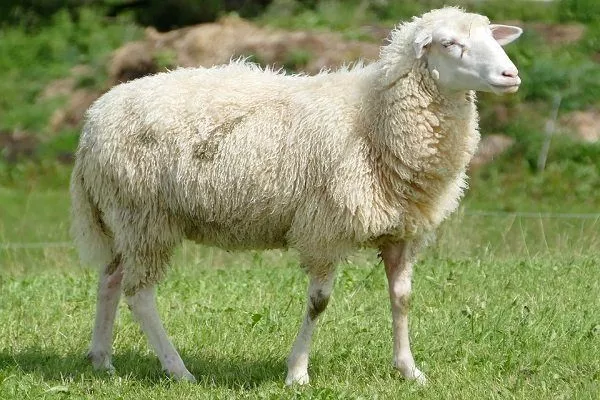
These are small animals, producing up to 1.5 kg of wool per year, depending on age and sex. Goats are not particularly productive: they produce little meat, and only 100 kg of milk, which is used to feed their kids. Fertility is 1-2 kids per litter.
Advantages:
- high quality wool;
- frost resistance;
- good adaptive performance;
- external attractiveness;
- disease resistance.
Flaws:
- molting;
- the need to get a haircut twice a year;
- difficulty of care.
Tajik
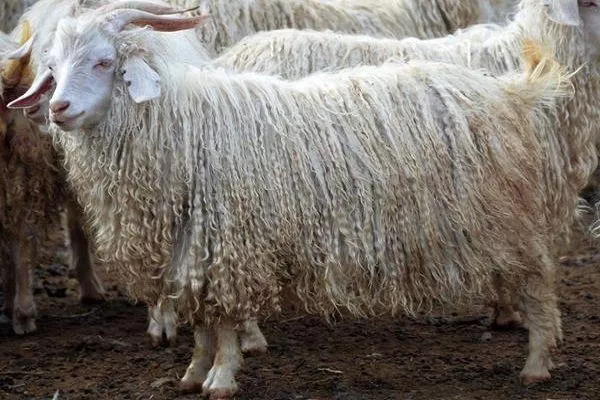
This is a variety of the Soviet breed originating from Tajikistan. The animals have an unattractive appearance: their gray fur curls into small ropes and hangs from their bodies. The goats are small: males reach 65 cm at the withers and weigh up to 60 kg. Representatives of the Tajik breed have a proportional body, drooping ears, and small horns.
Advantages:
- high productivity;
- frost resistance;
- calm character;
- disease resistance.
Flaws:
- unkempt appearance;
- decreased productivity during molting;
- high price.
Uzbek
The goat was bred in Uzbekistan, hence its name. The animals have a long body, a massive back, and a short neck. Males reach 70 cm at the withers, while females reach 55 cm. Males weigh up to 80 kg, while females weigh 40 kg.
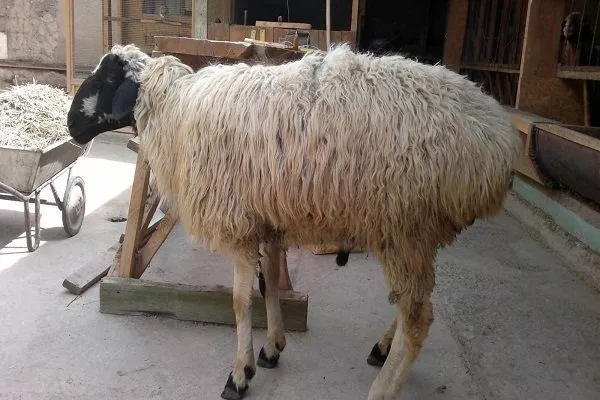
Goats produce high-quality wool; one animal can yield up to 3 kg per year. Goats shed seasonally, which reduces productivity.
Advantages:
- high productivity;
- good adaptive performance;
- frost resistance;
- tasty meat;
- strong immunity.
Flaws:
- the need to cut twice a year;
- difficulty of care;
- coarse wool.
| Name | Average weight, kg | Productivity per year, kg | Coat length, cm |
|---|---|---|---|
| Soviet wool | 40-65 | 2-3 | 18-22 |
| Tajik | 45-60 | 5 | 12-14 |
| Uzbek | 40-80 | 3 | 14-16 |
| Angora | 60-70 | 3 | 12-20 |
| Tuvan | 40-60 | 1.5 | 17-22 |
Soviet wool
Goats originate from Kazakhstan. These animals are adapted to harsh climates and graze on mountain pastures. Despite their small size, they have a robust build and long hair that hangs from their bodies in irregular tufts 18-22 cm long.
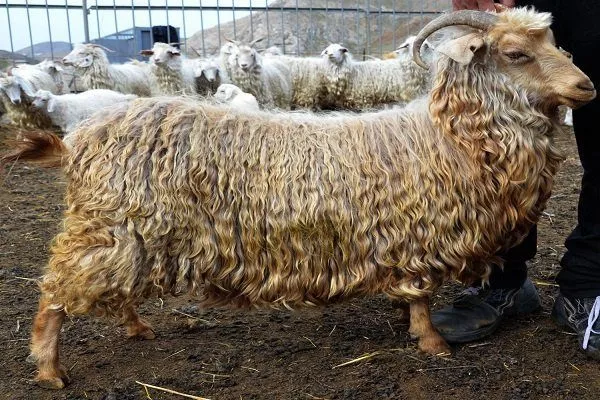
Fertility is moderate. A female produces 1-2 kids per lambing. Wool strength reaches 12-15 kg.
Advantages:
- frost resistance;
- soft, pleasant to the touch wool;
- strong immunity;
- high productivity;
- docile character.
Flaws:
- low fertility;
- care features;
- unaesthetic appearance.
Comparison chart of wool goats
Goat wool is used to insulate clothing and create garments. Its quality depends on many factors, which are important to consider when choosing a breed for breeding.
| Name of the breed | Weight of male/female, kg | Productivity per year, kg | Coat length, cm |
| Soviet wool | 65/40 | 2-3 | 18-22 |
| Tajik | 60/45 | 5 | 12-14 |
| Uzbek | 80/40 | 3 | 14-16 |
| Angora | 70/60 | 3 | 12-20 |
| Tuvan | 60/40 | 1.5 | 17-22 |
| British Angora | not specified | 2-3 | 15-22 |
Meat
Goats of this breed produce high-quality meat. The meat is tender, tasty, and juicy, with no distinctive odor. Meat-producing animals are raised for slaughter, which is the main source of income for goat breeders. Before choosing, familiarize yourself with the most popular breeds.
| Name | Average weight, kg | Slaughter yield, % | Milk productivity per year, kg |
|---|---|---|---|
| Boer | 100-135 | 55-57 | 150 |
| Greek | 40-50 | 57 | 100 |
| Kiko | up to 90 | 55 | 80 |
| Black Anatolian | 50-60 | 55 | 80-100 |
Boer
This South African goat breed features a hooked muzzle, long body, and slender limbs. The animals have a strong chest and well-developed muscles. Males weigh up to 135 kg, while females weigh up to 100 kg. The goats are white with brown spots on the head, neck, and chest.
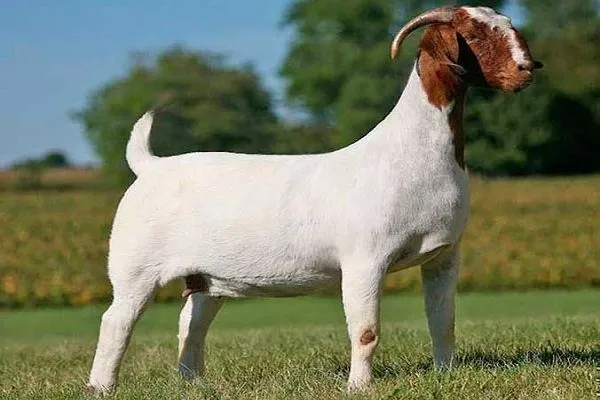
Boer goats have tender, lean, and juicy meat. Their slaughter yield is 55-57%. The product has no distinctive odor. Besides the meat, the hide of these domestic animals is highly prized.
Advantages:
- aesthetics;
- rapid growth;
- strong immunity;
- high productivity.
Flaws:
- long adaptation to cold;
- careful hoof care;
- decreased productivity in a new location.
Greek
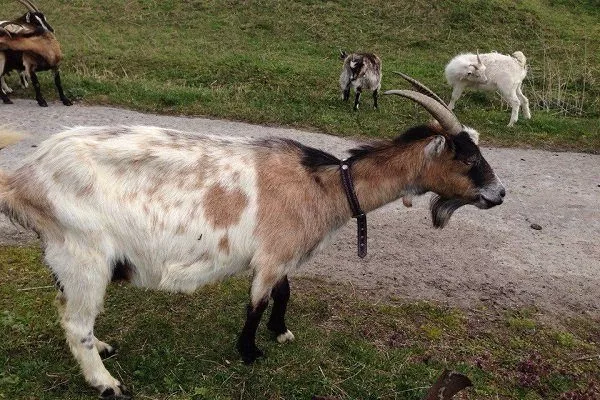
This goat has Greek roots and originates from the island of Crete. It has a long muzzle, an elongated body, erect ears, and set-back eyes. The goats are short-haired and come in a variety of colors (white, black, brown, and gray).
Advantages:
- aesthetics of the breed;
- high productivity;
- strong immunity;
- absence of smell in milk and meat.
Flaws:
- eating green plants;
- difficulty of purchase;
- high price.
Kiko
These are domestic goats native to New Zealand. They have a large build, drooping ears, and short but very warm fur. Male goats are distinguished by their long beards, curled horns, and large size compared to the female. Female goats are smaller, have a strong maternal instinct, and produce up to 2-3 kids per litter.
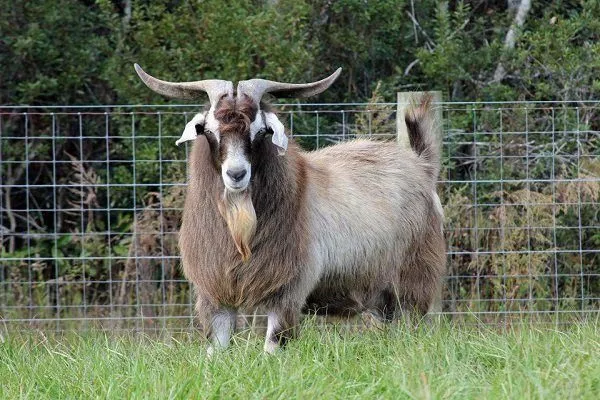
Goats are highly prized for their delicious, nutritious meat, which is used to prepare delicacies. In terms of profitability, the cost of keeping these animals is more than offset.
Advantages:
- small size;
- good weight gain;
- strong immunity;
- frost resistance;
- developed maternal instinct.
Flaws:
- a small amount of milk;
- rarity of the breed;
- feeding features.
Black Anatolian
These goats are especially common in Russian farmlands. They are easy to care for and quickly adapt to any weather conditions. They are black or dark brown with spots.
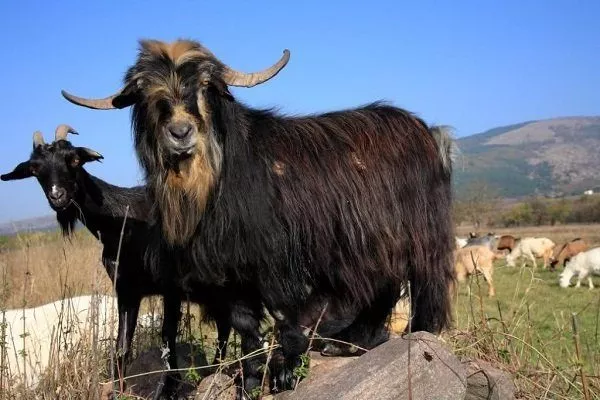
The animal weighs up to 70 kg. Despite their small size, kids gain weight quickly and are easy to care for. Yearlings can weigh as little as 36 kg or reach 60-75% of their adult body weight.
Advantages:
- good immunity;
- tolerance to harsh climates;
- aesthetics of the breed;
- rapid weight gain;
- high fertility.
Flaws:
- the need for grooming;
- hoof condition monitoring.
Comparison table of meat goats
| Name | Weight of males/females, kg | Weight of kids, kg | Milk productivity per year, kg | Slaughter yield, % | The smell of meat |
| Boer | 135/100 | 4 | 150 | 55-57 | — |
| Greek | 50/40 | 3-4 | 100 | 57 | — |
| Kiko | up to 90 | 2-3 | 80 | 55 | — |
| Black Anatolian | 50-60 | 2-3 | 80-100 | 55 | — |
You can get even more information about meat goat breeds here.
Dairy and meat
This is a compromise option for breeders. Goats produce nutritious milk and dietary meat, which are used for personal consumption and for sale as a source of income. Each breed has its own characteristics and productivity indicators, which are important to understand before breeding.
Goats were the first animals from which primitive man received rich and nutritious milk.
Barbary
The spotted, short-haired goats originate from India and Pakistan. This is a medium-heavy breed for meat and dairy production. These goats are small in size and attractive for their compact size. Adults weigh up to 50 kg (males) and 30 kg (females). A litter consists of 1-2 kids.
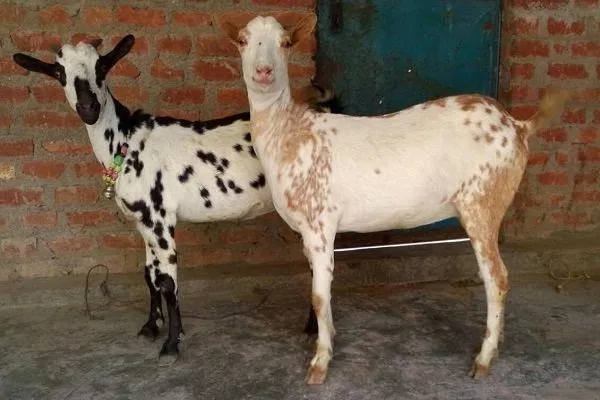
The goat has a distinctive appearance: a Roman profile, erect ears, a straight back, and a short tail. The animal has short white fur with speckles throughout its body and head. The goat is raised for meat production and also produces delicious milk.
Advantages:
- rapid weight gain;
- good adaptive performance;
- tasty meat, fatty milk;
- aesthetics of the breed;
- docile character.
Flaws:
- high mortality rate of kids;
- Features of care.
Nubian
This is an ancient breed of goat with a slender frame and long legs. A distinctive feature is the ears that hang down at the sides instead of horns. These goats are attractive for their beauty and their quick adaptation to new climates. The animal's color is brown, with dark spots on its sides.
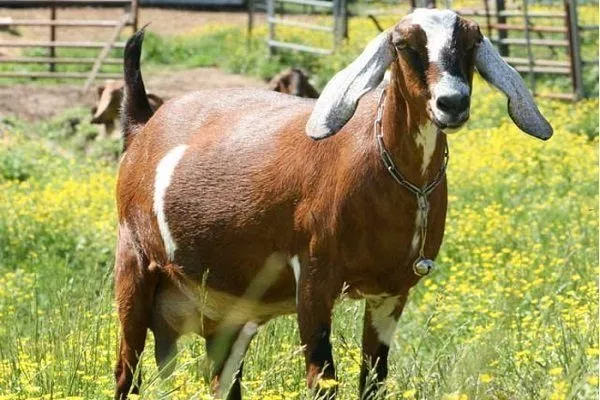
Nubian goats produce delicious and nutritious milk. Daily milk yield is 3-5 liters with a fat content of 4-9% (depending on feeding). The product has no distinctive odor.
Advantages:
- offspring twice a year;
- high milk yield;
- annual lactation period;
- rapid weight gain in young animals;
- rapid acclimatization.
Flaws:
- harm of midges;
- high price;
- fastidiousness in care.
There's a huge selection of domestic goat breeds. The main thing is to decide what you need a pet for. Generally, with proper care and upkeep, they're a good source of income for farm owners.