
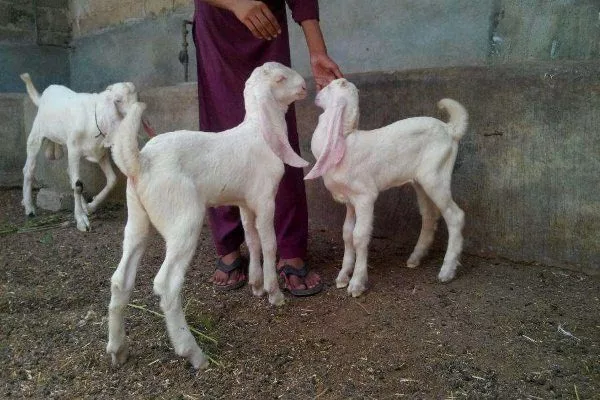
Pakistani Gulabi goats are a dairy breed with elongated ears and a hooked nose. These animals are known for their high milk yield and distinctive appearance, and are prized for their tasty, nutritious milk and tender meat. Gulabis are rarely seen on Russian livestock farms, but are more common in Tajikistan, Afghanistan, Arab countries, and India.
Origin of the breed
Gulabi goats were developed on the India-Pakistan border in the areas of Rahnapura, Hazar-Abad, and Sindh. Local white goats and representatives of the breed were used for selection. KamoriThe second name in the local dialect is Basi.
- ✓ Check for documents confirming purebred status.
- ✓ Assess the living conditions of the animals before purchasing.
- ✓ Specify the age of the goat and its productivity.
Description of Gulabi goats
Pakistani goats are attractive for their distinctive appearance, snow-white fur, and low feeding requirements. Adults reach approximately 1 m at the withers. Males weigh 70 kg at 18 months, and females 50 kg.
The maximum weight of adults is 90 kg.
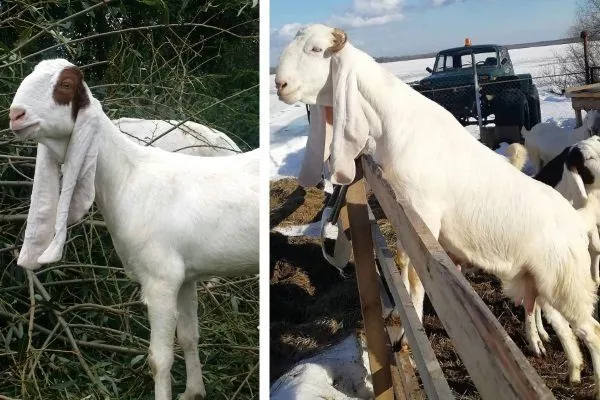
A slender build, elongated neck, and aquiline nose give these goats a graceful appearance. Their long ears distinguish them from other dairy breeds. Pakistanis crop them and curl them into a tube. Their thick fur makes them frost-resistant and hardy in low temperatures. Gulabis quickly adapt even to the harsh Siberian cold, but they still require warmth for maintenance. More information on winter goat care is available in next article.
Males are stubborn and willful. Females are more docile and interact well with people. Gulabi goats are intelligent.
Breeders claim that they are able to think and understand human commands, and that their behavior resembles that of cats.
Productivity characteristics
Since goats of this breed are expensive, breeders are interested in milk yield and other productivity characteristics before purchasing. Gulabi wool is prized. Gulabis have tasty, tender meat and milk with 5% fat content. They can milk 1.5-2 liters per day. How much milk a goat can produce is discussed in another article.
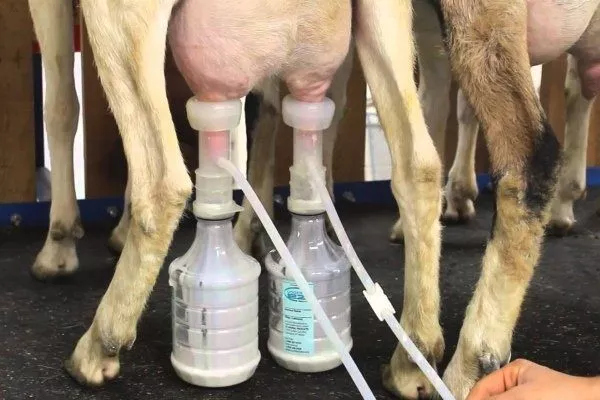
The goat is adapted to machine milking, which significantly increases milk yield. During lactation, she can produce between 400 and 720 liters of healthy milk.
Advantages and disadvantages
Their hooked noses, small eyes, and drooping ears make them a true farmyard gem and a true favorite among breeders. Before purchasing Gulabi goats, it's important to consider their pros and cons. It's worth starting with the positives:
- high daily milk yield;
- rapid acclimatization;
- frost resistance;
- tender, tasty meat;
- unpretentiousness in nutrition;
- high quality skin.
Not every breeder is eager to acquire such a unique animal. This is due to the following disadvantages:
- low prevalence in Russia;
- difficulty of purchase;
- high cost.
Breeding and care
To ensure your animal stays healthy, produces good milk, and simply pleases its breeder, follow these care guidelines:
- HabitatGoats need warmth and comfort, so the barn should be free of drafts and dampness. The acceptable humidity level is 75%. Windows should face south, and the height should be 1.5 meters above the floor. Maintain a temperature of 5°C (41°F) in winter and 19°C (66°F) in summer. Cover the clay platform with peat, then top with sawdust and straw. During warmer months, regularly remove manure to prevent infection. Regular cleaning is not necessary in winter; it's better to keep the goats warm.
- Keeping goatsTo maintain a strong immune system, include green fodder with vitamins and valuable microelements in your Gulabi's diet. Graze your goats in fields and forests, and avoid wading in swamps and backwaters. Dampness and drafts in pastures can worsen the animal's health. the goat can get sick or even die. Animals love light and warmth, so provide them with decent living conditions, and the Gulabi will milk well.
- Animal careComb Pakistani goats daily. Their fur is short and soft, so lice removal shouldn't be a problem. To prevent lice infestations, treat the soft fur with a warm baking soda solution once a week. Clean their hooves after each grazing to avoid inflammation of the pink skin.
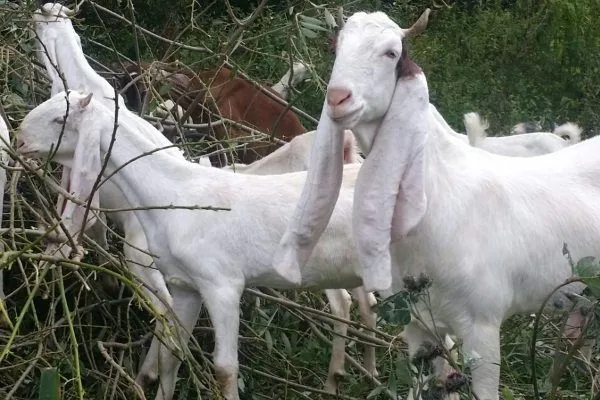
- FeedingBe sure to include straw, root vegetables, hay, silage, compound feed, and fresh vegetables in your Gulabi's diet. Crushed bran, corn, oats, barley, and oak and birch twigs are also beneficial. Don't feed goats exclusively grain; supplements will only improve the quality of milk and strengthen your Gulabi's immune system. Read more about goat nutrition. here.
You can read more about feeding goats in winter separately. Here.
If goats are purchased for breeding, study the following rules when raising the younger generation:
- 1 hour after goat lambing bring her the litter, help the baby find the udder.
- From the age of 7 days, release the kids to pasture with their mother.
- Make sure the kids suckle the goat up to 8 times a day.
- At 3-4 months, transfer the young animals to green grass and hay, and wean them off goat's milk.
- The first 7 days - exclusively breast milk.
- From day 8 - gradual introduction of green grass and hay.
- From 3 months - complete transition to an adult diet.
Read more in our other article about this, How to feed kids.
Reviews
Gulabi goats are easy-to-care-for animals that produce healthy milk, tender meat, and simply make you smile with their appearance. Before purchasing this breed, carefully weigh the pros and cons. They are not cheap and require careful care and attention. Only then can you achieve a bountiful milk yield.