
Czech goats possess a unique grace and calm. This dairy and meat breed has become a favorite and promising one for many goat breeders. They are easy to care for, produce healthy milk and lean meat, and are highly prized for their wool and hide. Czech goats have been bred in Russia for many years, particularly in the Pskov, Voronezh, and Sverdlovsk regions, in the Altai and Primorsky Krais, and in Khakassia.
History of the breed's origin
Czech goats are known as Brown Shorthaired Goats, Czech Shorthairs, or Brown Goats. These animals first appeared in the second half of the 20th century. Their ancestors are believed to be Alpine and German Brown goats. There are approximately 400,000 head of goat breeds worldwide today, bred on private and commercial farms, and they have become the main source of income for many goat breeders.
Breed standards and appearance
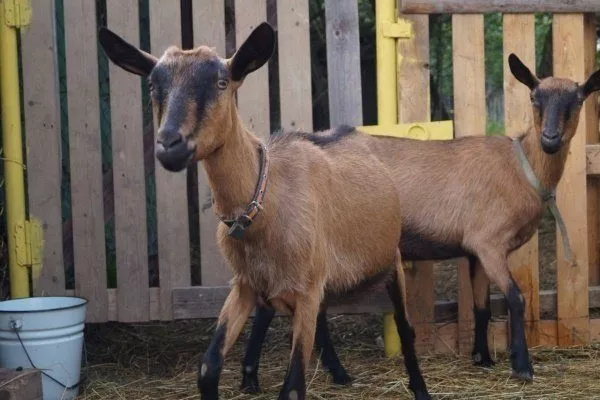
The goat has short hair, a thick undercoat, and a strong build. The coat color varies depending on the region where it is raised and its genetic makeup, ranging from milky chocolate to dark brown. A dark stripe runs along the spine, making this breed unmistakable. Czech goats have small, splayed ears, an elongated triangular muzzle, and a short tail. Only males have a black beard. A distinctive feature of Czech goats from other breeds is the dark triangles behind the ears.
Most individuals are polled (without horns). They resemble dogs in appearance and are just as intelligent, quick-witted, and friendly in behavior. There are some Czech goats with horns, but these make up no more than 20%. Further comparing them to dogs, these domestic animals also remember their names, respond to their pronunciation, and know simple commands and obey them.
An adult male buck weighs up to 75-80 kg, while a female buck weighs no more than 55 kg. A male's height at the withers is up to 85 cm, with a chest girth of 90-110 cm. An adult female buck's height does not exceed 75 cm, with a chest girth of up to 100 cm. Males are easily distinguished from females by their appearance: they are larger and have a more muscular body. A full female udder resembles a soft sac, and when empty, it wrinkles into a fold.
Productivity of Czech goats
Animals are profitable to keep in large and small-scale agriculture. Most of the year goats produce nutritious milk, dietary meat, valuable hide, and manure, which is used as a rich fertilizer. Breeders don't spend much on keeping Czechoslovakians, so this is a promising direction.
Meat
Czech goats produce lean meat, which is widely used in dietetics. A six-month-old kid yields 20 kg of fresh meat, while a yearling yields up to 45 kg. These figures increase as the animal matures.
Breeders often slaughter goats at the age of 1.5 years, which is explained by their high meat productivity.
Czech goat meat tastes similar to veal, but is slightly darker in color. It has a thin layer of white fat. The meat is tender and soft, yet fibrous. To improve meat production, the animal is well fattened before slaughter. Goat meat has a distinctive odor that many dislike. To eliminate this odor, the males are castrated. Before cooking, the meat is soaked for several hours in spices and marinade.
Milk
The lactation period in females lasts 280-300 days per year. Such high milk yields increase the popularity and demand of Czech goats in agriculture. They can produce 1,000 kg of milk per year with a fat content of 3.5%. With proper care, this figure increases to 2,000 kg. The milk contains 3% protein and 5% lactose. The daily milk yield of an adult goat ranges from 4 to 6 liters.
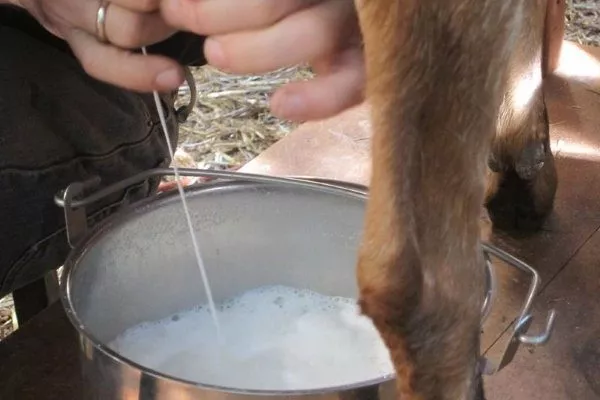
Czech goat's milk has a rich, creamy flavor and a pleasant aroma. It can be used to make sour cream, cheese, butter, and feta cheese. Dairy products are easily digested, do not cause allergies, and do not upset the digestive tract. This hypoallergenic product is included in baby food and is beneficial for a child's immune system.
Litter
This organic fertilizer is rich in nitrogen and is widely used in agriculture. In one year, a Czech goat produces 500 kg of manure (when free-ranging) and 1,000 kg (when kept in a stall).
Fresh manure cannot be used in concentrated form, otherwise it can ruin the crop (burn the plant roots).
To make the fertilizer suitable for agricultural use, the manure must be left to rot in a compost pit for six months. Organic waste is also added to the compost pit. The finished fertilizer is used in the spring, before plowing.
Advantages and disadvantages
When choosing goats for breeding, breeders consider the advantages and disadvantages of each breed. Czech goats are particularly sought after, based on the following criteria:
- unpretentiousness in food;
- strong immunity with proper care and feeding;
- high milk productivity;
- rapid growth (at 7 months weight up to 25 kg);
- lack of a persistent odor in males (appears only during mating);
- long period of lactation;
- high fertility;
- affordable price.
The Czech goat breed has its drawbacks, but they are in the minority:
- poor tolerance to low temperatures;
- risk of attack by blood-sucking insects due to short hair;
- heat intolerance;
- decrease in milk yield in the summer.
Features of maintenance and cultivation
Czech goats are hardy and prolific when properly fed and cared for. There are several care considerations:
- Living conditionsEnsure each animal has its own elevated bed or heated floor in the barn. Keep males and females separate, otherwise the litter will be unplanned. Clean the area regularly, as this can create a risk of germ growth.
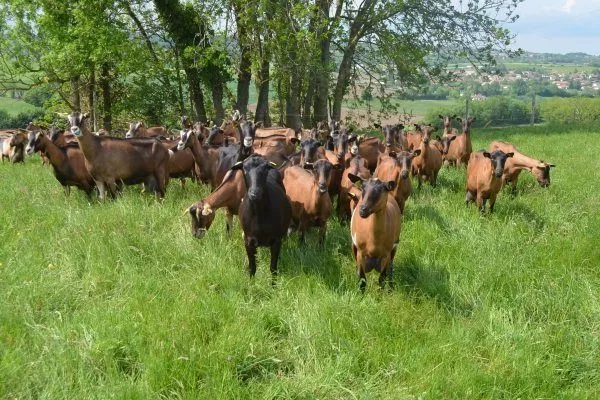
- Feeding. Since the animals are not picky eaters, feed them stored hay in winter and green grass in summer. To increase milk yield in winter, supplement your Czech goats' daily ration with compound feed, food scraps, and fresh vegetables. In summer, graze your animals regularly, as green grass provides them with the maximum amount of vitamins and valuable micronutrients for a strong immune system.
Goat house equipment
To ensure that the animal produces good milk and offspring, bringing in income for the breeder, the goat barn must be properly equipped. Adhere to the following mandatory conditions:
- Prepare a bright and spacious room for the goats (4 sq. m per animal).
- Build a barn out of wood and cover it with straw, insulate the outside with mineral wool.
- Make the floors concrete to make it easier to clean up droppings. Line them with straw to maintain warmth.
- Facing the south, install the windows at a height of 1.5 meters from the floor.
- Avoid dampness and drafts, otherwise the animal will get sick and milk yield will decrease.
- Install a ventilation system in the shed to ensure fresh air circulates throughout the room.
- Think about your lighting system; for example, a 120-150 W bulb is sufficient for a 20 sq. m. room.
- Install water bowls. The goat should always have access to clean water. Secure the water bowl in place to prevent the animal from knocking it over.
- Build a wooden platform as goats like to rest in their stalls on elevated surfaces.
- Divide the room into separate pens to isolate males and females.
- Set up a walking yard on the south side, clean it thoroughly after each grazing of the Czechs.
Czech goats are warmth-loving animals, but they do not tolerate extreme heat or humidity, and they become ill from drafts and low ambient temperatures. The acceptable humidity level in the barn is no more than 75%. The optimal temperature is 15-16 degrees Celsius in summer and at least 5 degrees Celsius in winter.
- ✓ The optimal temperature in the goat's house in winter should not fall below 5°C, and in summer it should not exceed 16°C.
- ✓ The humidity level in the room should be maintained at no more than 75%.
If there's no space for a walkway, your goat can graze in the lawn in front of your house. To do this, get a metal stake and a 3-5 meter long rope or chain. When the animal has eaten all the grass in one area, move it to another. You can also drive a stake into the ground and leave a grazing area.
Nutrition
Roughage includes hay, straw, thin branches, young shoots, and dried leaves. A Czech goat's daily diet requires 1 to 3 kg of these ingredients. Concentrated feeds include barley, oats, bran, and corn. Adults are given up to 1 kg of these supplements per day, while 500 g is sufficient for young goats. To avoid upsetting the goat's digestion, crush the grain before feeding, dilute the concentrate with water, and grind the cake.
When feeding goats, do not spill grain on the floor. Special feeders are required in the barn; otherwise, dangerous microbes can enter the goat's body along with the food. The same applies to feeding Czech goats outdoors. Do not spill grain on the ground; use a portable feeder made of wood, hard plastic, or metal. Wash it after each feeding.
Adult goats
Feeding depends on the season, sex, and the goat farmer's ultimate goals for each individual. The daily diet should include the following types of feed:
- DryMore suitable for winter rationThis is hay made from wild grass and legumes, of which a goat should eat 1 to 2.5 kg per day. Feed a fresh portion each time, as stale food develops an unpleasant odor and loses its appetizing appearance. Dry feed also includes barley straw and oats.
- GreenThis is more suitable for the summer period and is cost-effective for goat breeders. Choose pastures with ryegrass, fescue, and timothy grass. Legumes, such as peas, alfalfa, and lupine, should also be included in the goat's daily diet.
- Dietary, mineralFeed your goats supplements and mineral supplements year-round. Legumes and grains, wheat bran, beet pulp, and mineral supplements are especially beneficial.
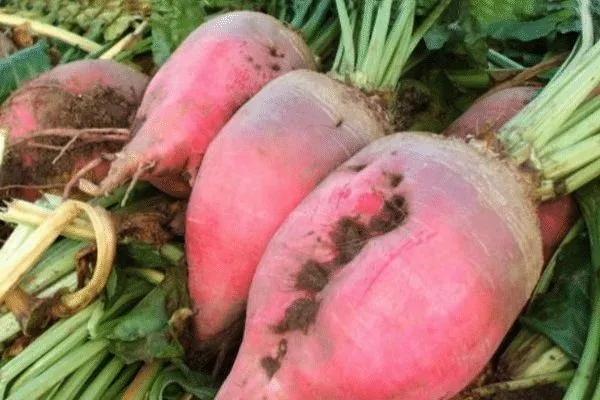
- SucculentMore suitable for lactation, they promote milk production. These vegetables have a high moisture content. Feed your Czech kittens moderate amounts of shrub stems, as well as boiled potatoes and fodder beets.
Kids
After birth, kids stand on their feet within two days. For up to 12 weeks, the litter feeds on milk four times a day. As they mature (by 4-5 months), hay is introduced into the daily diet. A daily salt intake of 4-6 g is mandatory. By 7-8 months, kids are allowed to eat compound feed, cooked oatmeal, chalk, and chopped vegetables. An 8-month-old kid should eat 1 kg of succulent feed, 1.5 kg of hay, and 200 g of compound feed per day. From early childhood, kids are allowed to graze with adult animals, for the first time in warm weather.
Read more about how and what to feed kids this article on our website.
When choosing a diet for a Czech goat, be aware of dangerous ingredients:
- Hay with mold. Dry feed spoils if stored improperly or stored improperly for the winter. The goat will develop colic, digestive problems, and require immediate veterinary attention.
- Harmful plants. These include members of the Rhododendron family. These plants are edible, but after eating, goats will vomit and develop diarrhea. Without prompt treatment, the animal may die. Therefore, make sure that such plants are not present in areas where Czech goats graze.
Basic rules for watering
Czech goats feed 3-4 times a day at regular intervals. Be mindful of not only their feeding but also their drinking. The quality and quantity of milk yield, as well as the health of your goats, depend on these factors. Valuable advice from experienced goat breeders:
- During hot weather, the barn should always have clean water in drinking bowls. Goats drink unlimited amounts.
- The number of drinking bowls should correspond to the number of heads in the barn.
- In winter, goats drink in the morning and evening, and their water intake is unlimited (until the animal is full). On average, each Czech goat needs 5 to 8 liters of fluid per day.
- The optimal water temperature ranges from 6 to 10 degrees; this indicator should not be exceeded.
- In winter, goats' water is slightly salted, and in summer, special salt is placed near the water trough. Without this salt, the animals become lethargic, eat poorly, and produce less milk.
- After drinking, empty any remaining liquid from the water bowls. It's recommended to change the water 2-3 times per day.
- It is necessary to thoroughly clean off the green algae on the walls of the drinking bowl.
Grooming
Czech goats are a short-haired breed that also require careful grooming. Brush them daily. To remove dirt, dust, and excess hair, use special rubber brushes, similar to those used for grooming horses. Use warm water when washing.
To treat and prevent parasites, treat the animal's coat with specialized products (veterinary pharmacies have a wide selection). If your Czech goat has fleas, additionally treat the barn with copper sulfate. In this case, use antiparasitic medications daily until the fleas are completely gone.
Hoof care
After each grazing, clean dirt from the animal's soles, otherwise the sensitive skin will become inflamed. Trim the hooves twice a year.
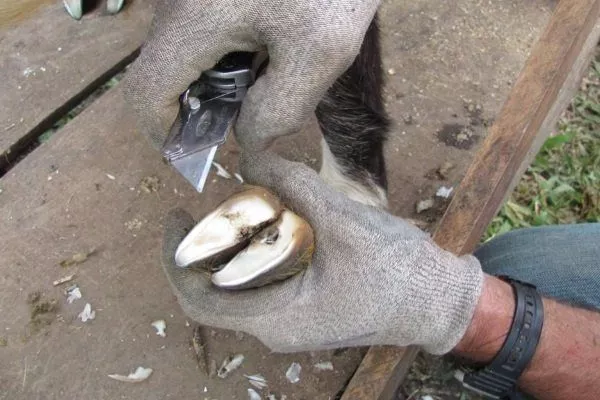
Sequence of actions:
- Soak the animal's hooves in a solution of copper sulfate.
- Clean them from accumulated dirt.
- Trim the hooves from toe to heel.
- Make sure the cut is uniform.
- Do similar manipulations with the remaining hooves.
Breeding
Czech female goats reach sexual maturity at 4-6 months, while males reach sexual maturity at 18 months. Females can produce their first litter at 7-8 months, but the kids weigh significantly less than yearlings. Breeders typically breed males at 2 years of age, weighing 40-45 kg. The offspring are strong and resilient.
Czech goats' mating season is seasonal, most often occurring between August and December. It is recommended to breed animals no more than once a year. Females gestate for 21 to 23 weeks. To ensure healthy offspring, in addition to grains and mixed feed, up to 2.5 kg of fresh vegetables are added to their diet once a week. It is best not to feed large grains of wheat to pregnant goats, but pine branches, mixed feed, and oats can be included in their diet.
The offspring are born in the spring. A litter typically consists of 1-2 kids, who stand up within 1 hour of birth and actively run around their mother.
Crossbreeding with other breeds
Purebred Czech goats, when crossed, improve the quality of the offspring of mixed-breed females. Such experiments have their consequences. The milk of mixed-breeds is inferior to purebreds in all respects, and the fat layer is thicker. If a goat breeder's goal is high income, then a good profit can be made from the offspring of "purebred" breeds.
In agriculture, goats of different breeds are often crossed. For example, when Czech and Saanen goats are mated, the offspring are strong, frost-resistant, and produce high milk yields. These animals have short hair with a thick undercoat, a creamy shade, and produce up to three kids per litter.
Experienced goat breeders advise against crossing Czech goats with non-pedigree goats. Experience shows that in the second and third generations of such crossbreeds, the quality and quantity of milk decreases significantly. It's better to rely on mating purebreds.
Frequent illnesses
Goats rarely get sick, but if care and feeding rules are not followed, they may still require emergency veterinary attention. Below are the most common goat diseases:
- Acute tympanyThe cause is feeding the goat large amounts of fermenting foods. Symptoms include a bloated abdomen, loss of chewing gum, and loss of appetite. If treatment is not started promptly, the goat may die.
- GastroenteritisThe cause is a sudden change in the young animals' diet. Symptoms include constipation alternating with diarrhea, loss of appetite, high fever, and respiratory distress. In addition to dietary adjustments, the goat is prescribed antibiotics.
- PneumoniaCauses include stress, overheating or hypothermia, and dietary inadequacies. Symptoms include high fever, wheezing, irregular pulse, and loss of appetite. Treatment is with injectable antibiotics.
- AvitaminosisCauses include a deficiency of vitamins A, B, C, and E. Symptoms include growth retardation, impaired coordination, and loss of appetite. Medication is not necessary if the Czech goat's daily diet is balanced.
- MastitisCauses include improper milking techniques, udder trauma, and poor animal care. Symptoms include pus and flakes in the milk and hardening of the mammary glands. Without antibiotics, the goat's condition worsens.
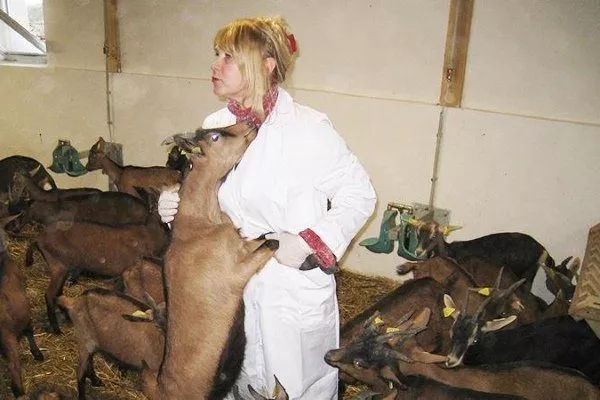
To avoid diseases in Czech goats, take effective preventative measures in a timely manner:
- Keep sheds dry and clean, and ensure proper feeding domestic goats.
- When choosing feed and mineral supplements, take into account the age of the goats and the characteristics of their life stage.
- Give your young animals preventative vaccinations on time and have them checked by a veterinarian for tuberculosis and brecellosis.
- Clean and trim your horse's hooves regularly to avoid the risk of developing a dangerous infection.
- At the first symptoms of illness, do not self-medicate; call a veterinarian to your home immediately.
- Check hooves regularly for damage and clean them of dirt.
- Perform preventative treatment of the coat against parasites at least once a month.
- Ensure that young animals are regularly vaccinated and undergo regular veterinary checkups.
Reviews
Czech goats have become not only a source of profit but also reliable farming helpers. Their docile nature and intelligence have made them favorites in the barnyard.