
Mastitis in goats is a serious and dangerous disease that requires accurate diagnosis and prompt treatment. These animals are easy-going, but if left untreated, this condition can lead to various health complications. In the most severe cases, it can be fatal.
Mastitis in goats: what is it?
Mastitis is a serious inflammatory process in the mammary gland of a goat (udder), accompanied by painful symptoms and posing a threat to the life of the animal.
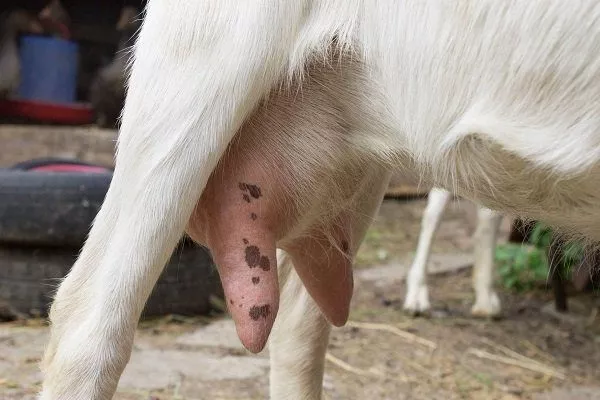
Mastitis occurs 24 hours or 30-45 days after lambing in primiparous goats. The disease affects one lobe of the udder (unilateral) or both lobes (bilateral). As a result of the bacterial infection, swelling develops in the udder tissue and circulatory problems occur.
When a goat has mastitis, not only the consistency but also the taste of her milk changes. The product becomes very sour, bitter, and clear.
The disease can occur in acute or chronic forms. In the latter case, symptoms of mastitis are not always apparent. In the acute form, the udder appears heavy and greatly swollen, and the teats or affected lobe begin to darken.
The main causes of the disease
In goats, mammary gland inflammation can occur due to milk retention. This can occur for various reasons, which must be determined before treatment can begin.
Unbalanced diet
The most dangerous and serious violation is overfeeding goats with concentrates. Goats are ruminants, so microbiological processes in the rumen must proceed at an optimal rate.
The concentrates fall onto the bedding, which consists of coarse feed. If rumen digestion is impaired, the forestomach walls fail to contract. The moisture content of the food entering the rumen is important.
If the pasture has very lush grass, the goat should be fed straw or hay beforehand. This will normalize digestion and prevent poisoning from dangerous toxic plants, which a hungry animal might consume in large quantities.
Incorrect conditions of detention
Goats need optimal conditions. If the animal constantly lies on cold and damp ground, dirty bedding, drafts, or concrete floors, severe hypothermia occurs. This weakens the body's immune defenses and triggers inflammation.
Infection
The disease is contagious and can be transmitted through unhygienic feeding of offspring or bedding that has been contaminated with bacteria.
There are several ways of infection:
- through dirty bedding;
- open wounds or cuts;
- through the dirty hands of the milkmaid;
- as a result of thermal exposure - for infections, elevated temperatures are the best conditions for activation.
Violation of zoohygienic requirements for milking
Incorrect milking and hygiene practices can trigger the onset of inflammation of the goat's udder, including the following:
- using a dirty towel;
- low quality water;
- pinch milking;
- neglect of both preliminary and final udder massage.
Frequent changes of milkers and rough handling can lead to inflammation. Keeping sick and healthy animals together increases the risk of mastitis in dairy goats.
Excessive use is the main cause of udder overload. It recovers before the next lactation. This is why it is necessary to perform a milking session approximately 70-80 days before the expected birth.
Inflammatory processes in internal organs
Various postnatal complications are accompanied by inflammation (e.g., endometritis, vaginitis, and post-lambing delay). This leads to the spread of opportunistic pathogens through the lymphatic ducts to the udder, leading to infection.
Udder injury
Various mechanical injuries to the udder can trigger mastitis. Cuts or bruises to the glands are accompanied by inflammation. Fights between cows can injure the udder, triggering mastitis.
Other factors
Other factors that can cause mastitis include:
- skin burns resulting from prolonged exposure to the sun;
- severe hypothermia;
- various colds;
- udder injury due to improper milking technique;
- lack of nutrients in the animal's body;
- failure to comply with sanitary standards (uncleaned excrement, dirty bedding, etc.);
- serious infections that were not noticed before.
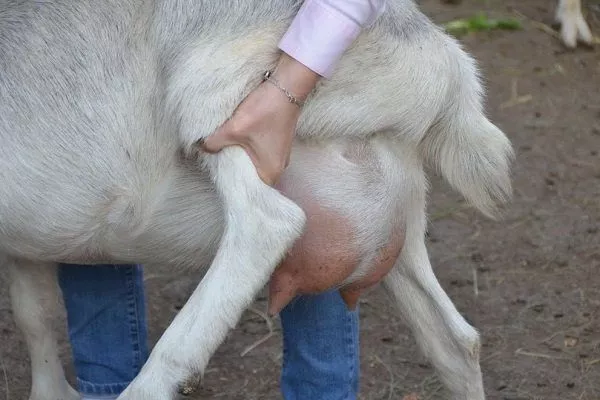
Signs for self-diagnosis of udder inflammation
Mastitis is a dangerous disease that requires immediate treatment. It's important to know the main symptoms that appear in the early and later stages. Each specific form of mastitis may have characteristic signs.
General symptoms common to all forms
There are common symptoms that appear in different forms of mastitis:
- one of the lobes of the udder increases greatly, then turns red;
- During palpation, a hardening of the gland becomes noticeable, it is inflamed, there is no plasticity, seals are formed, rapidly increasing in size;
- blood impurities in the milk of a sick animal;
- milk yields are sharply reduced;
- the quality of milk deteriorates - mucous clots are visible in it, the product itself becomes translucent or cloudy;
- If you boil milk, it will quickly turn sour, and when it settles, a sediment will appear in the form of blood clots or flakes.
When mastitis begins to develop, the animal's general condition and well-being deteriorate sharply. The goat appears tired and develops a fever. Touching the udder causes severe pain.
Subclinical
The most common and dangerous form, also known as latent mastitis, accounts for approximately 70-80% of cases. Farm owners are often unaware that their animals are infected, as latent mastitis does not present any obvious clinical symptoms, but it can also cause complications.
To confirm the diagnosis, a specialized bacteriological test of the milk is performed. Bacterial culture determines the presence of microorganisms in the milk and the specific strain. The bacteria's sensitivity to specific antibiotics is determined, and appropriate, individualized treatment is selected.
Acute
The most dangerous form, it causes a lot of trouble for both the animal and its owner. The main signs of manifest mastitis are elevated body temperature. Ichor, lumps, and flakes appear in the milk. A characteristic feature is the goat constantly trying to spread her legs as wide as possible.
The causative agents of acute mastitis are anaerobic bacilli, pasteurella, streptococci or pathogenic staphylococcus, which develops approximately one month after lambing in the teats of a goat.
With this form of the disease, the animal exhibits the following symptoms:
- the udder becomes very hard and greatly increases in size;
- lymph nodes become hypertrophied;
- milk yield drops sharply (in the most severe cases it stops completely);
- local and general hyperthermia is observed;
- instead of milk, a watery liquid of a reddish tint begins to be released;
- The color of the gland changes, it becomes purple, and over time a bluish tint appears.
Chronic
This form results from untreated acute mastitis or a worsening of subclinical mastitis. Symptoms are the same as those seen with latent mastitis.
Subspecies
There are other variations of mastitis:
- Purulent. The disease progresses in an acute form, purulent discharge forms in the udder, and inflammation appears on the skin of the udder.
- Serous. Swelling of soft tissues that occurs as a result of the accumulation of bacterial fluid between the alveoli.
- Hemorrhoidal. Disruption of blood supply to the udder and the formation of a large number of bruises in the future.
- Catarrhal. This type of mastitis appears within the first 24 hours after lambing. Characteristic symptoms include painful and severe redness and inflammation of the udder tissue.
What is false mastitis and how to deal with it?
Udder swelling, also known as mastitis, is often mistaken for mastitis. Pseudomastitis manifests as severe hardening of the mammary gland. Milk letdown is significantly impaired. However, there is no blood or watery discharge in the milk.
If these symptoms appear, pay attention to the sediment of sour milk. If there are no foreign discharges or impurities (flakes, etc.), it is imaginary mastitis.
Treatment methods
Treatment utilizes modern medications and time-tested traditional medicine recipes. The choice of specific treatment depends directly on the severity and type of the condition.
- ✓ The animal's body temperature should be measured before starting treatment to determine the severity of the condition.
- ✓ It is essential to conduct a bacteriological analysis of milk to accurately determine the pathogen.
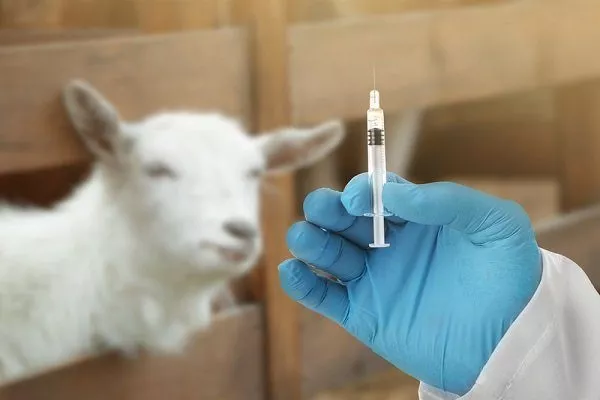
Official veterinary medicine
The treatment of mastitis in goats is based on the use of antibacterial drugs to suppress bacteria. These drugs are administered intra-udder (into the inflamed lobe of the mammary gland) and intravenously.
The treatment regimen involves a combination of homeopathy and effective new-generation antibiotics. The result is a complete recovery for the animal.
Antibiotics are administered intramuscularly. For treatment, the veterinarian prescribes the following medications:
- Doreen. 300 mg (1 vial) is diluted in water for injection (strictly according to the instructions and doctor's recommendations). One injection per day.
- Cefazolin. 1 g is diluted in 5 ml of novocaine. The drug is administered twice a day.
- Cobactan. 3 ml (1 ampoule) single dose. Administered once daily.
- Penicillin. 50,000 units are combined with 0.5 g of streptomycin. The resulting mixture is diluted in novocaine (according to the instructions). The solution is administered twice daily.
- Threads - 200. For every 10 kg of animal weight, 1 ml of the preparation is administered once every 2-3 days.
Intra-udder medications should only be administered after thorough milking. Before use, warm the bottle in your hand (the medication should be at body temperature).
Adjuvant therapy is also prescribed:
- Cobactan. This is a universal remedy used to treat any form of mastitis. It is administered 3-5 times, with a 24-hour break between each application.
- Mammifort or Kloksamast. Suitable for treating latent forms of the disease. It is administered only once.
Physiotherapy procedures
These methods are used on small farms due to their high cost. Currently, physiotherapy for mastitis in goats is considered an experimental treatment. This is because goat farming is not as popular in Russia as in other countries.
Once the diagnosis is confirmed, the veterinarian will prescribe the following procedures:
- breast massage;
- clay wraps;
- the effect of an infrared lamp on the surface of the udder.
During the massage, it's important to rub various healing ointments into the skin. These include antibacterial ointment, ichthyol ointment, or Vishnevsky ointment.
Folk remedies
With this disease, spherical masses begin to form inside the udder, which the farmer can remove independently through massage. When the masses do not decrease in size and begin to fester, ichthyol ointment should be used, as it quickly draws out pus from the wounds.
For treating an inflamed udder, it's helpful to use easy-to-prepare decoctions and infusions. The following formulations have proven to be the most effective:
- Mix calendula flowers with petroleum jelly in a 1:5 ratio. Apply the resulting mixture to the inflamed areas three times a day. Store the prepared ointment in a tightly sealed container in a cool, dark place.
- To prepare the decoction, take 10-20 tablespoons of dill seeds and pour boiling water (50 liters). Add sugar (2 tablespoons) and let it steep for three hours. The animal should drink one bucket of the decoction per day. Treatment lasts 7-12 days, depending on the goat's condition.
Caring for goats after recovery
After a serious illness and antibiotic treatment, an animal is susceptible to various diseases for some time. The immune system is weakened, so the skin requires increased attention and quality care.
- ✓ Provide the animal with a warm, dry room without drafts.
- ✓ Include probiotics in your diet to restore microflora after antibiotic therapy.
It is worth taking care of the animal’s habitat:
- if necessary, disinfect the premises;
- do a general cleaning;
- Seal all the cracks in the walls to prevent drafts in the room;
- replace poor quality flooring with wood, as it retains heat better;
- protect the premises from small pests that can be potential sources of various diseases.
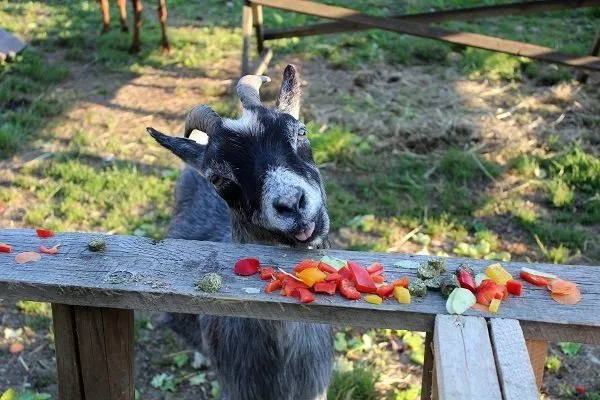
You need to approach the preparation of your diet with special attention. Animal nutrition must be complete and varied. It must include:
- fresh hay – not less than 4 kg per day;
- root vegetables and fruits – apples, carrots, potatoes, pears, cabbage;
- natural vitamin products - salt, ground cereals, chalk.
Every five hours, change the water in the drinking bowls and add fresh water. Always clean the equipment before adding clean water.
What complications are there?
The biggest problem with mastitis in goats is the exacerbation of the chronic form, which can occur after lambing. Complications also include chronicization if treatment is improper.
The recovery period takes at least one month. During this period, avoid drinking milk from animals that have recently recovered from the disease. Only after rapid testing for latent inflammation is it permissible to consume products from that animal.
Preventive measures
Simple measures can help minimize the risk of your animal becoming infected with mastitis:
- complete completion of milking, since after all the remains of the product have been expressed, its further decomposition in the udder does not occur;
- changing the bedding in the barn every day (prevents the development of a bacterial environment);
- You cannot walk your pet in snowy or rainy weather;
- insulating the cowshed before the onset of cold weather;
- After milking, the teats are disinfected;
- several months before lambing, the goat is released;
- Regular treatment of the teats with simple petroleum jelly ointment prevents the formation of ulcers and cracks through which dangerous microorganisms enter the udder;
- periodic examinations by a veterinarian (at least once every three months);
- proper and complete nutrition, which should include root vegetables and roughage.
Before milking, it's helpful to gently massage the mammary gland. The procedure is very simple and doesn't take much time:
- Wash the udder thoroughly with warm water and dry it with a clean towel.
- Massage each half of the udder separately - take it with both hands and perform stimulation on each side.
- Pull the gland up slightly and squeeze, then lower it down.
- Repeat this manipulation at least 4 times.
Is it possible to drink milk from a sick goat?
During mastitis treatment, a goat's milk production sharply declines. In some cases, it even stops altogether. Only after the next calf is it possible to milk the doe again.
Many farmers do not throw away the milk from a sick goat, but find uses for it:
- boiled and then given to other animals;
- added to various cosmetic products.
Veterinarians also do not recommend it for human consumption, as it contains harmful bacterial byproducts. This product can cause severe poisoning in humans.
Although mastitis is a dangerous condition that can lead to serious consequences, it is easily treated. The key is to recognize the condition early and seek help from a veterinarian who can prescribe effective treatment.
Thank you so much for the information – I had several symptoms combined. They identified them, and when the vet was able to come, he confirmed the diagnosis.
Maybe in the section on physiotherapy methods “low cost???