
Ketosis is a non-infectious disease that can seriously impact milk production in goats. The outcome of the disease depends directly on careful handling, proper feeding practices, and timely treatment.
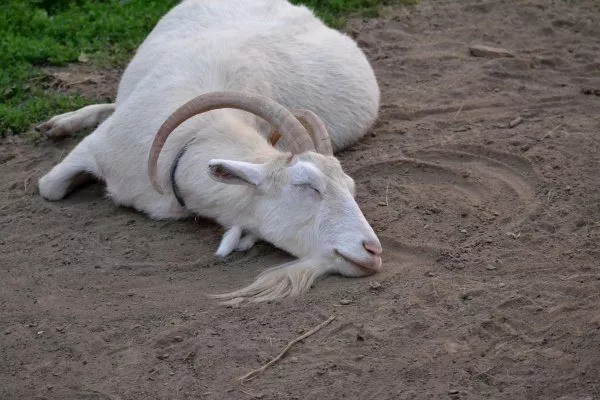
Description of the disease
Ketosis is a dangerous condition that disrupts metabolic processes. A disruption in the metabolism of fats, proteins, and carbohydrates leads to the accumulation of ketone bodies throughout the body. This toxic metabolic product, formed in the liver, spreads throughout the body's tissues and systems.
Carbon dioxide levels are determined by the rate of disease progression, so alkaline levels may be normal or low when analyzed.
Ketones that accumulate in animal milk, blood, and urine impair overall health and internal organ function. Animals with ketosis experience poor liver, heart, kidney, and other organ function.
A tendency to ketosis is observed in animals:
- overweight;
- experiencing a lack of sunlight;
- pregnant and lactating women;
- little moving.
Stages of ketosis
To differentiate the degree of ketosis, two stages of the disease are distinguished:
- Primary. This is a more common variant. The condition is accompanied by metabolic disturbances and a lack of light carbohydrates during lactation.
- Secondary. This stage is less common. It is associated with the development of ketone bodies due to severe damage to internal organs, such as intestinal inflammation, puerperal paresis, tympany, and also due to food intoxication.
Causes of the disease
The primary cause of ketosis is improper feeding practices in dairy goats. The problem is uncommon in low-yielding animals. There are three main causes of ketosis:
- low energy feed;
- a large amount of protein in the diet;
- feed containing butyric acid in large quantities - for example, improperly prepared silage.
The exact cause of acetonemia cannot be determined, as it can occur both due to energy deficiency and excess energy, caused by a diet high in concentrated feed. Excessive amounts of concentrates and a shortage of hay destroy the rumen microflora, which exacerbates the energy deficit and disrupts metabolic processes. The situation worsens with high milk yields, as a goat's body expends up to 50 g of glucose to produce 1 liter of milk.
Additional factors in the development of ketosis:
- Lack of vitamins and microelements. Copper, zinc, iodine, manganese, and cobalt are especially important for lactating goats. These elements are responsible for the development of microflora in the animal's gastrointestinal tract.
- Inconsistency of the diet with the physiological condition of the goat. During lactation, she requires much more energy. The proportion of concentrates should be increased. However, even here, the norm must be maintained, as increased protein content causes energy deficiency.
Primary signs and symptoms of ketosis in goats
Ketosis is a slow-moving condition. The disease remains asymptomatic for a long time, as the animal's body initially compensates for the problem. However, structural changes occur unnoticed in virtually every system of the body.
Symptoms of the disease depend on the duration of the illness and the combination of adverse factors. The main symptoms of ketosis that occur in the first phase of the disease are:
- overexcitement;
- loud bleating;
- negative reaction to tactile contact;
- aggression.
Gradually, excitement gives way to increasing depression.
In chronic cases, the clinical picture becomes blurred. The sick animal exhibits:
- lethargy and drowsiness;
- reluctance to move;
- lack of appetite;
- dullness of the coat and hoof horn;
- decrease in milk yield;
- enlargement of the liver - the right side becomes even larger than the left;
- alternating constipation and diarrhea;
- rapid breathing;
- irregular chewing;
- tachycardia.
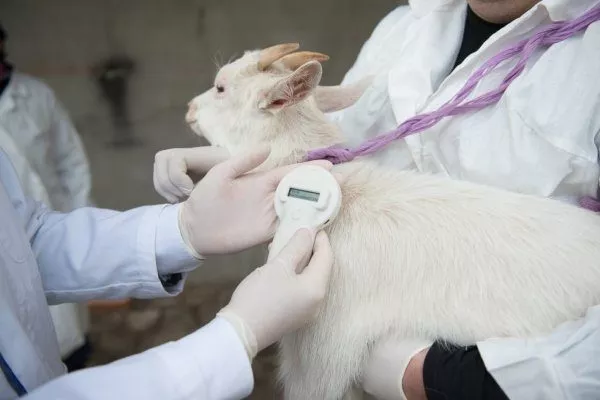
You can tell that your animal has developed ketosis by the strong smell of acetone – milk and other waste products such as feces and urine smell like this.
For more information on other goat diseases, please visit here.
Diagnostics
At the first sign of ketosis, the goat should be taken to the veterinarian. Depending on the stage of the disease, clinical signs may be observed that allow for a diagnosis:
- forestomach hypotension;
- atony;
- low body temperature;
- enlarged liver;
- renal and cardiac dystrophy;
- cardiovascular failure.
In chronic cases, diagnosis is difficult—the plethora of symptoms observed in this condition can be confusing for inexperienced goat breeders. In this case, blood tests can be helpful, as they can detect ketone bodies.
The presence of ketones in the blood causes a decrease in protein, glucose, and hemoglobin levels. If the liver and other organs are involved, ketonemia is often absent, and diagnosis takes longer—the symptoms are similar to those of common poisoning.
How to cure an animal?
Ketosis is dangerous, so delaying treatment is essential. It is not recommended to treat an animal without the assistance of a veterinarian – clear instructions, prescriptions, and dosages are essential. Two treatment methods are used simultaneously.
Drug treatment
The first thing you need to do when in ketosis:
- bring blood sugar to normal levels;
- normalize the functioning of the endocrine system;
- normalize the acid-base balance;
- bring all indicators that were disrupted due to ketosis back to normal.
The animal is treated with the following medications:
- insulin (per 1 kg of weight – 0.5 units);
- glucose 40% solution (0.1 mg per 1 kg of weight);
- hydrocortisone (0.1 mg per 1 kg of weight);
- adrenocorticotropic hormone (300 units);
- Sharabrin A/B liquids;
- sodium lactate;
- vitamins A, E;
- complex vitamins and microelements;
- choline chloride;
- sodium propionate.
- Start with intravenous administration of 40% glucose solution at a rate of 0.1 ml per kg of weight.
- 2 hours after glucose, administer insulin at a dosage of 0.5 units per kg of weight.
- On the third day of treatment, add sodium lactate to the diet according to the instructions.
If the animal exhibits aggressive behavior, a sedative is prescribed. If heart failure develops, appropriate medications are prescribed to strengthen the heart. Medications are prescribed based on the symptoms.
To reduce the acidity of the rumen and other parts of the stomach, the animal is given a solution of baking soda. However, it can also be given dry, by adding it to the feed. The soda regimen lasts for 2-3 weeks. The animal is given 15-20 grams of baking soda per day.
Diet adjustments
To treat ketosis, medication alone is not enough; it is necessary to adjust the animal's diet. The first steps are:
- bringing protein and energy consumption to a norm corresponding to current physiology;
- the basis of the diet should be hay and haylage;
- the norms of concentrates and root vegetables are reduced - their consumption should be moderate;
- Feeding with silage, pulp, spoiled and low-quality feed is prohibited.
Easily digestible carbohydrates are introduced into the goats' diet by feeding them root vegetables. Feeding of sick animals should be balanced to ensure they receive sufficient energy to combat ketosis.
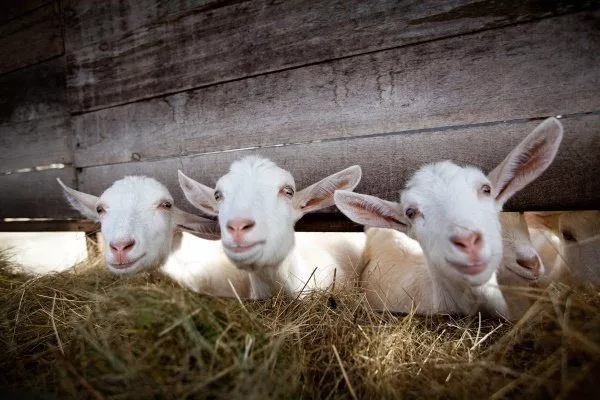
During treatment, animals are examined every five days. Based on the results of the tests, medication and diet are adjusted.
Prognosis and treatment timeframes
With the right approach to treatment and following all veterinarian instructions, your pet can be cured in 1-2 months. In severe cases of ketosis, treatment can take up to 4 months.
Ketosis is usually successfully treated. If the disease is not ignored, it rarely results in the death of the animal. After the disease, goats are weakened and require increased care.
Complications and dangers of the disease
Due to the long asymptomatic course and chronic nature of the disease, many goat owners miss the opportunity to help their animals and avoid serious health complications. The danger of ketosis lies in the irreversible damage to internal organs—if the heart, liver, or kidneys are damaged, it will be impossible to restore the animal to full health. Such a goat will never return to its former milk production.
Prevention methods
Preventive measures aimed at preventing ketosis in goats:
- The diet is controlled – it must correspond to physiological norms of protein, fat and carbohydrate content.
- More hay and grass. Animals are not fed chemical factory mixtures.
- Glucose and mineral supplements are periodically introduced into the diet.
- Provide 100 g of protein per 1 feed unit.
- Distribution of only fresh feed.
- Unlimited access to fresh water.
- ✓ The optimal energy to protein ratio in the diet should be at least 0.8:1 for lactating goats.
- ✓ The daily intake of easily digestible carbohydrates should be at least 100 g per head.
It's also important to closely monitor the goats' behavior and their milk production. The animals should be actively exercised and spend plenty of time outdoors.
Ketosis is a curable condition that only becomes dangerous if left untreated. To avoid losing highly productive goats, owners must be extremely attentive and patient—treatment takes time.