
Ferrets have become popular pets or for breeding on farms. Often, once active and nimble animals begin to weaken and eventually die. Many breeders attribute such cases to the natural life cycle. However, such thinking is largely misguided. The lifespan of domesticated members of this species depends largely on human intervention.
Ferret lifespan
A ferret's lifespan is directly related to its habitat. Domesticated animals live significantly longer than those living in the wild.
| Name | Life expectancy (years) | Habitat | Basic diet |
|---|---|---|---|
| Ferret in the wild | 5 | European and Northern Russia | Small representatives of the fauna |
| Ferret at home | 8-15 | Home conditions | Balanced nutrition |
| Spayed and neutered ferrets | Depends on care | Home conditions | Balanced nutrition |
In the wild
The ferret is considered one of the most agile animals. It lives in the European and northern parts of Russia. A body of water is essential for this mustelid. A small stream is sufficient.
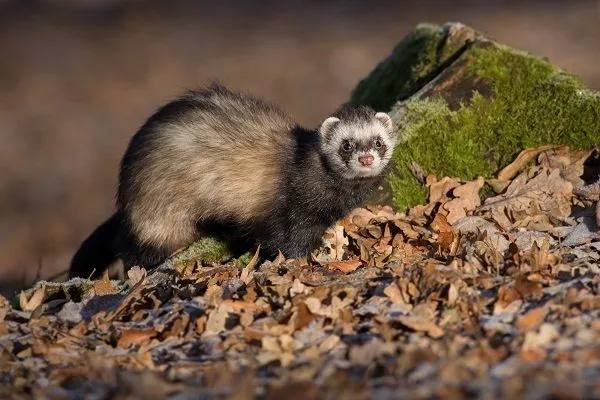
During severe frosts, ferrets prefer to move closer to human habitations. Here, it's difficult for the animal to find a regular supply of water. Consequently, the lack of water and proximity to humans affects its lifespan (dehydration, attacks by domestic animals).
In its natural habitat, the animal feeds on small representatives of the fauna:
- mice;
- hamsters;
- moles;
- water rats;
- small birds.
They aren't always healthy, and as a result, the animals can contract infections. At the same time, ferrets themselves often become prey for owls, foxes, wolves, and, less commonly, snakes.
All of these factors influence lifespan. In the wild, an animal lives no more than 5 years.
At home
It's impossible to say exactly how long ferrets live in captivity. The exact figure depends 80% on the owner's responsible care. The remaining 20% is due to illness and heredity.
If a person chooses the right food for their pet and follows all care and maintenance requirements, the animal's lifespan will be approximately 8 years. Particularly meticulous owners can extend their lifespan to 15 years, but such cases are extremely rare.
Sterilized and neutered animals
Owners who do not plan to breed ferrets on a large scale, sterilize and castrate animals. This helps prolong their life and improve their overall health.
Between 6 and 8 months of age, all members of this species (male and female) enter the rutting season. At this time, hormonal levels change, and ferrets begin to breed.
If mating is not possible, the animal becomes nervous and aggressive. Health problems arise:
- baldness;
- problems with the gastrointestinal tract;
- diseases of internal organs.
As a result, the pet begins to waste away and dies shortly afterward. The procedure of castration or sterilization deprives the animal of the instinctive desire to reproduce; i.e., without reproductive organs, there is no need to mate.
However, there is a downside to the procedure. It can contribute to a shortened lifespan. Neutered (spayed) animals quickly gain weight. Uncontrolled feeding will lead to obesity in ferrets and, consequently, a shortened lifespan.
Factors Affecting Life Expectancy
Care and safety are key factors in ensuring a ferret's longevity. However, there are a few other considerations:
- Genetics. Ferrets descended from animals with severe pathological diseases have significantly shorter lifespans. There is a high risk of death from a genetically determined illness. The owner has no influence on the lifespan. Before purchasing a pet, it is recommended to inquire about the health of its parents.
- Vaccination. Domesticated mustelids are vaccinated against distemper and rabies at a young age. This is a mandatory requirement for pet stores and breeders. Without vaccination, a pet can become ill and die within days.
- DietFerrets are carnivores. Their digestive system is poorly adapted to plant foods (although they are also necessary). Ferrets require a balanced diet. Feeding them table food is strictly prohibited.
- Freedom of movement. Ferrets are active animals. This characteristic is independent of their habitat (wild or indoors). For healthy growth and survival, they need the opportunity to move freely.
But at the same time, the animal prefers to have its own place to rest. For a sound, restorative sleep, a ferret needs a hammock and a blanket.
- ✓ Regular vaccinations against distemper and rabies are mandatory, even if the ferret does not go outside.
- ✓ Providing constant access to clean water prevents dehydration and related diseases.
Diseases that can shorten the life of pets
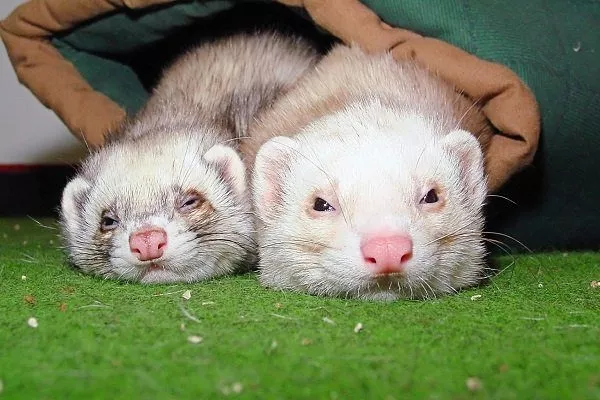
Unlike their wild counterparts, domestic ferrets are more prone to illness. Almost all of these illnesses are caused by improper care. Each of the diseases listed below can be fatal.
The main diseases that affect the body of ferrets:
- Leptospirosis or infectious jaundice. The cause of death is kidney damage or heart failure.
- Aleutian disease. The condition hasn't been fully studied. The disease affects the ferret's immune system. Owners usually only discover their pet has been ill after an autopsy.
- PlagueAn infectious disease. It is fatal in 97% of cases. Animals die from distemper within 12–35 days.
- Rabies. A disease caused by viruses. The primary attack affects the ferret's nervous system.
- Hepatitis. The disease rarely affects members of this species, but if an animal does become ill, the risk of death is high. The disease disrupts the gastrointestinal tract, liver, and central nervous system.
- Parvovirus enteritis. This is an inflammation of the gastrointestinal tract. If a ferret has been living with the disease for five days, the chances of survival increase severalfold.
- ✓ Bright, clear eyes without discharge.
- ✓ Thick, shiny coat without bald spots.
- ✓ Active behavior and interest in the environment.
How to extend the life of a ferret?
Owners have the power to prolong the life of their pets. Strictly observing their living conditions is crucial. Below are recommendations from experienced breeders on feeding and care.