
Ferrets are exotic pets in Russia. Keeping them as pets has only recently become common, so it's not always easy to find an answer to the question of why a ferret has a poor appetite and refuses to eat. We've compiled a list of all the possible causes and solutions for this condition.
Reasons for poor appetite in ferrets
Healthy animals always have a good appetite. If a pet refuses to eat, it indicates some kind of discomfort or illness.
Inappropriate diet
Loss of appetite may be due to a change in diet—a change in food. Try reintroducing the previous menu, and if appetite returns, it's likely due to inappropriate food.
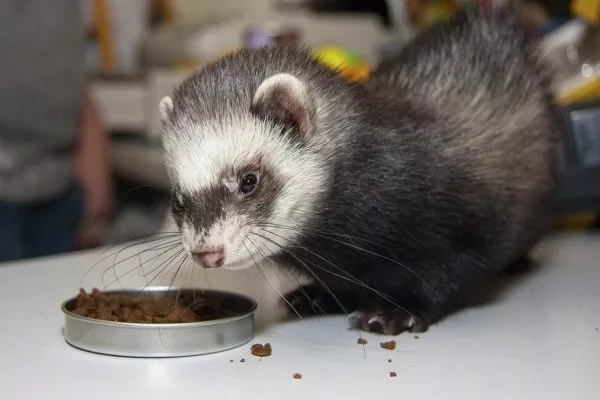
Even the smallest amount of harmful substances entering a ferret's body can cause serious harm. Purchase food only from specialized stores.
You don't necessarily have to feed your ferret commercial food; you can choose natural products. While the former already contains all the vitamins, minerals, and other nutrients necessary for your pet's health and development, you'll need to ensure these are provided yourself.
What should a ferret receive with food per day:
- animal protein – 30-35%;
- fats – 20-22%;
- carbohydrates – no more than 20%;
- vegetable fiber – 2-3%.
What can you feed:
- bird;
- boiled lamb and beef;
- rabbit;
- horse meat;
- poultry by-products;
- sea and red fish;
- seafood;
- chicken and quail eggs;
- porridge made from several grains.
What you shouldn't feed ferrets and what can cause a loss of appetite:
- bakery products;
- nuts;
- citrus;
- sweets;;
- salty foods;
- smoked meats;
- fried and fatty meat;
- seasonings and spices;
- garlic;
- soy products;
- feed intended for other species of animals.
Stress
Another common cause of loss of appetite in ferrets. You may be wondering what kind of stress they might be experiencing and where it comes from, given that they sleep a lot, play all day, and always have food and water available. For most ferrets, this kind of life is a source of stress.
Ferrets are wild animals by nature, not domesticated. They are hunters with excellent physical and mental abilities. If their natural instincts are not satisfied, this can lead to stress, loss of energy, and, as a result, a reluctance to eat.
Try to provide your pet with enough activity, and their appetite will soon return. For example, let them run around the room or let them out into the yard if you live in a private house. It's like hyperactivity in children—they need to release their energy.
Parasite infestation
Ferrets often refuse to eat due to parasites. If your pet is hiccupping, it's likely they have worms. These parasites must be expelled from the body immediately. This can be done with special products available at pet stores.
- Isolate your ferret from other animals to prevent the spread of parasites.
- Collect stool samples for testing within 24 hours of symptom onset.
- Consult your veterinarian for specific treatment based on the type of parasite.
Infections and colds
Ferrets are very active animals. Their enclosure should be free of drafts. Otherwise, they can easily catch a cold. The optimal temperature for ferrets does not exceed 25ºC.
If an animal has lost its appetite and there is a suspicion of a cold or infectious disease, the owner should do the following:
- measure your pet’s temperature, the value should be within 38-39ºС;
- feel your nose, it shouldn't be dry;
- notice if the animal has a runny nose;
- Look at your pet's stool - it may have an upset stomach, and this may be the reason for its poor appetite.
Loss of appetite combined with the above symptoms indicates the possibility of influenza. Pets can become infected not only from other pets but also from humans. At the first sign of this, seek veterinary care immediately.
Cystitis
With this condition, ferrets may also lose their appetite. The main signs of cystitis are frequent urination and a false urge to urinate. The disease is often caused by hypothermia. Symptoms can vary and depend on the pet, its health, and the severity of the disease.
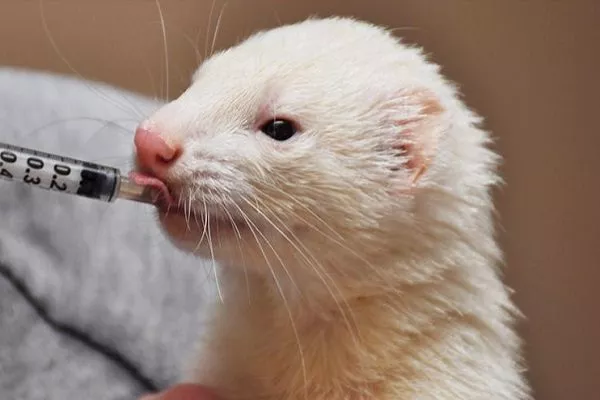
If your ferret is showing symptoms of illness, or has been previously diagnosed, take it to a specialist. In most cases, the diagnosis is confirmed through ultrasound, testing, and a veterinary consultation. If treatment is started promptly, the symptoms will quickly resolve.
Other reasons
Other possible causes of loss of appetite in ferrets include:
- recent vaccination(s);
- overheating in the sun;
- consumption of inedible items;
- hairball ingestion;
- stressful situations associated with moving to a new place;
- tick infestation.
What to do if the ferret doesn’t drink?
A healthy ferret should drink approximately the same amount of water per day as it eats. If your ferret refuses to drink, take it to the veterinarian immediately. They will determine the cause and likely prescribe IV fluids or injections to replenish fluids.
- ✓ The pH level of water for ferrets should be within 6.5-7.5 to prevent urolithiasis.
- ✓ The daily water requirement is calculated as 50 ml per 1 kg of the ferret’s weight, not including water received with food.
Prevention
Prevention is better than cure. Be sure to take your pet to the veterinarian, even if your ferret is feeling well and has a healthy appetite. Frequency of checkups:
- Animals over 3 years old. A veterinarian should examine the ferret every 6 months.
- Young ferrets. If asymptomatic, they can be seen by specialists once a year.
Consider your pet's unique needs and tailor their diet accordingly. To maintain your pet's health, ensure you provide them with proper and nutritious nutrition.
A ferret's poor appetite can be the result of many problems. The most minor of these include an improper diet, overheating, temporary reluctance to eat after vaccination, etc. However, there are also more serious ones, such as a tick bite, infectious diseases, cystitis, or ingestion of inedible objects. In these cases, immediate medical attention is required.