
Dry food is the most convenient form of feeding not only for dogs and cats, but also for domesticated ferrets. To ensure your pet enjoys the food and receives all the necessary nutrients, choose your food carefully and follow the proper feeding guidelines for ferrets.
Features of feeding dry food
Dry food is easy to use. By purchasing a premium, ready-to-use pelleted product, you can be sure your ferret will receive balanced and complete nutrition.
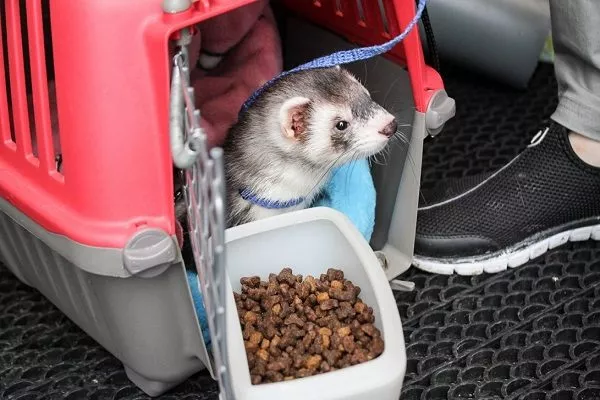
Features and benefits of feeding ferrets dry food:
- Male ferrets eat more than females. The daily requirement for a male/female is 60-70 g/40-50 g.
- Dry food, unlike minced porridge, does not need to be refrigerated.
- Dry food, like natural food, requires animal fats—around 20%—and proteins—at least 32%. Plant fiber content should be up to 4%, and carbohydrates—around 5%—are sufficient, with the maximum allowable level for dry ferret food being 20%.
- ✓ Make sure the food contains at least 32% animal protein.
- ✓ Check that the fat content is around 20%, mainly of animal origin.
- ✓ Pay attention to the carbohydrate level - it should not exceed 20%.
- ✓ Avoid foods with a high fiber content (more than 4%).
Ferrets have a digestive tract that is half the length of a cat's, and they lack a cecum. This makes digesting plant foods difficult, so their dietary intake is minimal, but not unavoidable.
How often should you feed ferrets?
Ferrets are active animals that require a lot of energy. It's no wonder they often crave something to munch on. Ferrets aren't gluttons, but they have a very high metabolism and need to regularly replenish their energy expenditure.
Frequency and principles ferret nutrition:
- While dogs and cats are fed two or three times a day, ferrets need constant access to food. The owner should provide enough food for the entire day or more, and the ferrets will eat it themselves whenever they feel like it.
- If you observe, you'll notice that ferrets eat 7 to 10 times a day. But little by little.
What's the difference between cat and ferret food?
In the wild, ferrets feed on small rodents, birds, and insects. It's no surprise that feeding them at home without specialized food is extremely difficult. Ferrets are picky eaters, so they won't accept just any cat food.
There is currently no strict standardization of ingredients in pet food, so when choosing food, it is important to inquire about its composition.
The difference between ferret and cat food:
- The main ingredients in dry cat food include poultry (chicken and turkey). New dietary foods for ferrets also contain fish.
- Ferret food should contain approximately 25% bone meal.
- Cat food is high in carbohydrates, which act as a binding agent. But carnivorous ferrets have virtually no need for carbohydrates. Moreover, they are poorly digested and absorbed by their bodies.
- Low-quality cat food may contain rice flour. If it's poorly ground, it won't be digestible. Dry cat food may also contain soy, which is completely unnecessary for ferrets.
| Parameter | Ferret food | Cat food |
|---|---|---|
| Animal protein content | ≥32% | ≥26% |
| Fat content | ≈20% | ≈15% |
| Carbohydrate content | ≤20% | ≤30% |
Manufacturers now offer foods specifically tailored to ferrets' needs, so there's no real need to look for cat food. However, in principle, these foods can be used to feed ferrets.
What cat foods are suitable for ferrets:
- Food for kittens and pregnant cats — they are beneficial for both puppies and adults. The transition to adult cat food is only done once the cat reaches 5 years of age.
- Quality class: super premium. Only the best food for kittens and pregnant cats is suitable. Economy, medium, and even premium foods are not suitable. They contain little meat, a lot of dyes, and insufficient vitamins.
Ferrets aren't the kind of animals that will eat everything they're given. They won't eat foods that don't meet their needs, especially those that substitute soy for meat.
Rules for feeding dry food
Dry food is the ideal nutritional solution for these energetic and demanding ferrets. However, when choosing dry food, it's important to follow a few feeding guidelines.
Dry food feeding rules:
- Mixing commercial and natural foods is not recommended. Simply put, if you feed your ferrets dry food, they don't need fresh meat or other foods.
- Do not give ferrets vitamin or mineral supplements. Balanced dry foods contain all the nutrients ferrets need. Additional supplements can lead to hypovitaminosis.
- Feeding ferrets dry dog food is prohibited. It doesn't meet their nutritional needs.
- Don't skimp on your ferret's nutrition. Never buy economy, mid-range, or premium food. Only buy super premium (professional) food.
- Consider your ferret's individual reaction to a particular food. While it may be suitable for some individuals, it may cause allergies, obesity, and other reactions in others.
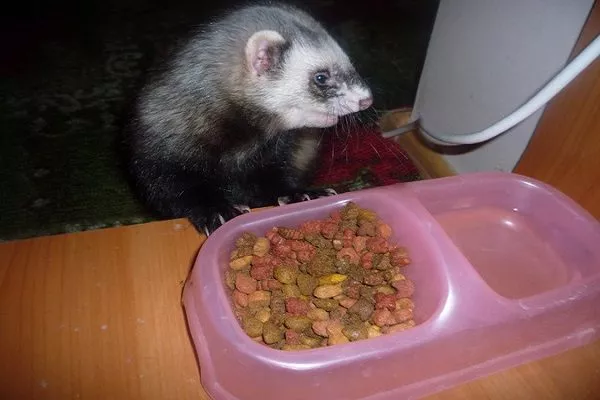
How to choose the right dry food?
Pet stores offer a wide variety of ferret foods. But the vast selection is deceptive—truly good products are few. Most of the products sold are budget-friendly, and they are completely unsuitable for a ferret's nutritional needs.
Low-quality food is dangerous to ferrets' health, so it's important to choose it carefully. The more nuances you consider when choosing ferret food, the greater the chance of it being successful.
What to look for when buying ferret food:
- Class. Only super premium. All other foods are made from budget ingredients, and ferrets are very picky.
- Compound. Meat should predominate over grain. Ferrets are carnivores and need meat. Poultry is preferable. Barley, soy, fish, and oatmeal are negative ingredients. Fish is bad for a ferret's coat and skin, as fish-based foods are low in fat.
- Taurine and yucca. The sulfonic acid taurine has a positive effect on vision and heart function, while yucca improves digestion and neutralizes the unpleasant odor of ferret waste.
- Balance of components. The optimal ratio is 30-35% easily digestible animal proteins, 18-22% animal fats and 3% carbohydrates.
- Ash. Its content should not exceed 7%, otherwise ferrets will suffer from urolithiasis.
It's not recommended to buy food containing cornmeal. Ferrets digest it poorly. Never buy bulk food—it's always of questionable quality.
Types of dry food
There are two types of commercially available food: pellets and extruded. Cats happily eat pellets, but ferrets are recommended to eat extruded food.
Why pressed feed is better:
- Pelleted foods contain starch. This semi-cooked starch can cause bowel problems and negatively impact behavior in ferrets.
- Pellets often get stuck in ferrets' throats.
The temperature during processing of pressed feed is twice as high, which allows it to be digested more quickly in the short gastrointestinal tract of animals.
Manufacturers produce special dried treats for ferrets. They are packaged in transparent vacuum packaging. The average weight of these treats is 15-50 g. They cost 120-200 rubles.
Dry treats (snacks) for ferrets:
- chicken necks;
- lamb stomach;
- beef intestines;
- chicken ile (straws);
- chicken stomach;
- beef lung;
- rabbit ear and others.
Best Dry Food Rating
Manufacturers offer a wide range of super-premium dry foods suitable for feeding ferrets. These include products created specifically for these animals, as well as premium cat foods for kittens and pregnant females.
The best dry foods suitable for feeding ferrets are:
- Orijen «Cat and Kitten. A complete, super-premium cat food. Contains 85% meat. Three additives—zinc, copper, and choline—are added. The food also contains low-glycemic carbohydrates, which meet the biological needs of carnivores.
2/3 of the food is made from fresh, preservative-free meat. Alternatively, it's made from raw meat—quick-frozen, preservative-free. Freeze-dried liver is added, which acts as a natural flavor enhancer—a favorite among even the most discerning cats and ferrets.

- Acana Wild Prairie for cats. This cat food contains dehydrated chicken and turkey. It also contains potatoes and white fish. The manufacturer claims it is made from free-range poultry. The meat content is 75%, the plant content is 25%. It is grain-, potato-, and GMO-free.
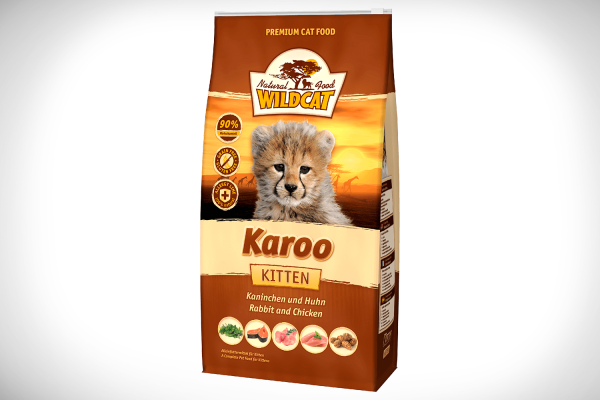
- Wildcat "KARRO" — German super premium cat food. The main ingredients are rabbit and poultry. It contains over 70% meat, high protein and fat content. It is low in carbohydrates—less than 15%. It features a unique combination of plant-based nutrients and a balanced ratio of omega-6 and omega-3 fatty acids.
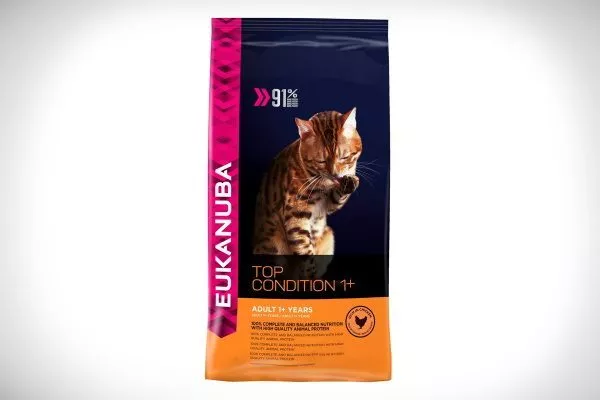
- Eukanuba Cat Adult — professional cat food for cats 1 year and older. Contains freeze-dried chicken and turkey, taurine, and chicken liver. A drawback: it contains a small amount of corn grits. The ingredients also include animal fat, fish meal, and rice.
This complete dry food contains high-quality animal protein. It provides complete and balanced nutrition, promotes healthy skin and a shiny coat, and maintains excellent physical condition.
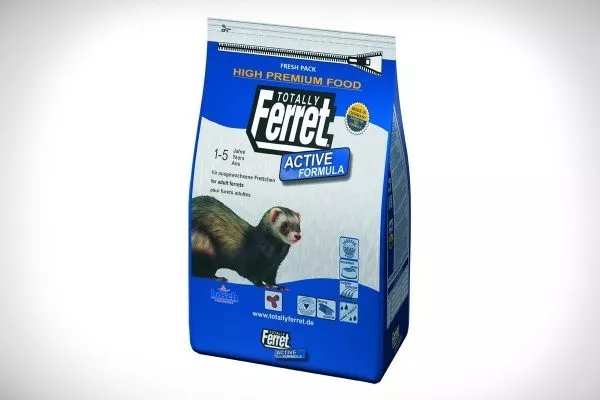
- Ferret food Bosch “Totally Ferret” High Premium. High-quality German food. Made with fresh meat and natural ingredients. Contains no soy, preservatives, synthetic antioxidants, or GMOs. The manufacturer offers three versions:
- Bosch Totally Ferret Baby is a complete dry food for puppies, made with poultry. It also contains wheat and fish meal, as well as other ingredients. The animal protein content on a dry basis is at least 61.5%.
- From 1 to 5 years old – complete dry food for adult ferrets. Animal protein content on a dry basis is at least 42.5%.
- Over 5 years. Recommended for aging and senior ferrets. Contains special ingredients that reduce fecal odor. It contains easily digestible proteins, highly effective vitamins, and minerals. Contains less protein than foods for ferrets under 5 years old—33%.
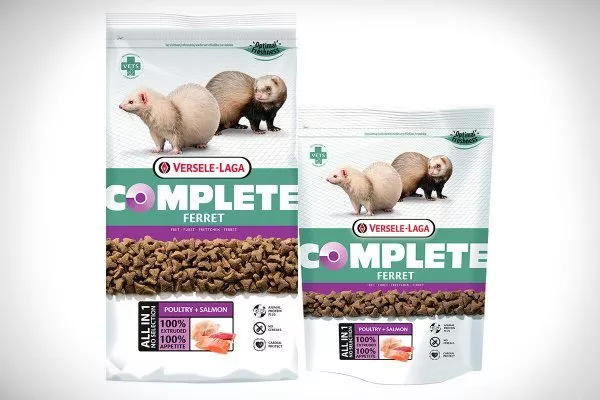
- Food for ferrets Versele-Laga "Complete Ferret". A complete, delicious food made from easily digestible extruded pellets. It boosts immunity and helps prevent dental and gum disease. Contains 42% chicken, 6% turkey, and 2% duck.
The food contains potatoes, animal fats, beet pulp, peas, salmon oil, yucca, eggs, and other ingredients. Each kibble contains taurine for cardiovascular health, probiotics, and a vitamin and mineral complex.
- Ferret food Frettchen4You rEVOLUTION. Contains turkey meal (21% or more), hydrolyzed chicken protein (21% or more), and fresh turkey meat (at least 6%). Also included are chicken fat, rabbit meal, potato starch, fish meal, and sweet potato. Protein content: 48%, fat: 22%.
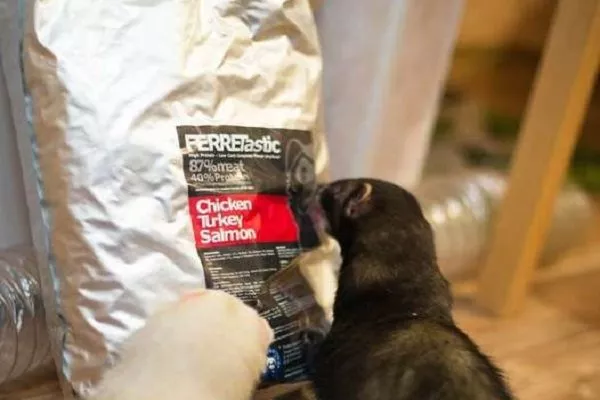
What food is not recommended to give?
Not only kitten and cat food, but also specialized ferret products require careful attention. Some brands produce food that doesn't meet ferret nutritional requirements, and some don't bother listing the ingredients at all.
Ferret foods to avoid:
- Fiory “Superpremium Furby” ferret food. The manufacturer states that the product contains taurine and is fortified with vitamins A, D3, and E. However, the packaging does not indicate the type of meat used in the product's production. This kibble contains too many grains. There are many negative reviews.
- Vitakraft "Premium Menu" Ferrets — ferret food made from meat and animal by-products. Poultry content is 24.4%. It contains a high amount of grains, ranking second in quantity.
- Padovan Ferret Food — Ferret food. No carbohydrate data. The specific raw materials are not specified. The percentage composition seems acceptable, but the ingredients are of questionable quality—meat by-products. Any low-quality raw material could be substituted for these by-products.
It is strictly forbidden to give ferrets:
- Dog food — Pedigree, Chappi and the like.
- Soft food for cats — Kitekat, Whiskas, Friskies, Felix, Purina One. They have excessively high ash content—8%. The maximum acceptable level is 6.5-7%. These foods also contain a lot of corn (17%) and wheat (12%). Almost a third of the ingredients are grains, which is unacceptable for ferret food.
- Royal Canin – food for cats and kittens. They are based on plant protein isolate, not animal protein. These are low-nutrient foods with a low protein content.
Water in the diet when feeding dry food
Ferrets drink a lot and often. They can visit their water bowl up to 20 times a day. They are especially thirsty if their diet consists primarily of dry food.
Helpful tips:
- Wash your water bowls regularly and refill them promptly.
- Give fresh water at room temperature.
- It is advisable to give clean, filtered water.
- Change the water in the drinking bowls at least twice a day.
Ferrets must have constant access to water. A lack of it leads to impaired thermoregulation and dehydration.
Features of feeding dry food at different periods
Ferret feeding requirements depend on the ferret's age and health. There are recommendations for each stage of the animal's life.
Growth period
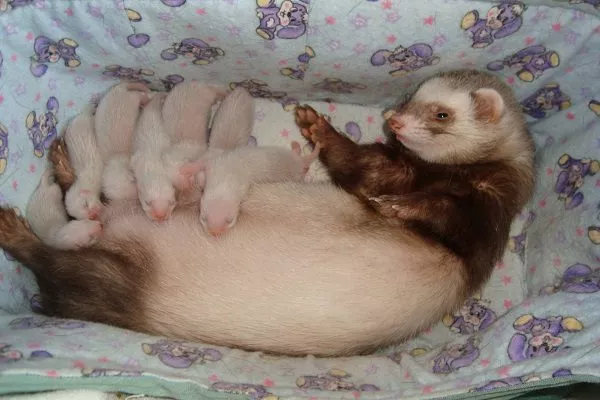
Newborn ferrets receive all the essential nutrients from their mother's milk. When transitioning to regular food, it's a good idea to always have probiotics on hand. Dry food can be introduced after baby teeth appear. Weaning begins at 1.5 to 2 months.
The transition to dry food is gradual. Young ferrets are initially given liquid ground meat to help them wean off their mother's milk. Puppies are fed frequently because they eat a lot. They require a lot of energy to grow and run around—they are very active and curious animals.
During molting
Ferrets shed in the fall and spring. Pregnant females also shed during the 20th week of pregnancy. Hair loss is also observed in animals experiencing hormonal imbalances. Shedding lasts 7-14 days.
During this period, animals especially need vitamins and fatty acids. There's no need to change your ferrets' diet if they're fed high-quality dry food that provides complete nutrition. Fish oil can help replenish the nutrients they need during shedding.
Since it is quite difficult to feed ferrets fish oil capsules, it is recommended to give ferrets liquid fish oil - 35 drops on the tongue every day.
Pregnancy period
During this period, females require special nutrition - they need to be given some additional microelements and vitamins.
Pregnant females need:
- phosphorus;
- calcium;
- vitamins A, E, D and group B.
If your ferret is fed with ready-made dry food, you don't need to add anything—just choose a product from a special line for pregnant and lactating ferrets.
Old ferrets
Ferrets are considered seniors after reaching six years of age. Older animals no longer require as much energy as younger ones, so they are fed special diets with reduced protein content.
During illness
Sick ferrets need extra care because they have no appetiteTo recover, they need high-quality, calorie-rich nutrition. Sick animals should be fed frequently, in small portions.
Sick ferrets will eat more and better if you give them something new every day. You'll need to vary their diet. If your pet eats dry food, it's best to treat them with a wide variety of dry treats, which are available in a wide variety.
Ferret diet on dry food
One of the key advantages of dry food is the lack of need to formulate a diet. If animals are fed live and natural foods, they need to purchase a wide variety of products—meat, poultry, seafood, eggs, organ meats, vegetables, greens, and live food.
Thanks to dry food, there is no need to prepare a diet - the animals will get everything they need from this product.
The main thing is to choose the right food that meets the energy needs of ferrets. Here is an approximate daily “menu” for the animal:
- animal protein - 35%;
- vegetable fiber - 3%;
- fats - 22%;
- carbohydrates - 20%;
- other components - 20%.
Let's say you'll feed a male ferret 60 g of food per day. A female ferret will eat 50 g. They'll eat 110 g per day. Your job is to ensure there's always food in the bowl. If there's not enough, increase the amount to 70 g and 60 g, respectively.
To understand how easy and convenient it is to feed dry food to ferrets, compare it to their natural diet. The table below shows what foods and in what quantities adult ferrets need:
Daily natural diet, what does a ferret need:
| Type of products | For the female, g | For the male, g |
| Beef, veal | 10 | 20 |
| Poultry (chicken, turkey, duck) | 30 | 45 |
| Offal | 40 | 60 |
| Cartilage | 20 | 30 |
| Fish | 40 | 60 |
| Poultry fat | 10 | 15 |
| Vegetable fat | 5 | 5 |
| Vegetables | 5 | 8 |
| Porridge | 16 | 20 |
| Fish meal | 1 | 2 |
| Yeast | 2 | 2 |
| Vitamins | 1 | 1 |
| Total: | 180 g (200 kcal) | 270 g (290 kcal) |
Consequences of poor nutrition
If the wrong food is chosen—one that contains too many carbohydrates or fats—this can negatively impact the ferret's appearance and health. Negative reactions can also occur when overfeeding treats.
Possible consequences of improper feeding:
- stomach disorders;
- gastritis, colitis, enteritis;
- salmonellosis;
- obesity;
- pancreatitis;
- hypovitaminosis;
- baldness;
- lethargy;
- deterioration of vision.
One symptom is enough to raise the alarm. You should consult a veterinarian and promptly adjust the diet, and if necessary, change the food. It's best to consider buying a different brand.
When shouldn't ferrets eat dry food?
Do not feed ferrets low-quality, expired, or inappropriate food. Dry food has no contraindications other than individual intolerance. If an allergic reaction is observed in any individual, consider switching to a different brand of food.
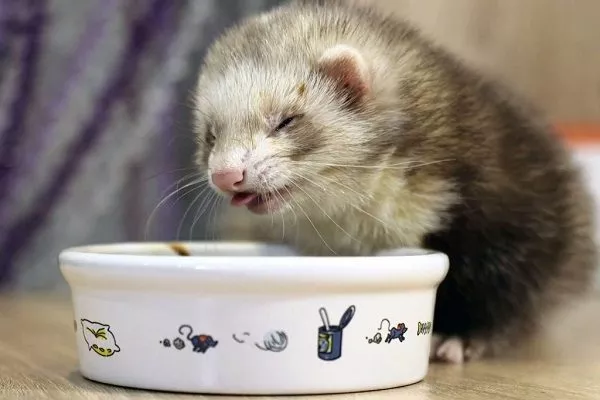
The easiest way to assess whether your ferret's food is suitable is by its appearance and stool. If its fur has become dull, its stool has a strong odor, or it's runny, consider changing its food.
Dry food is ideal for feeding ferrets, as long as it's formulated specifically for these animals and meets all quality requirements. Choosing the right product will not only free you from the hassle of preparing food for your pets, but will also ensure their health, energy, and excellent appearance.