
Ferrets are raised on farms, not just livestock. Beginning farmers don't always realize that even domesticated animals hibernate. Ferrets have their own unique sleep patterns—they don't last as long as those of wild predators.
Do domesticated ferrets hibernate?
Ferrets sleep a lot. This is how they replenish their energy. They're very active and expend a lot of energy on entertainment and daily activities.
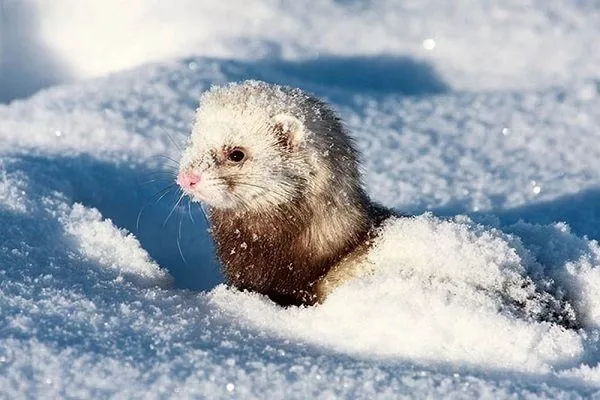
In the wild, the animal sleeps at night and hibernates in winter. When bred on a farm, its lifestyle changes slightly. The pet adapts to its owners and other residents sharing the same space.
Ferrets living near people don't fall into the same long sleep patterns they do in the wild. Their sleep duration increases with the onset of cold weather. Ferrets sleep for about 20 hours a day. This is considered hibernation.
During the rest of the year, the animal sleeps less. For every three hours of active time, there are six hours of sleep.
Winter care for a pet ferret is generally no different from that of their farmed counterparts. The key is allowing the animal to move freely. After a long sleep, it becomes active. It may crawl into hard-to-reach places and then fall asleep again. Such situations should be avoided.
How long does a ferret hibernate?
In winter, ferrets sleep between 16 and 20 hours. This depends directly on several factors:
- Number of years. Young individuals may spend more time in the active phase than adults. However, this activity quickly and abruptly gives way to a long, deep, and relatively short sleep.
Adult ferrets are less active, but they also sleep longer. Their awakening is more restful. - Weather conditions. Darkness induces drowsiness. During bad weather, it's impossible to see an active ferret.
- Molting. During this period of time, the animal spends more time sleeping.
- The period of sexual hunting. During mating season, the animal reassesses its lifestyle, regardless of its habitat. Activity increases at night, and the ferret sleeps during the day. Sometimes it doesn't even wake up to feed.
- Floor. Females are calmer, but also spend more time sleeping.
- Nutrition. If the body lacks the necessary level of vitamins or if the diet is improper, ferrets become lethargic and, accordingly, sleep more.
This pet's sleep has 2 phases:
- Slow. The heart rate decreases, breathing becomes more rapid.
- Fast. The animal's body and organs are completely relaxed. It doesn't react to anything. Once awakened, the ferret is easily trained. Its brain remembers commands twice as fast. However, it must awaken on its own and perform the grooming process.
During sleep, the body undergoes various types of restoration:
- information is being updated;
- regeneration processes are accelerated;
- leukocytes are produced.
Your pet may start shaking when waking up. This is normal.
Preparing a place to sleep
Sleep is an essential part of a ferret's life, so its location should be as comfortable as possible.
Hammocks made specifically for pet sleeping are available in specialty stores. They are easy to use and can be hung at the ideal height for your ferret. Ferrets sleep well in them, and maintenance is easy.
On a farm, finding a place for a hammock isn't always convenient. A hammock house is ideal. It's installed in the common enclosure and equipped with everything necessary (a bowl, a water bottle, and, most importantly, a soft surface for sleeping).
Organizing meals in winter
TO ferret nutrition It's important to approach this responsibly and remember that this is a predatory animal. The menu should consist of:
- from raw meat;
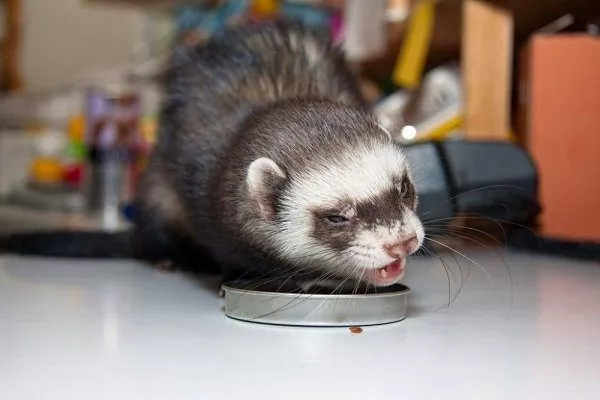
- dry food, developed specifically for this individual;
- porridge with the addition of fresh meat;
- fruits and vegetables (except potatoes and citrus fruits).
It's important to know how to properly distribute meals. The owner will have to adapt to the ferret's schedule:
- young individuals need to be fed at least 3 times a day;
- adults - 2 times;
- The smallest representatives are more demanding, they need food 4 times a day.
- ✓ Increase the proportion of protein in your diet before the onset of cold weather to maintain energy.
- ✓ Provide access to fresh water even during long periods of sleep using nipple drinkers.
Animal care
Ferrets require minimal care.
What to do:
- 1 change the tray or clean it daily;
- change the bedding once every 7 days;
- trim the claws every 14–15 days (there are special scissors);
- Once every 2-3 weeks, you will need to clean your ears with a cotton swab;
- Bathe the animal with shampoo once a month.
Those considering breeding a ferret should remember that sexually mature animals reproduce twice a year. During this time, the female requires special care, even though she sleeps a lot. Otherwise, the room will become foul-smelling.
Breeding ferrets is a labor-intensive process. To raise a healthy animal, you need to carefully study its life cycles. Particular attention should be paid to hibernation. It is during this period that the ferret's body fully recovers for its future active lifestyle.