
If your pet ferret smells, it's important to determine the exact cause before taking drastic measures. There are many causes, from natural ones to mundane ones, such as owners failing to provide their pet with proper care and hygiene.
Do ferrets stink?
All animals have their own distinctive odor, but sometimes they deliberately emit a scent to mark their territory. This is done not only by males but also by females. Ferrets are similarly designed, so the answer to the question of whether ferrets stink is a resounding yes.
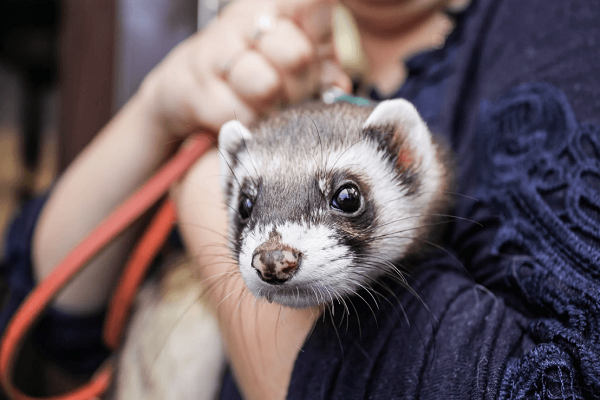
Causes of unpleasant odor
Ferrets can develop an unpleasant odor for a variety of reasons, and these odors vary slightly among ferrets. For example, if:
- don't bathe the animal, otherwise its fur will stink;
- if you feed incorrectly, the “aroma” will come from the mouth;
- If you frighten your pet, you may be faced with a stench that is difficult to get rid of.
Natural causes
There are factors that can cause ferret odor that are beyond human control—natural causes. These include:
- Paraanal glands. They are located in the animal's anal area (slightly above) and are sacs located on either side of the body. Their purpose is multifaceted—to ward off enemies, attract mates, and summon their fellows.
These glands release a secretion with a very unpleasant "odor," but since ferrets have been domesticated for so long, it dissipates quickly. Ferrets most often use this defense mechanism when frightened or stressed, so such situations should be avoided. - Sweat glands. Ferrets, like humans, have sebaceous glands, the function of which is to protect the skin and hair from external irritants.
- Diseases. Most often, they affect the urinary and gastrointestinal tracts. These pathological disorders trigger the glands to react to deteriorating health.
- Rutting period. The body secretes special enzymes to attract a mate. This can last several days, and in females it can sometimes drag on for weeks, as it's difficult for them to manage their heat cycle on their own. The best solution is to mate.
Poor hygiene and diet
Hygiene plays a huge role and animal nutrition, which is what causes the diseases described above, bacteria and even insects develop on the ferret's body. A natural defense mechanism is the release of a foul odor. What causes ferrets to stink?
- Incorrect diet. It's strictly forbidden to feed ferrets from your own table, especially smoked foods, sweets, spicy dishes, and the like. This can severely disrupt their metabolism and secretory activity throughout the body.
This contributes to an increase in the appearance of all the usual discharges. The odor of feces and urine also changes. - Insufficient care of the habitat. Ferrets have their own designated area—be it their bedding or cage. These items need to be washed and cleaned at least every other day. If this isn't done, ferret secretions accumulate in one spot and begin to emit unpleasant odors.
- Lack of hygiene procedures. In the wild, ferrets clean themselves, but this is impossible to do at home. Therefore, humans must bathe them using special shampoos.
This is done 1-2 times a month, but without care products, it is allowed to wash with warm water every day, which will also wash away the greasy sweat. - Tray. It also needs to be washed regularly, and to prevent unpleasant odors, use commercial litter. A ferret that climbs into a dirty litter box will inevitably become saturated with the stench of feces, and urine stains will remain on its paws.
Methods to prevent unpleasant odors
The method for preventing ferret stink depends on the underlying cause. Here's what you can do:
- Sterilization and castration. These procedures are performed when the foul odor is most common during the mating season, especially when a sexual partner is not present. The procedure is permitted from the onset of sexual maturity in both males and females—between 5 and 10 months of age.
The surgery is not considered complicated—the testicles are removed in males and the ovaries in females, so the maximum recovery period for ferrets is 4-7 days. Ferrets can resume their normal activities immediately after recovering from anesthesia. - Diet. Monitor your pet's diet—feed them food designed for ferrets and other foods that will benefit them. Even some fruits and vegetables are contraindicated, so carefully review the appropriate menu before getting a pet.
- Health. Note any negative changes in your ferret's behavior—how it eats, how active it is, etc.
- Stressful situation. Avoid loud sounds, the arrival of noisy groups, shouting, and unexpected movements.
Other recommendations:
- wash the litter box every day;
- don't forget to wash toys, bedding, dishes, water bowl, cage and the animal itself;
- Clean your apartment regularly using special cleaning products;
- Give your ferret more frequent baths - simply fill the bathtub with water at room temperature.
- ✓ Maintain indoor humidity at 40-60% to minimize ferret skin odor.
- ✓ Provide constant access to fresh water to maintain urinary tract health.
How to get rid of the stench?
To stop your ferret from smelling, identify the cause and address the problem—visit a veterinarian if necessary. To get rid of an already unpleasant and persistent odor, follow these steps:
- bathe the animal immediately - it is permissible to use pleasant-smelling baby shampoos that will mask the stench;
- To get rid of the "aroma" from the tray, wash it using bleach, vinegar, a light pink solution of potassium permanganate, or lemon juice;
- If the smell is coming from sweat secretions, and it is too early to bathe the animal with shampoo, buy a special deodorant at a pet store, but there is another option - give the animal a dry bath (pour dried grass into a box and let it roll around in it);
- When cleaning, add essential oil to the water – it will quickly eliminate the unpleasant odor;
- If the smell comes from the mouth, spray with a special air freshener for ferrets.
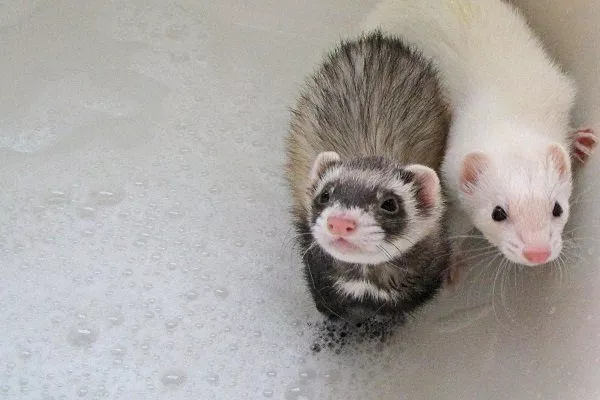
To prevent your ferret from smelling, strictly adhere to all preventative recommendations, monitor its health and hygiene, feed it properly, and mate it promptly if you don't plan to castrate or sterilize it (if you're breeding for sale).