
Ferrets require meticulous and meticulous care, one of which is a hammock. You can buy one at a specialty store or make one yourself. In this article, we'll explain how to properly make a hammock for this pet and what details to pay attention to.
Why does a ferret need a hammock?
In the wild, ferrets are burrowing animals and therefore spend a lot of time in darkness. When keeping them in captivity, this must be taken into account. Daylight hours should be identical to their natural daylight hours.
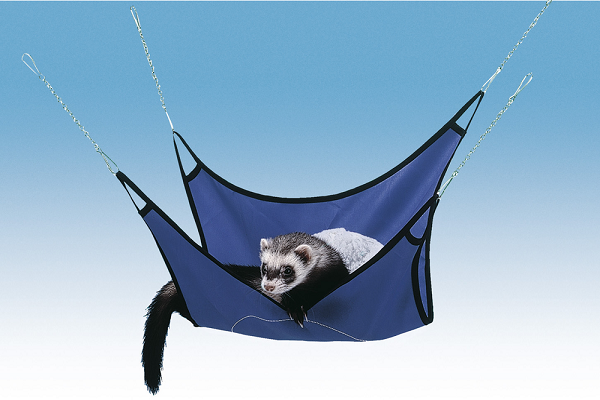 When it's dark outside and the light is on in your room, it's harmful for the ferret.
The optimal regime for keeping ferrets is:
- 6-8 hours of daylight;
- 12-16 hours of darkness.
This can minimize the risk of adrenal disease in your pet and prolong its life. Special hammocks and houses are made to allow your ferret to escape the light and get proper rest.
Types of hammocks for ferrets
There are many types of ferret houses and hammocks, each with varying degrees of difficulty in construction and use.
Hammocks are divided into several types:
- felt boots used to make a home for a pet;
- hammock pillow;
- hammock-pipe;
- from the bag;
- reticulate;
- in the form of a house.
All of these hammock varieties can be made at home. They require varying amounts of effort and time to build.
Basic requirements for a proper hammock
Your pet can not only relax in the hammock but also move around actively. To make a high-quality and durable hammock, use a dense material (ferrets have very sharp teeth and claws). The fabric should be free of protruding threads to prevent your pet from getting caught and injuring themselves.
The material should be free of any strong odors or harmful impurities. It's best to use fabric made from natural fibers. Hammocks are typically square or rectangular.
Sewing a hammock
Making a ferret hammock is easy for anyone with basic needle and thread skills. If you're more skilled at sewing, using a sewing machine will make the job much easier.
For complex hammock and house designs, find ready-made design solutions or create your own pattern.
If you decide to create your own pattern, you'll need a sheet of paper, a pencil, and a ruler. Even if sewing a ferret hammock is as simple as possible, don't be lazy and make a small diagram.
Hammock made from felt boots
| Name | Material type | Difficulty of manufacturing | Comfort level |
|---|---|---|---|
| Hammock made from felt boots | Natural | Low | High |
| Hammock pillow | Synthetic | Average | High |
| Hammock-pipe | Synthetic | High | Average |
| From the bag | Mixed | Low | Average |
| Mesh hammock | Synthetic | Low | Short |
| In the form of a house | Natural | High | High |
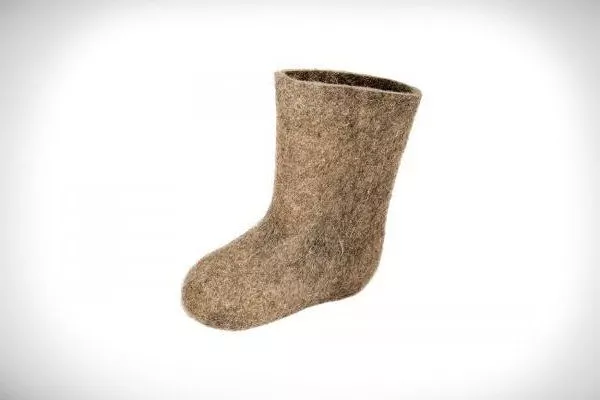
The simplest hammock option is made from felt boots. Many people have felt boots lying around on their balconies or summer houses that they haven't used in a while. Since a hammock made from these boots is warm, your pet won't freeze. It can even be placed on the balcony.
What you'll need to sew a hammock from felt boots:
- needle;
- thick threads;
- felt boot;
- ribbons or elastic fabric.
Algorithm of actions:
- Take a felt boot and thoroughly clean it inside. If it's an old boot, it may contain a lot of dust and dirt.
- Take some strings (you can use straps, carabiners, ties, or chains to hang the hammock) and sew two of them tightly to the top of the felt boot and the same number to the bottom. This will prevent the hammock from losing its balance once it's attached.
- Tie the resulting structure to a chair or other vertical surfaces located parallel to each other.
Your pet will feel great in a felt hammock, as it is warm and completely protected from light, which can interfere with its rest.
Hammock pillow
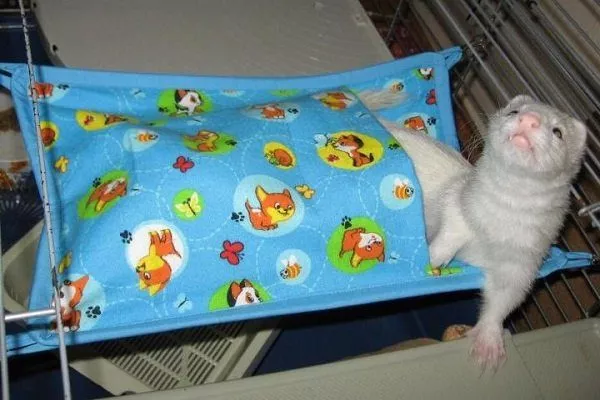
In the wild, ferrets sleep in burrows on damp soil. This surface conforms to the animal's body shape. A hammock pillow offers similar properties, allowing your pet to rest in comfortable conditions.
What you will need to sew a hammock pillow:
- regular and long needle;
- thick threads;
- a piece of foam rubber;
- ribbons, ties;
- a piece of soft fabric.
Sewing algorithm:
- Cut a rectangle or square with sides of 30-35 cm from foam rubber.
- Then measure out a rectangle or square on the fabric with sides of 60-70 cm (2 times more foam rubber to completely wrap it).
- Cut out this piece of fabric.
- Wrap the foam rubber in fabric and sew it closed on all sides. You'll have a pillow.
- Sew the ribbons to the corners.
- Attach to vertical surfaces that are parallel to each other.
If desired, you can sew another half onto the top of the hammock pillow. This will create a unique pocket.
Hammock-pipe
This hammock is also easy to make at home. To make it, you'll need:
- regular and long needle;
- thick thread;
- textile;
- ribbons;
- foam rubber or synthetic padding.
Algorithm of actions:
- Measure out two rectangular pieces of material, approximately 60 cm long and 40 cm wide. Then cut them out.
- Place the top layer face down on a flat surface.
- Place the foam rubber on the table.
- Place the workpiece with the inside facing out.
- Secure the resulting structure with pins and fold the edges inward.
- Then sew the hammock tube around the perimeter and roll it up.
- Attach the ribbons.
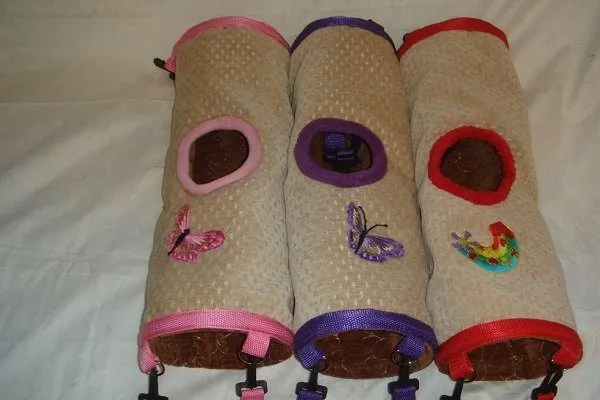
A tube hammock is great for pets because it creates a dark space.
From the bag
If you have an old woman's purse or backpack, you can build a hammock-house for your ferret in half an hour. Here's how:
- Remove the dividers from the bag to create an empty space.
- You can make a separate hole in the bag, or leave it as is. The animal will enter the bag through the existing entrance.
- Hook the bag straps.
Such a house does not require any material costs.
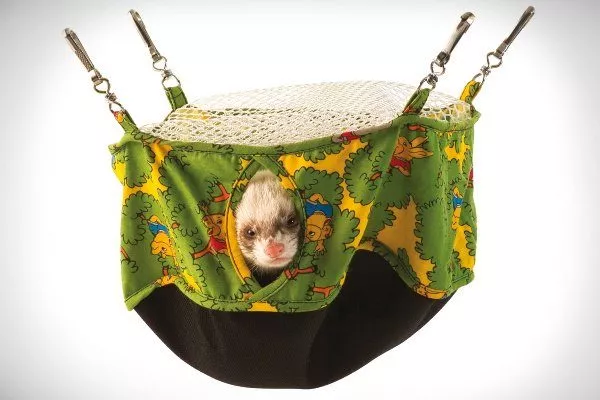
Mesh hammock
This is also a common option that's easy to use and make. You'll need:
- a piece of net, which can be purchased at a fishing store;
- two wooden sticks 7-10 cm long and 1 cm thick;
- ribbons.
Algorithm of actions:
- Measure and cut a 40cm piece of mesh to the width of your sticks.
- Wrap each side of the stick and secure.
- After this, attach the ribbons.
The original mesh hammock is inexpensive and easy to produce.
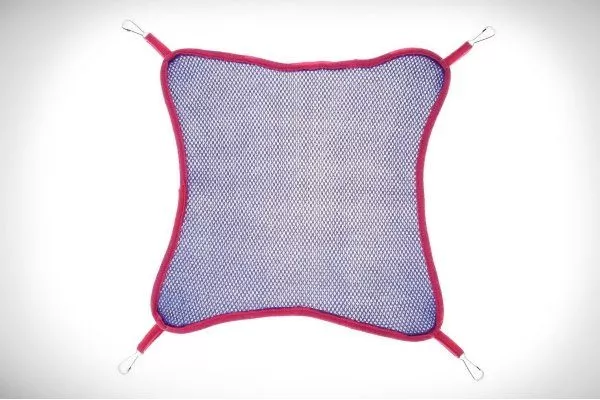
In the form of a house
Sewing a ferret house is a more challenging task. You'll need:
- about a meter of fabric;
- foam rubber;
- needle or sewing machine.
Algorithm of actions:
- Determine the size of the future house.
- Sketch out a rough plan on a piece of paper.
- Cut a circle out of paper, then mark it and cut out two circles out of foam rubber – the floor and the ceiling.
- Wrap the foam circles with fabric and sew them up.
- Then cut out the walls of the house (average height – 25 cm, length – 1 m).
- Make an entrance.
- Wrap the foam walls with fabric and sew them up.
- Sew the ceiling and floor to the walls.
A house is a great option for a ferret, but sewing it requires a lot of skill.
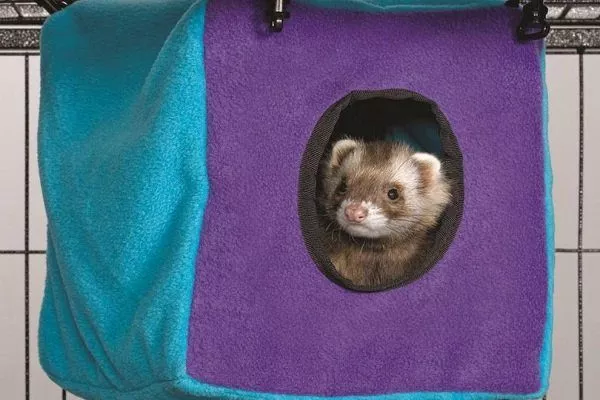
Decorating a hammock
A hammock or house for your pet can be enhanced with additional features. You can add special pockets for your ferret to hide various items or toys.
To prevent your pet from slipping off the hammock, add sides. If your ferret likes to scratch, sew on a piece of thick material for this purpose.
Selection criteria when buying a hammock
Ferrets are furry creatures. Choose a hammock fabric that doesn't generate static electricity. These materials include:
- fleece;
- jeans;
- cotton.
- ✓ The fabric should be breathable to prevent the ferret from overheating.
- ✓ Make sure the fabric is colorfast to avoid dyes from getting into your pet's system.
- ✓ Make sure the material is easy to clean, as ferrets can be messy.
These fabrics are durable and won't stretch or tear under the impact of claws. Hammock fastenings should not contain any hard parts to prevent the ferret from damaging its claws.
For cold weather, buy a pile hammock. It retains heat well, so your pet won't freeze. For summer, a cotton hammock is suitable; it's well-ventilated and prevents your ferret from overheating.
Ferrets are cheerful, beautiful, and active animals that will bring you a wealth of positive emotions. However, they require proper care, and various types of hammocks are essential.