
Ferrets are pets that require vaccinations. Vaccinations are administered according to a specific schedule determined by a veterinarian. Refusal to receive the injections can result in death, as ferrets are susceptible to fatal diseases for which there is no cure.
Vaccination requirements for ferrets
Ferrets, just like people, are not immune from diseases, sometimes fatal. Some pet ailments can be prevented with various preventative measures, one of which is timely vaccination.
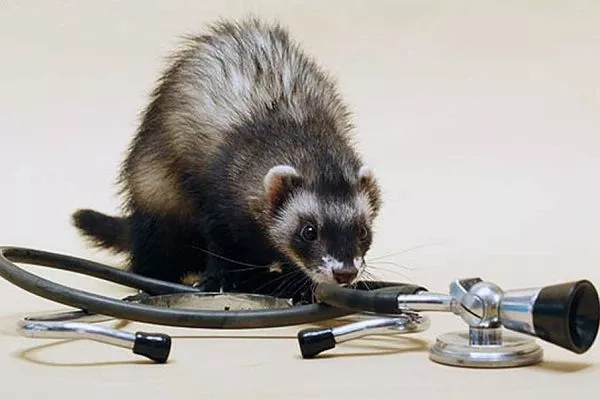
During vaccination, a small amount of a harmful infection is introduced into the animal's body. This procedure develops immunity, which can intervene in the course of the disease by producing the necessary antibodies. These antibodies can destroy viruses and bacteria affecting the ferret's body within a few days.
Ferrets are vaccinated against a number of diseases, such as:
- rabies;
- leptospirosis;
- plague;
- enteritis;
- hepatitis;
- tularemia;
- tuberculosis;
- botulism;
- pseudomonosis;
- lichen;
- adenovirus.
When should an animal be vaccinated?
The vaccination process begins when the animal is 3-4 months old, when the teeth have fully rooted. Vaccinations can be given later, but without immunity, a ferret's life is more difficult and the risk of contracting incurable diseases is high.
The initial vaccination includes several shots against canine distemper, leptospirosis, enteritis, and parainfluenza. A month later, the ferret receives the same vaccines plus a rabies shot. Booster vaccinations against these diseases are administered annually.
If for any reason the vaccination was postponed to a later date – after 8 months, then all vaccinations are administered in one stage.
To properly develop your pet's immunity, you need to adhere to a specific vaccination schedule, which is selected by your leading veterinarian.
First model of injections:
- from plague – 9-11 weeks;
- from rabies - the first time at 13-15 weeks;
- After 1 year of the animal's life, vaccinations are carried out once a year.
The second diagram looks a little different:
- from carnivore plague – 6-8 weeks pet's life;
- plague revaccination – at 10 weeks;
- leptospirosis vaccination – at 10 weeks;
- rabies injections and revaccination against the listed diseases – 11-13 weeks;
- After 1 year, vaccinations are given once a year.
What do you need to know before vaccination?
Before beginning the vaccination procedure, ensure your pet is feeling well and has no fever. Deworming should also be performed, even if there is no apparent cause. This should be done two weeks prior to vaccination with the following medications:
- Milbemax (for kittens);
- Prazitel suspension (for kittens);
- Dirofen paste (for rodents and ferrets);
- Caniquantel - tablets labeled "for cats" and "for dogs" are suitable;
- Pratel;
- Drontal.
You can deworm yourself at home. The first three are considered the most optimal for ferrets. They are easiest to dose based on the pet's small weight.
Contraindications
It's not always possible to vaccinate an animal. There are a number of contraindications. Ferrets that:
- are in the process of changing teeth;
- are sick;
- pregnant women;
- recently had surgery;
- took immunosuppressants;
- have a low specific weight or are losing weight;
- recently used antihelminthic drugs.
Newly born females should not be vaccinated during their lactation period. A certain interval must be maintained between vaccinations, and consecutive injections without a predetermined schedule are prohibited.
Types of vaccines
Vaccination preparations that can be used are divided into 2 categories:
- monovalent – the composition contains strains of only one pathogen;
- polyvalent – protect the pet’s body from several ailments at once.
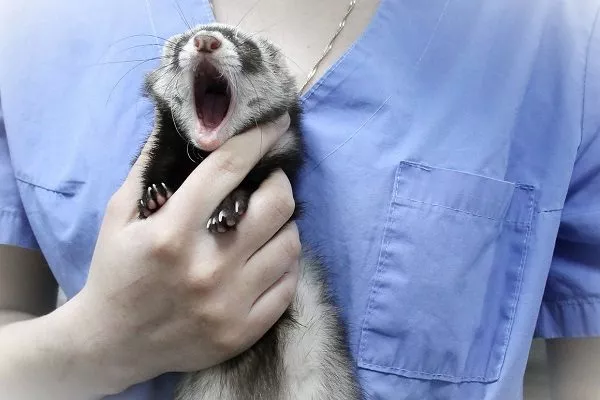
There is another division of serums:
- Inactivated. These are preparations that contain dead microbes and viruses. They don't provide the same protection as live ones. Booster shots are required once a year. If you follow all the instructions for administering the serum, your immune system will be more resistant to disease. If you do get sick, the illness will be milder.
- Alive. Containing live, yet weakened, strains of bacteria and viruses, these products provide reliable protection against a number of serious illnesses.
- Cleaned. There are components (microbial and viral proteins) that have undergone thorough purification.
- SyntheticThese are the serums that were artificially created in laboratories.
The most commonly used are Giskan-5 or Vitafel-S. The first contains specific antibodies and is considered equine serum. The second is a homologous serum from donor cats hyperimmunized with antigens of various pathogens. Both are classified as live.
- ✓ Check the expiration date of the vaccine immediately before administration.
- ✓ Ensure the vaccine has been stored at the correct temperature conditions.
Vaccination
Before beginning the vaccination process, your pet should be examined by a veterinarian for a health assessment. Your pet should be provided with high-quality, and most importantly, balanced, food.
Algorithm of actions when administering serum:
- Prepare your animal for vaccination.
- Choose the right clinic for the procedure. Explore prices and services. Schedule an appointment.
- Arrive for your injections at the scheduled time. Transport your pet carefully in a special carrier. Avoid stressing your pet.
- Trust your doctor. No action is required during the injection process.
- Bring the animal home and provide the necessary conditions.
Ferrets can be vaccinated under the following conditions:
- the pet is completely cured of previously existing diseases;
- the animal's body temperature is from +37.7 to +39.5 degrees;
- the ferret is active all day long;
- there is a healthy appetite;
- body weight is within normal limits;
- no parasites such as fleas, ticks, etc.;
- eyes and skin are clean, there is no suppuration or mucous discharge;
- feces and urine are externally satisfactory.
Caring for your ferret after the procedure
After the serum is administered, the ferret must be quarantined for 3-4 weeks until the next vaccination. After the second injection, a 10-day quarantine is also required.
If the vaccination is administered once, the restrictions imposed last from 5 to 7 days. What should not be done during this period:
- walk in the fresh air;
- bathe;
- overcool the pet's body;
- take antibiotics or immunosuppressants.
Your ferret should be constantly monitored, its behavior and well-being analyzed. If any changes are noticed, consult a veterinarian.
Quarantine measures are necessary to allow the body to produce antibodies to protect against parasites, viruses, and bacteria, without being distracted by other external factors that could negatively impact the immune system and prevent it from responding properly to the serum.
Side effects
In rare cases, vaccinations can adversely affect your pet's health. What may happen after the injections?
- redness of the skin;
- swelling at the injection site;
- increase in body temperature;
- dyspnea;
- diarrhea;
- vomit;
- chills;
- apathetic state.
Such symptoms may be observed in the first 24 hours after vaccination. If they occur, you should immediately contact the clinic where the procedure was performed. A doctor will provide the necessary medical care.
Over the next 2-3 weeks, you may experience pain and swelling at the injection site. This is a normal reaction to the injected serum.
Possible complications
Pets usually respond well to vaccination. In extremely rare cases, injections can cause serious complications, such as:
- False or true disease, i.e., the presence of signs of the disease against which the ferret was vaccinated. It manifests itself in one case – the serum was administered to a weakened body.
- Acute allergic reactions. Quincke's edema and anaphylactic shock may occur. These problems occur within an hour after vaccination.
How much does vaccination cost?
Primary vaccination requires the creation of a veterinary passport. This is done at the clinic where the procedure is performed; the service is included in the price. It will contain information about the serum administered and the diseases the shots were given for.
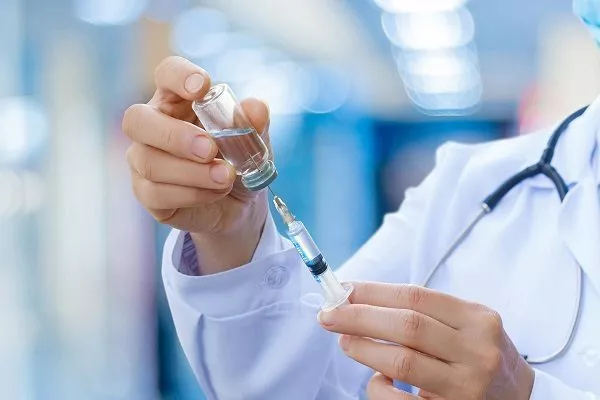
The medical center's staff registers your pet in the vaccination database. The price includes annual re-registration. Pricing policies vary among veterinary clinics, depending on their status. Vaccination costs start at 1,500 rubles, excluding the cost of the vaccine itself.
The first vaccination is the most expensive, costing approximately 800 rubles. Subsequent vaccinations will cost around 300 rubles.
Prices for the most popular serums:
- Nobivac – 300 rubles;
- Purevax – 500 rub.;
- Eurican – 400 rubles.
It is not recommended to use Russian-made vaccines.
Is it possible not to vaccinate an animal?
The owner decides whether to vaccinate their pet. While it's possible to refuse the procedure, the risk of losing the pet is high. Small, unvaccinated animals often die within the first year of life.
Benefits of vaccination:
- Prevention of life-threatening diseases such as canine distemper, leptospirosis, and rabies. Vaccination is the only way to protect your pet from illness and death.
- Vaccination data is stored in a common database, meaning you can travel with your pet, transport it over long distances, and participate in various exhibitions.
- A ferret that has undergone the serum injection procedure is safer than an unvaccinated one: it can be walked outside, is not prohibited from interacting with other pets, and will not harm children.
There are negative aspects to vaccination:
- There is no 100% guarantee that the animal will not get sick. There is a 1% chance.
- Poor condition may be noted.
- Vaccinations must be carried out only in a clinic, which requires additional financial costs.
- It is necessary to take a responsible approach to the choice of the drug and preparation for vaccination.
Ferret vaccinations are vital for your pet. Their bodies can be infected with viruses and bacteria, which can be fatal. There is no treatment other than vaccination for these illnesses. Most injections should be administered once a year. There are some contraindications.