
Ferrets are pets that are often susceptible to various illnesses. Diarrhea is considered one of the most common problems. Diarrhea can cause dehydration, exhaustion, and, in extreme cases, death. It's important to be aware of this problem before getting a pet.
Parasitic causes of diarrhea
Ferrets can develop diarrhea due to diphyllobothriasis. This condition is caused by tapeworms that infest the animal's intestines. This infection occurs when the pet is fed contaminated food, such as fish or meat.
- ✓ Presence of tapeworm segments in feces, visible to the naked eye.
- ✓ A hemoglobin level below 80 g/l indicates severe anemia.
Symptoms of the disease:
- the feces are liquid, there are pieces of undigested food;
- vomit;
- anemia;
- allergy;
- on wool bald spots are formed, lumps, the characteristic smoothness disappears.
The degree of infestation can vary: acute or chronic. Diagnosis can only be made by testing a stool sample for tapeworm eggs. If the test is positive, the animal is treated with antiparasitic medications.
To ensure that the fight against the parasite was successful, a repeat stool test is performed after 7-10 days.
Infections
Ferrets can be affected by infections that negatively impact the digestive system. Sick animals are quarantined, as the disease can spread to healthy individuals.
Plague of carnivores
One of the most common ferret diseasesInfection occurs through contact with an infected animal, or in rare cases through grooming accessories. If appropriate measures are not taken promptly, the pet will die. Mortality rates reach 100% if the owner does nothing.
- ✓ The appearance of crusts on the skin begins from the chin and spreads to the groin area.
- ✓ A body temperature of 41° is critical and requires immediate intervention.
Symptoms of plague:
- lack of appetite as a result of complete refusal to eat;
- an increase in body temperature to a critical level, usually 41°;
- rhinitis;
- conjunctivitis;
- diarrhea.
If the infection progresses rapidly and has already reached its peak activity, the animal's skin from the chin to the groin area begins to become covered with dry crusts. Plague is often complicated by secondary infections. Death occurs within one month, sometimes two weeks.
Plague is incurable. To prevent the risk of developing the disease, the animal is vaccinated once a year.
Aleutian mink disease
A viral infection that occurs exclusively in an acute form and attacks the immune system. The pathogen enters the ferret's body through airborne droplets, contact with infected individuals, or through the saliva of an infected animal.
The incubation period ranges from 2 weeks to 6 months. The main symptoms of Aleutian disease are:
- ferret exhaustion, which occurs in increasing spurts;
- weakness and apathetic mood;
- the characteristic silkiness of the coat is lost;
- diarrhea.
If the infection has spread to the animal's organs, other symptoms will be observed depending on the affected area. For example, if the spinal cord is damaged, neuralgia will be observed.
Salmonellosis
The disease is caused by a bacterium of the genus Salmonella. The first symptoms are fever and digestive upset. Infection can only occur through contact with animals carrying the bacteria. Often, the animal becomes ill if it has consumed contaminated food.
- ✓ The presence of Salmonella bacteria in a stool sample confirms the diagnosis.
- ✓ A white blood cell count above 15×10^9/l indicates an acute infection.
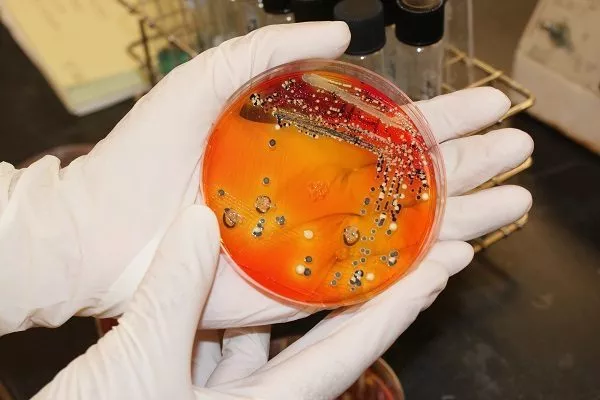
The incubation period for salmonellosis ranges from 3 days to several weeks. If the bacteria enters the mother's body during pregnancy, the puppies die within a few days of birth. The disease poses the greatest danger to young animals under 2 months of age.
Symptoms vary depending on the pet's immune system. The most common signs are:
- refusal to eat;
- depressed and apathetic state;
- increase in body temperature;
- diarrhea.
Salmonellosis can become chronic. In this case, the ferret experiences sudden and significant weight loss, anemia, and persistent diarrhea. The pet dies within one month. The cause is severe exhaustion and dehydration.
Only a veterinarian can make a diagnosis based on bacteriological testing. Blood and feces are collected for analysis. Preventive measures to combat the disease include vaccination. Puppies are vaccinated twice: the first time at one month of age, and the second time seven days later. Immunity protects the animal for seven to eight months.
Rotavirus enteritis
Rotavirus enteritis is an acute viral intestinal infection. In ferrets, it primarily affects puppies under two months of age. Ferrets aged one to two weeks are most often affected. In adults, the disease is subclinical.
Symptoms of the disease:
- diarrhea (there is a large amount of mucus);
- discharge from the rectum;
- anorexia, puppies refuse to eat;
- dehydration;
- lethargic state;
- blood poisoning is observed.
A doctor can confirm rotavirus infection based on electron microscopy results. There is no treatment.
Oncology
Cancer is a fairly common condition in ferrets. They can be diagnosed with lymphoma, a disease of the lymphatic tissue that leads to enlarged lymph nodes or damage to internal organs.
Symptoms:
- diarrhea, since the disease in 100% of cases affects the animal’s digestive tract;
- loss of appetite;
- rapid fatigue;
- sluggish appearance;
- a sharp increase in body temperature.
Treatment depends on the stage of cancer. In mild cases, there is no treatment, and ferrets live out their lives peacefully. In other cases, chemotherapy or prednisone may be required.
Non-communicable diseases
Ferrets can have diarrhea caused by more than just viruses and bacteria. There are diseases that pose no threat to other animals but can negatively impact the animal's health. Diarrhea can also be caused by owner neglect.
Foreign object
Any object that is not suitable for ferret consumption is considered a foreign body. Ferrets are very active and inquisitive animals, and they swallow anything they can fit in their mouths.
For example:
- paper;
- chips;
- rag;
- hair elastic;
- plastic;
- New Year's tinsel;
- cellophane, etc.
If objects become lodged in a ferret's throat, they can become obstructed, disrupting the digestive tract. Ferrets with diarrhea due to foreign body ingestion may become lethargic, lose their appetite, and vomit. This is because the swallowed object has begun to release toxins.
Peptic ulcer and gastritis
Both diseases are considered inflammatory and degenerative disorders of the gastric mucosa. There are several causes:
- stress due to change in feed;
- excess number of bacteria in the body: streptococci, staphylococci;
- mucosal injuries;
- anti-inflammatory drug poisoning;
- neoplasms;
- complications after an illness (this is how an ulcer occurs).
Rarely, diseases manifest against the background of gastric ischemia, pathology of the muscular wall, or weakened immunity.
Symptoms of illnesses:
- diarrhea, in the case of melena ulcer - liquid black feces;
- vomiting with the presence of blood;
- exhaustion;
- lack of appetite;
- grinding of teeth.
Only a specialized clinician can make a diagnosis. A gastroscopy is performed for this purpose. During the examination, it is possible to surgically remove the ulcer.
Gastritis is treated with dietary changes. Your veterinarian may decide to use specific therapy. In this case, antibiotics are used to suppress secondary infections, such as smecta, activated charcoal, and antispasmodics.
Poisoning
Diarrhea in ferrets of all ages can be caused by poisoning. Symptoms depend on the type of poison ingested. When poisoned, the pet experiences depression, which develops rapidly.
Other signs of a problem:
- weakness;
- complete refusal to eat;
- vomit;
- diarrhea.
If poisoning is suspected, the ferret should receive emergency medical attention. Remove any food debris as quickly as possible:
- Pour a large amount of a weak solution of potassium permanganate into the animal (1 g of substance per 200 ml of water).
- Perform an enema with clean, boiled water at room temperature. Continue the procedure until the fluid coming out is almost clear.
- Give your pet activated charcoal.
- Please contact your veterinarian for appropriate treatment.
Allergy
Ferrets are pets prone to allergic reactions. Symptoms of the problem in these animals include:
- itching;
- lacrimation;
- dermatitis;
- diarrhea.
It's impossible to cure allergies in ferrets. You can only protect your pet from the allergen. Veterinary clinics offer tests to detect allergies. Symptomatic treatment is used to alleviate the pet's condition during periods of allergy flare-ups.
Inappropriate food
One of the reasons for diarrhea is changes in diet, i.e. if give the ferret food, which he hasn't tried yet. This type of diarrhea is considered short-lived and irregular. The animal may find food on the ground while out for a walk, steal it from another pet, or receive a new treat from its owner.
Even regular food can cause diarrhea in a ferret. These include foods high in fat, whether of plant or animal origin. What should you avoid feeding your pet to prevent diarrhea?
- stale carrion;
- fatty foods;
- food leftovers;
- sauces;
- gravy;
- salt;
- spices;
- insects;
- amphibious birds.
Stress
There have been cases where the animal develops diarrhea due to stress, which can occur:
- due to long-term fasting;
- lack of water in the drinking bowl;
- visiting the exhibition;
- moving from a nursery to a home enclosure, etc.
All of these factors can cause the body to weaken, leading to the rapid development of gastritis, ulcers, or colitis. In addition to diarrhea, stressed pets may exhibit the following behavior:
- weight loss;
- refusal to eat;
- vomit;
- increase in body temperature;
- there is pain syndrome.
If stress has negatively affected your pet's condition, it's best to avoid going to the veterinarian and instead call a doctor to your home for a diagnosis and treatment.
Therapeutic diet for diarrhea
Proper nutrition for a ferret plays an important role in treating illnesses that cause diarrhea. For example, with gastritis, a pet will almost completely refuse food. Therefore, the food offered should be rich in easily digestible and high-calorie ingredients. This is necessary so that even if the animal has no appetite, it can be satisfied with a small amount of food.
If the animal starves, even with proper treatment, the effect will be ineffective. In severe cases, when the ferret completely refuses to eat, doctors prescribe a specialized diet based on Ensure Plus™ or Prescription Diet A/D™. To stabilize the pet's condition after treatment, baby food is fed.
Rarely, a doctor may prescribe "duck soup," which is made from egg yolk and cream. The dosage is strictly determined by the specialist, depending on the pet's body type and degree of exhaustion. Large portions can worsen diarrhea, while small portions have a positive effect on gastrointestinal function.
When fed this mixture, ferrets regain lost weight within a few days. A small amount of the "soup" can be given to females during pregnancy to increase the chances of having healthy puppies.
Preventive measures
A number of ferret diseases that cause diarrhea are incurable. Preventative measures can help prevent these conditions:
- Wash your hands thoroughly after contact with pets outside your home and before touching your pets.
- Make sure that all your ferret's vaccinations are up to date.
- Clean the cage and all accessories in it regularly.
- If there is a need to change your diet, do it gradually.
- Make sure that there are no foreign objects anywhere the animal may be.
Ferrets are playful and active pets. Their typical behavior is often disrupted by diarrhea. There are several possible causes, ranging from poor nutrition to infections and bacteria. In some cases, diarrhea cannot be treated.