


Medicinal plants
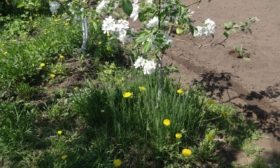 The common dandelion, which grows everywhere and is considered a noxious weed, is actually a medicinal plant. And its flowers are beautiful! It's actually a very useful plant—its leaves, roots, and flowers contain many beneficial substances—vitamins, minerals, acids, and fiber—there's no need to list them all. In this article, I'll briefly discuss the benefits of dandelion and the ailments it can alleviate.
 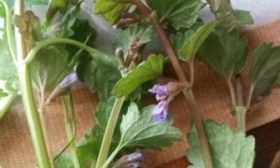 I wrote about ground ivy here. I'll continue the thread. I initially assumed this herb must have medicinal properties, and I wasn't wrong. It turns out that ground ivy relieves pain, reduces inflammation, is a powerful antiseptic, purifies the blood, stops bleeding, heals wounds, stimulates appetite, promotes expectoration, and is considered a good diuretic. Various parts of the plant are used for preparations—flowers, stems...
 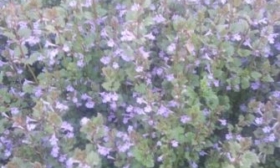 I've already mentioned that ground ivy can be harmful to allergy sufferers and that this medicinal plant contains poison. It's also not particularly beneficial for the garden, as it grows wild and reproduces quickly (by self-seeding and by creeping stems). Getting rid of it is difficult, however, as its roots are very small...
 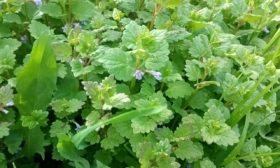 Last year I broke my leg. Due to my age, healing isn't particularly fast, so I tried not only topical ointments but also folk remedies. A herbalist friend recommended using bugleweed for a decoction and said the tincture is also great for arthritis/arthrosis symptoms. I also tested this on myself (along with the fracture site...
 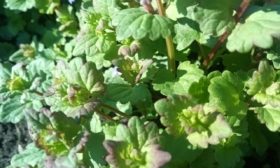 There's a vacant lot near my house where, three years ago, I discovered a beautiful and fragrant plant. It looks like this: Since I'm always trying to figure out what it is and whether it's beneficial, I did a lot of research and learned a lot of interesting things: other names for it include dog mint, ground ivy (as the English call it), magpie weed, and...
 Dandelion is considered a well-known medicinal plant, readily available to everyone. The only thing is, don't pick it in unfavorable places, like near highways. I have two Staffordshire Terriers and two cats, and one day I noticed them taking an interest in dandelions, so I decided to find out if the plant was harmful to them. Besides, my neighbor...
Bedstraw is a weed, as I've already written about here, but many herbalists use the above-ground parts and root system for various ailments. Furthermore, the greens are also used in official pharmacology. The roots are very rich in tannins, which stop bleeding due to their astringent properties. This also allows the root system to be used to treat hemorrhoids (incidentally, many...
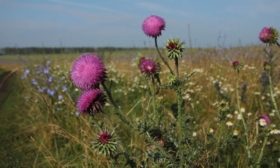 I'm continuing to write about milk thistle, which is popular among folk healers for its many beneficial properties. I've already written about what can be made (decoctions, tinctures, juice, meal, syrup), and now I'll tell you how to prepare remedies for specific problems. A liver cleanse and treatment: This recipe was once recommended to me by a neighbor. Her grandfather loved to drink...
 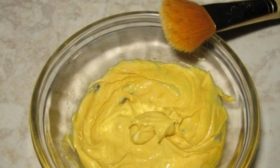 This section is a favorite among women because it concerns beauty. It turns out that Sarepta mustard is not only beneficial for overall health but is also used in cosmetology. Indeed, it's used in many different ways. Mustard was first used for body beauty in the East, and then the recipes migrated to Europe and then to our country. What does Sarepta mustard do: it evens out the skin's contours...
 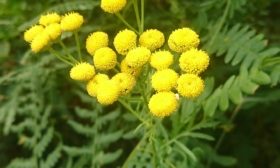 Tansy is called many things—field ash, wild rowan, nine-leaved tansy, forty-brat, and even yarrow (which is incorrect). Frankly, I was surprised by this fact, especially regarding the last name. After all, they are completely different plants! Such confusion can lead to the most unpredictable side effects, so I decided to tell everyone what tansy really is.