
The aspen boletus belongs to the Boletaceae family, the genus Lecinum, the class Basidiomycetes, the subclass Homobasidales, the division Macromycetes, the group Hymenomycetes, and the order Tubular Agaricales. The mushroom also has other names, including Léccinum aurantiacum, which translates as "red aspen mushroom," "redhead," "redhead," "krasnik," "krasuk," and "osinnik."
What does an aspen mushroom look like?
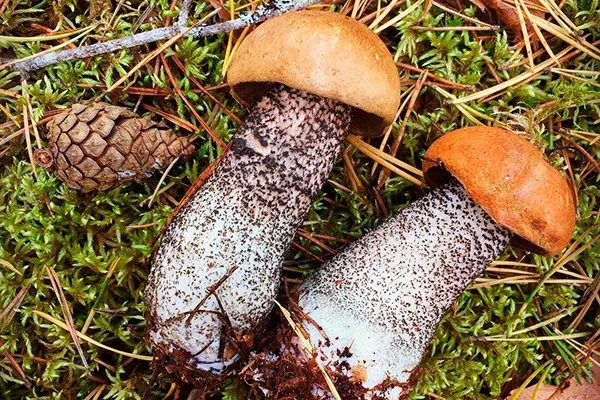
It's fairly easy to distinguish the aspen mushroom from other mushrooms by its external characteristics, which include an orange or red cap, a hemispherical shape, and a rough, fairly thick stem. When cut or broken, the body, exposed to oxygen, will first acquire a greenish-blue tint, then turn completely dark.
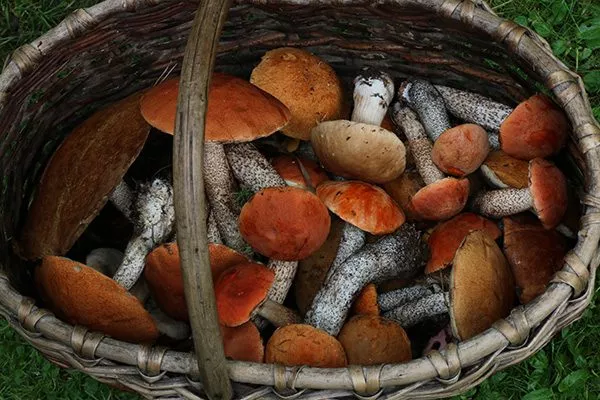
Description of the mushroom
The aspen mushroom is divided into different varieties, but all are considered completely edible and characterized by excellent taste. A true aspen mushroom can be recognized by various characteristics.
hat
Depending on the variety of aspen mushroom, the cap can vary in size – from 4 cm to 20 cm in diameter, with larger specimens sometimes found – around 30 cm. Other cap parameters:
- structure – convex pillow-shaped in maturity, hemispherical in infancy;
- connection with the leg - quite tight at first, easily separated with age;
- peel color - orange, red or brownish;
- surface - velvety or smooth;
- the skin is difficult to remove.
Hymenophore
The hymenophore is the portion of a mushroom's fruiting body that contains spores, or the tubular layer. In the aspen mushroom, it is characterized as follows:
- type – free;
- color - initially whitish, then gray-brown, but there are specimens with unexpected shades (olive, yellow);
- the length of one tube varies from 1 to 3 cm;
- pores - angular-rounded;
- The surface is of a fine-pored type, which is why it darkens after touching.
Leg
The mature aspen mushroom has a very dense and thick stem (1.5 to 5 cm in diameter), 5 to 15 cm high. It is characterized by a solid stem that widens toward the bottom. Other characteristics:
- surface - with fibrous longitudinal scales of a brown hue;
- the main color is white with a grayish tint;
- base tone – brownish-brown;
- When cut, the shade changes from pinkish to black.
Pulp
The flesh of the aspen mushroom cap is firm, fleshy, and firm, white in color, fading to purple when cut. The flesh of the stems is slightly different—fibrous, white or gray.
The flesh is worm-resistant and lacks a strong, distinct aroma and flavor when raw. All these qualities are revealed after cooking.
Spore powder
It is characterized by its olive-brown hue, smoothness, and spindle-shaped form. Dimensions range from 13x4 µm to 17x5 µm.
Seasonal classification
The growing season begins in June and ends in September-October, but much depends on weather conditions. For example, if there's constant rainfall in the summer, the period shifts. There's also the concept of seasonal generation, which depends on the time of boletus development:
- Spikelets. This is an early-ripening mushroom species. They appear as early as early June and disappear by July. They grow solitary or in small groups. The variety is named after the rye that emerges during its growth period.
- Reapers. These summer mushrooms are common throughout July and August. They are abundant, so they grow in large columns.
- Deciduous trees. They belong to the autumn group of mushrooms, which, like the previous species, are localized en masse. Their season begins in September and ends in late October.
Where and when do aspen mushrooms grow?
Scientists have found that true aspen mushrooms don't have a specific type of mycorrhiza partner, so symbiosis occurs with most tree species. The only exceptions are spruce, pine, and other conifers—aspen mushrooms are not found under them.
The mushroom is most often found under the following trees:
- aspen;
- beech;
- oak;
- hornbeam;
- poplar;
- willow;
- birch.
Aspen mushrooms grow in both specific groves and mixed forests. In Russia, aspen mushrooms are most commonly encountered in the northwestern, European, and Western Siberian regions, as well as in the Urals, the Caucasus, and the Far East.
Other growing characteristics:
- places - along paths in the forest, under trees, often young ones;
- substrate – grass, fallen leaves;
- period – June-October.
How long does it take for an aspen mushroom to grow?
The rapid growth of the aspen mushroom is of interest primarily to mushroom pickers and farmers. The former, for example, uses it to plan the exact time to go mushroom picking, while the latter calculates the return on investment and business growth.
This mushroom species is considered a record-breaker among fast-growing species, as it can grow several centimeters per day, depending on the variety. Growth patterns, depending on growing conditions, include:
- After rain, especially heavy rain, the mushroom grows at its fastest rate and can reach maturity in just one day.
- During hot weather and drought, development slows significantly. During such periods, aspen mushrooms may not grow at all. However, the mycelium remains viable, as it is approximately 80 years old.
- In cool autumn weather, moderate growth is observed, with ripening taking 3-7 days.
Types of aspen mushrooms: names, descriptions, and photos
| Name | Hat size (cm) | Cap color | Place of growth |
|---|---|---|---|
| Red | 4-10 | reddish-brown | deciduous forests |
| White | 22-25 | white, gray-brown | aspen groves, spruce-birch forests |
| Oak sapling | 5-15 | coffee brown | oak groves |
| Painted-legged | 14-15 | pink | deciduous and coniferous plantings |
| Yellow-brown | 12-15 | orange-sand, yellow-brown | aspen, birch, spruce, pine |
| Pine | 14-15 | dark crimson | spruce forests, pine forests |
| Spruce | 3 | chestnut | mixed scillas, spruce forests |
| Black-scaled | 5-12 | orange, dark red | aspen forests |
There are many varieties of the aspen mushroom, but some are the most common and preferred by mushroom pickers. To avoid confusing aspen mushroom species with others, it's important to know their names and characteristics:
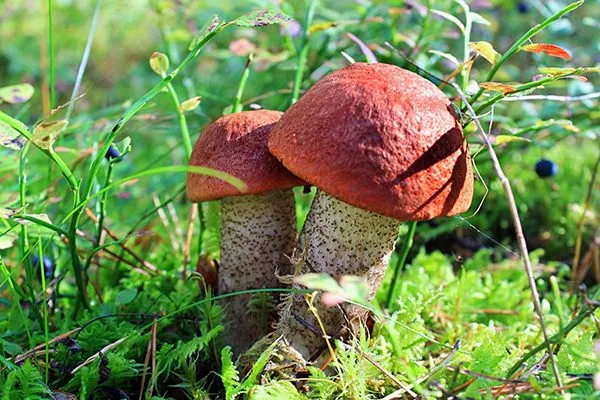
- Red. The mushroom is quite edible, grows under deciduous trees, and is medium-sized: the cap is a maximum of 10 cm in diameter, and the stem is 10-15 cm high. The color is reddish-brown, and the scaly layer is whitish-gray.

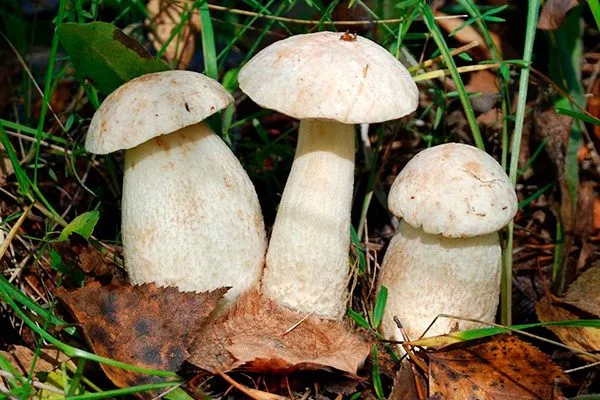
- White. The main distinguishing feature is the white cap, which reaches 22-25 cm in diameter as it grows. As the mushroom matures, it takes on a gray-brown color, making it easily confused with other mushroom varieties.
The stem is also snow-white with the same scales. It's rare, but grows exclusively in aspen groves or spruce-birch forests. High humidity is a must.
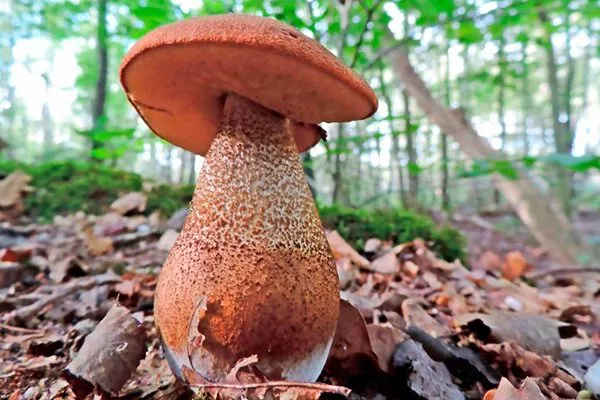
- Oak tree trunk. Similar in appearance to the birch bolete, it prefers shaded areas and exclusively oak groves. It thrives in a moderately humid climate, with a coffee-brown cap and orange stems with brownish-reddish scales. Height: 15 cm, cap diameter: 5-15 cm.
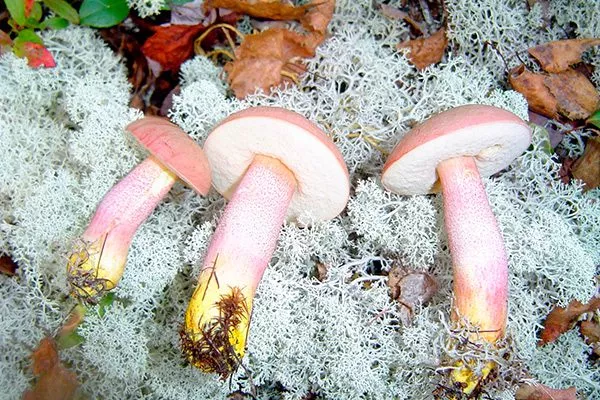
- Painted-legged. Although considered an aspen mushroom, it bears no resemblance to its relatives. It grows not only in deciduous stands but also in coniferous forests. Its cap is pinkish and flat, and its stems are covered with red scales.
The cap diameter is about 14-15 cm, the height of the stem barely reaches 12 cm.
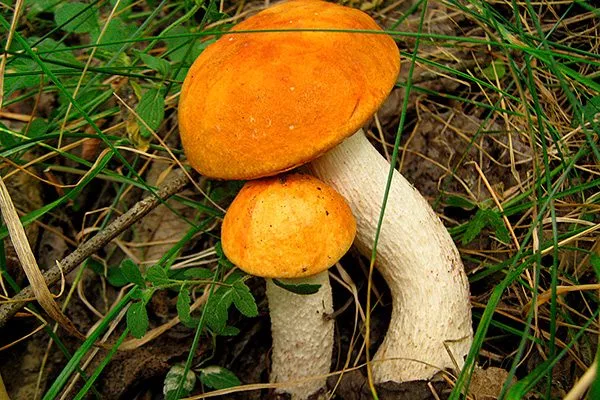
- Yellow-brown. Other names for this species include "variegated" and "red-brown." It is very common and is characterized by a stem height of 25 cm and a cap diameter of 12-15 cm. Its coloration varies from orange-sand to yellow-brown. The stems are always gray, but the granular scales are blackish-brown.
It prefers not only aspen and birch, but also spruce and pine. The climate is moderate.
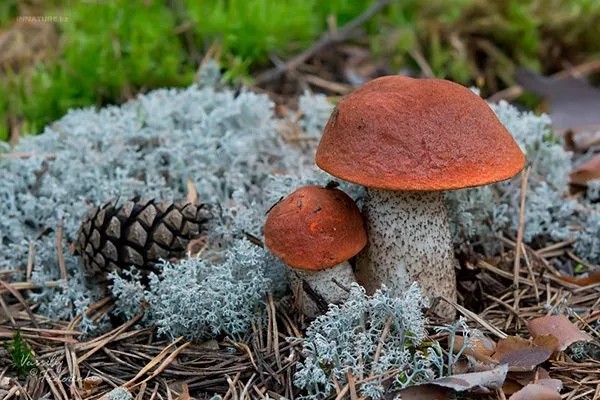
- Pine. It has an unusual coloring: the cap is dark crimson and the stem is brownish. The maximum cap diameter and stem height are 14-15 cm. Preferred habitats include bearberry, spruce, and pine forests.
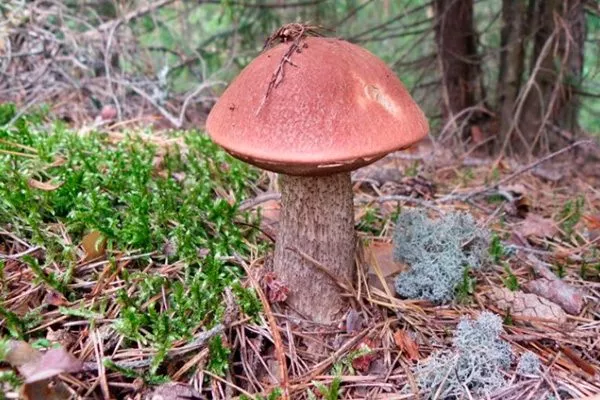
- Spruce. The red-headed mushroom is distinguished by its chestnut-colored cap and light-brown, cylindrical stem. Despite its name, it grows in mixed forests or spruce forests with low density. It prefers sandy soil.
The dimensions are insignificant – its cap is only 3 cm in diameter, and the stem is 6-10 cm in height.
- Black-scaled. The most recognizable aspen mushroom is its blackened cut surface, but the flesh initially takes on a purple-gray hue. The cap is orange or dark red, and the stems are reddish, densely covered with scales. The cap diameter and stem height vary from 5 to 12 cm.
Prefers to grow in forests where aspen trees are present.
False aspen mushroom – how to distinguish it?
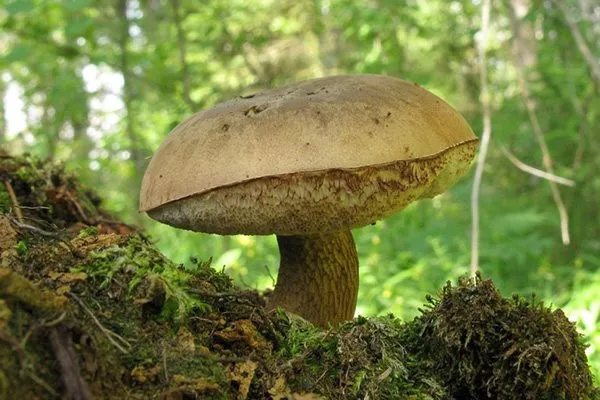
Experienced mushroom pickers note that the aspen mushroom has no lookalikes, as its external characteristics are unique in themselves. However, there are false aspen mushroom called the gall mushroom. It is this mushroom that inexperienced boletus pickers most often confuse with the true aspen mushroom.
Characteristics of gall fungus:
- toxicity – absent, since it does not contain toxic compounds;
- edibility – inedible, and only because of the very bitter taste of the pulp;
- coloring - the cap has a brown tint, the stem is yellow-cream or brown with a unique grayish pattern, the tubular layer is pink;
- oxidation after cutting – absent, therefore the cut area is not subject to darkening;
- prevalence – deciduous, coniferous and mixed forest plantations;
- location - the base of any tree;
- cap diameter – about 12-15 cm;
- cap shape – cushion-shaped;
- another name is false birch bolete.
In fact, the gall mushroom is not very similar to any variety of aspen mushroom, but it is not for novice mushroom pickers.
Gall mushroom (bitterling)
Similar species
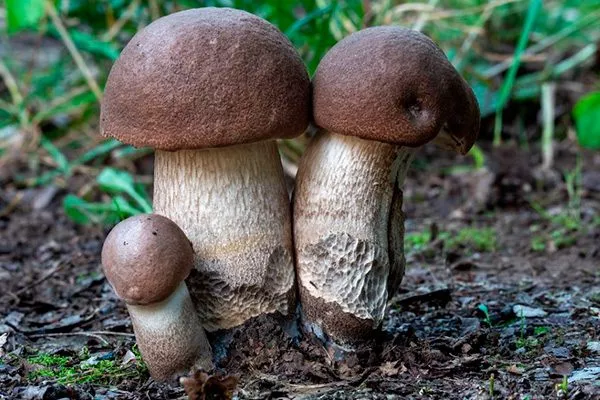
The only mushroom similar in appearance to the aspen boletus is one in the same genus (Leccinum). This is the somewhat tough birch boletus. It forms a fungal growth on poplar and aspen trees, so it grows in the same habitats as the aspen boletus. The flesh is also firm and darkens when cut.
But there are also significant differences in the tough birch bolete:
- bluish spots at the base of the stem;
- the color of the cap is brown or brownish-gray (in aspen mushrooms this is observed only in two species - oak and spruce);
- Immediately after cutting, the color changes not to a greenish-blue tone, but to red (later both mushrooms turn black).
Hardy birch bolete
Beneficial properties, vitamins, minerals
The aspen mushroom is considered a dietary and even vegetarian product, as its caloric content per 100 g is only 44 kcal. Its nutritional value is quite high:
- 4% proteins;
- 90% water;
- 1.5% carbohydrates; 2% fiber;
- 1.5% vitamins and minerals;
- 1% fat.
Among the beneficial substances, the following are most prominent:
- grappa of vitamins – E, C, PP, B2, A, B1;
- minerals – calcium, phosphorus, sodium, potassium, magnesium, iron.
Thus, this type of mushroom has the following healing properties:
- cleansing blood vessels and strengthening the walls of the circulatory system;
- strengthening the immune system;
- cleansing the blood and liver of cholesterol deposits, toxins and other harmful substances;
- lowering sugar levels;
- restoration of carbohydrate and protein metabolism;
- reduction of psycho-emotional stress;
- elimination of physical fatigue;
- normalization of joint functionality, etc.
Harmful effects of aspen mushrooms
Harmful effects from eating aspen mushrooms are possible only if the mushroom was picked in polluted industrial areas, near major highways, or near a landfill, etc. This is because aspen mushrooms tend to absorb substances from the environment. This occurs especially rapidly during and immediately after precipitation.
Contraindications
There are direct restrictions on consumption of the aspen mushroom:
- allergic reaction to mushrooms;
- pregnancy and breastfeeding;
- diseases of the gastrointestinal tract;
- problems with the liver, kidneys;
- elderly people and children under 8 years of age.
Culinary uses
This delicious mushroom, whose aroma is enhanced by cooking, is why aspen mushrooms are especially popular with chefs and home cooks. The only drawback for cooking is the loss of color during cooking.
How to use aspen mushroom:
- preservation for the winter;
- pickling;
- pickling;
- frying;
- preparation of soups, sauces;
- juliennes;
- baking, etc.
Cooking instructions:
- Before cooking, mushrooms should be thoroughly cleaned of twigs, leaves, soil, sand, and other debris. This should be done immediately upon returning home.
- After this, they are soaked in water for 15-20 minutes. This procedure will remove all impurities from the spore-bearing layer.
- Then the mushrooms are washed under running water and any remaining debris is removed from the surface using a soft brush.
- Finally, the aspen mushrooms are boiled. This takes about 20 minutes.
- If you plan to fry the mushrooms, you can do so without boiling them first. Frying time is about 40-45 minutes. If you boil them first, the dish will turn out stewed rather than fried.
- To prevent the color from changing significantly, cooks soak the aspen mushrooms in slightly acidified water (with vinegar or citric acid) beforehand.
- The mushroom stems are fibrous and therefore somewhat tough, which is why only the caps are used in cooking. This rule doesn't apply to canning for the winter.
Medicinal properties
The properties of aspen mushrooms have been extensively studied in laboratory studies, leading experts to conclude that the mushroom has medicinal properties. When is it recommended as a supplement?
- after any surgical intervention;
- in case of protracted illnesses;
- atherosclerosis, cerebral hypoxia, anemia, Alzheimer's disease and other pathologies of the brain, cardiovascular system;
- chronic fatigue, rapid fatigue;
- diabetes mellitus of any form;
- chronic stress;
- frequent colds;
- muscle and joint pain;
- nervous overexcitement;
- decreased visual acuity;
- with frequent and large quantities of alcohol, tea and caffeine-containing drinks;
- if bruises on the body do not go away for a long time.
How to prepare and store?
There are harvesting guidelines that will ensure the mycelium is not damaged and the aspen mushrooms themselves will last longer. How to harvest:
- It is customary to use the twisting method, but you can also make a cut at the very base - in no case should you tear it out by the roots;
- Only young specimens are suitable for harvesting - old ones are highly susceptible to oxidation when exposed to oxygen, have an unattractive appearance, a deteriorated taste, and are subject to rapid spoilage;
- It is also not advisable to pick mushrooms that are too young - they do not yet have the same nutritional and medicinal properties as mid-ripe specimens;
- The minimum height of the stem recommended for cutting is 10 cm.
There are various ways to store aspen mushrooms, but in all cases they are first cleaned. The methods are:
- Drying. Mushrooms can be dried either boiled or raw, but the latter method is preferred. In this case, pre-washing and soaking are not recommended—dry cleaning with a brush is sufficient. Dried aspen mushrooms can be stored in a glass jar or canvas bag for 6-12 months at room temperature in a ventilated area.
How to dry – options:- in the oven;
- on the street;
- in an electric dryer.
- Freezing. The shelf life is 1 year, provided the mushrooms are not re-frozen. Therefore, it's best to store the mushrooms in small portions initially. As with drying, aspen mushrooms can be boiled or stored fresh. Keep in mind that the water must be completely drained, and the mushrooms must first dry on a towel.
- Conservation. Canned mushrooms are especially delicious, but it's best to store them for no more than six months. There are so many recipes for preserving them, every homemaker can find their favorite.
Mandatory requirements include high-quality sterilization of glass jars and metal lids.
Growing at home
Several effective methods for propagating aspen mushrooms have been developed to date. At home, this can be done using grain mycelium or wild mycelium. The former can be purchased at a specialty store, while the latter must be collected independently.
- ✓ The optimal soil moisture should be 60-70% of the total moisture capacity.
- ✓ The air temperature for mushroom growth should be within 18-24°C.
There are some subtleties you need to know:
- the first harvest can be collected in 2 months;
- new mushrooms form and grow in a maximum of 10-15 days;
- one planting is enough to grow mushrooms for 4-5 years;
- planting time: May-September;
- the optimal location is under a mature tree that creates shade;
- the best substrate is turf soil taken from wild mycelium, mixed with fallen leaves and sawdust (can be replaced with peat);
- a planting hole is not dug, nor is a hill formed - it is better to make a whole area from a fertile soil mixture for aspen mushrooms;
- The surface of the area should be slightly inclined to prevent the substrate from becoming waterlogged.
The best ways to grow aspen mushrooms for beginners:
- Forest mycelium. First, select a wild mushroom spawn, which should have a large cluster of aspen mushrooms. Their quality includes healthy, firm fruiting bodies, free from worms, insects, and diseases. Then follow the instructions:
- Carefully dig up the area with a shovel.
- Remove the mycelium from the top layers of soil.
- Bring it home and plant it in a pre-prepared area so that the mycelium is located closer to the roots of the tree.
- When the first harvest appears, harvest a small number of young aspen mushrooms. Leave the rest to release their spores into the soil – this will ensure a higher yield next time.
- Purchased mycelium. Dig up some soil near a tree with mycelium. Mix it with store-bought spawn, spread it over the prepared area, and cover with fallen leaves.
If you can't get soil from wild mycelium, use soil from your own garden, but dilute it half with peat. - Mushroom seedlings. In this case, mushroom caps are used. Then proceed as follows:
- Chop unwashed aspen mushrooms as finely as possible.
- Pour them into a container and fill with water so that it covers the mushrooms by a finger.
- Place in a dark place and keep it there for 24-30 hours.
- Pour the contents of the container onto the prepared area.
- Sprinkle leaves over the top. If the weather is unfavorable (sudden cold snap, constant rain), cover the planting first with compost and then with leaves.
Interesting facts
You can hear many fantastic legends about the aspen mushroom, but there are also plausible unusual facts:
- It is strongly recommended not to wash mushrooms before drying, as boletus mushrooms quickly absorb a huge amount of moisture;
- This is the safest mushroom because it has no poisonous counterparts;
- In Australia and North America, the aspen mushroom is included in the list of national dishes; moreover, clove buds, paprika and other spices are added to the caps, they are stewed in a clay pot, and then served to newlyweds during the wedding ceremony;
- the legs always have a pattern formed from scales-burrs, thanks to which the required amount of moistened soil is retained during the growth period;
- Unlike other types of mushrooms, the aspen mushroom does not lose its nutrients when dried and frozen;
- During the First World War, the mushroom was used to prepare broths and give them to wounded soldiers to drink (it promotes rapid healing);
- Mushroom broth is a complete substitute for beef broth and even surpasses it in value;
- The white aspen mushroom and the black-scaled aspen mushroom are considered the most caloric and highly nutritious;
- the largest one is the colored-legged one;
- The most delicious ones are yellow-brown and pine.
Frequently asked questions
Beginner mushroom pickers often ask questions that few people answer. Here are a few:
- Why is the aspen mushroom called that? It's a misconception that the mushroom got its name because it grows under aspen trees. Because the aspen mushroom can be found under a variety of deciduous trees, and some species even under spruce and pine, which is completely uncharacteristic of the species.
The second reason for the name is the color of the caps, which resembles the shade of aspen leaves in autumn. - Why does the aspen mushroom darken when cut? There's nothing unusual about this, just like the darkening of the flesh of many fruits. It's caused by oxidative processes. A much more important question is why the cut area turns greenish-blue, even purple, and then black. It happens like this:
- immediately after a break or cut, variegated acid (the pigment consists of phenolic elements) comes into contact with oxygen compounds;
- then oxidation occurs to the form of the quinomethide anion, which is the culprit of the blue color;
- After this, all the enzymes of the aspen mushroom begin to activate, resulting in blackening.
The aspen mushroom is characterized by a refined mushroom flavor and aroma when cooked. It has an attractive appearance, develops quickly, and produces unusually high annual yields. Growing it at home is relatively easy. The key is to properly prepare the substrate and use high-quality planting material.
Our whole family loves aspen mushrooms, so after reading your article, I decided to grow at least a few at home. It turns out they're growing very well; my entire garden is already filled with them. I used the seedling method. I chopped up the mushrooms I'd picked in the forest and prepared them as you described. We had a very quick and easy harvest. Thank you so much!