
The autumn mushroom-picking season runs from late August to November. The list of edible mushrooms is quite extensive, but knowing their characteristics and growing locations allows you to not only stock up on this product but also try growing them yourself. Officially, there are over 250 varieties of edible mushrooms. Below are the most popular and delicious.
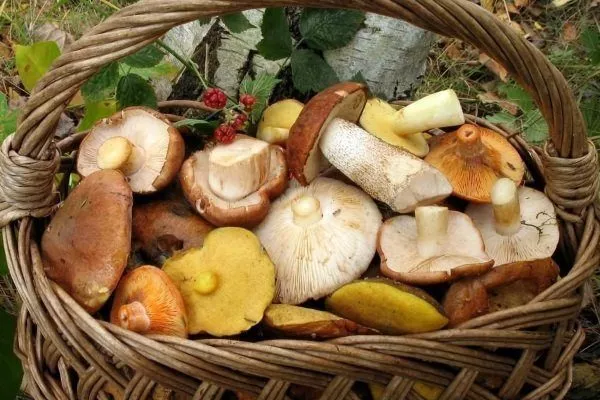
Honey mushrooms
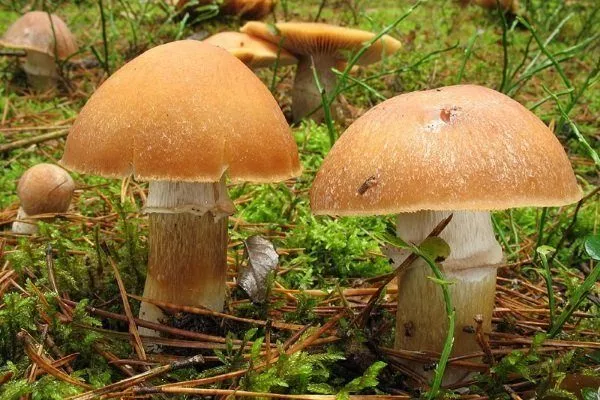
The color is honey, ranging from light to dark. The stem has a ring, the cap is rounded, covered with scales in young mushrooms and smooth in older ones. The stem is the same shade.
Where and when do they grow?
Honey mushrooms can be found near trees and bushes, in meadows and forest edges. They prefer stumps, marshy areas, and wooded areas. They are widespread, with the most productive areas in the Northern Hemisphere. They grow from late August to early December. However, spring mushrooms can also be found with the first warm spell.
| Type of honey fungus | Harvest season | Places of growth | Distinguishing features |
|---|---|---|---|
| Winter | September-December | Stumps of deciduous trees | The cap is honey-colored, the stem is velvety |
| Summer | June-October | Rotten wood | Hat with watery circles |
| Spring | May-September | Mixed forests | Thin stem, hygrophanous cap |
| Autumn | August-November | Living and dead trees | Scales on the cap, ring on the stem |
Are there any varieties?
There are several species of honey fungus, all very similar. They are classified by growing season.
- Winter honey fungusIt grows on the trunks and stumps of willow, birch, linden, and even spruce. The cap is flat and light yellow, and the stem is dense, covered with fine hairs. It is found in spring and fall, right up until frost.
- Summer honey fungusIt grows on dead trunks, sometimes in woody soil. The top is semicircular, becoming flat over time. The cap color ranges from brown to yellow. The stem has dark scales.
- Spring honey fungusIt prefers mixed forests and grows solitarily. The cap of young mushrooms is convex, gradually flattening. The color changes from reddish-brown to brown. The stem is thin. It is found from May to September.
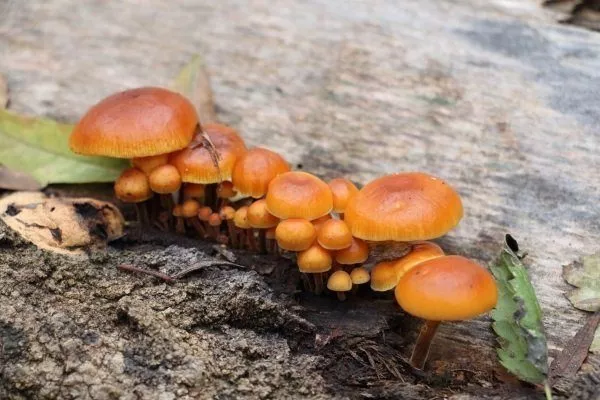
Winter honey fungus
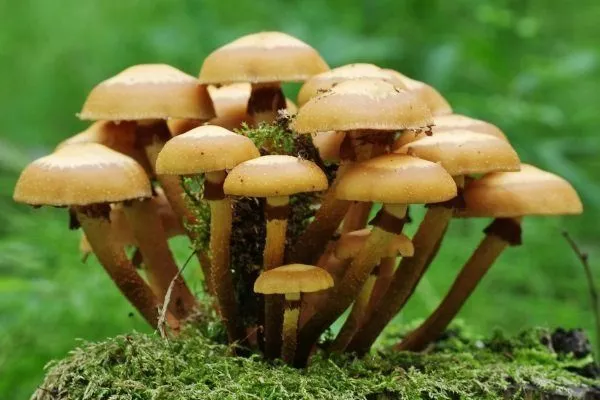
Summer honey fungus
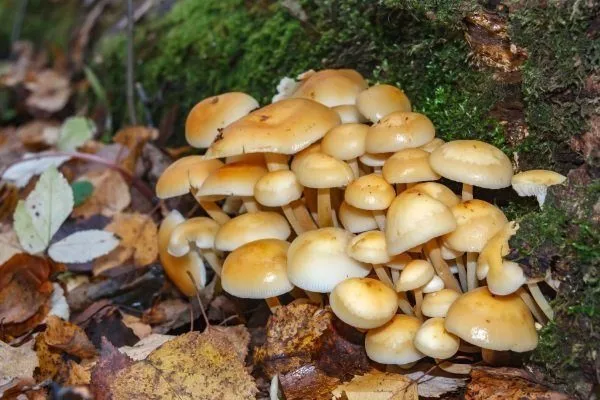
Spring honey fungus
Scientists have proven that honey mushrooms appeared 400 million years ago, during the time of dinosaurs, and their structure has not changed, only dividing into edible and poisonous varieties.
Honey mushrooms contain many nutrients, and their phosphorus and potassium levels rival those of fish. They can be fried, boiled, or canned.
Chanterelles
The color ranges from pale yellow to orange, due to the high vitamin C content. The cap is flat, with inverted edges, resembling a funnel in mature mushrooms. It is smooth to the touch, with small scales. The stem is thick, without a "skirt," and light yellow.
Where and when do they grow?
They prefer damp, mixed or coniferous forests, and are found near pine, spruce, and oak trees. They can be found in moss or fallen leaves. They grow in dense groups after thunderstorms. The season is June to October.
Are there any varieties?
There are many species of chanterelles, so it is very important to distinguish them, especially from their inedible “brothers”.
- The fox is realA distinctive feature is its bright yellow color, a dimple on the cap, and curled edges. The stem is attached in a single layer.
- Trumpet chanterelleThe cap is trumpet-shaped, with edges curling downwards, resembling a funnel. The color ranges from brown to yellow.
- Common chanterelleOne of the most delicious. Its distinctive feature is its fruity aroma. The color ranges from yellow to brown, with the higher the humidity, the darker the color. The cap is flat, with curled edges and folds resembling plates.
- Velvet chanterelleThe cap is convex, bright orange, with a dimple in the center.
- Faceted chanterelleThe color is bright yellow, the flesh is very dense. A bountiful harvest can be expected in late summer.
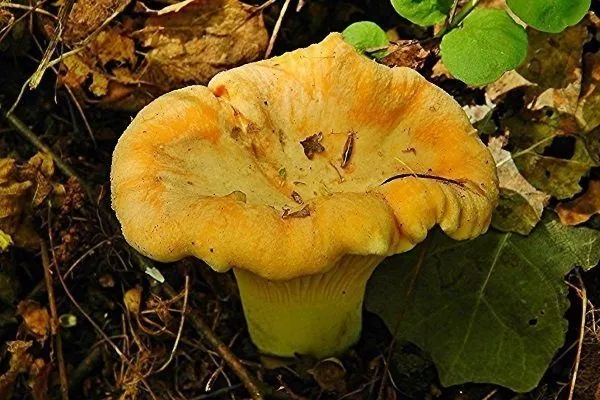
The fox is real
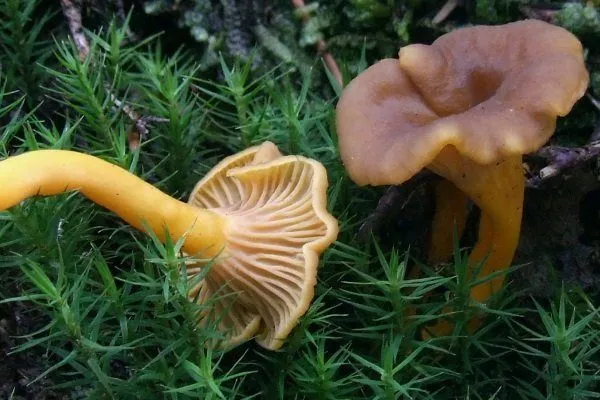
Trumpet chanterelle
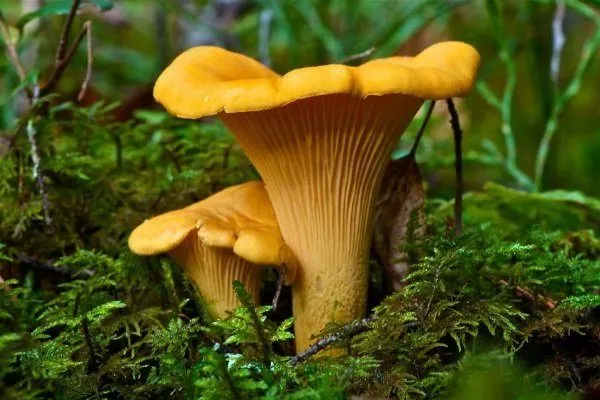
Common chanterelle
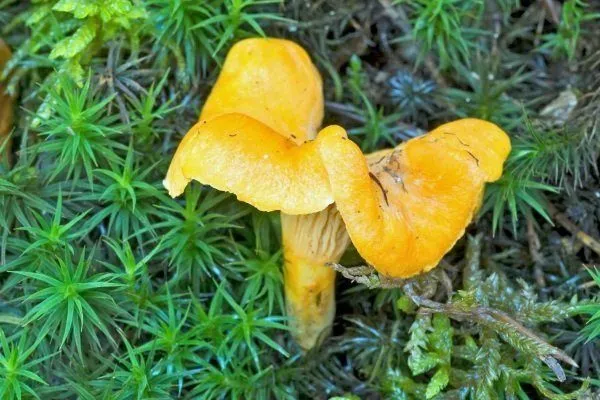
Velvet chanterelle
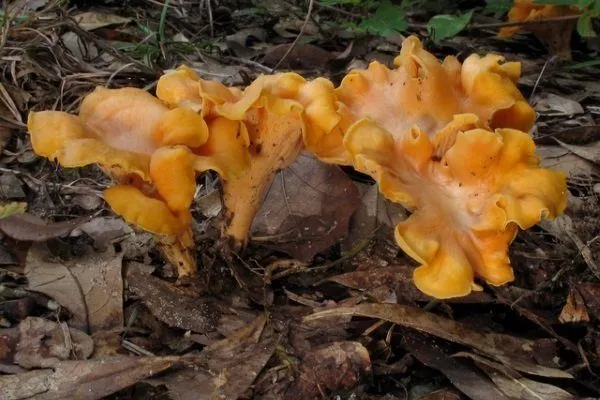
Faceted chanterelle
Chanterelles can be boiled, fried, or baked, making delicious casseroles, pies, and soups. They are also suitable for pickling, marinating, and drying for the winter.
Wet
The mushroom is also called a slug mushroom because its cap is covered in slime, and is purple, pink, or brown. The gills overlap the stem, which is white or yellow. The whitish or pink stem has a slimy ring. In the center of the cap is a small bump. If you press on the stem, it darkens.
Where and when does it grow?
You can find the scaly-sided mushroom in mixed and coniferous forests, near spruce trees, in moss, or heather thickets. These mushrooms are abundant in Siberia, the Far East, and the North Caucasus. The season runs from mid-August to early October.
Are there any varieties?
There are several types of mokrukha.
- SpruceIt grows in clumps, in the shade of spruce or heather. The cap is glaucous, the stem is dirty white, covered in mucus.
- PurpleThe name comes from the color of the cap, the edges of which curl upward. It is also called pine or shiny. It grows in coniferous forests.
- SpottedAlso called slimy. It grows under spruce and larch trees, and has dark spots on its cap. It darkens after being cut.
- FeltOr shaggy, as the cap is covered with light, fluffy hairs. It is smooth, with small grooves along the edges. The gills descend to the stem; the color is orange-brown. It grows under pine trees.
- PinkThe cap is very bright, resembling a semicircle with a drooping edge, and can change color to bright red.
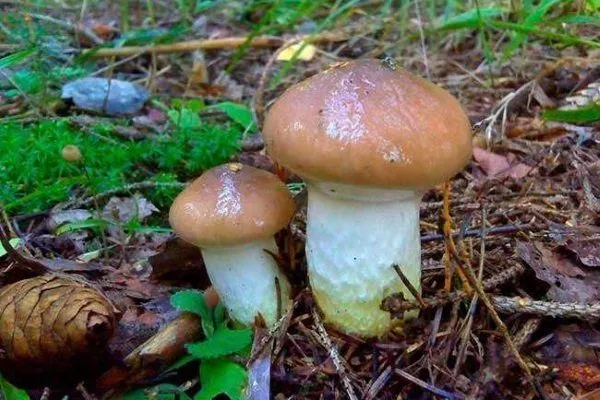
Spruce wood sorrel
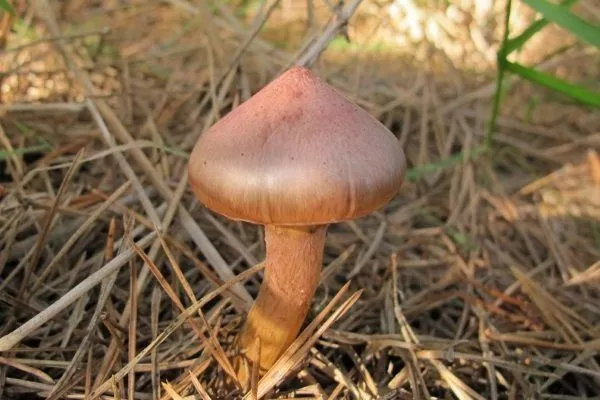
Purple woodlouse
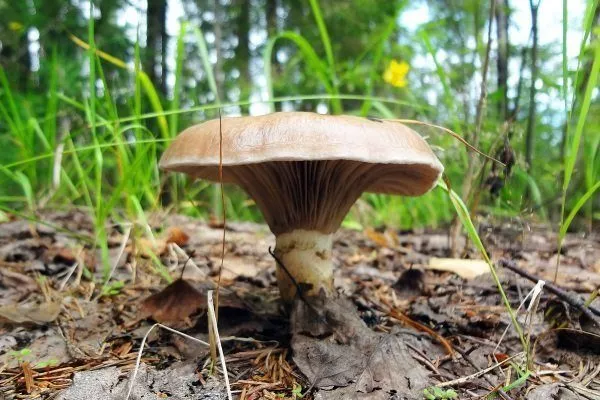
Spotted woodlouse
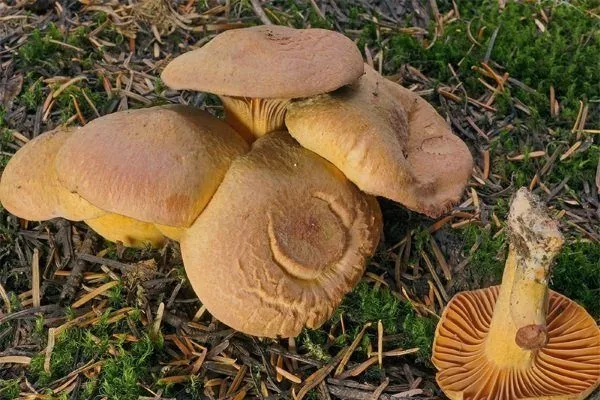
Felt-leaved woodlouse
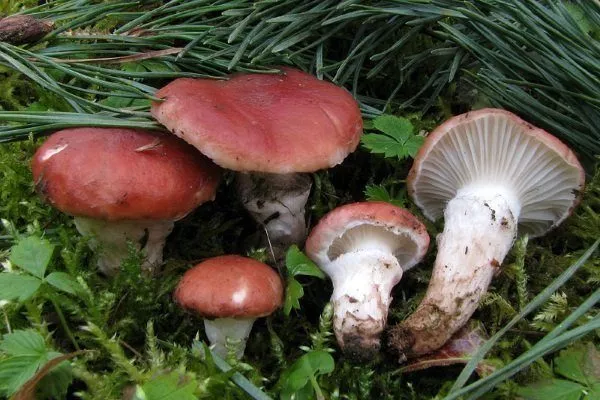
Pink woodlouse
Mokrukha tastes similar to butter mushrooms. It can be boiled, fried, or canned.
The mokruha is listed in the Red Book of Belgium, Bulgaria, Hungary and Poland as a rare species.
There are no inedible or poisonous mushrooms similar to the mokrukha. You can pick them with confidence, but the key is to distinguish them from other forest bounty.
Rows
Tricholoma edulis gets its name from its ability to grow in large clusters, arranged in rows or circles. The cap of young mushrooms is spherical, conical, or bell-shaped, and comes in a variety of colors: white, yellow, green, red, and brown. Beneath the cap are gills, and the stem can be bare or scaly, but the color is uniform—pinkish-brown.
Where and when do they grow?
They grow in temperate zones, preferring conifers, most often pine. They can also grow on spruce and fir trees. They are rarely found near oak, birch, or beech. They grow from late summer until frost.
Are there any varieties?
There are about 100 species of mushrooms in the rowan family, but it is worth naming the most common ones.
- Gray. The cap is smooth, gray with a greenish or purple tint. The stem is white, with a yellow or gray tint. It grows from September to November.
- ScalyThe name suggests its distinctive features: a scaly surface. It grows in groups in coniferous and deciduous forests.
- EarthyThe cap is gray or gray-brown, sometimes reddish-brown, with a tubercle in the center. The stem is white. It grows only in coniferous forests, from August to October.
- Yellow—brownThe cap is convex, tubercled, and reddish-brown. The stem is white on top and brownish on the bottom.
- Mitsutake. Also known as the pine mushroom, it is prized in Korean and Japanese cuisine. The cap and stem are brown, and the flesh has a cinnamon-like aroma.
- BoredThe cap is pillow-like and opens when mature. The stem is twisted and ranges in color from white to brown.
- PoplarIt reproduces by spores in gills. The cap is red and resembles a hemisphere. The stem is pinkish-white; spots appear when pressed.
- Purple or lilac-leggedThe name suggests its distinctive features. It grows in clumps in deciduous forests where ash is abundant. The fruitful months are from April to November.
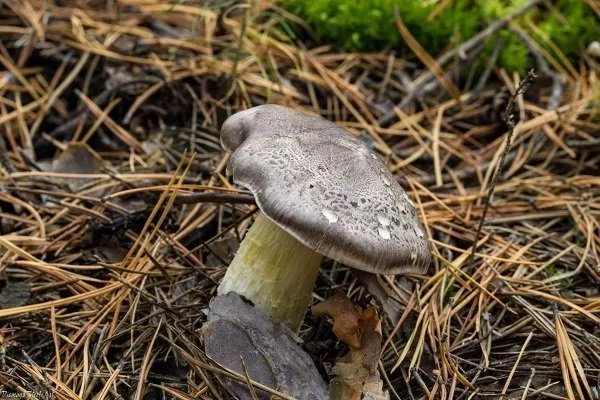
Gray rowan
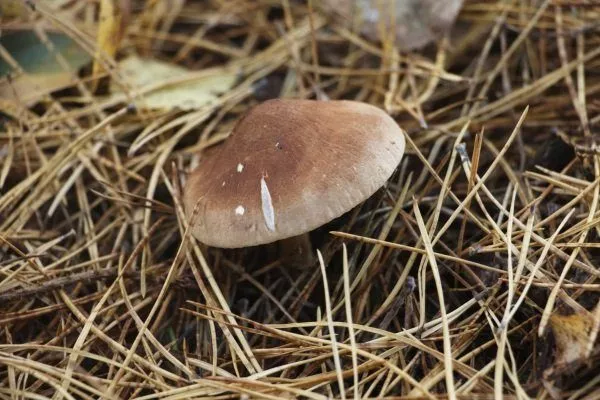
Scaly rowan
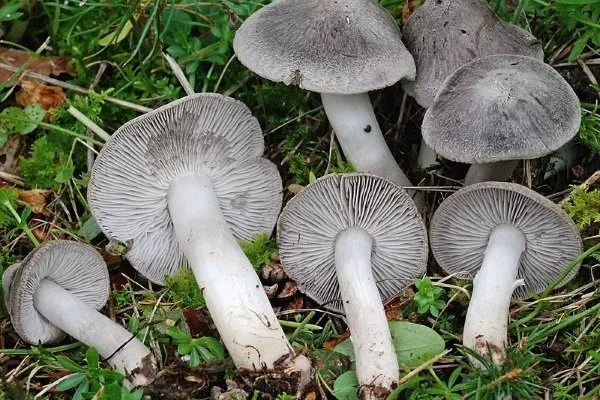
Tricholoma terrestris
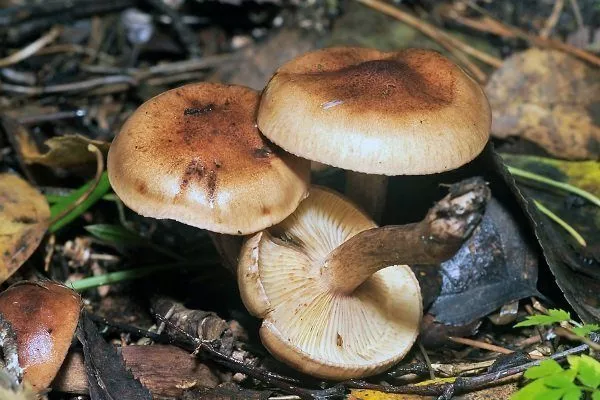
Yellow-brown rowan
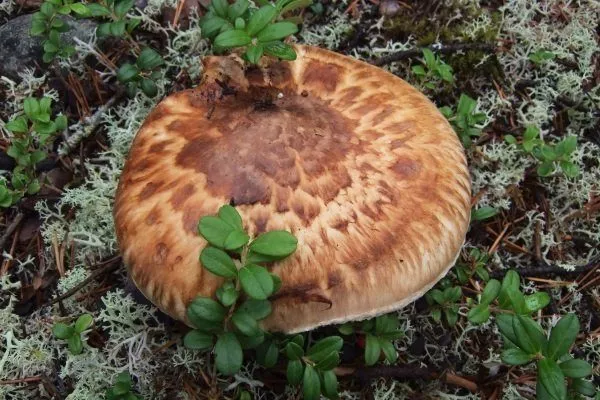
Mitsutake rowan
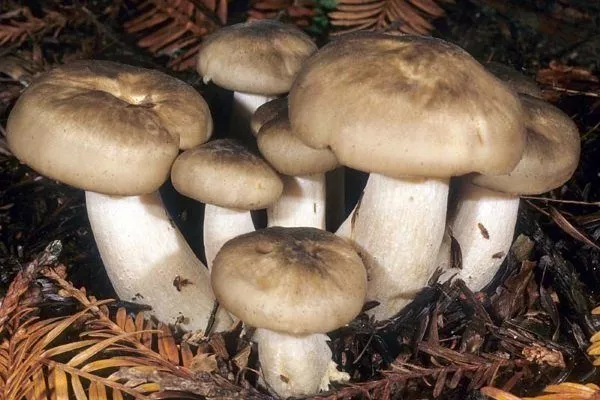
Crowded rowan
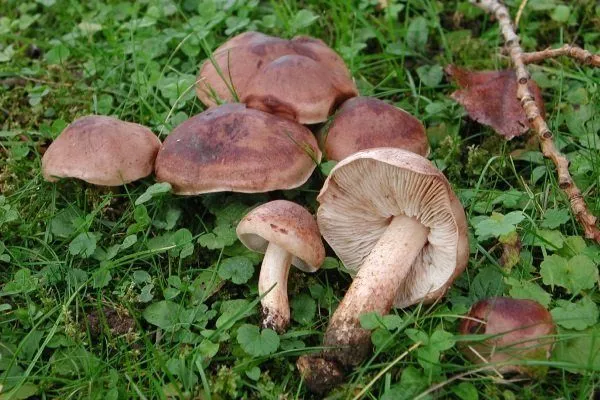
Poplar rowan
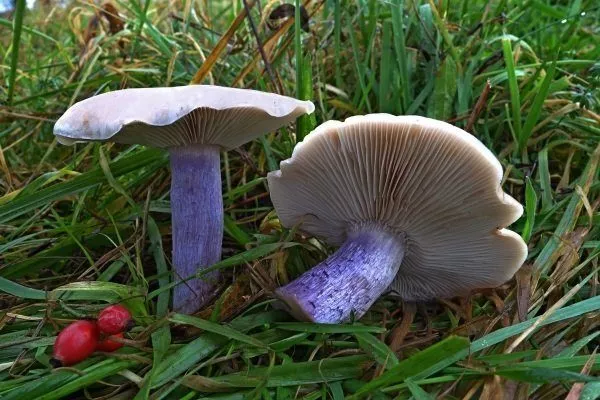
Purple-legged rowan
Rowan mushrooms have a very pleasant flavor; they can be pickled, salted, or fried after boiling. It's best to use young mushrooms, as older ones develop a slightly bitter taste. Peel the skin, rinse, and boil for half an hour.
In many countries, the rowan mushroom is considered a delicacy and is grown strictly for export.
Porcini mushrooms
The king of mushrooms is considered the pride of every "silent hunter." It's also known as the boletus. It got its name "white" because the flesh remains snow-white even after processing. The cap ranges in color from reddish-brown to white, and the stem is small and light-colored.
In 1961, a porcini mushroom weighing up to 10 kg and with a cap reaching almost 60 cm was found in Russia.
Where and when do they grow?
Porcini mushrooms are found on almost every continent except Australia, where it's too hot, and Antarctica, where it's too cold. They even grow in China, Japan, Mongolia, North Africa, and the British Isles. Boletus mushrooms are also found in the northern taiga.
They prefer deciduous and coniferous trees, preferring to grow near spruce, pine, oak, and birch trees that are over 50 years old. They prefer less-wet soil, closer to sandstone.
| A type of boletus | Mycorrhiza | Optimal growth temperature | Productivity |
|---|---|---|---|
| Reticulate | Oak, beech | +15…+18°C | 3-5 kg/ha |
| Birch | Birch | +12…+16°C | 2-4 kg/ha |
| Pine | Pine | +14…+20°C | 4-6 kg/ha |
| Spruce | Spruce | +10…+15°C | 1-3 kg/ha |
Are there any varieties?
There are several types of porcini mushrooms, which differ slightly from each other.
- Reticulate. The cap is brown or orange, the stem is cylindrical, white or brown.
- BronzeThe entire mushroom is brown, with a white-hazelnut-colored mesh visible on the stem.
- Birch boletus (or spikelet)The cap is light, the stem is barrel-shaped, white-brown, with a white mesh.
- PineThe cap is large, dark, with a purple tint. The stem is short, thick, white or brown, with a reddish mesh.
- OakThe flesh is loose and denser than that of other mushrooms. The cap is gray, with light spots.
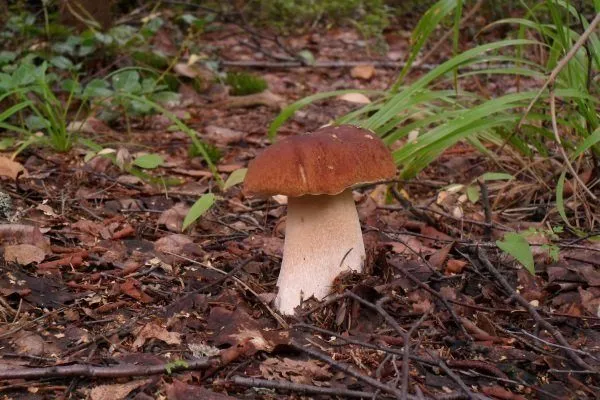
White mushroom netted
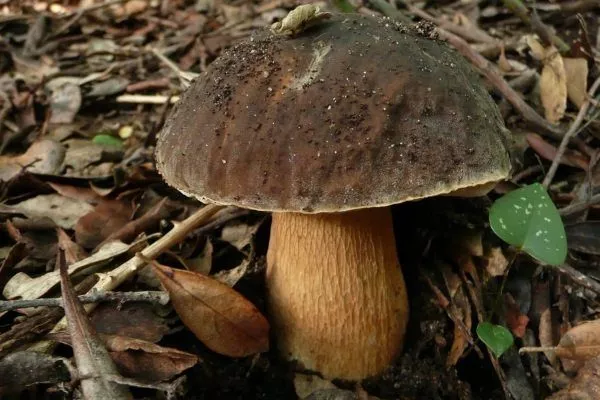
Bronze porcini mushroom
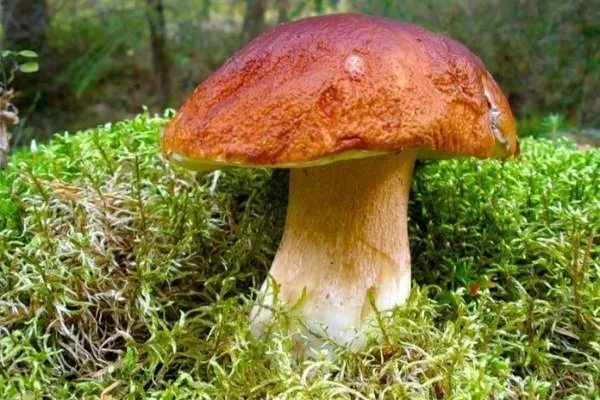
Birch porcini mushroom
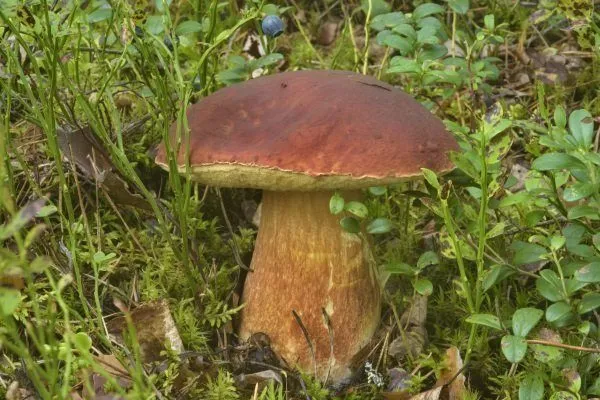
Pine porcini mushroom
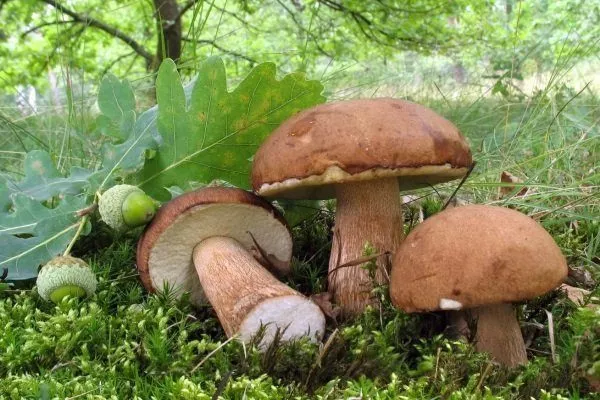
White oak mushroom
The porcini mushroom is delicious and can be prepared in any way: fried, boiled, dried, or pickled. What's valuable about it is that it doesn't darken and retains its pleasant aroma.
A dangerous lookalike is the false porcini mushroom. The main difference is the cut color. The cut color of the boletus remains white, while the cut color of the gall mushroom darkens, turning pinkish-brown.
Milk mushrooms
Milk mushrooms are one of the most common species in Russian forests. Their name comes from the Church Slavonic word "gruda" (grouse), because they grow in clusters. They are easily recognized by their milky-colored cap, which is flat and, in older mushrooms, funnel-like with a curved edge. Their coloring is creamy or yellow, covered in slime. The stem is smooth and yellowish. The flesh is firm and fruity.
Where and when do they grow?
Milk mushrooms thrive in birch groves, particularly in the northern regions of Russia, Belarus, Western Siberia, and the Urals. They grow from July to October, usually in large clusters.
Are there any varieties?
The types of milk mushrooms differ from each other, which is very important to take into account.
- Black. More «"Gypsy" or "black-eyed" mushroom. It grows in sunny spots near birch trees. The cap can be olive or brown, with a darker center. The stem is the same shade and smooth.
- Pepper. Or poplar, also known as milk cap. Young mushrooms have a flat, white cap; older ones are yellow with brown spots. The stem is dense, white, with cream-colored gills.
- BlueingOr dog's tongue. It prefers dampness and is found near birch, willow, and spruce trees. The cap and stem are thick, light yellow, with dark spots.
- YellowThe name refers to the color of the cap; the flesh is white. The stem is thick and light.
- WhiteThe top is light-colored and convex, later becoming funnel-shaped with a drooping edge. The flesh has a slight fruity aroma. The stem is white with yellow spots.
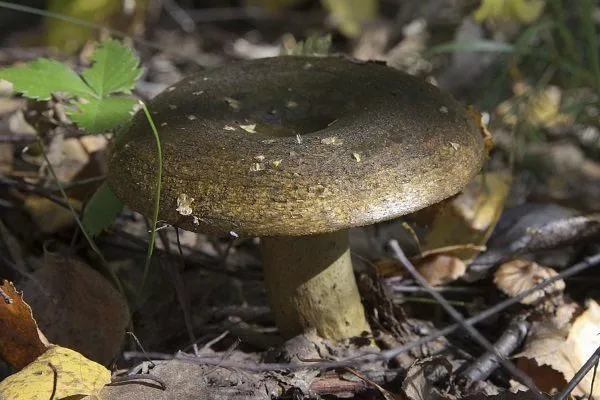
Black milk mushroom
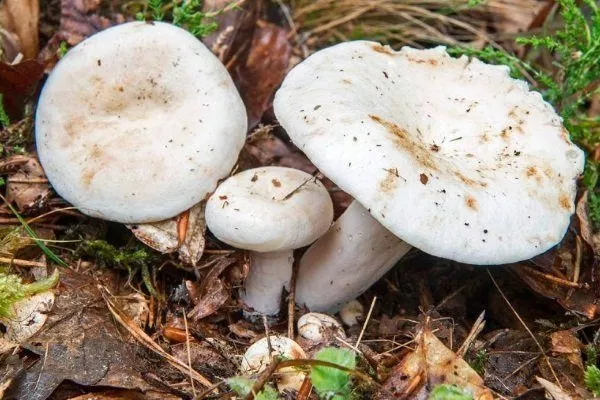
Peppery milk mushroom
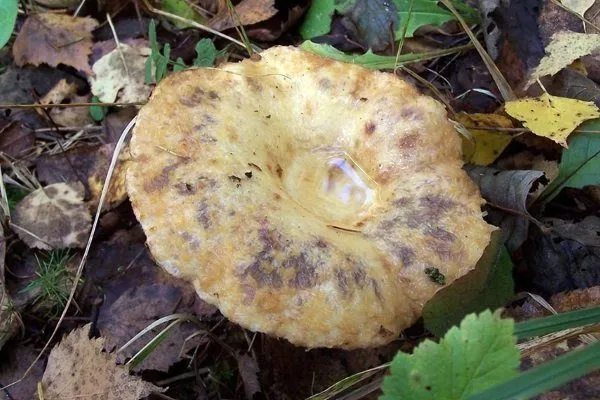
Blue milk mushroom
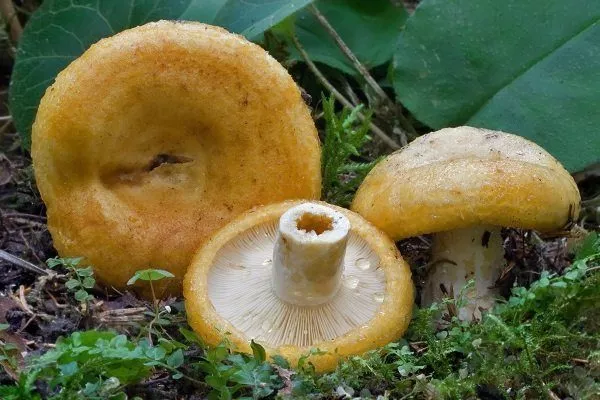
Yellow milk mushroom
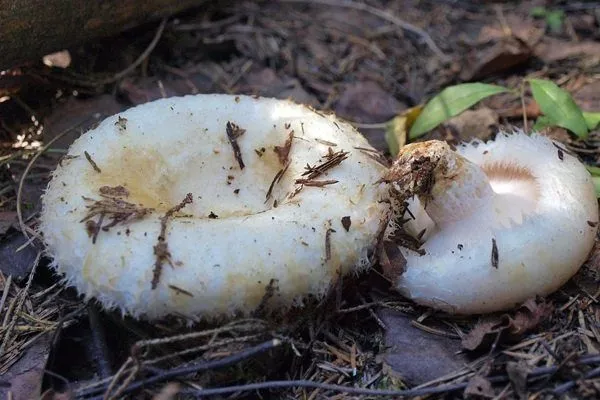
White milk mushroom
Milk mushrooms must be properly prepared to prevent botulism. To do this, soak them thoroughly or boil them without salt. Consume in moderation, and avoid if you have stomach or intestinal problems. Pregnant women should avoid eating them.
Chanterelles
These are among the most delicious and common mushrooms, named for their caps, which range in color from light yellow to orange. Red or bluish-green caps are also found. They are the only mushroom in the world with yellow, thick, sweet, and milky juice. The flesh, like the stem, is orange. This is due to the large amount of beta-carotene. They also contain ascorbic acid and B vitamins.
Where and when do they grow?
Saffron milk caps prefer coniferous trees and sandy soil, close to pine or larch trees. They are often found in pine forests; large groups can be found on the north side of trees, in the moss. They are well camouflaged. They grow from mid-July to October, until the first frost.
| Parameter | Spruce | Pine | Red |
|---|---|---|---|
| The color of the milky juice | Orange | Carrot | Red |
| Change in the cut | It's turning green | It turns blue | Turns red |
| The best way to prepare | Salting | Pickling | Drying |
More common in northern Europe and Asia.
Are there any varieties?
Some types of saffron milk caps are considered conditionally edible, but they can only be harvested if properly processed.
- SpruceThe cap of young mushrooms is convex, with a tubercle and downward-curving edges, while in older mushrooms it is flat or funnel-shaped. It is smooth, orange, and spotted. The stem is similarly colored, turning green when cut.
- RedThe cap can be flat or convex, depressed in the center, smooth, and orange in color. The stem has a mealy coating. The juice is thick and red.
- JapaneseThe cap is flat, with an inverted edge, which eventually becomes a funnel. It is orange in color, with a white line. The stem is red-orange, and the juice is red.
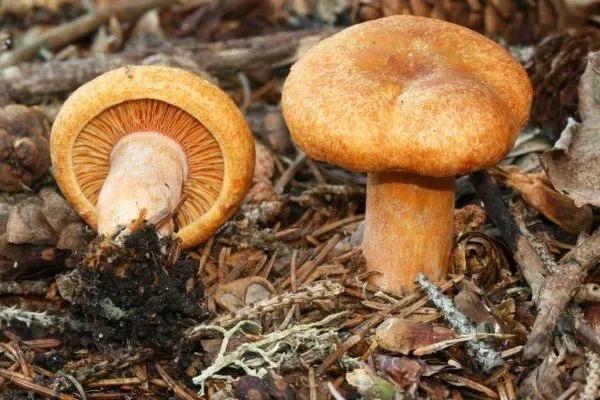
Spruce saffron milk cap
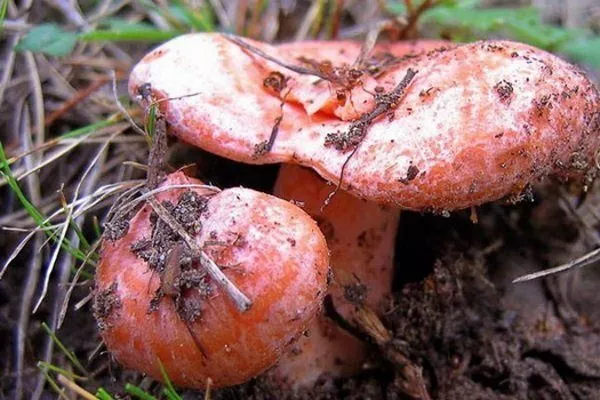
Red saffron milk cap
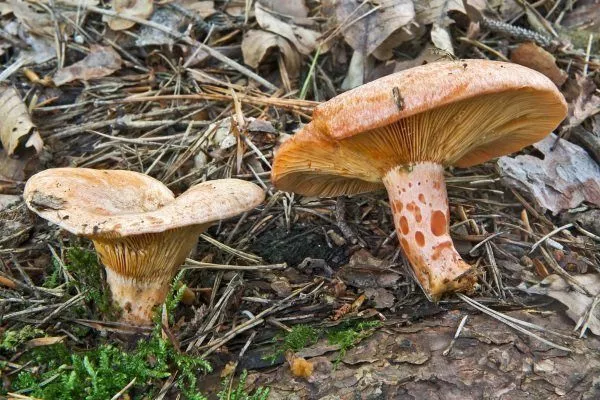
Japanese saffron milk cap
Considered a delicacy, they can be salted, fried, pickled, and dried. Soaking is not necessary; rinsing with boiling water is sufficient.
Aspen mushrooms
It got its name from its tendency to settle near aspen trees, where it's most often found. It also owes its color to its resemblance to aspen foliage. Young mushrooms have caps resembling a thimble, and stems resembling pins, with small brown or black scales. It's also known as the lucky mushroom or the redhead.
Where and when do they grow?
It grows in the forests of Europe, Asia, and North America. They are found not only under aspen trees, but also near spruce, birch, oak, beech, poplar, and willow. Both clusters and solitary mushrooms can be found. The harvest time varies depending on the species: spike mushrooms grow in June-July, harvest mushrooms from July to September, and deciduous mushrooms from September-October, right up until the first frost.
Collection calendar
- Kolosoviki: first ten days of June – mid-July
- Harvest fields: third ten days of July – end of August
- Deciduous season: early September – first frosts
Are there any varieties?
There are several common species of aspen mushroom.
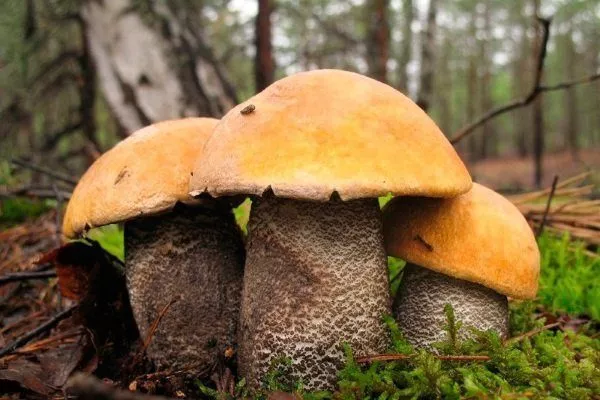
- Red. Or harvestweed. It grows under aspen, poplar, willow, birch, and oak trees. The cap is smooth, ranging in color from reddish-brown to rust-colored. The stem is covered with grayish-white scales.
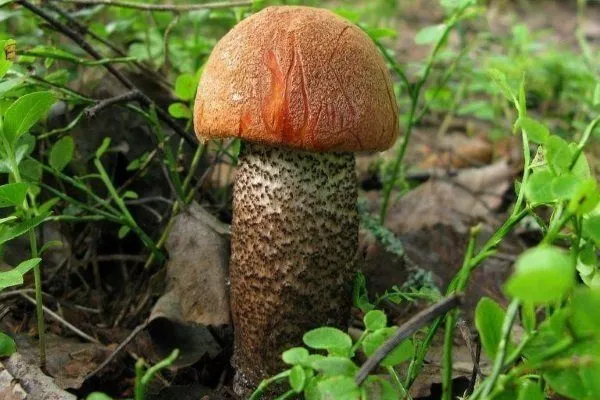
- Yellow-brownOr a spikelet. The cap is yellow, and the characteristic feature is that the flesh turns pink at the cut, then purple, and turns green at the stem.
- SpruceOr deciduous. The stem is cylindrical, covered in scales, and the cap is brown, slightly overhanging the edge.
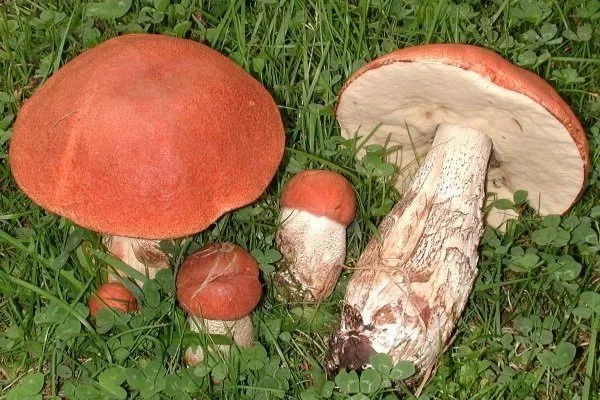
Red aspen mushroom
Yellow-brown aspen mushroom
Spruce aspen mushroom
Considered a nutritious mushroom, it can be boiled, fried, dried, and pickled. The cap isn't the only part of the mushroom you can use, but mushroom pickers consider the stem to be tough.
The aspen mushroom has no poisonous relatives. The main thing is not to confuse it with the bitter mushroom. A distinctive feature is that the poisonous mushroom turns pink or brown when broken.
Boletus mushrooms
Named for its tendency to settle near birch trees, there are over 40 species. Young mushrooms have white caps, while older ones are dark brown. They resemble a ball, gradually becoming pillow-like. The stem is gray or white.
Where and when do they grow?
Boletus mushrooms grow both in groups and singly, preferring deciduous or mixed forests. They are found in many countries, even in tundra and forest-tundra, near dwarf birches. They prefer sunny spots, forest edges, and clearings. They grow from spring to mid-autumn.
Are there any varieties?
Birch boletes are divided into types, taking into account the places where they grow.
- Ordinary. The cap is brown or red, the stem is white.
- BlackThe stem is thick, short, with gray scales, and the cap is dark. A very rare mushroom.
- TundraThe cap is light, the stem is beige.
- SwampPrefers moisture. The cap is light brown, the stem is thin.
- PinkingThe cap is brick-red in color, the stem is thick and crooked.
- Grey birch bolete (or hornbeam)The color of the cap varies from ash and brown-gray to white or ocher.
- HarshIt comes in many shades, from gray to brown or purple. Young mushrooms are covered with scales, while older ones have a smooth cap. The stem of the cap is white and creamy underneath.
- Checkered (or blackening)Characteristic feature: when cut, the flesh turns red, and then black.
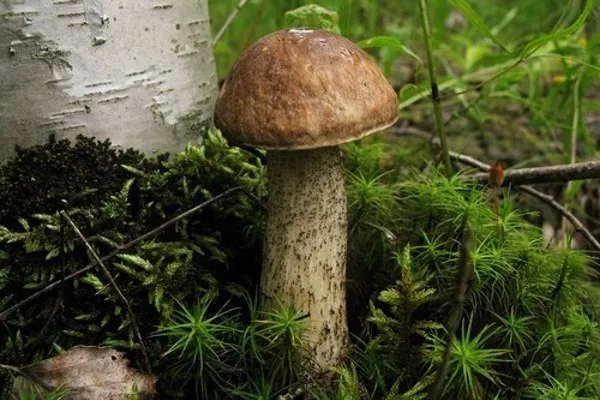
Common birch bolete
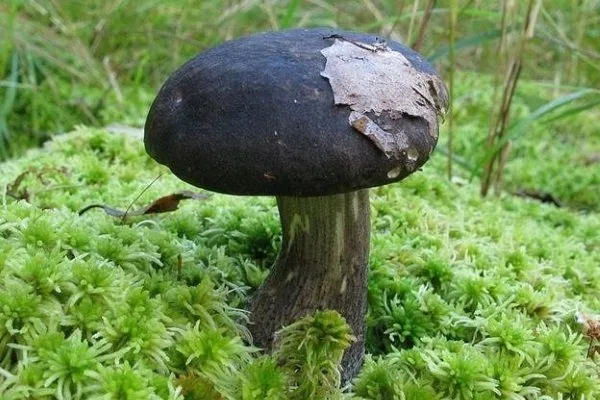
Black birch bolete
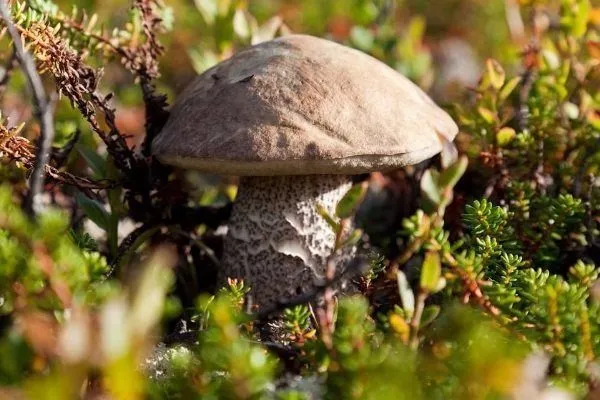
Tundra birch bolete
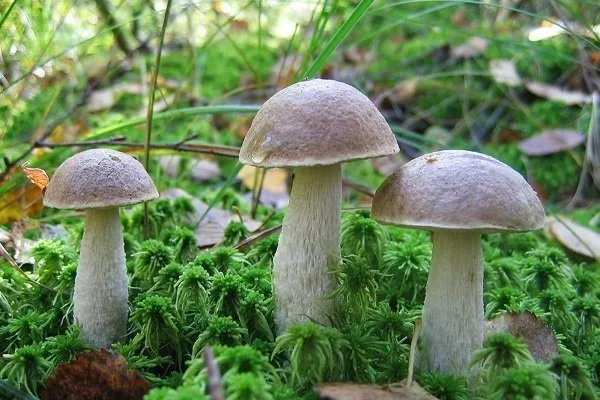
Marsh birch bolete
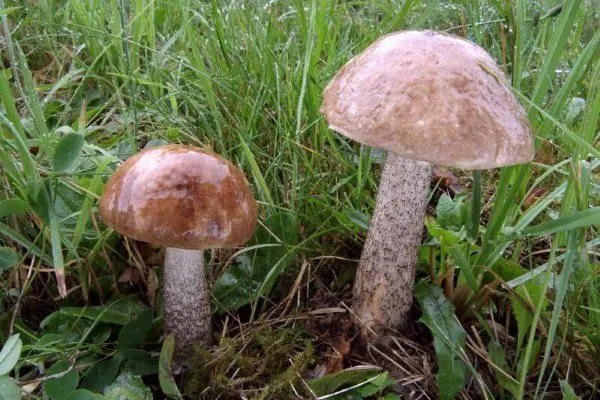
Pinking birch bolete
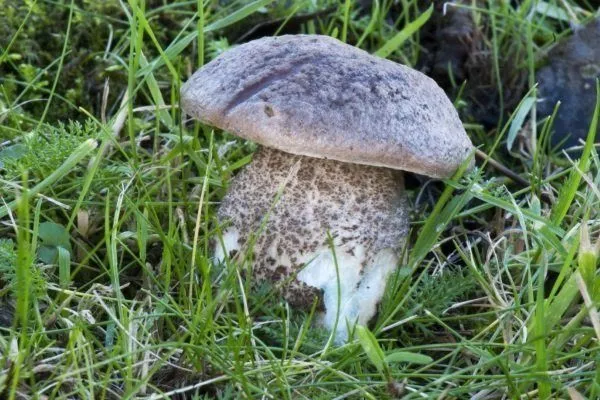
Grey birch bolete
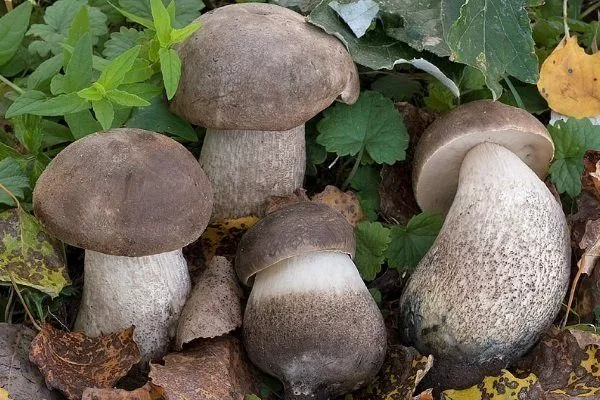
Hardy birch bolete
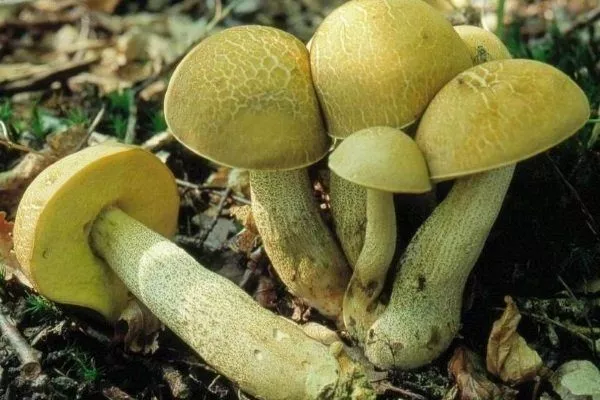
Birch boletus
Boletus mushrooms are fried, salted, and pickled; they are ideal for diets because they are low in calories.
The birch bolete's twin is called the gall mushroom. It has a white-gray cap and a gray stem, and is distinguished by its bitter taste. Its distinguishing feature is the absence of worms.
Butterlets
Mushroom pickers highly prize butter mushrooms, so affectionately called because of the shiny, sticky skin on their caps. In Belarus, they are called "maslynik," in Ukraine "maslyuk," in the Czech Republic "maslyak," in Germany "butter mushroom," and in England, "slippery Jack." Young mushrooms have a cone-shaped cap, while older ones resemble a pillow. The color ranges from yellow to brown. The stem is white or matches the cap.
Where and when do they grow?
These mushrooms are found in Europe, Asia, and North America. They prefer coniferous trees, but also grow near birch and oak trees. The season is from early summer to mid-autumn.
Are there any varieties?
Types of butter mushrooms are divided according to their appearance.
- White. The cap is initially convex, then flat, the stem is yellowish, with a white bottom.
- GrainyYoung mushrooms have a convex cap; older ones have a pillow-like shape, and are yellow-orange in color. The stem is brown, with brown spots.
- Yellow-brownThe cap shape also varies from convex to plump, and the color is olive. In older mushrooms, it turns yellow.
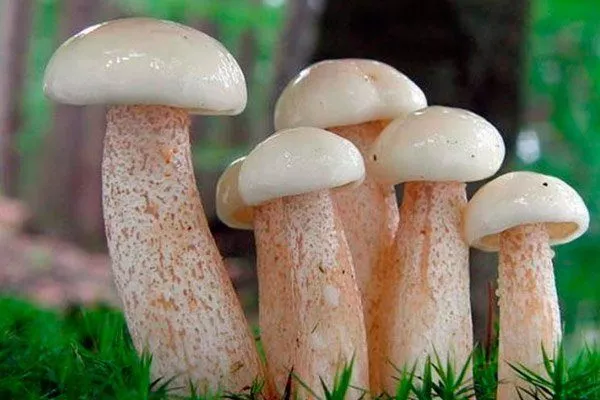
White butter mushrooms
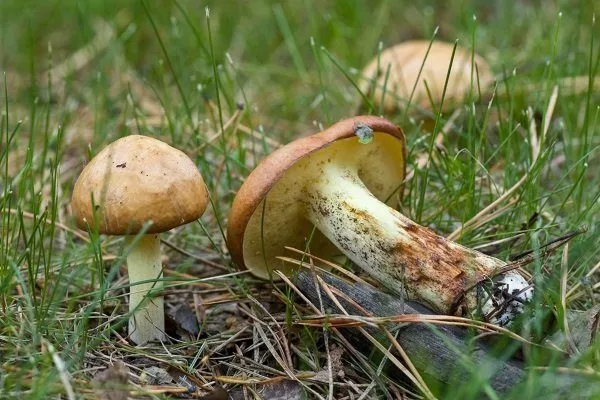
Butter grains
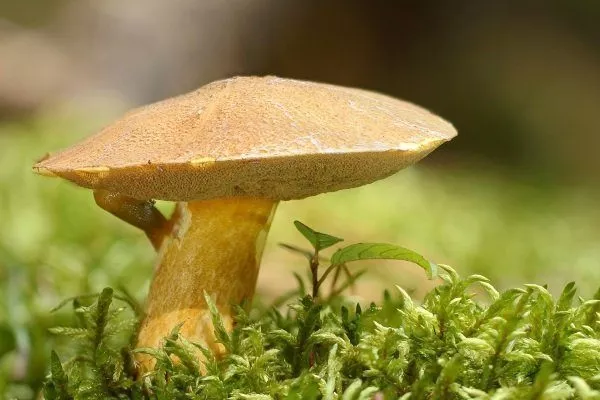
Yellow-brown butter mushrooms
Butter mushrooms contain many useful substances; they can be stewed and salted.
Butter mushrooms are often confused with the pepper mushroom, also known as the moss mushroom or perchak. They are brownish in color, with yellow stem flesh. They have a strong peppery flavor.
Russula
Russula mushrooms are a popular picking item; there are about 60 species in Russia alone. They were named so because they were once often eaten raw. The cap is initially spherical, then flattens, and turns greenish-brown. The stem is white with a yellow tint.
Where and when do they grow?
Russula mushrooms are found in Europe, Asia, and America, preferring coniferous and deciduous forests and can be found on swampy riverbanks. They appear in late spring and delight mushroom pickers until late fall.
Are there any varieties?
There are many types of russula, but the differences between them are subtle. The following are distinguished:
- Green
- Stormy
- Yellow
- Golden
- Red
- Green-red
- Bluish
- Food
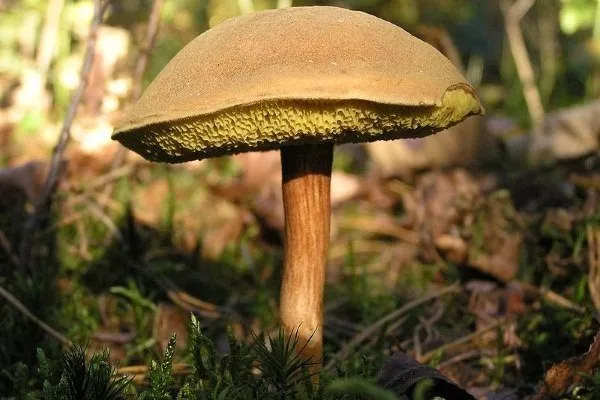
Green russula
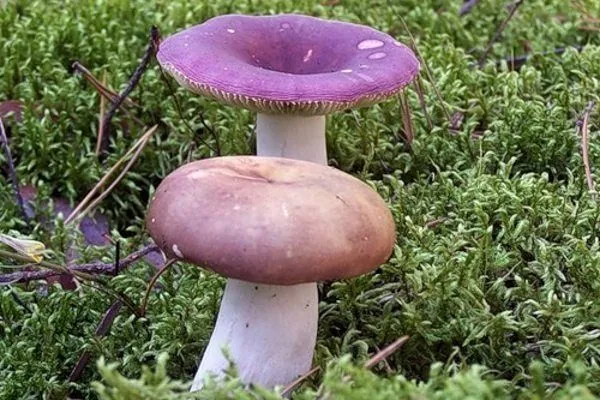
Russula russula
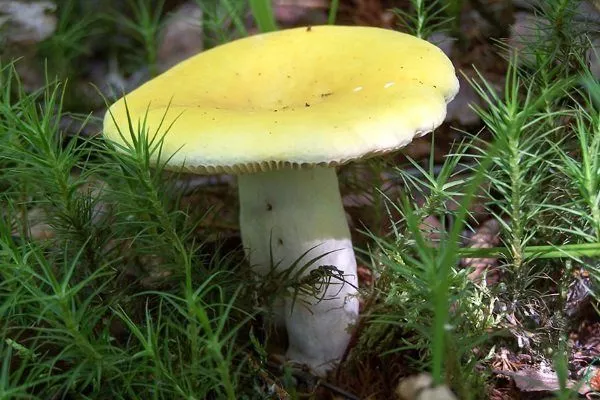
Yellow Russula
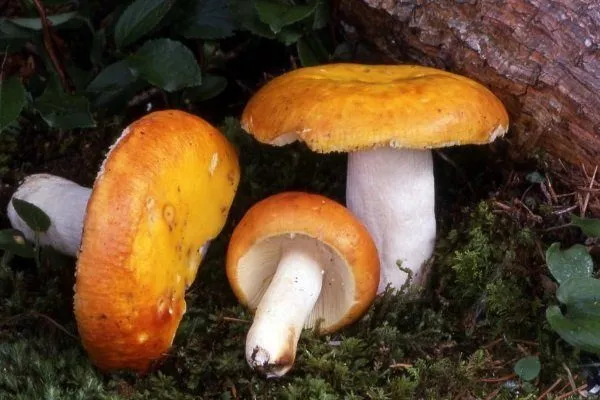
Russula aurea
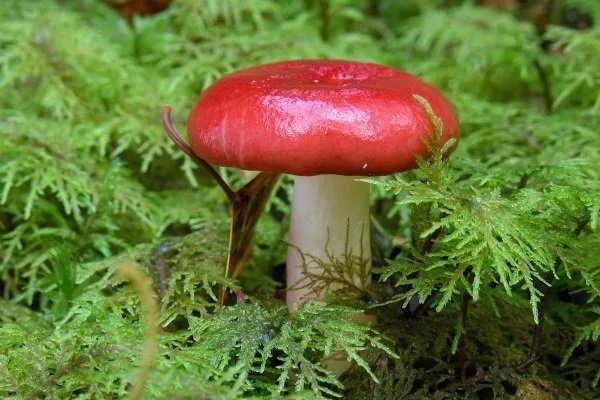
Red russula
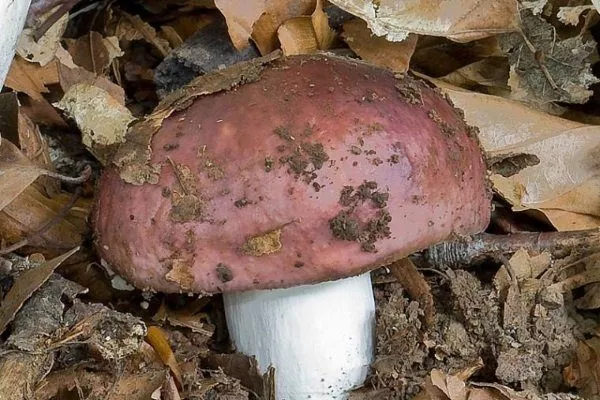
Russula spp.
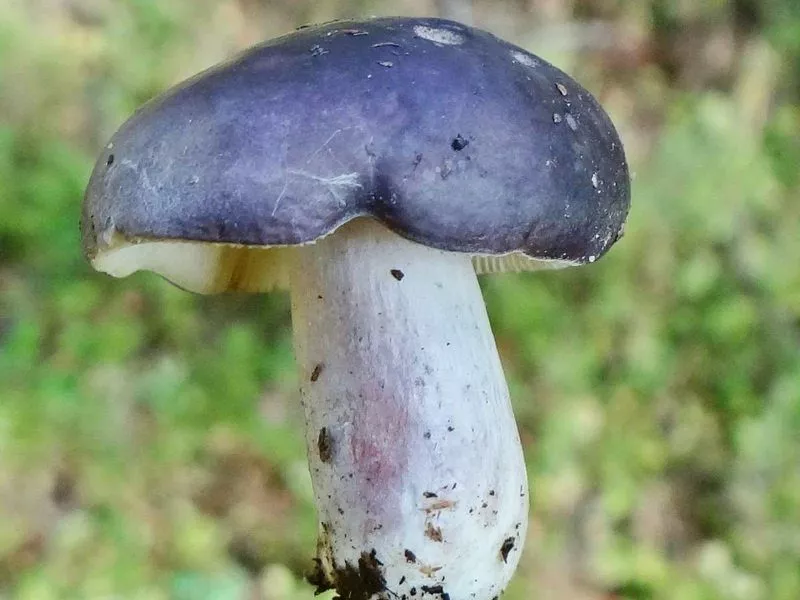
Blue russula
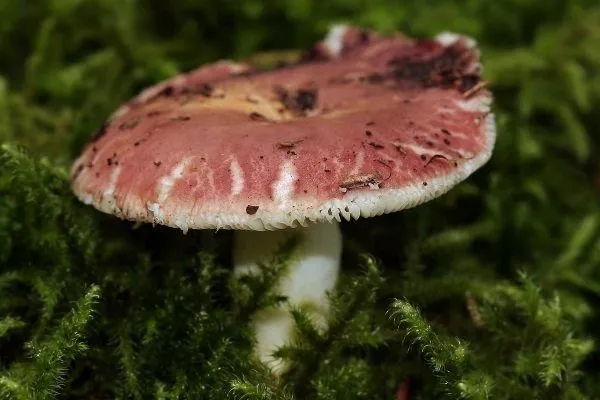
Edible russula
Russula mushrooms have bitter flesh, so they must be soaked and boiled for up to 10 minutes. They can also be salted or pickled.
The most dangerous lookalike is the death cap. Its cap can be olive or grayish. The main difference is that the death cap has gills, while the russula does not.
Oak trees
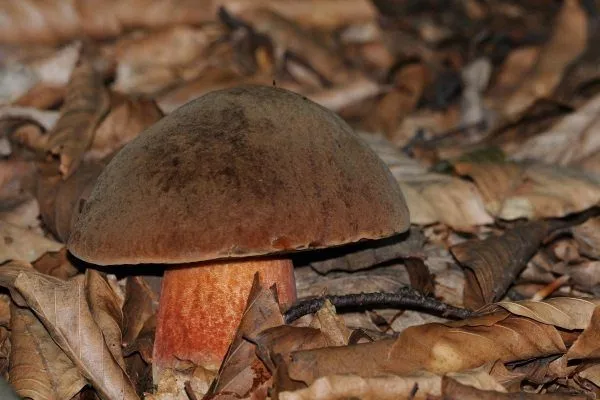
Also called "poddubnik" (literally, "small oak tree mushrooms"), they prefer to nest near the strongest trees. The cap is large, cushion-shaped in older mushrooms and spherical in younger ones. The color ranges from yellow-brown to gray-brown. The stem is yellowish and dark at the base. Some species have a dark mesh on the cap.
Where and when do they grow?
They got their name from their habitat, as they grow near oak trees and in deciduous groves. They are sometimes found near linden trees. They are harvested from May to June.
Are there any varieties?
There are two types:
- Olive brown. The cap is the same color, the stem is thickened, yellow-orange.
- MottledThe surface is velvety, the cap is chestnut-colored, sometimes reddish. It resembles a pillow. The stem is yellow-red, thickened at the base.
Umbrellas
Named for their resemblance to open umbrellas, they are considered a delicacy. The cap is ovoid or spherical, flattened in older mushrooms. Colors range from white to brown. The stem is cylindrical, hollow inside.
Where and when do they grow?
They grow in forests, especially in clearings, forest edges, forest glades, and fields. They can be found in all countries except Antarctica. The season is from mid-June to October.
Are there any varieties?
Umbrellas are divided into the following types.
- White. Young mushrooms have an egg-shaped cap; mature ones have a flat cap. A brownish tubercle forms in the center. The mushrooms are cream-colored, scaly, and the stem is hollow.
- ElegantThe cap is bell-shaped; in older mushrooms, it is flat and has a tubercle. The stem is white or light brown, with scales.
- ConradThe cap is thick in the center, semicircular in young mushrooms and convex in mature ones. The stem is solid, widening at the bottom.
- MastoidThe cap is bell-shaped, later becoming flat, the stem is hollow, with a thickening.
- MotleyThe cap is hemispherical, with a curved edge and a tubercle in the center. The color is brownish-gray. The stem is cylindrical.
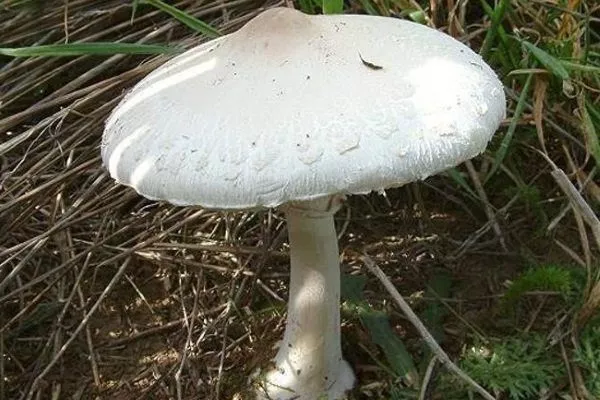
White parasol mushroom
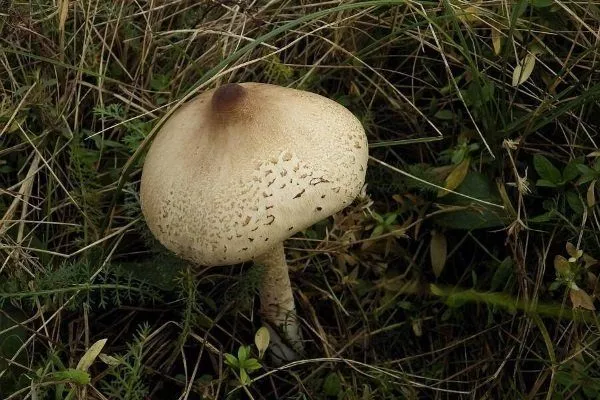
The graceful parasol mushroom
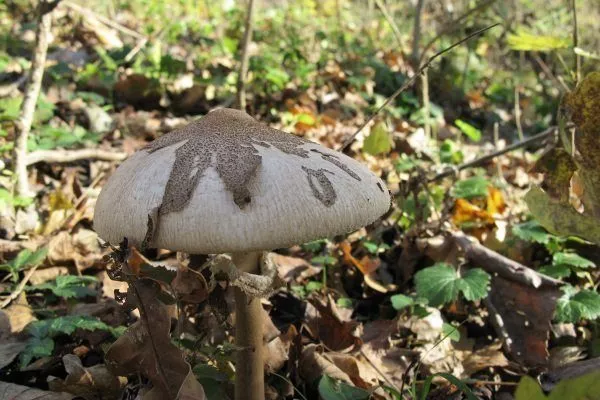
Conrad's parasol mushroom
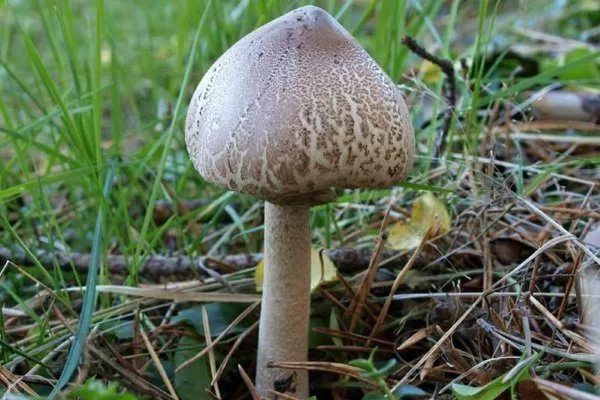
Parasol mushroom
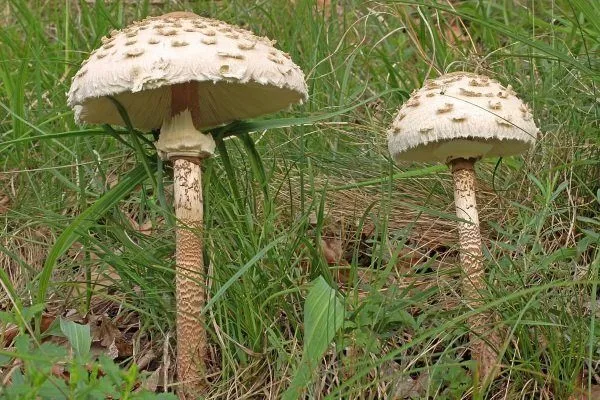
Parasol mushroom
Goats
Also known as the cow mushroom, the mullein mushroom, or the cow tongue mushroom, it often grows in pastures. The cap is orange-brown or brown, and initially convex, later becoming pillow-like. The stem is the same color; it's small and almost invisible beneath the mushroom.
Where and when do they grow?
The mushroom grows near pine trees and in swamps, either alone or in groups. It can be found in many countries, even in Japan. It is harvested from July to November.
Are there any varieties?
The closest relatives are considered to be butter mushrooms.
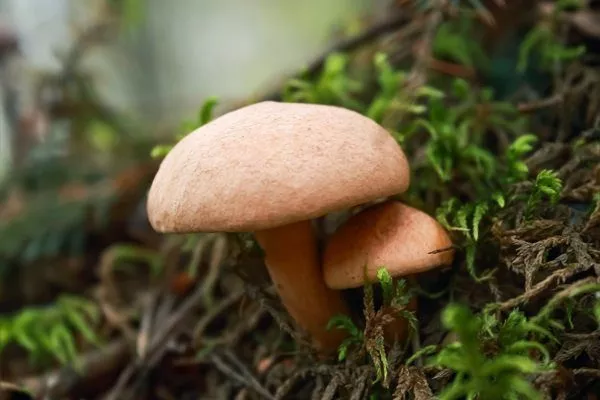
Kozlyak is a tasty mushroom that can be boiled, salted, marinated, and ground into powder for meat and sauces.
Talkers
Mushrooms are classified as edible and conditionally edible. The cap is large, spherical in young mushrooms and flattened in older ones. The color is ash-yellow. The stem is cylindrical.
Where and when do they grow?
They grow in many countries, in deciduous, coniferous, and mixed forests, often in groups. They love forest edges, meadows, even gardens and parks. The fruitful months are from late summer to November.
Are there any varieties?
It is important to distinguish poisonous talkers from edible ones, so you need to pay attention to their appearance.
- Bent overThe cap is bell-shaped; in older mushrooms, it is denser and light yellow. The stem is the same shade.
- Funnel-shapedThe stem is cylindrical, white, and smooth. The cap is initially flat, then funnel-shaped. The color is pinkish-ochre.
- FragrantThe top is convex, becoming deeper with age, with a small tubercle in the center. The stem and cap are blue-green. The flesh has a strong aniseed aroma and flavor.
- SnowyThe stem is reddish-cream, the cap is convex, with a white bloom, and the color is gray-brown. The flesh is creamy, with an earthy aroma.
- GroovedThe cap of a young mushroom is convex, while that of an older one is depressed. It is the same color as the stem—gray-brown.
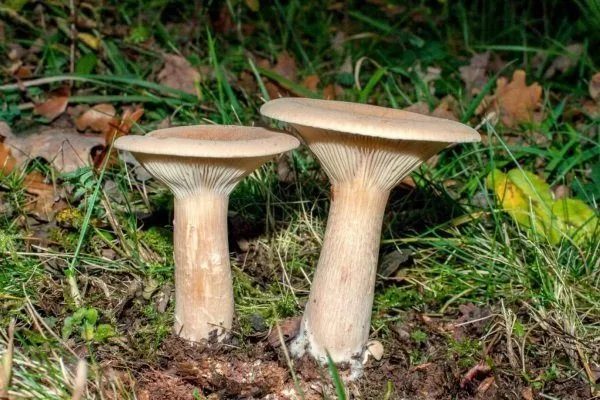
Bent-over talker
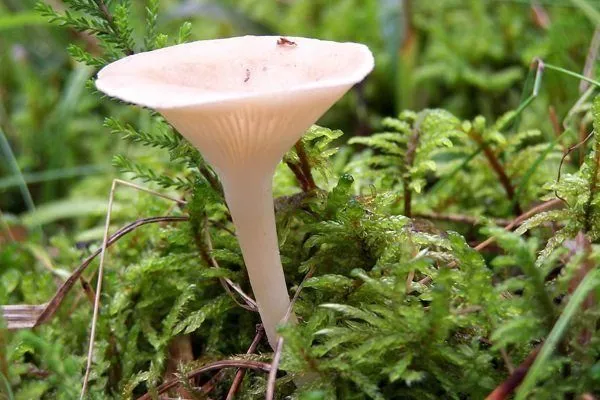
Funnel talker
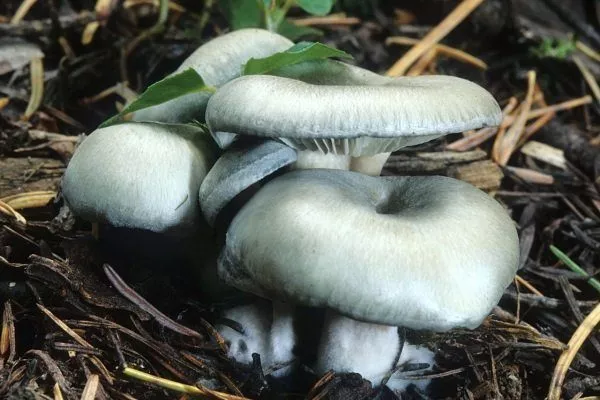
Smelly talker
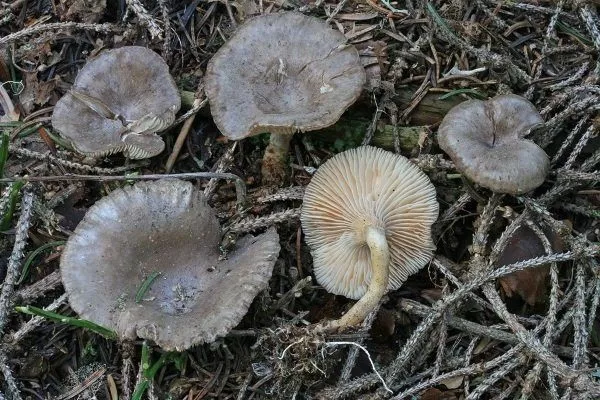
Snow talker
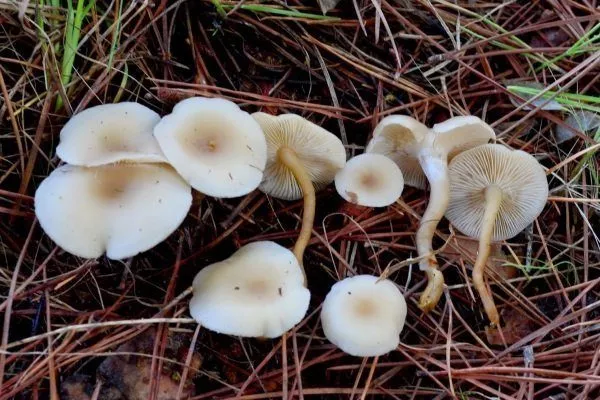
Grooved talker
Edible talkers are boiled, stewed, salted, pickled, and used as pie filling. However, only young mushrooms, which impart a strong aroma, are good.
Oyster mushrooms
Oyster mushrooms love trees, climbing high, and growing in clusters. Their caps are one-sided or round, with gills sliding down onto the stem. Their color ranges from dark gray or brown to ash-gray with a violet tint. The stem is white, cylindrical, and tapers toward the bottom.
Where and when do they grow?
Oyster mushrooms are found in temperate forests, growing near stumps and weak trees, preferring oak, rowan, and birch trees. They grow high off the ground and gather in clusters. The harvest is from September to December.
| Parameter | Wild | Cultivated |
|---|---|---|
| Hat size | 3-8 cm | 5-15 cm |
| Color | Gray-brown | Light gray |
| Pulp density | High | Average |
| Aroma | Bright | Weak |
Are there any varieties?
Oyster mushrooms are very similar to each other; there are several types.
- CoveredThe cap is greyish-brown or flesh-coloured, the flesh is dense, white, with the smell of raw potatoes.
- OakThe cap is white, cream, or yellowish, with densely growing gills. The stem is light and velvety.
- Horn-shapedThe stem is curved, tapering toward the bottom, and white-ochre in color. The cap is often funnel-shaped, with a wavy edge, cream-colored.
- Steppe (or white steppe mushroom)The cap is reddish-brown or brown, the stem is thickened, similar to a cylinder, white or ocher in color.
- PulmonaryThe cap has a thin edge, is convex and elongated, and is cream-colored. The stem is light.
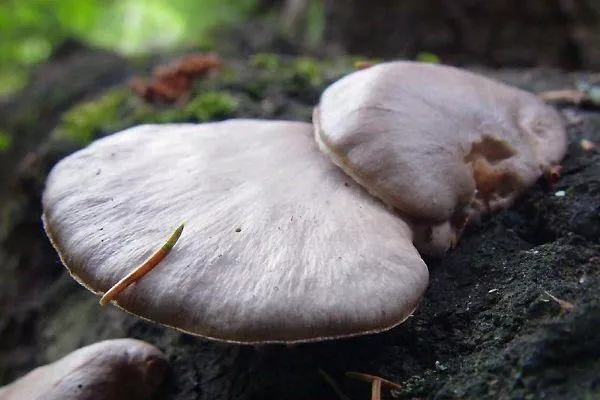
Covered oyster mushroom
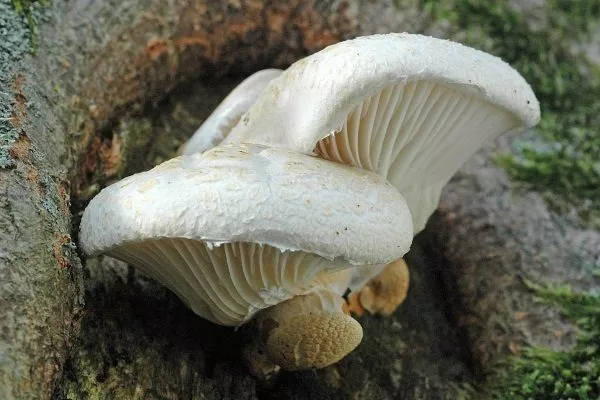
Oak oyster mushroom
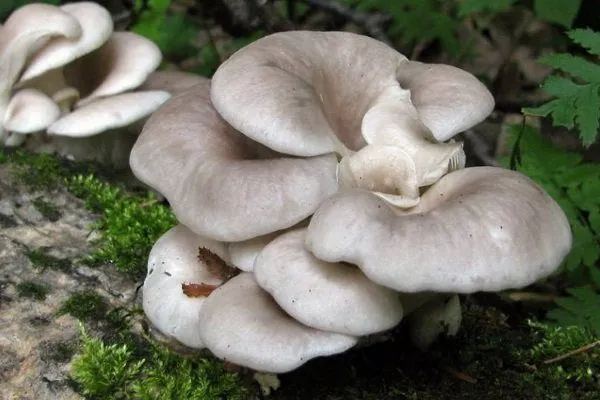
Oyster mushroom
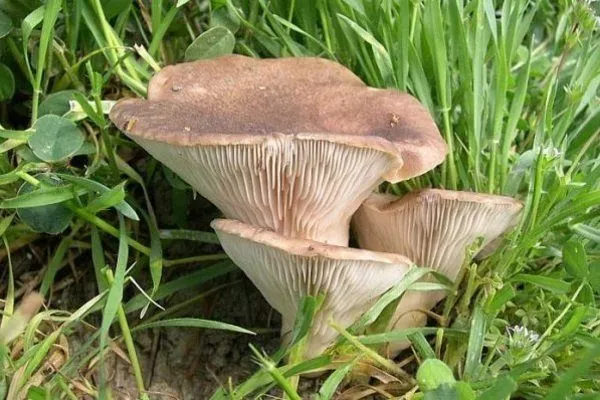
Steppe oyster mushroom
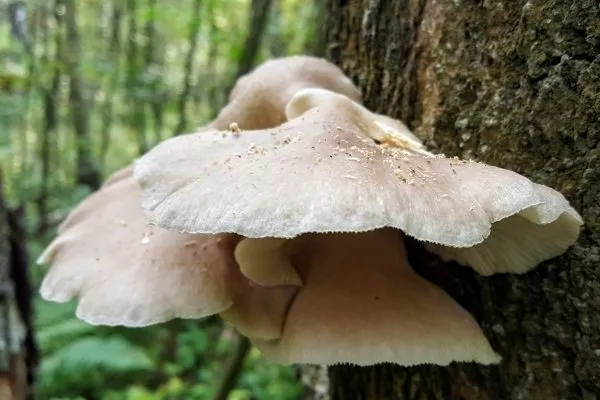
Oyster mushroom
Can be fried, boiled, canned, added to roasts and soups.
Oyster mushrooms are actively cultivated artificially; they grow well on almost all substrates containing cellulose and lignin.
Velvet boletus
The cap is spherical, later resembling a pillow. The cap color ranges from reddish-brown to dark brown. The stem is smooth, ranging in color from yellowish to reddish-yellow. There is a tubular layer.
Where and when does it grow?
It prefers deciduous forests and is found under oak and beech trees. It grows in groups from late summer to mid-autumn.
Are there any varieties?
Among them there are edible and inedible ones, which are important to distinguish from each other.
- Chestnut boletus (or Polish mushroom)The cap is convex, flattened in mature mushrooms, and brown or russet in color. The stem is brownish-yellow.
- CrackedThe cap is cushion-shaped, sometimes with a depression in the center, and ranges in color from crimson to ochre-gray. The stem is light yellow, red at the base.
- RedThe cap color is as the name suggests, the shape is convex and velvety. The stem is yellow-crimson.
- GreenThe cap is olive-brown, convex, and the flesh is light, the stem tapers towards the bottom.
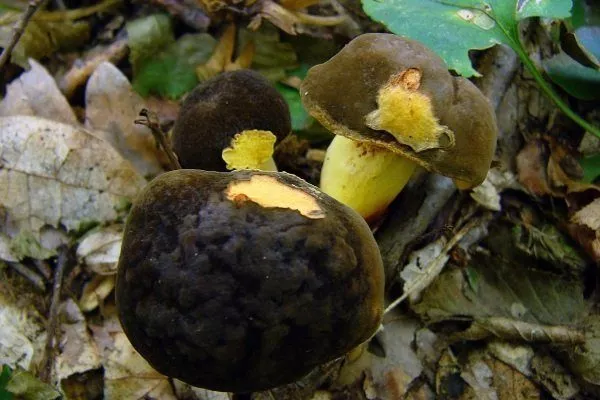
Velvet boletus
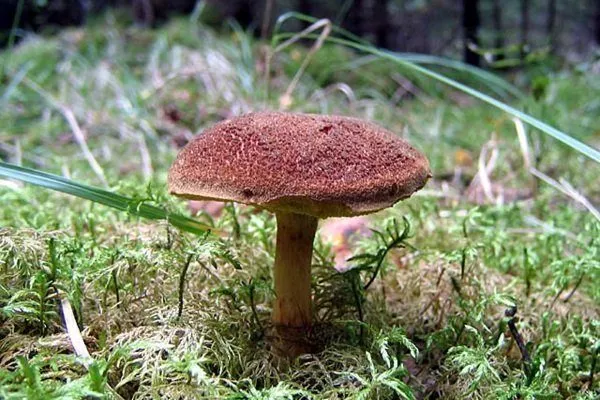
Chestnut boletus
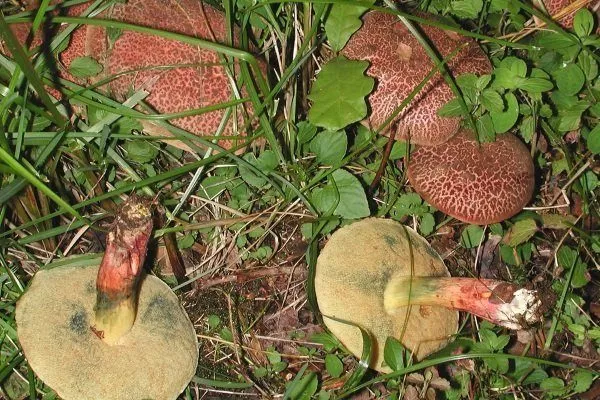
Fissured boletus
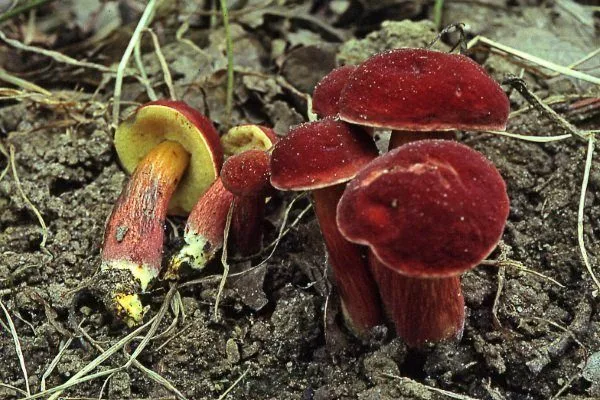
Red boletus
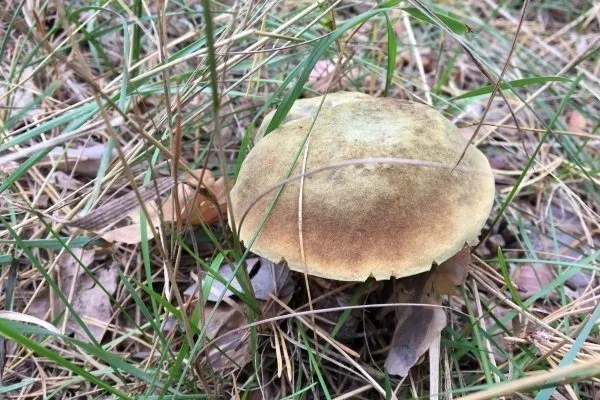
Green boletus
Forest champignon
The word translates from French as "mushroom." The cap is dense, smooth, sometimes scaly, and ranges in color from white to brown. The stem is smooth, with a two-layered ring.
Where and when does it grow?
They grow in well-rotted soil, on dead trees, and anthills. Various species are found in forests, grasslands, and fields. They prefer steppe and forest-steppe habitats, and can even be found in prairies and pampas. Harvesting begins in May and continues until mid-autumn.
Are there any varieties?
There are several types of champignons, which are divided by shape.
- Ordinary. Or pecheritsa. The cap is spherical, with a curled brim, white or brown. The stem is the same color, with a large, light-colored rim.
- CrookedThe cap is egg-shaped, gradually flattening. The color is creamy and thickens at the base.
- FieldThe cap is shaped like a bell, with a curled edge, and is cream-colored. The stem is the same color, decorated with a ring.
- BernardThe cap is convex, grayish, smooth, the stem is dense and light.
- Two-sporeThe cap is round, with a rolled edge, and ranges in color from white to brown. The stem is smooth, with a ring.
- Double-ringThe top is round, white, turning pink where broken. Double ring on the stem.
- Dark-fiberedThe cap is convex, with a tubercle, and is brown in color. The stem is lighter, with a white ring.
- Dark redConical shape, brownish-brown color, red flesh on the cut. White stem with a ring.
- ForestThe cap is spherical, light brown. The stem is the same color, with a ring.
- PorphyryThe cap is fibrous, lilac-purple, and the flesh has an almond aroma. The stem is white, with a ring.
- ElegantIt's bell-shaped, with a tubercle, and yellowish in color. The stem is the same color, and the flesh has an almond-like aroma.
- StockyThe cap is round, white, and smooth. The stem is club-shaped.
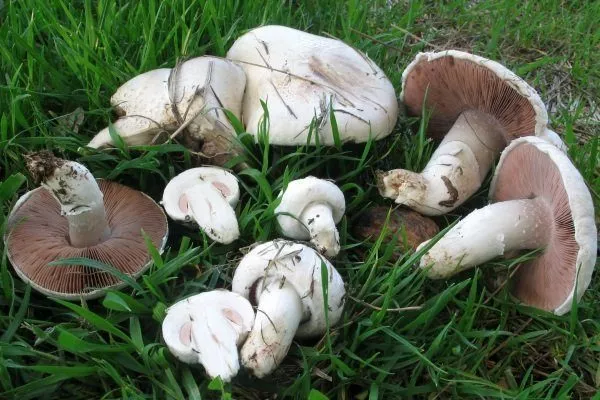
Common champignon
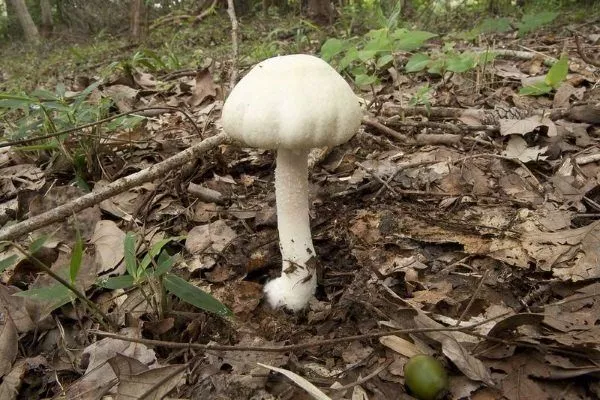
Champignon crooked
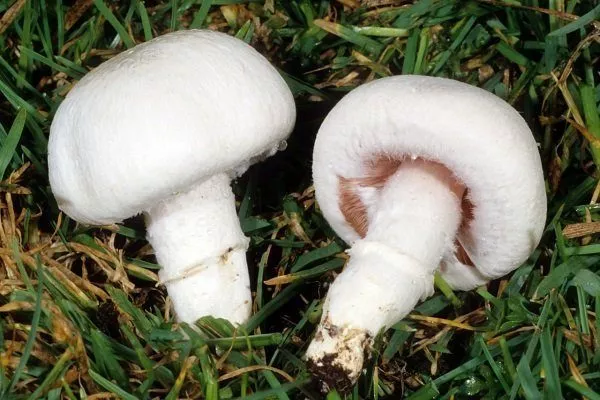
Field champignon
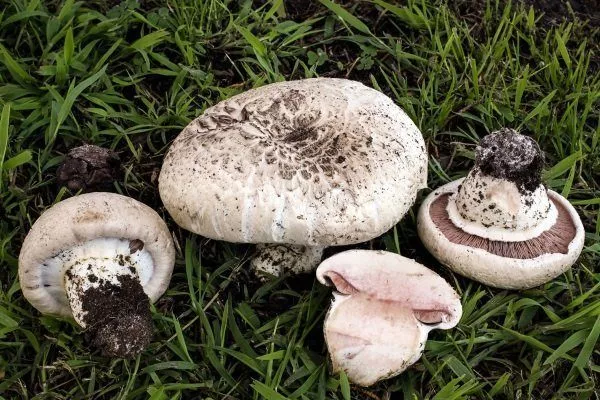
Bernard's champignon
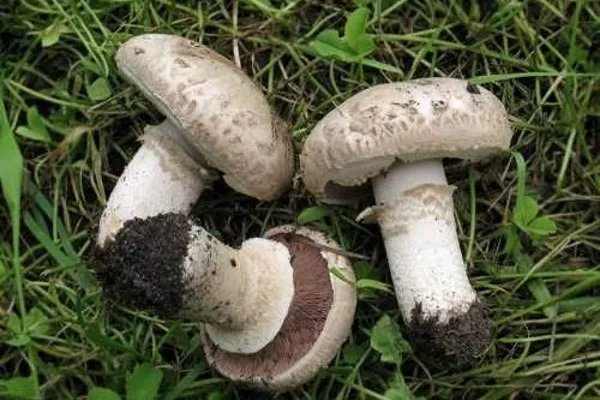
Agaricus bisporus
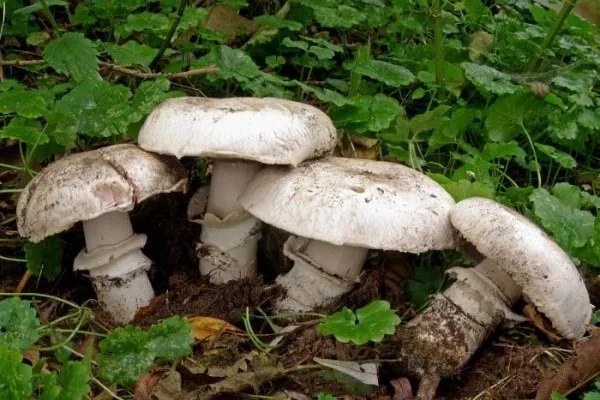
Two-ringed champignon
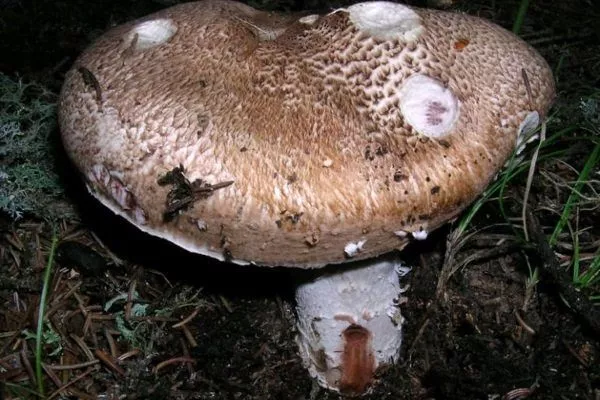
Champignon dark red
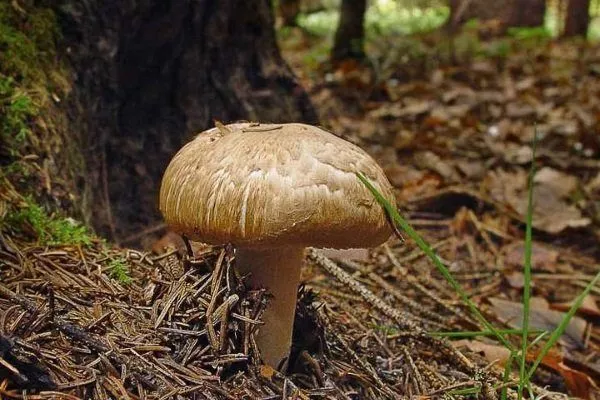
Forest champignon
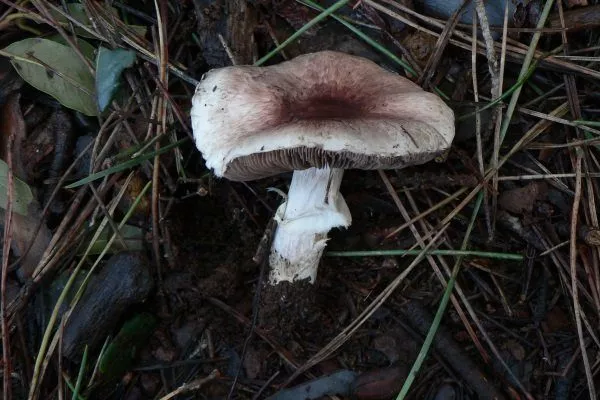
Porphyry champignon
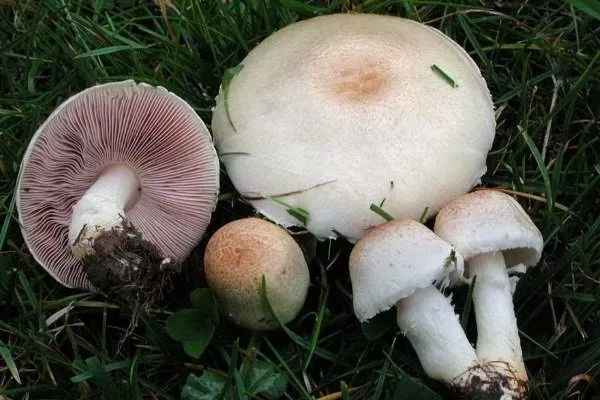
Champignon elegant
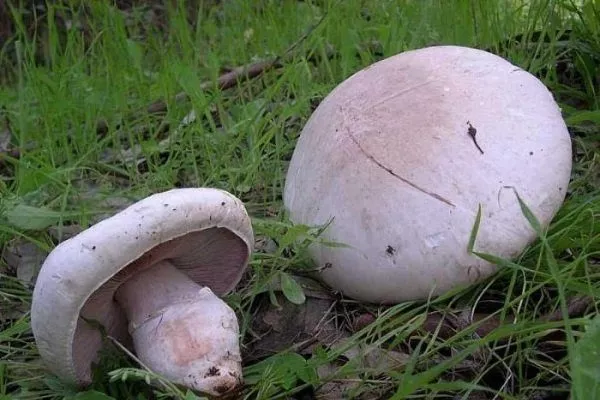
Champignon stumpy
Mushrooms are grown commercially in large quantities. They are fried, boiled, marinated, added to salads, and even eaten raw.
Hygrophorus
This mushroom is classified as a lamellar mushroom. Its cap is convex, tuberculate, and white, gray, yellow, or olive in color. The gills are thick, light-colored, and sometimes pink or yellow. The stem is solid, the same color as the top.
Where and when does it grow?
They grow in deciduous or mixed forests, near beech and oak trees. They are hidden up to the cap in moss. They are often found in large groups. They appear in September and can be found until the first snow falls.
Are there any varieties?
- FragrantThe cap is convex, with an inverted edge, and comes in yellow, white, and gray. The pulp has an anise-like aroma, and the stem is white.
- Yellowish-whiteAlso known as the ivory wax cap or cowboy handkerchief, it becomes slimy during rain and feels like wax to the touch.
- EarlyAlso known as the March or snow mushroom, the cap is gray when young and blackish when mature. The stem is curved and has a silvery sheen.
- Olive-whiteMature mushrooms have a spherical cap, olive-brown in color. The stem is the same color and resembles a spindle.
- RussulaThe cap gradually becomes convex, with an inverted edge; in young mushrooms it is pink, and in mature ones it is dark red. The stem is white, with pink spots.
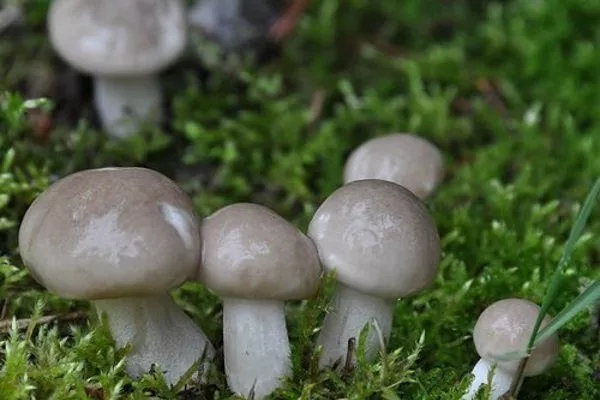
Hygrophorus aromaticus
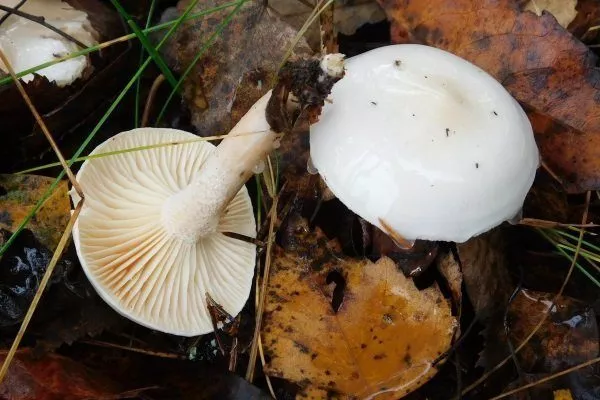
Hygrophorus yellowish-white
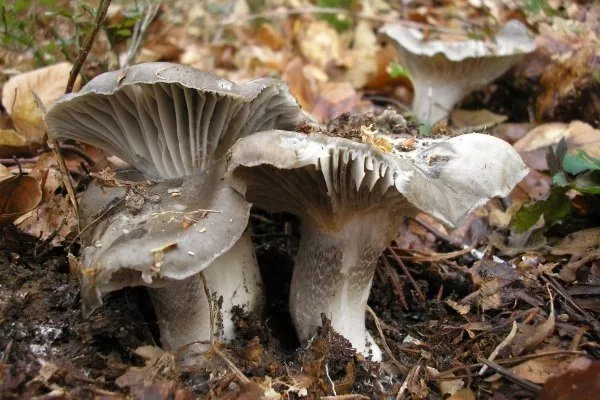
Early hygrophorus
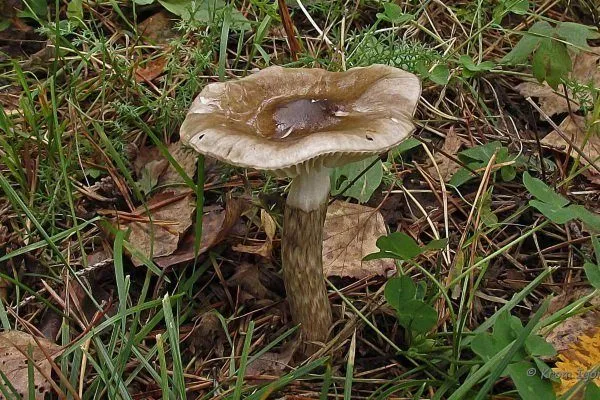
Hygrophorus olive-white
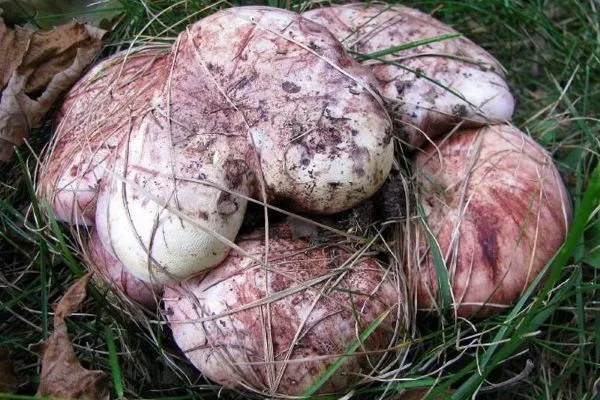
Russula hygrophorus
Hygrophorus is profitable to harvest; its flesh is firm, doesn't soften, and has a delicate flavor. It's suitable for both frying and marinades. The slimy film must be scraped off, as it spoils the flavor.
Golden scalycap
The cap is spherical, bright yellow, with reddish scales. The stem is scaly, yellow-brown, and in young mushrooms, has a fibrous ring.
Where and when does it grow?
They grow in deciduous forests and on deadwood, and can be found in many countries, even Japan. They gather in groups and appear from spring to autumn.
Are there any varieties?
There are no similar species.
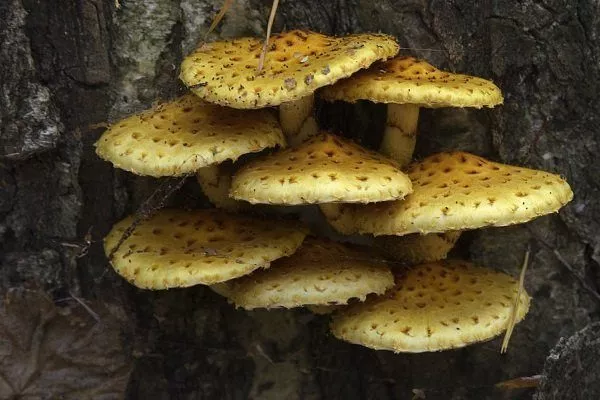
Hairy scaly cap
It's considered a low-quality edible mushroom due to its tough flesh and bitter taste. The cap changes shape from spherical to convex, with protruding ochre-colored scales. The stem is rusty-brown underneath, with similar scales. The flesh is white or yellowish.
Where and when does it grow?
It grows in various forests, on both dead and living trees, including fallen trees. It prefers birch, aspen, and spruce. It gathers mostly in groups and can be found from July to October.
Are there any varieties?
No similar species have been noted.
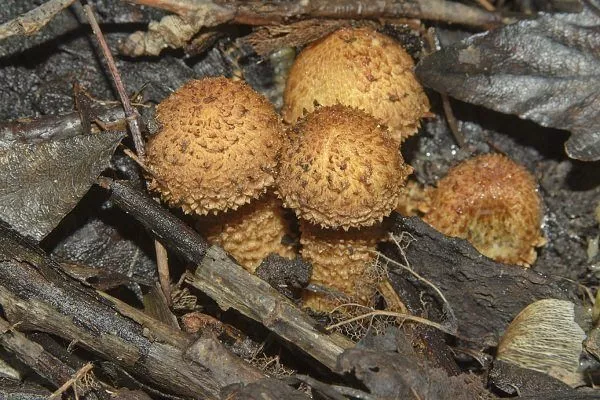
Due to its toughness, scaly mushrooms are rarely cooked, but the toughness can be reduced by boiling. They are suitable for fillings, stewing, and pickling. It is recommended to use only the caps; the stems are too tough.
Raincoat
It got its name because it grows vigorously after rain. It has many names: bee sponge, hare potato, and when ripe, the mushrooms are called porkhovka, "grandfather's tobacco," and devil's tavlinka.
The mushroom's stem resembles a club, the cap is spiked, and the stem is very small. Older mushrooms are not white, but brown or ochre in color.
Where and when does it grow?
They are found in coniferous and deciduous forests on all continents except Antarctica. The best time to harvest them is from June to September. However, it's important to remember that these mushrooms should not be picked in damp weather, as after a few hours they become mushy and inedible. Old mushrooms also lose their flavor, becoming cottony.
Are there any varieties?
There are several edible species:
- Spiky or pearlyIt resembles a club in shape and is white or greyish in colour.
- Meadow. It resembles a ball, white on top, with a flattened top.
- Pear-shaped. It resembles this fruit; it's white in color, and the flesh of older mushrooms is olive-colored. Scientists have discovered substances in its composition that inhibit tumor growth.
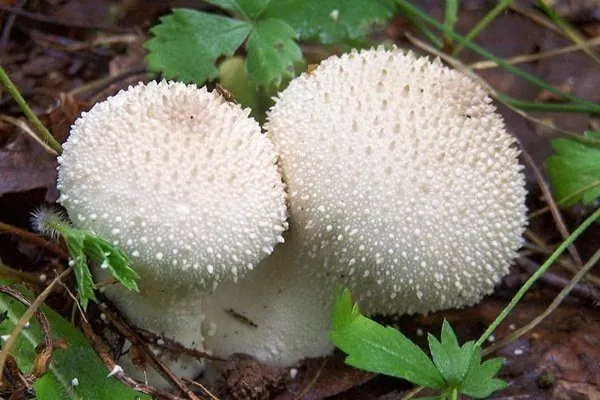
Prickly puffball
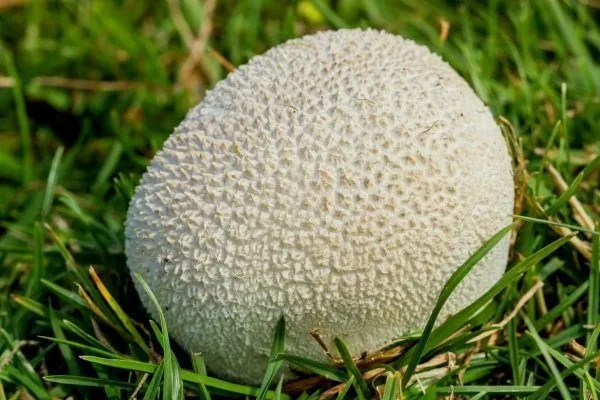
Meadow puffball
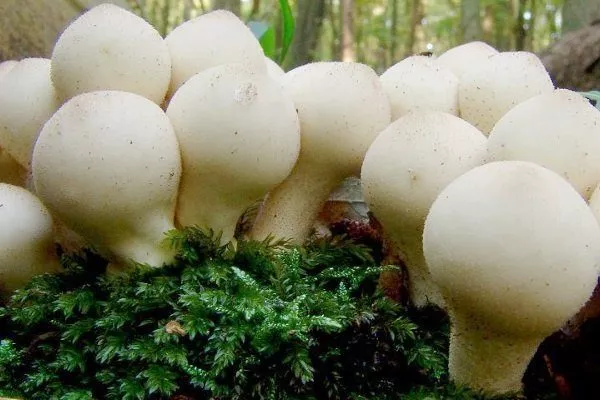
Pear-shaped puffball
Ringed cap
Also known as the swamp mushroom, the chicken mushroom, the dull rose mushroom, and the Turkish mushroom. It resembles a brown cap, with a spherical cap that is flattened in older mushrooms. The stem is dirty white, with a membranous ring. The flesh is white.
Where and when does it grow?
It's found in foothill and mountain forests throughout Europe, and even in Japan and as far north as Greenland and Lapland. The highest altitude is 2,000 meters above sea level. It nests near birch and deciduous trees, growing from August to September.
Are there any varieties?
It's similar to the early vole and the rough vole. The difference is that they are smaller and the flesh is bitter.
White truffle
Considered a rare edible mushroom, its taste is reminiscent of meat. The later they are picked, the tastier they are. It's the most common species in Russia, but it's not considered a true truffle. It's flattened in appearance, with a yellowish-brown cap.
Where and when does it grow?
It prefers coniferous forests, especially young trees. It hides in hazel groves, under birch and aspen trees. It is rarely seen, and not even every year. White truffles are harvested from August to September.
Are there any varieties?
No similar species have been noted.
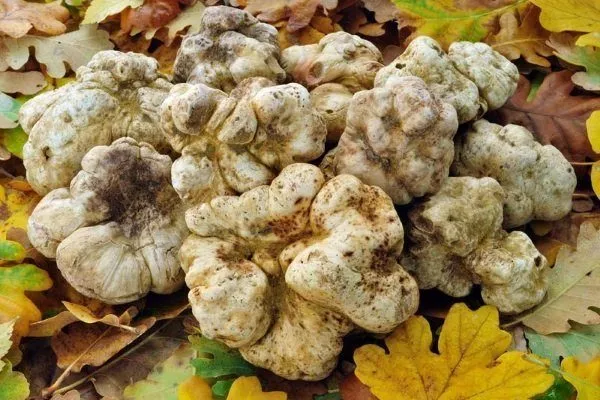
Grifola crispa
It's also known as the ram mushroom, the leafy polypore, the maitake, and even the "dancing mushroom." It resembles a ram, with a dense cluster of caps and small stems. Its color is gray-greenish or gray-pinkish. The flesh has a nutty aroma.
Where and when does it grow?
It grows in deciduous forests, nesting near oaks, maples, and lindens, on stumps, and, less commonly, on living trees. The season is considered to be the months from mid-August to September.
Are there any varieties?
Only two related species are noted:
- Grifola umbellataA cluster of small, round caps on trees.
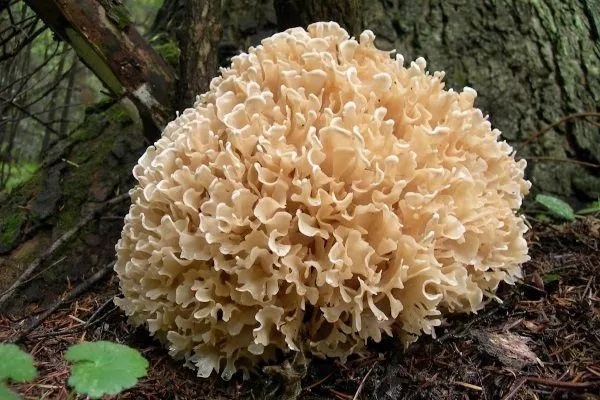
- Sparassis crispa (or mushroom cabbage)It resembles a yellow-and-white head of cabbage with delicate leaflets. It grows on coniferous trees.
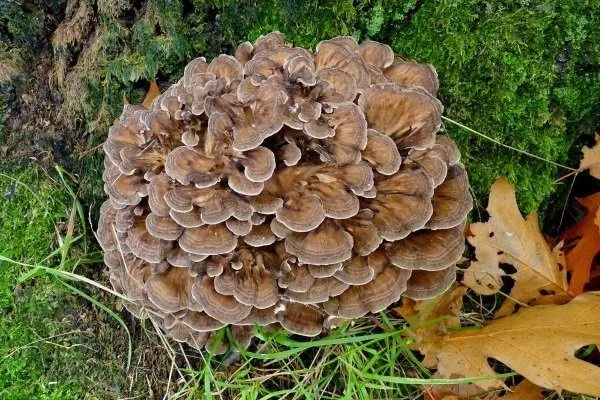
Grifola crispa
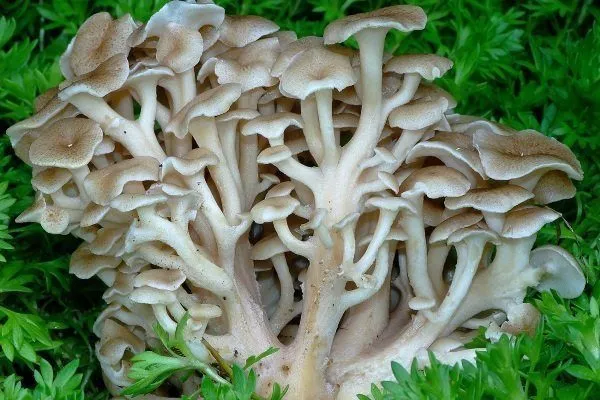
Grifola umbellata
Sparassis crispa
Caesar's Amanita
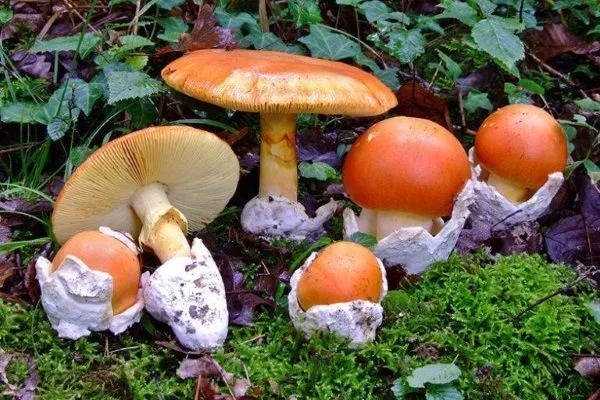
Also known as the Caesar's mushroom, this delicious edible mushroom was prized even in ancient times. Translated from Latin, it means "mushroom from Mount Aman," a type of mushroom native to the ancient Roman province. Young mushrooms have a round cap; mature ones have a convex one. The color is orange or red. The gills are orange, and the stem is light yellow.
Where and when does it grow?
It grows in open forests, under chestnut and oak trees, and sometimes nests near beech, birch, and hazel groves. It is found in many European countries and is listed in the Red Data Books of Ukraine and Germany. Caesar's mushrooms are harvested from June to October.
Are there any varieties?
Other edible fly agaric species include:
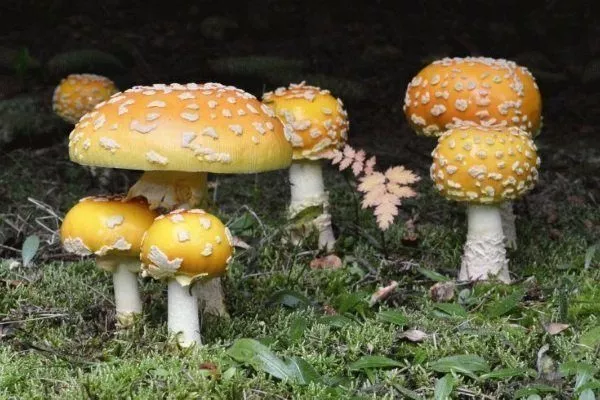
- Pearl or pinkThe cap is reddish-brown, the stem is pink.
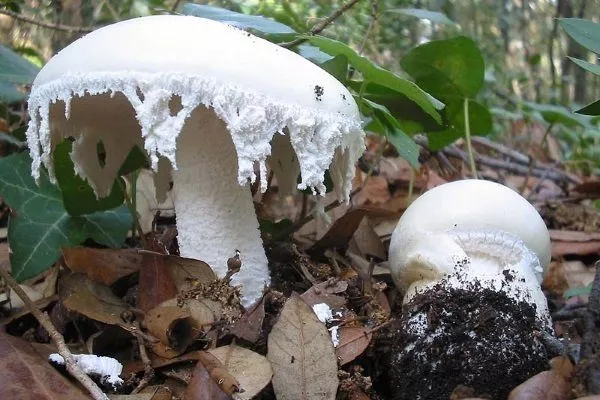
- OvoidThe cap resembles an egg, stretched out in mature mushrooms. The stem is white, with a mealy coating.
Caesar's Amanita
Amanita pearl
Amanita ovata
Cobweb
Also known as the marsh mushroom, the cap can be cone-shaped, convex, or flat, and come in a variety of shades: yellow, brown, dark red, brown, and purple. The stem is cylinder-shaped and the same color as the cap.
Where and when does it grow?
It prefers damp places and thrives in all types of forests. It is often found in swamps. It grows from late summer to mid-October.
Are there any varieties?
It includes both edible and inedible species.
In the first list:
- Bracelet-shapedThe cap is convex, yellow-red, the stem is gray-brown.
- Blue-stemmedThe cap is convex; in mature mushrooms it is flat, brown or yellow. The stem is purple or white.
- ExcellentA rare mushroom. The cap is purple, gradually turning brown. The stem is pale brown or white-ochre.
- Reddish-oliveLittle known. The cap is spherical, initially purple, then reddish-brown. The stem is purple.
- TriumphalThe cap resembles half a sphere, the color ranging from bright yellow to reddish-brown. The stem is yellowish.
- VioletA bright, saturated color, convex, then pillow-like. The stem is the same color.
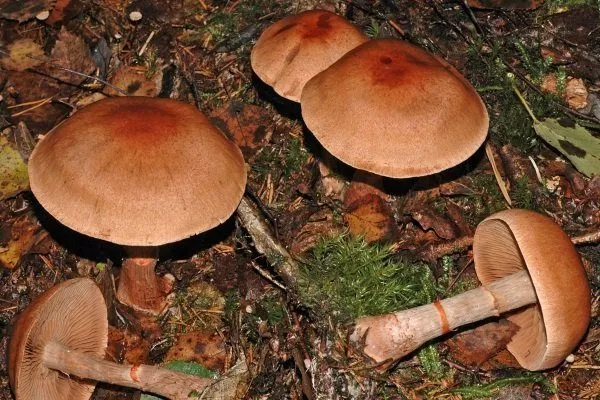
Bracelet-shaped cobwebcap
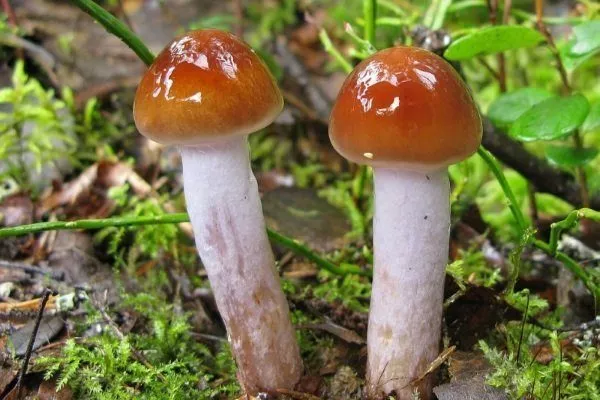
Blue-stemmed cobwebcap
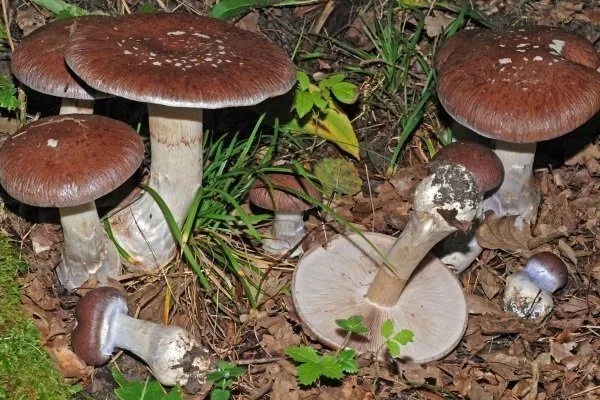
Cortinaria superb
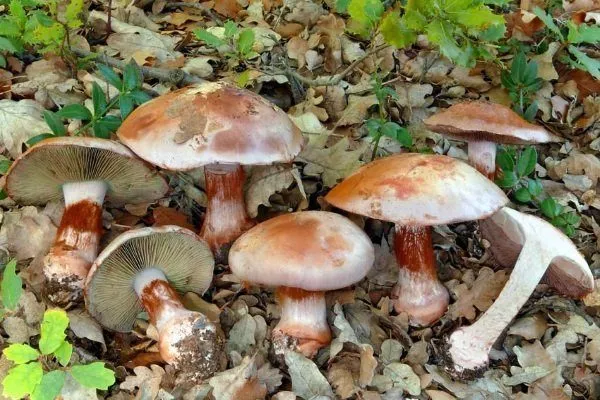
Cortinaria rufosa
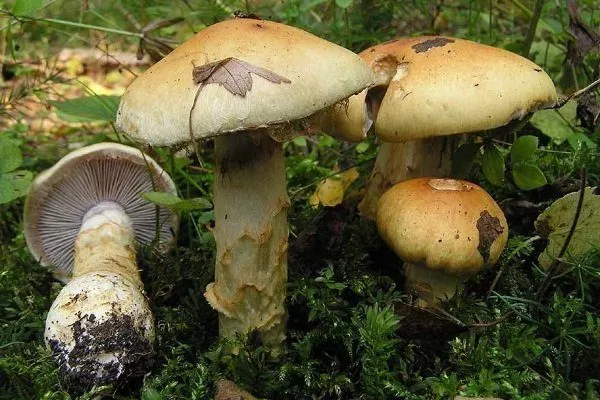
Cortinaria triumphans
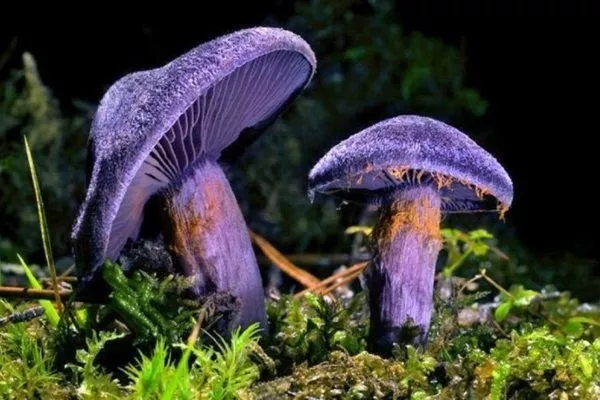
Purple Cortinaria
Semi-white mushroom
Also known as the yellow boletus, the cap is convex and, when mature, resembles a pillow. The color is yellow-reddish or light gray. The stem is yellow and remains the same color when cut.
Where and when does it grow?
It loves warmth and thrives in the south, in coniferous forests, especially under oak and beech trees. It prefers calcareous soils. It grows sparsely but densely. Its season is from late May to early autumn.
Are there any varieties?
Of the related species, two have been noted:
- White mushroom.
- Maiden's boletus.
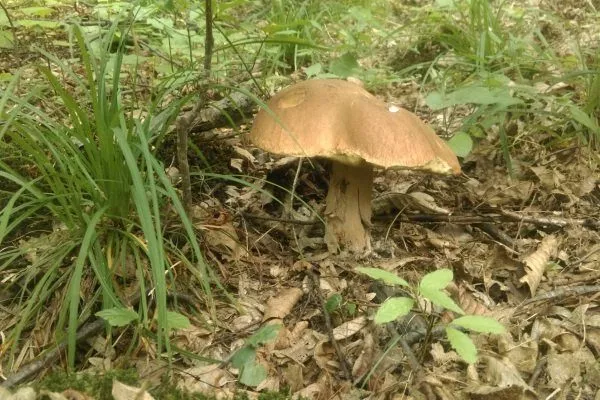
varnish
The cap's shape varies from convex to funnel-like. Its color depends on the weather: pink or carrot-colored in normal humidity, yellow in hot weather. The stem retains the overall color of the mushroom, resembling a cylinder.
Where and when does it grow?
It grows in parks and gardens, and at forest edges. However, it's quite fussy: it dislikes both very dark and damp areas and dry, sunny spots. It can be found from June to September.
Are there any varieties?
- AmethystThe cap and stem are bright purple.
- Two-toneThe top resembles a ball, which becomes indented over time. The color is brown with a lilac tint. The stem is pinkish-brown.
- BigThe top is cone-shaped, reddish-brown, like the stem.
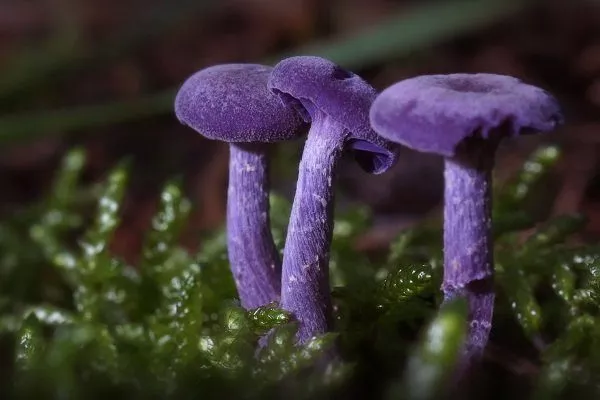
Amethyst varnish
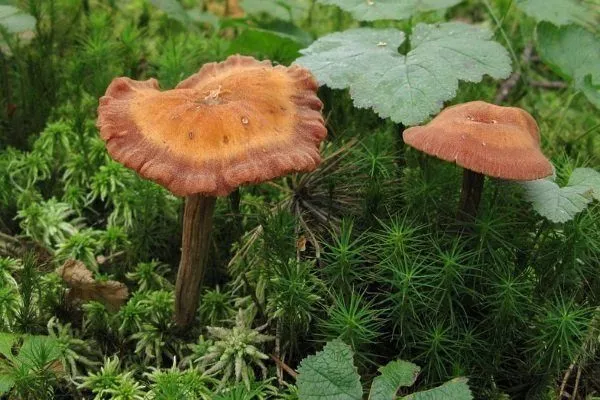
Two-color varnish
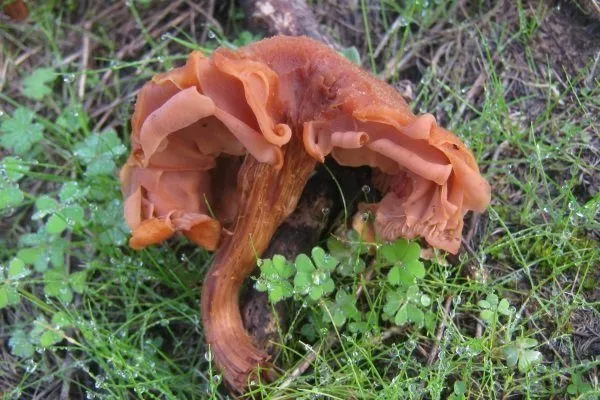
Large varnish
Golovach
It's also known as the bladder-shaped, sac-shaped, and round puffball. It's also known as the hare's puffball, giant puffball, or giant Langermannia, because it always grows well after rain. The cap is large, smooth, white, spherical, and spiky. The stem is light-colored and cylinder-shaped.
Where and when does it grow?
They grow primarily in tropical areas and can be found in both forests and clearings. They appear from midsummer and delight mushroom pickers until the cold weather sets in.
Are there any varieties?
There are several types of edible golovachi:
- GiantThe cap is white, spherical, and turns yellow in mature mushrooms.
- BaggyThe cap can reach 25 cm in width and has a white spiny shell.
- OblongA long stem and a small cap. The surface is spiny and white.
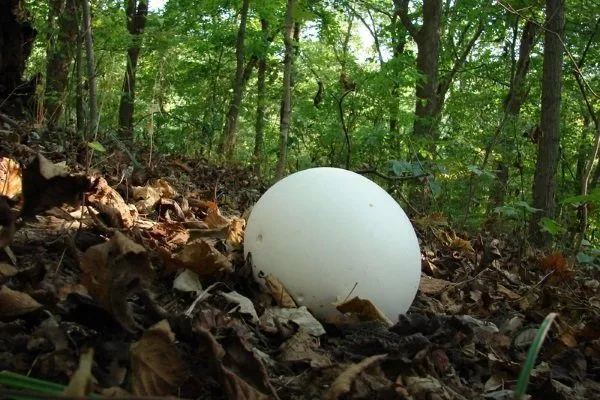
Giant golovach
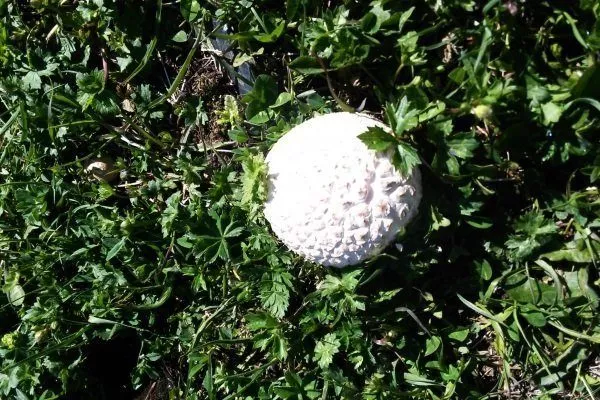
Baggy golovach
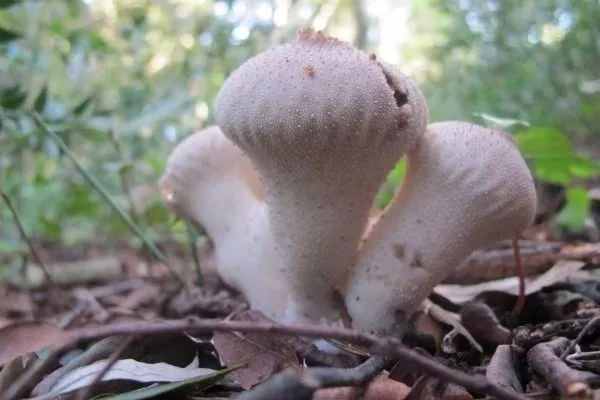
Oblong head
Subvishennik
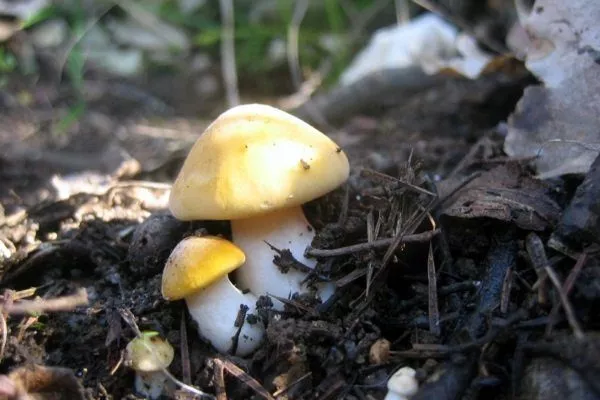
Also known as the cherry mushroom or the common clitopilus, the cap is convex and can become funnel-shaped. The color ranges from white to yellow-gray, and the surface is smooth. The stem retains the mushroom's color.
Where and when does it grow?
It grows in all European cities, in various forests, sparse woodlands, and among grasses. It prefers acidic soils. It grows near apple and cherry trees, but can also be found near conifers.
Are there any varieties?
There are many similar species that differ in subtle ways. White talkers are very similar. The main difference from the mushroom pickers is that the podvishennik resembles a large chanterelle, only white, and smells of flour and cucumber.
Mushrooms are a delicious dish, a perfect substitute for meat, and an excellent remedy for ailments. But to gather them, you need to be an experienced mushroom picker, or at least go on a "silent hunt" with such experts. All finds should be carefully examined, and any suspicious ones should be kept separately. Better yet, grow your own mushrooms to ensure a constant harvest!