
Autumn mushrooms are the most delicious. They're great for frying and pickling, and they marinate and dry beautifully. Every mushroom picker should know which mushrooms are traditionally picked in Russia in autumn, as well as their unique characteristics.
| Name | Harvest season | Forest type | Cap diameter (cm) |
|---|---|---|---|
| Honey fungus | August-September | deciduous, coniferous | up to 10 |
| Wet | September | coniferous, deciduous | 8-12 |
| White mushroom | September | deciduous, coniferous | up to 30 |
| Butterlets | September-October | conifers | 5-15 |
| Black milk mushroom | early autumn | mixed, coniferous | 10-20 |
| Chanterelles | September-October | deciduous, coniferous | 5-10 |
| Rows | September | deciduous, coniferous | up to 15 |
| Milk mushrooms | September | deciduous, coniferous | 10-20 |
| Chanterelles | September | conifers | up to 20 |
| Boletus mushrooms | September | deciduous | up to 10 |
| Russula | September | deciduous, coniferous | up to 20 |
| Umbrellas | July-September | deciduous, coniferous | up to 12 |
| Goats | September | coniferous, deciduous | 5-10 |
| Talkers | September | deciduous, coniferous | 5-10 |
| Oyster mushrooms | end of September | deciduous | 5-15 |
| Velvet boletus | September | deciduous | 5-10 |
| Forest champignon | September | deciduous | 5-15 |
| Hygrophorus | September | conifers | 5-10 |
| Hairy scaly cap | September | deciduous | 6-10 |
| White truffle | September | deciduous | 5-10 |
| Grifola crispa | September-October | deciduous | 10-20 |
| Caesar's Amanita | September | deciduous, coniferous | 8-20 |
| Cobweb | September | deciduous | 5-10 |
| varnish | September | deciduous | 5-10 |
| Golovach | September | deciduous | up to 45 |
| Mother-in-law's tongue | September | deciduous | 10-20 |
Honey fungus
From late August to early September, honey fungus can be found in central Russia, especially in the Moscow region. This nutritious mushroom can be fried, stewed, and pickled. The cap is light brown, sometimes with a greenish tint. The stem is tall and has white flesh with a pleasant aroma.
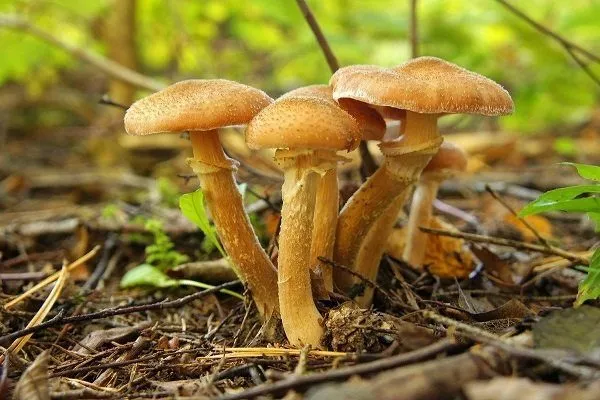
Honey fungus can be found in September:
- in the forest on the edge, near trees, for example, oaks, pines;
- on stumps and near them;
- found throughout Russia.
The cap can reach 10 cm in diameter. Honey fungus grows in clusters on the stumps of various trees. They can be found not only in dry places but also in marshy areas.
- ✓ The presence of a tubular layer under the cap of porcini mushrooms and birch boletes.
- ✓ Absence of a ring on the stem of russula.
- ✓ Specific milky juice in milk mushrooms when cut.
It is very important not to confuse honey fungus with false mushrooms.
Wet
A golden-red mushroom on a tall stem. It appears in the forest in September with the first autumn rains. The cap diameter can reach 8-12 cm and is distinguished by its glossy surface. There are also completely brown mushrooms. wet ones, as well as purple mushrooms.
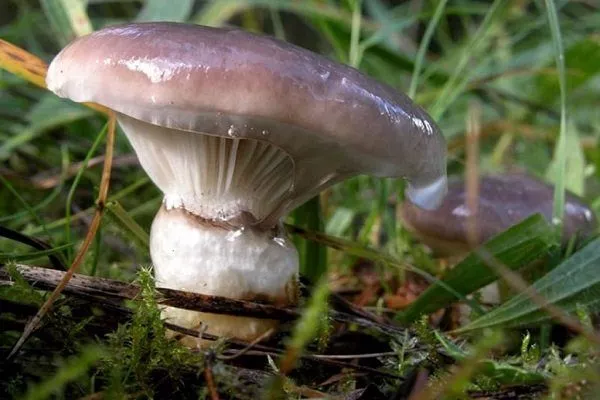
Excellent for pickling and frying. Its flavor is reminiscent of butter mushrooms. The scaly-sided mushroom can be found in coniferous forests and deciduous forest plantations. It likes to grow on and under trees. It prefers limestone soil. It can be found in central Russia, as well as in the forests of the Caucasus and the Siberian taiga.
White mushroom
The king of all mushrooms is considered one of the most valuable gifts of autumn. It grows under birch, pine, and other trees. It prefers both light and shaded areas of the forest. It is white-gray or brown in color, with a large cap up to 30 cm in diameter. Another name for this mushroom is the boletus.
White mushroom most often found in September:
- in the North of the country: in the taiga forests and even in the cold tundra of the Far East;
- in lowlands and plains (in mountainous areas, boletus mushrooms practically do not grow).
You can also find porcini mushrooms with a purple or yellowish hue. The porcini mushroom grows throughout Russia, but it's not easy to find one in September. It grows until late September and early October. Explore forest edges and clearings, and you might be lucky enough to spot this rare specimen.
Butterlets
Butter mushrooms thrive in September in coniferous forests. They can be found not only under trees, but also in clearings, open glades, and forest edges. They grow in clusters. They thrive in moisture, so after heavy autumn rains, you can harvest a whole crop.
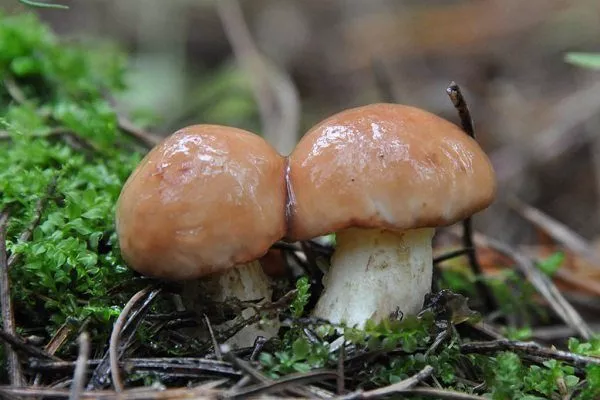
Butter mushrooms are distinguished by their glossy, moist caps and brown color. The common butter mushroom can be lemon-yellow on one side. The leafy butter mushroom is reddish.
You can pick mushrooms right up until the first frost. They grow especially vigorously in September and October. Butterlets are found throughout Russia.
Black milk mushroom
The black milk mushroom also appears in forests in early autumn. It can be found in mixed and coniferous forests. The mushroom prefers moist, well-composted soil.
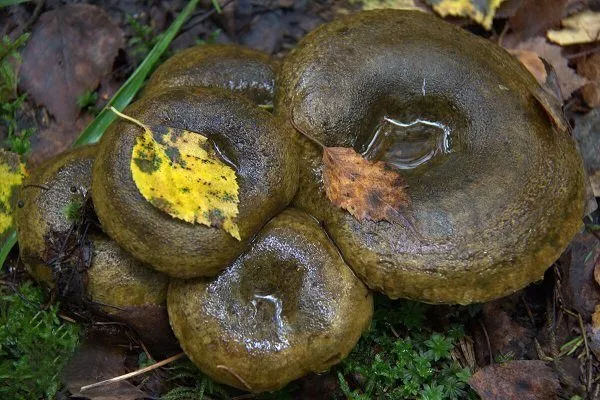
Note that:
- Milk mushrooms are black in color with a characteristic cap that is dark olive or even completely black.
- It is better to search under trees (birches, any deciduous trees), as well as on trunks.
Milk mushrooms are also found on tree stumps, in lowlands, and near swamps (but far from water). They grow throughout Russia, especially in central Russia and the Moscow region, Siberia, the Volga region, and other regions.
Chanterelles
From early autumn until the coldest weather, you can find chanterelles, or "cockerels," in the forest. They are distinguished by their red cap, which sometimes darkens or lightens depending on their age. Chanterelles are not attractive to worms, so this mushroom lasts a long time.
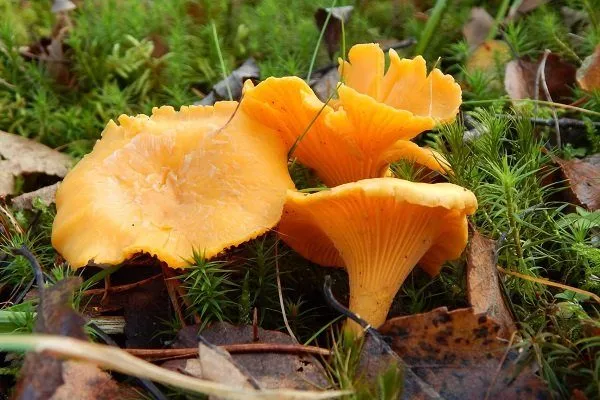
Collection rules in September:
- Pay attention to open areas, edges of birch, spruce and pine forests, and slopes.
- Chanterelles never grow alone. If you find one, look around and look for others. There can be 10-20 or more.
Mushrooms are excellent for cooking, canning, and freezing. Chanterelle dishes are served in the most upscale restaurants.
Rows
An autumn mushroom that likes to grow in stripes and rows. It is distinguished by a wide, light-colored cap and a fairly long stem. The mushroom can reach 15 cm in diameter. Rows They come in white and gray. Dull-colored mushrooms are often called "mice."
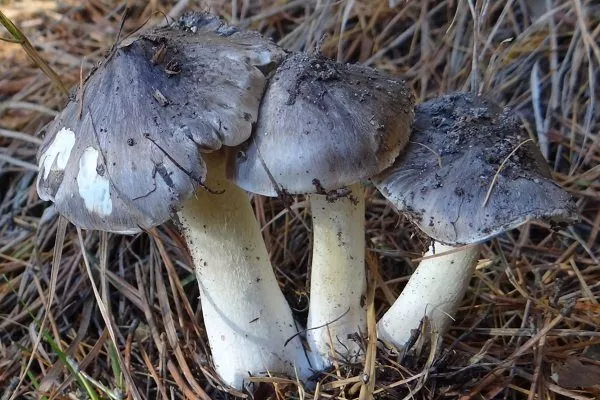
Rows are found in September:
- Throughout Russia, especially in the European zone.
- Under trees, at forest edges and in lowlands.
They taste slightly bitter when cooked, so it's best to soak them for several days. Besides the autumn rowan mushroom, there's also the May rowan mushroom, which is usually more wrinkled. This mushroom is easy to fry and has a pleasant flavor. Cooking time is at least 20 minutes.
There are also false rowan mushrooms, so be careful. These mushrooms have an earthy, unpleasant odor and a gray base. The skin does not separate from the cap.
Milk mushrooms
Besides black milk mushrooms, September also brings mushrooms of this type, but in other colors. For example, there are white, yellow, peppery, and other varieties. All of these appear in midsummer, but they are especially abundant in September, with the onset of consistent rainfall.
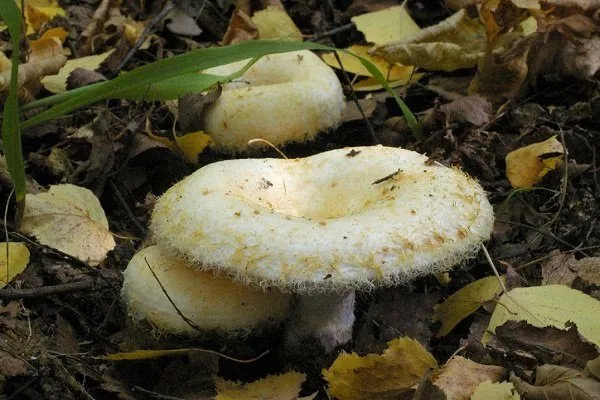
Milk mushrooms are found:
- in the Moscow region, in the central regions of the Russian Federation;
- in the Kaliningrad region;
- in the northern regions.
Milk mushrooms are better for pickling than boiling or frying. They also make excellent soups and other dishes. The mushroom's cap is characterized by a ribbed underside. Before cooking, milk mushrooms are traditionally soaked to remove some of their bitterness.
Chanterelles
Saffron milk caps are often confused with chanterelles, but they are a completely different species. They are characterized by a large cap up to 20 cm in diameter and a bright red color. They can be found in September in fir and other coniferous forests from the Western Urals to Northern Europe.
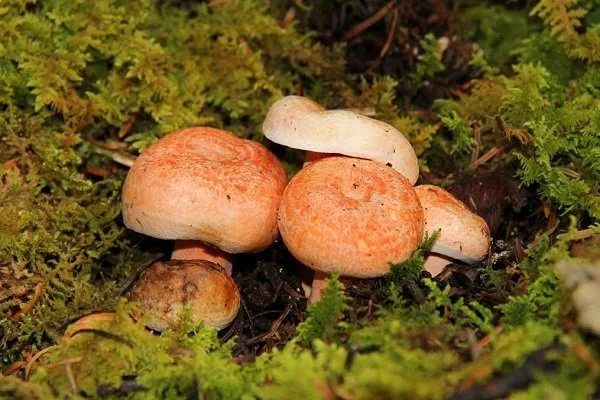
Most often, saffron milk caps can be found:
- in the Moscow region, Saratov, Samara regions;
- in the Voronezh region, in Transbaikalia;
- in the North of the Russian Federation.
Saffron milk caps prefer young forests, including mixed forests. They grow under trees, most commonly cedar, fir, spruce, and birch. They prefer light forest edges and clearings, but can also be found in ditches and lowlands.
Boletus mushrooms
Another gift of nature in September is the birch bolete, with a white or brown cap. It grows primarily in deciduous and mixed forests throughout Russia, under birch and other trees. It is distinguished by its smooth surface, light yellow and dark brown in color.
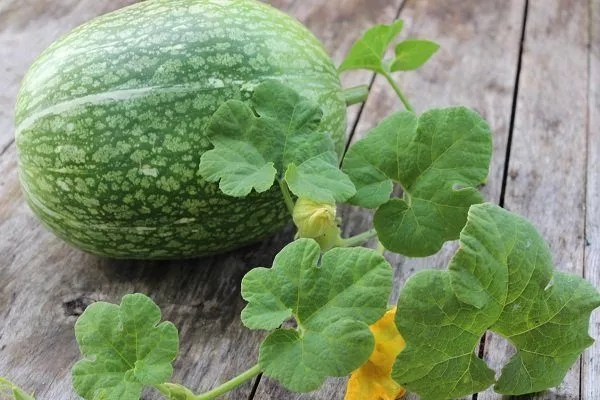
Collection Features:
- Mushroom pickers most often find birch boletes at the very roots.
- The mushroom loves moist soil and light areas of hornbeam forests.
- Look for birch and other deciduous groves. In such areas, the mushroom may grow in small clumps.
Russula
Russula mushrooms appear in September primarily at forest edges and other open areas. They also grow along highways, as well as in ravines and lowlands. They thrive on coniferous and deciduous trees throughout Russia.
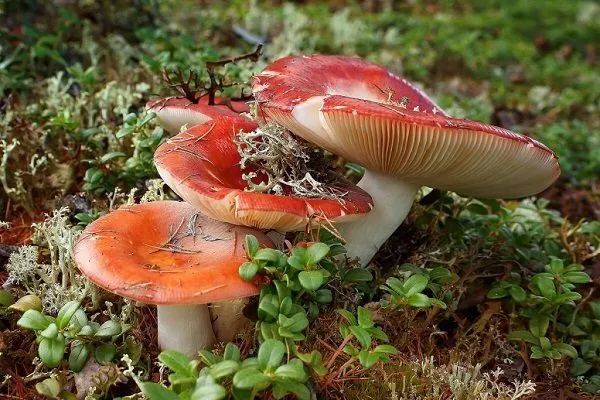
The cap can be reddish and brown, dirty gray, and other marsh-like colors. The russula's stem can be very long (up to 12 cm), and the cap can be large (up to 20 cm in diameter).
Umbrellas
Parasol mushrooms have a beautiful gray cap resembling a beach chair. They appear in July-September in central Russia and persist until frost. They are used in soups, sauces, and other delicious dishes.
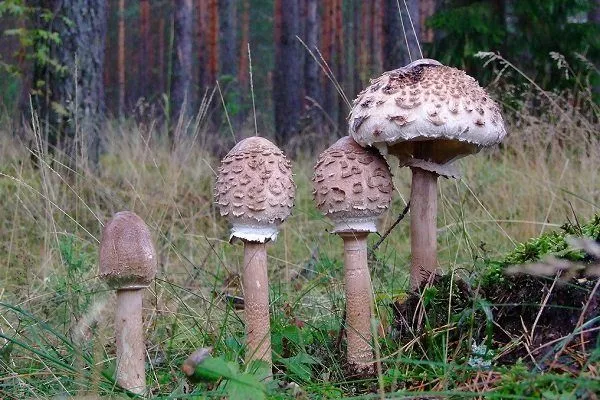
Note that:
- Umbrellas grow in groups.
- Their main homeland is bright meadows and other dry areas of the forest.
- There are also completely white specimens on thin stems. They can be seen in the meadows and fields of Russia.
Umbrellas can have cracked caps and curled edges. The cap can reach 12 cm in diameter. There are also poisonous specimens that resemble death caps.
Goats
Kozlyaki mushrooms are found in coniferous and deciduous forests across various regions of Russia. They are beautifully shaped and look great in canned form. They are small and light brown. The inside of the cap resembles a sieve, hence their other name: sieve mushroom.
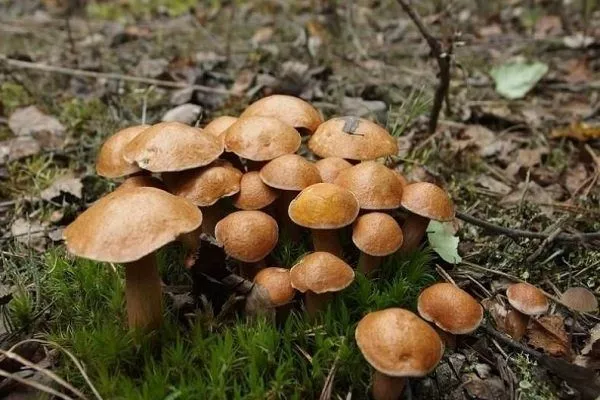
The mushroom's stem can reach 10 cm. Closer to the ground, goat's cap mushrooms are usually bright yellow. In early autumn, these mushrooms can be found in the North Caucasus and other northern regions of Russia.
Talkers
The mushroom is also called the "fragrant" mushroom for its distinctive aroma. In September, it is found in deciduous, mixed, and coniferous forests.
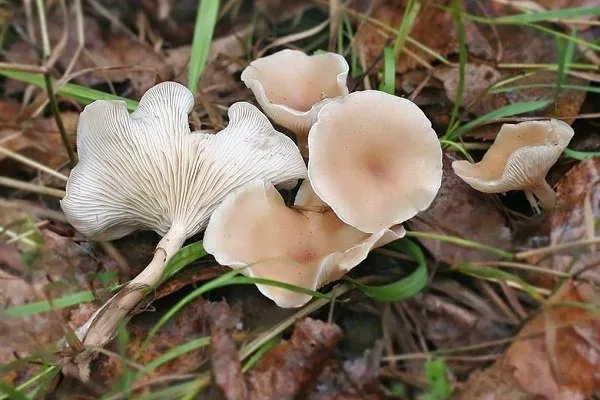
You can find the talker:
- in Siberia;
- in the European part of Russia.
The mushroom's cap is light brown and funnel-shaped. The talker is suitable for any kitchen. However, it's recommended to soak the mushroom thoroughly beforehand. The flesh tastes slightly sweet after cooking.
The cap diameter reaches 5-10 cm. There are also red, funnel-shaped, club-footed, and other types of mushrooms. Some of them are poisonous (for example, the pale-colored talker).
Oyster mushrooms
These mushrooms grow on trees with damaged bark, as well as on stumps. They are difficult to confuse with others, as oyster mushrooms, grown in artificial conditions, are often sold in supermarkets and markets.
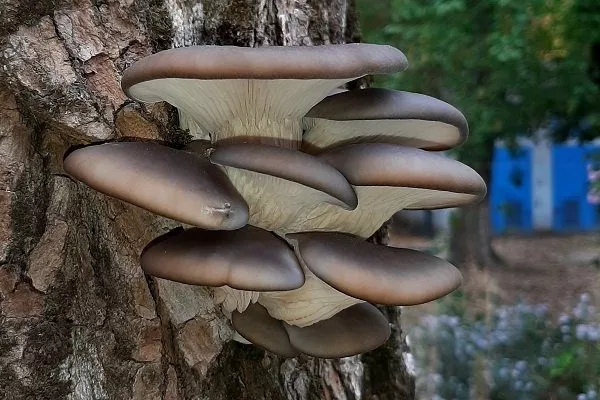
The mushroom is low-growing, gray or dark gray. Young oyster mushrooms can be found at the very root of a tree. Sometimes mushroom pickers can cut up to 5-7 kg of fresh specimens from a single stump. Mushroom hunting should begin in late September.
Velvet boletus
A brown mushroom with an unusual cap that appears to be coated in wax. It grows on a long stalk in deciduous forests in the European part of Russia.
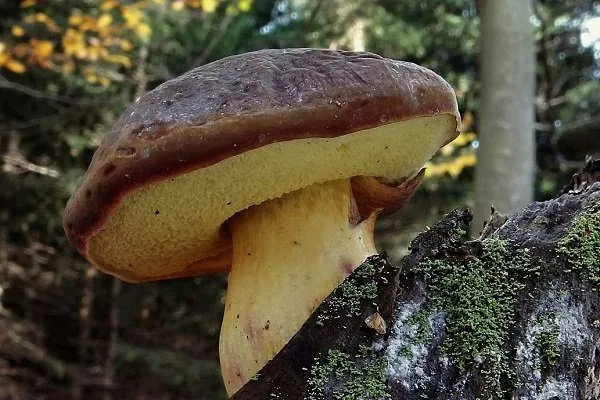
In September, you can find the flywheel:
- in small groups;
- in coniferous forests, for example, under pine trees.
The boletus mushroom loves moss, so it can be harvested right up until the first frost. It survives well in a warm place. However, it generally prefers warm weather and central and southern regions.
Forest champignon
Their appearance is very different from store-bought mushrooms. The cap may be wider, the stem longer, and the color sometimes approaches a very dark shade. Mushrooms especially like to grow in humus, near tree roots. In this case, they will have a slightly pinkish color underneath.
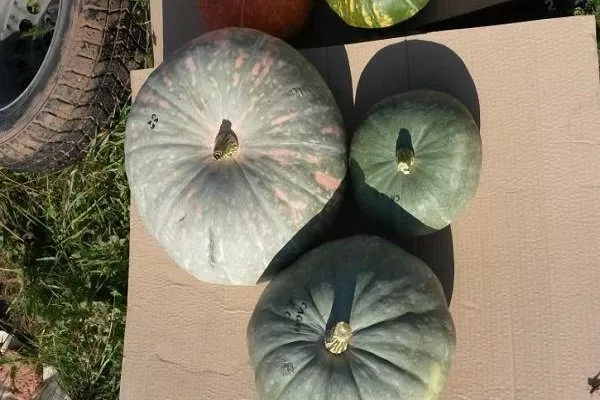
If livestock graze nearby and the soil is well-fertilized, it's quite possible to find a scattering of mushrooms in the area. Harvesting is possible as early as September, and sometimes even earlier if August was particularly rainy.
Hygrophorus
This mushroom is not found in the Moscow region or other central regions of Russia. It prefers mountainous trails, moderate humidity, and abundant pine needles for humus. It grows in mixed forests in the Caucasus and Ural Mountains. It prefers to grow under oak and beech trees.
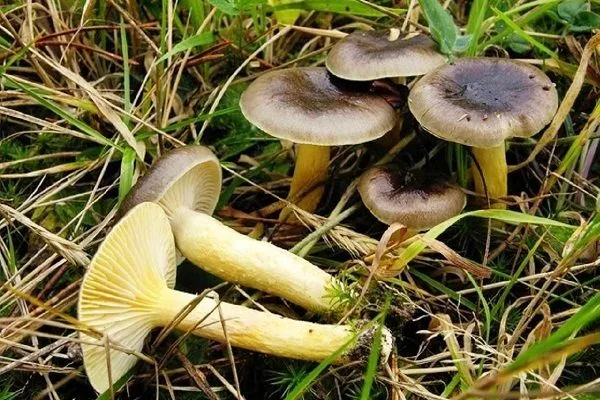
A low-growing mushroom with a round cap. Gray in color. The surface is smooth and shiny. Hygrophorus appreciates the proximity of warm moss. Under the shelter of a group of hygrophorus, it thrives until winter. The mushroom has juicy, fleshy flesh and is excellent for frying.
Hairy scaly cap
An unusual mushroom that thrives on damp trees, stumps, and dead wood. It prefers the moderately humid and cool climates of central Russia.
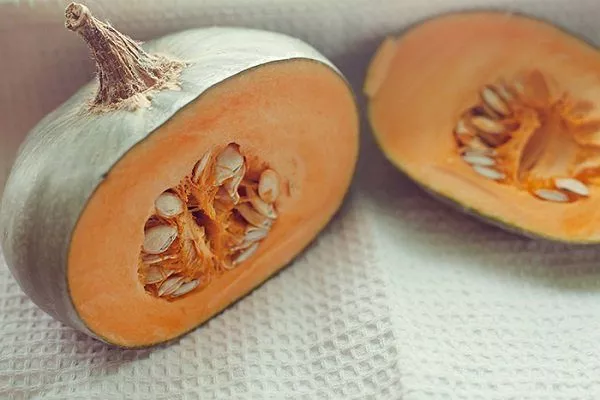
The cap is yellow-brown, 6-10 cm in diameter, and has a smooth, glossy surface. The mushroom is highly nutritious. Hunting for the scaly cap begins in the summer, but the largest harvest can be found in September.
White truffle
A rare species for Russia, it can generally be found only in the European part of the country (Moscow region, Leningrad region, etc.). Mushroom truffle also called zhirushka (due to its density), and also Polish.
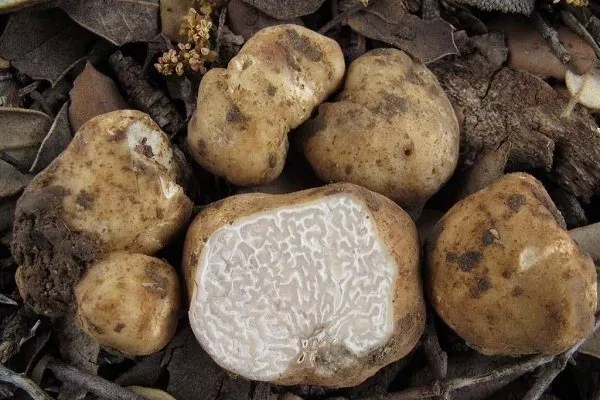
It grows underground. Only a true professional can find it. It's a unique delicacy prized by chefs around the world.
Grifola crispa
Due to its unusual growth in clumps, the grifola mushroom has earned the nickname "curly." This gray and strange mushroom can be found in deciduous forests, for example, under oak or maple trees. It is found in September and October. The cap of these mushrooms is flat and cascades over the stem.
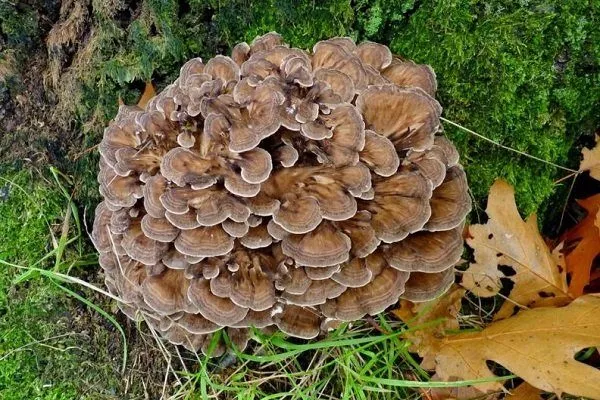
This wonder can be found in the Kaluga region and the North Caucasus. It grows from the ground, near roots, on tree stumps and trunks.
Caesar's Amanita
Despite its name, the mushroom is quite edible. It can be found in September in deciduous and coniferous forests, in open areas and lowlands. It grows under birch, oak, and other trees.
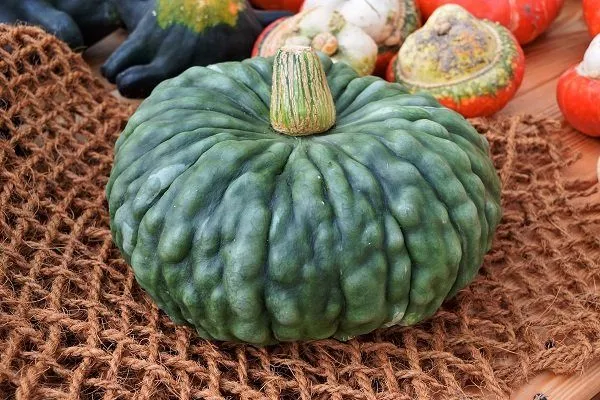
Signs:
- Average size from 8 to 20 cm.
- It has a bright brown round cap and has nothing in common with the fly agaric.
The mushroom has a yellowish, ribbed "skirt" beneath the cap. It is found in Crimea and other arid, southern regions. It can also appear in Primorye. A northern, Far Eastern mushroom with a reddish cap.
Cobweb
The cobweb cap has a light brown cap and a long, bright white stem. It's quite rare, and it's very difficult to find it in a typical forest. Purple cobweb caps also occur. They can be found in deciduous forests in September. The cobweb cap prefers to appear near swampy areas.
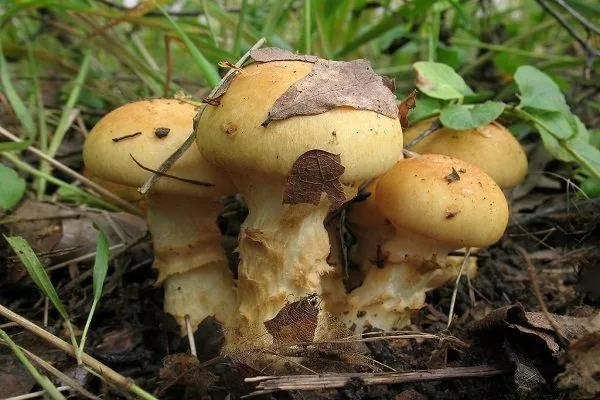
They can be found in groups of 20-30. They are excellent for frying or canning. They grow throughout Eurasia, including Russia.
varnish
In the North, the lacquer mushroom is found with a brown cap with curved or funnel-shaped edges. The stem is long—up to 14 cm. The cap is significantly smaller, yet it is primarily eaten. The mushroom grows from summer, but the largest harvest occurs in early autumn.
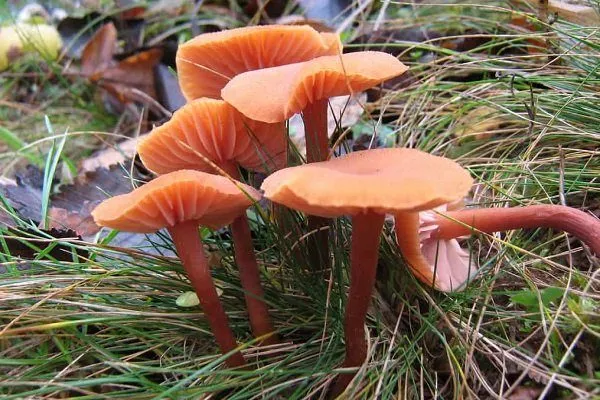
It can be found under trees, in moss and pine needle beds. Bright purple glaze mushrooms, also considered edible, are also found.
Golovach
The puffball mushroom thrives not only in forest plantations but also in meadows and fields. Open, wind-swept areas are precisely what the mushroom requires for good growth. Its love of rainy weather has earned it a second name—the puffball mushroom.
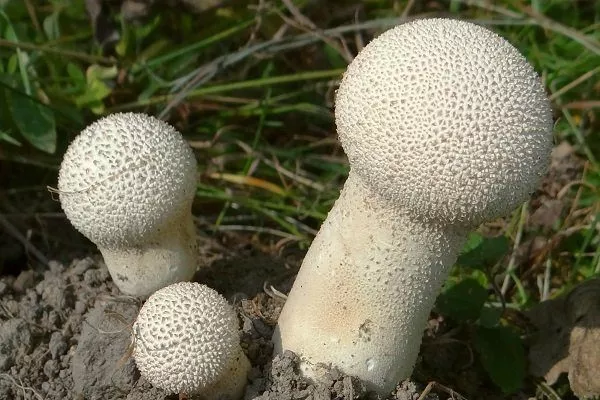
In September, it can be found in temperate regions, such as central Russia. It has a snow-white, very large cap (up to 45 cm in diameter). It is suitable for any culinary use, as it contains a large amount of edible flesh.
Mother-in-law's tongue
A dark red mushroom with a large, ragged cap. It grows under trees from mid-September until the coldest weather. It cooks quickly and contains a wealth of nutrients. It is considered one of the most beneficial autumn mushrooms in central Russia.
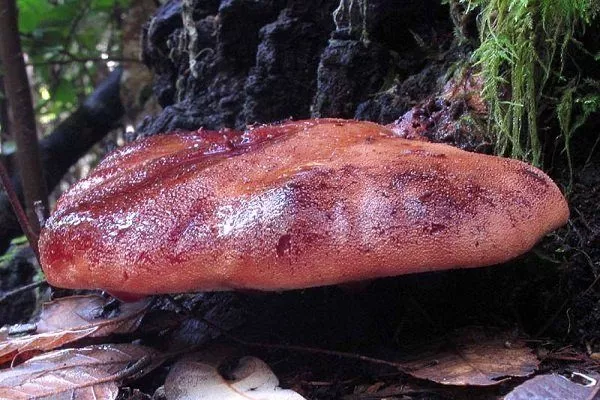
You can encounter "mother-in-law's tongue":
- under the oak tree, as well as directly on the trunk;
- in dark corners, bends of trees, in humus on the ground.
Autumn mushrooms are a healthy and nutritious food. They grow not only in forests, but also on forest edges, slopes, in forest plantations, and other places. In September, you can start picking mushrooms as early as the beginning of the month. It's recommended to choose valuable varieties, such as porcini mushrooms, butter mushrooms, honey mushrooms, and many others.