
Zamioculcas is a plant that can impress with its striking appearance in any interior. One of its main advantages is that it looks attractive even with minimal care. This plant has many species and varieties, which can be divided into groups based on leaf color and bush height.
General description
Zamioculcas is an evergreen plant from the Araceae family. However, few people know its scientific name. It is popularly known by various names, such as "everlasting tree," "dollar palm," or "celibacy flower." In Russia, it is most often called the "dollar tree."
- ✓ Zamioculcas requires minimal watering, only when the soil is completely dry to a depth of 2-3 cm.
- ✓ The plant prefers diffused light; direct sunlight can cause leaf burns.
Zamioculcas is a succulent, allowing it to thrive in dry conditions and high temperatures. This plant tolerates drought and heat well. It was first introduced to Russia in the 1990s and immediately attracted the attention of gardeners, becoming popular.
Main varieties
Zamioculcas has several varieties that are worth considering in more detail.
| Name | Plant height | Leaf color | Lighting requirements |
|---|---|---|---|
| Lanceolate | 1.5 m | Green | Average |
| Boivin | 60 cm | Emerald | High |
Lanceolate
The plant received its name from its long, lanceolate leaves. It was first offered at flower auctions in Holland in the late 20th century. This flower reached a height of 1.5 meters or even more.
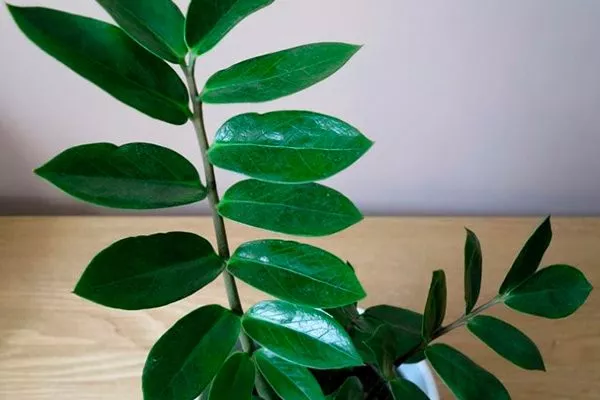
However, in 2007, a miniature plant was developed, no more than 60 cm tall. The leaves of the new plant are an exact copy of their ancestor, but smaller.
Boivin
This plant is widespread in the mountain forests of South Africa. It is distinguished by its large tubers and smooth edges of emerald leaves. In extremely dry conditions, its growth slows, so it requires regular watering and misting.
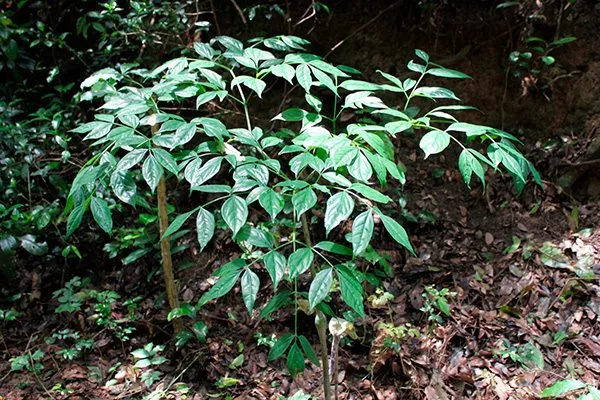
To prevent disease, this plant needs constant misting with a spray bottle. Even novice gardeners can successfully grow the evergreen money tree, as it requires little maintenance.
Types and varieties
Zamioculcas has various species and cultivars, each differing in appearance, size, leaf shape and color, as well as lighting and care requirements. Each species and cultivar has its own unique characteristics, making them popular among gardeners and houseplant enthusiasts.
Variegated
| Name | Plant height | Leaf color | Lighting requirements |
|---|---|---|---|
| Lucky White | 30-40 cm | Light green, bright green | Average |
| Long Live | 60 cm | Baked milk, white | High |
| Short Live | 1-1.2 m | Green | Average |
| Big Live | 120 cm | Lemon-salad | High |
There are a wide variety of variegated zamioculcas cultivars, many of which were created through selective breeding. These cultivars boast a variety of leaf colors and patterns. Thanks to the efforts of breeders, species with multicolored stripes, spots, or edges on their leaves have emerged.
The following varieties of variegated zamioculcas are presented:
- Lucky White. Lucky White is one of the most popular varieties with variegated leaves, introduced to the market in 2011. This is a small zamioculcas plant, up to 30-40 cm in height, with thick stems.
The leaf segments have an uneven texture, with ivory-colored tips and edges. They gradually transition to shades of light green and bright green.

- Long Live (Long Leaf). The Long Leaf cultivar is a variegated variant, most likely derived from Zamioculcas native to Madagascar.
It is distinguished by elongated and narrow leaf segments, some of which are decorated with a few variegated strokes, while others are lightly colored over almost the entire surface. The spots on young leaves are the color of baked milk, later turning white.
- Short Liv (Short Leaves). Short Leaf is less popular than other varieties. This plant forms a vigorous bush, 1 to 1.2 meters tall, with straight, sturdy stems. With adequate light, this zamioculcas requires no support or staking.
- Big Liv (Big Leaves var. yellow). The Big Leaf variety grows up to 120 cm tall. It features thin yellow rachis, which can acquire a slight color over time: in full sun, they take on a lilac hue; in partial shade, they appear greenish.
The leaf segments of this variety are narrow and long, and most of them are completely light in color, but those that receive less sunlight have a lemon-green color.
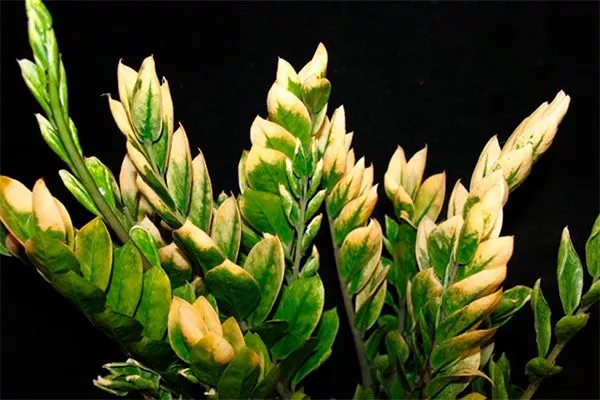
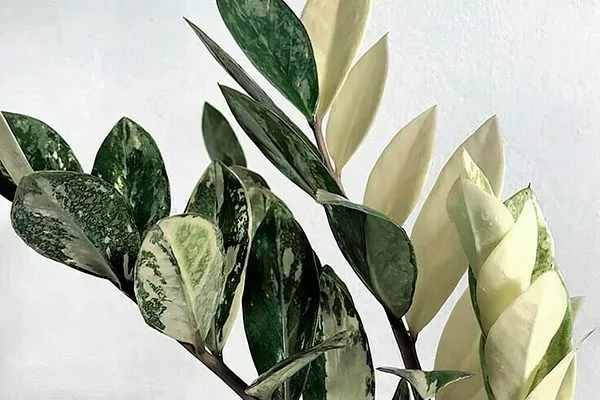
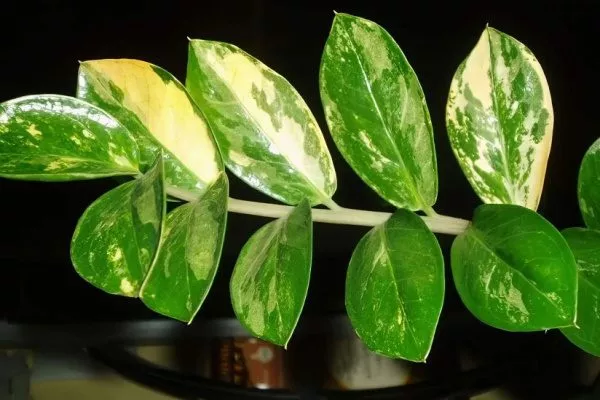
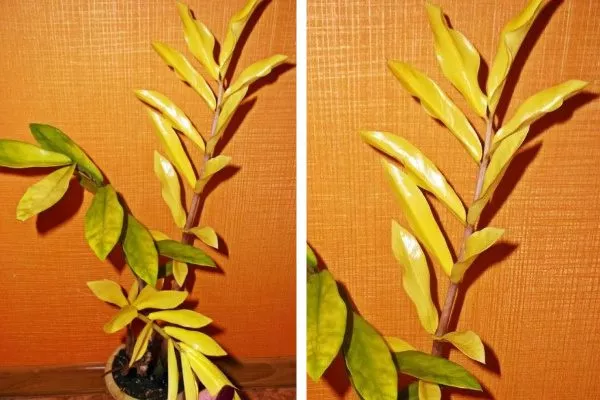
Each variety has its own unique combination of color patterns, making them especially attractive to collectors and plant lovers.
Green varieties
| Name | Plant height | Leaf color | Lighting requirements |
|---|---|---|---|
| Lucky | 55 cm | Bright green | Average |
| Supreme | 60 cm | Green with glitter | High |
The most popular and widespread varieties of zamioculcas are those with green leaves. They are widely available in flower shops and are affordable.
The following varieties are distinguished:
- Lucky. This variety is characterized by a perfectly rounded shape and bright green leaves. It is also known as "round-leaved." Plants of this variety have a compact bush size, not exceeding 55 cm.
This plant's leaves often rise upward. It grows rapidly and, with proper care, quickly reaches the size of a mature bush.
- Supreme (Supreme). This variety was introduced by Dutch gardeners in 2020 and is the newest in their collection. It impresses with its incredible symmetry and proportionality, both in individual leaves and in the plant as a whole. The leaves are a pleasant green with a slight sheen.
Each leaf of this variety is a replica of the others. They are elongated and pointed, reaching upward, creating the impression of perfect symmetry.
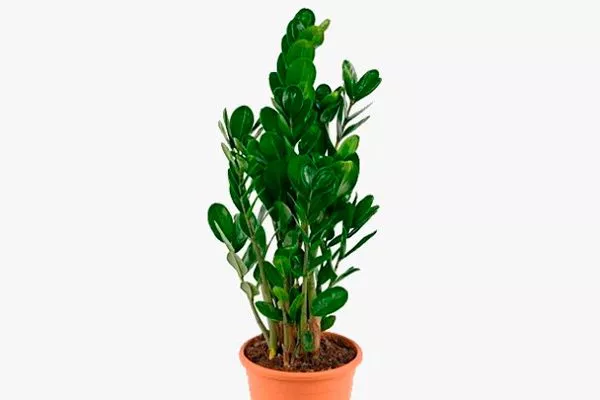
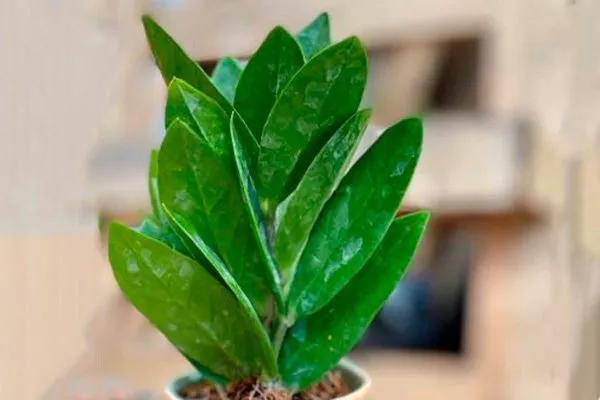
Green-leaved Zamioculcas are an attractive choice for plant lovers who value their decorative qualities, ease of care, and ability to adapt to a variety of growing conditions.
Dwarf varieties
Large zamioculcas are an excellent choice for decorating spacious homes, as evidenced by numerous photos in glossy magazines. However, in a small apartment, they can take up too much space over time.
In this regard, breeders are paying special attention to creating miniature varieties of zamioculcas, which are very popular and have a higher price.
Varieties of dwarf zamioculcas:
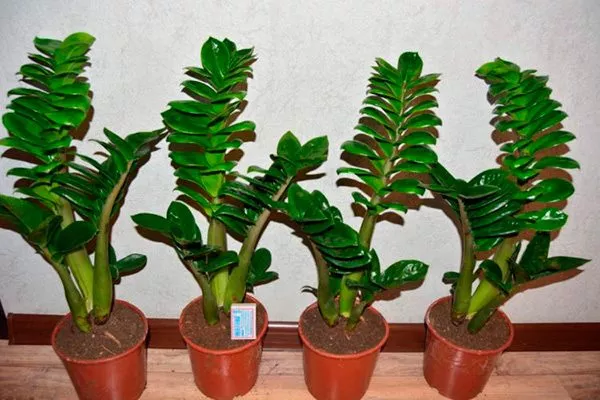
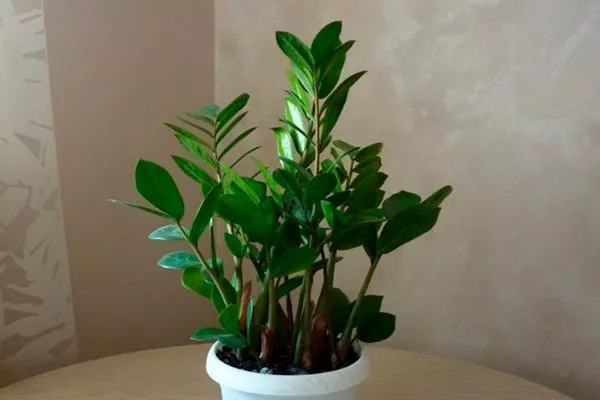
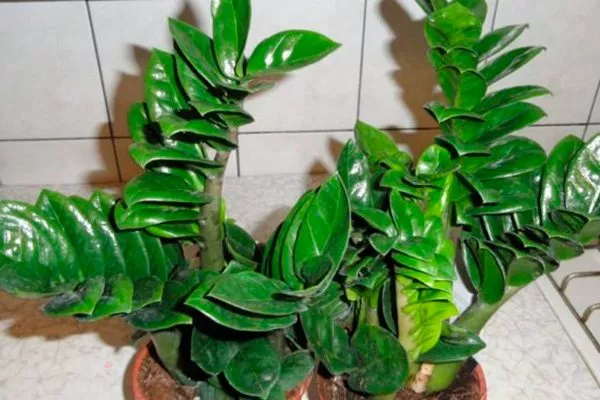
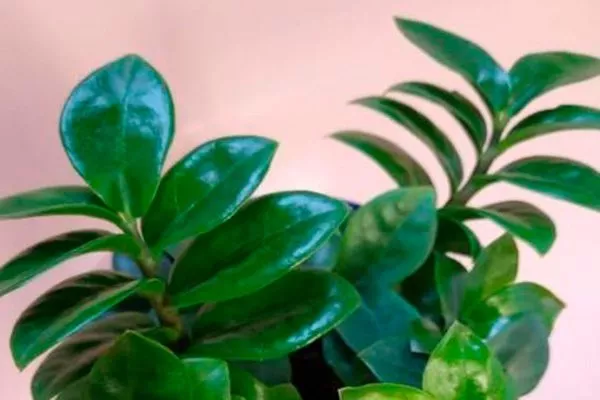
- Zenzi (Zenzi). This plant reaches 60-70 cm in height. It is characterized by a thickened stem that grows in the ground. Instead of a normal stem, a tuber forms here, which serves as a moisture reserve.
Leaves Zamioculcas Zenzi They are dense, shiny, and a rich, dark green color. They are oval in shape and arranged very close together.
- Zamikro (Zamicro). Zamioculcas is classified as a dwarf variety, reaching a height of no more than 60 cm. The variety was developed in 2007. The plant is the first dwarf hybrid.
This variety has deep green leaves that are small and graceful. It often blooms indoors after two years of cultivation, producing spadix-shaped flowers that are white and green.
- Beetle (Bug). This variety is the most compact, reaching a mature height of no more than 40 cm. It is very similar in appearance to the Zenzi variety, but is even smaller in size.
Zamioculcas has small green leaves that are densely arranged on thick petioles. They have a glossy surface and a dense structure.
- Dwarf (Dwarf). This compact plant grows to just 40 cm in height. It has dense, sturdy, light green leaves that darken slightly over time.
The leaves are symmetrically arranged on the petioles and spaced somewhat apart. They retain their shape well and do not deteriorate.
- ✓ Dwarf varieties such as Zenzi and Zamikro require more frequent watering than larger varieties due to their smaller soil volume.
- ✓ These varieties are more sensitive to temperature changes and require stable growing conditions.
These compact varieties of Zamioculcas are ideal for small spaces, while still retaining all the attractive qualities of their larger counterparts.
Big ones
Among the larger zamioculcas, there are varieties that grow from 80 cm to 12.5 m in height. Among the indoor varieties of the money tree, gardeners note the Super Nova variety.
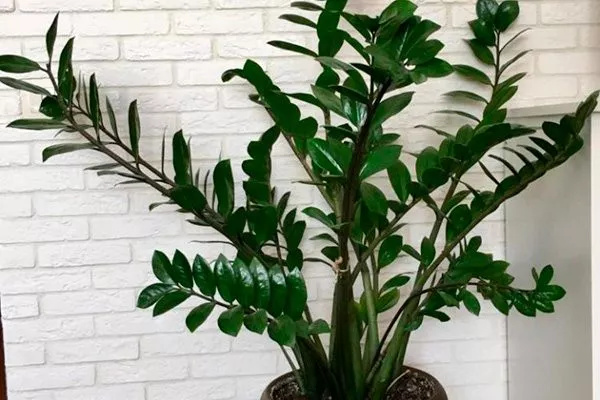
The plant is tall, reaching up to 150 cm in height. This species is easily distinguished from others by the interesting coloration of its leaves. Young shoots are bright green, but with age, their leaves become progressively darker.
Thus, on one plant one can observe two types of coloration – bright green and dark green.
Variegated varieties
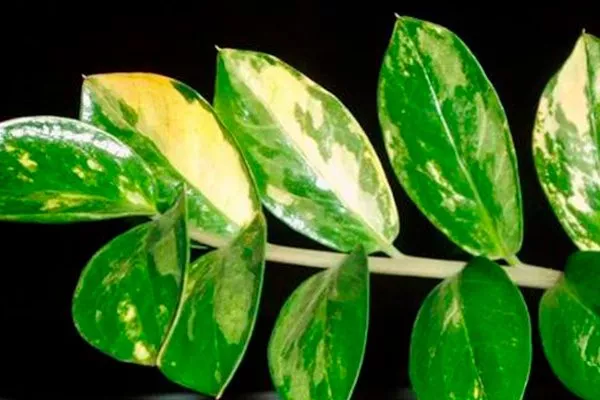
Zamioculcas with variegated leaves are considered more demanding to grow. This is due to the altered leaf color, where the green areas necessary for photosynthesis are replaced by yellow or white spots.
These plants require higher light levels throughout the year. They are also more vulnerable to pests, diseases, and adverse environmental conditions, such as waterlogged soil, low temperatures, and drafts.
Variegated varieties include 'Lemon Variegata.' It is a variegated form of 'Long Leaf,' with a lime or lemon coloration, depending on light intensity. This variety's leaf segments are long but not narrow. Variegated strokes are scattered across the entire leaf surface.
Black Zamioculcas
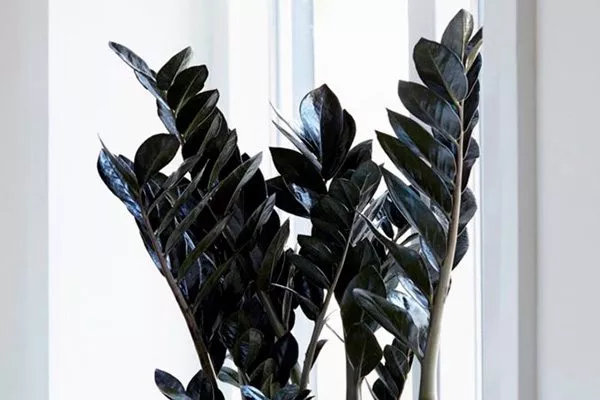
The most unusual foliage coloration of zamioculcas is purple and black. There are various zamioculcas varieties with black leaves:
- Black Maria. The Black Raven variety, introduced in 2017, features dark leaves and reaches a height of 90-100 cm. This plant attracts with its beautiful coloring. Young rachis are light green, but after they open, they begin to change.
Initially, a thin dark stripe appears along the edge of the segments, which then spreads inward, gradually covering the entire surface. However, the rachis and segments do not turn completely black, but acquire a deep green hue.
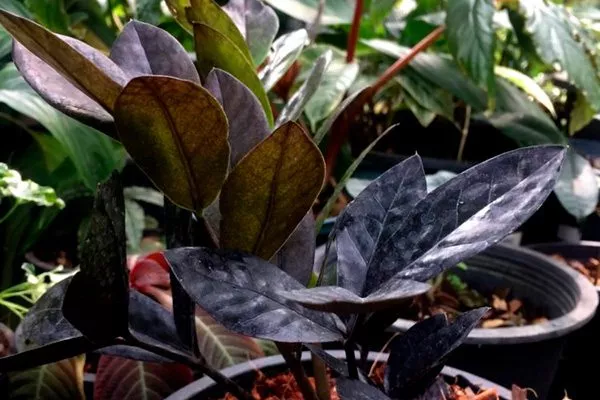
- Purple. The Black Leaf variety, also known as the Thai Black Zamioculcas, was introduced in 2016. This plant is notable for the fact that the color of its leaves is not affected by light intensity.
Young plants have light green leaves, but as they mature, the color gradually turns purple. Eventually, the color becomes so dark that the leaves appear truly black.
Zamioculcas is a beautiful ornamental plant that requires little maintenance but can enhance the interior of any room. Its diverse species range from majestic giants, up to 1.5 m tall, to compact plants reaching just 30-40 cm, easily fitting on a windowsill.