
Spathiphyllum exhibits a rapid growth rate. Despite vigorous growth, the flower is short-lived and loses its decorative appeal over time. Periodic repotting cannot ensure the plant's immortality, and eventually the old spathiphyllum must be replaced with a new one. There are several methods for propagating it indoors.
The best period for breeding
The flower is propagated using a variety of methods, depending on the chosen strategy, which is determined by the best time for each method. Seed propagation is preferred in late winter (February) or early spring, in the first ten days of March.
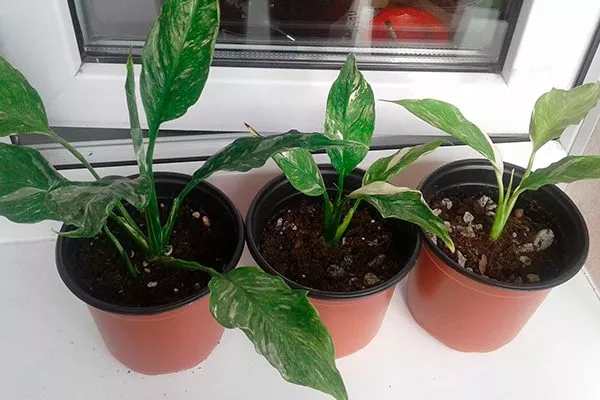
Preparing for the breeding procedure
Preparing for the process of increasing the number of peace lily seedlings is a key step to ensuring the successful and nurturing growth of new plants. It's important to consider several key aspects to ensure optimal conditions for the propagation of this indoor plant.
Inventory
To successfully propagate Spathiphyllum, you need to prepare the necessary tools and materials. Prepare the following:
- Sharply sharpened, disinfected scissors, knife or pruning shears for precise and clean cutting.
- Ceramic or wooden containers that provide a suitable environment for root development of cuttings.
- A container for water that will be used to temporarily hold the cuttings before transplantation.
You will need film or glass to create a mini-greenhouse that will provide suitable conditions for the successful rooting of cuttings.
Priming
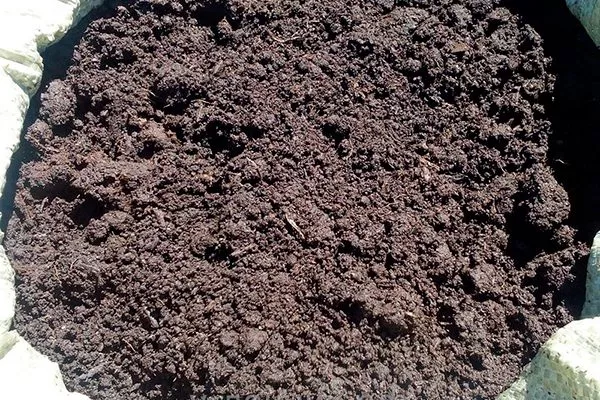
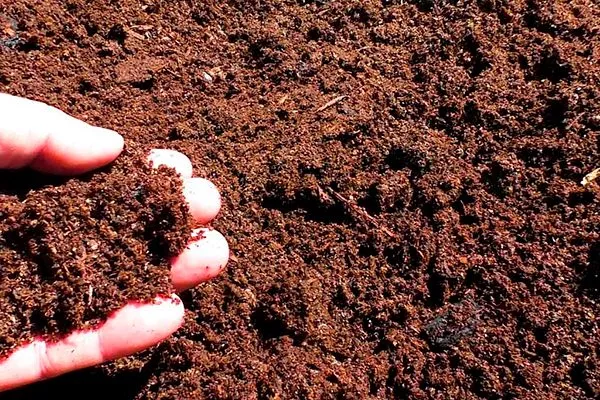
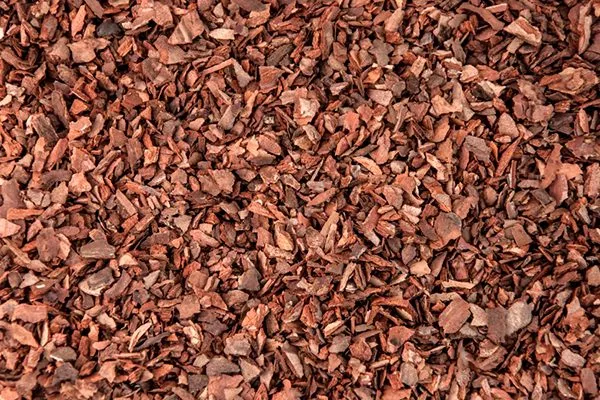
To prepare suitable soil for planting spathiphyllum, you can use a commercially available potting soil for flower plants or prepare your own mixture. The latter option requires the following ingredients:
- Garden soil. Provides basic soil structure.

- Peat or humus. They improve the water-retaining properties of the soil and promote good root ventilation.
- Small pieces of pine bark. Provides a good drainage system and prevents the soil from drying out.
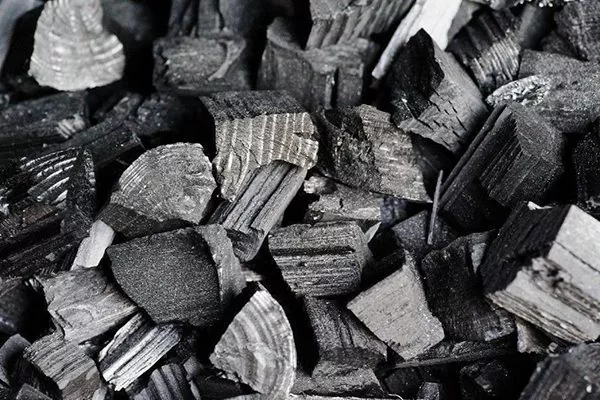
- Charcoal. Helps maintain healthy soil flora and prevents root rot.
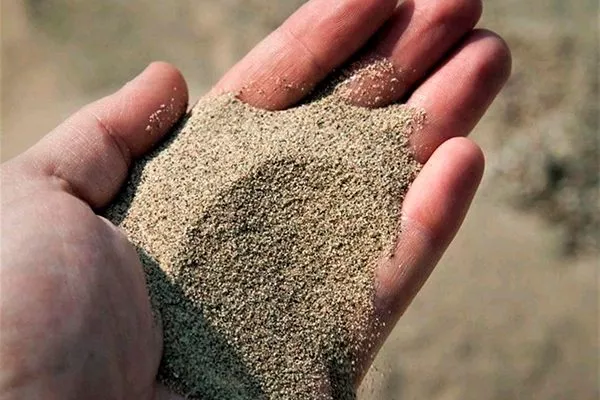
- A little sand. Improves water permeability and prevents moisture stagnation.
Capacity
For young peace lilies, choose containers that aren't too large, as too much space can delay flowering. Flowering may begin once the roots fill the pot.
Containers should have drainage holes and a drainage layer of expanded clay or pebbles to prevent excess moisture retention. To ensure good drainage, top the container with a layer of sand.
This technique prevents drainage holes from clogging and provides additional root protection from excess moisture. These measures will help create optimal conditions for the spathiphyllum's growth and development, promoting its health and future flowering.
Methods of propagation of spathiphyllum
Most plants are propagated using seeds, but when growing spathiphyllum at home, it is difficult to create conditions close to subtropical ones, which makes the seed method ineffective for this exotic flower.
When propagating spathiphyllum at home, seeds are rarely used. Instead, simpler methods such as root division or propagation by cuttings are preferred.
Spathiphyllum: propagation by seeds
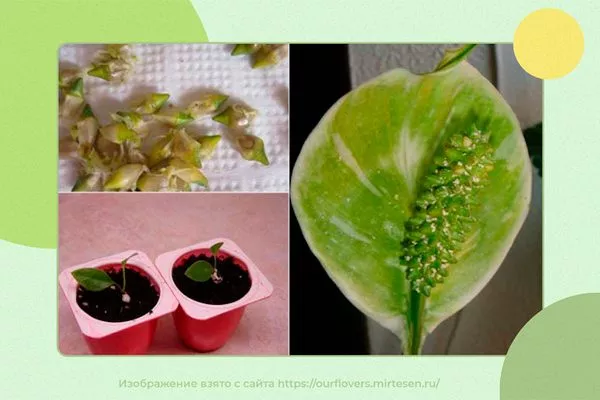
This method is most often used in breeding, as growing a flowering plant from seed takes at least two years. The process involves the following steps:
- Fill a pre-prepared pot with disinfected soil, steaming the soil with boiling water and letting it cool.
- Scatter the seeds at intervals of 3-4 cm or place them in small furrows.
- Cover the seedlings with cellophane, creating greenhouse conditions.
- Place the containers in a room with a temperature of at least +25°C.
- Carefully monitor the plants to avoid condensation. Gradually open the glass or film to allow ventilation.
- Moisten the soil by spraying. Gradually remove the plastic wrap to allow the seedlings to acclimate to the air. Prick out the plants after their own leaves emerge.
How to properly propagate spathiphyllum by dividing the rhizome?
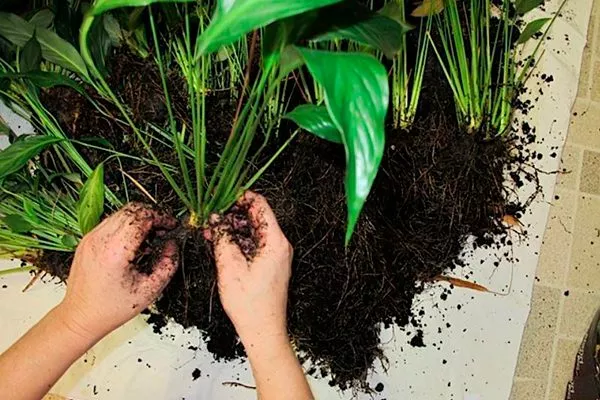
One effective method for propagating spathiphyllum is rhizome division. This method not only produces new plants but also promotes their renewal and overall health.
Step-by-step instructions:
- Select a mature, healthy plant for division. It's best to perform the procedure in spring or early summer when the plant is actively growing.
- Prepare the soil for replanting new plants. Use light, fertile soil with good drainage. You can add a little humus or compost to provide the plant with the necessary nutrients.
- Carefully remove the peace lily from the pot, being careful not to damage the roots. Wrap the root ball around the root system.
- Inspect the rhizome and identify natural divisions. Using a sharp, clean knife or spatula, divide the rhizome so that each resulting segment has at least several healthy roots and leaves.
- Plant each section in prepared soil, compacting it around the roots. Make sure the root collar remains level with the ground.
- Water the new plants generously and ensure the soil is well-drained. Then, maintain a moderate watering regime for the first few weeks after dividing.
Rhizome division is an effective way to renew and propagate spathiphyllum, allowing you to increase the number of seedlings and obtain beautiful and healthy plants.
The video provides recommendations for propagating spathiphyllum by dividing the bush:
How to propagate spathiphyllum at home using cuttings or shoots?
Spathiphyllum cuttings are rosettes of leaves separated from the growing plant. Keep in mind that these separated rosettes may or may not have their own roots.
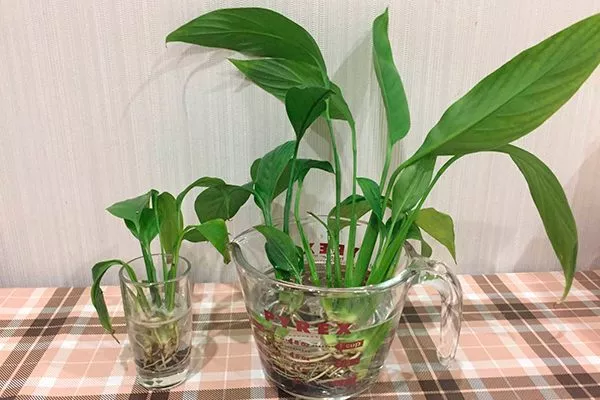
When preparing the soil substrate for spathiphyllum cuttings, follow these steps:
- Fill the bottom of the bowl with expanded clay to ensure good drainage.
- Add a layer of sphagnum moss and sand on top of the expanded clay.
- Cover the substrate with pine bark to provide the necessary structure and ventilation for the roots.
Use a ready-made soil mix for aroids or orchids, or prepare your own, following the ingredients described above. This will ensure optimal conditions for rooting and successful growth of spathiphyllum cuttings.
How to root a spathiphyllum cutting without roots?
There's a method for rooting spathiphyllum without using roots. Here's a step-by-step guide:
- Processing the cuttings. Soak the end of the spathiphyllum shoot in Kornevin (growth stimulator) and keep it in it for 20 minutes.
- Water preparation. Place the treated cutting in a glass of settled water, ensuring the water doesn't rise above the leaves and only covers the bottom of the cutting. You can add 1-2 tablets of activated charcoal to the glass.
- Covering and moistening. Wet the cutting's leaves with a spray bottle. Cover the cutting with plastic film or glass, creating a mini greenhouse. Lift the film daily to allow air to pass through and mist the plant.
- Creating humid air. The main condition is to create and maintain humid air in the mini-greenhouse. This is important to prevent the leaves from drying out before the roots emerge.
- ✓ The water temperature for rooting should not be lower than +22°C to stimulate root formation.
- ✓ The use of activated carbon in water prevents the development of pathogenic microorganisms.
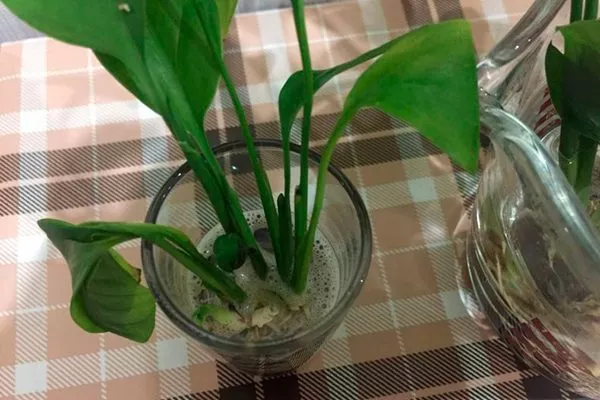
Is it possible to propagate a flower from a leaf?
Spathiphyllum doesn't always root successfully from a single leaf. Unlike some other plants, which can root from leaf cuttings, the plant doesn't usually propagate this way.
The best way to propagate peace lilies at home is by using cuttings with rosettes of leaves or by dividing an adult plant. These methods yield more reliable results and ensure higher plant survival rates.
Further care of seedlings and young plants
Young peace lilies require special care, especially when they've just been transplanted into a new pot. To maintain humidity under the pot, they're often covered with a plastic bag, even if they're tall plants.
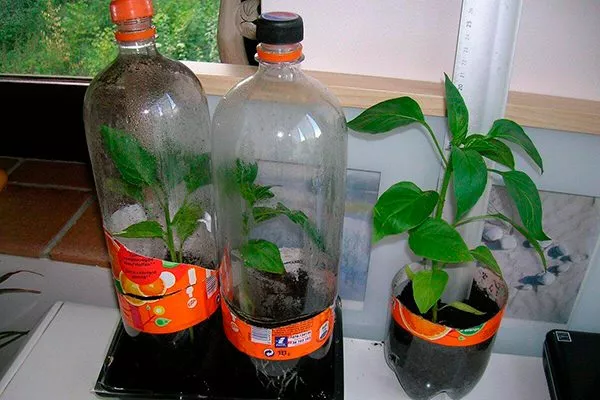
Creating a mini greenhouse from a plastic bottle is a useful idea. Follow these basic care guidelines:
- Lift the cover daily, remove condensation and spray the leaves several times a day.
- Provide bright, soft, long-lasting light, avoiding direct sunlight to prevent leaf burns.
- Make sure that the room temperature does not drop below +25°C, which is optimal for the growth of spathiphyllum.
- Water the plant when the top layer of soil dries out and regularly spray the leaves to maintain air humidity.
- Immediately after planting, refrain from watering, giving the plant time to adapt.
Although caring for a spathiphyllum may seem complicated at first glance, experienced gardeners claim that if all aspects are observed, it becomes a simple and enjoyable task.
Possible problems
Growing peace lilies can present several challenges. Effective methods for overcoming them include the following:
Propagating spathiphyllum is a fascinating and visual process that allows you to enjoy the beauty of this exquisite flower in your home. Choose the method that works best for you—dividing the bush, cuttings, or another method. Successful propagation requires meticulous care and attention to detail.
I didn't know spathiphyllum could be propagated by seeds and shoots/cuttings. I always divided the bush into sections. I tried using a leaf and petiole once – it didn't work, nor did the next four attempts. So I didn't think cuttings would work. Thanks for the information! And especially for the post-planting care instructions.