
Spathiphyllum, known as "women's happiness," is a popular houseplant, often used to decorate home or office interiors. This tropical plant, with its vibrant green foliage and attractive white blooms, is an eye-catching feature. Even with careful care, spathiphyllum can be susceptible to disease and pest attacks.
Diseases
In the early stages, the disease is easy to identify, as changes in the plant's appearance become noticeable. Leaves may show signs of wilting, curling, or become covered with yellow, brown, or dark spots. Determining the exact cause of the disease and eliminating it are key steps.
Root rot
Root rot is a common fungal disease that often attacks peace lilies. It is caused by planting the plant in low-acid soil, over-cooling, and overwatering. This leads to moisture retention in the soil and promotes root rot.
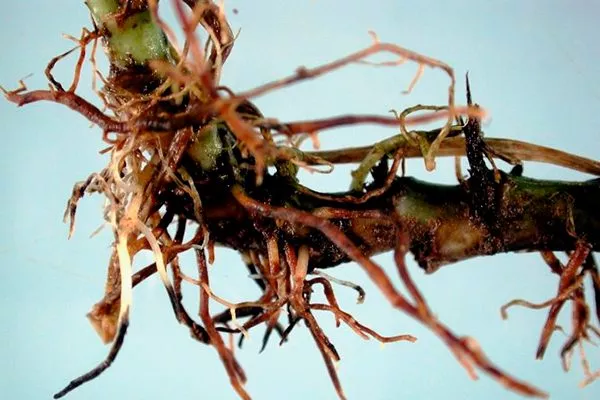
What's happening:
- Signs of root rot most often appear in hard-to-reach areas, making it difficult to detect in its early stages. As the disease progresses, it spreads to the upper portion of the plant, causing yellowing, drying, and leaf drop.
- Root rot infection can affect only some of the spathiphyllum roots, leaving others green. Determining the extent of the fungal infection requires a careful examination of the root system. The condition of the roots can be used to determine whether they are rotting or turning black.
- ✓ Use only sterile instruments to remove damaged roots to avoid re-infection.
- ✓ After treating the roots with activated carbon, let the plant dry for 2-3 hours before replanting into new soil.
White plaque
White plaque on the leaves of peace lilies is a common problem faced by many owners of these attractive indoor plants.
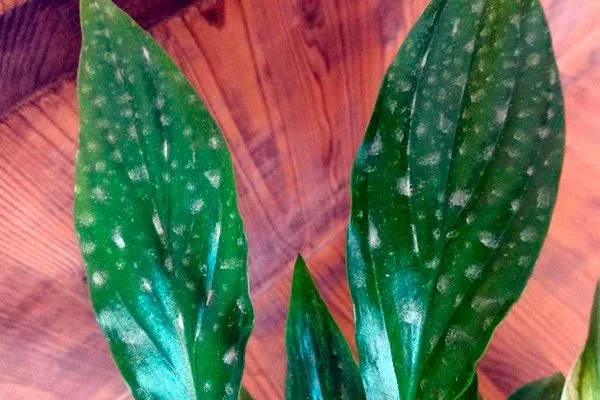
What's happening:
- This white deposit can resemble a coating of flour or pollen, giving the leaves an unsightly appearance and a dusty feel. The problem most often occurs in dry air or low-light conditions.
- The appearance of a white coating on peace lily leaves can be caused by a variety of factors. One of the most common sources is spider mites, small pests that infest the plant, feeding on its sap and causing damage to the leaves.
To combat white bloom, create optimal growing conditions for the plant by providing it with sufficient bright but diluted light and maintaining the required humidity level. If humidity is low, mist the plant regularly or use a humidifier.
Late blight
Late blight is one of the most dangerous fungal diseases affecting garden, vegetable, and ornamental plants. The disease often begins at the root collar of the plant and then spreads up the stems and leaves.
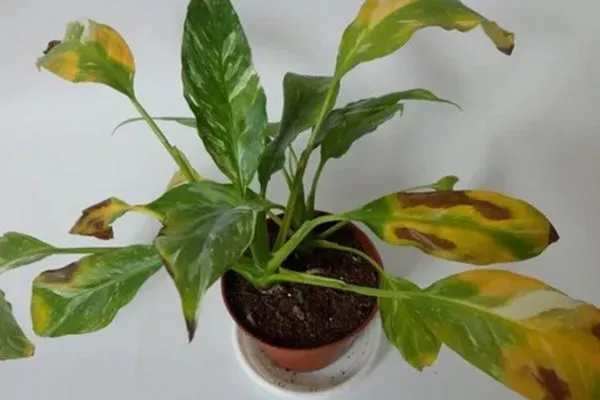
The main cause of late blight is the high activity of fungal spores caused by moisture retention in the soil. External symptoms of the disease can be varied and variable, and gardeners may sometimes mistakenly interpret them as improper care of their spathiphyllum plants:
- formation of brown spots on the leaves of the plant;
- increase in the size of spots and their spread over the entire leaf surface;
- weakening of stems;
- loss of leaf elasticity;
- deformation, drying and wilting of various parts of the spathiphyllum.
- ✓ Late blight is often accompanied by a specific rotten smell, which is absent with other diseases.
- ✓ Affected areas of the plant, when examined under a magnifying glass, may show microscopic fungal spores, which is a unique sign of late blight.
Phytosporosis
Spathiphyllum leaf spot is a fungal disease that can affect this houseplant. Caused by the fungus, it can cause serious health problems for the plant.
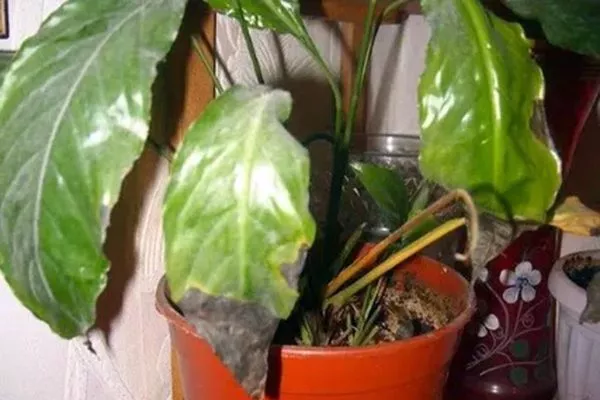
What's happening:
- One of the main symptoms of late blight is the appearance of brown spots on peace lily leaves. These can vary in shape and size, and over time, they spread, coalesce, and lead to a general wilting of the leaves.
- Phytosporosis may be accompanied by the release of a watery fluid from the affected areas.
- The infection process begins with fungal spores that are spread by damp conditions. Spores can enter the plant through infected leaves or roots, especially if the soil is excessively moist. Insufficient ventilation and overheating can contribute to the development of this fungal disease.
Sooty mold
Spathiphyllum disease can appear when the plant's pot is taken outside in the summer and placed under infected trees. A black coating on the leaves interferes with photosynthesis and often appears under walnut trees.
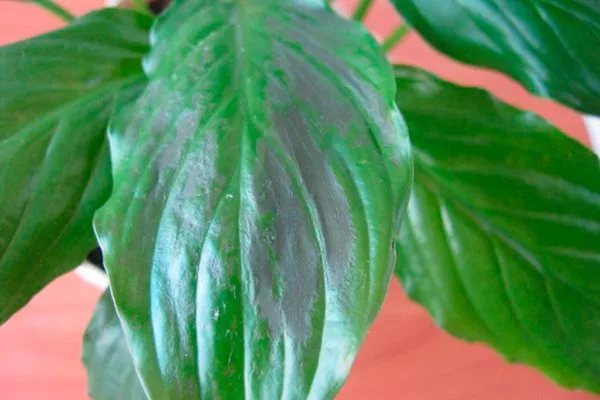
The spread of the fungus is also facilitated by pest infestations, accompanied by gummosis—the leakage of cellular fluid—and the secretion of honeydew. The disease can be treated by washing the vegetative parts with laundry or green soap.
Gummosis
Gummosis is a bacterial disease that can affect spathiphyllum plants, causing their leaves to darken. Gradually, the leaf blades turn completely black and curl into tubes.
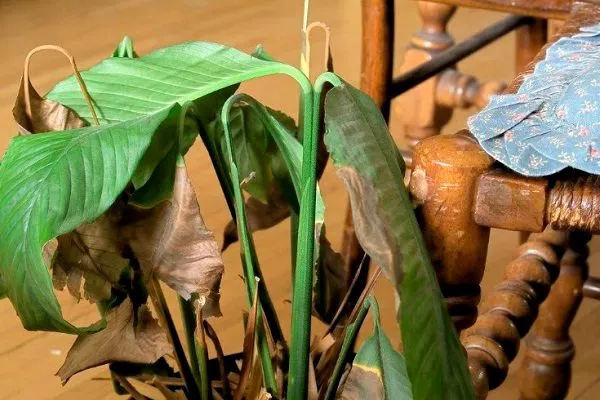
Treating peace lilies for gummosis is only possible in the early stages of the disease. To do this, carefully remove all affected areas of the plant. Treat the remaining parts with a solution of laundry soap and special antibacterial products, which are available at specialty gardening stores.
Chlorosis
Chlorosis is a disease caused by a deficiency of chlorophyll, the plant pigment that gives leaves and other plant parts their green color. Chlorophyll plays a key role in photosynthesis, and its deficiency can lead to serious disruptions in the process, including complete or partial yellowing of the leaves.
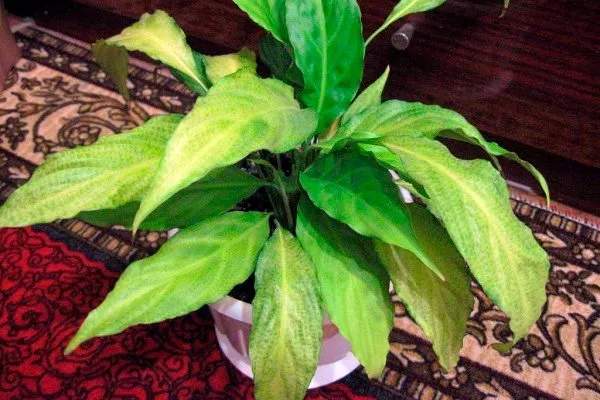
To treat spathiphyllum, it's important to compensate for iron deficiency in the soil. To do this, use fertilizers containing this mineral. Florists recommend the following products: Ferovit, Micro Fe, Orton Micro-Fe, Ferilen, Brexil, Helatin, or iron chelate.
Black spot, a bacterial or fungal disease
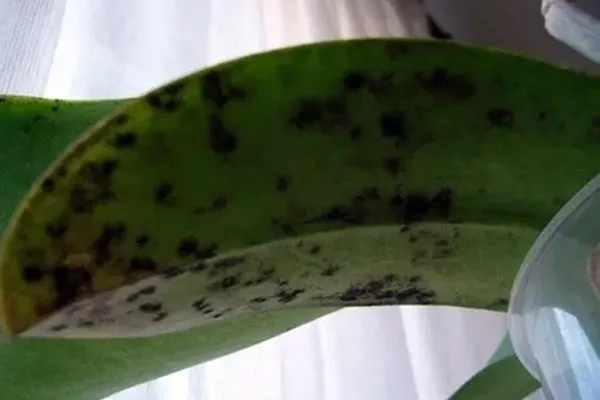
Black spot, a bacterial or fungal disease of spathiphyllum, is a disease caused by bacteria or fungi that attack this houseplant, causing serious changes to its appearance and health.
What's happening:
- One of the main signs of the disease is the appearance of black or dark spots on the leaves of the peace lily. These spots can vary in shape and size, and their presence indicates that the plant is infected with pathogens.
Gradually, the spots spread and merge, which can lead to the leaves wilting and falling off. - Black spot, a bacterial or fungal disease, on peace lilies is caused by a variety of factors, including waterlogged soil, poor ventilation, and changes in temperature and humidity.
Pathogens such as bacteria or fungi can enter the plant through damaged areas caused by injury or improper care.
Controlling this disease involves a number of measures. An important step is to prevent overwatering and ensure good ventilation around the plant. If spots are detected, remove affected leaves.
Burns
If your spathiphyllum is on a windowsill, its leaves may frequently come into contact with the glass. In summer, the glass heats up from the sun, and in winter, it can freeze, increasing the risk of leaf scorch and tissue death.
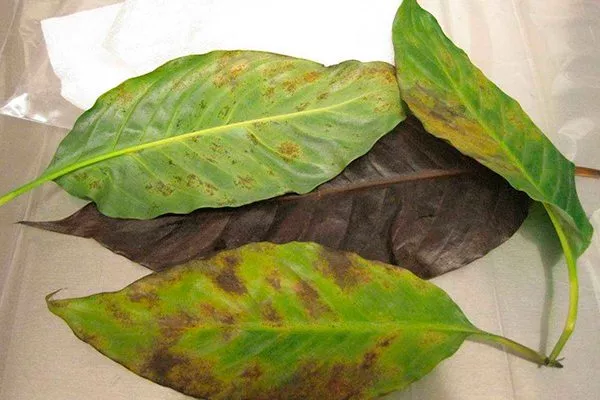
This process is often accompanied by gummosis, which is the release of gum - an intercellular fluid formed during mechanical damage to the plant or as a result of certain diseases.
Other problems
Gardeners often encounter various problems with their spathiphyllum plants. Leaves may turn yellow, curl, and so on. It's important to address these issues promptly to save the plant.
If the leaves are burning
This clearly indicates that the plant is in bright sunlight and its leaves have suffered from sunburn.
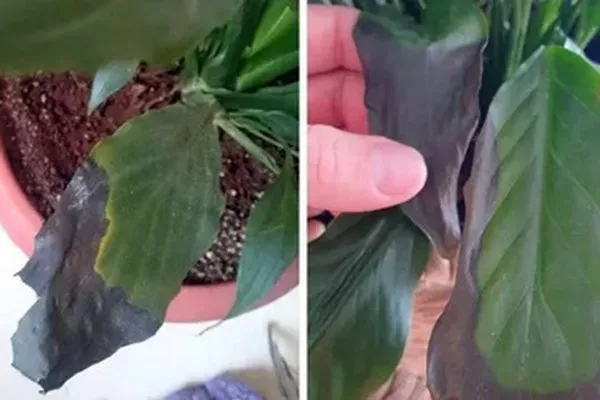
Move the plant pot to partial shade. Carefully remove any damaged (burned) leaves using a sharp knife or scissors, then treat the cuts with charcoal. Next, move the plant to a shaded location with diffused light. Carefully care for the plant, misting it regularly.
They curl up
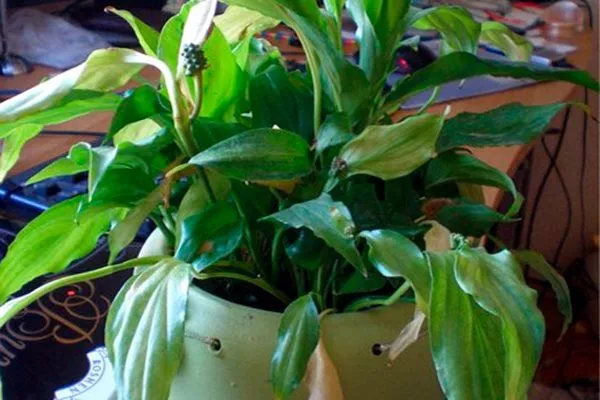
There are several reasons why this plant's leaves curl. One is a lack of humidity, which indicates the surrounding air is too dry for this plant.
Helpful tips:
- Remove all damaged (curled) leaves, as well as those whose tips have just begun to dry out, as they will not regain their green color.
- Place the flower under a warm shower.
- Maintain a regular misting regime and provide the necessary humidity in the room.
Place a small decorative fountain or bowl of water next to the plant, place the pot in a container with liquid and pebbles or expanded clay, or purchase a humidifier.
By paying attention to these aspects, you can avoid problems with leaf curling.
Became small
The disease can be caused by a nutrient deficiency. This can occur due to insufficient fertilization, when the plant receives fertilizer infrequently or in too small quantities. Small leaves can also be a result of using stale and nutrient-poor soil.
To remedy the situation, repot the plant, choosing a new pot and a suitable substrate, especially for aroids, which can be easily prepared from peat, sand, humus, and turf soil. After repotting, strictly adhere to the required fertilizing schedule.
They are fading
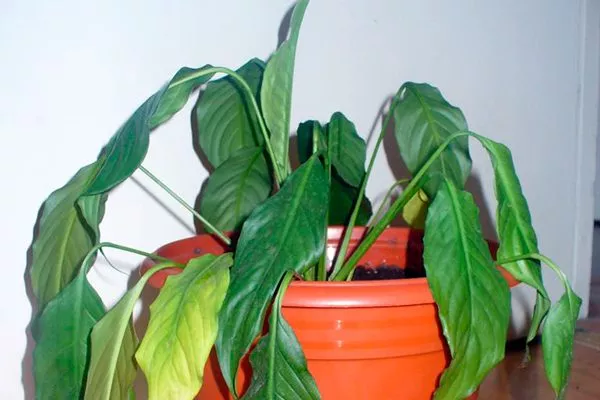
The main factor causing leaf wilting is a lack of moisture at the roots. This indicates significant soil dehydration. It is recommended to water the plant and then submerge it in a bowl of water for 15 minutes to ensure the soil is thoroughly saturated on all sides.
They turn yellow
Spathiphyllum leaves can turn yellow due to excess sunlight. In this case, simply providing the plant with shade, removing it from direct sunlight, or moving it to a darker location after carefully removing all yellow leaves, is sufficient.
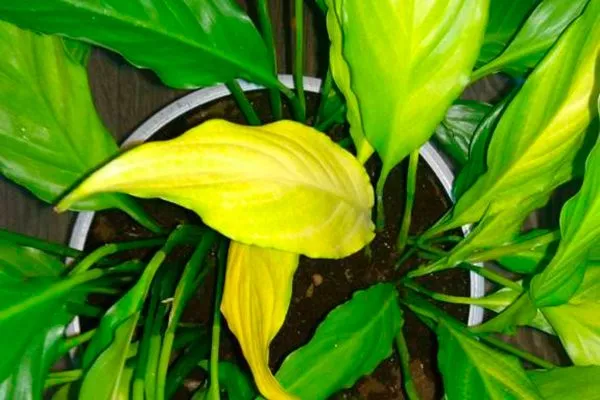
Another possible cause of yellowing leaves is spider mites. To rule out these pests, inspect the undersides of the leaves. If, in addition to yellowing, you notice brown spots, the plant should be treated immediately with Actellic insecticide.
They turn brown
Brown leaf tips on peace lilies can be caused by several reasons. Let's take a closer look:
- Excess of fertilizers. This can lead to rapid deterioration of the plant's condition. Brown spots appear and quickly spread across the leaves, eventually leading to their death.
If these symptoms occur, take immediate action. Remove the plant from the pot, rinse the roots under water, and remove any damaged leaves. Then repot the plant in fresh soil, spray, and water. Do not apply fertilizer for a month, then gradually increase the amount. - Overcooling of roots. This problem often occurs if the plant is watered in the evening when the temperature drops sharply at night.
In this situation, remove the plant from the cold windowsill and avoid watering it in the evening. Trim off any damaged leaves, and spray the plant with an Epin solution to relieve stress. - Attack of the scale insect. Inspect the plant carefully, especially for raised brown plaques that appear to be attached to the leaf. If scale insects are found, remove them by hand, then treat the plant with an insecticide such as Aktara or Actellic.
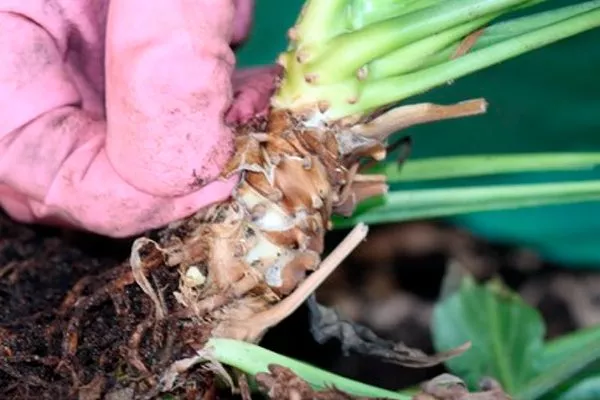
If your spathiphyllum is damaged by pests, try treating the plant with garlic or tobacco infusion.
It's getting dark
Spathiphyllum leaves may turn dark due to low room temperatures. If this happens, remove all darkened leaves and create comfortable temperatures for the plant.
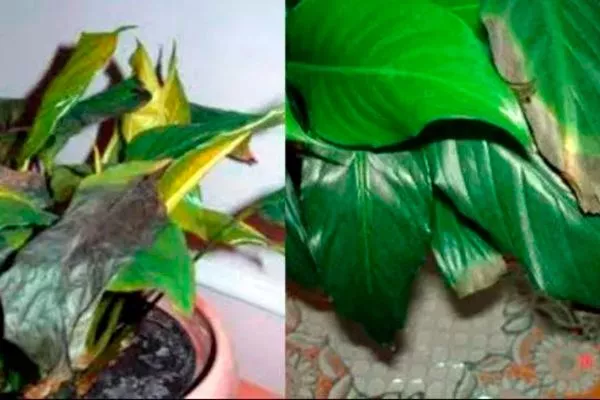
Setting the optimal temperature for spathiphyllum can be easily accomplished using an air conditioner.
They are falling off
Leaves, ranging from wilting or yellowing to falling off, indicate the possible presence of harmful insects. First, remove the damaged leaves. Then, treat the bush with tobacco crumbs or tobacco infusion. If these methods don't produce the desired results, apply an insecticide.
They grow abundantly, but the perennial does not bloom.
This phenomenon can be caused by an improperly selected pot, especially one that's too large. In this situation, the plant actively develops its root system and foliage, but flowering does not occur until the roots fill the entire soil.
If this problem occurs, repot the plant into a smaller pot. The container should be slightly larger than the root ball.
Spathiphyllum flowers are turning green
The snow-white spathe is enveloped in a delightful fragrance for 3-4 weeks after the bud opens. After this period, the flowers gradually fade and change color, taking on a greenish tint. This process is a natural manifestation of aging.
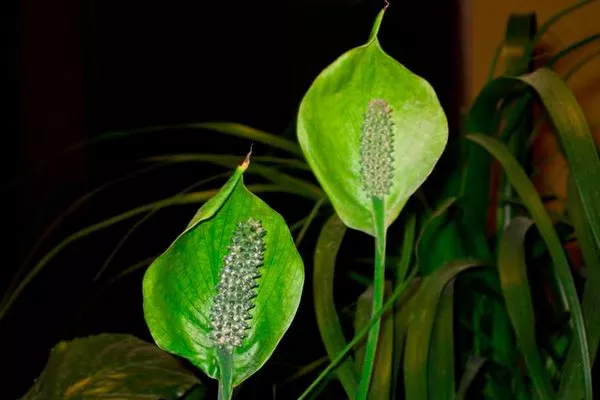
To maintain health and encourage new blooms, trim old flower stalks at the base. This allows the plant to conserve energy that would otherwise be spent caring for faded parts. Pruning encourages new growth and repeat blooms.
Pests
Spathiphyllum can be susceptible to pest attacks. It's crucial to promptly identify pests, as early stage infestations can resemble those of tropical plants.
Mealybug
If your spathiphyllum is showing signs of deterioration, such as slow growth or loss of ornamental beauty, it may be under attack by mealybugs. What's happening:
- These pests, which live in the axils of the leaves, feed on the plant's juices and can cause significant damage to it.
- The main indicators of mealybug infestation include the appearance of a white, cottony coating on the leaves, as well as droplets of a sticky substance on their surface. Affected leaves may have light, yellow, or reddish spots.
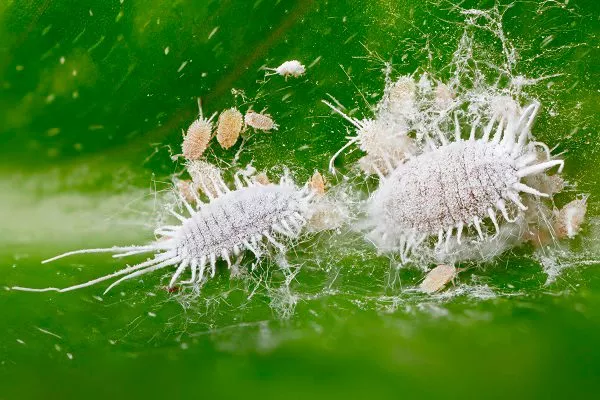
For a mild infestation, you can try to get rid of mealybugs using folk remedies. One option is to treat the plant with an alcohol solution (add 10 ml of alcohol and 15 ml of liquid or grated laundry soap to 1 liter of water).
In cases of severe mealybug infestation, insecticides are more effective. Use Actellic, Aktara, Mospilan, Confidor, Iskra, Biotlin, or Fitoverm.
Aphid
Aphids are one of the most common pests that attack peace lilies. These insects feed on plant juices, extracting them from the succulent leaves. This can cause the leaves to dry out, curl, and fall off.
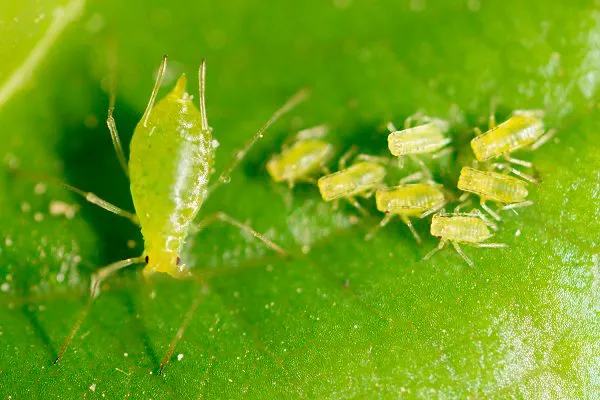
If the pest infestation is small, you can try to get rid of them using soap sprays. It's important to cover the soil in the flowerpot with plastic film to protect the plant's root system from aggressive influences.
In cases of widespread infestation, folk remedies may prove ineffective, and in such cases it is recommended to use insecticidal preparations such as Inta-Vir, Confidor, Aktara, Actellik, Iskra, Fufanon, Tanrek, Biotlin, Fitoverm.
Scale insect
Scale insects on spathiphyllum are easily recognized by the dark spots and bumps that cover the leaves. Over time, these dark spots may also appear on the plant's stems. Leaves affected by scale insects typically have yellowish-brown plaques.
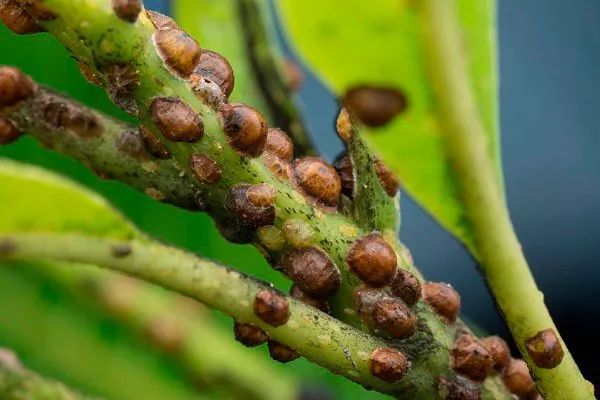
A diseased peace lily plant begins to slow down and loses buds and leaves. Since scale insects typically form large colonies, the plant can quickly die.
To treat spathiphyllum, treat it with insecticides such as Iskra, Doctor 8 Arrows, Fitoverm, Actellic, or Metaphos. In advanced cases, use Fosbecid, but only apply it outdoors due to its toxicity.
Spider mite
Spider mites are a common problem for those growing peace lilies indoors. These microscopic pests can be identified by tiny yellow spots on the plant's leaves.
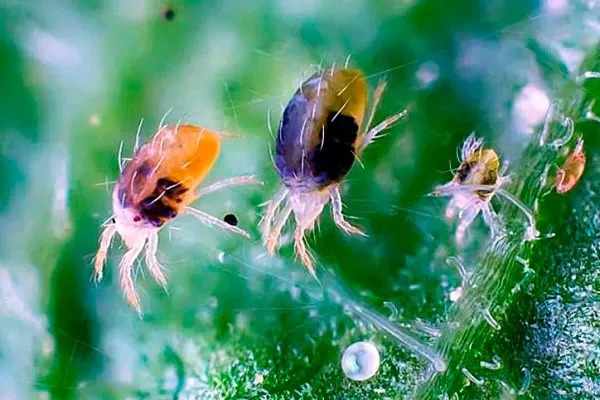
When spathiphyllum leaves are affected, mites turn them pale, discolored, and dry out. When turning the leaf, you can see a cluster of mites covering the plant in a fine web. This disrupts normal photosynthesis, leading to stunted growth and subsequent wilting.
To combat spider mites on spathiphyllum, effective and safe preparations approved for home use are used, such as Fitoverm, Matrin Bio, Actellic, Omite, Fufanon, and Bitoxibacillin.
Thrips
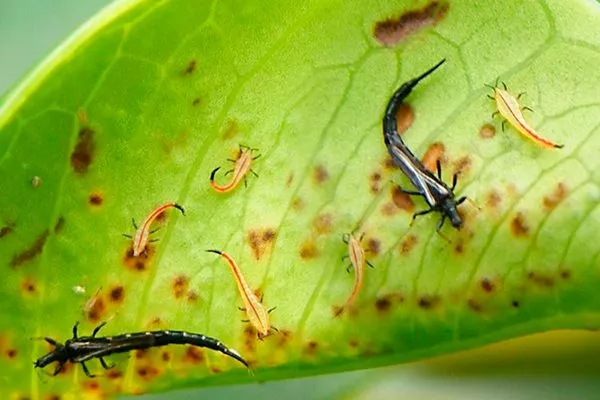
This fast-moving but weak-flying pest is an elongated insect, ranging in size from 0.5 to 2 mm. It lives on the underside of leaves, easily moves between plants, and can be controlled with Actellic.
Disease prevention
The main preventative measure for preventing most spathiphyllum diseases is proper care at home.
Follow the recommendations:
- Use fresh potting soil each time you repot. If you're using prepared soil, no additional steps are required, but if you're preparing your own, it's best to bake it in the oven or freeze it in the refrigerator.
- Treat pots and various tools. These recommendations also apply to propagating "women's happiness." If you discover rotten or dried roots during repotting, remove them immediately, treating the cut areas with cinnamon powder.
- Spray using a fine-mesh sprayer. It's important that the water droplets don't fall on the leaf surface, but rather form a cluster of microdroplets over the entire plant to prevent the risk of active rot spread.
- Regular spraying with Fitoverm is an effective preventative measure.
- To maintain the required level of humidity in winter, place containers of water next to the pot.
Inspect your spathiphyllum regularly, as visual symptoms of disease are key to identifying them, which contributes to successful treatment.
Follow-up care after illnesses
After treating your spathiphyllum for disease or pest infestation, it's important to take a number of measures to ensure the plant's continued health and beauty. Follow these recommendations:
- Restore optimal conditions to the plant: maintain the desired temperature, lighting, and humidity in the room.
- Inspect your peace lily regularly to spot any changes or problems.
- Maintain a moderate watering regime, avoiding excess moisture, which can promote disease development.
- Feed your spathiphyllum with fertilizer based on its nutrient needs. This will help maintain healthy growth and blooms.
- Use preventative methods such as spraying with fungicides or insecticides to prevent diseases and pests from returning.
- Repot the plant in new soil if necessary, especially if the diseases were related to soil problems.
- Avoid placing the plant in conditions that may encourage disease, such as cold drafts.
- Keep an eye on the plant's roots, making sure the soil doesn't become oversaturated and that there is good air circulation.
Despite its beauty and resilience to some adverse conditions, peace lilies can be susceptible to various diseases and pests. Early detection and effective treatment of these problems are essential for maintaining the plant's health and beauty.