
Spathiphyllum Sweet is an ornamental plant that not only decorates balconies and loggias but also thrives indoors. This plant freshens the air and purifies it of unpleasant odors and various impurities. When growing spathiphyllum, it's important to follow certain rules and provide proper care.
Botanical description
Spathiphyllum Sweet grows naturally in South and Central America, and is also common in regions of Southeast Asia. This plant's natural habitat includes riverbanks and lakeshores. It thrives in a warm, tropical climate.
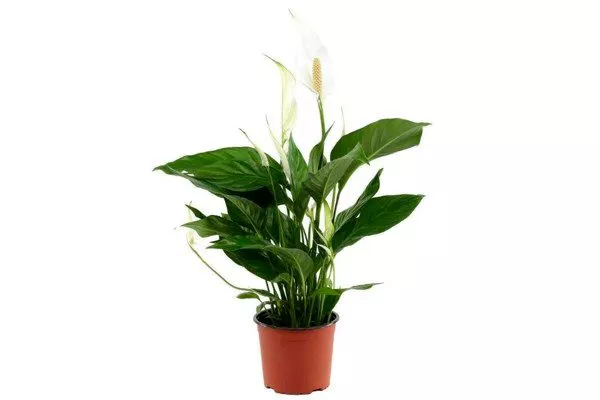
Spathiphyllum Sweet is a stemless perennial herbaceous plant belonging to the Araceae family. Its lanceolate leaves emerge directly from the soil. The flowers are decorative clusters of cream, yellow, or soft pink, surrounded by a white spathe.
What is the difference from other representatives?
The main difference between the Sweet Spathiphyllum and other species is its unique appearance. During flowering, a white spathe appears at the top of the flower stalk, while the flower and leaves of this variety are approximately the same size.
Medicinal properties
Spathiphyllum has high phytoncidal activity, allowing it to effectively purify the air of pathogenic bacteria in the atmosphere. Experts recommend placing this plant in apartments, offices, and other spaces, especially those with moldy odors or high humidity.
Poisonous or not?
Placing the Sweet Peace Lily in a child's room is not recommended, as this plant poses a potential danger to those with weakened immune systems. The sap of the peace lily is poisonous, and children, as well as pets, may be prone to biting its leaves.
This can cause adverse effects, such as allergic reactions, inflammation of the mucous membranes of the mouth, esophagus, and eyes, and digestive problems. If any of these symptoms occur, it is recommended to seek immediate medical attention and call an ambulance.
When and how does it bloom?
Spathiphyllum begins flowering within 6-7 months after planting and continues to bloom for up to 30 days. During this period, the plant should be provided with moderate watering, good lighting, and fertilized with phosphorus and potassium fertilizers.
- ✓ Optimum temperature for flowering: +21-26°C in summer, not lower than +14-15°C in winter.
- ✓ Air humidity should be maintained at a level of at least 50%, with regular spraying.
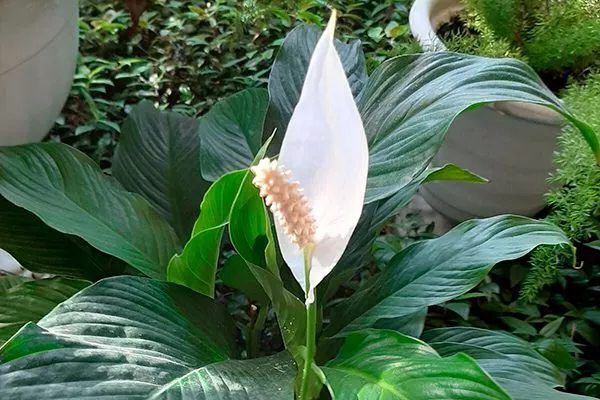
The absence of flowering may be due to the following reasons:
- Insufficient lighting. Spathiphyllum requires bright but indirect light. Insufficient light can delay or completely prevent flowering.
- Violation of irrigation standards. The plant should be watered moderately, avoiding over-watering or over-wetting. Too little or too much moisture can affect the flowering process.
- Incorrectly selected pot size. An inappropriately sized pot can slow root growth and, consequently, affect flowering. It is recommended to repot the plant into a larger container when necessary.
These factors should be taken into account and growing conditions should be adjusted to restore flowering of Spathiphyllum Sweet.
Description of subvarieties
Breeders have only recently begun actively developing new varieties. Currently, there are 45 different varieties of this houseplant, each with its own unique characteristics.
| Name | Plant height (cm) | Leaf shape | Color of inflorescences |
|---|---|---|---|
| Sweet Lauretta | 80 | Elongated oval | Cream, yellow, soft pink |
| Sweet Silvio | 75 | Smooth with wavy edges | Large, exquisite |
| Sweet Chico | 70-75 | Large, smooth, oval-shaped | Snow-white |
| Sweet Romano | 40 | Dark green, elongated oval or lanceolate | Not specified |
| Sweet Benito | 35 | Narrow, shiny | Up to 15 inflorescences |
| Sweet Pablo | 55 | Glossy surface, smooth texture | Not specified |
Sweet Lauretta
This variety of spathiphyllum is a relatively young plant, bred in 2001. The leaves of this species have an elongated oval shape and light veins.
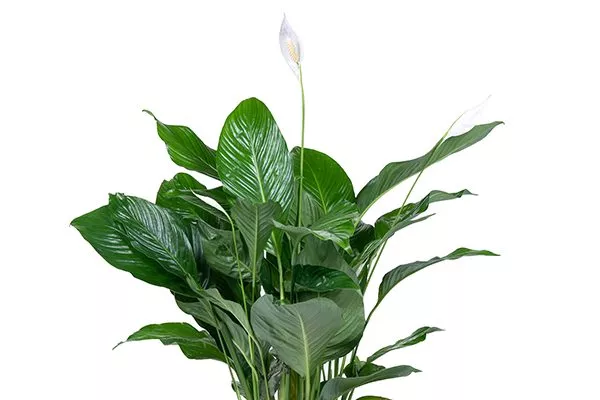
The plant's bushes reach a height of 80 cm, spreading up to 85 cm in width. They are characterized by a tall petiole, at the end of which are located inflorescences directed upward.
Sweet Silvio
Silvio is a very impressive variety of Spathiphyllum, distinguished by exquisite flowers reaching up to 75 cm in size. Its characteristic features include abundant foliage, large inflorescences, and a rapid growth rate.
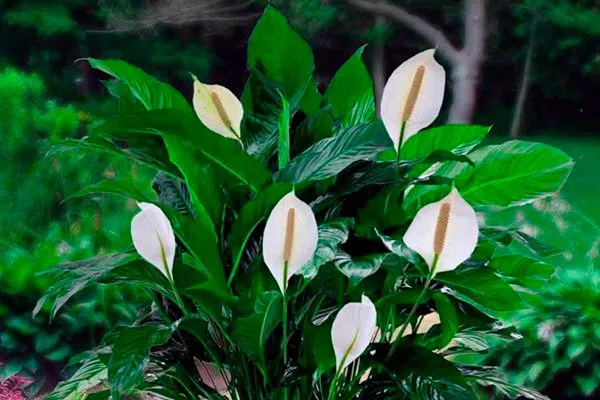
The plant has smooth leaves, reaching a length of up to 30 cm, with graceful wavy edges.
Sweet Chico
This tall variety of peace lily reaches a height of 70-75 cm. The bush has a voluminous structure, and the flowers are large and flawless white. The leaves are large, smooth, oval, and a rich green hue.
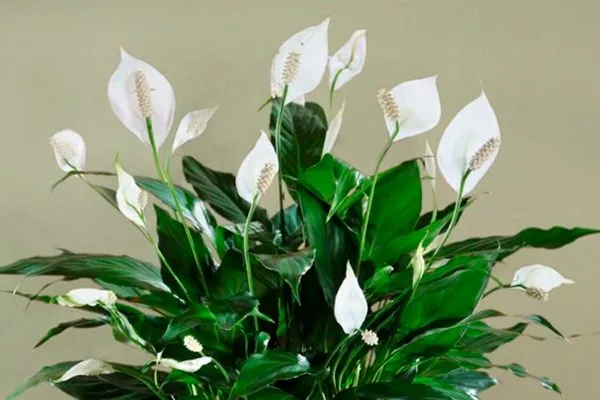
The plant is characterized by the release of flower stalks twice a year, which adds to its decorativeness and visual interest.
Sweet Romano
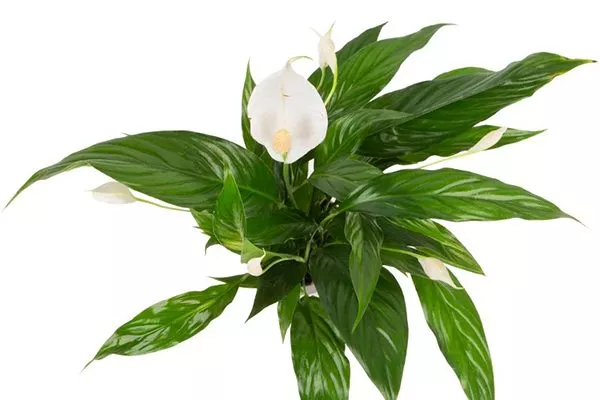
Spathiphyllum Sweet Romano is a fairly compact plant, reaching a height of no more than 40 cm. Unlike other species in this genus, this variety is characterized by tall, glossy, dark green foliage with an elongated oval or lanceolate shape.
Sweet Benito
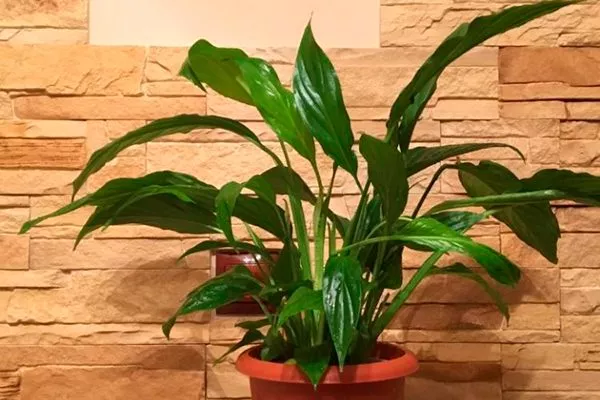
This compact variety features narrow, glossy leaves reaching up to 35 cm in length. Despite its small size, this plant can produce up to 15 inflorescences during flowering. It is climate-tolerant and thrives in a variety of light conditions.
Sweet Pablo
This variety is characterized by a rapid growth rate, resulting in a lush bush up to 55 cm tall and approximately the same diameter. The inflorescences, located on long stems, rise only slightly above the foliage.
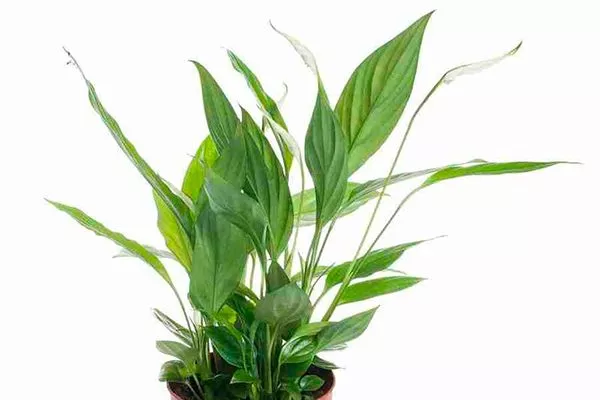
The leaves of the Sweet Pablo peace lily have a glossy surface, a smooth texture, and a dark green hue. They are attached horizontally to the petioles. When young, the leaves are erect, but with age, the petioles bend, taking on a drooping shape.
Growing conditions
Growing peace lilies can be successful if optimal conditions are created to meet the needs of this tropical plant. There are several key aspects to ensuring the care and prosperity of this houseplant.
Choosing a location
Avoid placing the plant in areas with constant drafts and protect it from cold air currents. Choose a pot that is appropriate for the size of the plant's root system. Spathiphyllum blooms best when the roots fill the container.
The correct location will create comfortable conditions for the growth and prosperity of spathiphyllum.
Humidity and temperature
To ensure abundant flowering and healthy growth of the Sweet Spathiphyllum, it's important to maintain optimal temperature conditions. During the summer, maintain temperatures between 21-26°C.
In winter, avoid dropping indoor temperatures below 14-15°C. If temperatures drop too low, plant growth will slow, and inflorescences and leaves may dry out and fall off.
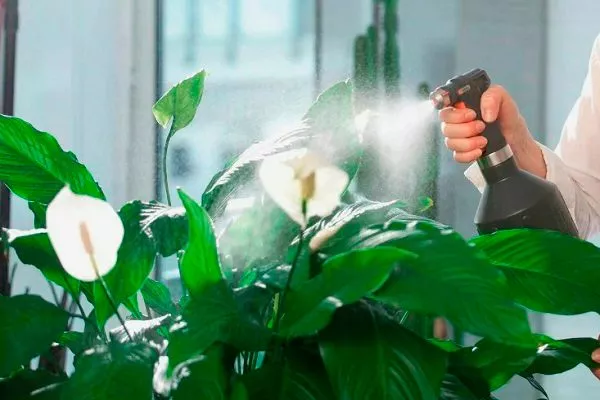
Humidity plays a key role for the tropical Spathiphyllum Sweet. It's recommended to maintain humidity at least 50%. To achieve this, mist the plant regularly with a spray bottle and give it a warm shower. During hot summer months, mist the plant twice a day—morning and evening.
Lighting for a flower
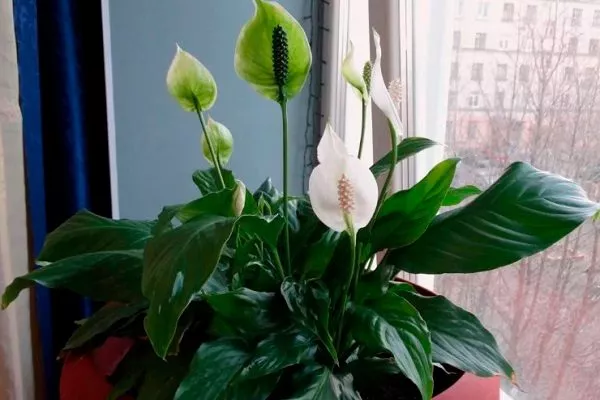
For spathiphyllum, it's recommended to choose windows facing east, north, or west. The plant prefers good light but doesn't tolerate direct sunlight on its leaves. Insufficient light can cause the foliage to become small and elongated, a sign of insufficient light.
Soil requirements
To successfully grow peace lilies, it's important to provide it with suitable soil that balances moisture, breathability, and nutrition. Here are a few key points regarding suitable soil for the plant:
- Soil structure. Spathiphyllums require light, loose soil that ensures good air circulation in the root zone. Loose soil allows moisture to quickly penetrate to the plant's roots.
- Soil acidity. Spathiphyllums prefer slightly acidic or neutral soil with a pH between 6.0 and 7.5. This can be achieved by mixing acidic and neutral components when preparing the potting mix.
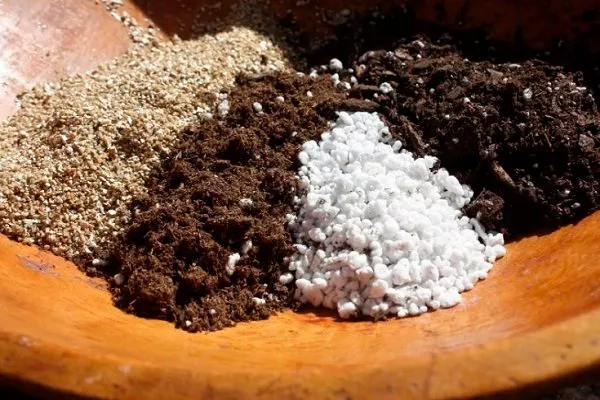
- Drainage. Good drainage is important to prevent excess moisture, which can lead to root rot. Adding materials such as sand or perlite improves soil drainage.
- Nutritional value. Spathiphyllums need nutrients for healthy growth. Use a general-purpose potting soil for indoor plants or create a mixture of peat moss, humus, and sand in equal proportions.
- Moisturizing. The soil should retain moisture but not be overly wet. This will help prevent the root system from becoming waterlogged.
Spathiphyllums can be sensitive to chemicals in the soil, so using natural and organic ingredients is preferable.
Caring for a flower at home
Spathiphyllum Sweet is popular for its unique combination of ornamental beauty, tolerance to adverse conditions, and low maintenance requirements. This tropical plant thrives indoors without requiring constant attention or specialized care.
Watering rules
When caring for Spathiphyllum Sweet, it's important to carefully monitor the soil moisture in the pot, avoiding either drying out or becoming too wet. Gardeners must maintain a balanced watering schedule.
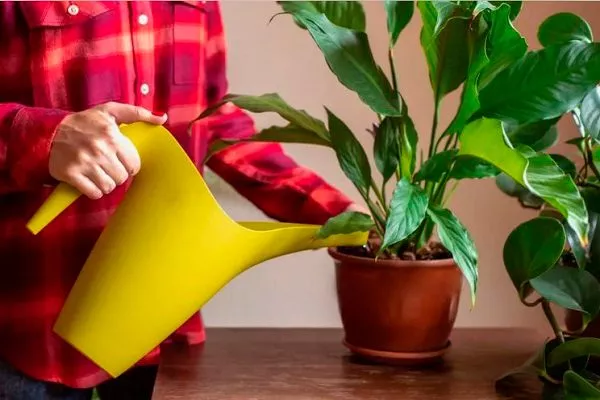
During hot summer months, water the Sweet Spathiphyllum every 2-3 days, thoroughly moistening it. Water until water begins to flow through the drainage holes. After 30-40 minutes, gently drain any excess moisture from the tray.
During winter, when the tropical plant is dormant, watering once a week is sufficient. It is recommended to mist the peace lily and wipe its foliage with a damp sponge. These measures help remove dust from the leaves, prevent pests, and maintain vibrant foliage.
Feeding regime
To ensure healthy growth and abundant flowering, Sweet Spathiphyllum requires adequate nutrients. During the summer, fertilize every 7-10 days. In winter, feeding once a month is sufficient.
- During the period of active growth (spring-summer), apply complex fertilizers every 7-10 days.
- In winter, reduce fertilizing to once a month, using half the dose of fertilizer.
- Alternate mineral and organic fertilizers to provide the plant with all the necessary nutrients.
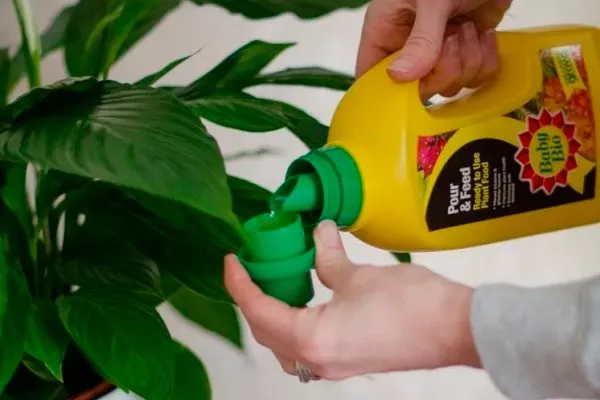
To fertilize Spathiphyllum Sweet, use ready-made complex fertilizers, which are widely available at gardening stores. Organic fertilizers can also be used, alternating them with mineral supplements.
Use mullein, bird droppings, and even infusions of nettle, banana, or orange peel. This approach provides the plant with the necessary nutrients for healthy growth and vibrant blooms.
Trimming
Spathiphyllum Sweet doesn't require formative pruning. Simply remove spent blooms after flowering and remove dried, yellowed leaves, cutting them as close to the stem as possible.
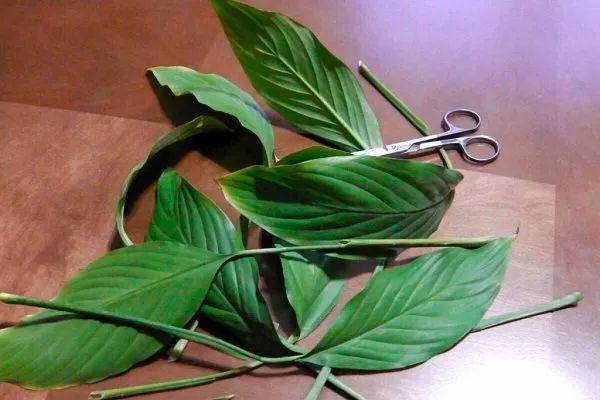
Pruning strengthens the plant, directing its energy away from supporting wilted flower buds and toward developing new, young foliage. It's important to cover the cut areas with crushed charcoal.
Transfer
Repotting spathiphyllum is one of the most important cultural practices when growing this tropical plant indoors. As the plant grows, its roots become too crowded in the pot, pushing through the drainage holes.
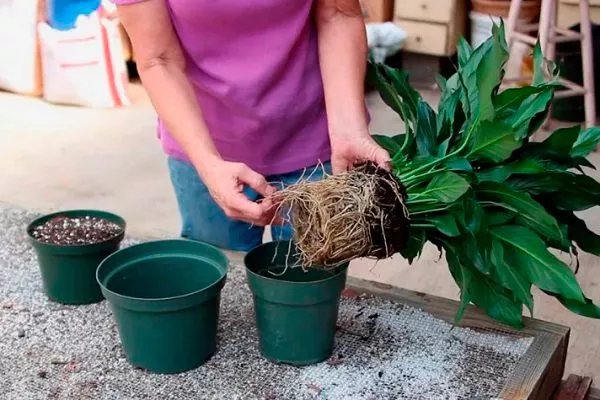
It is recommended to repot young Spathiphyllum Sweet plants annually, and those 3-4 years old – every 4-5 years. The optimal time for repotting is the first half of March, before the active growing season begins.
The transplant procedure is as follows:
- Disinfect the flowerpot. The diameter of the new container should be approximately 1.5-2 cm larger than the previous one.
- Place a 2-3 cm thick drainage layer on the bottom of the selected pot using ceramic or brick chips, small pebbles, crushed stone or expanded clay.
- Fill the pot with nutrient soil on top of the drainage to about the middle of the pot.
- Carefully remove the plant from its old container. Water the peace lily generously before repotting to ensure the soil separates easily from the roots.
- Place the plant in a new pot and fill it with nutritious soil to avoid any air pockets inside.
After replanting, lightly compact the soil and water the plant generously with settled water at room temperature.
How to propagate?
There are several methods for propagating spathiphyllum, each with its own specific rules and requirements. The following methods for increasing the number of seedlings are popular:
- Cuttings. Perform this procedure in spring or summer. First, separate the leaf rosette, then place it in water. Once roots have formed, the plant can be repotted in prepared soil.
- Dividing the bush. This method is best performed in the spring. Divide the peace lily bush into sections, each containing at least three rosettes of leaves. Plant these sections in a new pot at the same depth as the previous one. Before this procedure, untangle the roots and rinse with water.
- Seed method. To do this, plant the seeds in a pot with pre-prepared soil. Cover the pot with plastic wrap and mist the soil with water. Wait until the first shoots appear. After the first 2-3 leaves appear, transplant the plants into separate pots.
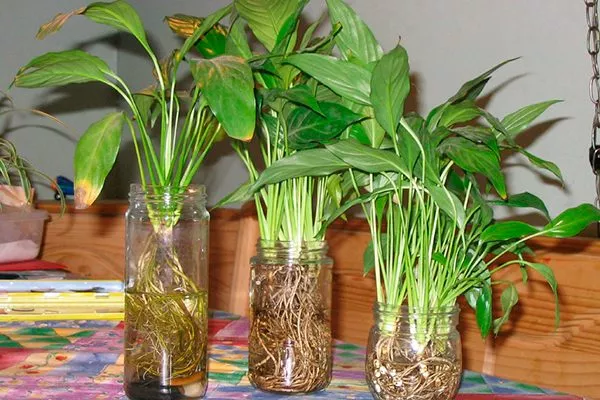
Choose the best option for you. Seed propagation is considered the most difficult method, typically used by breeders or experienced gardeners.
Diseases and pests
Spathiphyllum diseases most often affect the leaf blades. This can lead to the following problems:
- Yellowing of leaves. This occurs when watering is infrequent and the humidity in the room is too low.
- Drying and curling of leaf tips. This problem occurs when there is insufficient humidity and cold air.
- Paleness of leaves. The cause is too much light. Leaves can turn black if the root system is affected by excess moisture. Blackening of the leaves is also a result of unbalanced fertilization.
Spathiphyllum can be attacked by the following pests:
- Spider mite. It settles on the underside of leaves, covering them in a web. To control it, use a soap or onion solution.
- Aphid. It infests the underside of leaves, multiplies rapidly, and can cause leaf curl. Use a nicotine sulfate solution to control it.
- Scale insect. Covers the leaf blade with dark spots. For treatment, use a soapy solution with kerosene and tobacco added.
To prevent problems when growing spathiphyllum, it is recommended:
- Abundant watering. Water generously, but do not overwater to avoid blackening and yellowing of the leaves.
- Suitable light. The plant prefers diffused light, avoiding direct sunlight.
Spathiphyllum does not tolerate drafts and sudden temperature changes, so it is important to maintain the temperature from +18°C in summer to +16°C and not lower in winter.
Growing and caring for the Sweet Spathiphyllum is a fascinating process that can yield a delightful, beautiful, and healthy plant. With proper care, you can enjoy not only the aesthetic pleasure of its vibrant flowers and elegant foliage but also the benefits it provides to your indoor air.