
Picasso is one of the most interesting and vibrant varieties of peace lily. It has won the hearts of many florists with its incredibly extravagant coloring, ease of cultivation, and relative ease of care. Even a novice amateur gardener can master this feat, creating a green accent for their home or office.
How and when did the variety appear?
The plant was originally discovered in the 19th century by the German plant breeder Wallis. Spathiphyllum gets its name from the translation, which means "spaphyllum leaf." The plant is characterized by a flower resembling a sail that does not flutter in the wind.
In the mid-20th century, botanists from the United States and Europe began working on creating easy-to-grow hybrid varieties. One such variety is Picasso.
Description of the variety
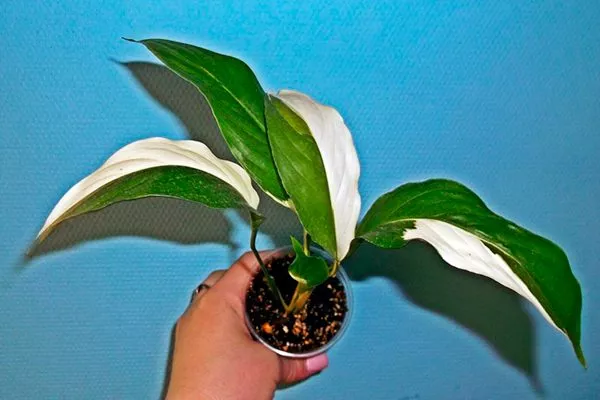
Spathiphyllum Picasso is a hybrid variety developed in the Netherlands and reaches a height of 45-50 cm. This plant lacks a stem entirely, with leaf blades growing directly from the root, forming a basal rosette.
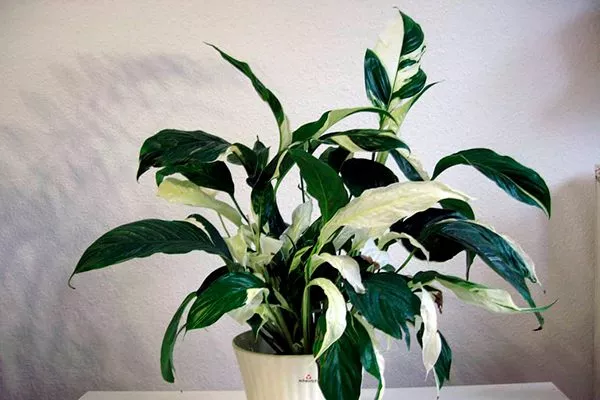
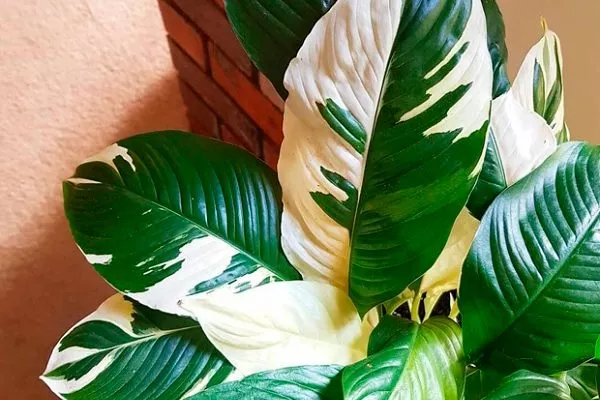
- ✓ The leaves have an uneven color with white blotches, which is a unique characteristic of the variety.
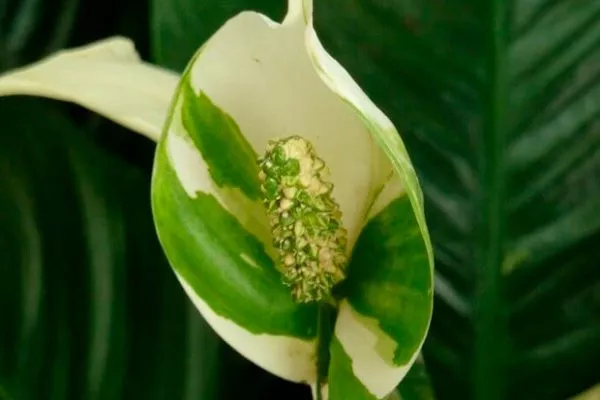
- ✓ The flowers are white with delicate green specks and a slight yellowish tint at the base.
The leaves have a distinctive sheen and greasy texture, extending from 20 to 25 cm across. The blades are medium-thick and tapering at the tips. The leaf coloration is uneven, with rich green intertwined with white flecks. The petioles are long and flexible, and the flower shape resembles a sail.
How is it different from other varieties?
The main characteristic of the Picasso variety is its unusual flower color, where light green shades intertwine with white. Indoor specimens grow into a spreading mound, while requiring little care.
Beneficial properties
The plant lacks medicinal properties that would support its cultivation on an industrial scale. Therefore, the spathiphyllum remains a purely ornamental flower, delighting with its vibrant blooms.
Unlike many of its edible relatives, peace lilies are safe to eat after cooking. This is due to the neutralization of calcium oxalate raphides.
Is the houseplant poisonous?
Spathiphyllum is considered potentially poisonous. It's safe to grow as a decorative plant and brings joy to home decor. However, it's best to avoid chewing, crushing, or handling the crushed leaves, which release sap, to prevent skin and eye irritation.
Bloom
With proper care, spathiphyllum blooms for 1.5 to 2.5 months from mid-spring to July. Its small fruits are collected in a spadix-shaped inflorescence, with male and female flowers located on the same inflorescence.
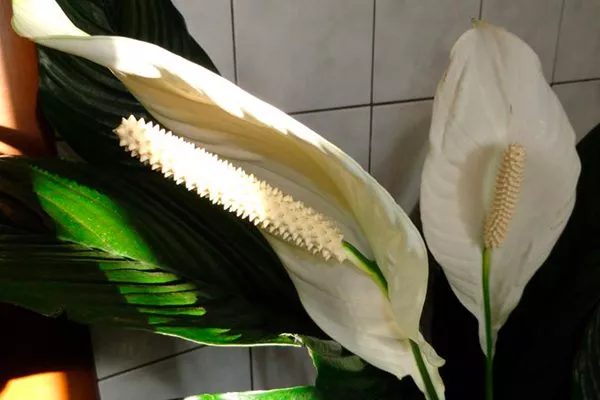
Flower size can vary depending on the spathiphyllum species. The main distinguishing feature is the white color of the flowers, sometimes with soft green hues.
Planting seedlings
Planting peace lily seedlings is a simple task that even a novice gardener can handle. The plant is easy to care for and will reward you with excellent health if properly cared for.
Choosing a pot
Spathiphyllum Picasso prefers good light, but avoid direct sunlight on the leaves. Place the pot in the southeast or east-facing areas of the room.
If placing the pot on a south-facing windowsill, protect the plant from direct sunlight, for example by covering the leaves with paper. During the fall and winter, supplemental lighting of 2-3 hours per day is required; phytolamps are ideal for this.
What should the soil be like?
Spathiphyllum Picasso prefers nutritious, light, and loose soil with a high nutrient content. In its natural habitat, in tropical rainforests, this plant thrives in these types of soil.
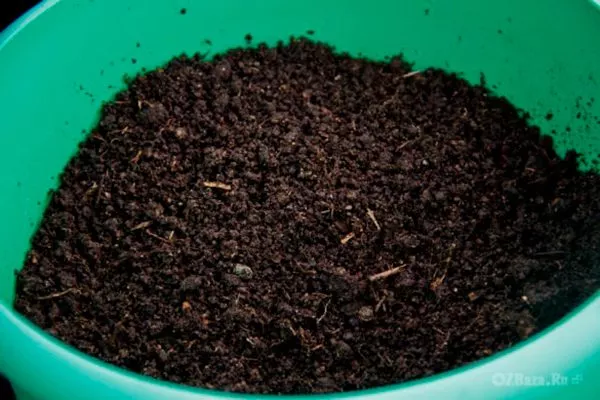
To create a suitable nutrient substrate, use the following components:
- A mixture of turf and leaf soil, peat, river sand and charcoal in proportions 2:1:1:1:0.5.
- A combination of high-moor peat, crushed pine bark, and coarse river sand in equal parts, with the addition of a small amount of charcoal and pine litter.
- A mix of leaf soil, high-moor peat and perlite in equal proportions.
- A composition including leaf soil, high-moor peat, cow dung, coarse-grained river sand and chopped sphagnum moss.
Procedure
The best time to plant is early spring, before the plant begins to bloom. Step-by-step instructions for repotting are provided below:
- Place a drainage layer at the bottom of the pot; its thickness should be 1.5-2 cm.
- Fill the pot with substrate until it is half full.
- Carefully spread the plant roots over the entire surface of the soil, giving them free space, and press the shoots with light pressure.
- Sprinkle the remaining soil on top and compact lightly.
- Water the plant generously and wait until the soil settles.
- Add soil to the top of the pot, compacting it as necessary.
- Spray the leaf blades.
- For the first five days, keep the seedling under a plastic cap.
By following these steps, you will provide the plant with favorable conditions for successful transplantation.
Home care
Caring for your Spathiphyllum is an important aspect of ensuring its health and beauty. There are several key care steps to consider when growing this houseplant.
Temperature
Spathiphyllum Picasso prefers warm conditions. A sudden drop in temperature to 10°C or below can cause disease or even death.
The ideal temperature range for its thriving is 19-21°C. During the warm summer months, when temperatures rise, it is recommended to mist the plant for additional cooling.
Lighting
Grow your peace lily indoors on east- and west-facing windows. If you place the plant on the south side, provide protection from direct sunlight.
Diffused light is ideal for the plant's development, as it promotes longer flowering and the formation of large leaves. Excessive shade can cause the leaves to stretch, turning a darker green, and increase the risk of failure to flower.
Watering
Spathiphyllum Picasso requires consistently moist soil, so it's important to maintain moisture regularly. In summer, water this tropical plant 2-3 times a week, while in winter, watering once every 7 days is sufficient.
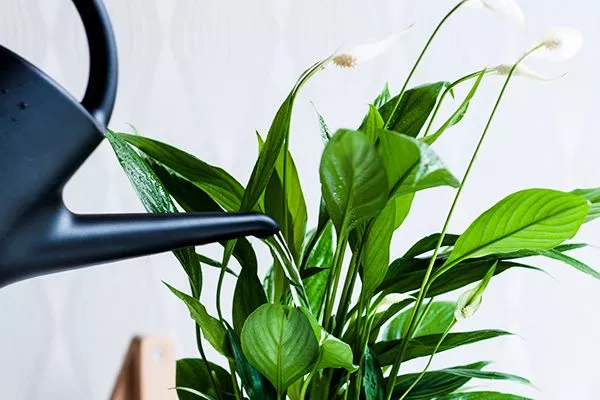
When watering, avoid allowing moisture to stagnate in the soil, as this can lead to root rot and fungal diseases, ultimately resulting in plant death. After 30 minutes, carefully remove any excess moisture that has collected in the tray.
Top dressing
Spathiphyllum Picasso requires regular feeding to ensure its full development and maintain its extravagant beauty. Fertilizers are added seasonally:
- from March to September – once every 1-2 weeks;
- from September to January – once every 2-3 weeks;
- from January to March – once every 4 weeks.
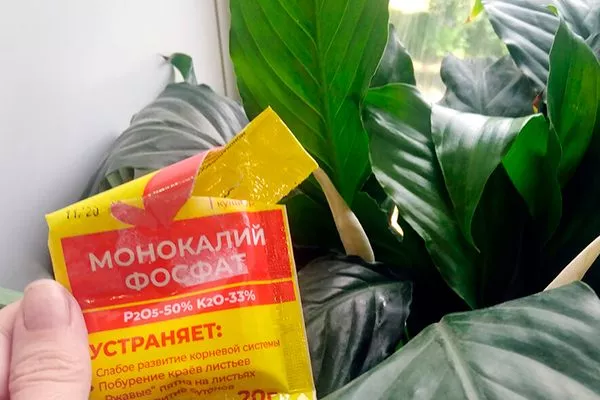
In anticipation of the active growing season, in early spring, use nitrogen-containing fertilizers to promote a healthy start. To stimulate abundant flowering and bud formation, apply fertilizers containing potassium and phosphorus.
Trimming
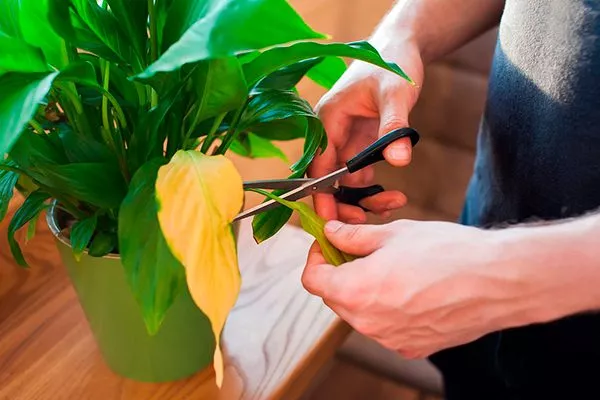
After the flowers have faded, carefully remove the flower stalks to prevent the plant from losing nutrients. Regularly trim away dead leaves and remove any damaged leaves and root sections.
Transfer
Spathiphyllum Picasso is characterized by rapid root growth, so young plants need to be repotted annually. Mature plants, 3-4 years old, need to be repotted much less frequently—approximately every 4-5 years.
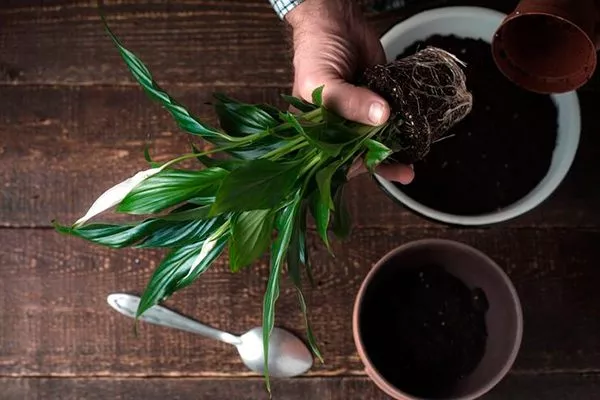
The transplant procedure includes the following steps:
- Choose a flower pot 1.5-2 cm larger than the previous one.
- Place a 2 cm thick drainage layer on the bottom of the container, using fine crushed stone, pebbles, ceramic chips, perlite or expanded clay.
- After this, add the prepared nutrient soil.
- Water the peace lily generously in its old pot and carefully remove it when the moisture has been absorbed.
- Inspect the roots of the plant, remove all damaged, blackened and rotten areas using a disinfected knife, and treat the cuts with crushed charcoal.
- Place the spathiphyllum in a new pot and fill all the empty spaces with nutritious soil.
- Lightly compact the soil, making sure that the root collar does not go too deep.
The optimal time to repot a peace lily is early spring. During this period, the plant tolerates the procedure well, recovers quickly, and adapts to its new conditions.
Care during the budding period
During the flowering period, pay attention to two important aspects: moisture and nutrition. Increase watering and apply complex fertilizers at the recommended dose. Use fast-dissolving complex fertilizers for effective plant nutrition.
Why are there no flowers?
The lack of bud formation is a clear indication that the plant is not being properly cared for. Check the pot size, ensuring it's not too large and is approximately 2-3 cm larger than the root system. Also, review the following care aspects:
- Lighting. Provide the plant with at least 12 hours of daily light. If necessary, move the pot to a brighter location or use artificial lighting.
- Watering. Water thoroughly twice a week, adjusting the amount to prevent the soil from drying out. Monitor the soil closely.
- Protection from diseases and pests. Regularly inspect the plant for fungal infections and pests. Use insecticides for prevention.
Diseases and pests
Spathiphyllum Picasso exhibits high immunity, so it is rarely affected by diseases and pests. Among insects, thrips, spider mites, scale insects, aphids, and mealybugs pose a particular threat to spathiphyllum.
In the early stages of an infestation, use folk remedies such as soapy water or tobacco infusion to wash away the insects. If there are a large number of pests, use insecticides such as Aktara, Inta-Vir, Confidor, Iskra, Fufanon, Fitoverm, or Tanrek.
If the soil becomes waterlogged, spathiphyllum can become susceptible to root rot and late blight. To treat fungal diseases, spray the plant with fungicides such as Fitosporin, Oxychom, Maxim, HOM, Skor, Topaz, and Horus.
Methods of reproduction
There are several ways to increase the number of spathiphyllum seedlings. Gardeners propagate by dividing the bush or by cuttings.
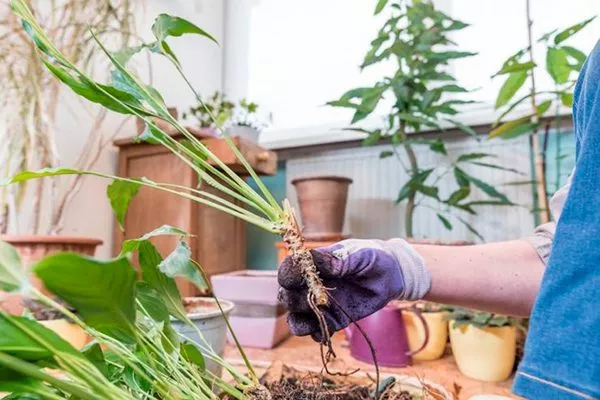
Let's look at each method in more detail:
- Cuttings. Spathiphyllum can be successfully propagated by cuttings, which root easily in damp sand. To ensure successful rooting, keep the cuttings in a warm location where the temperature is maintained at least 22°C.
Once rooting is complete, transfer the seedlings to individual pots filled with a soil mixture consisting of leaf mold and peat, with some turf and sand added. Sometimes, the cuttings are soaked in water beforehand until roots appear. - Dividing the bush. Spathiphyllum can be propagated by division. When replanting a large plant, you can not only separate the lateral shoots but also divide the root itself.
Cut the soil-free rhizome into several pieces, each containing 2-3 leaves and one growing point. It's best to divide the plant in a warm room.
Place the resulting sections in pots up to 15 cm in diameter, using a soil mixture of peat, humus, and leaf mold, with some sand added. To improve aeration, add brick chips, bark, and charcoal to the soil.
When dividing a bush after replanting, spray the cuttings rather than water them during the first few days. With proper care, such plants will begin to bloom in approximately 8 months.
How to grow from seeds?
Another method for propagating peace lilies is by seed, but it's considered ineffective. Seeds lose their viability very quickly, so they should be sown immediately after harvesting, after setting up a mini greenhouse.
In such a greenhouse, the soil must be kept constantly moist, but not excessively so. Furthermore, in addition to the complexity of the process, this method does not guarantee the production of new plants with the desired varietal characteristics, as this propagation method may not preserve the varietal characteristics.
Spathiphyllum Picasso, with its striking variegated coloring, is one of the most attractive varieties, not only for its vibrant coloring but also for its low maintenance, which wins the hearts of many gardeners. Proper care will ensure robust health and trouble-free flowering of this houseplant.