
The Chico variety is a subvariety of the Sweet peace lily, widely used to decorate residential and office interiors. Chico has an attractive appearance and possesses all the virtues of peace lilies, also known as "women's happiness."
Description
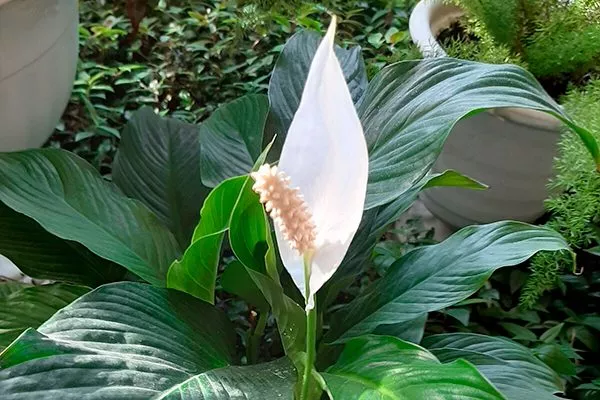
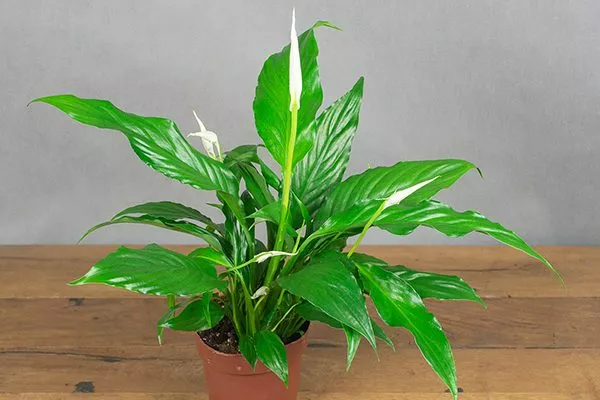
Spathiphyllum Chico is a hybrid plant growing up to 80 cm tall. It is stemless, and its leaves are rich green, oval, and glossy. Chico has large, cone-shaped leaves that are white or white-green.
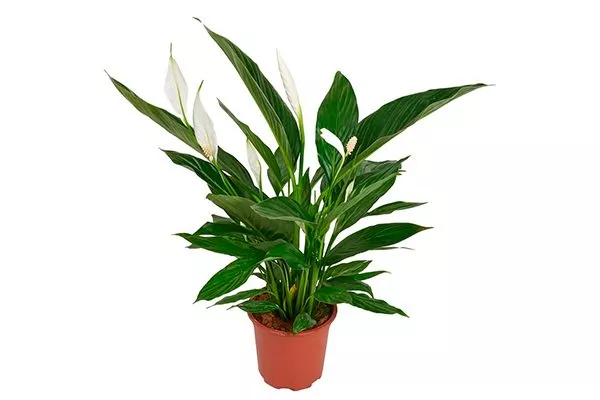
When the flower fades, its spathe turns greenish. The flowers and leaves of the Chico spathiphyllum are almost the same size.
How does it bloom?
The first bloom begins approximately six months after planting. Each flower lasts for about a month. This characteristic makes Chico flowers suitable for cut flowers and bouquets. When the plant blooms, it produces numerous stems. The flower stalks grow from the ground, giving the flower the appearance of a large fan.
How is Chico different from other sub-varieties?
| Name | Plant height (cm) | Leaf shape | Flower color |
|---|---|---|---|
| Sweet Silvio | 75 | oval, wavy edges | white |
| Sweet Lauretta | 80 | oval, elongated | white |
| Sweet Benito | 35 | narrow, glossy | white |
The Chico variety differs from other sub-varieties of Sweet and all other types of spathiphyllum, first of all, by its unusual external qualities.
What distinguishes Sweet Chico from other sub-varieties:
- Sweet Silvio. It's the same height as Chico—up to 75 cm. It has lush leaves and inflorescences. It grows quickly, and its leaves are smooth with wavy edges.
- Sweet Lauretta. This is a relatively new variety of peace lily, bred in 2021. It has elongated, oval leaves. The veins on the leaves are light. The height of the bush is 80 cm, and the width of the plant is 85 cm.
- Sweet Benito. This subvariety is characterized by its compact size. Its leaves are narrow and glossy, reaching up to 35 cm in length. When flowering, the plant can produce up to 15 flower stalks. The flower is resilient to growing conditions and quickly adapts to a variety of climates.
History of origin
Spathiphyllum Sweet is native to the tropical forests of South and Central America. This plant can also be found in the forests of Southeast Asia. The flower thrives in warm tropical and subtropical climates, preferring the shores of bodies of water.
Growing conditions
In order for the Chico spathiphyllum to grow, bloom and develop successfully, it is necessary to provide it with favorable growing conditions.
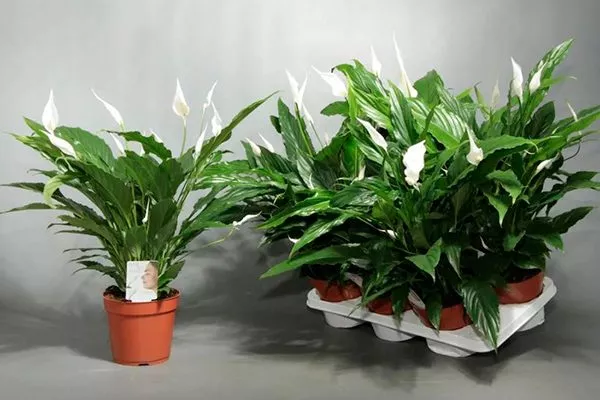
Recommended conditions:
- Light. The plant prefers bright, indirect light. Direct sunlight is undesirable, as it can cause leaf burn. Insufficient light causes the leaves to fade and shrink.
- Temperature. The optimal temperature range is from 18°C to 25°C. The plant dislikes extreme heat and sudden temperature changes. Drafts are also undesirable.
- Humidity. The plant thrives in high humidity. In summer, a shower is beneficial, and in cooler months, regular misting is recommended. It's important to avoid allowing water to fall on the flowers.
- Soil. The flower grows well in loose, nutritious substrates with a neutral pH. You can use a store-bought substrate or a homemade potting mix. For example, you can create a substrate by mixing equal parts peat, leaf mold, turf, humus, and river sand.
Landing
Planting, like repotting, is recommended in late February or early March. Any pot—plastic or ceramic—can be used. A 10 cm diameter container is sufficient for a young plant.
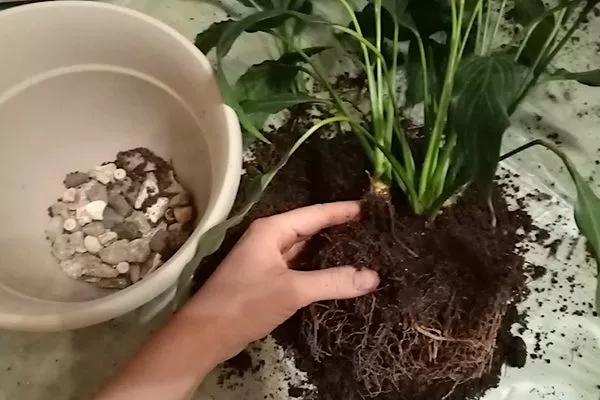
Before planting, you need to prepare the pot:
- There should be holes in the bottom to allow excess water to drain. If there is no drainage, holes of the appropriate diameter should be drilled.
- Add drainage material to the pot, layering it 2-3 cm thick. Suitable materials include expanded clay, vermiculite, and fine gravel.
- Pour the substrate onto the drainage, filling 2/3 of the pot's volume.
Prepare water for irrigation in advance. Let it sit for 1-2 days.
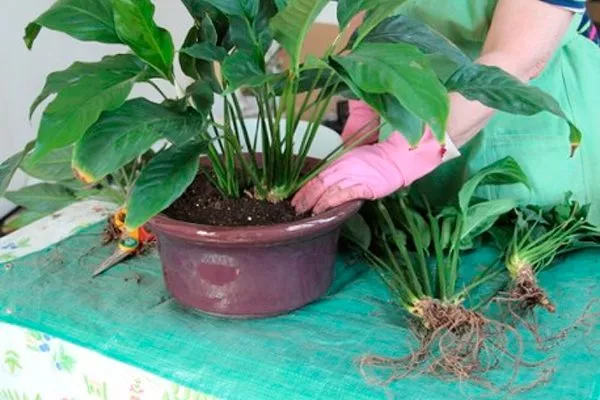
Planting order:
- Place the seedling in the pot. Carefully spread out its roots.
- Sprinkle the roots of the plant with soil and compact it lightly.
- Water the flower. When the water is absorbed, add a little soil.
Care
The Sweet Chico variety, like all spathiphyllums, is quite unpretentious, so even novice gardeners can handle growing it.
How to care for Spathiphyllum Chico:
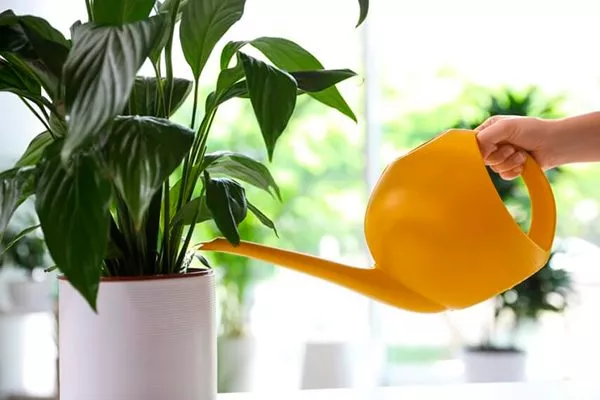
- Water it Water the flower moderately, maintaining optimal soil moisture. In summer, water the plant 2-3 times a week; in winter, reduce watering to once a week. Water should be applied to the roots, being careful not to splash on the leaves.

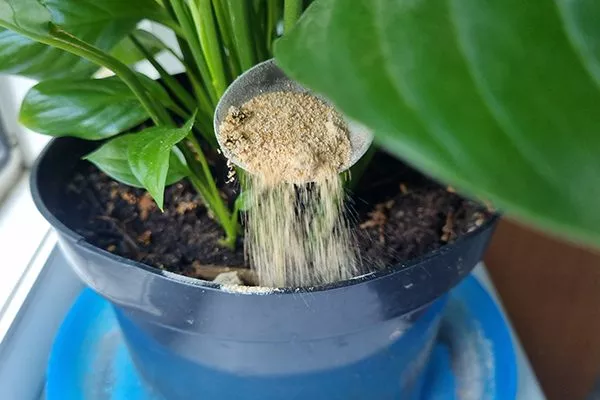
The next watering is carried out only after the top layer of soil has dried out. - Top dressing Spathiphyllum requires fertilization year-round, but the frequency varies depending on the season. From March to October, fertilize every two weeks, and once a month in winter. For supplemental feeding, use mineral complexes. The dosage is determined according to the instructions. Water the plant before and after fertilizing.
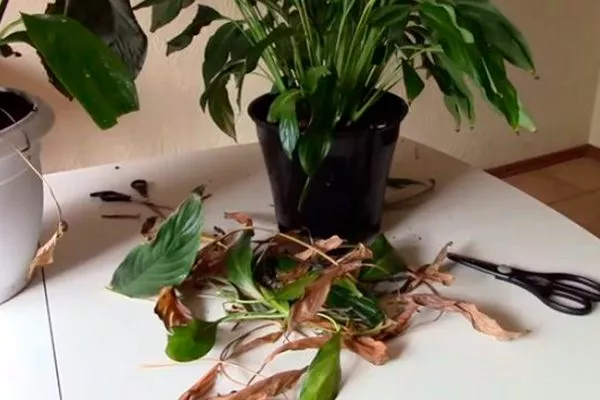
- They are cutting it off The plant has only flower stalks (after flowering) and leaves that are wilted, diseased, or dried out. The flower stalk is cut almost at the rhizome to prevent nutrients from being drawn out of the flower.
Diseases and pests
Spathiphyllum Sweet Chico has a fairly strong immune system, but if cultivation guidelines are severely violated, various problems can arise. The leaves are usually the first sign of problems. If they turn yellow, dry out, or develop brown spots, it's necessary to review the growing conditions, watering, and fertilizing regimen, and take appropriate measures.
The most common diseases that affect spathiphyllum are:
- Chlorosis. It is associated with impaired chlorophyll production and reduced photosynthesis. The plant's leaves partially or completely turn yellow and later fall off. Chlorosis can occur due to nutrient deficiency, acidic substrate, or lack of repotting. Treatment involves adding complex mineral fertilizers to the soil.
- Rotten. This is a group of diseases caused by overwatering. Roots, leaves, and, less commonly, flowers can rot. The disease can be triggered by spraying in cold weather, lack of drainage, frequent watering, and poor soil. If the rot is non-infectious, the plant can be saved by removing the rotting parts, drying the substrate, cleaning the roots, and adjusting the care.
- Burns. They occur when leaves are exposed to direct sunlight. The tissue eventually dies, and gum leakage may also occur. The only way to correct the situation is to move the plant to a more favorable location.
- Fusarium. A fungal disease that attacks the vascular system, causing root rot and eventually wilting of the aboveground parts. Treatment is only possible in the initial stages by spraying with fungicides.
Before bringing a flower indoors, it's a good idea to treat it with a broad-spectrum insecticide. This will protect other flowers from pests. One of the best pest control products is Actellic, which kills virtually all insects.
Most often, Spathiphyllum Chico is affected by the following pests:
- Spider mite. This arachnid arthropod is not controlled by conventional insecticides. Acaricides are needed to control mites. These pests often appear when the air becomes too dry. Their presence can be identified by a gray coating and fine webbing covering the undersides of leaves.
- Thrips. These fast-running but poor flyers reach 2 mm in length. They live on the undersides of leaves, sucking their juices. It is recommended to remove them by hand, wiping them off, and then spraying the bush with an insecticide.
- Mealybugs. These sedentary insects attach themselves to the above-ground parts of plants and suck their juices. Leaves and petioles become covered with yellow spots that enlarge over time.
- Scale insect. These insects have a waxy shell that protects them from insecticides. They are first removed by hand, then the plant is sprayed with an insecticide. The pests are most common in the sheaths of cuttings and where leaves attach. It's important to destroy all the pests; if even one remains, a new colony will soon reappear.
- Aphid. This insect typically attacks flowers located outdoors or on balconies. They settle in colonies and suck the plant's juices, leaving behind a honeydew that inhibits photosynthesis. The pests are controlled with soapy water and insecticides, and are removed mechanically.
Transfer
Spathiphyllum Sweet Chico is repotted annually. However, this only applies to young plants. Large, mature plants are repotted much less frequently—every 3-5 years. Repotting is done in the spring, following the planting pattern described above.
The plant being repotted is watered beforehand to facilitate its removal from the pot. Immediately before repotting, the plant is removed from the pot, taking care not to damage the roots, and moved to a new pot, which should be 1-2 cm wider and taller than the previous one.
How to propagate?
Spathiphyllum Chico can be propagated vegetatively and by seed. Hobby gardeners prefer the former, as seed propagation is too time-consuming and laborious. It is used primarily in greenhouses and for plant breeding.
Reproduction methods:
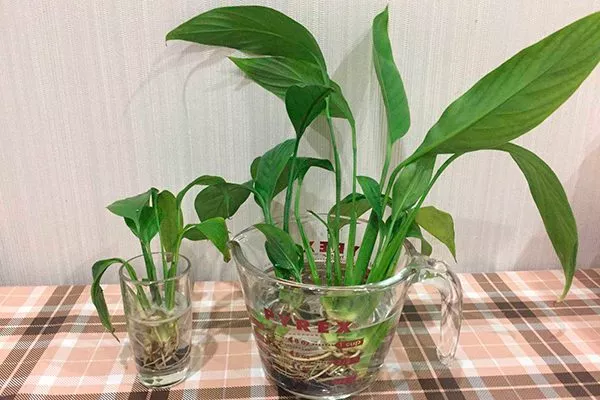
- Cuttings. The leaf rosettes are cut off and placed in water. Once they have developed roots, they are repotted and covered with transparent film.
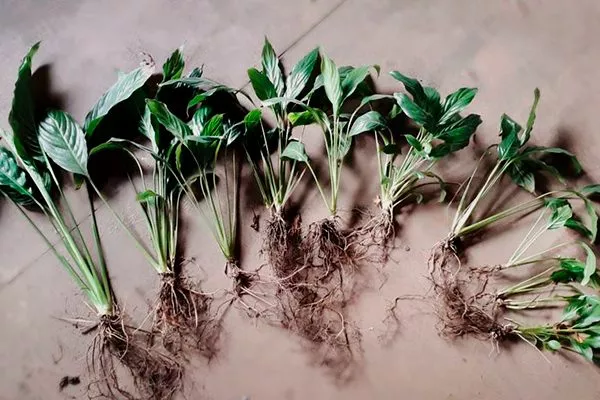
- By dividing the bush. The plant is removed from the pot and a cutting with at least three leaf rosettes and a piece of strong rhizome is separated. The cuttings are planted at the same depth as in the old pot. The roots are untangled and rinsed with water before planting.
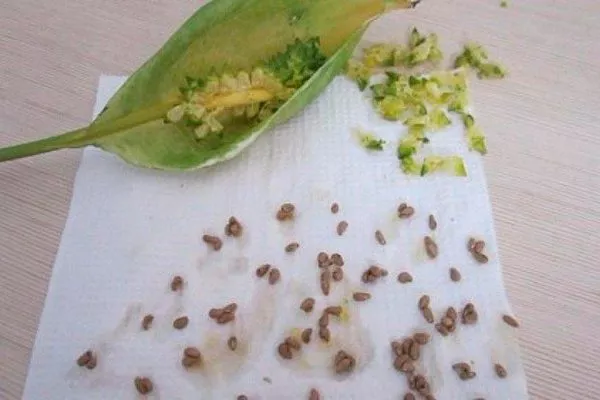
- Seeds. The planting material is scattered over the soil in the container, which is pre-moistened. The seedlings are covered with plastic film, regularly ventilated, and sprayed with water. When the seedlings emerge, the cover is removed. Soon, as soon as the first leaves appear, the grown seedlings are transplanted into individual pots.
| Method | Time to rooting (days) | Success rate (%) |
|---|---|---|
| Cuttings | 14-21 | 85 |
| By dividing the bush | 7-14 | 95 |
| Seeds | 30-60 | 50 |
Why doesn't it bloom?
Sometimes, the Chico spathiphyllum refuses to bloom, with no flower stalks forming and no blooms observed. This situation is likely due to objective reasons; it's important to determine the cause of the lack of blooms and address the issue.
- ✓ The light level should be at least 2000 lux to stimulate flowering.
- ✓ The temperature at night should not fall below +18°C to prevent stress on the plant.
Reasons:
- Lack of lighting. The plant needs to be moved closer to the window or transferred to a windowsill facing east or southeast; windows facing west and north are also suitable; south windows are not suitable.
- Violation of the watering regime. If the plant lacks moisture, it will drop its buds. Watering should be adjusted. It's important to use only settled, room-temperature water.
- Inappropriate pot. If you transplant a flower into a pot that is too large, it will not bloom, as the plant will first grow roots, trying to fill the entire volume of the pot.
Spathiphyllum Sweet Chico is a striking houseplant, ideal for modern interiors. Requiring little care or special conditions, this flower looks truly luxurious, with its large glossy leaves and large, snow-white, "sail" flowers adding a touch of freshness and sophistication to the atmosphere.