
Growing and caring for the Spathiphyllum Sensation is considered a fascinating and relatively simple process. This ornamental plant, with its large leaves and beautiful flowers, makes a wonderful interior decoration. The plant promises not only aesthetic pleasure from its beautiful appearance and fragrance but also symbolizes a woman's happiness in the home.
History of origin
Dutch breeders developed a variety of spathiphyllum called Sensation with the aim of improving its adaptation to the conditions of city apartments, where even with good care, the original plants rarely and weakly bloomed.
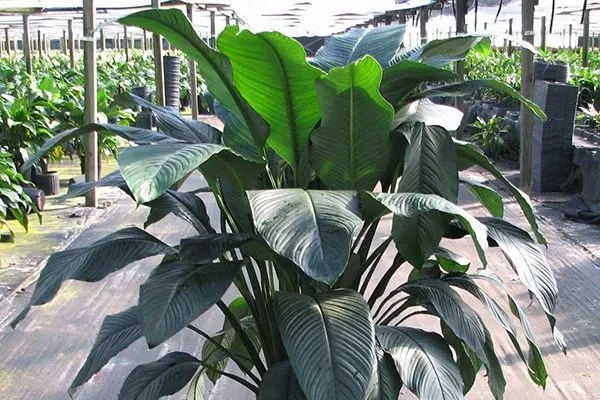
The main goal was to increase the plant's size. The result of this selection process was the Sensation variety, optimized for indoor cultivation with low light.
Description of the variety
Dutch breeders have developed a spathiphyllum cultivar called "Sensation," specifically designed for rooms with low light. It's a tall shrub characterized by large leaves.
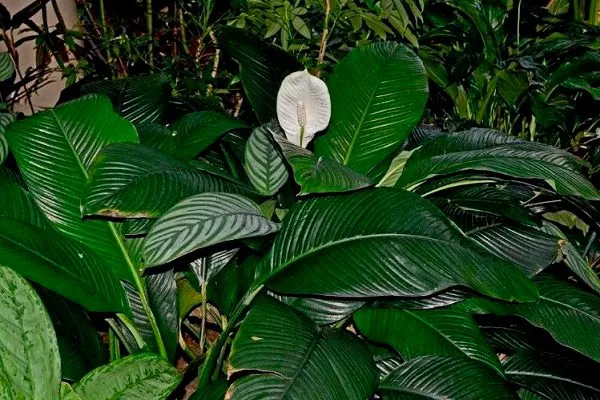
The plant can reach a height of 50 cm, and the leaves are usually 50 cm long, although sometimes there are specimens with foliage of 80 cm. The width of the leaf blades varies from 30 to 40 cm, possessing a rich green hue and clearly defined ribbing.
| Characteristic | Sensation | Medium Spathiphyllum |
|---|---|---|
| Plant height | 50-80 cm | 30-40 cm |
| Sheet length | 50-80 cm | 20-30 cm |
| Sheet width | 30-40 cm | 10-15 cm |
| Bloom | April-September | May-August |
| Temperature conditions | +20…+25°C | +18…+23°C |
How is it different from other types?
The Sensation variety is an impressive variety of peace lily, maintaining the proportions typical of known species, but all its parts are much larger than other varieties. Even with minimal care, its leaves reach an impressive 50 cm in length, while those of the common peace lily barely reach half that length.
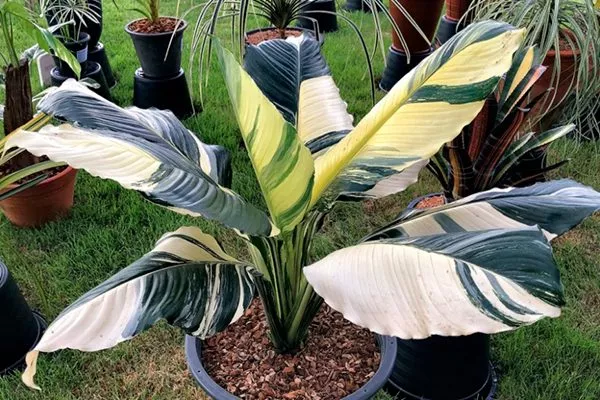
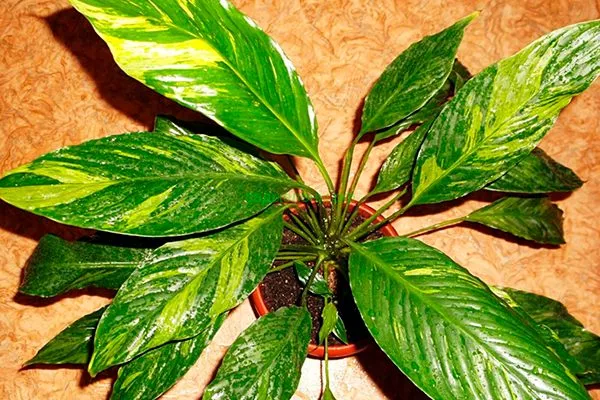
In addition to the standard form, there is a variegated variety. It is similar in appearance, but the dark green leaves have white streaks. Although variegated varieties tend to bloom less frequently and less profusely, their beautiful foliage makes up for it, maintaining its appearance year-round.
Medicinal properties
Spathiphyllum has no medicinal properties, remaining purely an ornamental plant intended to delight the eye during flowering. Unlike some of its edible relatives, spathiphyllum is not used commercially.
Is the plant poisonous or not?
Spathiphyllum is considered a conditionally poisonous plant. It poses no danger indoors when used as an ornamental plant. However, avoid chewing or touching the crushed leaves, which release sap.
Peace lily contains significant amounts of calcium oxalate and oxalic acid, which can pose a danger to small children and pets. People prone to allergies are advised to limit contact with the plant to avoid any adverse effects.
Bloom
Spathiphyllum, especially the Sensation variety, has gained popularity thanks to its unique blooms, considered a symbol of feminine happiness. The large flowers of this plant, reminiscent of anthuriums, become the focal point of home interiors.
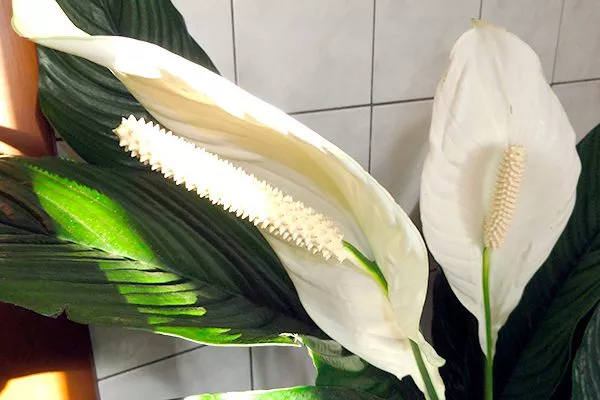
The first spathiphyllum flowers appear in spring. A white spathe opens, framing a yellowish flower. This process depends on light and temperature, with flowering stimulated at 13-14°C. Flowering can continue from April to September, followed by a dormant period in the fall.
Subvarieties of this species
Spathiphyllum Sensation has several subvarieties. Each has unique characteristics:
- Strauss. A dwarf variety, reaching a height of no more than 20-30 cm. Characterized by oblong leaves and a snow-white bract of a classic shape.

- Sunny sales. Known for its abundant blooms and vibrant foliage, this variety attracts attention with its vibrant palette of flowers.
- Milk. It is an ornamental plant with abundant blooms and a pleasant aroma. Its leaves are oval, and its inflorescences are incredibly beautiful.
- Haiti. This type of peace lily is a rare and beautiful dwarf variety. It is characterized by its compact size and beautiful inflorescence.
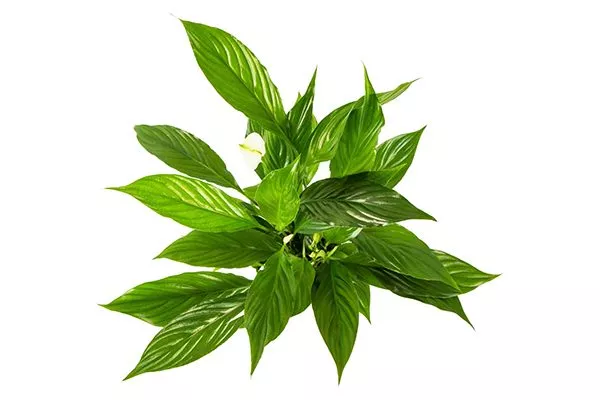
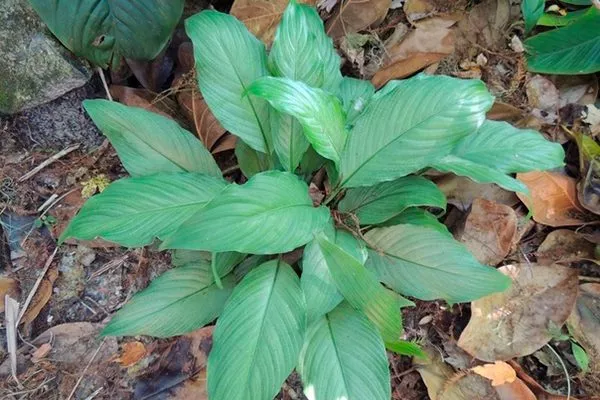
Each of these sub-varieties brings unique features to the home and delights the gardener with a variety of shapes, sizes, and colors.
What do the fruits look like?
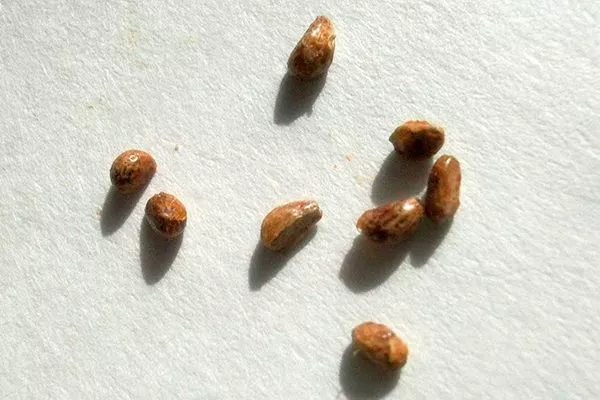
After flowering and the spathe fade, fruits resembling apple seeds form. It is recommended to trim the flower stalk so the plant can conserve its energy for further development. This process adds additional appeal to the spathiphyllum and makes it a wonderful object of care.
How to grow a flower?
Growing peace lilies from seed is rare and is typically used to create new varieties and hybrids. Seeds can be purchased in stores or obtained by harvesting spent flowers from the plant.
Choosing a pot
To sow spathiphyllum seeds, use a shallow but spacious pot.
The optimal height is 5 to 10 cm to ensure stable soil moisture. Special microgreenhouses for sowing seeds are considered ideal, as they make it easier to maintain the required microclimate.
What should the soil be like?
It's recommended to purchase a ready-made substrate for aroids from a store. If you don't have one, prepare the soil yourself by mixing the following ingredients:
- 2 parts peat;
- 2 parts sand;
- 1 part humus.
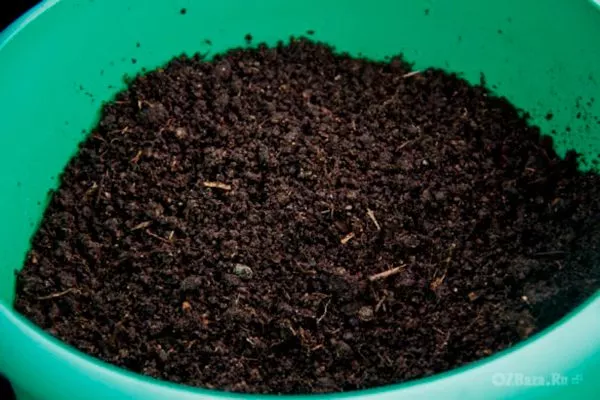
This mixture will provide soil with moderate nutrient content and a light texture.
Vermiculite can be used as an alternative to sand. If humus and sand are unavailable, create a nutrient-rich substrate by combining peat moss and a prepared violet substrate.
How to plant?
Planting a peace lily involves several steps. Here are the main ones:
- Etching. If you're using store-bought seeds, you can skip this step. Otherwise, treat the seeds with seed dressings such as Previkur, Prestige, or Maxim to prevent fungal and bacterial infections.
- Soak. Place the seeds between two cotton pads or on a napkin soaked in water.
- Landing. As soon as the seeds begin to germinate, plant them without waiting for large sprouts to form to avoid injury during planting.
- Preparing the container. Add a small layer of drainage (fine gravel) to the container to a third of its height, then fill it with prepared soil.
- Sowing seeds. Water the soil and distribute the seeds in a checkerboard pattern at a distance of 2-3 cm from each other.
- Covering and growing. Cover the container with a plastic bag or transparent lid. After the seeds germinate, gradually increase ventilation, acclimating the seedlings to this process.
- Seating arrangement. When the seedlings have 3 leaves, transplant them into separate pots.
Home care
Caring for the plant requires providing favorable conditions for its development, taking into account the characteristics of its natural environment. Proper care will ensure a plant with strong immunity and abundant flowering.
Annual care plan
- January-February: dormant period, watering once every 10 days
- March: first feeding, increase watering
- April: beginning of flowering, weekly feeding
- May-August: active growth, humidity control
- September: last feeding, preparation for dormancy
- October-December: winter maintenance regime
Temperature
The optimal temperature for favorable growth and flowering is at least +20°C. If the temperature drops to +15°C, the spathiphyllum may enter a dormant state. If the temperature drops below +10°C, especially when combined with other factors (high humidity and drafts), the plant is at risk of dying.
Lighting
Spathiphyllum prefers moderate light and does not tolerate bright light. In its natural habitat, in the shade of forests, this plant thrives. An east- or southeast-facing window is ideal for indoor placement.
Watering
Water sparingly, focusing on when the top layer of soil dries out. Avoid stagnant water in the pot to prevent possible root rot. A drainage layer of expanded clay or brick chips helps prevent excess moisture and ensures proper root respiration.
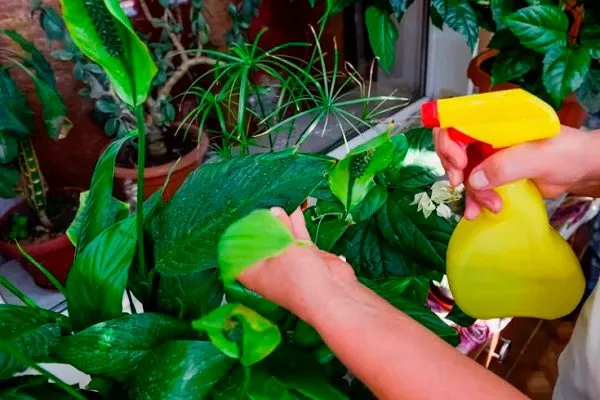
For watering, use settled, room-temperature water. During winter, when the spathiphyllum is dormant, water the soil carefully to avoid over-watering. The soil should not be excessively soggy during this period.
- ✓ Water temperature: +22…+25°C
- ✓ Hardness: no more than 8°dH
- ✓ Method: bottom watering through a tray
- ✓ Control: moisture meter at a depth of 5 cm
- ✓ Sign of overwatering: drooping of young leaves
- ✓ Sign of underwatering: dry tips of old leaves
Top dressing
Like many other houseplants, peace lilies require weekly feeding during the warm season from spring to fall. In winter, watering with a fertilizer solution once a month is sufficient, as the plant is dormant during this time and does not require additional nutrition.
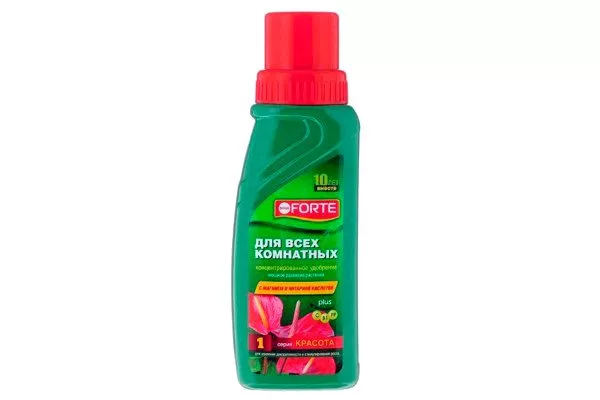
Spraying leaves with a micronutrient solution is beneficial. Chelated fertilizers are preferred because they are absorbed more efficiently and are 95% more readily available than regular minerals.
When fertilizing spathiphyllum indoors, apply liquid fertilizer to moistened soil. To ensure abundant flowering, use the following types of fertilizer:
- Complex mineral mixtures such as Azofoska, Nitrophoska.
- Chelated mineral mixtures, such as Helatin (potassium, phosphorus).
- Special complex compositions for flowering plants.
- Solutions of microelements in chelated form.
| Period | Fertilizer | Dosage | Frequency |
|---|---|---|---|
| March-April | NPK 20-20-20 | 1/2 of the norm | Once every 2 weeks |
| May-June | NPK 10-30-20 | Full norm | Weekly |
| July-August | Potassium nitrate | 1 g/l | Once every 10 days |
| September | Potassium monophosphate | 0.5 g/l | Once every 2 weeks |
| October-February | Not required | — | — |
Trimming
Spathiphyllum, although considered an easy-to-grow plant, may still require regular pruning, which is an essential part of its care. While it can be successfully grown without this procedure, lack of pruning can lead to a reduction in its decorative appearance and flowering time.
Pruning is required for several reasons:
- removal of old, dead shoots and leaves;
- clearing the bush of faded inflorescences;
- stimulation of active growth and development of plants;
- improved flowering;
- crown formation;
- maintaining decorative appeal.
Spathiphyllum pruning has no strict time frame and can be done year-round, but spring and early summer are considered the best times. It's important to carefully assess the amount of foliage to be pruned and, if necessary, perform the procedure in stages to avoid stressing the plant.
First, remove dried and completely yellowed leaves. Do this carefully using a disinfected knife or garden shears. Prune the flower stalk as low as possible to prevent damage to the plant.
Transfer
Repot young peace lilies annually, refreshing the soil. The optimal time for this is spring, before active growth begins. Mature plants over four years old require repotting approximately every three years, after which only the top layer of soil can be refreshed.
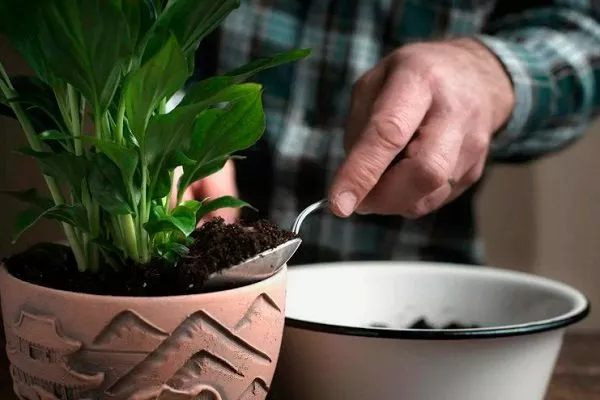
When replanting, follow these rules:
- Choose a pot that is the right size to provide the flower with comfortable space to grow, avoiding conditions that are too cramped.
- Purchase or prepare suitable soil for the plant.
- First, provide a drainage layer at the bottom of the pot, and if there is none, make drainage holes.
- Transplant with a lump of earth.
Care during the budding period
During the flowering period, adhere to two key principles: abundant watering and fertilizing. Apply a complete fertilizer according to the recommended dosage, preferring fast-dissolving formulas.
If your peace lily isn't blooming, inspect it to identify possible causes. These may include the following:
- Using a pot that is too large, which leads to active development of the root system.
- Lack of fertilizer or use of low-quality fertilizers.
- Insufficient lighting.
- Low ambient temperatures.
After eliminating the above mentioned reasons, if flowering is still absent, it is recommended to inspect the root system.
How does Sensation reproduce?
There are three suitable methods for propagating the Spathiphyllum Sensation. Most often, gardeners choose division, but seed propagation and root suckers are equally effective.
Dividing the bush
Once grown, spathiphyllum should be divided into individual bushes to maintain its health and ensure optimal growing conditions. This process is recommended if the plant has become overcrowded or requires repotting.
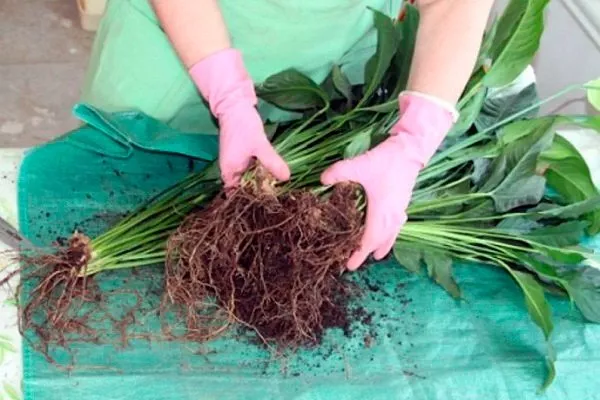
The procedure includes the following steps:
- Prepare new pots, scissors or pruning shears.
- Water the spathiphyllum generously before starting the procedure.
- Carefully remove the bush from the soil, having first considered the need for division.
- Clean the roots from soil by rinsing them with warm water.
- Remove dried shoots and areas where leaves were previously trimmed.
- Divide the roots of the plant, being careful not to damage them.
- Treat the incision sites with charcoal or brilliant green to prevent infection.
- Plant independent plants with roots in new pots, prepared in advance for transplanting.
This process will help maintain the health and optimal growing conditions of your peace lily.
Seed propagation
This method is rarely used, most often by plant breeders. The seeds are planted immediately after collection in peat, then covered with plastic film. During the growth and development of the seedlings, periodic watering and ventilation are performed.
After growing sufficiently large plants, they are transplanted into separate pots, then the film is periodically opened and ventilated until they are fully adapted, after which it is completely removed.
Root suckers
Take cuttings from a healthy plant, place them in peat or sand, and then cover with plastic wrap. Place the container in the shade and keep warm. Once roots appear (usually 2-4 weeks), gradually remove the plastic wrap. This method is considered very effective and popular for propagation.
Diseases and pests
After purchasing your peace lily, thoroughly inspect it for pests. This plant is a magnet for thrips and mealybugs. To identify these pests, carefully inspect both the roots and leaves. If necessary, repot it in new soil.
The appearance of leaf spots is a common concern for gardeners. This unpleasant effect can be caused by several factors: overwatering, dry soil, or too little or too much fertilizer. Establish a regular fertilizing regimen, use proven fertilizers, and water the plant moderately.
Spathiphyllum is often recognized as an ornamental houseplant, bearing the promising name "women's happiness." Although this ornamental houseplant, while unpretentious, requires some care to maintain its decorative appearance and ensure long-lasting blooms.